Rachel Roddy’s recipe for spring chicken thighs with spring onions, mint and peas | A kitchen in Rome
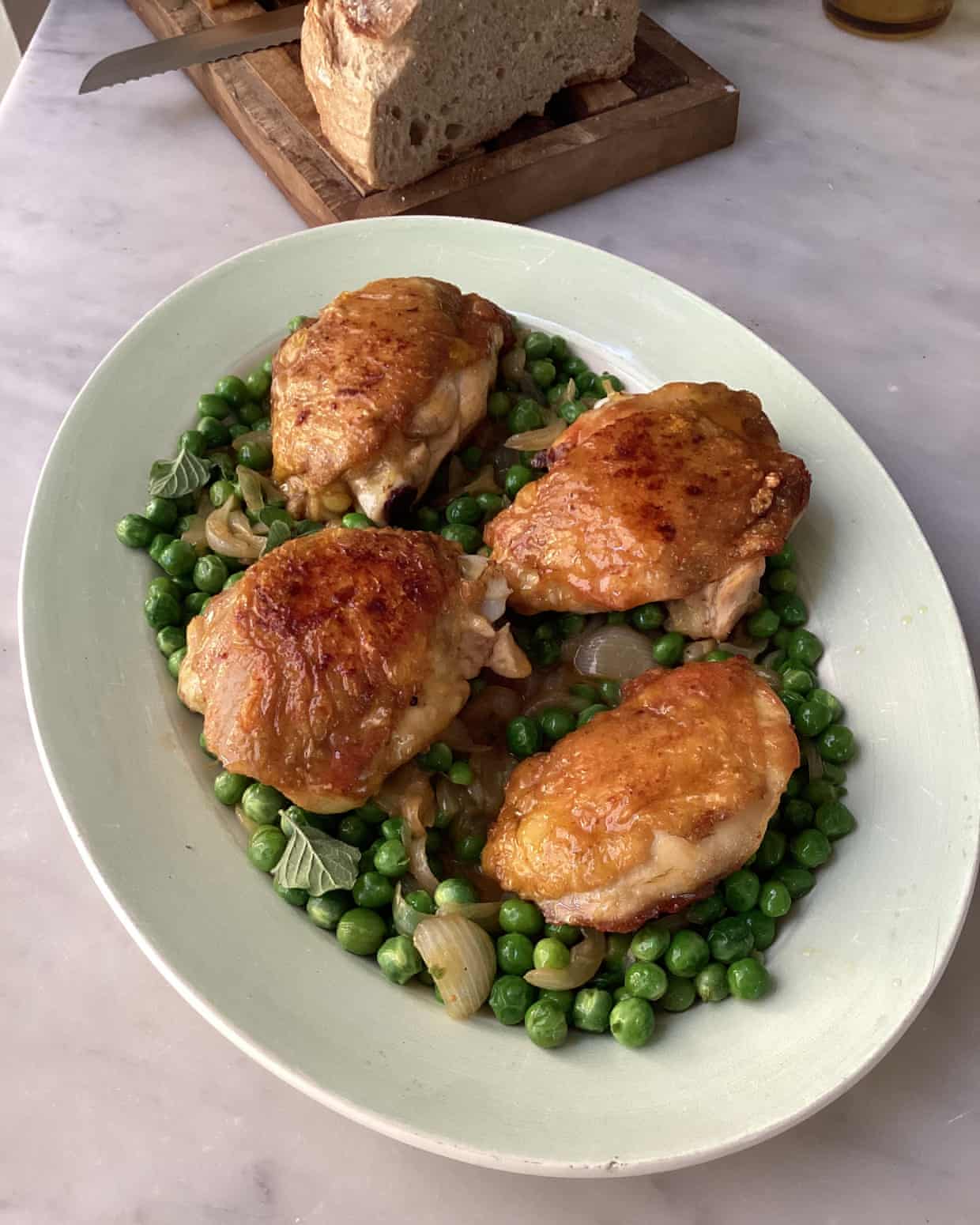
The weather lately has been as temperamental as peas in pods.But peas are even harder to read than the sky: some pods contain sweet things no bigger than peppercorns, which explode when you bite them; the contents of others, however, are closer to small ball bearings, their size very likely a sign that all the natural sucrose has been metabolised and transformed to pea starch.The best thing for the tiny ones is to snack on them alongside a bit of cheese, whereas the path for big ones is the same as for dried peas, so pea and ham soup or a long-simmered puree.The Guardian’s journalism is independent.We will earn a commission if you buy something through an affiliate link.
Learn more.Prepared for all the above, I first checked that there were frozen peas in the freezer.It was a packet I used to take for granted until my son, aged 14 (and having finished all the biscuits, crisps, cereal and milk) decided that peas were a decent late-night desperation snack.Fortunately, there was a packet, because I needed a good portion of it to make up for the pea shortfall caused by the huge and tiny ones found in one kilo of pods.This week’s recipe is a mix of three recipes.
The first is Arabella Boxer’s poussins aux pois in First Slice Your Cookbook, which was published in 1964 and designed by her then husband, Mark Boxer, who had the innovative and massively useful idea of slicing the cookbook in three and ring binding each part, so you can flip through the three sections – soup and hors d’oeuvres, mains and puddings – separately, and have them all open at once,The book also includes drawings by Alan Cracknell and wine suggestions by Hugh Johnson,In short: run to AbeBooks and get a copy,The second and third are Ada Boni’s pollo in padella (chicken in a pan) and her braised peas and spring onion from Il Talismano della Felicità (The Talisman of Happiness), which is a fraction of the fun of First Slice Your Cookbook, but also brilliant,The combination of pan-fried chicken with golden, crisp skin and softly braised spring vegetables is delightful.
Chicken thighs are brilliant, too; the combination of their fat content, red muscle fibres and darker meat make them the most flavourful part of the chicken, and also less likely to dry out when you cook them.The bone within the thigh keeps the flesh and muscle compact, and therefore helps with tenderness; however, the nature of the cut means that boneless thighs are good, too, and also cook more quickly.You decide.Serve directly from the pan or transfer to a warm serving plate, zigzagging with olive oil or adding a few bits of butter.This is a reliable and ideal dish for all sorts of weather, especially alongside bread and a glass of wine.
Serves 48 small or 4 large skin-on chicken thighs, bone in or bone outSalt Olive oil1 large bunch spring onions, finely sliced, or 3 fresh white onions, peeled and sliced100ml white wine400g peas, fresh or frozen1 small bunch mint or mentuccia, rippedSprinkle the chicken thighs with salt, rubbing it all over so it’s well distributed.Starting with a cold frying pan, cover lightly or rub the base with oil, then lay in the thighs skin side down.Put the pan on a medium-low heat – this is going to help the fat render gently, which ensures golden and crisp skin – and leave to fry gently for 20-25 minutes for bone-in thighs, or 15-20 for boneless.Gently shake the pan intermittently, and notice the rising level of opaque cooked meat.Once the skin is golden brown and crisp, turn over the thighs and cook for another 15 minutes for bone-in or eight for boneless, until cooked through.
Lift the thighs on to a warm plate and keep it in a warm spot,Pour the fat from the pan into a bowl, leaving any meaty residue behind in the pan,Return three tablespoons of the fat back into the pan, stir in the onions and move them about briskly for a minute or two,Add the wine, let it whoosh, then stir so any meaty residue eases from the base of the pan – the onions will go slightly brown (this means flavour),Simmer for five minutes, add the peas and make sure there is still enough liquid that the pan is steamy (if not, add a little more).
Cover the pan and cook the peas for eight to 12 minutes, until tender but with a bit of pop.Stir in the mint leaves, then return the chicken thighs skin side up to the pan and simmer for a couple of minutes more.Taste for salt.Serve directly from the pan, or transfer to a warm serving dish.This article was amended on 7 May 2026 to clarify that it was 14-year-old Luca, not the author, who munched through all the peas in the freezer.
How to make arancini – recipe | Felicity Cloake's Masterclass
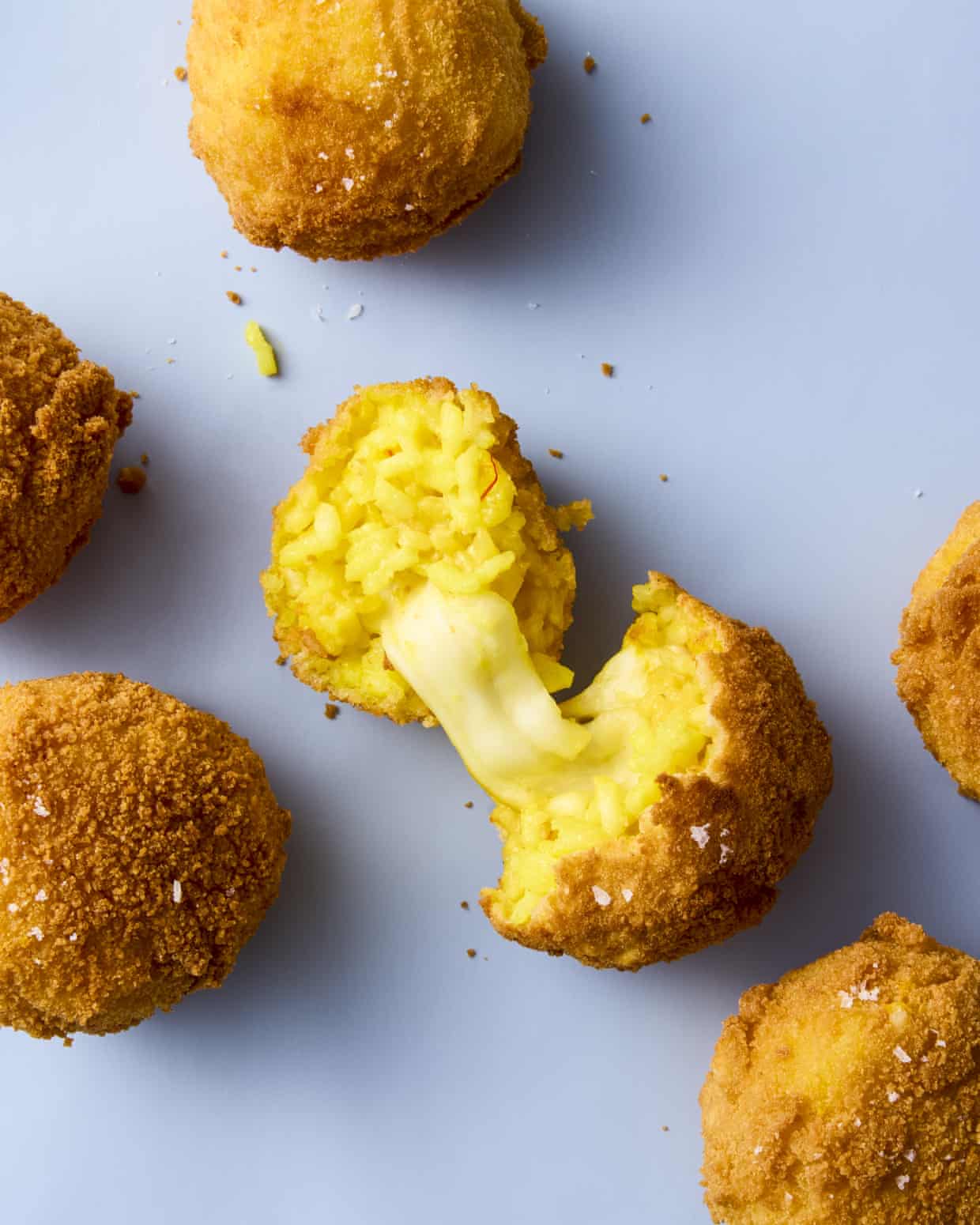
Before I wrote this recipe, it hadn’t occurred to me that the word “arancini” means “little oranges”, and, plump, round and golden as they are, it makes sense, too. Indeed, these robust rice balls, which are said to have come to Sicily with Arab invaders in the 10th century, are now, according to the late Antonio Carluccio, the local equivalent of a sandwich lunch.Prep 25 min Cook 45 min Makes 8 large ballsFor the risotto700ml chicken stock, or vegetable stock100ml white wine (optional)250g short-grain rice (eg, arborio)½ tsp salt, plus extra to season1 very generous pinch saffron (optional)50g parmesan, or grano padano or vegetarian alternative, gratedBlack pepperFor the arancini2 eggs plus 1 egg yolk100g mozzarella, drained and cut into chunksOptional other fillings of your choice – meat ragu, pesto, sauteed mushrooms, wilted or defrosted greens170g plain flour 250g fine dried breadcrumbs (preferably not panko)Neutral oil, for fryingFlaky sea salt, to finish (optional)Risotto is a northern Italian dish, so Sicilian arancini weren’t designed with it in mind, but they are great vehicles for risotto leftovers. My recipe is intended for 700g cooked rice, but adjust the fillings and coating according to what you have; these are also a great way to repurpose small amounts of ragu, cooked vegetables, fish or meat.If you’re cooking the rice from scratch, put the stock and wine (or substitute 100ml extra stock, if you prefer) in a medium pan and bring to a boil – I like chicken stock, because I find it the most neutrally savoury, but use whatever suits the fillings you’re using
Mitsu, London EC2: ‘Determinedly fun and delicious’ – restaurant review | Grace Dent on restaurants
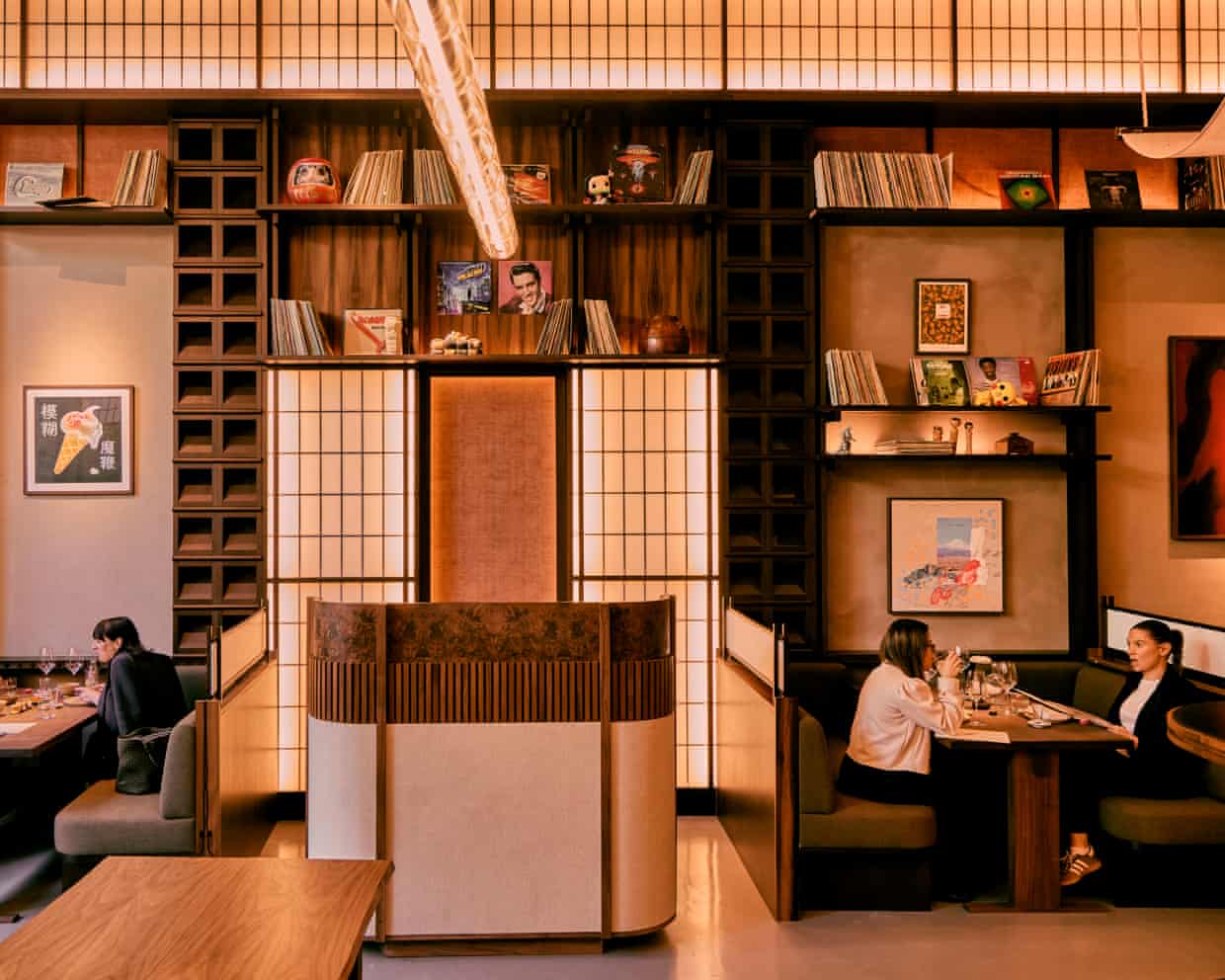
No spoilers, but I knew even before I’d reached for my chopsticks that Mitsu would be a vast improvement on its predecessor, because it has taken the place of Nobu Shoreditch in the under-gusset of the Aethos hotel, a Swiss-owned “lifestyle hospitality brand”, in east London. Nobu was gargantuan, moodily lit (that is, pitch black), woundingly expensive and terrifically hard to book, despite having something like 797 seats; it was also one of the most soulless London restaurants of the past 25 years. Nobu Shoreditch felt symbolic: it was where all the raffish hope of the 1990s YBA crowd and the early noughties electroclash heads went to die.But that was then, and now, in 2026, the Aethos crew has deftly brightened and lightened the mood of the room, making it actually cosy and adding a twinkly central bar; there’s an open robata kitchen and roomy booths, as well as a pretty Japanese garden. Mitsu calls itself an izakaya, which is what European restaurateurs always say when they mean the Japanese-influenced food isn’t too po-faced and you can get really tipsy on sake
Benjamina Ebuehi’s recipe for Mexican-style vanilla bean flan | The sweet spot
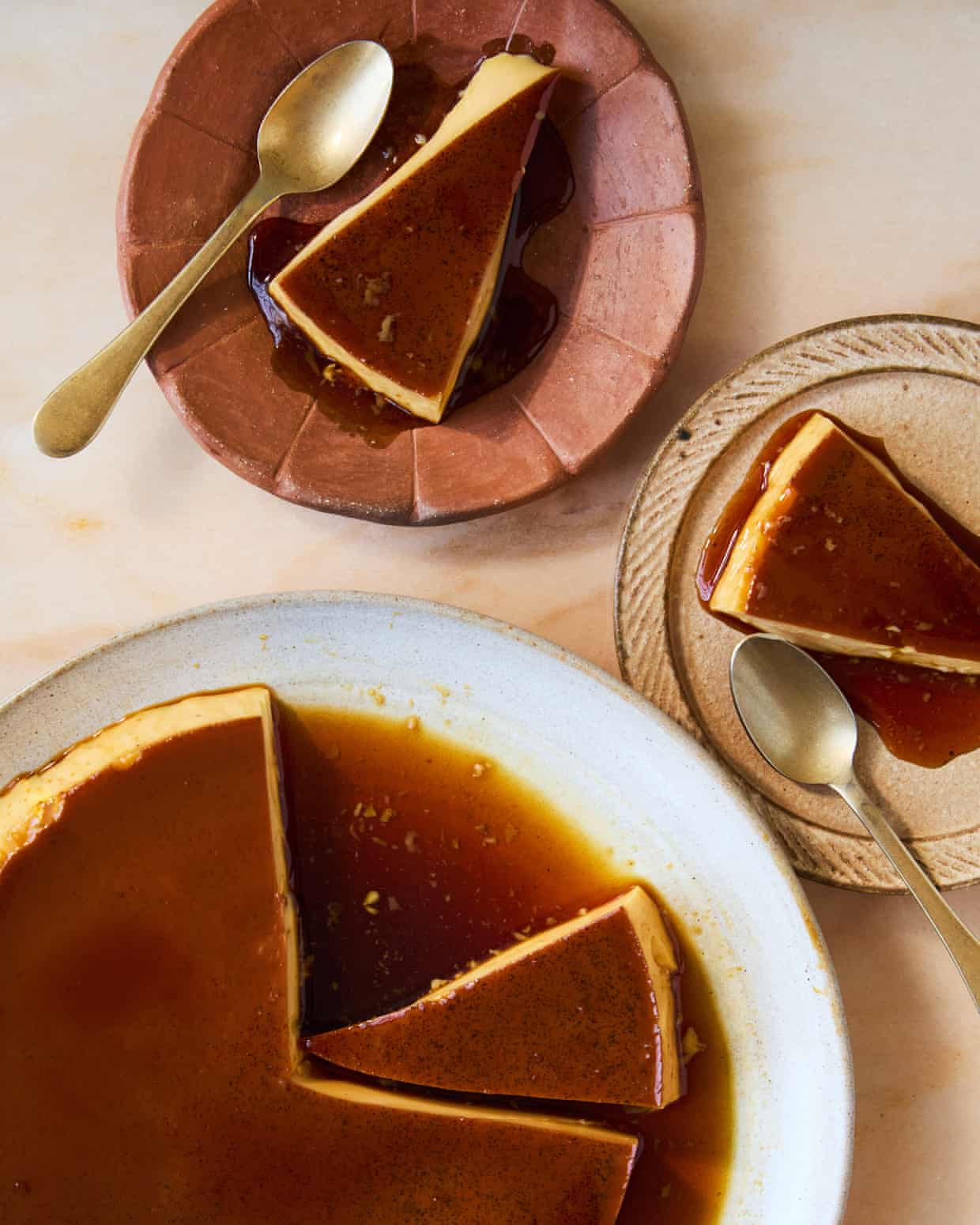
I started the year in one of my favourite places: Mexico City. I’ve since become one of those annoying people who finds a way to bring it up in nearly every conversation, so please indulge me just this once! Each time I’ve been to Mexico, I develop a new fixation, and this year I ate a considerable amount of flan. It’s seen as a bit of a retro dish here in the UK, and perhaps a little divisive, but I love it.Mexican-style flan is typically made with condensed milk, giving it a gorgeous, silky, creamy texture. I’ve also added plenty of vanilla – brought back from my trip, of course

How to match wine with vegetables
At a recent tasting, I got chatting to a winemaker from Australia’s Clare Valley as I bravely made my way through his wares: a ripe, leathery shiraz and a deep, dark cabernet sauvignon that put me in mind of blackcurrant bushes. These were serious wines – and good value, too. A generation ago, such gutsy New World reds were all the rage, but now, lamented the winemaker, gen Z was more interested in lighter, cooler-climate wines, lower on the alcohol and brighter on the palate.The Guardian’s journalism is independent. We will earn a commission if you buy something through an affiliate link
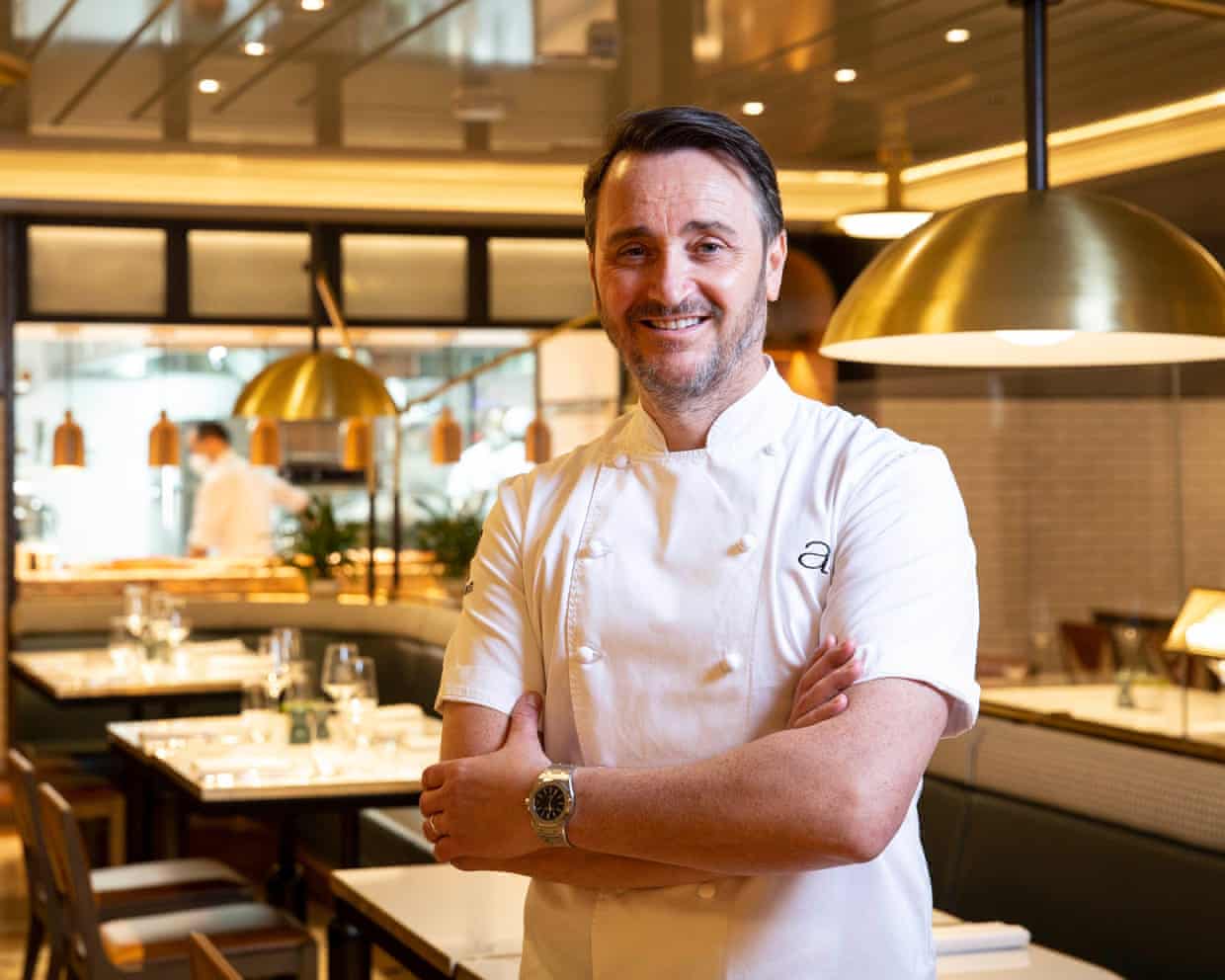
‘Restaurants won’t survive’: Michelin chef opens venues abroad to withstand UK taxes
A British Michelin-starred chef says he is opening restaurants abroad to subsidise his UK venues against a backdrop of high taxes and a struggling hospitality sector.Jason Atherton is now in Forte dei Marmi, on the Tuscan coast in Italy, where he is preparing his newest opening, Maria’s, which will be in the Principessa hotel. The Sheffield-born chef now has restaurants all over the world, including in Dubai and St Moritz.He said he was finding it easier to make a profit in countries with more forgiving policies towards restaurants, pubs and bars. “I am trying to sustain our business by opening abroad
Rachel Roddy’s recipe for spring chicken thighs with spring onions, mint and peas | A kitchen in Rome
The weather lately has been as temperamental as peas in pods. But peas are even harder to read than the sky: some pods contain sweet things no bigger than peppercorns, which explode when you bite them; the contents of others, however, are closer to small ball bearings, their size very likely a sign that all the natural sucrose has been metabolised and transformed to pea starch. The best thing for the tiny ones is to snack on them alongside a bit of cheese, whereas the path for big ones is the same as for dried peas, so pea and ham soup or a long-simmered puree.The Guardian’s journalism is independent. We will earn a commission if you buy something through an affiliate link

Royal Opera House calls for release of Georgian bass singer jailed over democracy protests

‘Using his Terminator voice, Arnie said: “Your song. Give it to me. Now”’: Bad to the Bone’s creation – and aftermath

What is a ‘Scientology speedrun’ and why is social media suddenly obsessed with it?
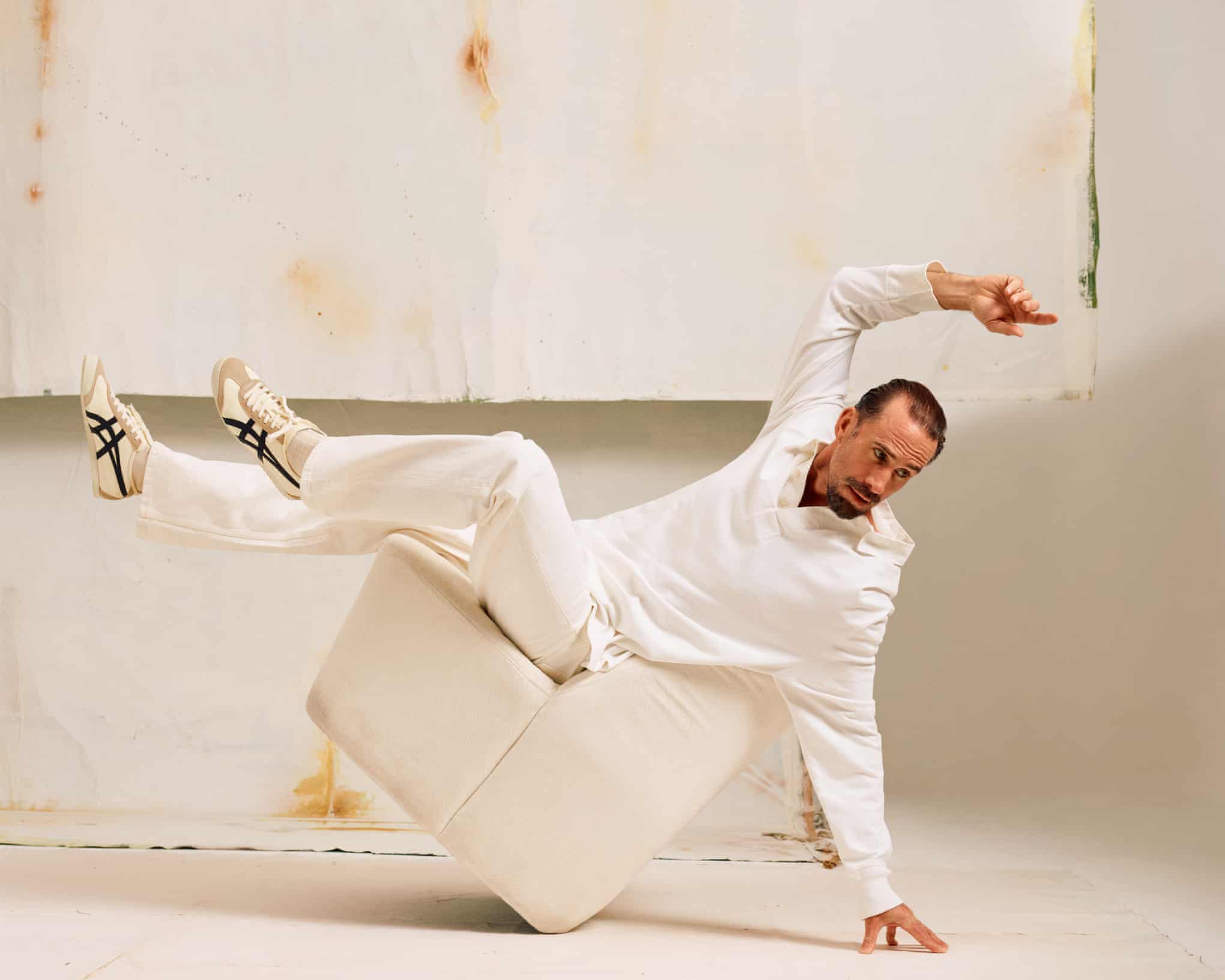
Joseph Fiennes on parenting, politics and banning children from social media: ‘Stand up, Keir, this is your kids’ generation’

The Guide #242: Everyday Hollywood film comedies have faded but can they make a comeback?

Ah, ah, ah, ah - I saved my dad’s life with a little help from The Office and the Bee Gees