NEWS NOT FOUND
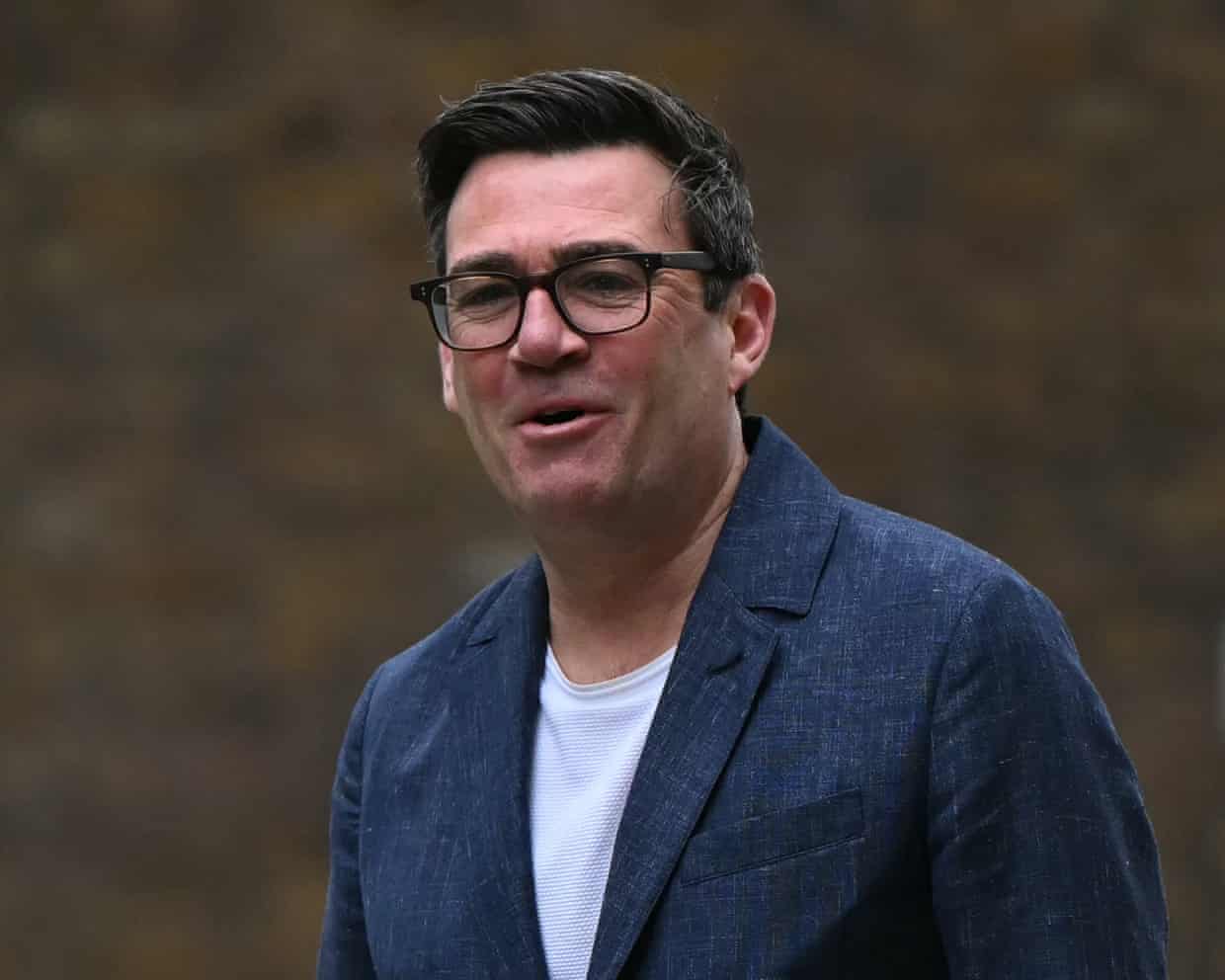
‘Hold the line’: Burnham tells allies in parliament he still has options to return
Andy Burnham has told Labour MPs they should hold the line and that he has options to return to parliament after several seats identified by his allies failed to materialise.Two seats that backers of the Greater Manchester mayor had described as “nailed on” as recently as Monday night are now out of contention after the MPs concerned got cold feet.Burnham spoke to a number of MPs by phone on Tuesday and assured them that he still intended to seek an imminent return to parliament.The Guardian was told by two MPs on Wednesday that Jeff Smith, who represents Manchester Withington, an affluent suburb of the city, was in talks about stepping aside for Burnham, but his friends denied it. Asked whether he was about to make way, Smith told the Press Association he was not
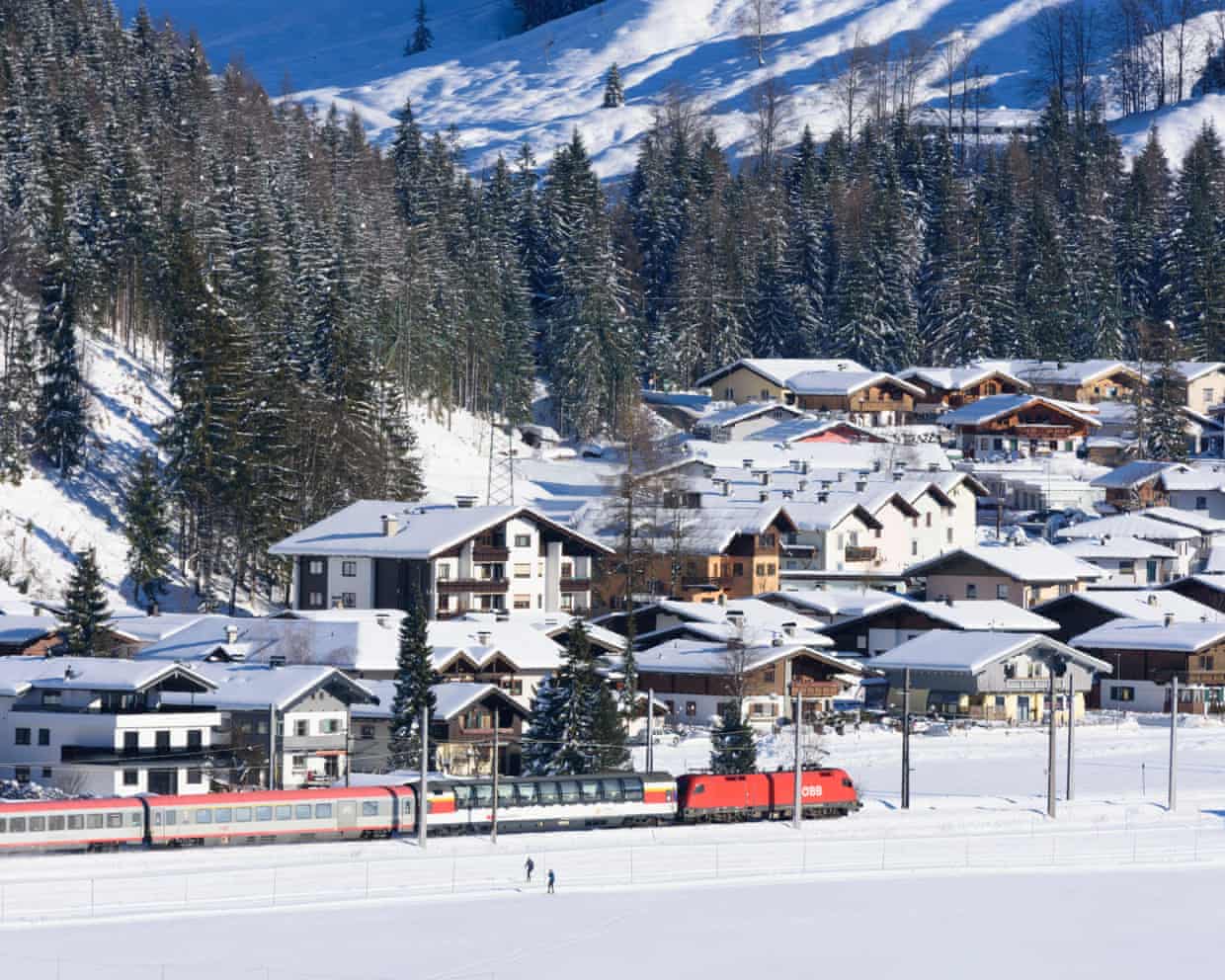
EU proposes end to ‘five tabs, three apps and a prayer’ for cross-border train bookings
Cross-border train journeys through several European countries are the stuff of many a holidaymaker’s dreams.But the reality of trying to buy the tickets, navigating multiple websites without knowing who can help if a connection is missed, can prove less than relaxing. As one MEP puts it, it can often require “five tabs, three apps and a prayer”.Now, however, the European Commission has proposed that before the end of the decade passengers should be able to buy one ticket for one journey and be better protected when trains are late or cancelled.“Europeans will be able with the click of a button to plan, compare and purchase multimodal journeys across borders while benefiting from stronger rail passenger rights, greater transparency and better protection every step of the way,” the EU transport commissioner, Apostolos Tzitzikostas, said on Wednesday, as he published new rules intended to transform the “excessively complex” experience he said rail travellers met when booking tickets
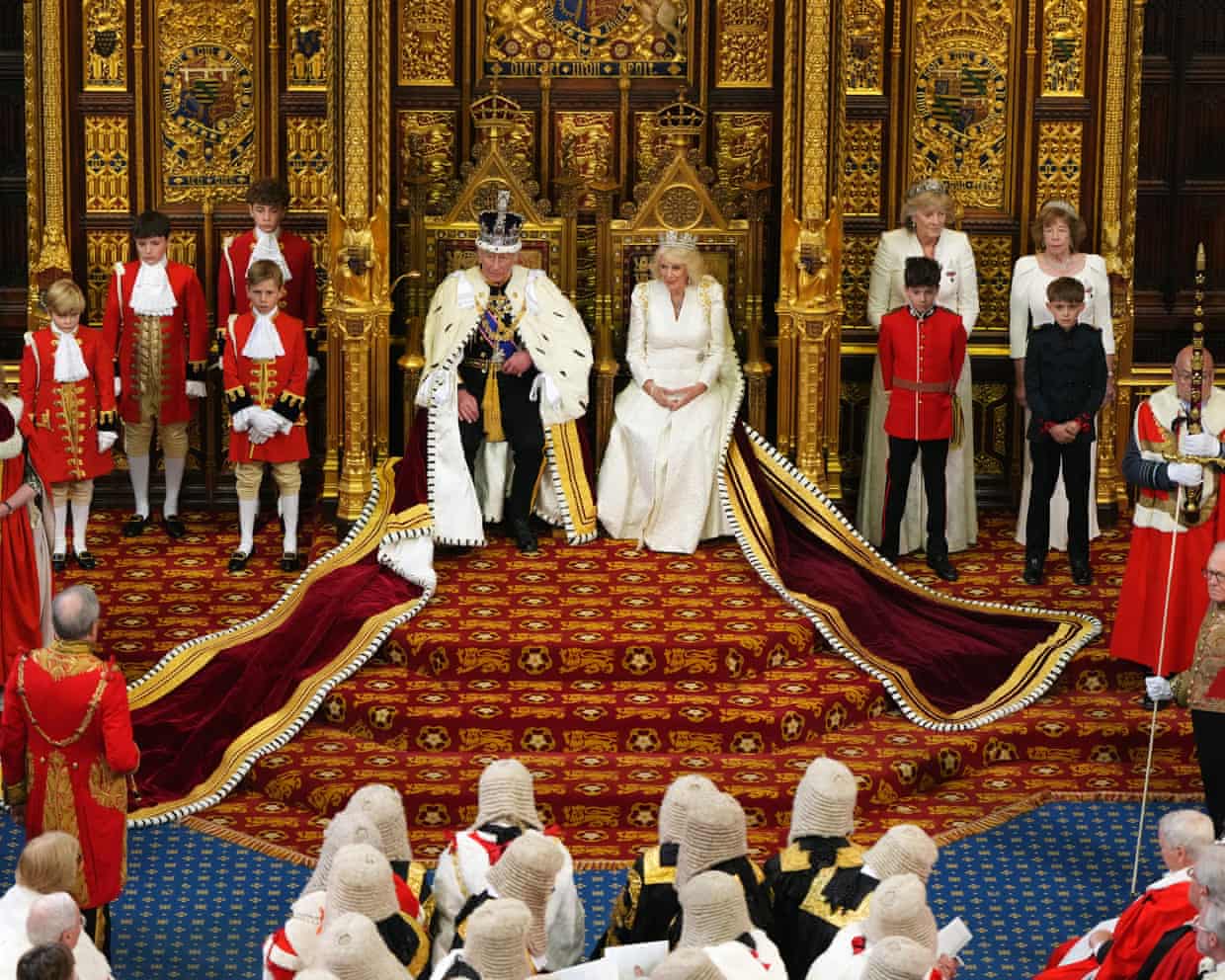
What is the king’s speech and what is the state opening of parliament?
The king’s speech is the centrepiece of the state opening of parliament, the main ceremonial event of the parliamentary calendar, and the only regular occasion when the three constituent parts of parliament – the sovereign, the House of Lords and the House of Commons – meet. It marks the start of the new parliamentary year,Although delivered by the monarch in their constitutional role as the UK head of state, the speech is written by the government to outline its policies and proposed legislation for the new parliamentary session. Formally called the “speech from the throne” because it is delivered from the throne of the House of Lords, the monarch reads it out in a neutral tone. Whatever their private feelings the monarch must not show any preference for any political party or its policies.The event is taking place as the prime minister, Keir Starmer, fights for his future in Downing Street after heavy losses in the 7 May elections
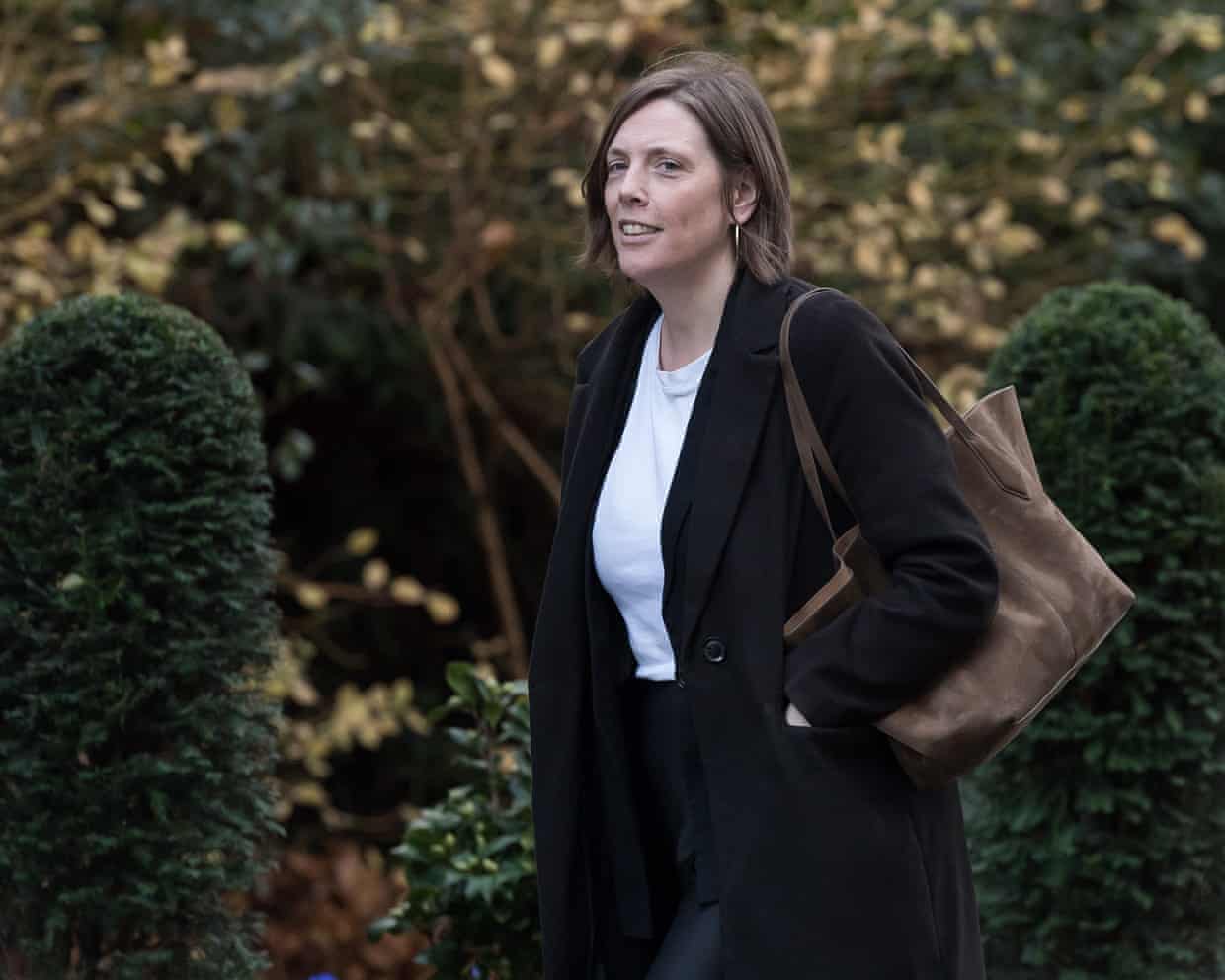
Online safety campaigners reveal Starmer frustrations after Phillips exit
Internet safety and children’s rights campaigners have accused Keir Starmer of failing to act on proposals to stop children sending and receiving nude images on their phones, after Jess Phillips resigned from the government saying she was tired of seeing “opportunities for progress stalled and delayed”.The Labour politician was one of four ministers who quit on Tuesday and joined more than 80 MPs calling for the prime minister to go.In a coruscating letter she focused on a lack of urgency and boldness in tackling child abuse images, accusing Starmer of failing to take action to stop children being able to take or send naked pictures.She said: “Over a year ago I presented solutions, long worked on by brilliant civil servants, that would end the ability for children in the UK to take naked images of themselves.“We could stop this abuse
Are working-class voters lost to Labour for good? | Letters
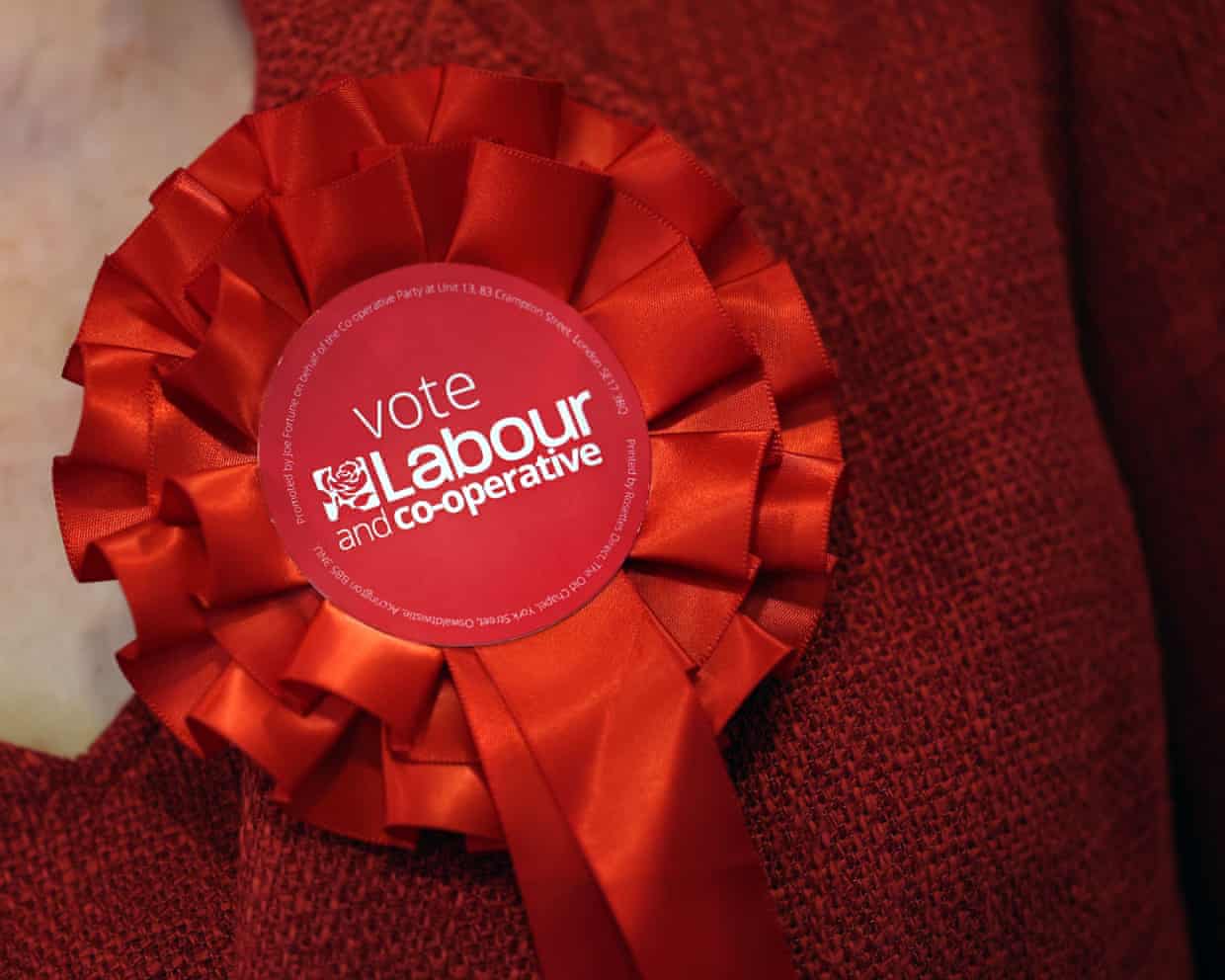
It would be helpful for progressive parties and the media to focus more on why so many people voted for Reform UK. Your article (What’s behind surge in support for Reform and Greens across England? Five key takeaways, 10 May) indicates that it gained more support in deprived areas – but this doesn’t answer the question why.What sort of UK do Reform voters want? Do they want councils that reduce local care services for their vulnerable elderly relatives and children, to save a few pennies off council tax? The ending of environmental protections? The scrapping of equal-opportunities policies that protect women and minority groups?When Reform voters are asked about the party’s policies, they fail to articulate much apart from “stop the boats” – because Reform’s plans have very little detail or real‑world application.The Labour government has been in power for less than two years and has delivered the Renters’ Rights Act and the Employment Rights Act, removed the two-child cap on universal credit, increased provision of free school meals and facilitated millions more NHS appointments.The focus on personality-driven politics has left the door open for local governments to be led by privately educated multimillionaires who dismiss the climate crisis and favour cryptocurrency
Labour MPs channel Tory psychodrama as Starmer keeps hiding in plain sight | John Crace
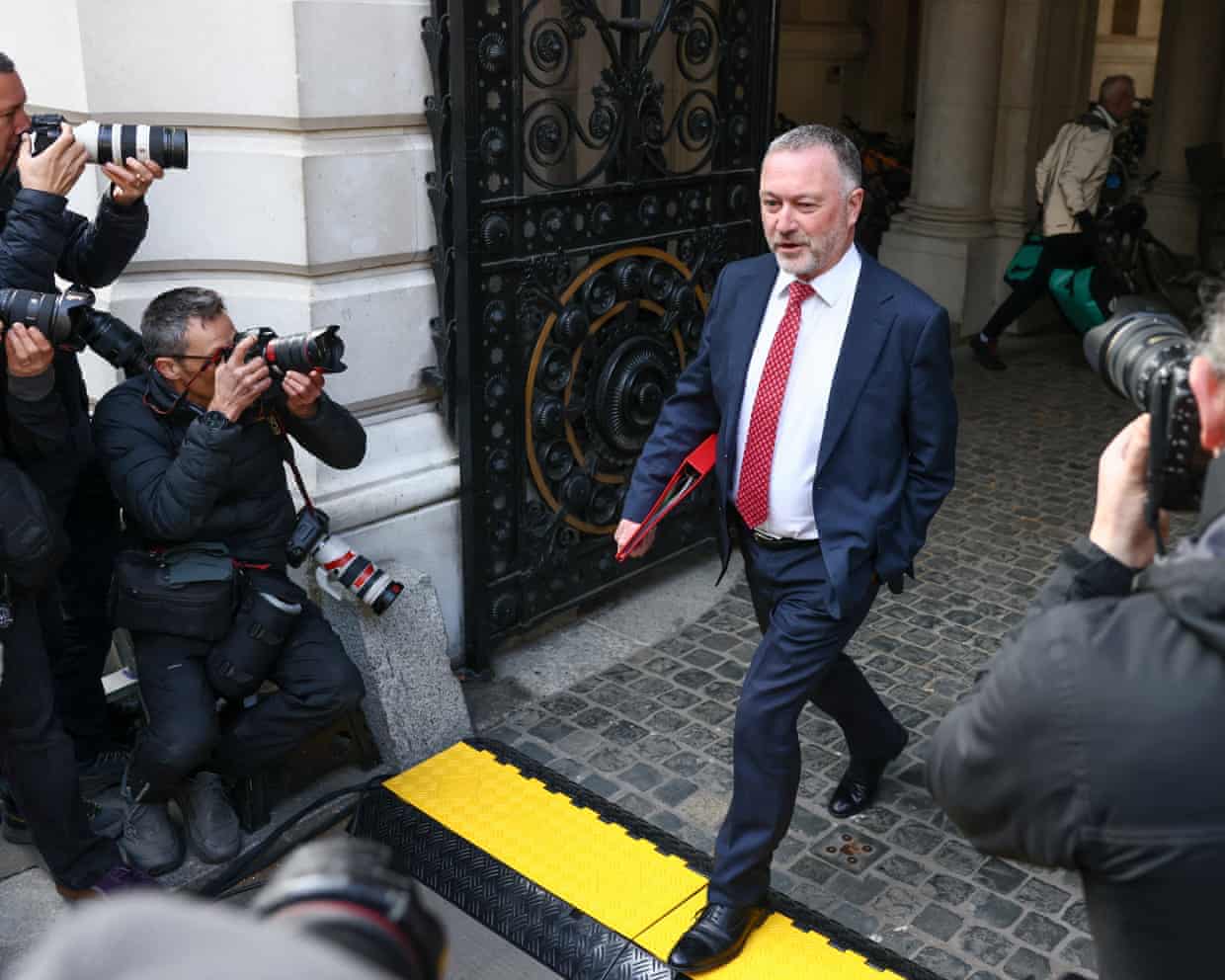
It used to be football managers who measured their time at a club in months. Or even days at Spurs. Anything over two years qualifies you for a long service medal. Now it’s prime ministers. In fact it’s worse than that
Joseph Fiennes on parenting, politics and banning children from social media: ‘Stand up, Keir, this is your kids’ generation’

From The Sheep Detectives to Rivals: your complete entertainment guide to the week ahead
Historic Oxford cinema under threat as Oriel College refuses to extend lease

Arthur Miller opens up about marriage to Marilyn Monroe in newly unearthed recordings
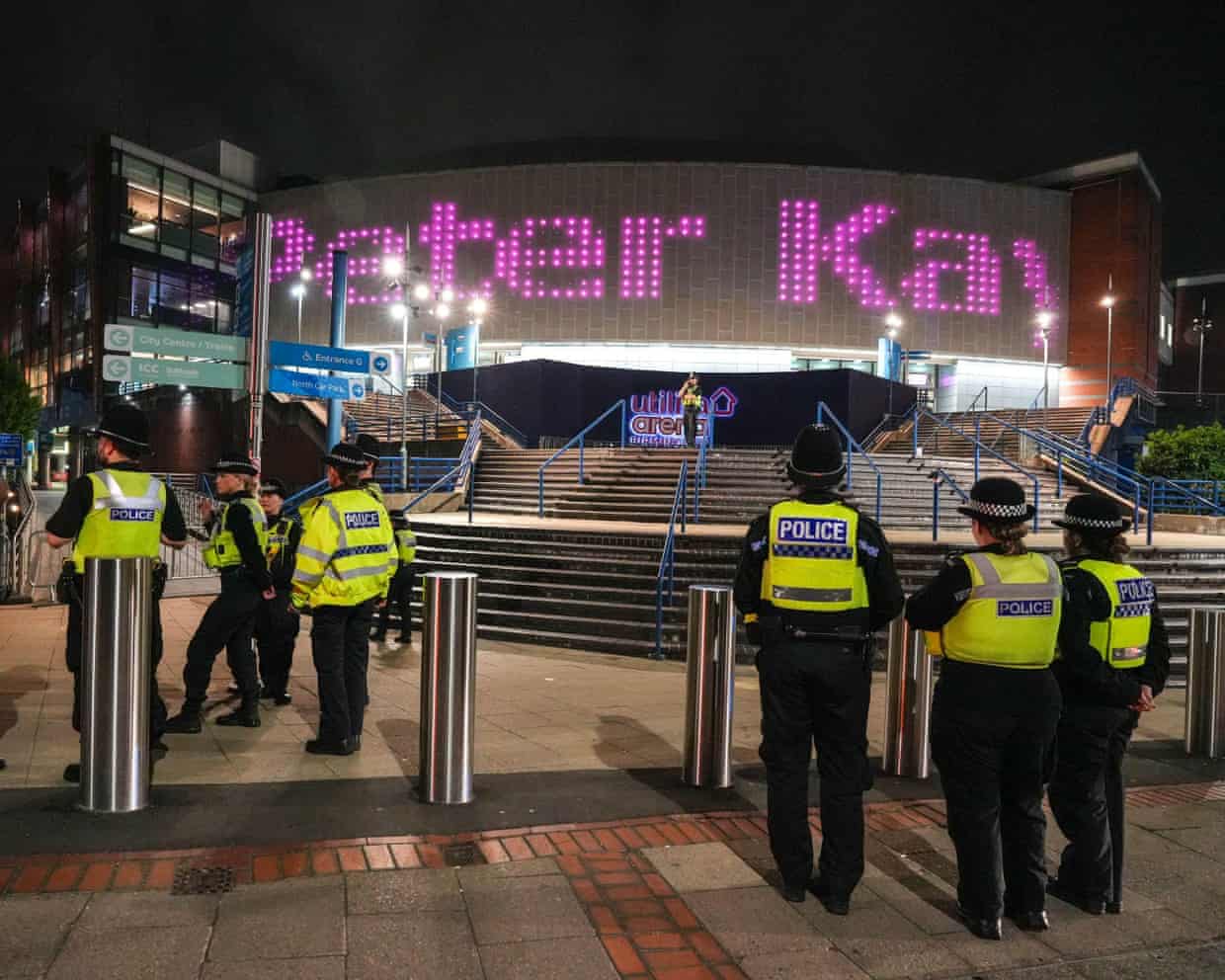
Man charged over bomb hoax after Peter Kay show evacuated
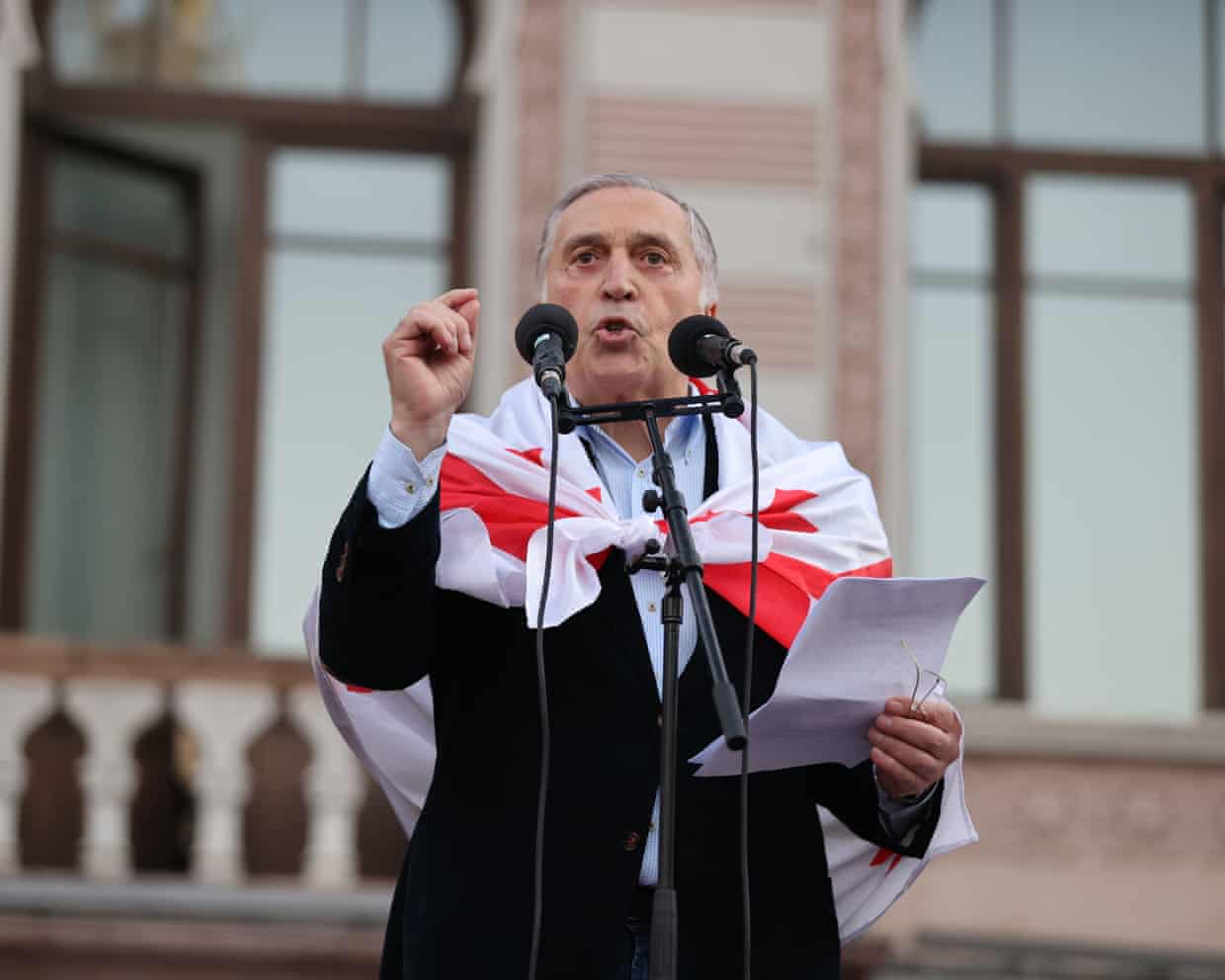
Royal Opera House calls for release of Georgian bass singer jailed over democracy protests