The emerging cancer treatment that’s exciting scientists: ‘We’ve just scratched the surface on what’s possible’
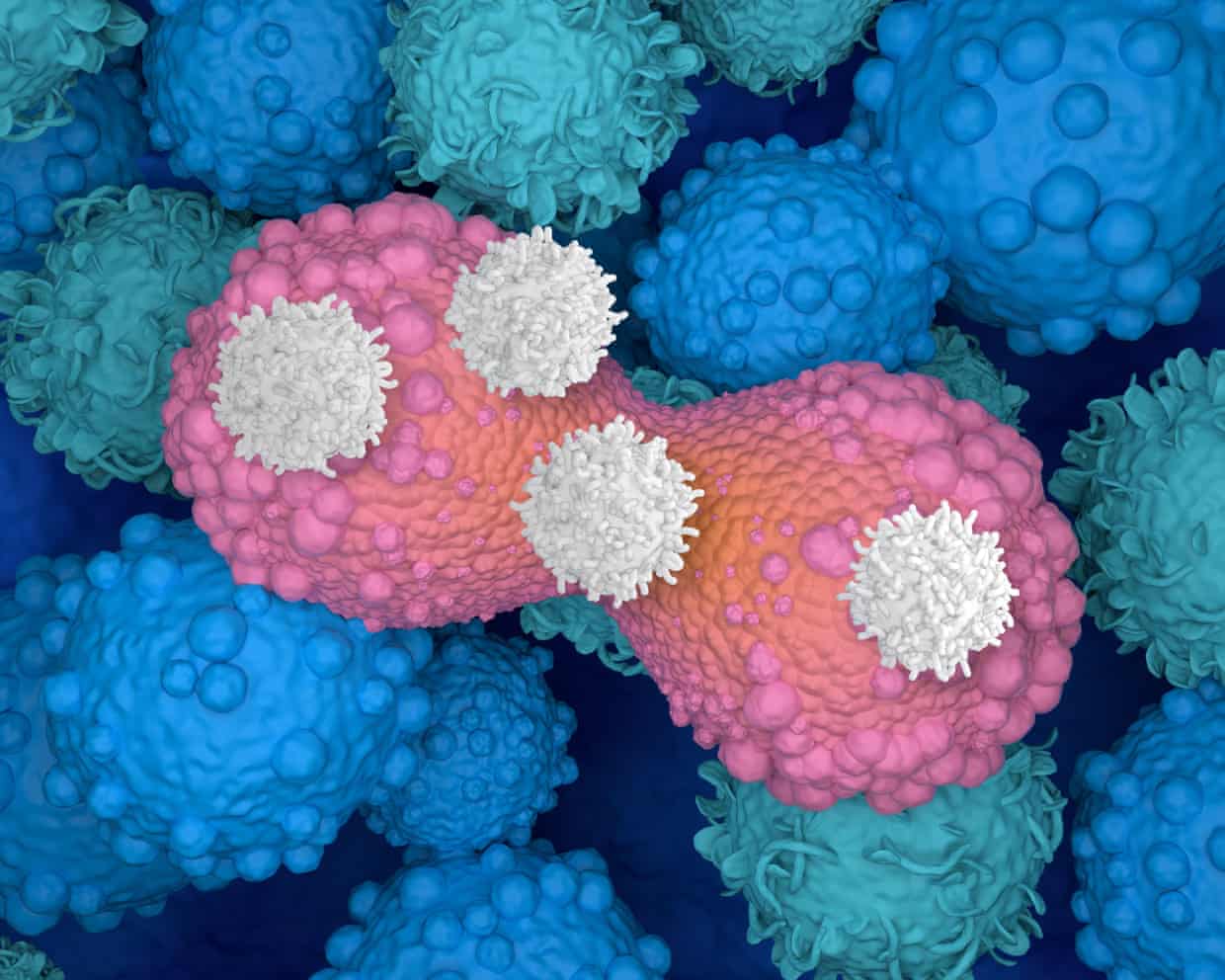
“Game-changer.” That’s how Prof Misty Jenkins, an immunologist at the Walter and Eliza Hall Institute of Medical Research, describes CAR T-cell therapy, an emerging but still costly cancer treatment that supercharges the body’s immune system to fight disease.Late last month, Jurassic Park actor Sam Neill put the treatment in the spotlight, revealing his stage three cancer was in remission after undergoing CAR T-cell therapy as part of a clinical trial in Sydney.He stopped short of describing his remission as a miracle – the success, he said, was “science at its best”.The history of CAR (for “chimeric antigen receptor”) T-cell therapy is one of small discoveries accumulating over decades, leading to major advances in patient care.
Pioneered in the 1990s, the therapy has exploded in the past decade,Four CAR T-cell therapies have been approved by the Therapeutic Goods Administration for use in Australia since 2018,All are for blood cancers,The success of those therapies is increasing enthusiasm among researchers and clinicians that CAR T-cell therapies will soon become a major weapon in the battle against cancer,It is now being tweaked to combat solid tumours, with promising early signs of success tempered by the difficulties in tailoring T-cells to find their target.
The future may even see it become an injectable.“It’s such an exciting time for cancer immunotherapy, because I really feel like we’ve just scratched the surface on what’s possible,” Jenkins says.The immune system is dizzyingly complex.Dare to boil its functions down to a single sentence, and you could say it defends the body from foreign invasion – such as bacteria, viruses and fungi – and cleans up damaged or cancerous cells.In its arsenal are a variety of white blood cells that identify threats and remove them, including T-cells.
Cytotoxic, or “killer”, T-cells are the mercenaries of the immune system.Proteins on their surface lock onto invaders or diseased cells, such as cancerous cells, and punch holes in their target, blasting the cell apart.But cancerous cells are adept at evading detection.CAR T-cell therapy is a way to enhance the body’s T-cell army to overcome this deficit.Jenkins describes the therapy as “adding a GPS” to the T-cells, helping the killers home in on their targets.
Typically, the therapy involves filtering a patients’ T-cells from their blood, then genetically engineering those cells outside the body to develop this GPS – the chimeric antigen receptor.The CAR T-cells are grown in the lab and then infused back into the patient, where they continue to multiply.With their enhancements they hunt and destroy their targets.The therapy provides several advantages over traditional cancer therapies such as chemotherapy: you can make CAR T-cells specific to certain cancers and tumour types by targeting specific proteins that only cancers produce.It’s also faster, requiring only one infusion and several weeks as an inpatient compared with months-long chemotherapy regimes.
Traditional chemotherapies remain a pillar of cancer treatment, according to Dr Criselle D’Souza, an immunologist at the Peter MacCallum Cancer Centre.They’re much cheaper, treat a wider range of cancers, can be given rapidly and their side effects are well-known and so can be managed effectively.But one huge advantage CAR T-cell therapies have is that in the best-case scenarios, the protective effect persists – preventing relapse.“It’s like a living drug,” says D’Souza.“In theory, it can last in a patient forever if memory is created.
”She points to Emily Whitehead, the first child to be treated with CAR T-cell therapy in 2012.Her cancer has not relapsed.Though CAR T-cell therapies have seen success in blood cancers, progress has been slower for therapies that target solid tumours like cancers of the breast, brain and prostate.“Tackling many blood cancers is like shooting fish in a barrel compared to solid tumours, where they have to storm a formidable fortress,” says Assoc Prof Maté Biro, the laboratory head of mechanobiology at the Garvan Institute of Medical Research.Blood cancers are susceptible to CAR T-cell therapy because the engineered cells can easily find and kill cancerous cells which circulate in the blood stream.
Solid tumours, in comparison, really are a fortress,It can be hard for the immune system to access the cancerous cells in the tumour and tumours are also adept at dampening the T-cell response, evading the killers,Researchers are developing ways to arm the T-cells with more powerful weaponry, either by developing more precise “GPS” or by supercharging their activity in different ways,There has been some early success in using CAR T-cell therapies for solid tumours, prolonging the life of those with gastrointestinal cancers and paediatric brain tumours,“What we can also do now is start to enhance the T-cells to then also secrete drugs or secrete other antibodies into the microenvironment to help keep them alive,” says Jenkins.
There is also excitement about frontier therapies that produce CAR T-cells in vivo.Rather than removing the blood cells and engineering them in a laboratory, patients could receive an injection that helps the body generate its own CAR T-cells, in a similar way to vaccination.The in vivo treatments are just beginning to be tested in clinical trials, but Biro notes this could reduce the costs of therapy by an order of magnitude or more.Cost is the most prohibitive aspect of CAR T-cell therapy today, with some treatments costing upward of half a million Australian dollars per patient.Advances like in vivo CAR T-cell therapies are expected to bring that cost down, but those are still years away.
On Tuesday, the federal government announced Carvykti, a CAR T-cell therapy for multiple myeloma, would be made freely available in public hospitals in Australia.Without funding, the cost for that treatment typically exceeds $200,000 per patient.Access is also a problem, with Biro and Jenkins expressing concerns Australia may fall behind if it does not invest in research and sovereign capability to produce CAR T-cell therapies equitably, at home.“These breakthroughs can only happen when the therapy expertise and infrastructure in our hospitals already exists to make and manufacture and deliver these kinds of therapies,” Jenkins says.Neill’s high-profile “science at its best” success story provides hope.
“Hope is warranted,” says Biro, “but so is impatience”.He suggests Australia CAR T-cell therapies are a clear example of the outcomes the country could inspire if it invests in science and scientists.“Science is delivering,” he says.“It’s the politicians and the health system that need to catch up.”
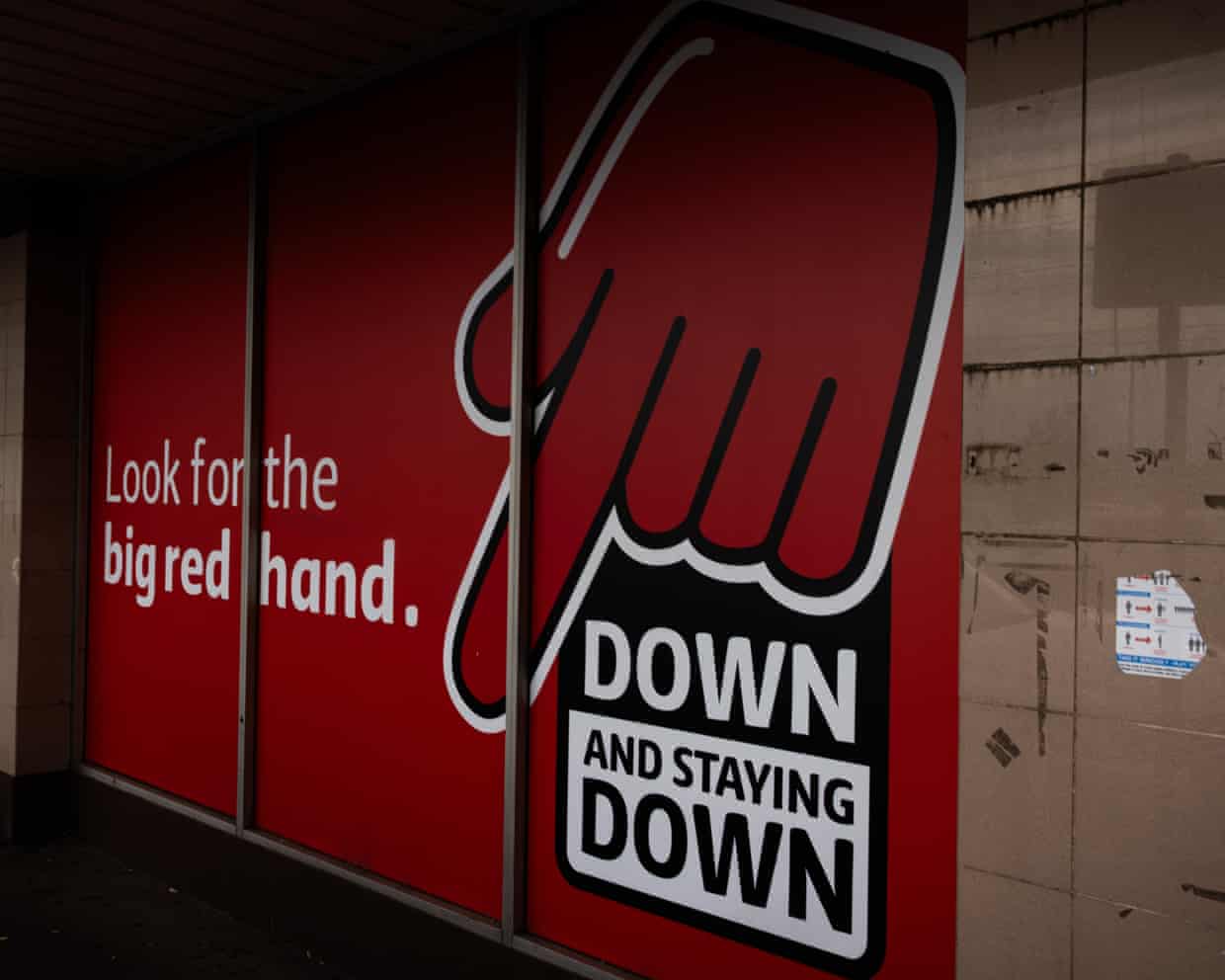
Court rules Coles misled shoppers with its ‘Down Down’ discount campaign
Coles misled Australian shoppers by promoting fake “Down Down” discounts on everyday grocery products, the federal court has ruled in a landmark decision for the supermarket industry.Justice Michael O’Bryan handed down his judgment on Thursday, delivering a significant blow to Australia’s second-largest supermarket chain, which had argued that the discounts represented genuine savings during a period of high inflation.He found the supermarket giant had engaged in misleading conduct, in contravention of the Australian consumer law.The Australian Competition and Consumer Commission sued Coles and its rival Woolworths, accusing the supermarket giants of duping shoppers between 2021 and 2023 by using promotional programs to disguise price increases on hundreds of products.O’Bryan’s verdict in the Coles case – which was heard in February – comes before his decision in a similar trial against Woolworths, which was heard in Sydney in late April and early May and which the judge will rule on later this year

Housing market in England and Wales weakening due to Iran war, say estate agents
Fears of higher mortgage rates and rising inflation as a result of the Middle East conflict are leading to a subdued and downbeat housing market, according to estate agents.Demand from potential homebuyers across England and Wales has shown a “noticeable softening” recently, according to a monthly survey of estate agents by the Royal Institution of Chartered Surveyors (RICS).Members have told the professional body that buyers and sellers are becoming more cautious, and many agents have cited clients who are worried about whether inflation and interest rates will rise in the coming months, leading to slower sales, fewer homes on the market, and more price-sensitive buyers.The Bank of England warned last month that interest rates may have to increase in the coming months as “higher inflation is unavoidable” because of the war in the Middle East and resulting jump in oil and gas prices.At the same time, mortgage rates are likely to be affected by the current sharp rise in government borrowing costs, as swap rates – which lenders use to price their fixed-rate mortgages – tend to move in tandem with government bond yields
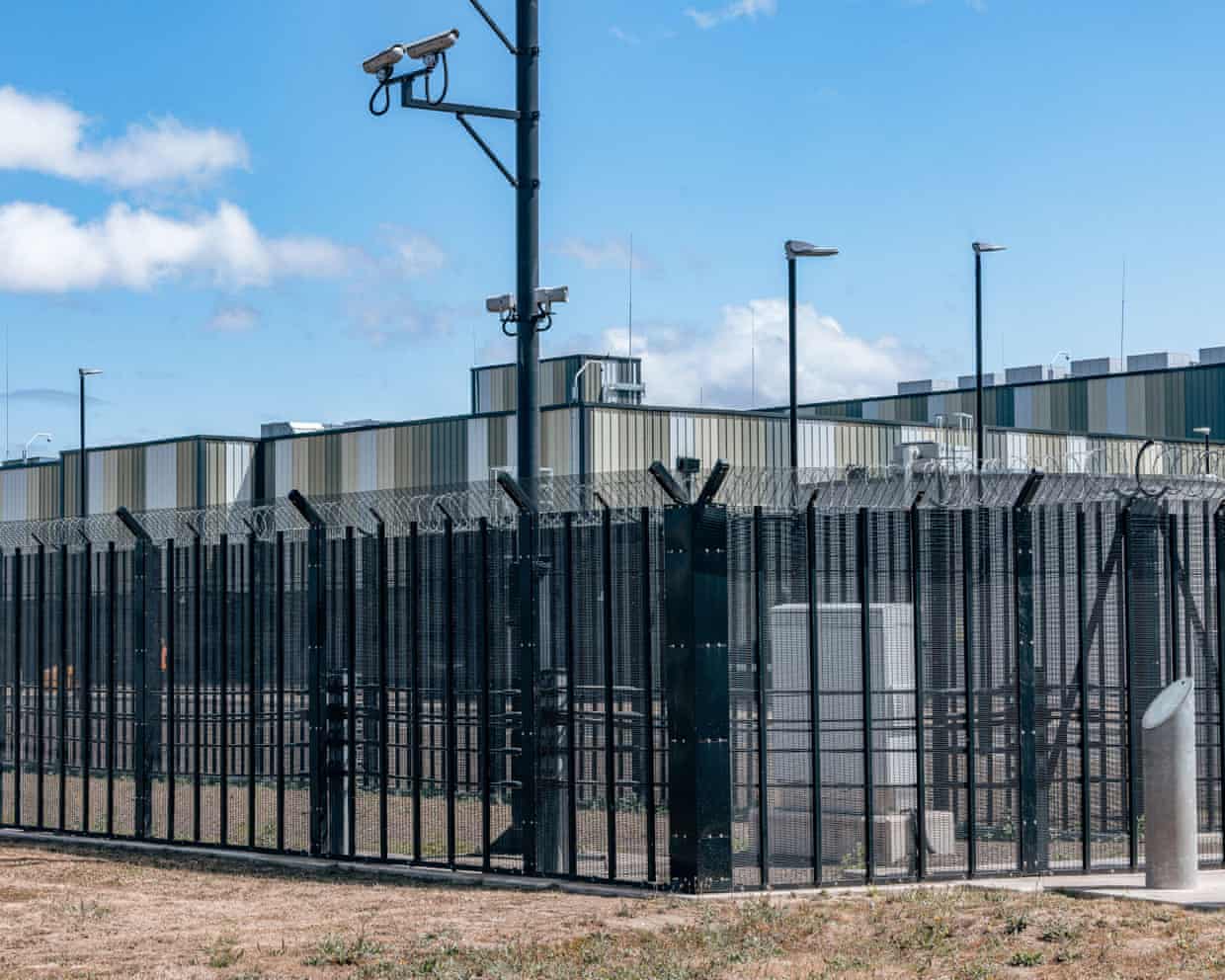
Datacentres using 6% of electricity supply in UK and US, research says
Datacentres are consuming 6% of electricity in the UK and US, with the growing strain of AI on energy supplies prompting community resistance, according to research.The proportion of electricity used by vast warehouses stacked with microchips to power AI and the internet has risen 15% worldwide in the past two years as annual global investment in datacentres approaches $1tn (£740bn) – nearly 1% of the global economy, according to the International Data Center Authority (IDCA).The figures come amid energy shortages in the UK and datacentre developers reporting waits of several years for national grid connections. The IDCA said rising power usage globally was “sparking societal and political concerns” and called on tech companies to become more transparent about their plans for new datacentres to tackle “community frustration”.The Guardian this week reported that developers working for Google significantly misstated how much carbon two proposed AI datacentres would contribute to the UK’s total emissions
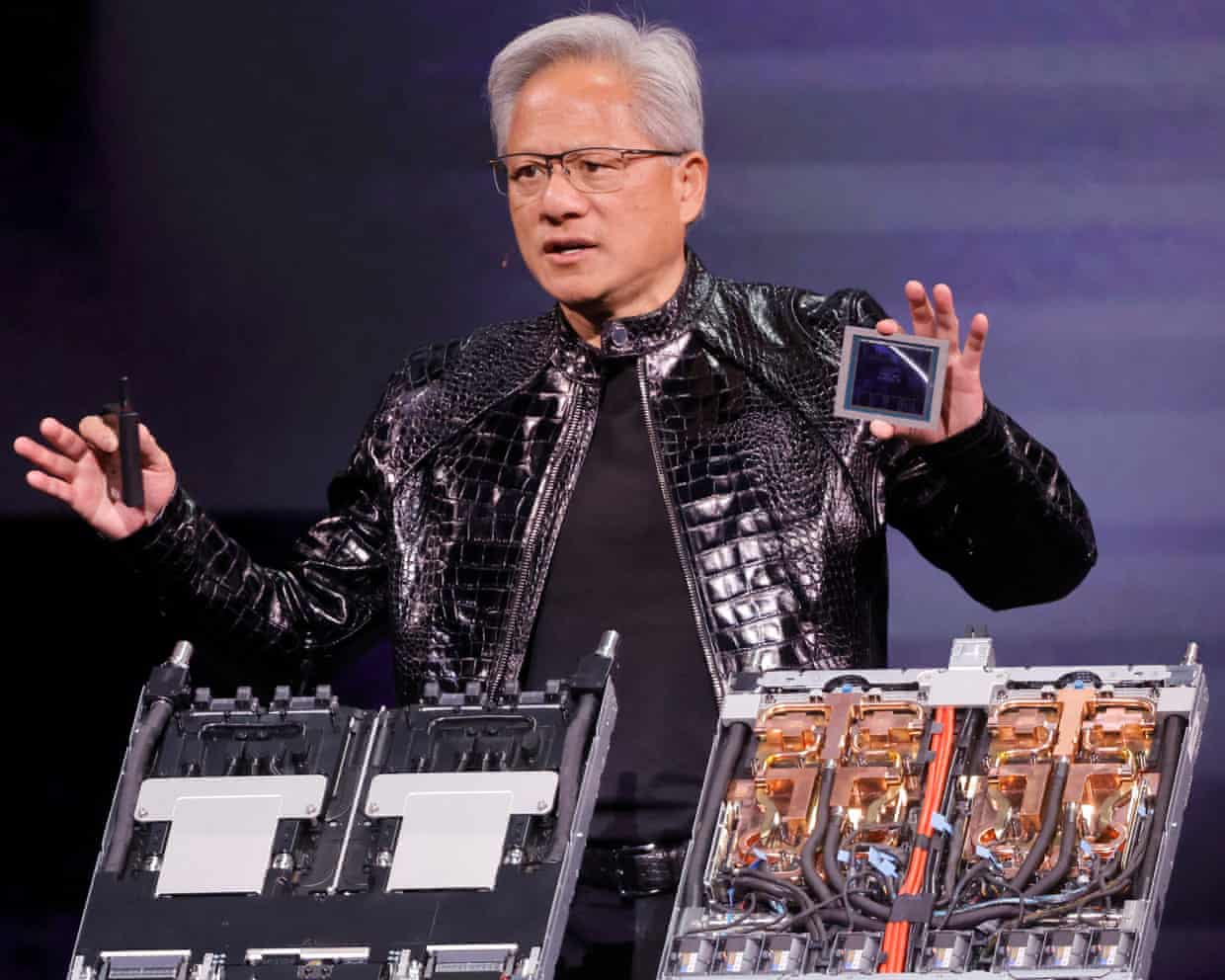
Nvidia’s Jensen Huang joins other US bosses on Trump trip to China
The billionaire chief executive of the chipmaker Nvidia, Jensen Huang, has joined Donald Trump’s China delegation after a reported last-minute invitation, highlighting the US’s AI and tech ambitions.Huang will join a roster of US bosses including the Tesla chief executive and X owner, Elon Musk, the Apple chief executive, Tim Cook, and Goldman Sachs’s David Solomon at Trump’s 36-hour meeting with the Chinese president, Xi Jinping.The high-stakes summit is the first overseas trip for Trump since the US and Israel launched attacks on Iran in late February. The summit is expected to cover topics including that conflict, tariffs and China’s relationship with Taiwan.Huang was not on the initial list of business delegates, according to reports
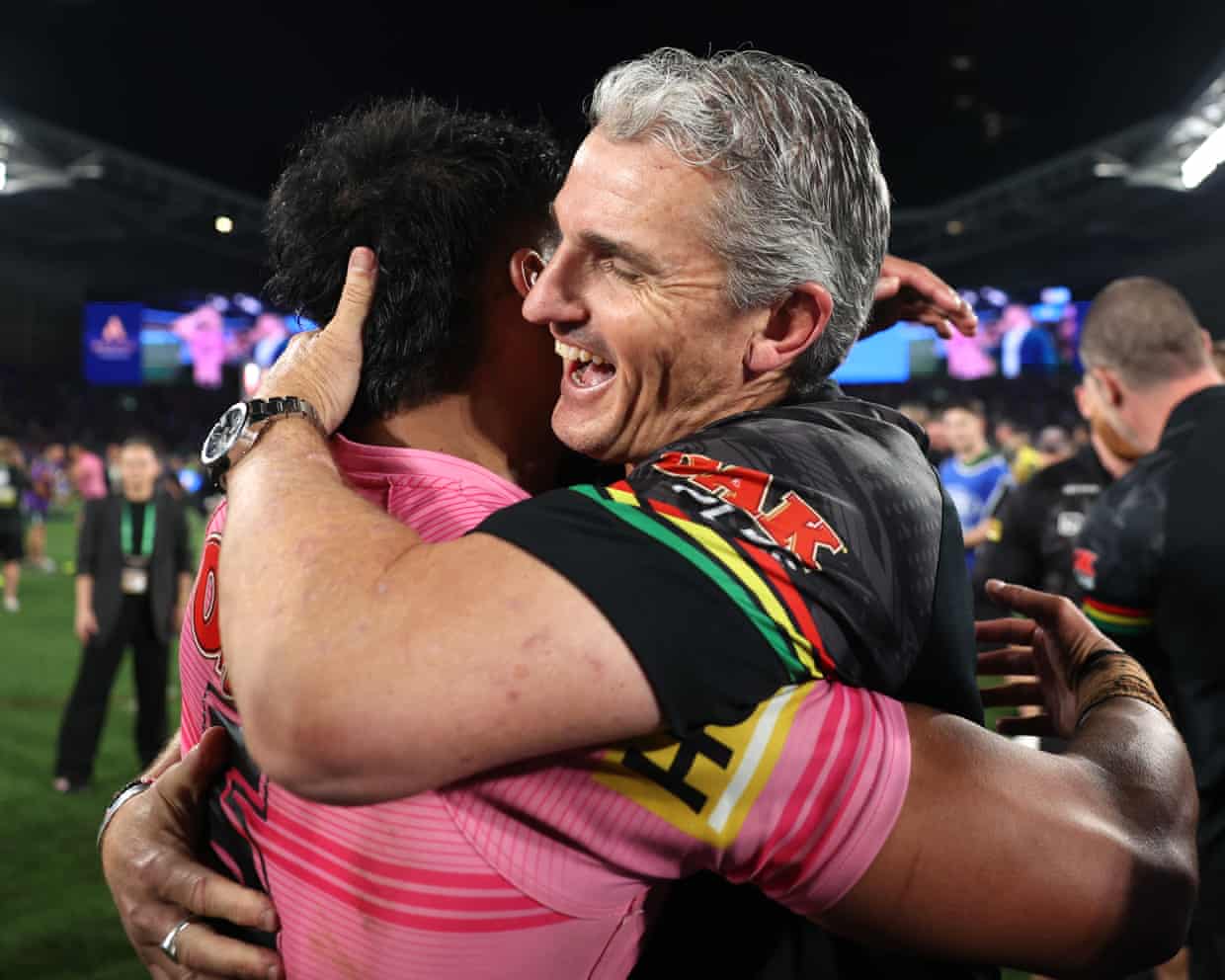
Ivan Cleary begins long goodbye with a legacy built to last long after he leaves Panthers | Nick Tedeschi
The great coaches all have something special that elevates them above others. Wayne Bennett built his success on connection and an ability to authentically forge relationships with generation after generation of players. Craig Bellamy has a foundation of deifying work ethic and simple communication. Trent Robinson, intellect and loyalty.Ivan Cleary is an engineer, the ultimate believer in process, a coach at once ruthless and relatable who dreamt of building a bigger and more complex machine that could sustain itself beyond the people it was initially built around
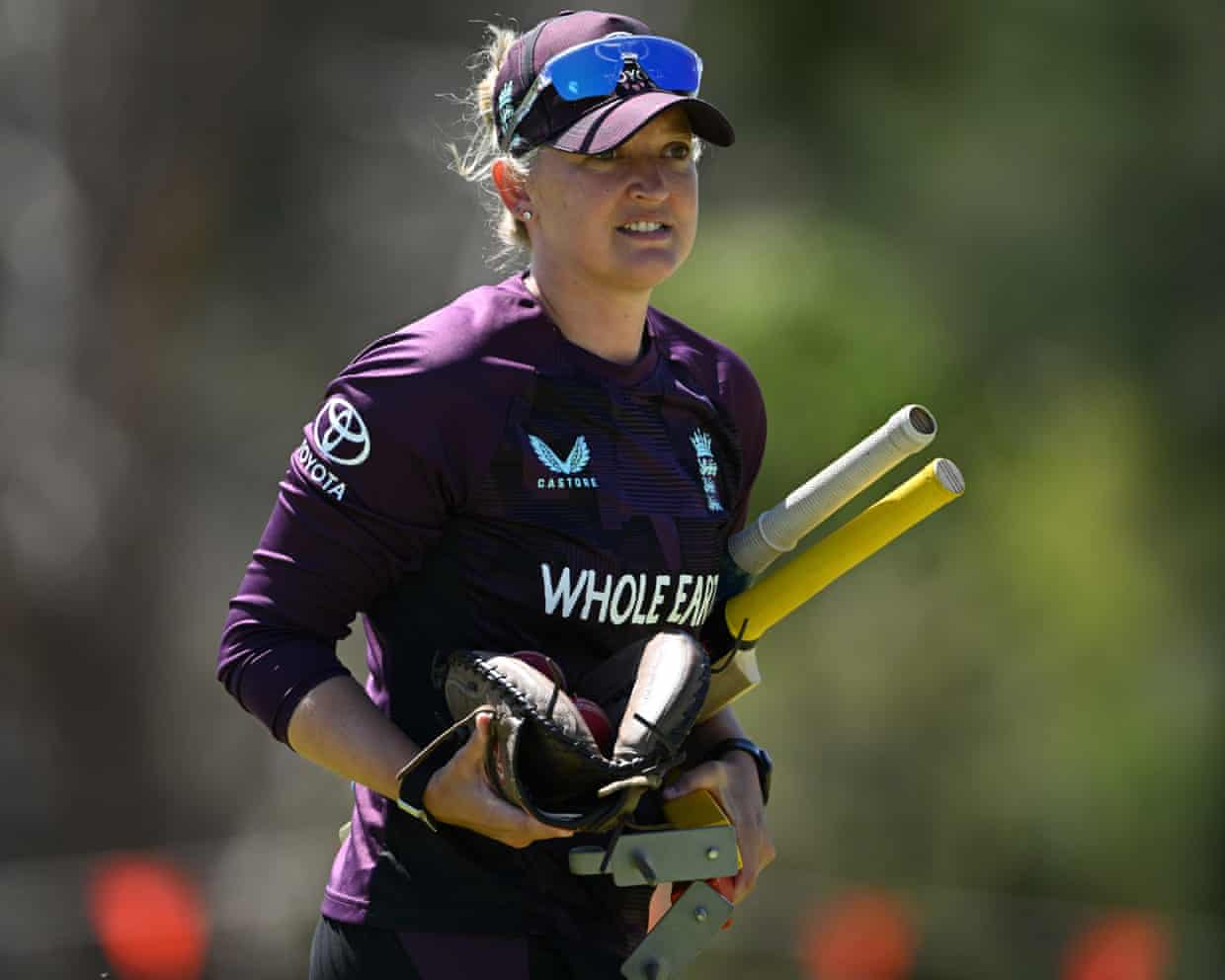
Sarah Taylor named England men’s fielding coach while Gay, Rew and Baker are called up
On a day when England named three uncapped players in their Test squad, brought Ollie Robinson out of cold storage and officially confirmed a new selector had joined the set-up, perhaps the most significant news was the identity of their fielding coach.Sarah Taylor, the former England wicketkeeper, will be in charge of the fielding drills during the three-Test series against New Zealand that begins at Lord’s on 4 June – the first female coach to work in the men’s senior setup.The fact that Rob Key, the England men’s team director, almost mentioned it in passing was fitting for a coach who has quietly risen through the ranks. Taylor, 36, has held a number of roles in the men’s game since hanging up her gloves five years ago, including spells with Sussex men and Manchester Originals in the Hundred.This latest post is just for the New Zealand series initially but may continue through the summer

Milka maker milked shoppers over size of chocolate bars, German court rules

Global oil inventories falling at record pace amid Iran war; US producer price inflation hits four-year high – as it happened
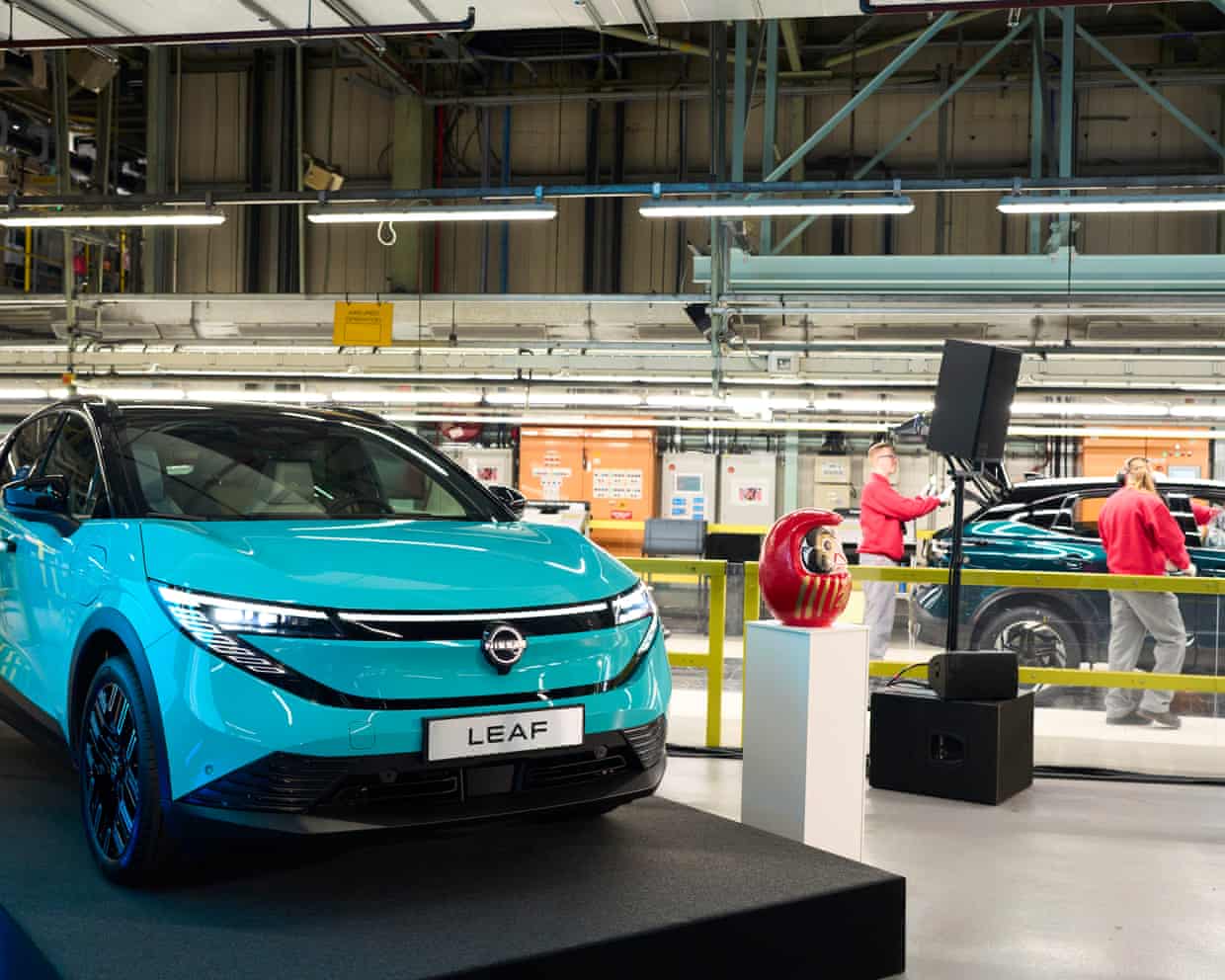
Nissan ponders building cars for Chinese rivals at Sunderland plant

Lab testing group Intertek to back £10.6bn takeover by Swedish firm EQT

UK housebuilder Vistry warns of ‘significantly’ lower profits amid Iran war uncertainty

How new owner became all powerful in ‘high stakes’ attempt to revive former WH Smith chain