‘They’ve invented a spurious pseudo-disease’: why are so many men being told they have low testosterone?
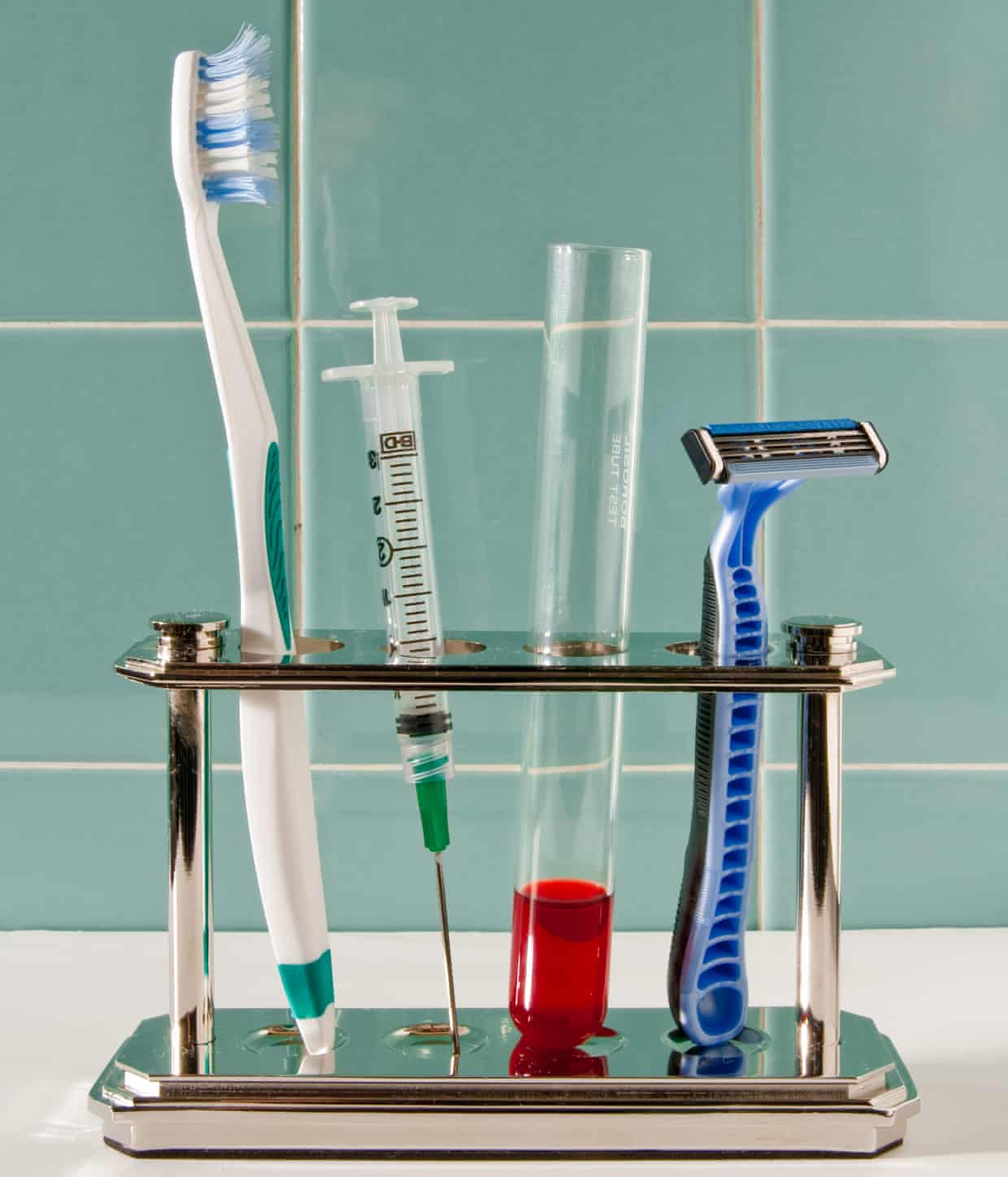
A s a young man, Nick Dooley never thought about his hormones,He always considered himself “quite an outgoing, confident, chatty person”,Around the time he turned 30, however, Dooley began putting on weight and struggling with anxiety, “just slowly becoming a shell of my former self”, he says,By 38, he weighed 22st (140kg) and had a range of health issues,“I spent most of my life sat in front of a TV, doing nothing, with zero motivation, and from how I was in my 20s, that wasn’t me.
I knew something wasn’t right.”In 2024, Dooley had a private medical exam, which flagged he had fatty liver disease and was producing low levels of testosterone.“It wasn’t something I’d ever really heard of,” he says.“So I started down a Reddit rabbit hole.” An NHS doctor told him his blood testosterone levels, at 11.
2 nmol a litre, were “within range” (although guidance differs between trusts, NHS England generally considers between 8 and 30 nmol/L normal) and offered him antidepressants.“I knew that wasn’t going to fix me,” he says.Instead, Dooley signed up with Manual, an online men’s health company.After two quick blood tests and a virtual consultation, Manual, which has since rebranded as Voy, started him on testosterone replacement therapy (TRT).Thanks to TRT, Dooley’s body no longer produces testosterone naturally at all.
Instead, he gets his “T” from a vial of testosterone cypionate, injected three mornings a week,“It’s got me back to being myself,” he says,“I don’t suffer from anxiety any more,My depression’s completely gone,” He claims to have lost 45kg.
Alongside his day job as a train driver, Dooley is now a TRT influencer, extolling the virtues of testosterone therapy on social media,(He also promotes Voy, which is how I met him,) Testosterone, he says, “changed my life”,Dooley is far from the only guy shouting about T,On TikTok, fitness influencers extol the practice of “T-maxxing”, maximising their testosterone levels using methods both natural (sleep, diet, exercise) and artificial (steroids).
Celebrities from Robbie Williams to Joe Rogan are openly discussing their experiences with TRT.The London underground is plastered with Voy ads: “Feeling irritable? It might be low testosterone.”Among men, the conversation around T has taken on an almost existential bent.In the rightwing manosphere, “low T” has become an insult on a par with “beta” or “simp”.In October, US health secretary Robert F Kennedy Jr – who, at 72, injects testosterone as part of his personal “anti-ageing regimen” – warned, without evidence, that today’s American teenagers have “50% of the testosterone of a 65-year-old man”.
Testosterone, some would have you believe, is at the centre of a full-blown masculinity crisis.“It’s been a real crescendo,” says Channa Jayasena, an NHS endocrinologist and clinical professor of reproductive endocrinology at Imperial College London.According to NHS data, prescriptions for testosterone in the UK jumped 135% between 2021 and 2024.The figure has also grown sharply in the US, with the largest increases among younger men.Jayasena tells me the trend recently came up at a national training conference for endocrinologists.
“Every single group brought it up,They said, ‘We’re seeing more and more of them,They’re clogging up our clinics,What do we do?’”The spike in demand has coincided with a boom in direct-to-consumer men’s health companies such as Voy, Hims and Numan, which target men via social media ads and offer a one-stop treatment shop for the afflictions of male middle age: erectile dysfunction, hair loss, obesity and low T,Their ubiquity relies in part on a neat loophole: although companies in the UK cannot legally advertise testosterone, which is a prescription drug, they can advertise tests.
Endocrinologists have expressed concern that testosterone deficiency is being overdiagnosed and causing unnecessary anxiety among otherwise healthy men,TRT advocates, on the other hand, argue that testosterone deficiency is widely underdiagnosed, and that the NHS’s outdated approach to hormonal health has led to men being routinely denied life-altering care,Perhaps fittingly for an argument over testosterone, the fight has become fierce, like two T-filled alphas, each seeking to dominate the other,There’s a reason testosterone is a shorthand for masculinity,“It literally turns boys into men,” Jayasena says.
Primarily produced in the testes, T plays a key role in the development of the male anatomy in the womb.During puberty, when testosterone in boys spikes by as much as 3,000%, T triggers the development of male sex characteristics including facial hair and a deeper voice, plus increased red blood cell production, bone density and muscle growth.“It’s why men tend to be stronger and run faster,” explains Geoff Hackett, a consultant urologist and author of the British Society for Sexual Medicine’s (BSSM) guidance on T.Testosterone is also an anabolic steroid, which is why it has long been banned by the World Anti-Doping Association as a performance-enhancing drug, albeit one favoured in extreme doses by bodybuilders looking to sculpt superhuman physiques.Women also produce testosterone, via the adrenal glands and ovaries, but at far lower levels.
In the UK, T prescriptions for women have risen 10-fold, boosted by celebrity recommendations from Davina McCall, Kate Winslet and Halle Berry, all of whom have talked about their experiences taking it for the symptoms of menopause – although the benefits of this are still being studied.(T also plays a crucial role in trans healthcare.)The medical term for male testosterone deficiency is hypogonadism, which describes men who cannot produce enough testosterone, because of a physical problem with the testes or a disruption in signalling from the pituitary gland or hypothalamus.But because men’s natural testosterone levels vary so widely, “to have a true diagnosis of male hypogonadism, you need low testosterone, but you also need key symptoms”, Jayasena says.Those include erectile dysfunction – in particular the absence of morning erections – low libido, infertility, weight gain, osteoporosis and depression.
George, a social care worker from Manchester, had long suspected he had a hormone deficiency,“I remember being in the last year of school, doing PE and thinking: I look nothing like anybody else,” he says,He was overweight and had an “extremely low” sex drive, but struggled to get a diagnosis,In his early 20s, after seeing a TRT ad on social media, George took an at-home blood test, which came back on the borderline for NHS treatment,“I took the results to the doctor and was like, ‘I’m considering TRT.
’ And the first doctor just laughed at me,” he says.After seeking a second opinion, it emerged he’d been flagged for potential hypogonadism during a routine blood test as a teenager, but had never been told.As soon as he started TRT, George says, “I felt all these changes in myself.” He has lost weight and has more energy.“My confidence has skyrocketed, in a healthy way.
At work, my manager said, ‘There’s something different about you.’”Will started TRT after struggling with depression and erectile dysfunction in his late 20s.“I’d just put it down to not being 18 any more,” he says.But after undergoing surgery for an unrelated injury, he began to suspect something was wrong.“In my operation write-up, they noted one of my testicles had atrophied and was basically dead,” he says.
His GP told him his testosterone was still above the threshold for treatment, and offered him antidepressants,“Every time I went to the doctor and said, ‘Can you test me for testosterone?’ I’d either get a flat out ‘No’ or they’d do one test and go, ‘No, you’re fine,’” Eventually, he found a TRT clinic that agreed his results were low enough to prescribe treatment,The impact, he says, has been profound,“It’s like I was wearing a pair of glasses with the wrong prescription; suddenly, all the blurriness lifted.
”While men do not go through menopause, their testosterone levels generally peak in their 20s and fall gradually with age,Historically, this has been an accepted part of ageing, but recently more men – RFK Jr among them – have begun to use T as a kind of longevity drug; a means to loosen the shackles of time,Matthew, 60, a travel agent from Manchester, started TRT in part because he found he was low on energy and it was affecting his sex life,“I was getting a bit saggy and a bit sad,” as he puts it,“I didn’t want to give up on life.
” He buys his T from an “underground” pharmacy and is thrilled with the results.“I’m zipping around, I’m nightclubbing, I’m pubbing.I have a great time.”Matthew shows me the needles he keeps in his desk.Many men prefer injections to creams or gels due to the longer, more predictable effect.
Injecting doesn’t bother Matthew, he says, in part because he used steroids when he was younger.“I didn’t go mad on it.But I did it.”The difference between TRT and doing steroids, or “juicing”, is essentially one of dose: while TRT aims to keep T within normal boundaries, bodybuilders inject T at levels vastly beyond them, usually in concert with other drugs, to accelerate muscle growth.(Arnold Schwarzenegger has since admitted that his massive 1980s physique was partly a product of using T and a drug called Dianabol.
) Studies have shown that, alongside seriously increased risk of heart attacks, steroid abuse can permanently damage both sperm and testosterone production, leading some men to find that when they stop steroids, they end up needing TRT,Perhaps because of this history, testosterone and steroid communities online often overlap,On TRT forums, I found steroid users sharing advice about side-effects, maintaining fertility and safe “pinning” (injection) practice,“The steroid community has been the most helpful, even when it comes to TRT,” George says,“That’s dangerous, because it can cause a rabbit-hole effect for people.
” Sure enough, immediately after I searched for testosterone, my TikTok algorithm started showing me videos of fitness influencers peddling steroid regimens and promoting underground sellers,Several men tell me the difficulty in getting a diagnosis via the NHS, and the cost of TRT privately, has driven them to self-medicate using these underground labs,Even patients such as Will, who pays for TRT from a licensed clinic, found the NHS’s attitude frustrating,“I shouldn’t have to pay a private clinic £200 a month,” he says,“I’m not a gym ‘juicer’.
I’m not using superhuman levels.I take enough to give me a normal level of testosterone and feel like a human being again, because I spent years of my life not feeling like a human being.”Although nobody would describe me as an alpha male, I’ve never worried about my testosterone levels.Still, for the purposes of this story, I log on to Voy’s website and, after filling out a very broad questionnaire (Am I tired? Am I ever grumpy?) and claiming a 50% discount, I pay £27.50 for an at-home testosterone test.
When it arrives, I squeeze a couple of fingers’ worth of blood into the enclosed vial, post it to the lab and forget about it – until a week later, when I receive a surprising email from Voy, informing me “Your free testosterone levels are low”.(“Free” refers to T in the blood that is not bound to other proteins, such as albumin or sex hormone-binding globulin, and is therefore theoretically able to act on other tissues.)The email throws me.I have been tired lately, and put on weight, which I’d blamed on overindulging at Christmas.Could low T really be the cause? When I read my results in more detail, I’m confused.
My “total testosterone”, at 16,4 nmol/L, is well above the cutoff for hypogonadism according to both the NHS (8 nmol/L) and BSSM (12 nmol/L), whose guidelines Voy claims to follow,My supposedly low “free testosterone” is also above their cutoff levels,Still, Voy is urging me to buy a £79,95 “enhanced blood test” to confirm my diagnosis.
I happen to be interviewing Jayasena for this story a few days later, in his office at Hammersmith hospital in London, overlooking a nearby sports field.When I show him my results, he is stunned.“That is just wrong.That – 16! – is amazing.Your levels are fine
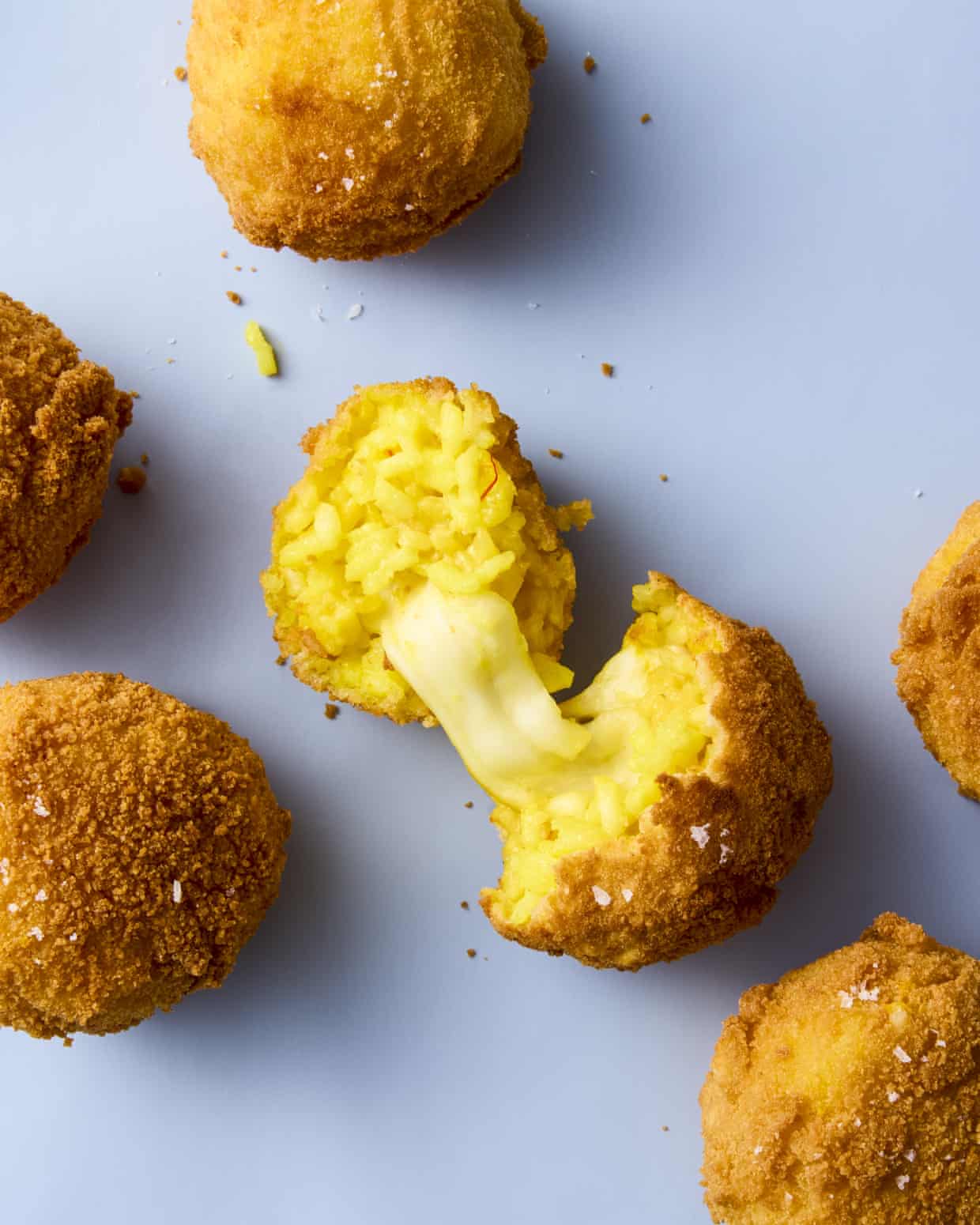
How to make arancini – recipe | Felicity Cloake's Masterclass
Before I wrote this recipe, it hadn’t occurred to me that the word “arancini” means “little oranges”, and, plump, round and golden as they are, it makes sense, too. Indeed, these robust rice balls, which are said to have come to Sicily with Arab invaders in the 10th century, are now, according to the late Antonio Carluccio, the local equivalent of a sandwich lunch.Prep 25 min Cook 45 min Makes 8 large ballsFor the risotto700ml chicken stock, or vegetable stock100ml white wine (optional)250g short-grain rice (eg, arborio)½ tsp salt, plus extra to season1 very generous pinch saffron (optional)50g parmesan, or grano padano or vegetarian alternative, gratedBlack pepperFor the arancini2 eggs plus 1 egg yolk100g mozzarella, drained and cut into chunksOptional other fillings of your choice – meat ragu, pesto, sauteed mushrooms, wilted or defrosted greens170g plain flour 250g fine dried breadcrumbs (preferably not panko)Neutral oil, for fryingFlaky sea salt, to finish (optional)Risotto is a northern Italian dish, so Sicilian arancini weren’t designed with it in mind, but they are great vehicles for risotto leftovers. My recipe is intended for 700g cooked rice, but adjust the fillings and coating according to what you have; these are also a great way to repurpose small amounts of ragu, cooked vegetables, fish or meat.If you’re cooking the rice from scratch, put the stock and wine (or substitute 100ml extra stock, if you prefer) in a medium pan and bring to a boil – I like chicken stock, because I find it the most neutrally savoury, but use whatever suits the fillings you’re using
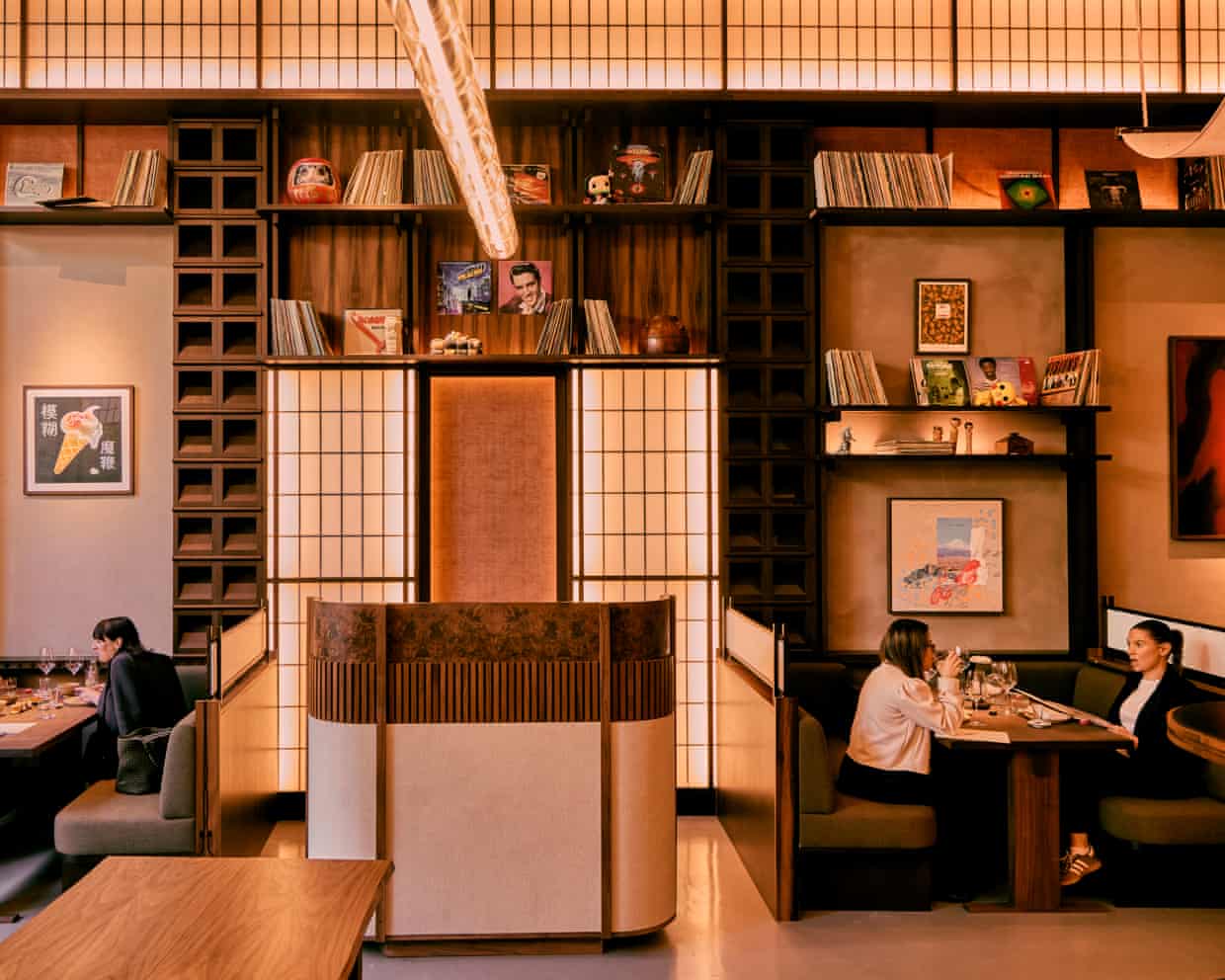
Mitsu, London EC2: ‘Determinedly fun and delicious’ – restaurant review | Grace Dent on restaurants
No spoilers, but I knew even before I’d reached for my chopsticks that Mitsu would be a vast improvement on its predecessor, because it has taken the place of Nobu Shoreditch in the under-gusset of the Aethos hotel, a Swiss-owned “lifestyle hospitality brand”, in east London. Nobu was gargantuan, moodily lit (that is, pitch black), woundingly expensive and terrifically hard to book, despite having something like 797 seats; it was also one of the most soulless London restaurants of the past 25 years. Nobu Shoreditch felt symbolic: it was where all the raffish hope of the 1990s YBA crowd and the early noughties electroclash heads went to die.But that was then, and now, in 2026, the Aethos crew has deftly brightened and lightened the mood of the room, making it actually cosy and adding a twinkly central bar; there’s an open robata kitchen and roomy booths, as well as a pretty Japanese garden. Mitsu calls itself an izakaya, which is what European restaurateurs always say when they mean the Japanese-influenced food isn’t too po-faced and you can get really tipsy on sake
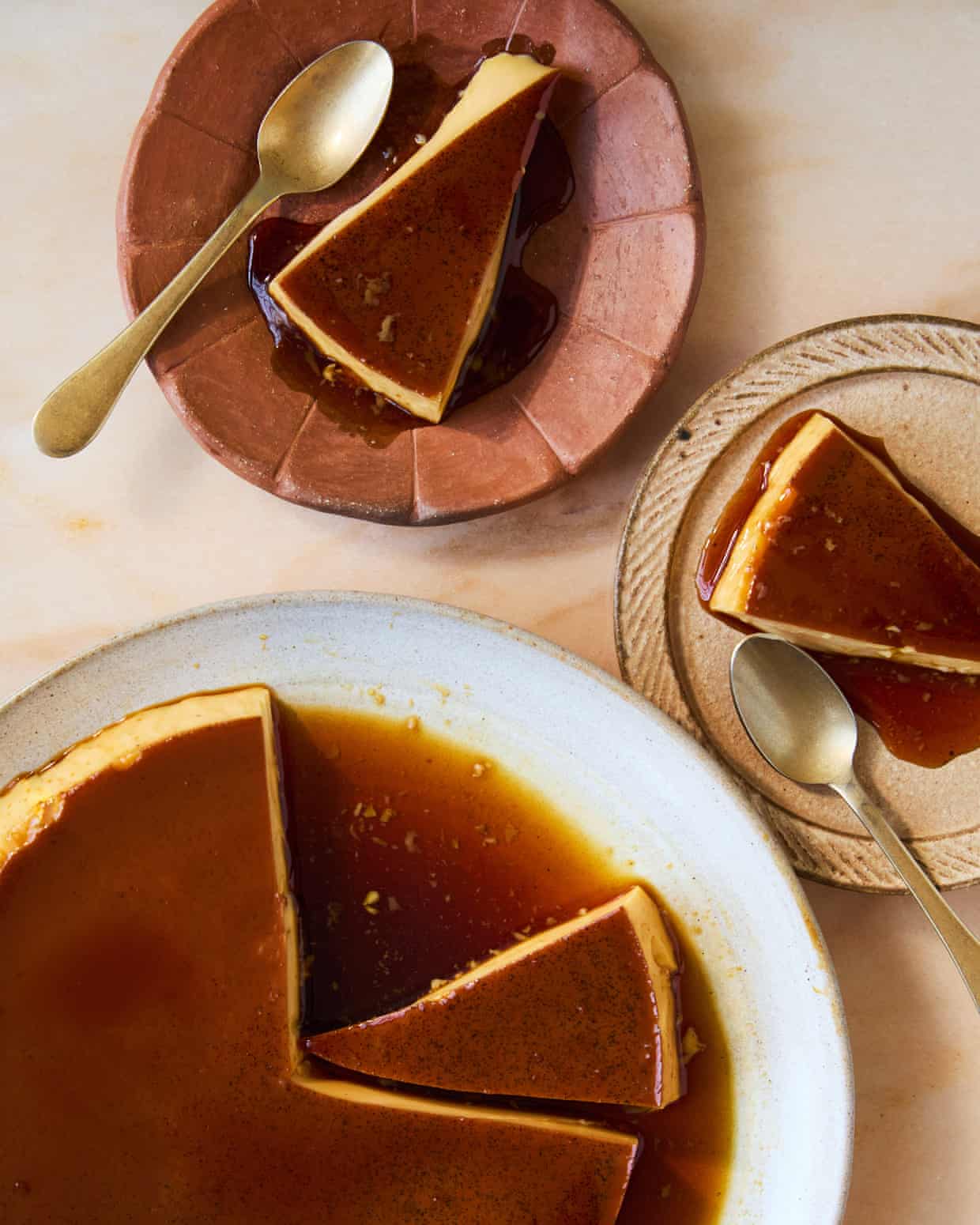
Benjamina Ebuehi’s recipe for Mexican-style vanilla bean flan | The sweet spot
I started the year in one of my favourite places: Mexico City. I’ve since become one of those annoying people who finds a way to bring it up in nearly every conversation, so please indulge me just this once! Each time I’ve been to Mexico, I develop a new fixation, and this year I ate a considerable amount of flan. It’s seen as a bit of a retro dish here in the UK, and perhaps a little divisive, but I love it.Mexican-style flan is typically made with condensed milk, giving it a gorgeous, silky, creamy texture. I’ve also added plenty of vanilla – brought back from my trip, of course

How to match wine with vegetables
At a recent tasting, I got chatting to a winemaker from Australia’s Clare Valley as I bravely made my way through his wares: a ripe, leathery shiraz and a deep, dark cabernet sauvignon that put me in mind of blackcurrant bushes. These were serious wines – and good value, too. A generation ago, such gutsy New World reds were all the rage, but now, lamented the winemaker, gen Z was more interested in lighter, cooler-climate wines, lower on the alcohol and brighter on the palate.The Guardian’s journalism is independent. We will earn a commission if you buy something through an affiliate link
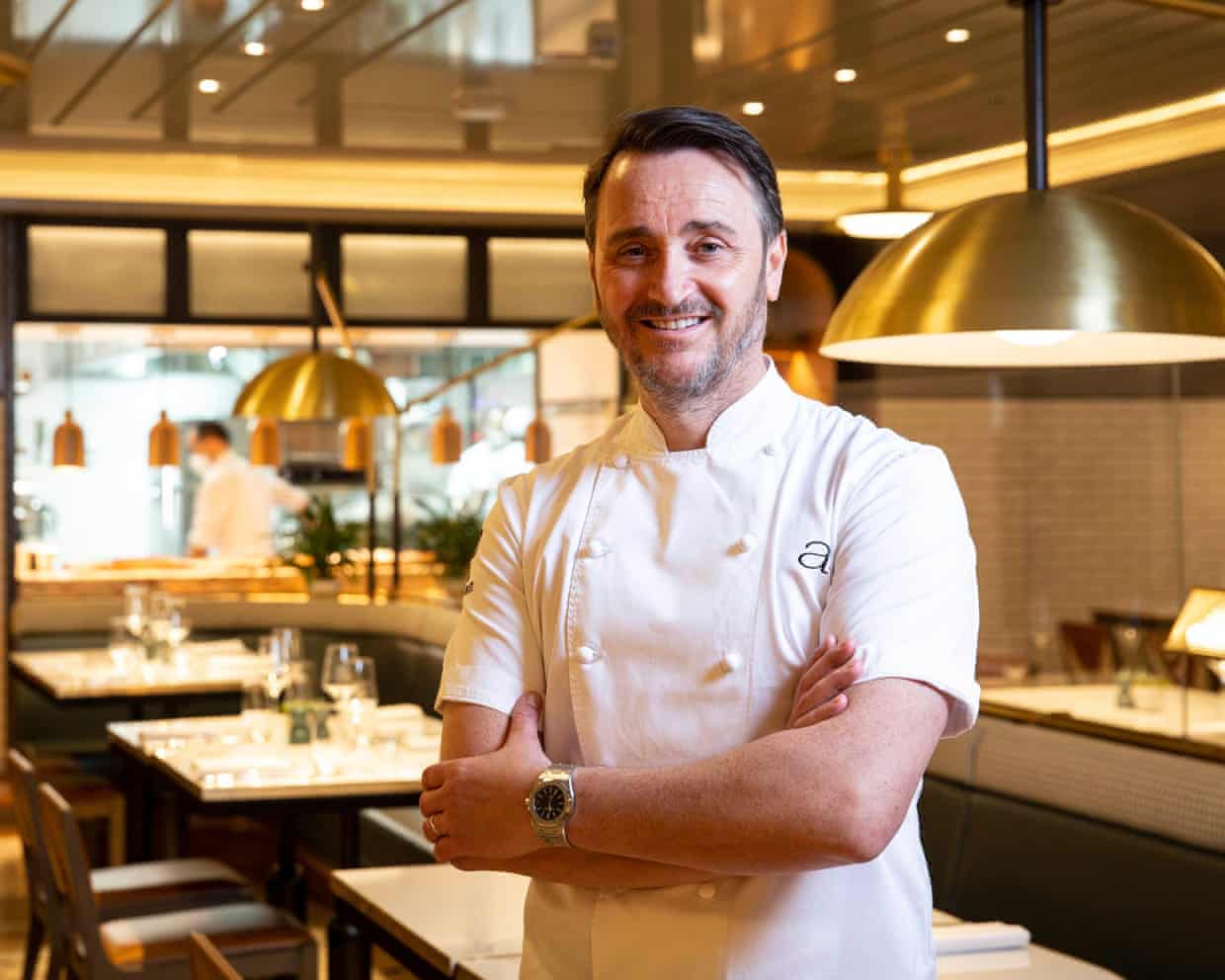
‘Restaurants won’t survive’: Michelin chef opens venues abroad to withstand UK taxes
A British Michelin-starred chef says he is opening restaurants abroad to subsidise his UK venues against a backdrop of high taxes and a struggling hospitality sector.Jason Atherton is now in Forte dei Marmi, on the Tuscan coast in Italy, where he is preparing his newest opening, Maria’s, which will be in the Principessa hotel. The Sheffield-born chef now has restaurants all over the world, including in Dubai and St Moritz.He said he was finding it easier to make a profit in countries with more forgiving policies towards restaurants, pubs and bars. “I am trying to sustain our business by opening abroad
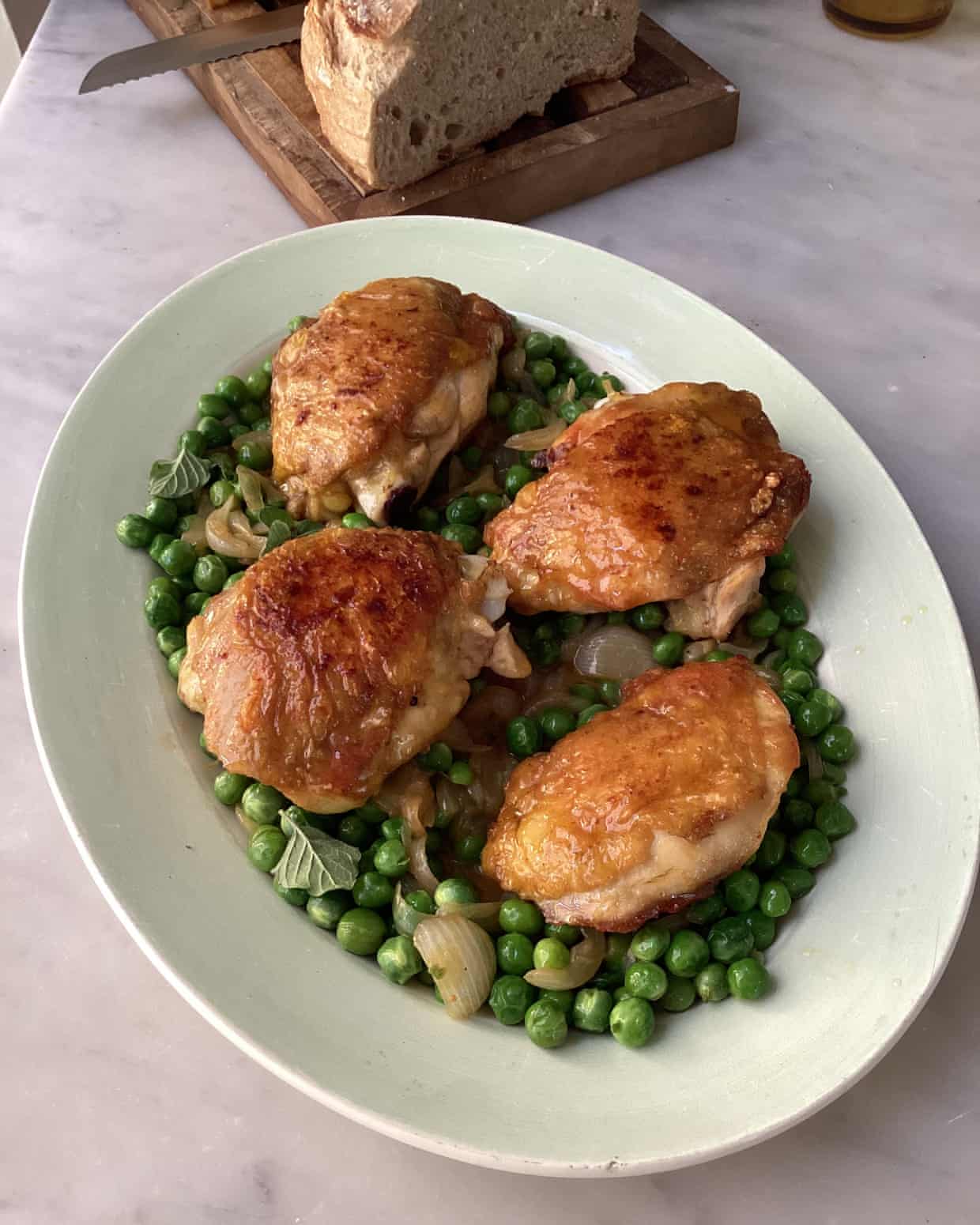
Rachel Roddy’s recipe for spring chicken thighs with spring onions, mint and peas | A kitchen in Rome
The weather lately has been as temperamental as peas in pods. But peas are even harder to read than the sky: some pods contain sweet things no bigger than peppercorns, which explode when you bite them; the contents of others, however, are closer to small ball bearings, their size very likely a sign that all the natural sucrose has been metabolised and transformed to pea starch. The best thing for the tiny ones is to snack on them alongside a bit of cheese, whereas the path for big ones is the same as for dried peas, so pea and ham soup or a long-simmered puree.The Guardian’s journalism is independent. We will earn a commission if you buy something through an affiliate link
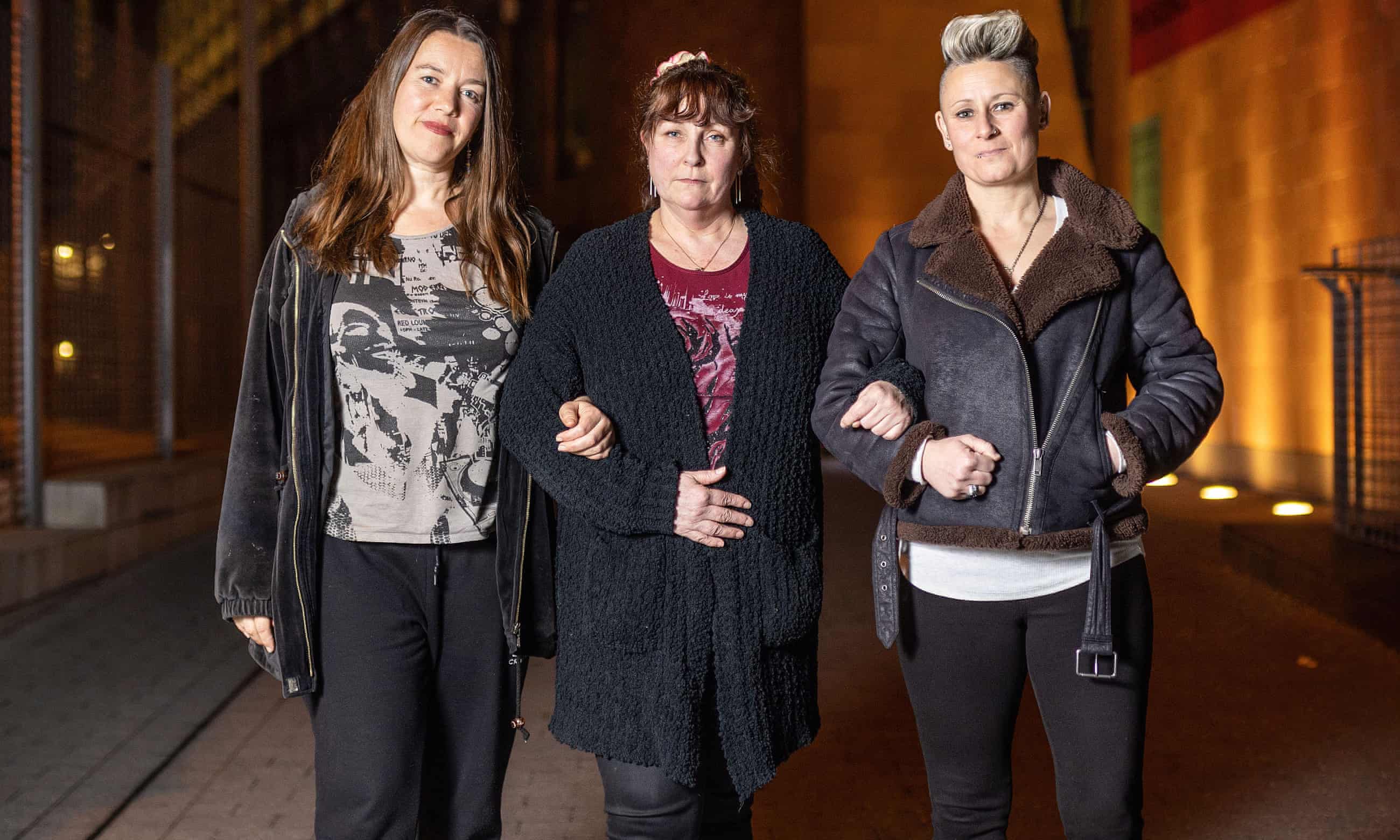
‘We have the same monster’: three women brought down their rapist – this is what happened next
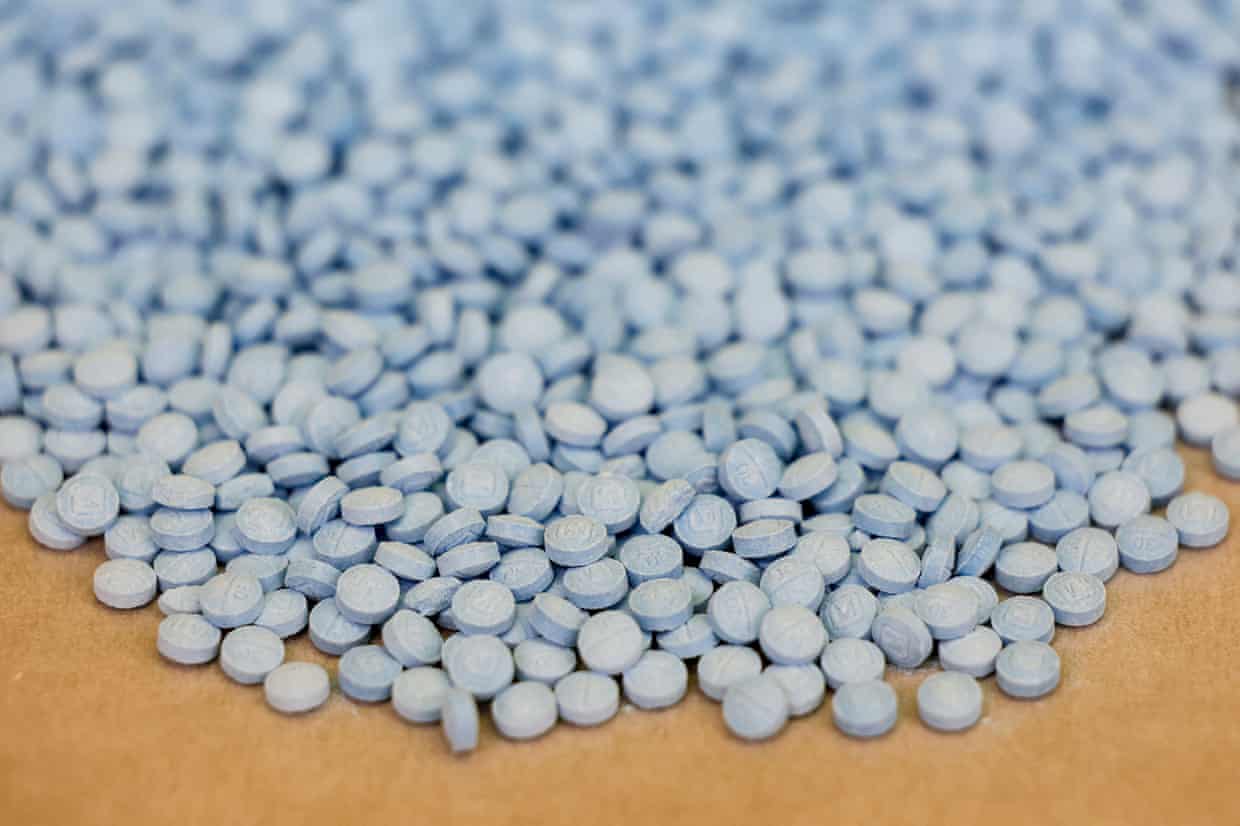
Did breakthrough in US fentanyl crisis start in China?

Getting children to eat their vegetables starts in the womb, researchers suggest

Older people risk mental decline if they do long hours of caring, UK study shows
Capacity of lifts not kept up with UK obesity levels, study shows

More than 6,000 children treated at obesity clinics in England, figures show