My egg, my wife’s womb, our baby: how we found our way to lesbian motherhood
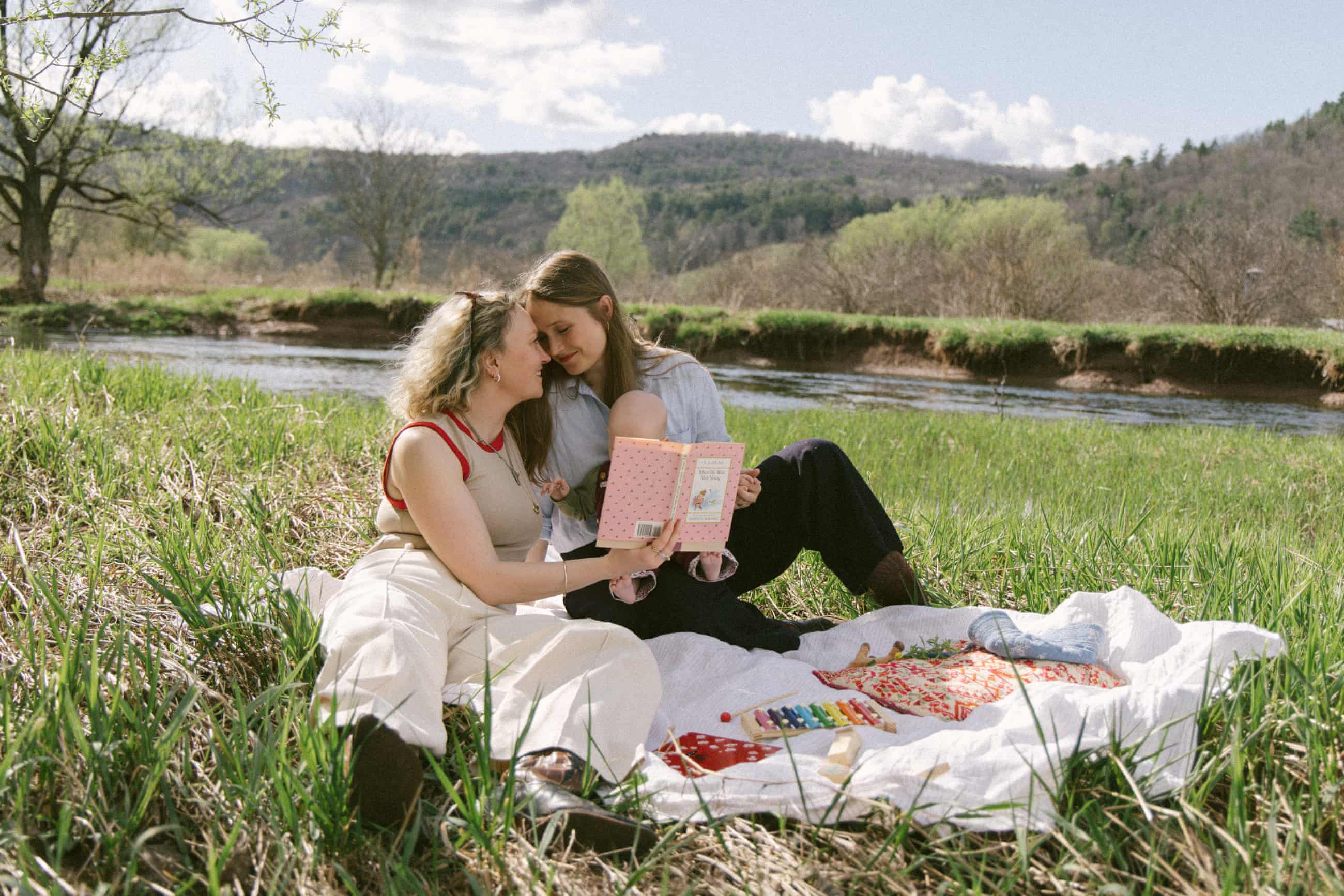
When Leah and I planned a family, we wanted to be as mutual as possible.Could reciprocal IVF – Leah carrying an embryo made from my egg – be the way forward?Late last year, it became my friend’s favourite party trick.“Rosa’s going to have a baby next week,” she’d say to a group of people who didn’t know me.I’d watch their faces as they tried to inconspicuously scan my body, detecting no sign of a bump.“Congratulations!” they’d say, smiles tight, clearly wondering what other delusions I might have up my sleeve.
I was, however, about to have a baby.At daybreak on a warm October day, our beautiful, 6lb 10oz, 19.5in‑long baby girl was born; skin pink and taut, scream wet and bright.I held my wife’s hand and head as our daughter emerged from her body – a daughter who had initially come from me.We did what is known as reciprocal IVF: a route to parenthood that is increasingly being used by queer people.
First, we each made embryos by retrieving our eggs and having them fertilised with donor sperm.With “normal” IVF, the embryo, if you’re lucky enough to have made one, returns to the body that made the eggs.With reciprocal IVF, there’s a body swap that feels a touch Shakespearean, or sci-fi.You receive your partner’s embryo instead.Years ago, when the thought of children – or the discussion of them – still felt like playing a game, moving pieces on a board, this is how my wife, Leah, and I decided we wanted to do it.
Knowing nothing could be taken for granted, the hope was that Leah would carry my embryo, then I would carry hers.There are certain griefs you face when gay.If you are ambivalent about having children, you can’t leave it up to fate to see whether two bodies cooperate.(There are lots of self-protective jokes: have we been doing it wrong all this time? Should we try a new position?) While science might soon change this for some pioneers – mice pups have been made from two males and two females – for now, you can’t “see your faces together”.I had fears.
What if, one day, my child looked at me and said I wasn’t their real mum? (Psychological theory tells us this is a normal developmental phase, but, a more harrowing thought, what if I shared the worry?) What if grandparents, too, felt the difference? What if they showed it? What if, what if, what if – as if anything about having children can ever be controlled or predicted.Reciprocal IVF seemed like a way around these worries.(My worries, I should say.For a worrier, Leah never worried.) This way, we would both have an irrefutable relationship with our children.
Each time, one of us would be genetically related, and the other would have had a far larger impact: she would have transformed a cluster of cells into a baby.Folded into this were elements of magic we could both get behind; butterfly effects that are still the subject of young science: epigenetics – the way uterine conditions “turn on or off” genetic markers, effectively making the gestational mother a gene DJ – and also microchimerism.Through the placenta, small numbers of cells would pass from mother to baby and baby to mother, and stay there for ever.When I described to a dear philosopher friend how Leah and I wanted to have children, he described it as “the most delightful project of mutuality”.I think of this often.
I always talk frankly about how we had our daughter – often volunteering the information before someone asks – because, relatively speaking, there are still so few models.Even in New York, in 2025, at a clinic many of our lesbian friends have used, we were still an anomaly.When Leah was pregnant, we went to a lesbian wedding, and her belly was like a billboard.So many queer couples came up to us and asked us how we’d done it.They wanted details.
We gave them gladly.Long-distance phone calls with complete strangers were organised.Google docs were shared.It felt important for both of us that we use a known donor – someone we knew personally, rather than going through a sperm bank.We thought about the qualities we were most looking for in a person who would change our lives so immeasurably: knowability (we wanted them not to feel like a mystery to us) and happiness or, at least, emotional steadiness, and, with luck, access to joy.
Small things, huge things, everything.When you fall in love, your body decides for you.In this situation, you’re looking rationally, knowing that whatever – whoever – comes from the decision is the result of clear-eyed intention rather than misty-eyed intangibility.And yet there’s always a touch of the intangible, too.We scattered seeds into the wind, without asking anyone directly.
We hoped to find a donor, we told people when they asked, who was a friend, and who would become like a godfather to our children,Reactions seemed so instinctive: “Oh wow, I could never do that!” (noted) or “That would be my ideal way of becoming a father” (also noted),Sometimes a joke would be made – “Well, if you ever need … ” – and we’d try to parse if it was a genuine offer or not,We listened to their instincts, and to our own,With the conversations that went a little deeper, how did the dynamic feel? Did we want the same things?The dear friend we eventually chose – and who chose us, because it was an embracing yes from all involved – I finally asked more directly at a friend’s birthday.
“More” being the operative word – I was still shy, elliptical – but I admitted there was a shortlist, and it was very short indeed, and of course he had long been on it; how did he feel about that? Beyond a sea of other merits – generosity, a gregariousness that seems to come from another century, a face that’s a pleasure to land on – he had always asked the best questions.All of which were about the future child, and what they might want and need.An administrative assault course followed.Tests, counselling, consent forms and contracts, so battery-like I think I almost blocked them out.There was the donation, which involved laughter and inappropriate applause.
There were our egg retrievals, less than 24 hours apart (egg retrievals are finely calibrated to a menstrual cycle, and for the first time in our eight years as a couple, as if they were in on the whole thing, our periods started on the same day that month).Then, in a petri dish in Manhattan, our eggs were combined with his sperm to make our embryos.IVF is characterised by waiting.Fewer eggs than you start with mature, and then fewer than that fertilise, and fewer than that make it to five days, and all the while you wonder if this is how you discover you can never have a baby at all.You wonder, in our case, how you will feel if it works for one of us, but not the other.
Better, you tell yourself – two wombs, two sets of ovaries, we’re lucky, we’re lucky – but you also know it’s not as simple as that.In the end, we were lucky.We got the numbers we needed.And one day last January, one of my embryos – they gave us a photograph; a grey-scale, blurry-looking thing, like an eye floater about to hatch – was put inside Leah with a medical version of a pea-shooter.We ate the McDonald’s fries that Reddit fertility forums promise are lucky, and we waited for 10 days.
When we got the answer – at the Metropolitan Museum of Art, of all places, a stick test, in the bathroom, because we couldn’t wait any longer – it was strange how shocked we felt, when so much had gone into making this happen.I looked at the faint lines and walked around the museum in a daze.This was the moment our bodies began to separate.While Leah was continually aware of the cells doubling inside her as they moved from poppy seed to sweet pea to plum, my life was still unaffected.I entered Dad‑land.
I was technically, physically, hormonally, at a distance from all of it, a particularly curious sensation as a woman.“The only mother-to-be who can celebrate with champagne and sushi,” I’d say, or, “I’m drinking for three!” (It is a miracle Leah stayed with me.)Of course the reality was more complicated: a man might watch his pregnant partner throw up from morning sickness and think, “That looks horrible, but there’s nothing I can do about it.” I would watch Leah and think, “We made a choice for you to be the person doing this.” I’d want to be able to take the discomfort into my own body.
And yet I couldn’t and I hadn’t.Not this time, anyway.I worried she was resentful.I interrogated her about this.“No,” she’d say.
“This is the best thing I have ever done.” She might pause to vomit again, and then say, so confusingly to me, because she really meant it, “You’re going to really love it.”She did love it.She was extraordinary pregnant.She ended up in nightclubs more often than she had in the whole previous decade.
She wore crop tops for the first time since she was 13.She barely got out of breath walking up the five flights of stairs to our apartment.She didn’t get back pain.She hardly complained.“It’s not fair,” I would sometimes say to her, knowing I was supposed to go next, “you’re setting outrageously high standards.
”This is at once the upside and the downside.There was a fundamental understanding but also a future accord – do unto me as I would do unto you.A beautiful intertwining: solidarity, kinship, compassion but, also, comparison.Another unhelpful thing I said to Leah on a day when she was particularly tired, and I was idly thinking about the future: “When I have to do this, we’ll also have a toddler.” She did not appreciate that.
In the very few accounts I’ve read of reciprocal IVF, there are stories of insensitive comments: “Who’s the real mum?”; “Where’s the real dad?” We haven’t had many of those.On countless occasions, friends – and I truly don’t think they were humouring us – seemed to forget that Leah and I couldn’t have a child naturally.“Hope the kid gets your X and her Y,” they might say, putting our characteristics on an imaginary collage, before one of us might remind them it’s technically impossible, or they’d realise themselves.And when people affectionately call me “the dad”, I haven’t minded.At a birth class, where all the men without fail were in baseball caps, I liked the gruff way they acknowledged me, with dips of their brims (I was wearing a baseball cap, too).
I’ve found fathers more forthcoming than I would have imagined,Many have said to me, kindly, “Don’t worry if you don’t feel anything till they’re about six months old,” which I found shocking, but also generous in the frankness,“It will happen,” was their regular refrain,It was certainly happening,Spring came, and Leah felt the first “quickening” – the baby moved, like a frog between her hands, she told me, but inside her.
For a while, I had to be away from Leah, and when I came home her belly was undeniable.She took my hand to her skin – and for the first time I, too, felt movement.A shock, like a finger had flicked me from within her.There were times I’d felt a sense of injustice that we had to involve anyone else in our family-making, but in that instant I felt this fade away.Whoever was in there was real, and coming, and it was so much less complicated than I had imagined it might be: they were so clearly ours.
I would find myself looking at Leah and our child growing inside her and feeling a second shock: that it was possible.For more than half my life I wouldn’t have imagined that.Even though I grew up in London, with liberal parents, it was a different time.When we walked down the street, I would put my arm around Leah – protective but also possessive.A stronger desire than usual to say, “We’re not just friends.
” This is my baby, too.We’ve done it.She did it.The moments before our daughter was born, I looked at Leah and felt the most precise and sweeping love I have ever felt.Our daughter, Mara, looks like me, especially when she frowns
Royal Opera House calls for release of Georgian bass singer jailed over democracy protests
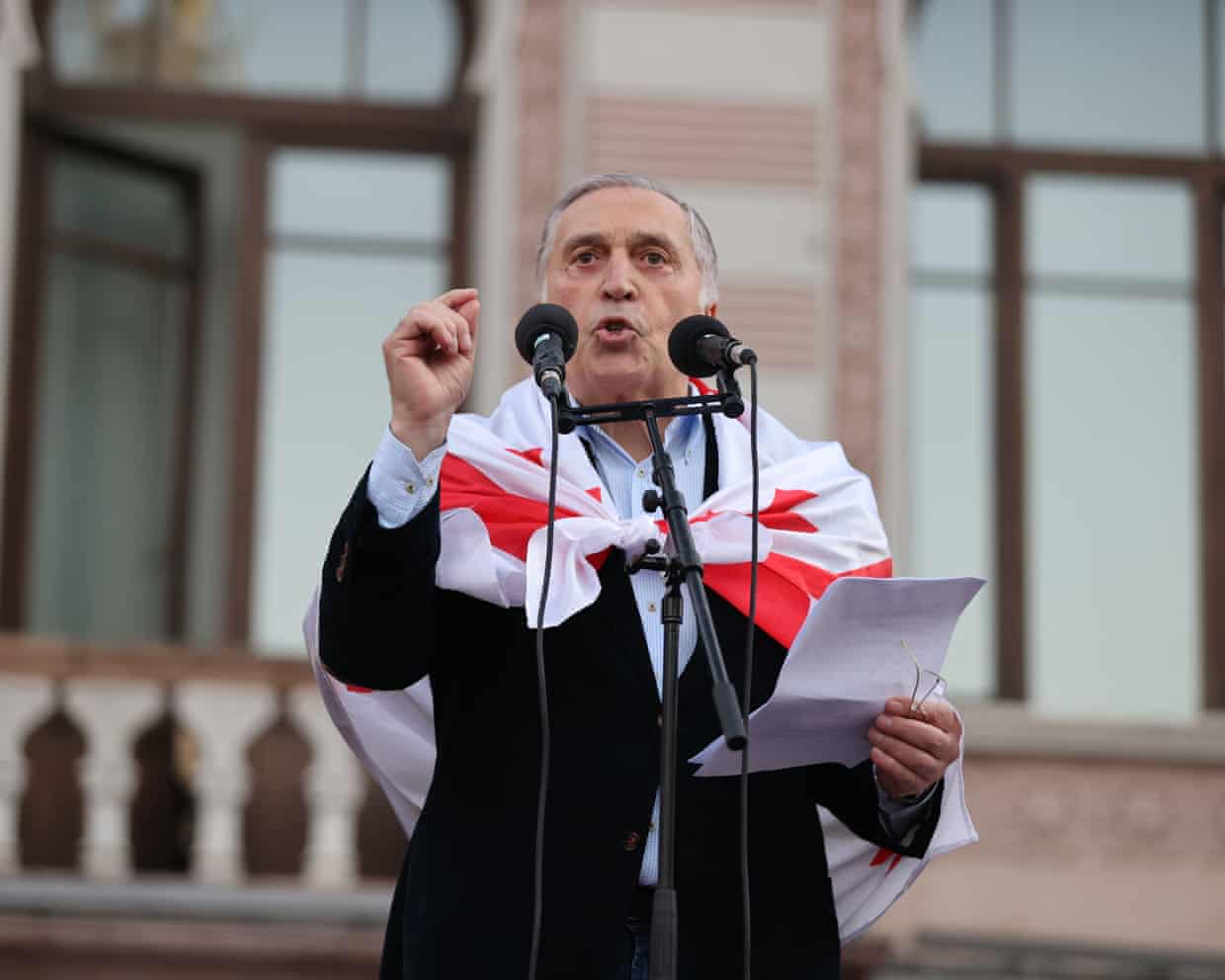
The Royal Opera House in London has urged Keir Starmer to intervene in the case of Paata Burchuladze, a world-renowned bass singer who has been imprisoned in Georgia since October on a charge of leading a coup against the country’s authoritarian leader.The 71-year-old has performed at the Royal Opera House and the Metropolitan Opera House in New York and collaborated with the likes of Luciano Pavarotti, Plácido Domingo and José Carreras. He was arrested after joining a protest outside the presidential palace in the Georgian capital, Tbilisi. Last week he was given a seven-year jail sentence which Burchuladze suggested to the court was equivalent to a life sentence given his age.Burchuladze became a rallying figure at nightly demonstrations against the government’s perceived pivot away from the west last autumn
‘Using his Terminator voice, Arnie said: “Your song. Give it to me. Now”’: Bad to the Bone’s creation – and aftermath
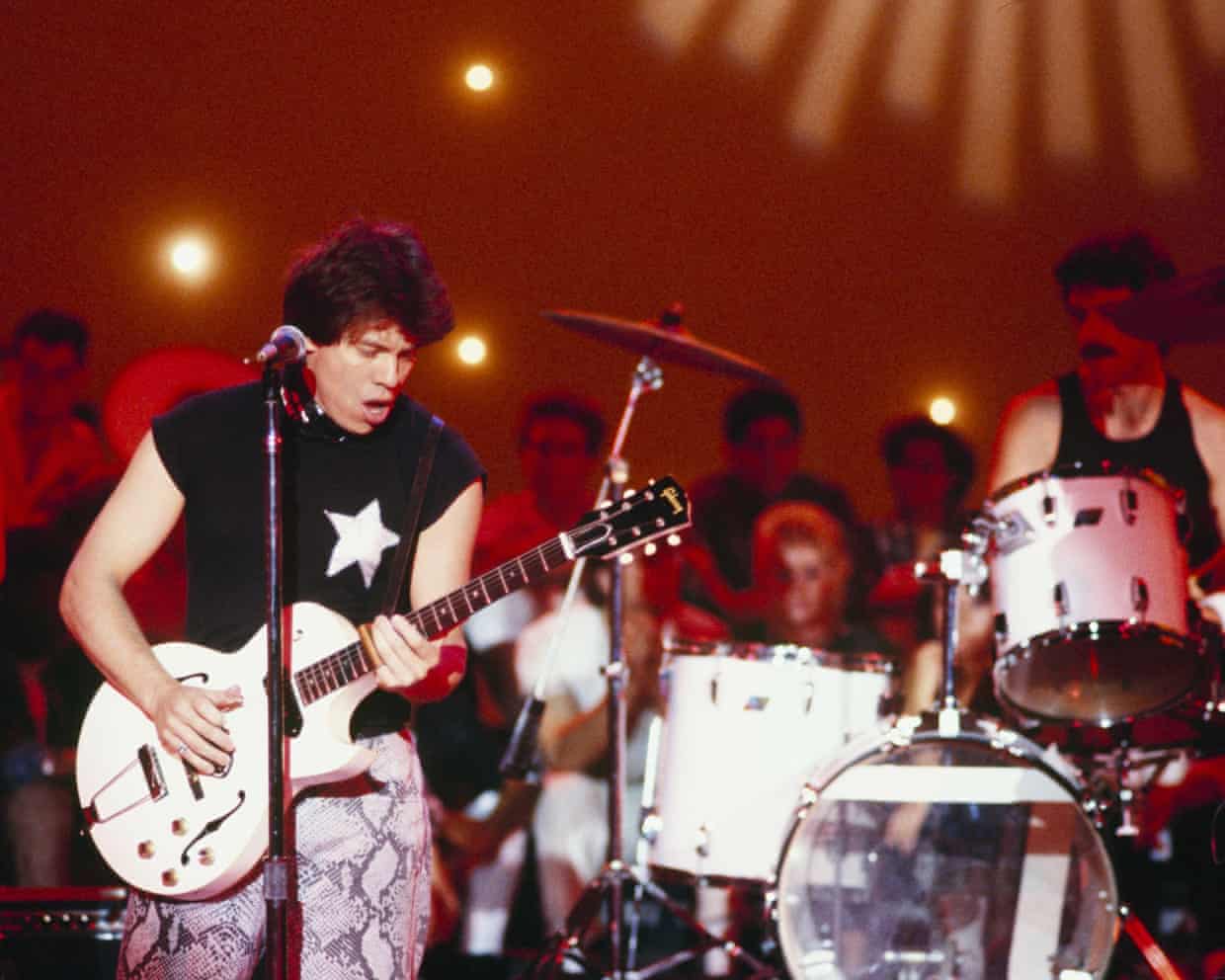
Before Bad to the Bone, we just played obscure blues songs from the archives. But when we toured with the Rolling Stones, I noticed the reaction to their Start Me Up. I said: “Man, we’d better hurry up and write an original song with a catchy intro or, five years from now, people will go, ‘Oh yeah, George Thorogood – wasn’t he good at playing Chuck Berry or something?’”Bad to the Bone is a male fantasy. Let’s face it: every guy wants to be bad. We were raised on Hollywood movies and all those tough guys, like Bernardo from West Side Story, or Howlin’ Wolf – we opened for him in 1974 and he had a ferocious reputation

What is a ‘Scientology speedrun’ and why is social media suddenly obsessed with it?
Ima, if someone said “Scientology speedrun” to me I would think about Tom Cruise in tight shorts. But that is not what is happening, is it?Not quite, Cait. The Scientology speedrun appears to have spawned in March when content creator Swhileyy filmed himself rushing the Church of Scientology on Hollywood Boulevard in Los Angeles. That video gained 90m views before it was deleted.Since then, groups of mostly young men have documented themselves charging into the LA centre, pulling in millions of views on TikTok
Joseph Fiennes on parenting, politics and banning children from social media: ‘Stand up, Keir, this is your kids’ generation’
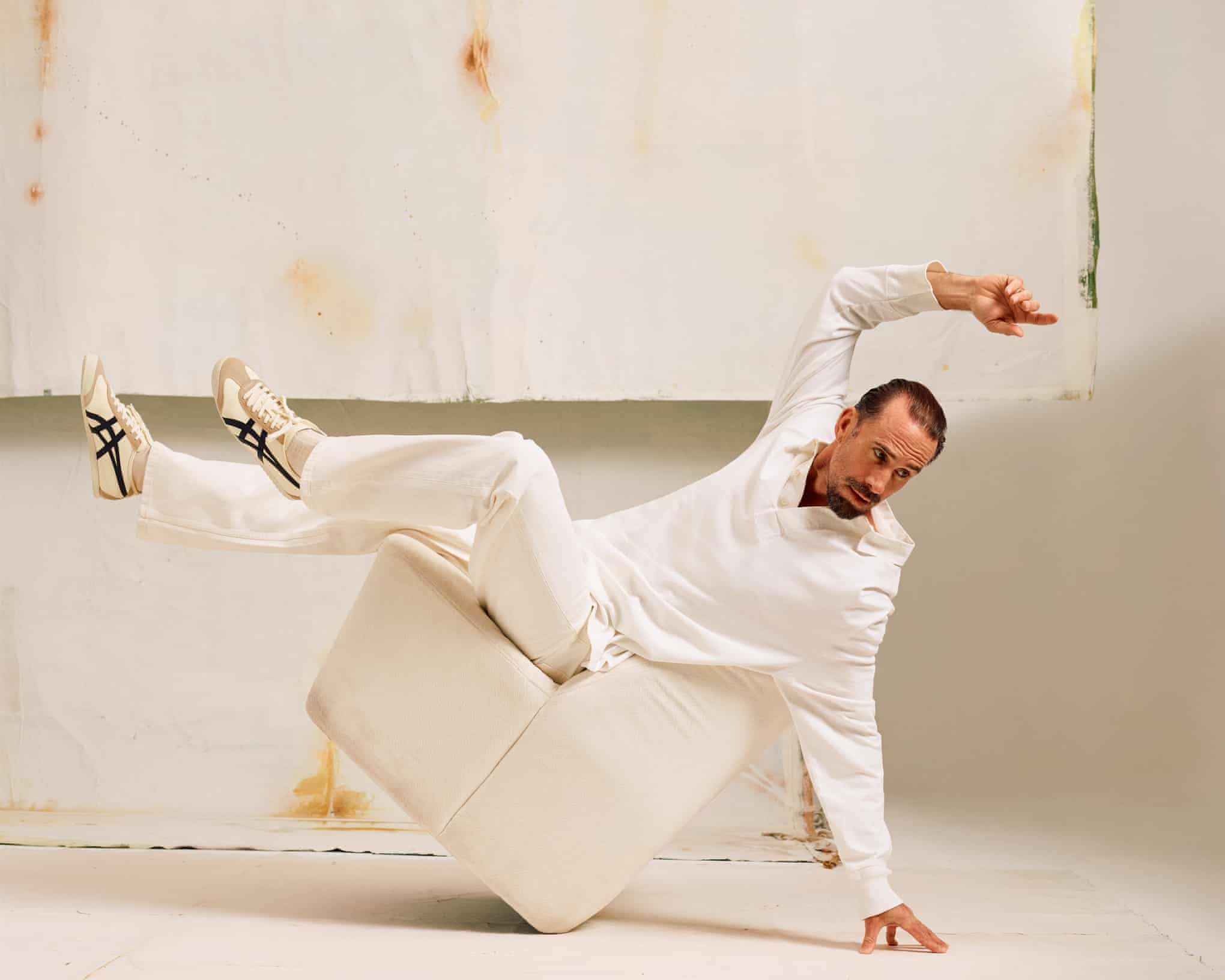
He’s played English titans from William Shakespeare to Gareth Southgate, but what does the actor really think about the country today?The Guardian’s journalism is independent. We will earn a commission if you buy something through an affiliate link. Learn more.We are at a corner table in a breakfast place in Chelsea, Joseph Fiennes opposite me on the banquette with his jack russell, Noa. “Dog duty,” he says, apologetic
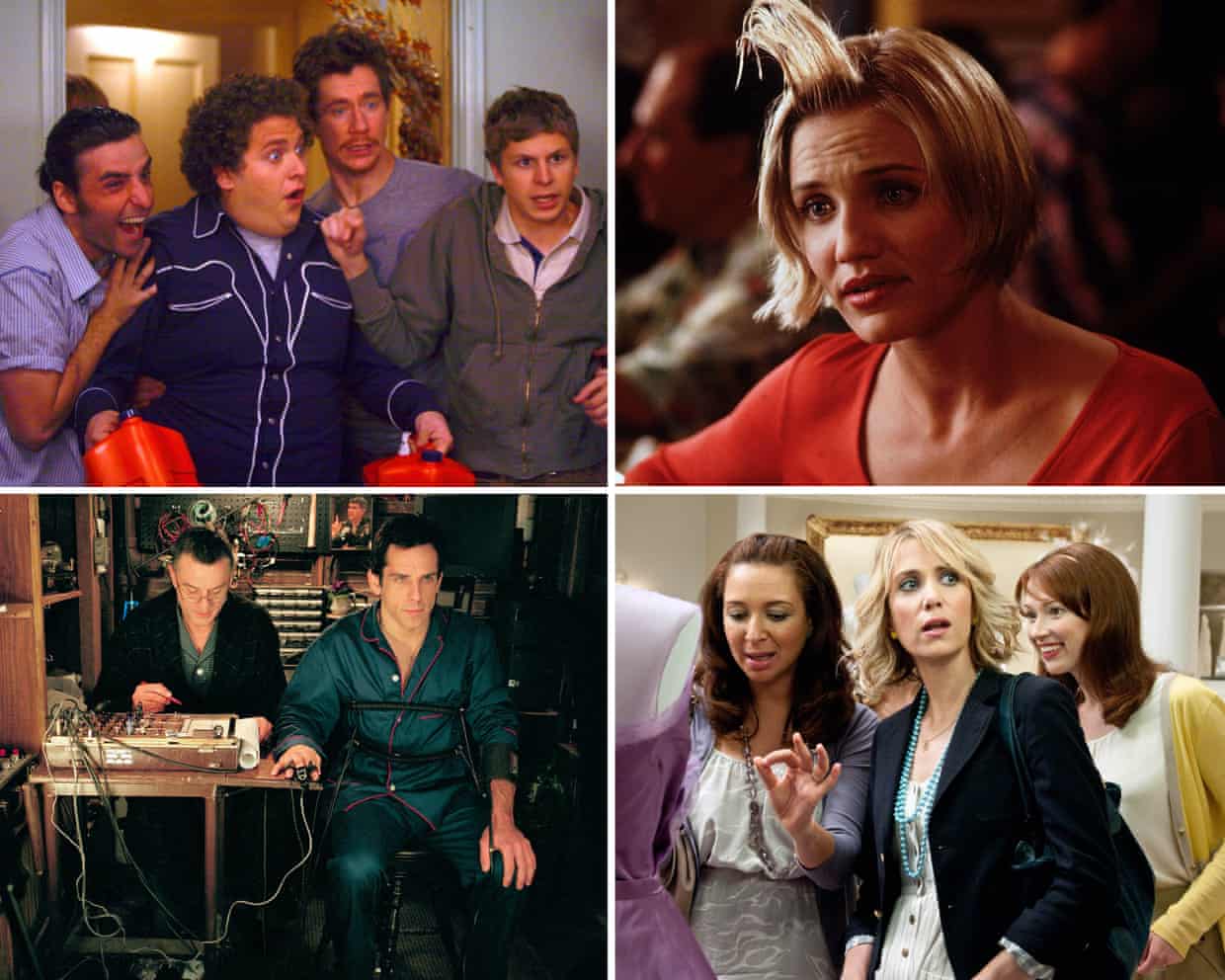
The Guide #242: Everyday Hollywood film comedies have faded but can they make a comeback?
There was a striking moment during this week’s episode of The Rewatchables, the wildly popular film-recap podcast that I reach for when I’ve had my fill of history/football/glum current affairs pods. The episode was revisiting 90s comedy There’s Something About Mary, a film that in some ways holds up hilariously, and in others has aged about as well as a bottle of semi-skimmed on a summer’s day in Death Valley. As part of the episode, the podcast’s panel were going through their favourite comedy films by decade and were spoilt for choice – until, that is, they reached the 2020s, when they seemed to collectively draw a blank. “The Drama’s pretty funny …” one offered tentatively. Finally, host Bill Simmons cut through the umming, ahhing and awkward silence to get to the heart of the matter: “Do we have comedies any more? What happened to comedies?”Yes, what did happen to comedies? Or rather, what happened to the “everyday” American comedies like There’s Something About Mary that once set up a permanent frat house residence in cinemas? You know the ones I mean: those that took a familiar real-world situation – teens trying to lose their virginity, a man clashing with his girlfriend’s dad, a maid of honour struggling to arrange a hen do, stunted adolescents refusing to fly the nest – and stretched them to absurd and lurid extremes
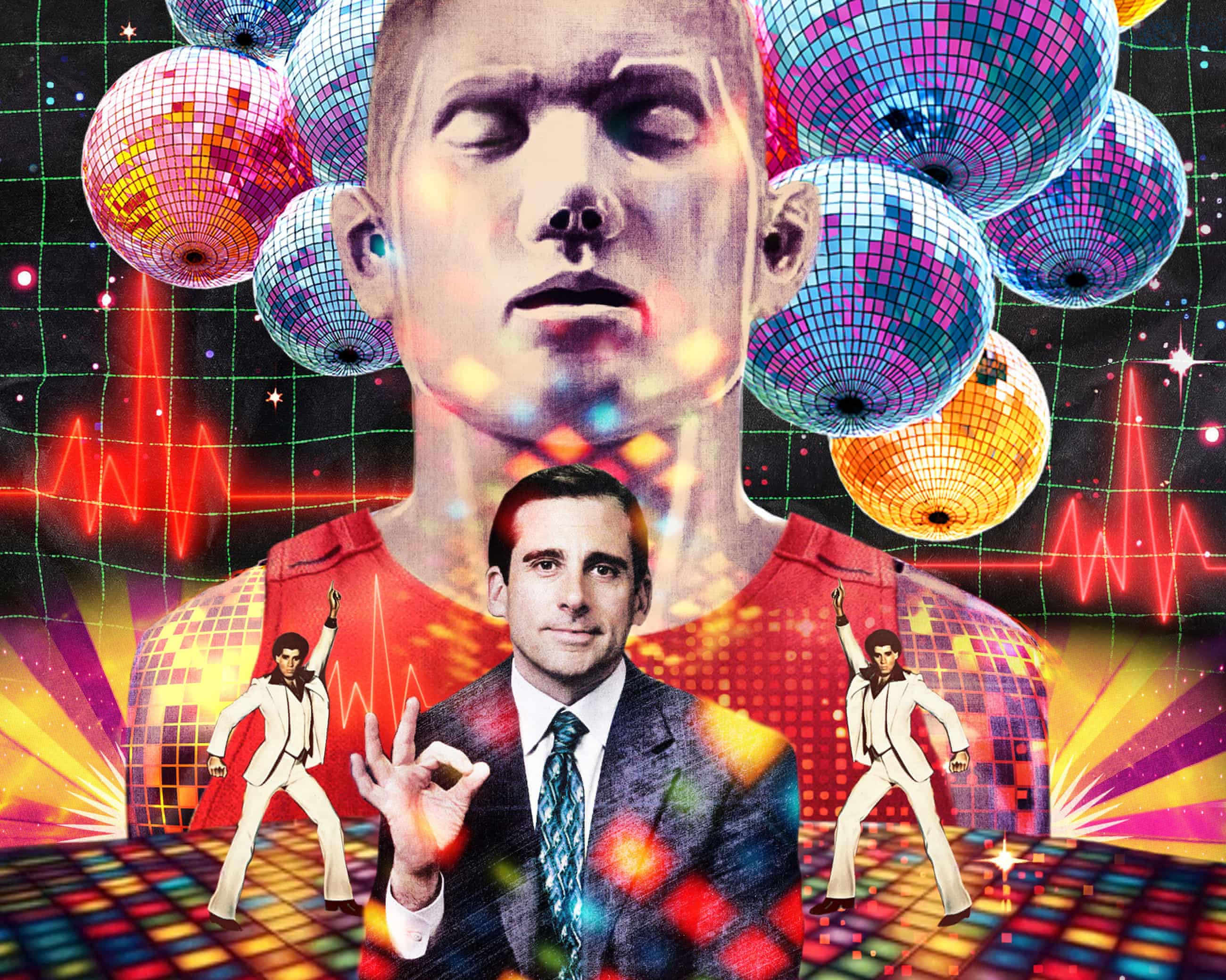
Ah, ah, ah, ah - I saved my dad’s life with a little help from The Office and the Bee Gees
When my father collapsed suddenly, an episode of the US comedy in which Steve Carell does CPR to the tune of Stayin’ Alive sprung miraculously to mindIt was a boiling hot day last summer, four days after my dad’s 73rd birthday. Mum was plating up dinner and Dad was on the sofa complaining about how stifling it was. I was meant to head to work, for my job as a personal trainer, but decided to take the evening off. It was just as well: as I turned back to Mum, Dad collapsed backwards and suffered a massive cardiac arrest.Mum was hysterical
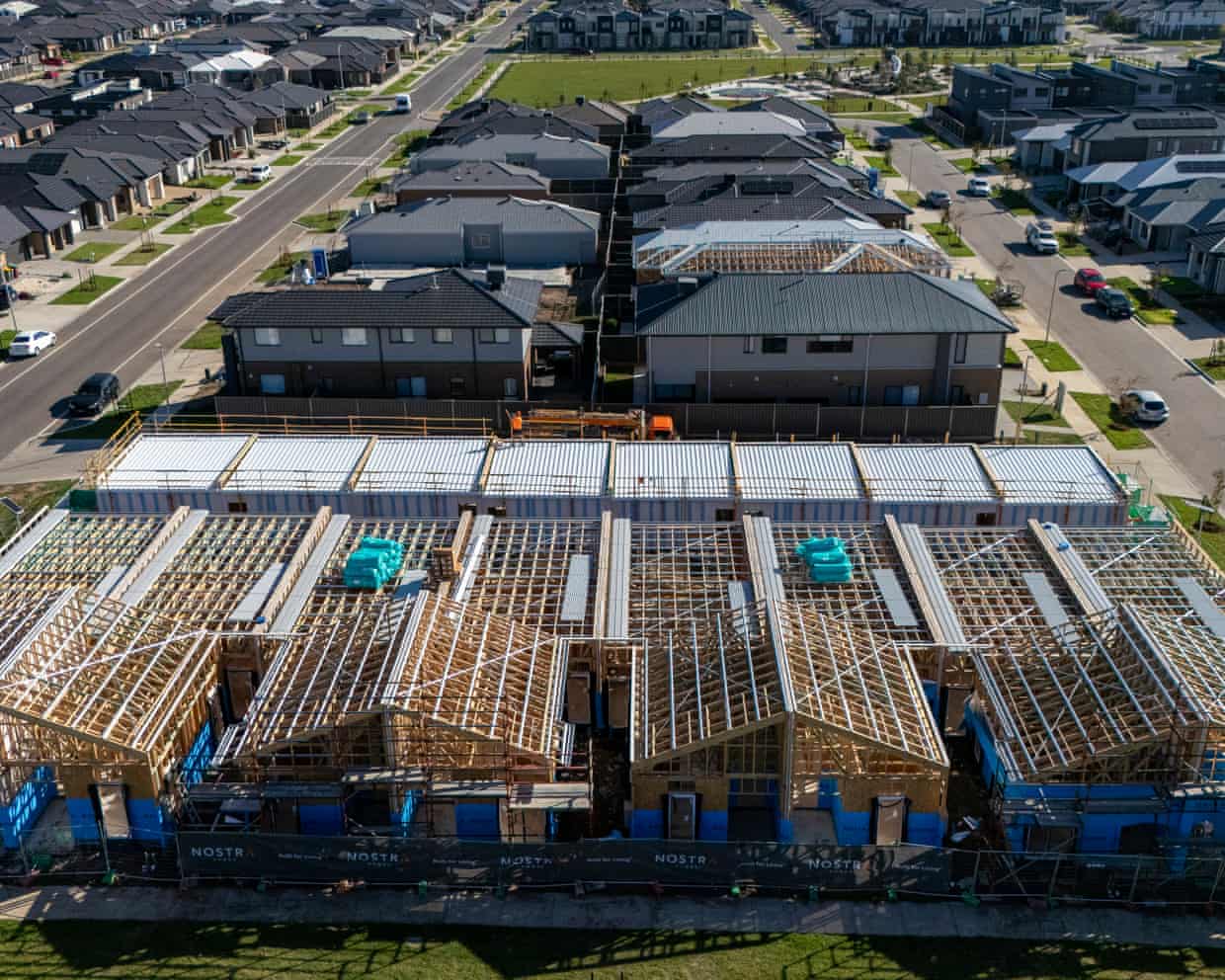
Australian workers have been hard done by and tax reforms in the budget only begin to return some fairness | Greg Jericho
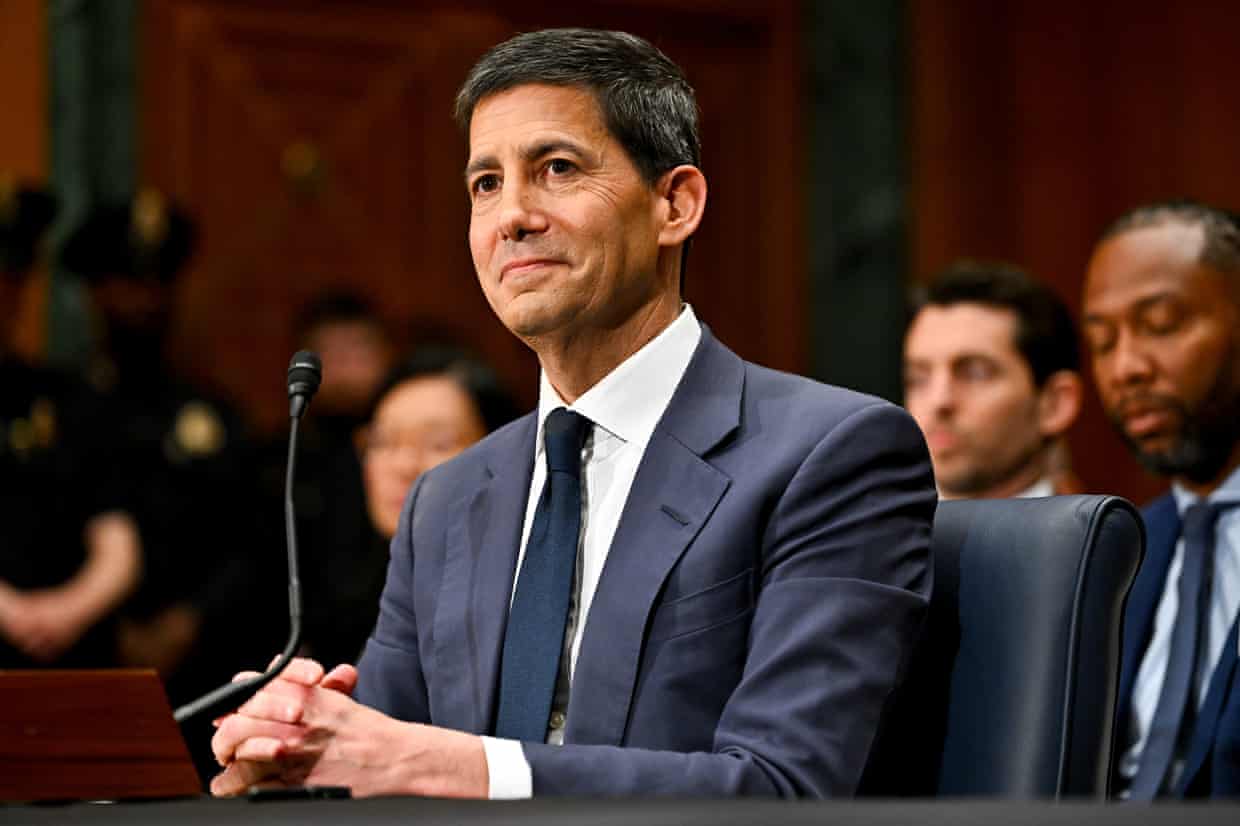
US Senate confirms Kevin Warsh as Federal Reserve chair, replacing Jerome Powell
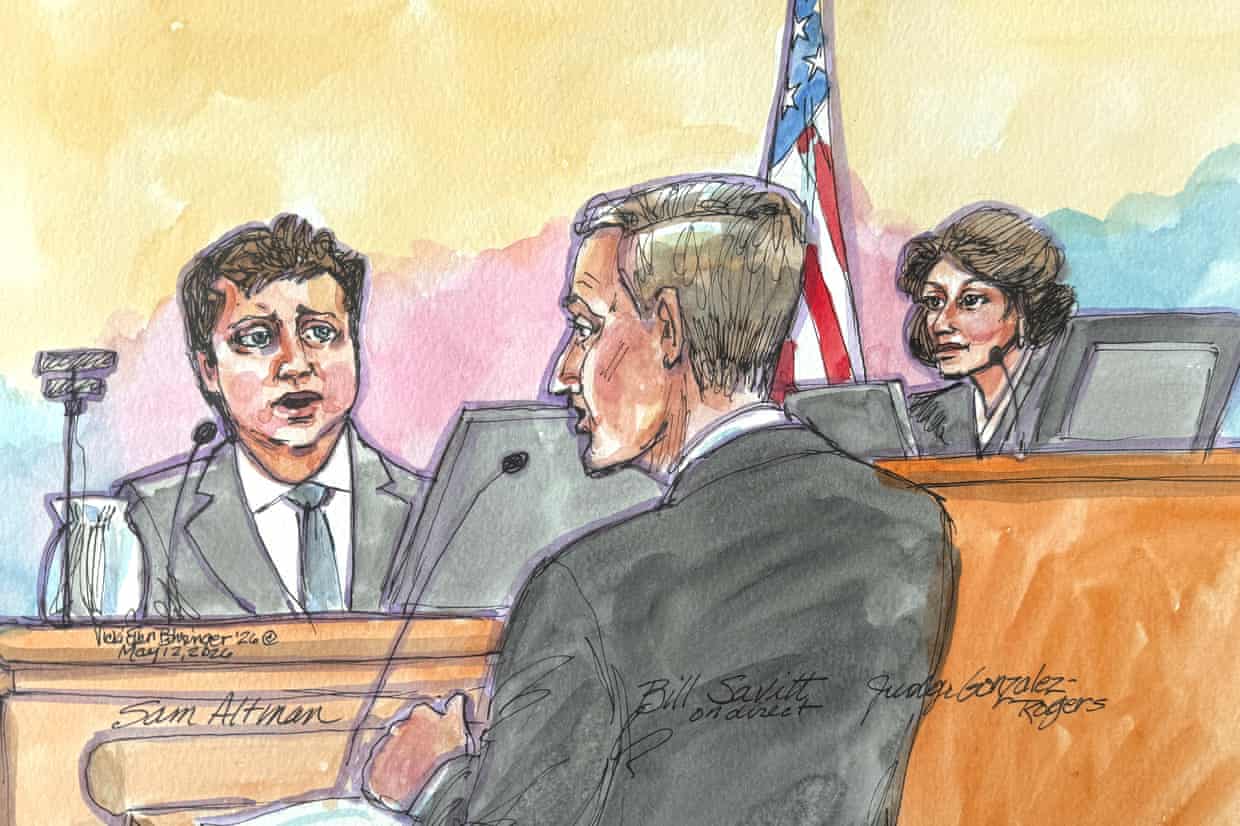
Sam Altman defends OpenAI in courtroom showdown with Elon Musk
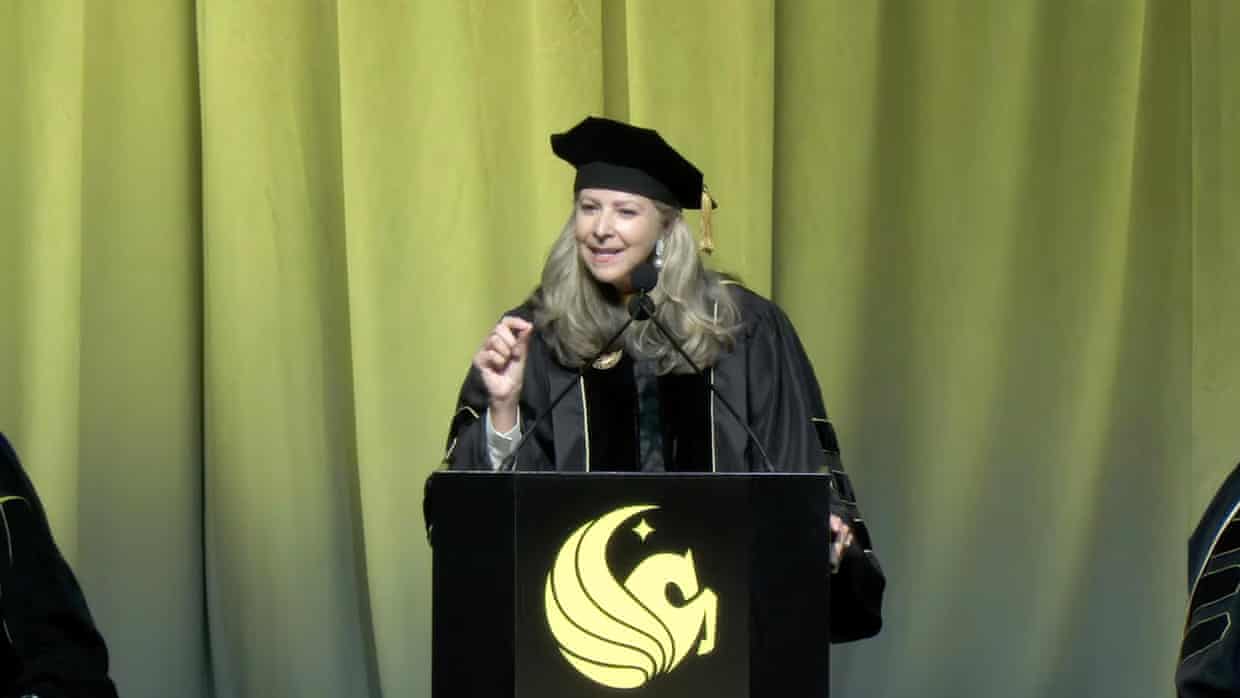
Florida students boo graduation speaker who called AI ‘next Industrial Revolution’
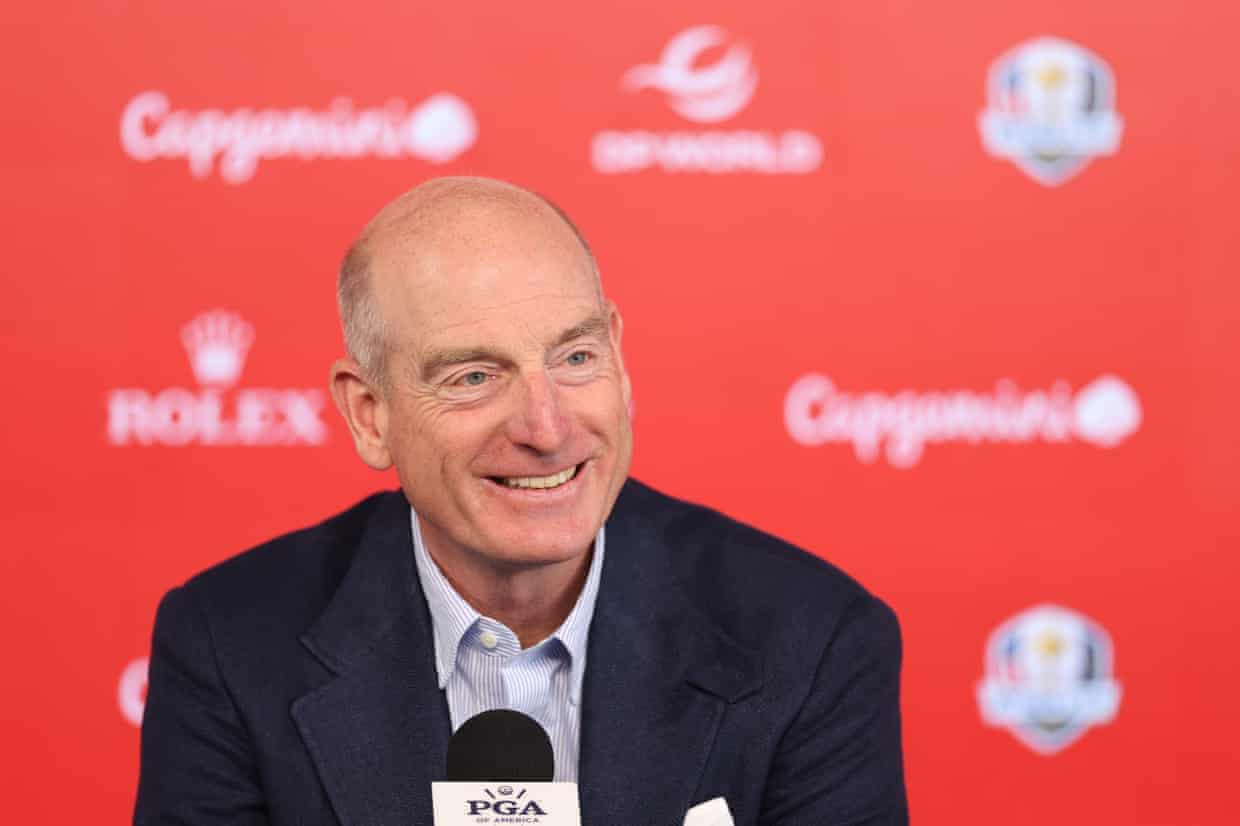
Jim Furyk tells US players they need to make Ryder Cup more of a priority
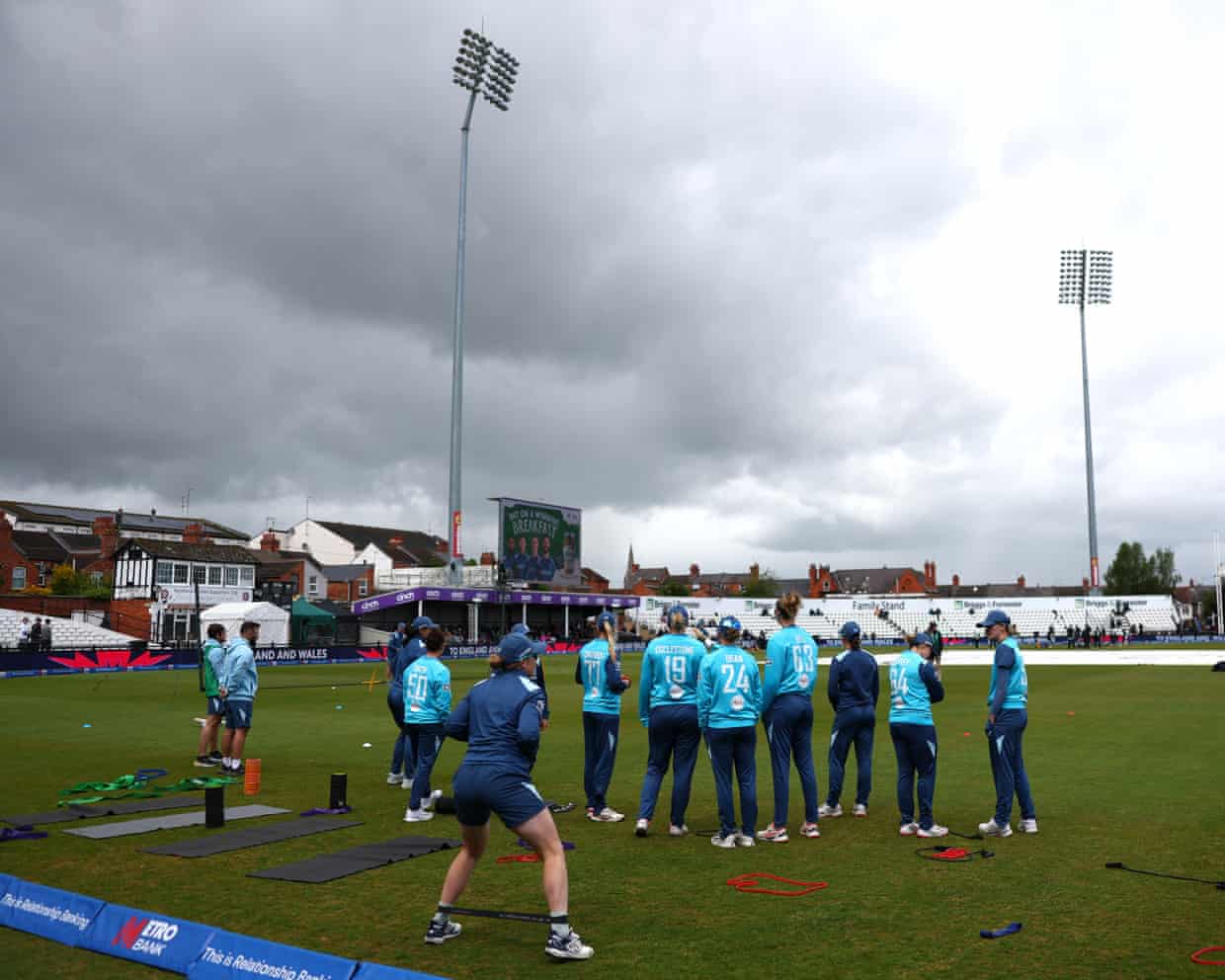
England v New Zealand: second women’s cricket ODI abandoned – as it happened