England’s water industry issued £10.5bn in ‘green bonds’ despite pollution record
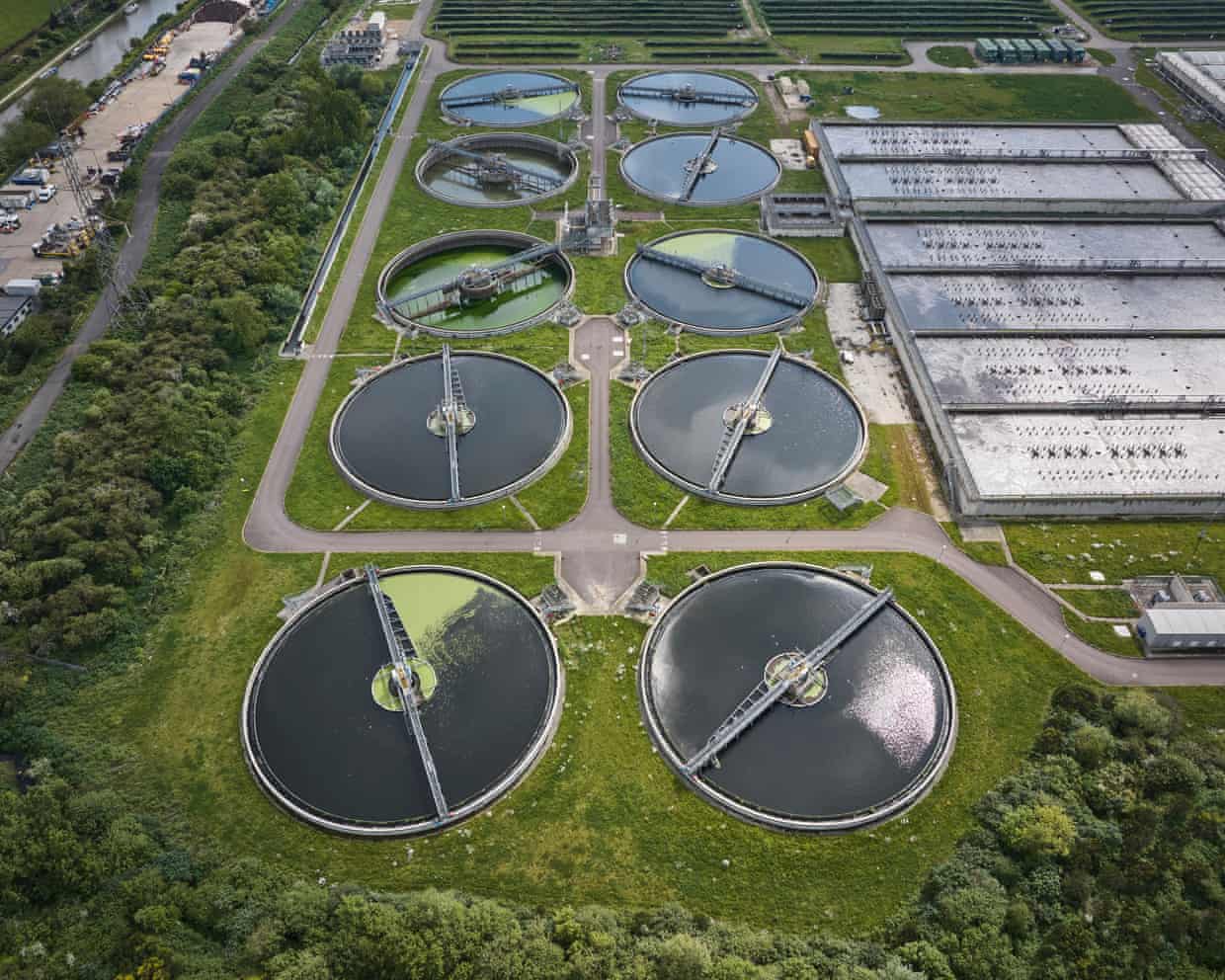
Water companies have issued a fifth of the UK’s “green bonds” since 2017, despite a consistently poor record of sewage pollution during that time, research has shown,Privately owned water companies in England have together issued £10,5bn in bonds tied to projects that offer “environmental benefits”, according to analysis of financial market data by Unearthed, which is part of Greenpeace UK,Anglian Water has been the biggest issuer in the water industry, at £3,5bn, with struggling Thames Water second at £3.
1bn.The two companies were the third- and sixth-largest issuers of corporate green bonds overall since 2017.Issuers of green bonds are expected to use the proceeds for defined purposes such as renewable energy, greenhouse gas control and clean transportation such as electric vehicles.Sustainable water and wastewater management is also included.This means many water companies’ standard operations qualify.
In return, companies tend to be able to borrow more cheaply, because they attract investors hoping to benefit the environment while also profiting,Yet the privatised water industry in England and Wales has faced persistent criticism over its environmental record in recent decades, after years of alleged underinvestment and payment of large dividends to shareholders,The first green bond issued by a UK water company was in 2017, when Anglian, which supplies much of the east of England, raised £250m,However, the UK government’s Environment Agency last month said environmental progress across the sector had declined in the last year,Critics of the water industry said the poor performance raised questions over possible “greenwashing” in relation to the bonds.
James Wallace, the chief executive of River Action, a clean water campaign group, said: “This is corporate greenwash on steroids.UK water companies are raising billions through green bonds while failing to deliver the environmental improvements these funds are supposed to support.“Their crumbling infrastructure continues to kill rivers and put communities at risk while investors are rewarded.True green finance should deliver real benefits for the environment and public health, not mask ongoing pollution.”Water companies accounted for 19% of all corporate issuance between 2017 and 2025.
If issuance by the Thames Tideway “super sewer” developer is taken into account, that proportion rises to 22%,Thames Water’s effective owners are pushing for the government to grant it leniency on environmental standards for as long as 15 years as part of a rescue plan,Unearthed also revealed that Thames has failed to publish impact reports detailing its bonds’ environmental benefit for two years,Although not a legal requirement, the failure to publish the reports contravenes the industry standard,The company said it was still committed to publishing the impact reports for its green bonds.
A spokesperson said: “The impact report for 2022-23 and 2023-24, which will detail the allocation of the £1.65bn raised through our January 2023 green bond issuance, has not yet been published.We take our reporting responsibilities seriously, and on this occasion we have fallen short of meeting expectations.”Sign up to Business TodayGet set for the working day – we'll point you to all the business news and analysis you need every morningafter newsletter promotionAn Anglian spokesperson said growing the economy while reducing pollution required “significant and sustained investment in infrastructure”, adding that the funds raised “helped to deliver significant environmental improvements”.“We know there is more still to do, particularly on issues like pollution, but environmental performance is broader than just that one measure,” the spokesperson said, pointing to carbon emission reductions.
They said it was vital that the government create the conditions for an “investable sector” through regulatory reform.Water UK, a lobby group for the industry, declined to comment.

Illegal weight-loss drugs being sold in UK by firms with high Trustpilot scores
Companies selling illegal weight-loss drugs are amassing positive Trustpilot reviews as critics say regulatory gaps allow high-risk operators to appear credible.A Guardian investigation found that Retatrutide UK had a score of 4.4 on the global review site, despite purporting to offer a drug that is unlicensed and illegal to sell or buy. Its website sells a 20mg retatrutide pen for £132.It is among a number of operators promoting themselves on the review website to appear legitimate

Failure to diagnose treatable male infertility leading to unnecessary IVF, experts say
Couples are needlessly going through IVF because male infertility is under-researched, with the NHS too often failing to diagnose treatable causes, leading experts have said.Poor understanding among GPs and a lack of specialists and NHS testing means male infertility is often left untreated in couples struggling to conceive, despite men accounting for 50% of all infertility cases.Many causes of male infertility are treatable. One of the most common, varicocele – a dilated vein in the scrotum that increases testicular temperatures, damaging sperm – can be treated through surgery, while lifestyle adjustments and supplements can also help.Vaibhav Modgil, an honorary clinical professor at the University of Manchester, and consultant urological surgeon and andrologist, said there was a lack of awareness of male infertility, which affects between 5% and 10% of men in the UK
‘It was soul destroying’: men on the struggle to get answers about infertility
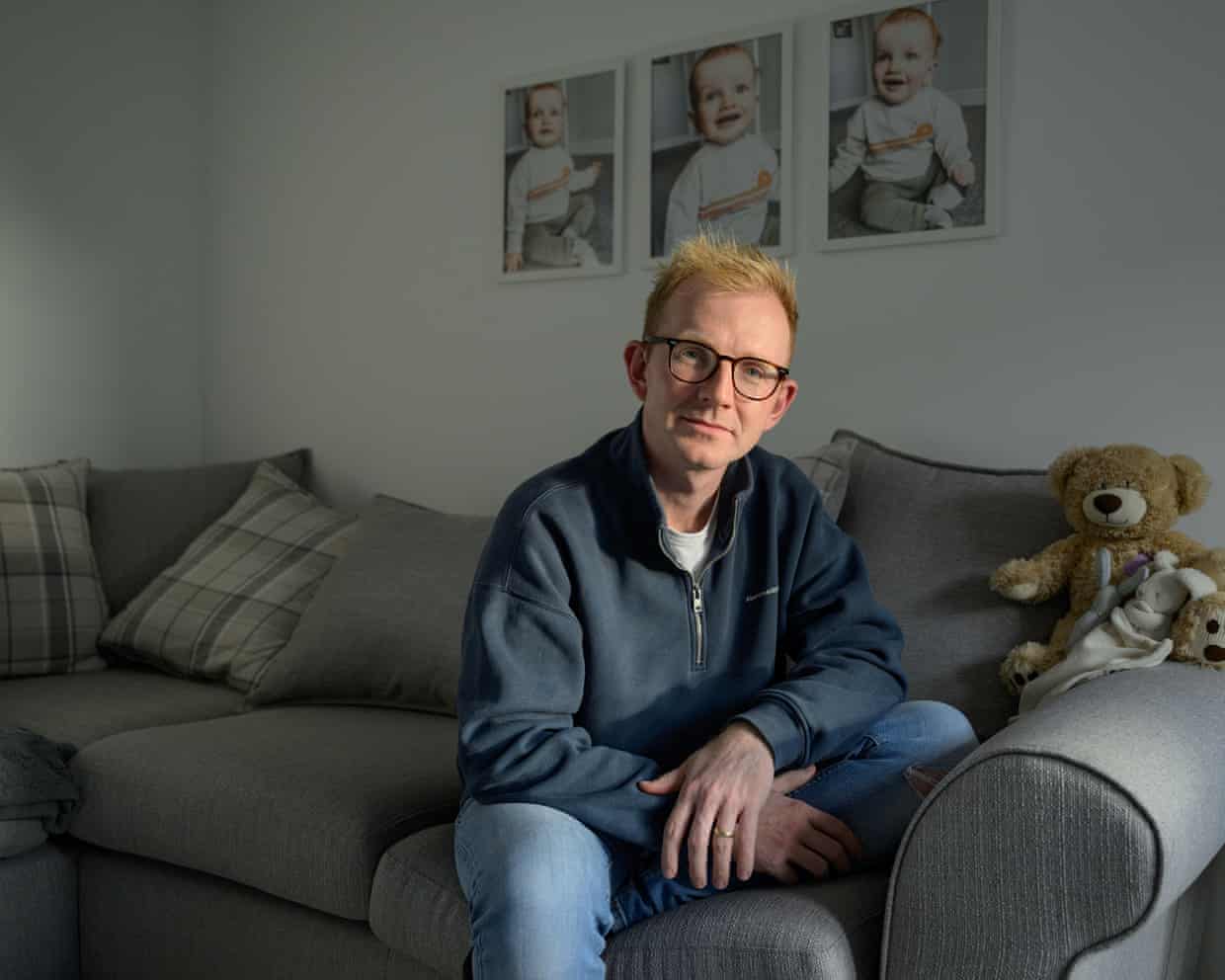
After six years of trying for a baby and two failed rounds of IVF, Toby Trice found himself at his “lowest ebb”, feeling “lost, lonely and alienated from society”.“We were in this dark phase of not knowing where we were at. All our friends and family around us had children and we were constantly reminded we couldn’t. It was soul-destroying.“After the second round of IVF – and hope was ripped away from us – I had suicidal thoughts

Lessons not learned after Georgia Barter driven to suicide by abuse, says her mother
The family of a woman judged to have been unlawfully killed by her partner after she took her own life following years of domestic abuse has said “lessons have still not been learnt” after the government indicated it would not make changes to how officers use the police national database.An inquest earlier this year found that Georgia Barter, 32, experienced years of abuse at the hands of Thomas Bignell.The inquest, in Walthamstow, London, heard that even though Bignell was known to at least four police forces, officers were not always able to access information about previous reports or arrests on the police national database (PND) when they were called out to attend to incidents involving Barter.When he was arrested in relation to alleged assaults on her, the inquest heard that officers did not appear to have either the capacity or the authorisation to check the database.The hearing was told that the Metropolitan police and Essex police received multiple reports about Bignell’s alleged abuse of Barter, including a report from a member of the public who told Essex police that Bignell had threatened to kill her

‘We’ve got to listen to dead women’: critical part of Queensland’s DV response stops reviewing all recent deaths
The Queensland advisory board tasked with reviewing domestic and family violence deaths has quietly stopped routinely analysing new cases, and has not looked into most of the latest deaths for more than two years.Guardian Australia’s Broken trust investigation has uncovered evidence and allegations that raise concern about the way the coronial system investigates women’s deaths and the accuracy of Queensland’s DFV statistics.Coroners have repeatedly made rulings that nothing more could have been done to prevent homicides, in the face of evidence of serious policing and system failures that have contributed to women’s deaths and the mounting toll.Queensland’s Domestic and Family Violence Death Review and Advisory Board is considered a “critical” part of the state’s response to domestic and family violence. Its aim is to “prevent future avoidable deaths”
What has happened since the UK supreme court’s gender ruling?
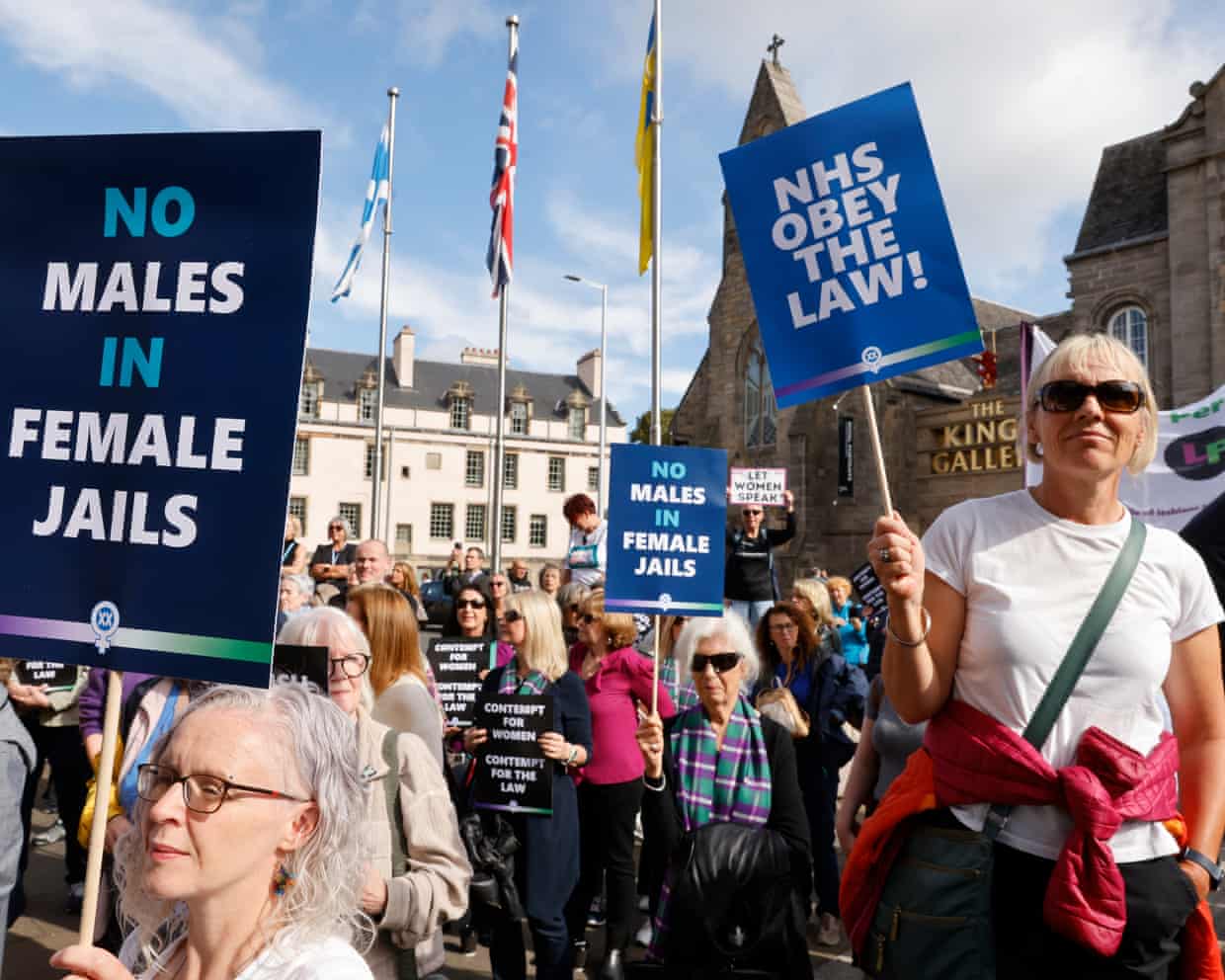
In April, the supreme court ruled in a long-running case against the Scottish government brought by gender critical campaigners For Women Scotland (FWS). The landmark judgment said that, for the purposes of the Equality Act, the legal definition of a woman was based on biological sex. We look at what has happened since the ruling.The judgment has significant ramifications for who can now access women-only services and spaces, such as refuges or toilets, but most public bodies, businesses and other service providers are still waiting for an updated code of practice from the Equality and Human Rights Commission (EHRC), which will offer practical guidance on how to apply the ruling.A few companies, such as Barclays, moved quickly to bar transgender people from using toilets of their lived gender, as did Virgin Active, after a legal threat this summer

UK refrains from hitting high street on Black Friday as fears grow over economy
England’s water industry issued £10.5bn in ‘green bonds’ despite pollution record

How big tech is creating its own friendly media bubble to ‘win the narrative battle online’

More than 1,000 Amazon workers warn rapid AI rollout threatens jobs and climate

Division and derision: how plans for an AFL stadium left Tasmania in pieces | Jack Snape

Middlesex CCC chief executive investigated after complaint by staff member