UK refrains from hitting high street on Black Friday as fears grow over economy
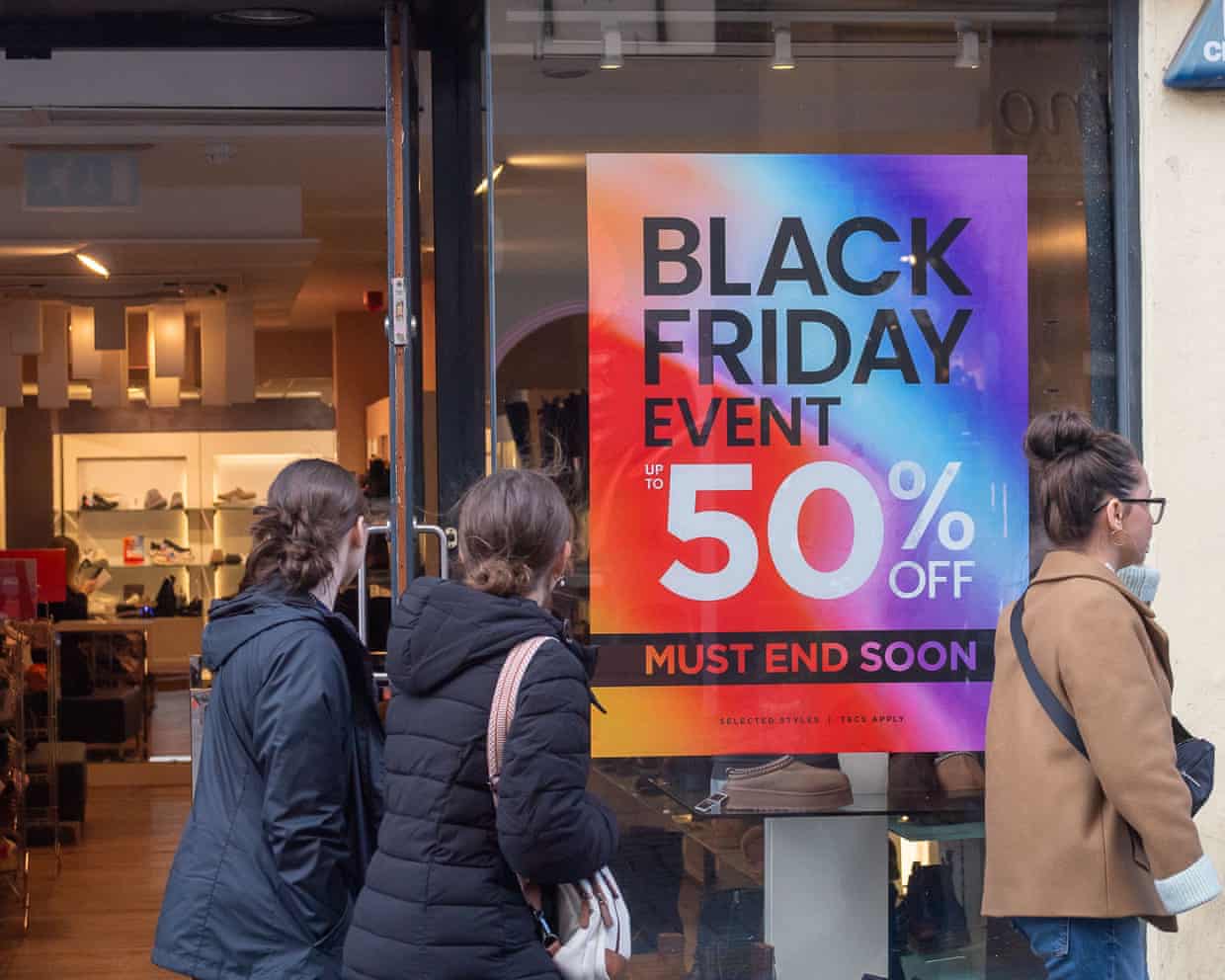
Shoppers held back from visiting high streets over Black Friday, data shows, amid fears weak consumer spending will put the brakes on economic growth in 2026.Visitors to all UK shopping destinations were down 2% on Friday and 7.2% compared with the equivalent days last year, according to the monitoring company MRI Software, with locations near central London offices among the few to experience a lift in visits.While most Black Friday sales are now online, the picture there was also a mixed bag in the run-up to the big weekend.Sales down heavily on Thursday but up on Tuesday, according to the online retail association IMRG.
“The cost of living squeeze appears to be weighing on overall activity,” said Jenni Matthews from MRI,The lacklustre data came as the consultancy KPMG highlighted soft consumer spending as one factor likely to hold back the economy over the next 12 months,Despite the fact that most of the £26bn tax-raising impact of Rachel Reeves’s budget would not be felt until later, KPMG suggested cash-strapped households would continue to be cautious, as unemployment ticks up to 5,2%,“The outlook for growth in 2026 is subdued, reflecting the impact of a cooling labour market and weak household spending,” said KPMG’s chief economist, Yael Selfin, although she pointed to positive “pockets”, including green energy.
“The medium-term picture could improve further if planning reforms unlock housing delivery and uncertainty reduces for investors,” she added, predicting GDP growth of 1% for 2026 and 1.4% for 2027.This gloomy outlook chimes with two other reports published on Monday, both underlining the downbeat mood among business leaders.The Confederation of British Industry’s services sector survey, carried out before the budget, showed the fastest decline in optimism about the general business situation for three years, with companies citing rising costs and uncertainty about future demand.“Looking ahead, businesses expect little near-term relief, with uncertainty about demand and persistent cost pressures set to constrain future hiring and investment plans,” said the CBI’s Charlotte Dendy.
Separately, the Institute of Directors said its economic confidence index, based on a survey of business leaders, was at a near record low of -73 in the run-up to Reeves’s budget, and improved by a whisker to -72 afterwards.Anna Leach, the IoD’s chief economist, said: “In the weeks running up to the budget, persistent speculation over tax rises kept confidence subdued.And with our snap poll showing that four in five business leaders (80%) view the budget negatively, it is no surprise that confidence remains close to record lows afterwards.”Sign up to Business TodayGet set for the working day – we'll point you to all the business news and analysis you need every morningafter newsletter promotionSeparately, hospitality businesses said they would take a big hit from business rates changes, forcing them to rein in investment and hiring.They said measures announced in the budget to protect businesses, as Covid-era support comes to an end, were not enough to offset rises linked to the increase in rateable value of their properties.
Under the complex tax system, for many pubs in particular there will be a big increase next year in their rateable value – a key part of the business rates calculation.This is in contrast to many retailers whose rateable value will fall because of poorer trade on high streets.In her budget speech, Reeves announced that she was introducing “permanently lower tax rates for over 750,000 retail, hospitality and leisure properties”, paid for with higher rates on the biggest retailers, including big online companies.However, Paul Crossman, the chair of the Campaign for Pubs and the licensee of three pubs in York, said: “In the vast majority of cases it seems that instead of the promised reduction in our bills [our members] will be expected to pay more, in many cases vastly more, once the existing support finishes next April.”Alex Reilley, the head of the Loungers chain, said for his business there was a mixed picture because some sites were not categorised as pubs, but he added: “Most [hospitality] businesses will be looking at an increase of some description and for our pub sector it could quite easily be an extinction event.
”The government has said it will provide billions of pounds in “transitional relief” to support those hit by big increases in business rates next year but analysts have dismissed this as merely delaying the pain,

Let’s not repeat the folly of PFIs for NHS buildings | Letter
In response to Lord Hutton’s letter (23 November) on NHS hospitals built under the private finance initiative (PFI), independent research into the design quality of PFI public buildings, by all of the auditing authorities in the UK, showed serious flaws and a significant “quality gap” when compared to traditional design-led procurement.In my 2007 book The Design Quality Manual: Improving Building Performance, I included results from all these reviews, starting with the Audit Commission’s 2003 report PFI in Schools. The design flaws were serious, including poor functionality, short-life materials, and non-compliance with building and safety regulations.PFI contracts tend to be led by building contractors rather than architects. So was the refurbishment of Grenfell Tower
Fears for UK security as Foreign Office moves to scrap unit on conflict and refugee crises
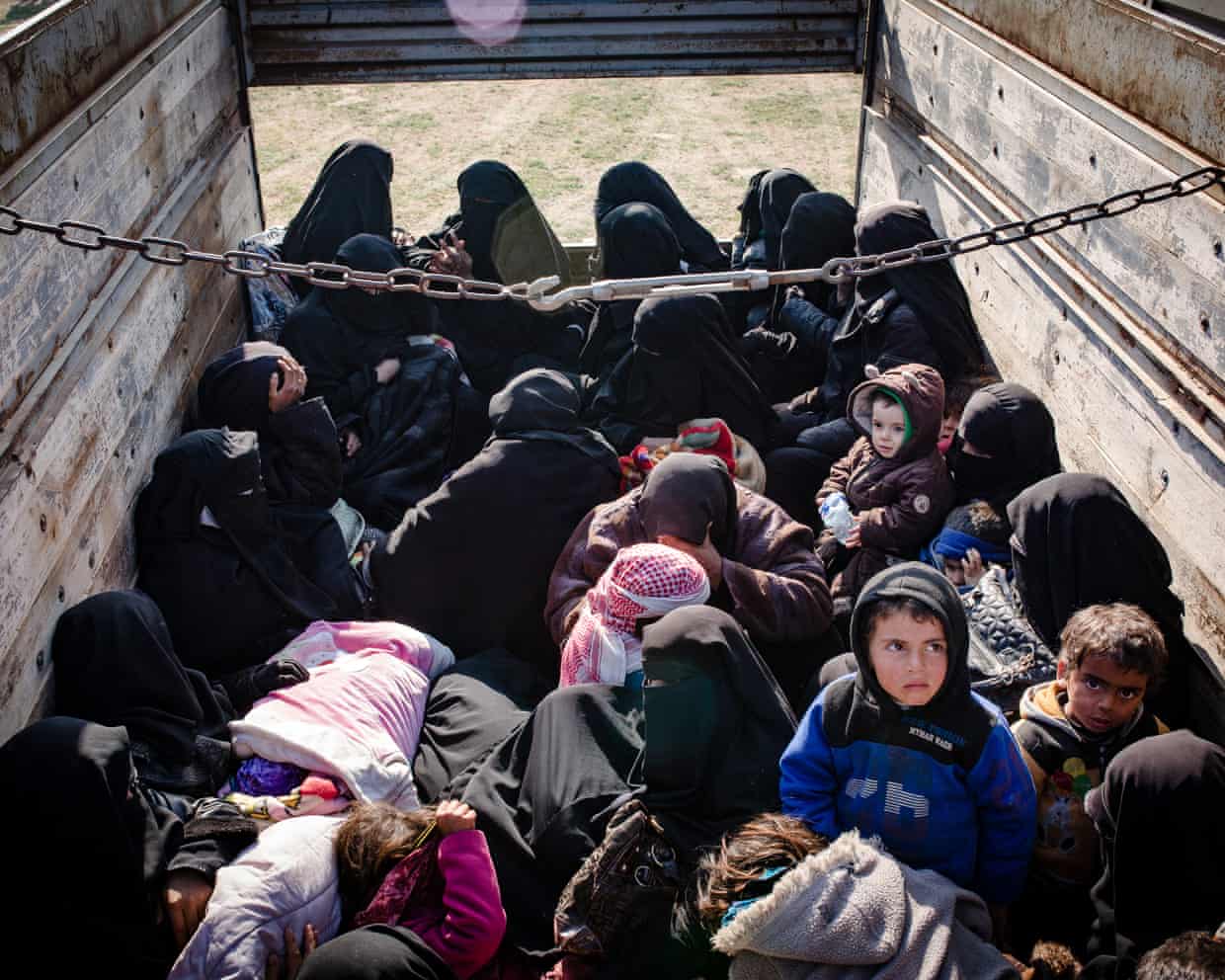
The Foreign Office has been warned that a plan to axe its dedicated unit on emerging conflicts and refugee crises is a “real error” that “undermines UK security” as the department grapples with swingeing cuts.The Foreign, Commonwealth and Development Office’s (FCDO) migration and conflict directorate, which employs about 100 civil servants, is being abolished at the end of this year and its work subsumed by the rest of the department.The directorate provides advice and technical support to governments and civil society groups in trouble spots, including Syria, South Sudan, Ethiopia, Yemen and the Philippines.It is slated to close despite Yvette Cooper, the foreign secretary, writing last week that the FCDO was “stepping up efforts” to support peace-building.The move is part of a wider restructuring that threatens 2,000 jobs – about a quarter of the workforce – and has damaged morale among diplomats

Your Party to have ‘collective leadership’ in win for Zarah Sultana
The new leftwing party headed by Jeremy Corbyn and others has voted narrowly for it to have a ‘“collective leadership” in a win for Zarah Sultana, who has been at loggerheads with the former Labour leader.The results were announced on Sunday after a chaotic start to its founding conference in Liverpool. Sultana, a former Labour MP who now sits as an independent, had boycotted the first day of the conference amid disagreements over how Your Party – its provisional name – should be run.In advance of the results of voting on the party’s constitutional arrangements, Corbyn had said: “It’s quite hard for the public to grasp things that there are sort of 10 people who run things.”However, members voted by 51
Rachel Reeves denies lying to public in run-up to budget
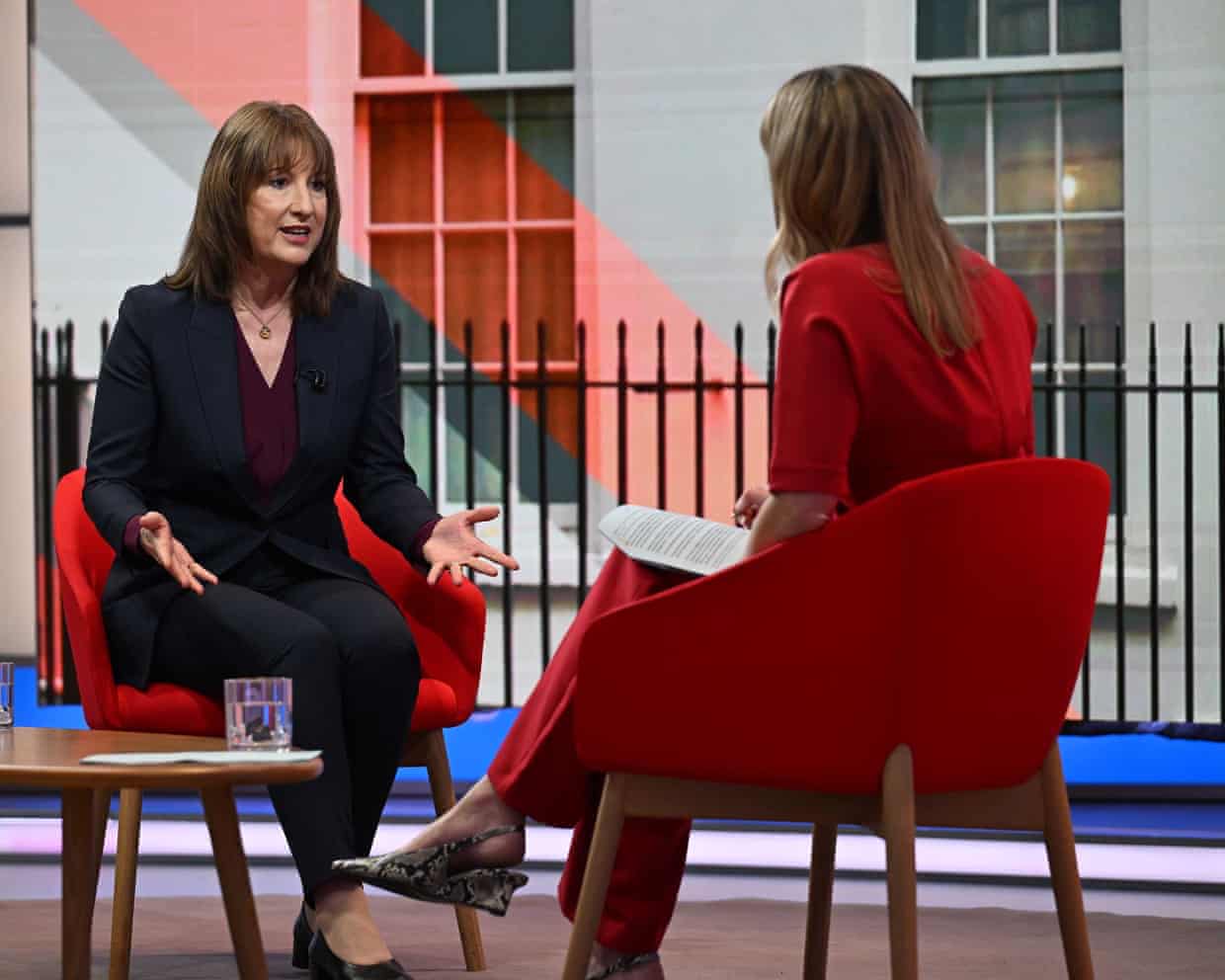
Rachel Reeves has denied lying to the public in the buildup to last week’s budget, insisting that she needed to raise taxes to a record level to ensure economic stability.The chancellor said on Sunday she had announced £26bn-worth of tax rises on Wednesday in part to build a buffer against her fiscal rules and reduce the risk of further tax increases in the future, and in part to protect public spending.Her messaging contrasted, however, with what she said before the budget, when she said tax rises would be necessary because of an expected decision by economic forecasters to reduce their growth expectations.In the end, the Office for Budget Responsibility (OBR) did downgrade its expectations for economic productivity, but said unexpectedly strong wage growth and tax receipts would more than make up for that.The OBR’s comments have kickstarted a political firestorm, which has led opposition politicians to demand Reeves’s resignation
Your Party’s first conference shows little sign of achieving fresh start
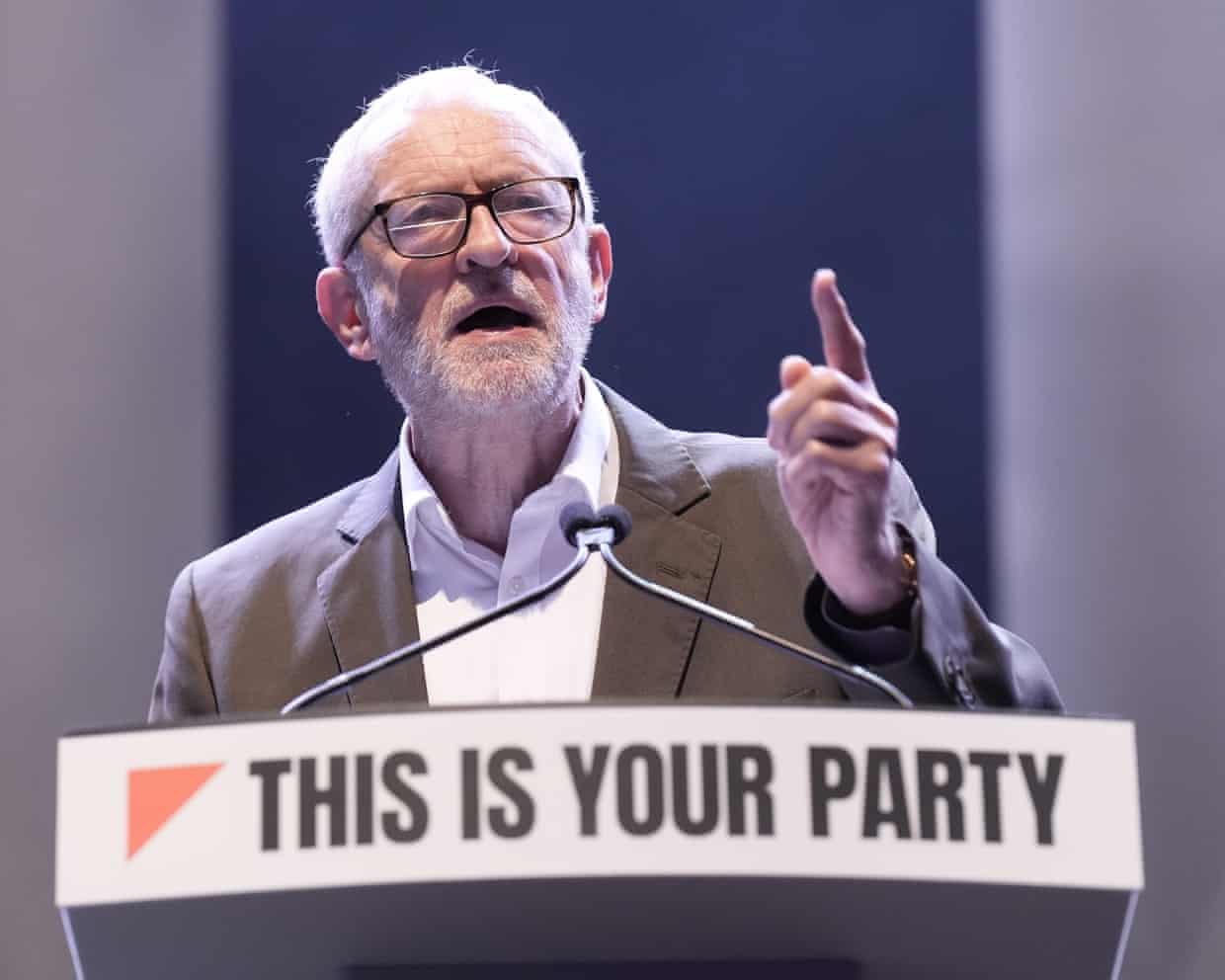
When the idea of a new leftwing party spearheaded by Jeremy Corbyn and Zarah Sultana was first mooted in the summer, it was so popular that hundreds of thousands of people expressed an interest in joining.Although it was quickly beset by arguments – its co-founders rowed bitterly over its initial leadership and funding model – many hoped this weekend’s inaugural conference would signal a fresh start.A sizeable chunk of the 2,500 delegates are former Labour members, disappointed by the policies of the current government and looking for a political home as they worry about the rise of Reform UK.As plans for the party’s first official gathering were finalised, Sultana and Corbyn looked to have buried the hatchet. Appearing at a leftwing festival in Manchester last month, Sultana jokingly compared the duo to the Gallagher brothers, saying: “I’m here to tell you the show is back on the road
Your Party conference thrown into chaos as Zarah Sultana boycotts first day
Zarah Sultana has boycotted the first day of Your Party’s inaugural conference, throwing the party’s first official gathering into chaos amid disagreements with co-founder Jeremy Corbyn over how the party should be run.Corbyn confirmed to journalists on Saturday that he preferred a single leader and is likely to stand for the role but Sultana said she would vote for collective leadership and that she did not believe parties should be run by “sole personalities”.In a sign of further division within the fledgling movement, a spokesperson for Sultana said she would not be entering the conference hall on Saturday in solidarity with delegates who were expelled over links to other leftwing parties, describing the process as a “witch-hunt”.The Guardian understands Sultana will run against Corbyn if members decide to elect one leader. Delegates in Liverpool will choose between electing a sole leader or a collective of lay members – those not already serving as MPs or councillors

Illegal weight-loss drugs being sold in UK by firms with high Trustpilot scores

Failure to diagnose treatable male infertility leading to unnecessary IVF, experts say
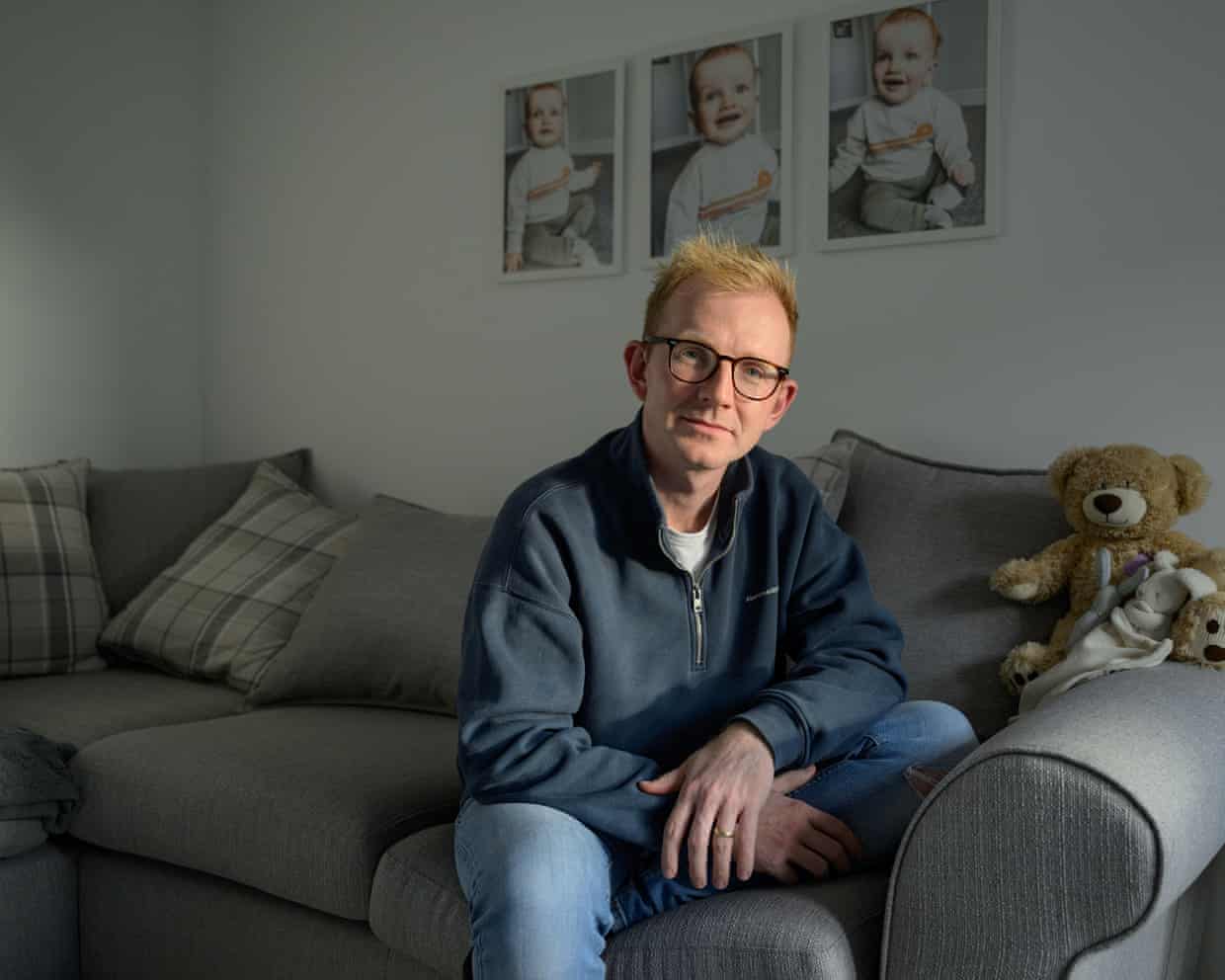
‘It was soul destroying’: men on the struggle to get answers about infertility

Lessons not learned after Georgia Barter driven to suicide by abuse, says her mother
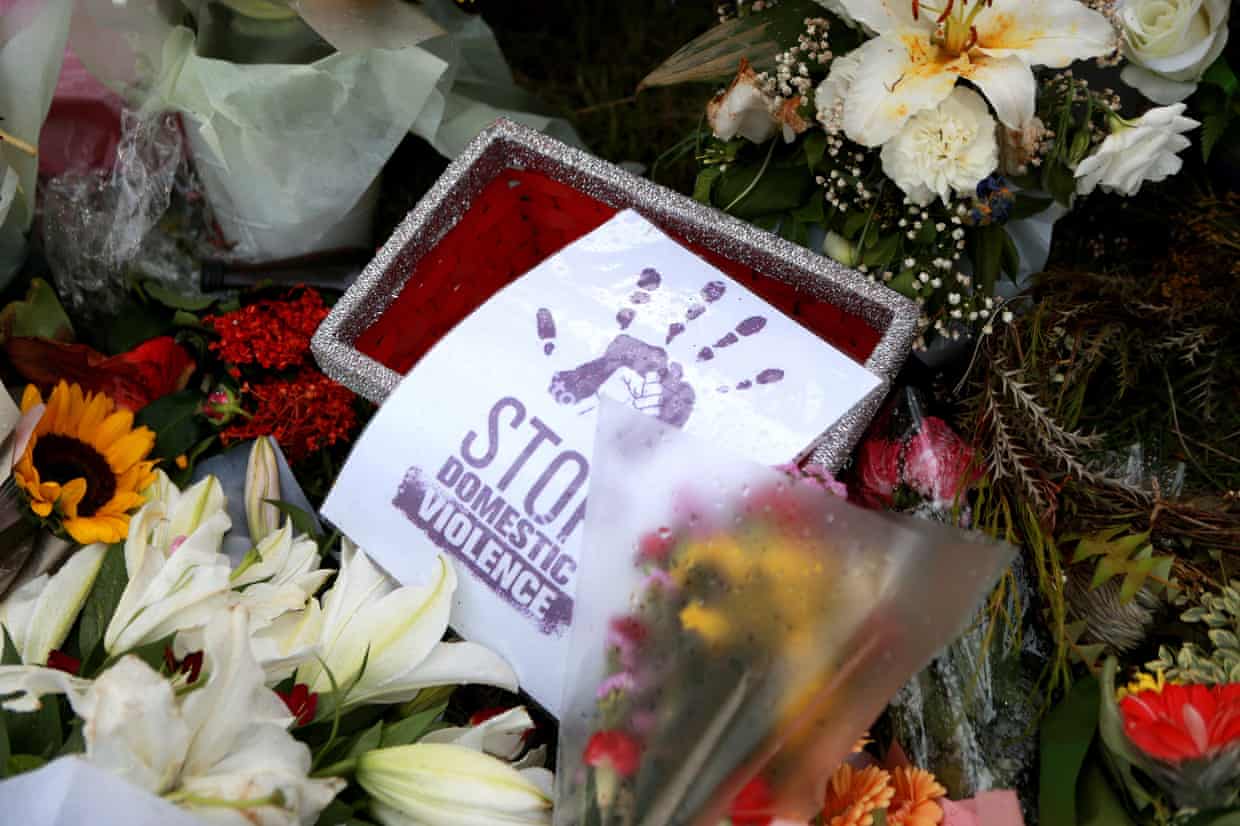
‘We’ve got to listen to dead women’: critical part of Queensland’s DV response stops reviewing all recent deaths

What has happened since the UK supreme court’s gender ruling?