Wu Yize cements China’s status as premier snooker force as younger generation takes over

Perhaps of all the noise emanating from Wu Yize’s historic victory in the World Snooker Championship final on Monday evening, it was 12 simple words from the godfather of Chinese snooker that meant the most.For the second successive year, China has a world champion in the sport the nation has taken to its heart, with Wu emulating Zhao Xintong’s win 12 months earlier by defeating Shaun Murphy in one of the great finals.But perhaps none of it would be possible without Ding Junhui laying the groundwork over the last 20 years.Ding, a beaten world finalist 10 years ago who was never quite able to take that decisive step, wrote on Weibo: “This is not just a breakthrough, rather our era is approaching now!” Gone are the days of Ding being China’s sole flag-bearer for the sport; there are now five Chinese players in the top 16.Two of them, Zhao and Wu, are in the top four, and Ding’s talk of new eras beginning for snooker feels pertinent on multiple fronts, not just for the sport in China.
Yes, there is now no doubt the country snooker has been determined to crack for years finally has a footing as the premier force of the green baize.But there is also a gear shift towards a younger generation as well as an influx from Asia.Wu became the fourth consecutive first-time winner at the Crucible, the first time such a sequence has happened.The ages of Kyren Wilson, Luca Brecel, Zhao and Wu when they lifted the trophy? 32, 29, 28 and 22 respectively.Dominated by names such as Ronnie O’Sullivan, John Higgins and Mark Williams for so long, perhaps snooker is now finally a young man’s game.
There are green shoots of hope on this side of the world too; the 19-year-old Stan Moody and 20-year-old Liam Pullen made their Crucible debuts this year, as did the first player from Poland: Antoni Kowalski, 22.But this year’s beaten finalist believes European snooker is already losing ground on China given the widespread investment the sport has had in Asia, that was kickstarted by Ding’s emergence 20 years ago.“It’s been a wonderful tournament for newcomers,” Murphy said.“The two Yorkshire lads [Moody and Pullen] conducted themselves really well and have great futures ahead of them.But you can see with the investment that the Chinese government have made into snooker in the last 10 or 15 years the fruits of it now; Xintong last year, Wu this year – it’s great for snooker out in China and it would be great to see that kind of investment here.
”How does UK snooker keep up? Government support helped secure a new long-term deal for the world championship at the Crucible but the man tasked with developing the sport admits there is more work to be done, and more support to be sought,“The talent is in a really good shape in England but what we need is to keep expanding our facilities,” Jason Ferguson, chair of the World Professional Billiards and Snooker Association, said before the tournament,“The biggest risk to players in England is the loss of facilities,“The cost of living is high and clubs are fighting to stay open,We’re seeing how easy it is to close a snooker club down and turn it into a block of flats.
The government has shown the greatest respect to this sport of all-time with the investment into the Crucible,It’s an important step in having the respect of the right people to make the sport thrive in this country,“We have a national sport of the country in China and we’ve seen who has come out of the national academy: Zhao Xintong,The system works,But we now need a national academy here in the UK.
”Wu’s win created headlines around the world, not just in China.With a younger crop of stars in its midst, snooker seems well placed for a bright future.The challenge for the sport closer to its historic home is to ensure it can keep up with a wave of Asian talent in the years to come.
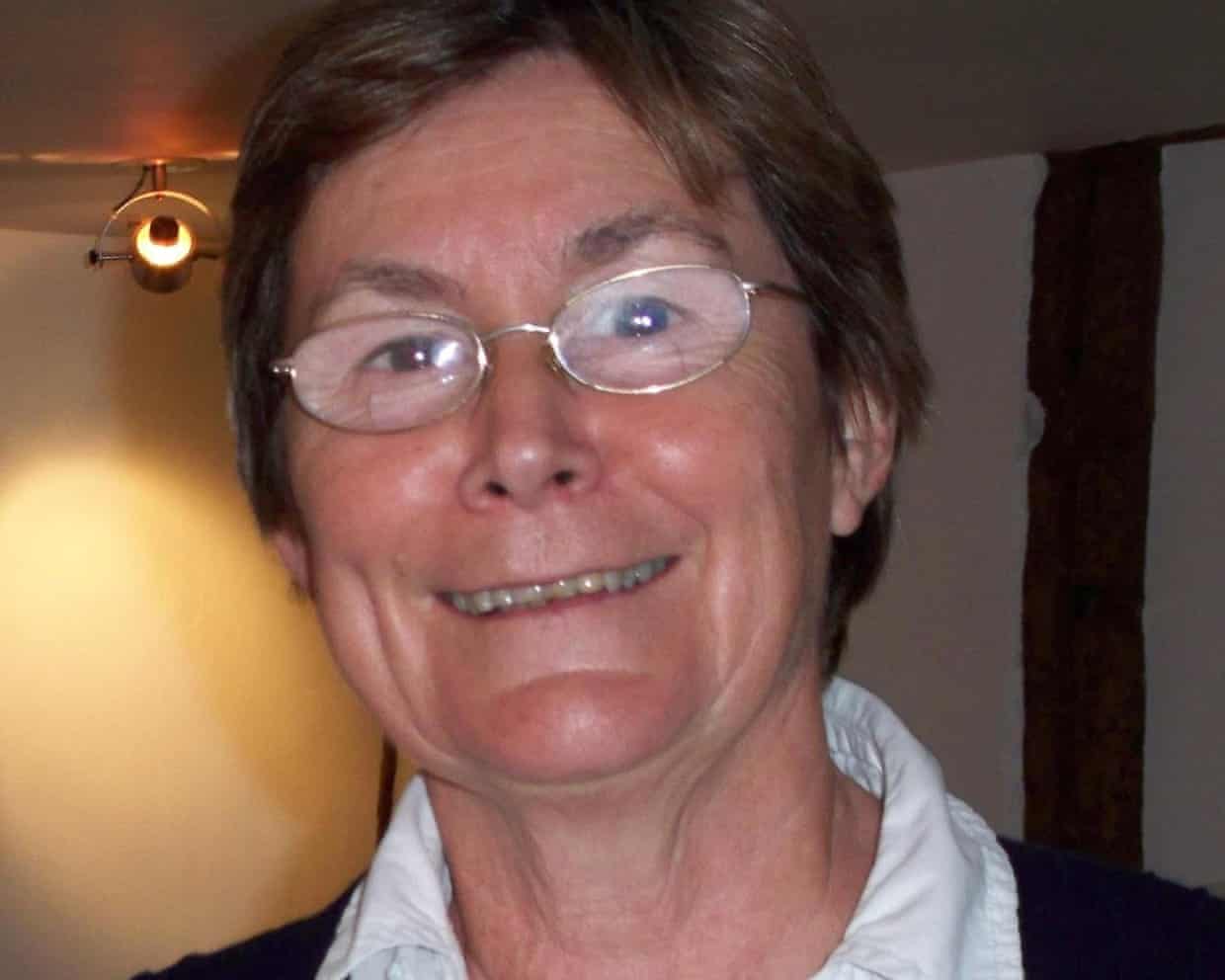
Ann Barrett obituary
In 1968, when Ann Barrett qualified in medicine, the fast-changing specialty of oncology was a magnet for young doctors as new drugs and technology were beginning to nudge up survival rates. In her distinguished 40-year oncology career, Barrett, who has died aged 83, played a key part in improving cancer outcomes, particularly for children, becoming a world authority on paediatric radiotherapy.As chair of radiation oncology first at the University of Glasgow and then at the University of East Anglia, she was highly influential in the profession with more than 150 published academic papers. She had a significant impact on student education and was a leading contributor to several textbooks that are still “go-to” classics, including Practical Radiotherapy Planning (1985, now in its fifth edition, 2023), and Cancer in Children: Clinical Management (1975, now in its seventh edition, as the Oxford Textbook of Cancer in Children, 2020).After training at St Bartholomew’s hospital in London and various junior doctor posts, in 1977 Barrett became a consultant at the Royal Marsden hospital, a world leader in cancer research; Barrett specialised in brain tumours in children and in irradiating the central nervous system (the brain and spine)
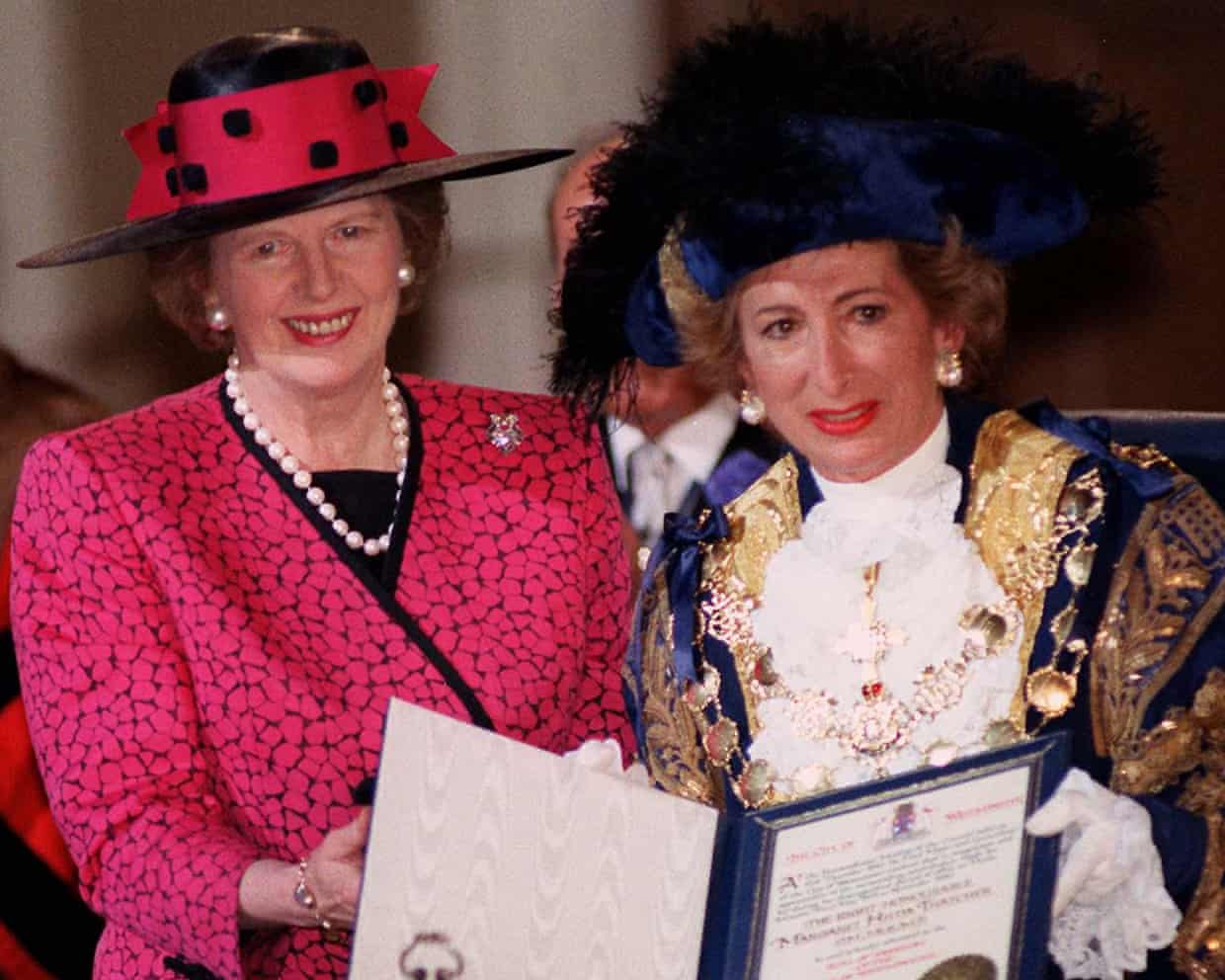
Dame Shirley Porter obituary
There was a time in the late 1980s when Shirley Porter was the second most famous and powerful female politician in Britain: “the Iron Lady of the town halls”. Like her heroine, Margaret Thatcher, she was a grocer’s daughter, though the family business, Tesco, was somewhat bigger than the prime minister’s corner shop. Porter’s eventual fall from grace was devastating both for her personal reputation and for Thatcherism’s perceived way of doing things. She was, simply, the most corrupt politician of her time.Porter, who has died aged 95, was pursued by the district auditor from her power base at Westminster city council, where she was leader for eight years, 1983-91, and eventually found to have acted illegally in selling council houses with the aim of increasing Conservative votes, in what became known as the “homes for votes” scandal

Slow Alzheimer’s diagnoses ‘mean UK patients missing out on experimental treatments’
People with Alzheimer’s disease are missing out on experimental treatments because they are not diagnosed early or accurately enough to be enrolled in clinical trials, a UK charity has said.Trials of Alzheimer’s drugs reached a record high this year, according to data published on Tuesday, but Alzheimer’s Research UK said too few UK patients were taking part because their diagnoses were delayed or were not specific enough.The warning suggests patients are being left behind as research gathers momentum and branches out to tackle the condition on multiple fronts, a strategy that scientists consider to be crucial for halting the disease.Dr Sheona Scales, the director of research at Alzheimer’s Research UK, said the recent surge in clinical trials was driving demand for participants, but without a large and diverse range of patients to match to trials the UK risked missing out. “People won’t have access to the next generation of Alzheimer’s treatments,” she said

‘Group is a lifesaver’: strangers buy Wetherspoon’s meals for homeless people through app
Carl used to own pubs – several of them – and a string of hotels. Then two years ago, rising costs forced him into bankruptcy. Now he sleeps on the beach in summer, and in winter sits in an all-night McDonald’s nursing a single cup of coffee.Carl’s daughters are in a different part of the country with his ex-wife. To maintain the illusion that he lives a normal life, Carl is careful only to video-call them from the local Wetherspoon’s with a meal and a drink carefully positioned in shot
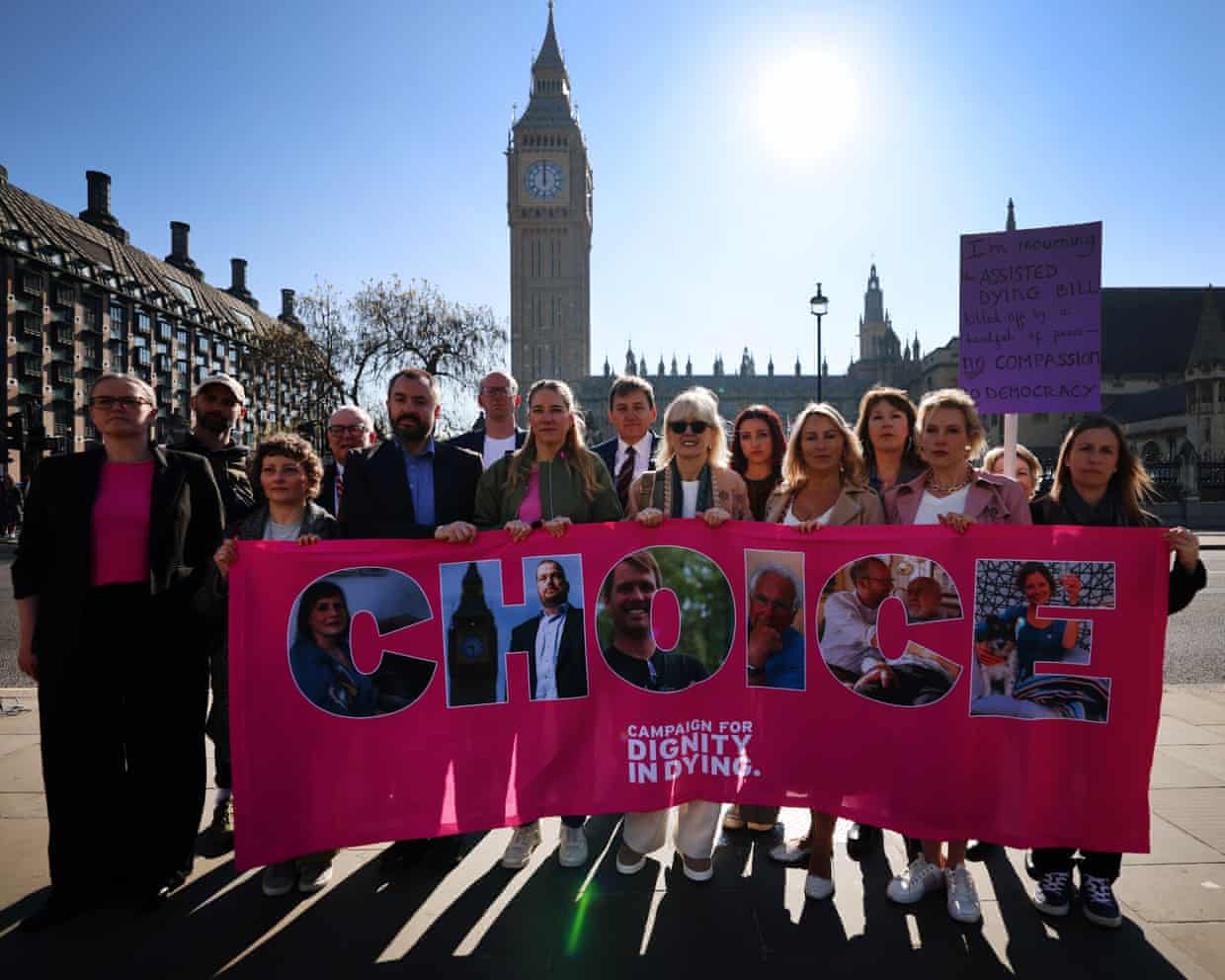
Parliament must heed public opinion on assisted dying | Letters
The Nuffield Council on Bioethics is an independent research and policy centre that aims to put ethics at the centre of decision-making about bioscience and health so that we all benefit. We agree that public views should be central to the debate on assisted dying (Editorial, 29 April). This is why we commissioned England’s first citizens’ jury on assisted dying in 2024, which produced rich and independent evidence about what the English public think about assisted dying, and the ethical, social and practical considerations that underpin their views.Over eight weeks, 30 jurors – who were reflective of the demographic makeup of the English population – spent a total of 24 hours hearing evidence from experts, engaging with perspectives from all sides of the debate, and deliberating in groups.At the final vote, the jury concluded that the law should be changed to permit terminally ill adults, with capacity, to access an assisted death
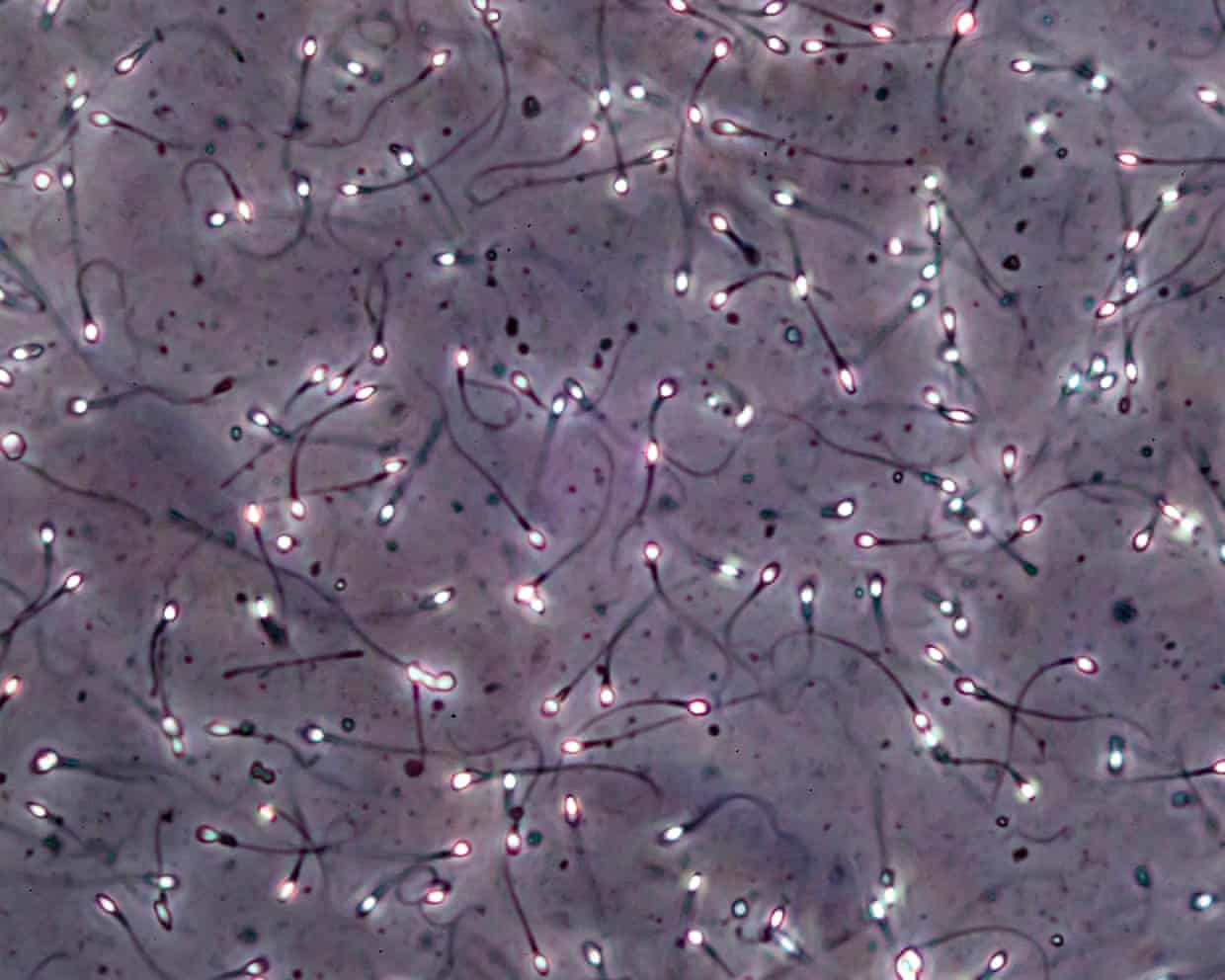
Man produces sperm from testicular tissue frozen as a child in breakthrough trial
In a groundbreaking fertility trial, a man whose testicular tissue was frozen before he underwent chemotherapy as a child to be re-transplanted 16 years later has been able to produce sperm.It is the first time a transplant of cryopreserved prepubertal testicular tissue has been demonstrated to restore sperm production in an adult patient. The 27-year-old man had the sample frozen when he was 10, before undergoing potent chemotherapy as part of treatment for sickle cell disease.“This is a huge finding,” said Prof Ellen Goossens, of the Vrije Universiteit Brussel, who led the trial. “Many more people will have hope that they can have biological children

‘RAMageddon’: is the era of cheap phones and laptops over?

Global finance watchdog warns over private credit industry fuelling AI boom
OpenAI president’s ‘deeply personal’ diary becomes focus in Musk’s case against Altman
Ken Eason obituary

Timberwolves accuse Wembanyama of goaltending after Spurs star sets NBA playoff block record

Emma Raducanu suddenly withdraws from Italian Open after press conference