Ann Barrett obituary
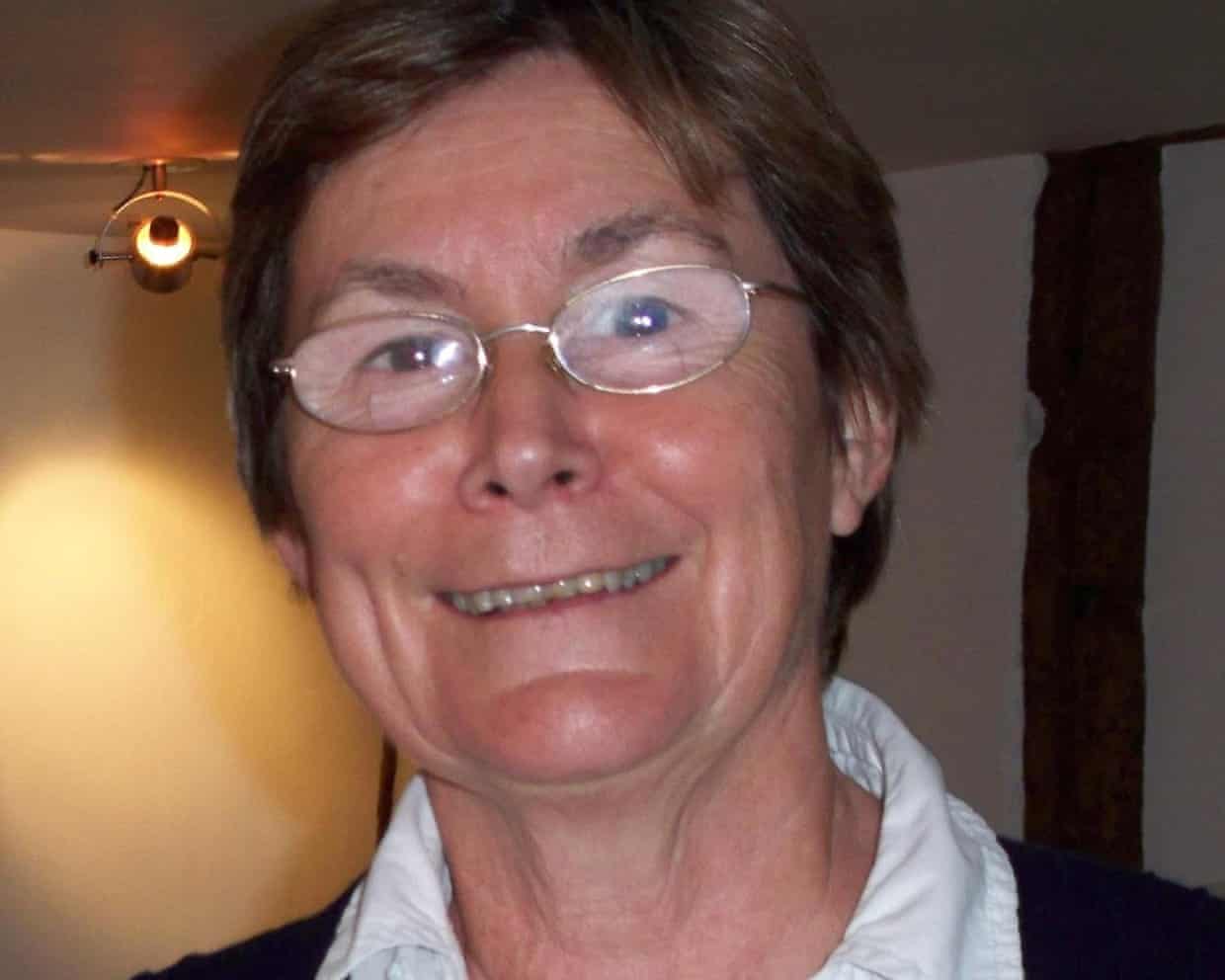
In 1968, when Ann Barrett qualified in medicine, the fast-changing specialty of oncology was a magnet for young doctors as new drugs and technology were beginning to nudge up survival rates.In her distinguished 40-year oncology career, Barrett, who has died aged 83, played a key part in improving cancer outcomes, particularly for children, becoming a world authority on paediatric radiotherapy.As chair of radiation oncology first at the University of Glasgow and then at the University of East Anglia, she was highly influential in the profession with more than 150 published academic papers.She had a significant impact on student education and was a leading contributor to several textbooks that are still “go-to” classics, including Practical Radiotherapy Planning (1985, now in its fifth edition, 2023), and Cancer in Children: Clinical Management (1975, now in its seventh edition, as the Oxford Textbook of Cancer in Children, 2020).After training at St Bartholomew’s hospital in London and various junior doctor posts, in 1977 Barrett became a consultant at the Royal Marsden hospital, a world leader in cancer research; Barrett specialised in brain tumours in children and in irradiating the central nervous system (the brain and spine).
In some cancers such as leukaemia, cancer cells are present in the whole body and those in the nervous system are particularly difficult to destroy.Determining the dose and precise location for the radiation was incredibly exacting work in an era before computers and scanners.Barrett had to liaise with physicists and others to precisely plan radiation for each child, bearing in mind that their organs were still developing, so caution was vital.Barrett was convinced it was essential to pool knowledge with colleagues and regularly attended meetings with other paediatricians at the Royal Marsden.She also co-founded the UK Children’s Cancer Study Group (now the Children and Young People’s Cancer Association) in 1977, which had regular meetings in Birmingham to collect data on cancers and to advance understanding.
Although radiotherapy was widely given to patients throughout the UK, it was not yet established as an academic discipline in some medical schools.In 1980 the University of Glasgow set up a new department of radiation oncology, inviting Barrett in 1986 to become its first professor.There she set up the UK’s first MSc course in clinical oncology, devising the syllabus and teaching students.She was an early adopter of ideas such as holistic treatment of patients and the value of multidisciplinary collaboration.In 1988 she helped set up the Beatson Oncology Centre, and became its director.
It was the largest cancer treatment centre in Scotland, serving a population of 2.8 million, and it was one of the first in the UK to have multidisciplinary meetings, where cancer surgeons and oncologists met to agree treatment for each patient.Barrett also instigated annual conventions in St Andrews every spring for junior doctors and other professionals to learn about developments in oncology.Taking a strong interest in holistic care, she helped set up the Maggie’s Centre in Glasgow, as a director from 1997 to 2001; it opened in 2002, six years after the first centre launched in Edinburgh.In particular, she felt that a patient’s surroundings, including any gardens, could be highly therapeutic.
The 1990s saw advances such as three-dimensional radiotherapy planning improving the accuracy of treatment, but the Beatson centre’s equipment was ageing and there simply was not enough of it.The centre should have had 11 linear accelerators (the machine that delivers radiotherapy) to serve its population, but it had only six.There were also not enough beds, so patients were frequently treated in corridors.Deeply troubled, Barrett resigned in 2001, telling the British Medical Journal: “I am so unhappy that the quality of care I am able to give is so far below what I want that I simply find myself unable to carry on.” She was one of several consultants who left the Beatson centre, precipitating a government review and a major upgrade.
But Glasgow’s loss was Norwich’s gain: the University of East Anglia (UEA) had a brand-new medical school and in 2002 Barrett became its deputy dean and first professor of oncology.It was an opportunity to influence the curriculum for the better.According to her boss, Sam Leinster, now professor emeritus at UEA, “Norwich medical school was a bit off the wall in that students went on to the wards from the first year.Ann was a prime mover in that and the communications skills course we ran.Students were on this course for a whole five years and Ann was a hands-on tutor.
” She stayed at UEA until she retired in 2008.Aside from her university work, Barrett was dean of the Royal College of Radiologists from 2002 to 2004 and advised government and international bodies including the Ministry of Defence and Nato on the effects of radiation.In 2010 she was made OBE for services to healthcare.Ann was born in Southgate, north London.Raised in the mining Welsh valleys, her father, Robert Brown, had moved to London to become a journalist, and her mother, Elsie (nee Warner), was a primary school teacher.
Both were principled socialists.Ann was the eldest of three, with a brother, David, and sister, Jenny.She attended Queen Elizabeth girls’ school in Barnet, north London, where she specialised in languages for A-level.When she decided to study medicine, having no science A-levels could have been a stumbling block, but fortunately St Bartholomew’s hospital accepted her, provided she did an extra pre-med year to get up to speed in biology.Writing and editing were an important part of Barrett’s life, and she became secretary to the Society of Medical Writers.
As well as her own scientific papers and textbooks, in 1976 she translated the paediatric oncologist Odile Schweisguth’s textbook from French into English, and in 1994 she took a media fellowship from the British Science Association to spend time working on the science desk of the Independent newspaper.In retirement Barrett moved to Cambridge, where she was church warden at St Paul’s church, helping with the food bank and reaching out to marginalised people.She enjoyed nature and poetry as well as playing the piano, cycling round Cambridge, and visiting music and arts festivals.In 1970, she married John Barrett, a haematologist: they divorced 12 years later.In 1989 she married Adrian Bell, a prison officer from Glasgow, having first met him when she cared for his wife, who had cancer.
They also divorced, but she kept in close touch with her three stepchildren.She is survived by her brother, sister and stepchildren.Ann Barrett, oncologist and writer, born 27 February 1943; died 18 March 2026

‘RAMageddon’: is the era of cheap phones and laptops over?
The end of the cheap laptop, the bargain phone and affordable games consoles may be on the horizon. Not because new models are more hi-tech, but because the cost of computer components has shot up.Recently, the biggest manufacturers of laptops and phones, including Microsoft, Samsung and Dell, started putting up prices and pulling cheaper models – which is going to make finding budget phones and laptops under £400 much harder.The root cause is a shortage of memory chips which the tech press has dubbed “RAMageddon”. But it isn’t a conflict or lack of materials causing the shortage, it is the growth of artificial intelligence (AI) and the datacentres the technology relies on

Global finance watchdog warns over private credit industry fuelling AI boom
The private credit industry’s role in fuelling the AI boom could backfire, with a sharp correction leading to “sizeable” losses, the Financial Stability Board has warned.A new report into private credit by the global watchdog, which monitors financial authorities including central banks in 24 countries, found that the healthcare, services, and tech sectors have become the biggest borrowers of private credit.That includes AI firms, which have increasingly turned to private lenders to fund datacentres and other infrastructure. The AI industry accounted for more than a third of private credit deals in 2025, up from 17% over the previous five years. “This focus on specific sectors may leave private credit funds exposed to idiosyncratic risks … [and] increase exposure to region or industry-specific shocks,” the report warned
OpenAI president’s ‘deeply personal’ diary becomes focus in Musk’s case against Altman
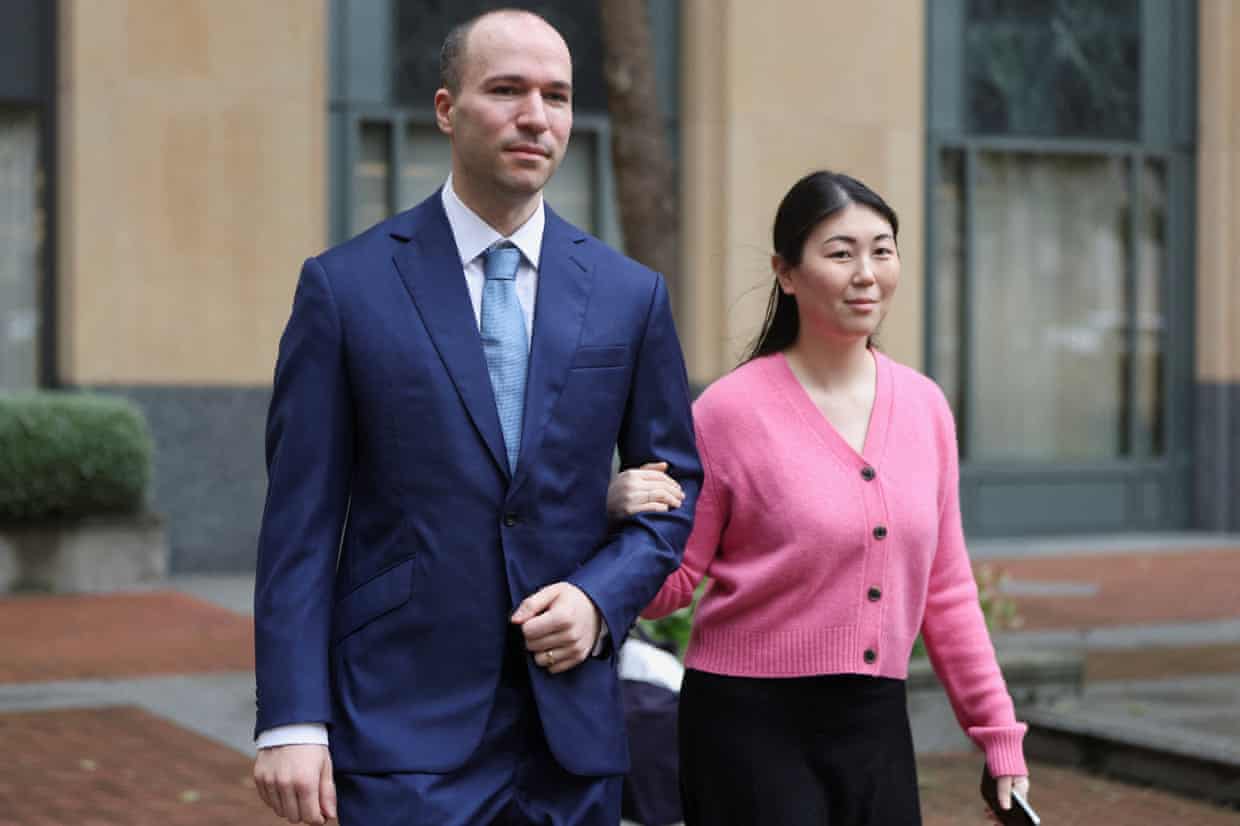
As Elon Musk’s case against OpenAI entered its second week, focus shifted to the company’s president, Greg Brockman. Over the course of several hours on Monday and Tuesday, Brockman faced questions about his emails, texts and one piece of evidence that has become central to the trial: his personal diary.Musk’s lawsuit revolves around his allegation that Brockman, OpenAI and its CEO, Sam Altman, violated the founding agreement of the artificial intelligence firm by turning it into a for-profit entity. Musk argues that Altman and Brockman also unjustly enriched themselves in the process, essentially taking Musk’s money while deceiving him about their true intent for the business. He is seeking Altman and Brockman’s removal, the undoing of the for-profit restructuring and $134bn, which Musk wants distributed to OpenAI’s non-profit
Ken Eason obituary
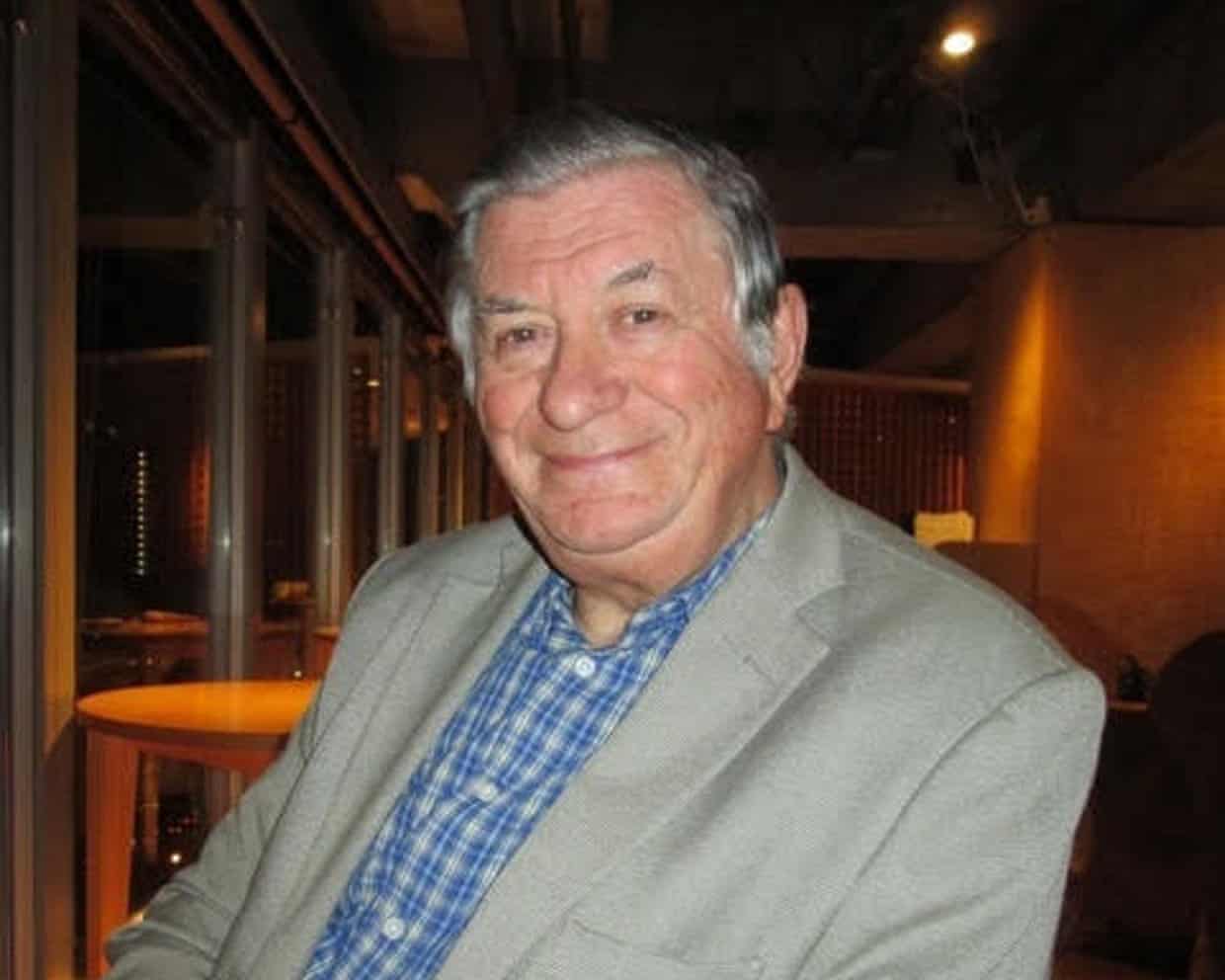
My friend and former colleague Ken Eason, who has died aged 83, was an eminent academic. He specialised in the study of how the introduction of computer technology affects managers and employees in organisations, often with unexpected consequences.Much of his work took place at Loughborough University, where he was involved in the formation in 1970 of the university’s Human Sciences and Advanced Technology (HUSAT) Institute, which carried out some of the earliest research on human-computer interaction.He was the institute’s deputy director until succeeding its founder, Brian Shackel, as its director in 1992, holding that position until Husat was disbanded in 1996. Thereafter he was professor of cognitive ergonomics at Loughborough until his retirement in 2002
Timberwolves accuse Wembanyama of goaltending after Spurs star sets NBA playoff block record
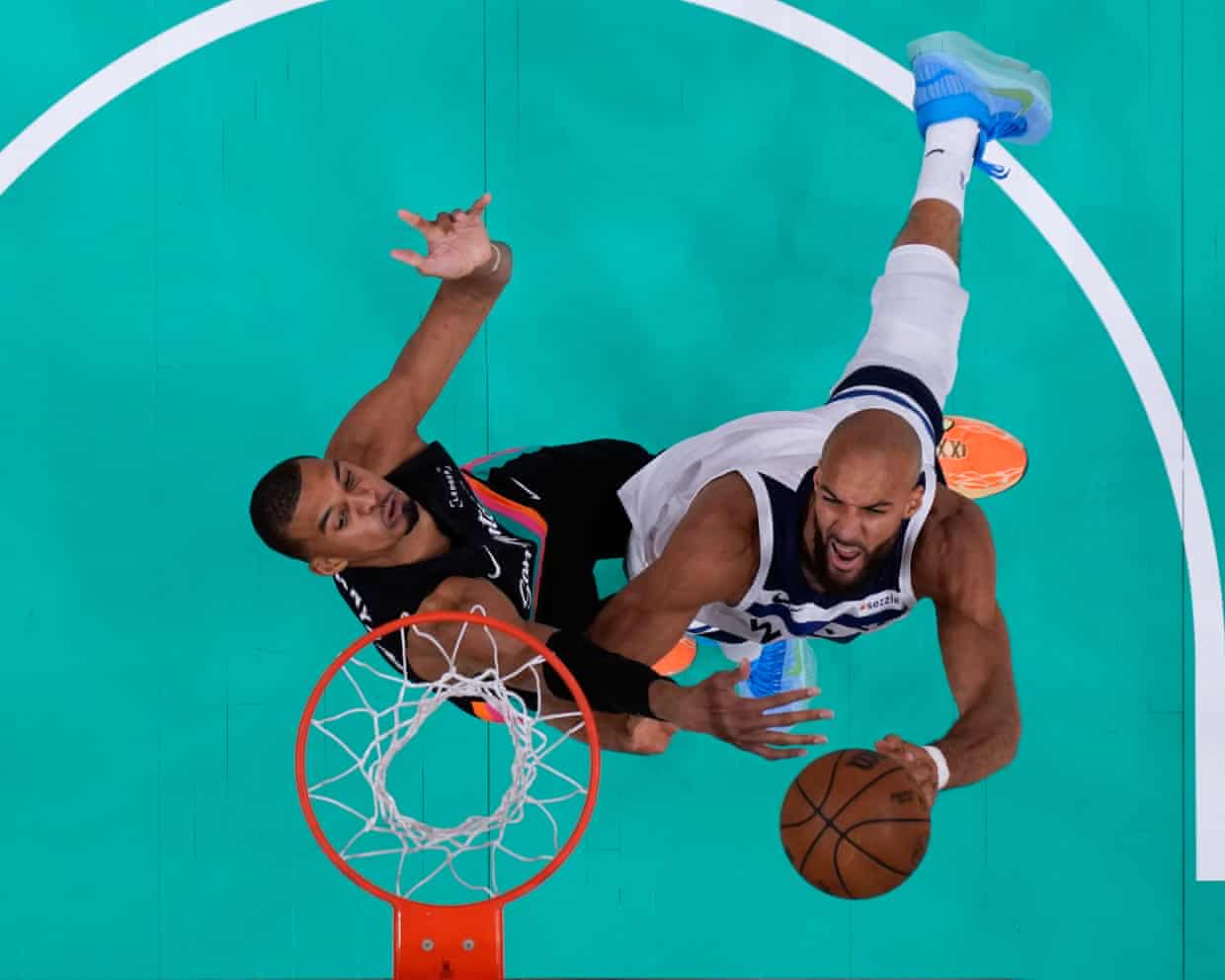
The Minnesota Timberwolves have questioned whether Victor Wembanyama’s NBA playoff record 12 blocks were legitimate.The San Antonio Spurs star set the record during his team’s conference semi-final loss to the Timberwolves on Monday night. But Minnesota coach Chris Finch believes the refereeing during the game was questionable.“Historic night. But when we looked at [Wembanyama’s blocks], at least four of them were goaltending,” Finch said on Tuesday
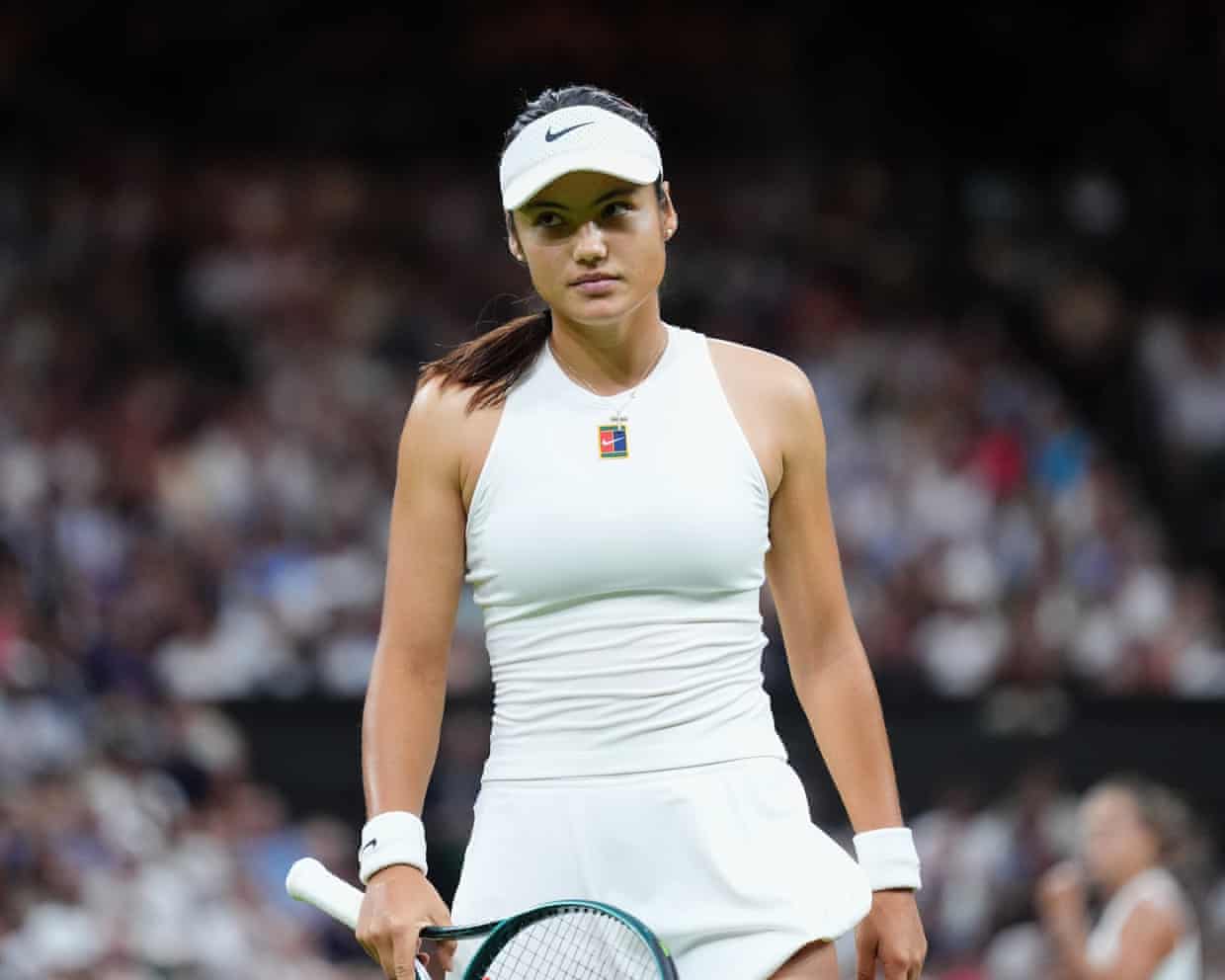
Emma Raducanu suddenly withdraws from Italian Open after press conference
Emma Raducanu has withdrawn from the Italian Open because of her continued difficulties with post-viral illness, with the announcement coming less than 30 minutes after she conducted upbeat media interviews.Raducanu has spent the last few days competing at the Foro Italico, playing practice sets with other competitors and, having received a bye as a seeded player, she was scheduled to contest her second-round match against Solana Sierra or a qualifier.On Tuesday evening, Raducanu conducted her mandatory pre-tournament media obligations, speaking about her progress after a tricky spell. “Last two months, in the beginning, it was quite difficult,” she said. “Wasn’t feeling the best physically

Spring soup and bean and cheese quesadillas: Thomasina Miers’ Mexican-inspired seasonal recipes
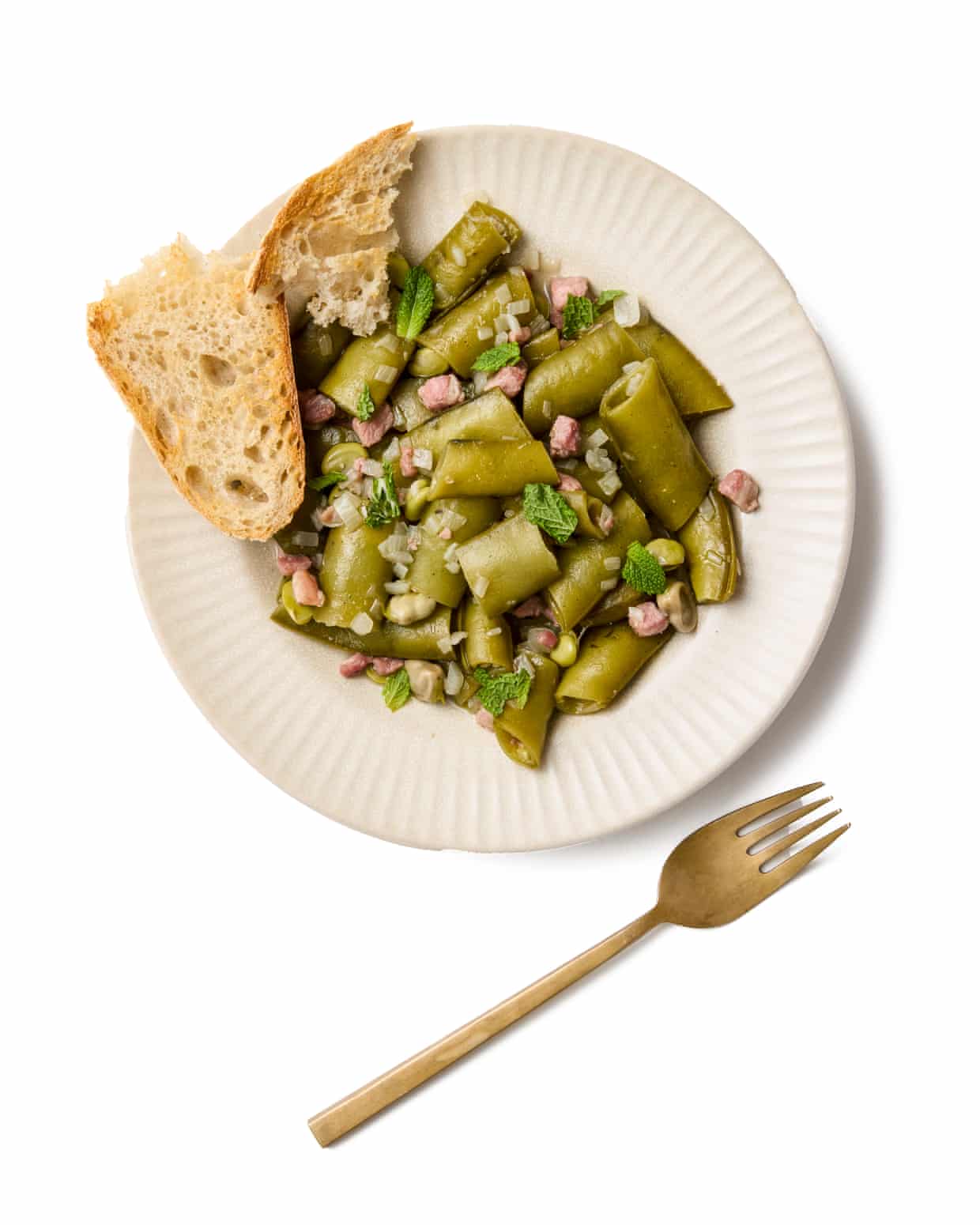
How to make the perfect Spanish broad bean stew – recipe | Felicity Cloake's How to make the perfect …
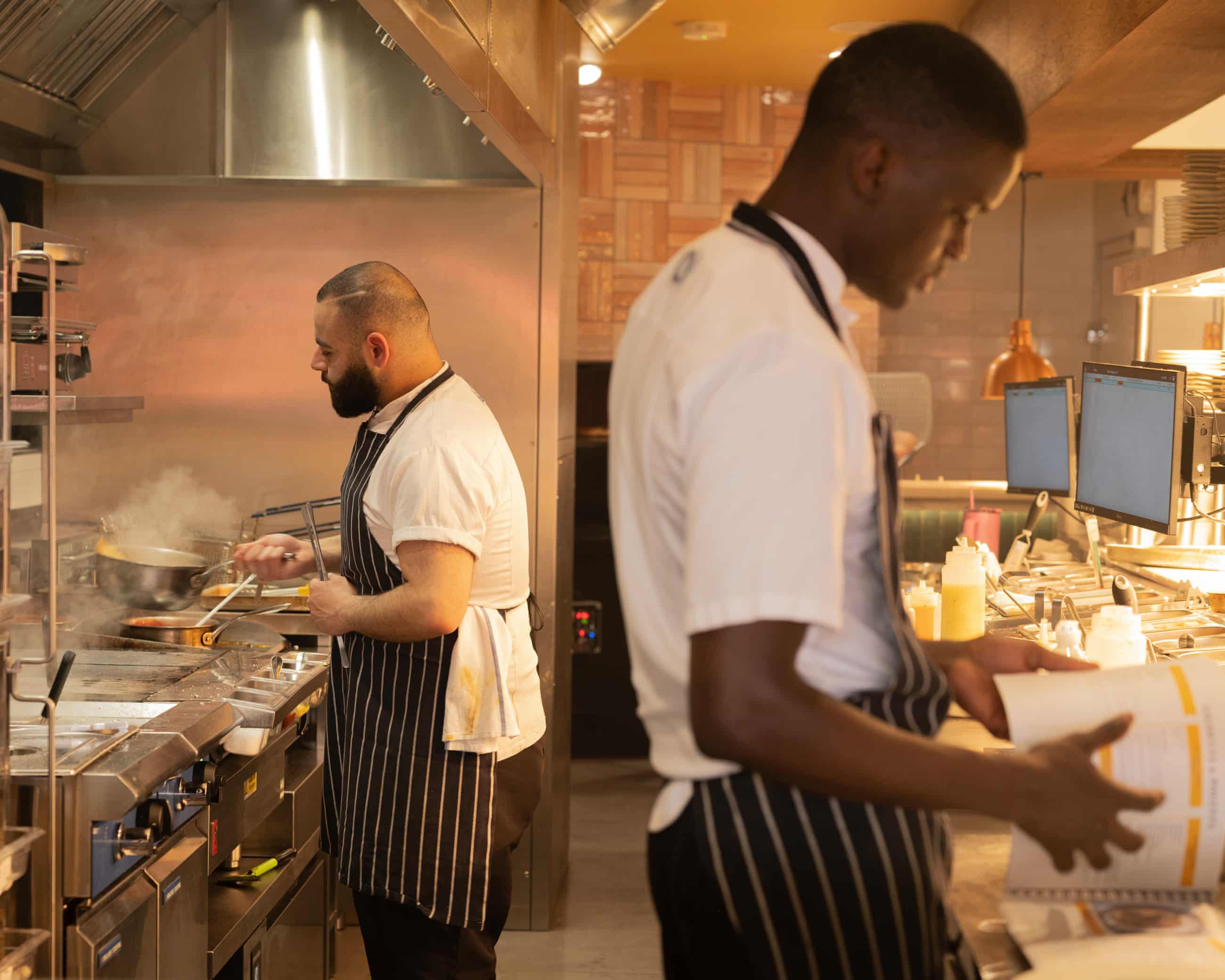
‘We don’t want to make the same mistakes’: Jamie’s Italian reopens in London

Willy’s, Margate, Kent: ‘It chortles in the face of small plates’ – restaurant review | Grace Dent on restaurants

Helen Goh’s springtime spinach sponge cake with cream cheese icing – recipe | The sweet spot

Why we care so much about preserving family recipes