Emma Raducanu suddenly withdraws from Italian Open after press conference

Emma Raducanu has withdrawn from the Italian Open because of her continued difficulties with post-viral illness, with the announcement coming less than 30 minutes after she conducted upbeat media interviews.Raducanu has spent the last few days competing at the Foro Italico, playing practice sets with other competitors and, having received a bye as a seeded player, she was scheduled to contest her second-round match against Solana Sierra or a qualifier.On Tuesday evening, Raducanu conducted her mandatory pre-tournament media obligations, speaking about her progress after a tricky spell.“Last two months, in the beginning, it was quite difficult,” she said.“Wasn’t feeling the best physically.
And I think it had just been lingering for a while.Whereas the last three weeks, I think I’ve really turned a corner and I feel so much better.“And that’s a really positive thing for me.I feel great on the court.I feel like every day I’m working towards something.
The break has helped me feel really motivated coming back, very hungry and happy to be out here training and putting out great sessions every day.”Less than half an hour later, the tournament supervisor confirmed at 7pm local time that Raducanu had withdrawn.Players on-site at tournaments on both the WTA and ATP tours are required to conduct at least one post-withdrawal activity, which includes media availability, in order to avoid a fine.Had she not spoken to the media, Raducanu would have received a $15,000 (£11,000) fine for not complying with the on-site withdrawal rules.It is not unusual for players to withdraw from tournaments a day or two after conducting their media duties.
However, in Raducanu’s situation, most players would have first withdrawn before explaining the withdrawal in their press conference.Raducanu’s withdrawal means her absence from the sport will extend to more than two months.The British No 1 had begun to struggle with a virus throughout the Middle East swing in February but the symptoms had not abated by early March.After a poor showing that month at Indian Wells, losing 6-1, 6-1 to Amanda Anisimova in the third round, she opted to spend an extended period on the sidelines.This has been another difficult year for Raducanu, who started the season with a foot injury before her illness.
She had appeared to turn a corner in recent weeks, briefly reuniting with her former coach Andrew Richardson to build up her match fitness at the Ferrer academy in Benidorm.Asked if these challenges were mentally draining, Raducanu responded with optimism.“Potentially [draining mentally],” she said.“When you have things going on, every day you’re working at it, it’s something you have in your head, but now in terms of body, injuries-wise, I feel very good.I don’t have anything that’s bothering me, and I’m just able to put out good days and I feel like I’m approaching each day, shot with great purpose.
I have a lot of energy and motivation inside of me.”
Totally grounded? How the jet fuel crisis could change our holidays – and world history
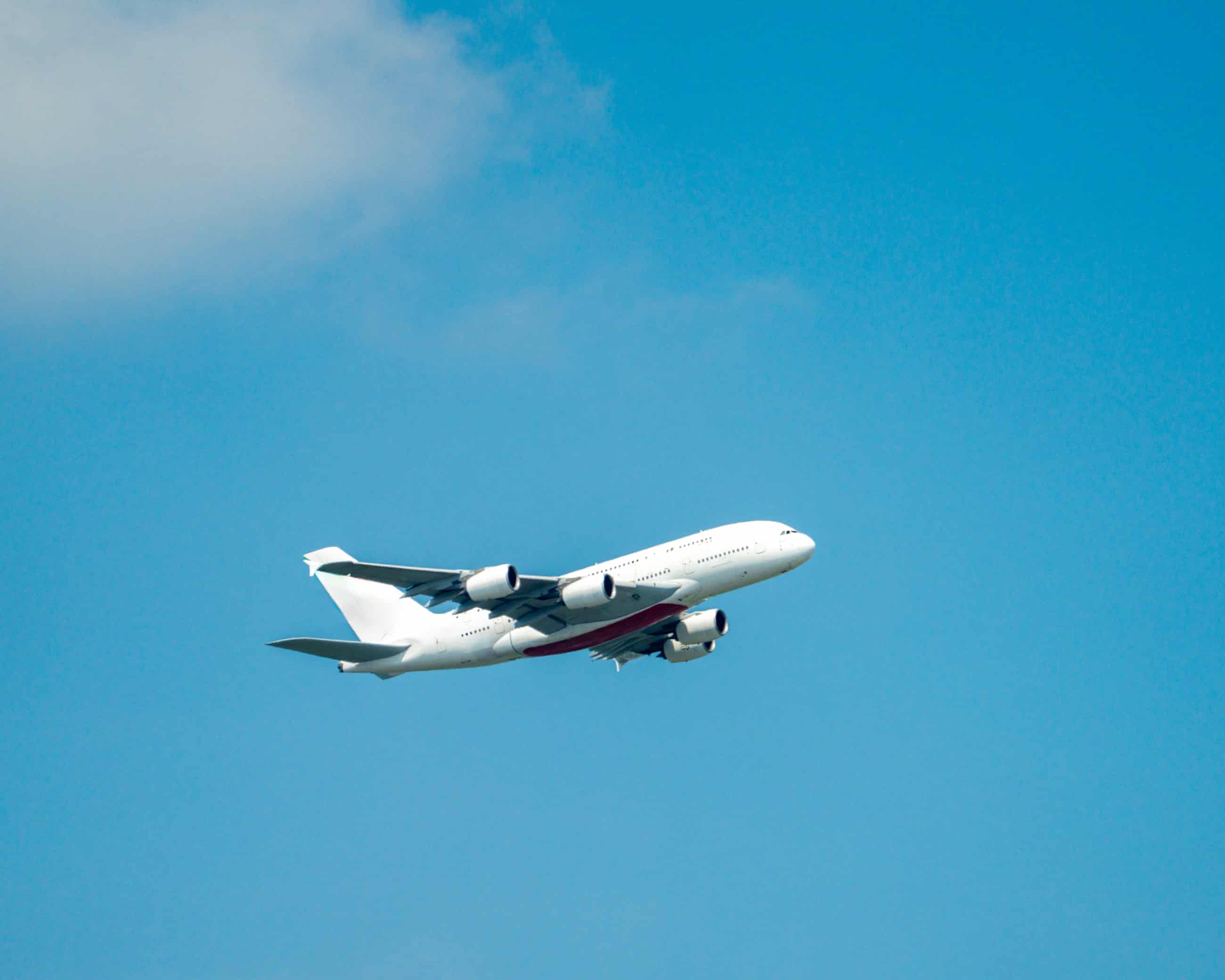
Jet fuel has doubled in price since the start of the war on Iran. How bad will the disruption get and could this accelerate the route to jet zero?What happens to flights if the world runs out of oil? Well, obviously they will be grounded. To be more specific, is it possible, if the war in Iran does not resolve and the strait of Hormuz remains blocked, that airlines will simply run out of aviation fuel?It’s not a question anyone has had to ask before. Air travel has hit some hurdles this century that nobody could have seen coming – Covid, of course, but also the Icelandic volcano in 2010, which closed much of European airspace for eight days, cost an estimated €3.75bn (£3
Four in five Britons worried Iran war will make food more expensive, poll finds
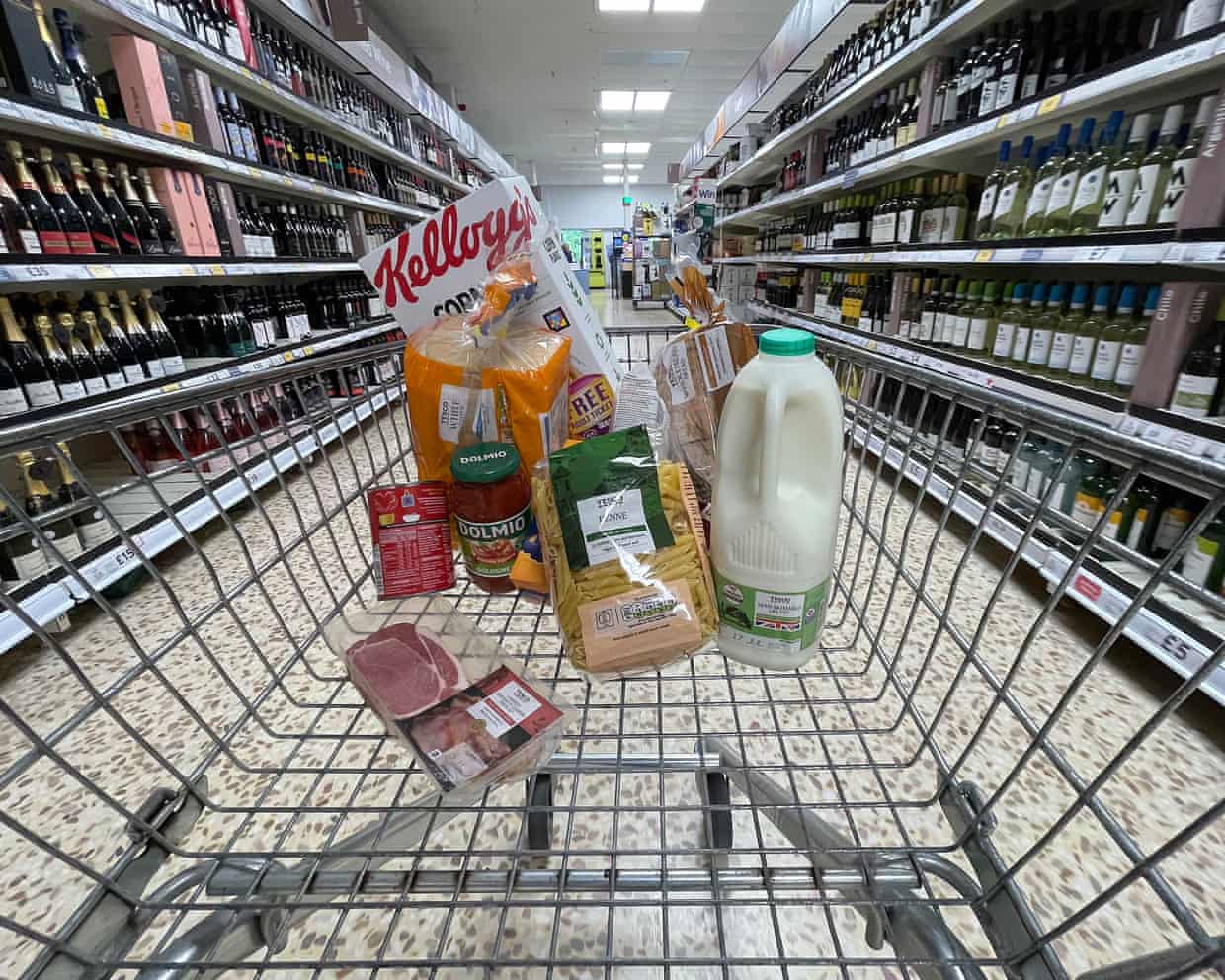
Four in five people are worried that the Iran war will make food more expensive, according to a new poll, as businesses warned the “window is closing” for ministers to cut energy costs for UK retailers.Research by Opinium found that 80% of people are worried about the rising price of groceries, which would come from retailers passing on cost increases to consumers, while 73% expect the conflict to push up prices of other products.The blockade of the strait of Hormuz has already sent oil and gas prices soaring, caused a crisis in the global fertiliser industry, and has made shipping and distribution more expensive.The effects have so far been felt most acutely in sectors such as manufacturing and chemicals, which use high amounts of gas. The UK chancellor, Rachel Reeves, announced more support on bills for the most energy-intensive businesses in April, but now faces fresh calls to cut costs for the food sector
Reinstate windfall tax on banks after surge in profits, TUC urges
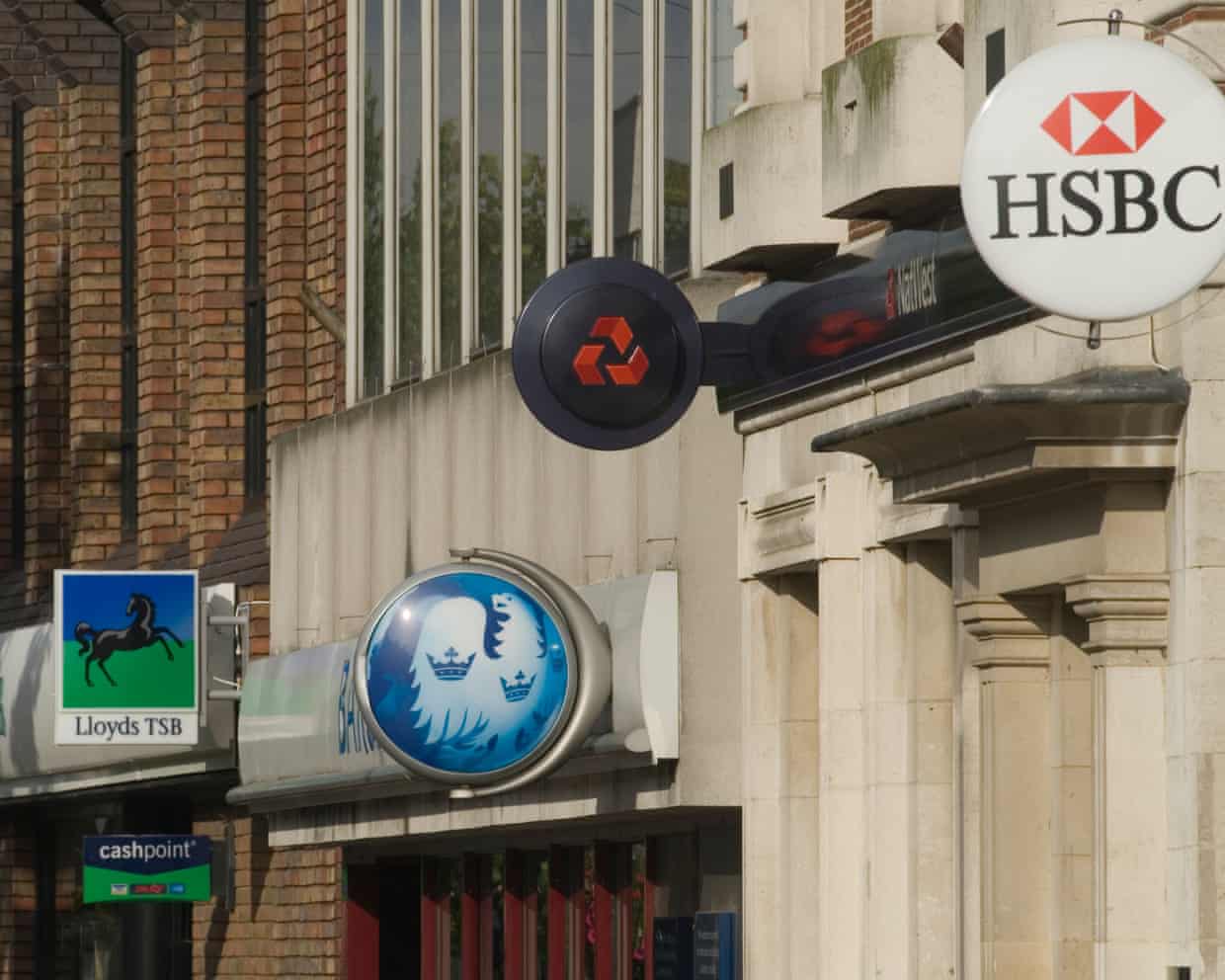
An increased windfall tax should be imposed on the UK’s largest banks according to trade union leaders, after the big four lenders reported almost £14bn in first-quarter profits, partly fuelled by market turbulence caused by the Iran war.The Trades Union Congress (TUC) renewed its call for an increase in the current bank surcharge, which was reduced from 8% to 3% of profits above £100m by the Conservative government in 2023, as banks benefit from the high interest rate environment.The Bank of England held interest rates at 3.75% last week, with markets pricing in up to two increases by the end of this year. The average two-year fixed mortgage rate was 5
Two million airline seats cut amid soaring jet fuel prices
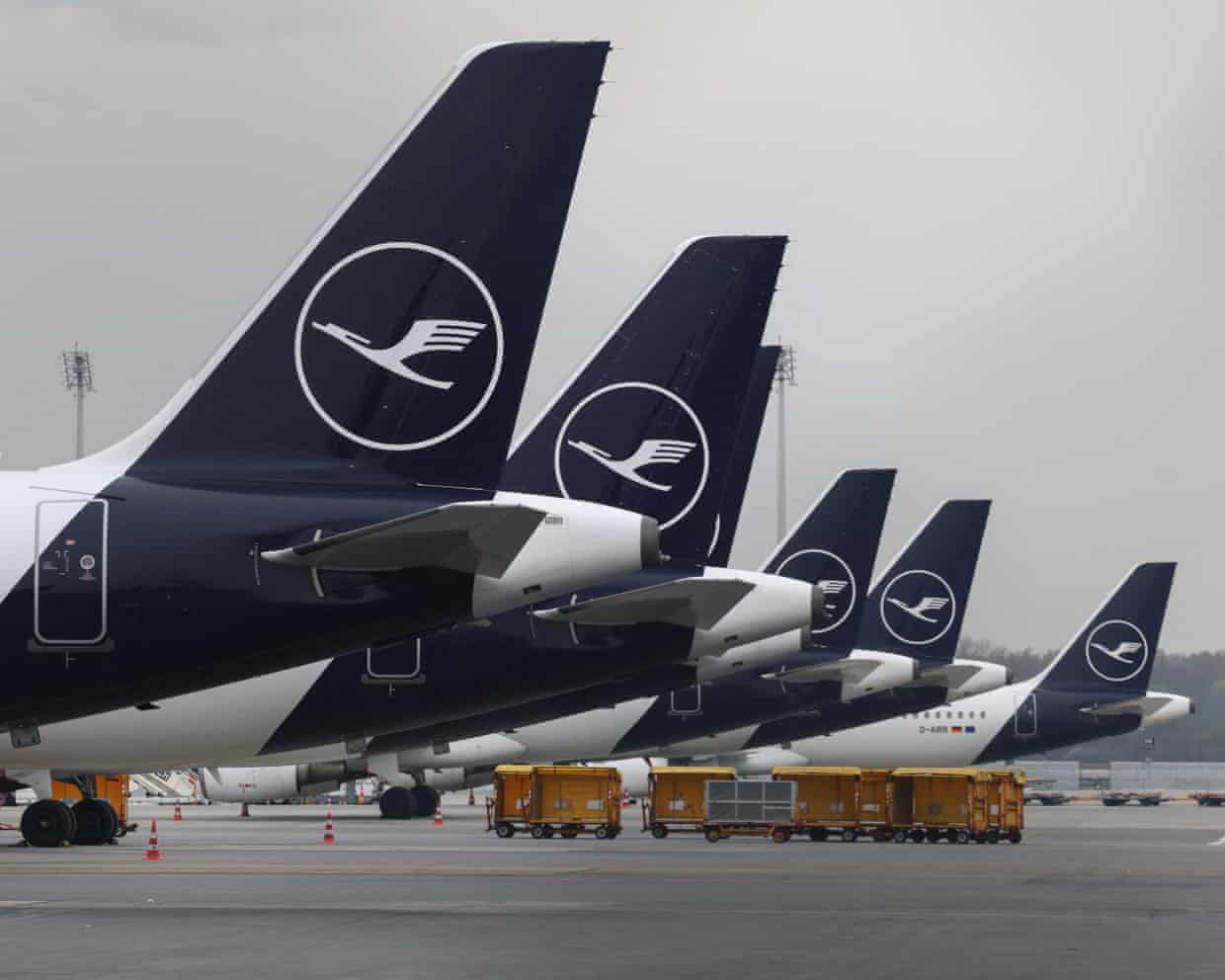
Two million airline seats have been cut from this month’s schedules as airlines redraw their operations because of soaring jet fuel prices amid the Middle East conflict.About 13,000 fewer flights will operate in May around the world after recent cancellations, according to data from the aviation analytics company Cirium.Although the figure represents less than 2% of global aviation capacity, and only a net 111 flights have disappeared from London Heathrow schedules it comes amid fears that the long-term supply of jet fuel could cause further summer cancellations, with UK airlines told at the weekend they could have more flexibility to consolidate flights on popular routes if needed.Some of the 2m seats have been cut by using smaller planes, as well as outright cancellations.Istanbul and Munich have recorded the biggest drop in flights, with Turkish Airlines and the German flag carrier Lufthansa making swingeing cuts
Stock markets are wobbling, but £10bn cash bids at fat premiums can still happen
It was a bad day for the FTSE 100 index on Tuesday – down 1.4% – but the puzzle in many quarters is why share prices haven’t fallen further since the start of the US-Israel war on Iran. The index is still up by a couple of percentage points since new year, which is not a bet most would have made at the time if they had been told an inflationary energy price shock lay around the corner.An absence of Iran-related corporate profits warnings partly explains the relative resilience, even if those usually take a while to arrive. So, too, the fact that the Footsie is overpopulated with overseas earners for whom the US economy, which isn’t suffering Europe’s soaring natural gas prices, matters more than their home market
UK 30-year borrowing costs hit highest since 1998 amid oil price surge and political uncertainty – as it happened
Time to wrap up…The UK government’s long-term borrowing costs have hit their highest level since 1998, amid rising fuel prices and concerns about political stability.The yield – effectively the interest rate – on 30-year UK government bonds (gilts) hit 5.77% at lunchtime on Tuesday, up 0.13 percentage points – exceeding the 27-year high reached last September.Yields have been rising across leading economies amid renewed fears over rising inflation, after US efforts to escort ships through the strait of Hormuz prompted Iranian reprisals
‘RAMageddon’: is the era of cheap phones and laptops over?
Global finance watchdog warns over private credit industry fuelling AI boom
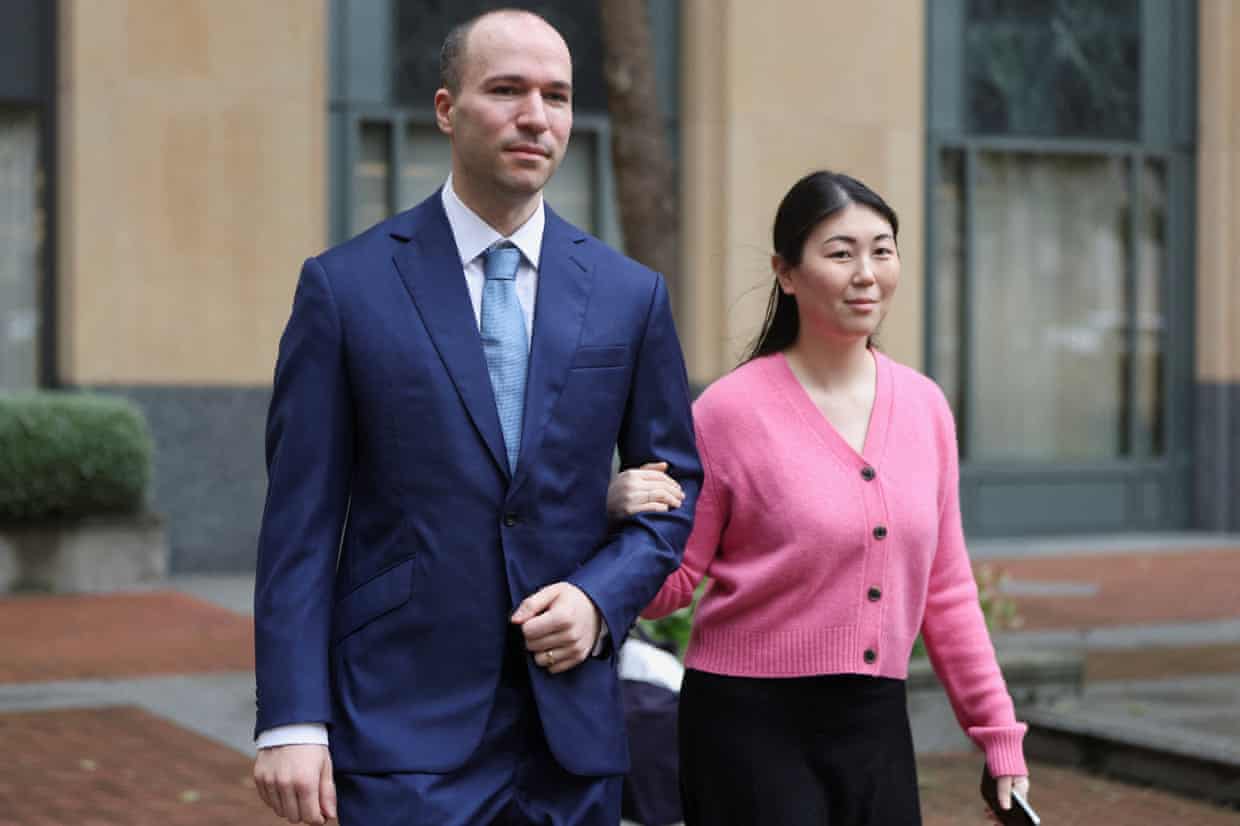
OpenAI president’s ‘deeply personal’ diary becomes focus in Musk’s case against Altman
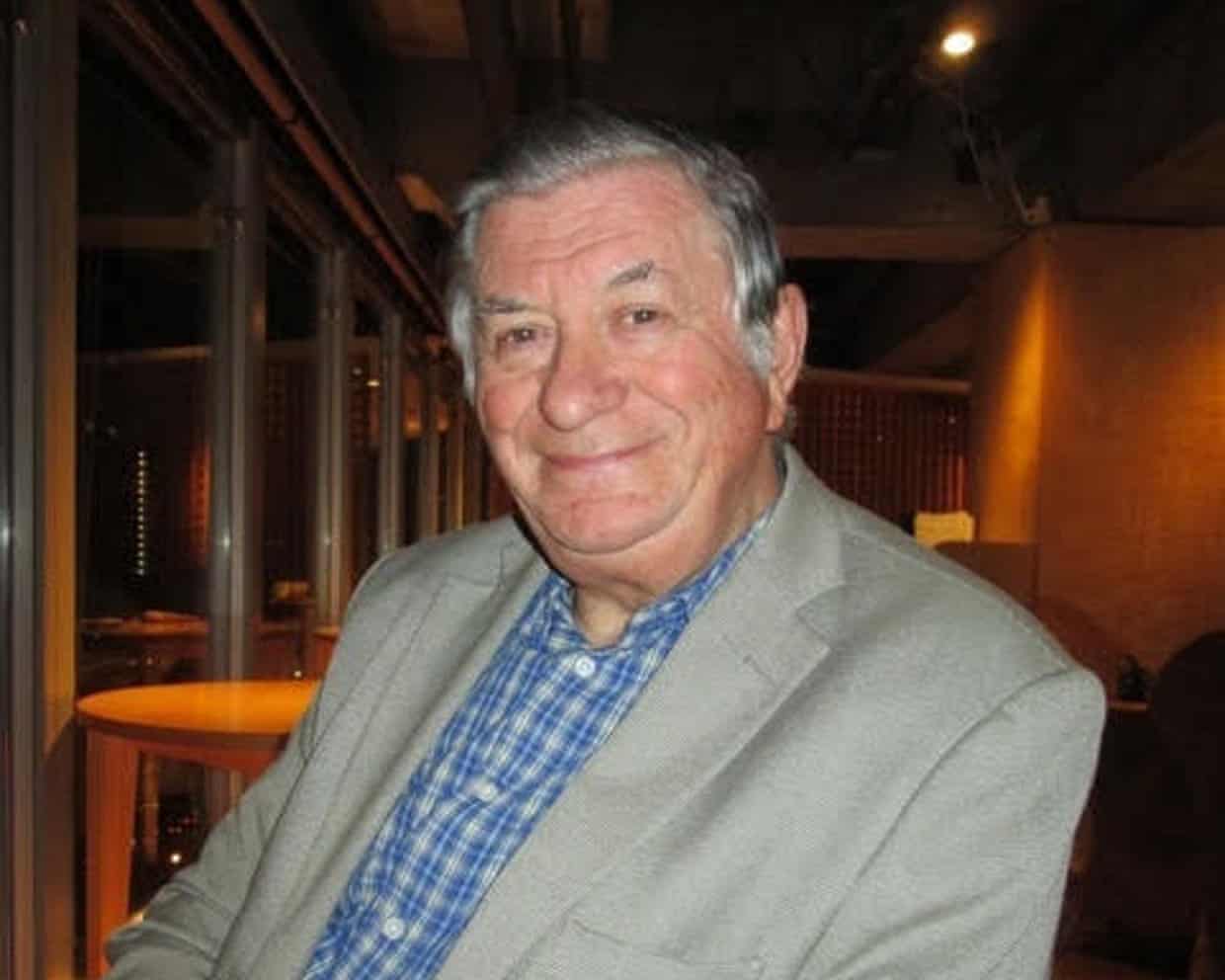
Ken Eason obituary
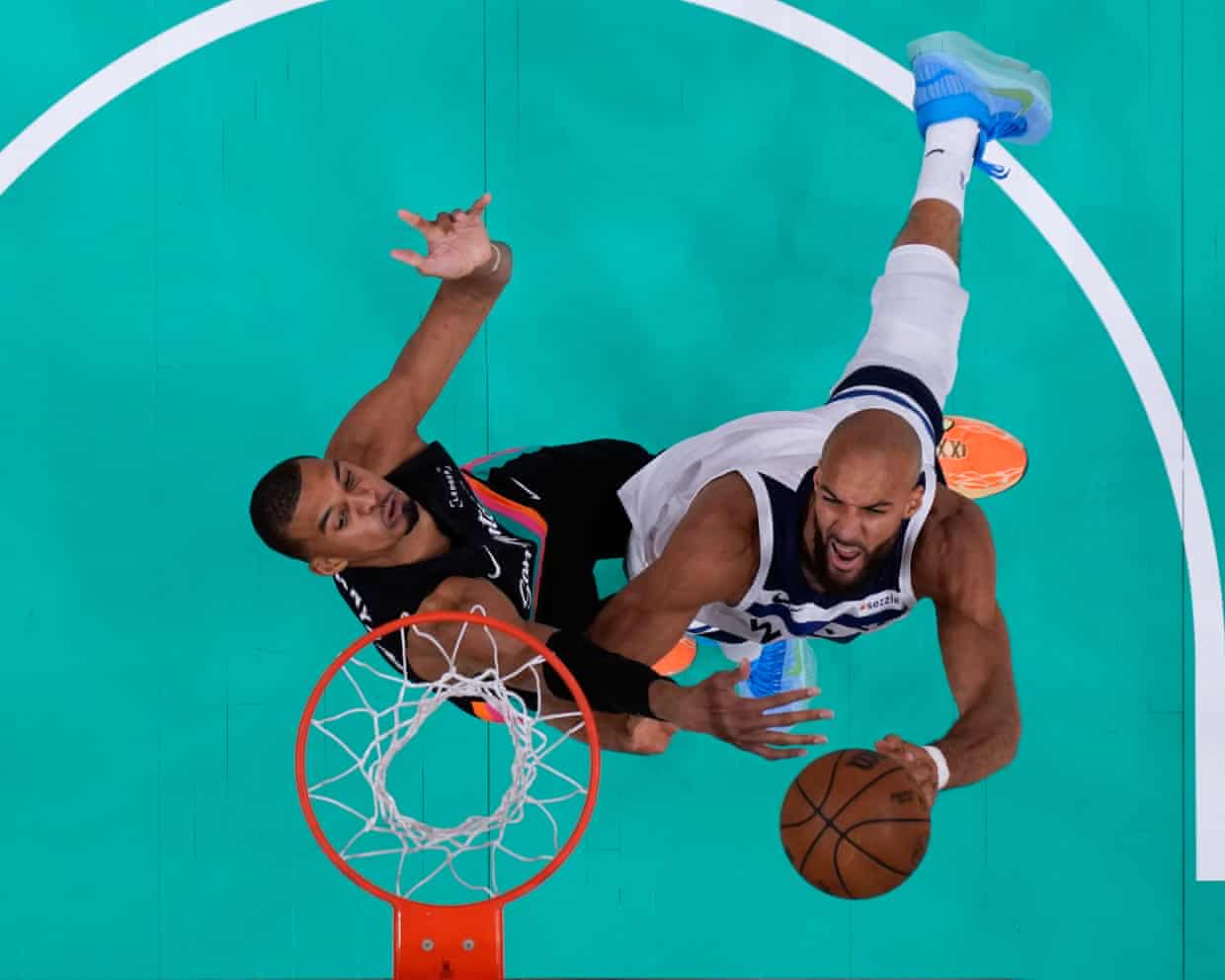
Timberwolves accuse Wembanyama of goaltending after Spurs star sets NBA playoff block record
Emma Raducanu suddenly withdraws from Italian Open after press conference