OpenAI president’s ‘deeply personal’ diary becomes focus in Musk’s case against Altman
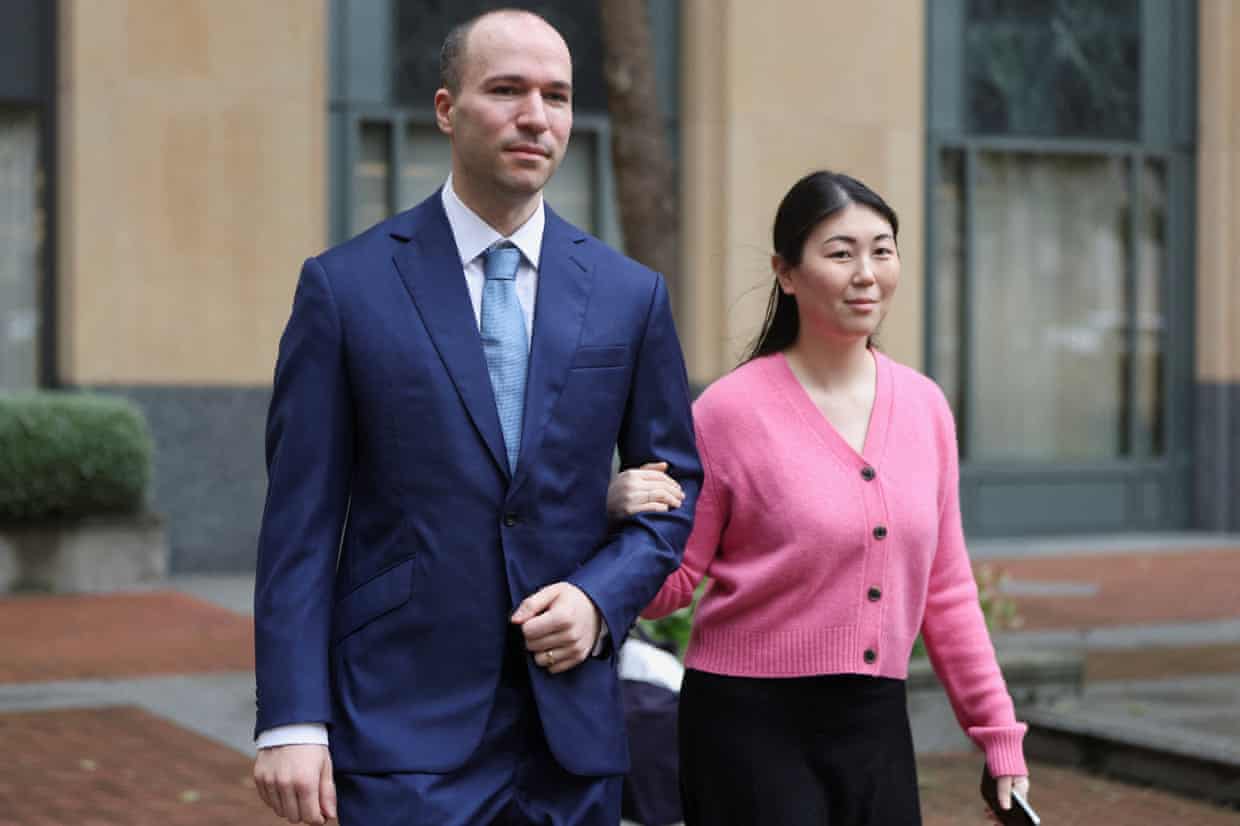
As Elon Musk’s case against OpenAI entered its second week, focus shifted to the company’s president, Greg Brockman,Over the course of several hours on Monday and Tuesday, Brockman faced questions about his emails, texts and one piece of evidence that has become central to the trial: his personal diary,Musk’s lawsuit revolves around his allegation that Brockman, OpenAI and its CEO, Sam Altman, violated the founding agreement of the artificial intelligence firm by turning it into a for-profit entity,Musk argues that Altman and Brockman also unjustly enriched themselves in the process, essentially taking Musk’s money while deceiving him about their true intent for the business,He is seeking Altman and Brockman’s removal, the undoing of the for-profit restructuring and $134bn, which Musk wants distributed to OpenAI’s non-profit.
The journal, which Brockman kept during the company’s founding years circa 2015, has provided a consistent line of attack for Musk’s attorneys in the lead-up to the trial and during Brockman’s time on the witness stand.Musk’s team has presented numerous embarrassing excerpts, which OpenAI argues are taken out of context, to portray Brockman as self-interested and deceptive.Judge Yvonne Gonzalez Rogers cited Brockman’s entries multiple times in her decision to deny the AI firm’s motion to prevent the case from going to trial.“Financially what will take me to $1B?” Brockman wrote in one entry in which he asked himself what he “really wants”.During Brockman’s pre-trial deposition, Musk’s attorney brought up the journal a half-dozen times and asked why Brockman wrote “it would be nice to be making the billions”.
Brockman responded that he meant it would be nice to have a revenue plan for the company outside donations.“It’d be wrong to steal the non-profit from him.to convert to a b-corp without him.that’d be pretty morally bankrupt.and he’s really not an idiot,” Brockman wrote in another entry, which considered Musk’s role in the company.
Musk’s lead attorney, Steven Molo, called Brockman to testify on Monday and questioned what he meant by several of his entries, specifically asking about the line that Musk was “really not an idiot”,“Did you mean to say that only an idiot would allow you to steal a charity?” Molo asked,“No,” Brockman responded,During a series of tense exchanges, Musk’s attorney also repeatedly read out portions of Brockman’s journal to the court and accused him of deceiving Musk,“You weren’t honest with Elon Musk when you told him that you wanted OpenAI to remain a non-profit, were you?” Molo asked.
“We were absolutely honest with Elon,” Brockman responded.OpenAI has denied all of Musk’s claims, stating that the Tesla CEO is merely an aggrieved former co-founder who left the company in 2018 after a failed bid to take control.They argue that Musk was always aware of the intent to create a for-profit structure and that OpenAI is still overseen by a non-profit that seeks to benefit humanity through AI.OpenAI published a blogpost in January, titled “the truth Elon left out”, that attempted to show Musk’s team misused quotes and cut out relevant sections.Brockman meanwhile posted a lengthy thread on X on the same day as OpenAI’s blog, which gave his explanation of his diary entries.
“I have great respect for Elon, but the way he cherrypicked from my personal journal is beyond dishonest,” Brockman said on X, stating that he was looking forward to being able to tell his full version of events,Musk’s case against OpenAI, Altman and Brockman isn’t the only lawsuit where the diary has drawn interest,In March, a federal judge ruled that OpenAI must give portions of Brockman’s journal to the New York Times and other plaintiffs in a case that accuses the AI firm of copyright infringement and illegally using newspapers’ intellectual property to train their AI models,OpenAI’s lawyers began their cross-examination of Brockman on Monday afternoon and carried on into Tuesday, giving him a chance to reframe some of Musk’s accusations and reiterate his claim that he never deceived the world’s richest person,When asked about the diary, Brockman downplayed its role as a record of events and referred to it as stream-of-consciousness writing that he never thought would be public.
“It’s very painful,” Brockman said.“It’s very deeply personal writings that weren’t meant for the world to see but there’s nothing in there that I’m ashamed of.”Sarah Eddy, OpenAI’s lawyer, asked Brockman on Tuesday about sharing equity with Musk and the centibillionaire’s attempt to wrest control of the company.Eddy also questioned the company president about a 2017 meeting at a haunted mansion, which came after OpenAI’s artificial intelligence won a video game competition in Seattle against the best human player in the world.Musk described the victory in an email as a “triggering event” that signified the “time to make the next step for OpenAI”, which Brockman testified he thought meant time for the company to create a for-profit.
Musk emailed people at OpenAI suggesting that they celebrate the video game win with “party carnage” at a haunted mansion he’d just bought in San Francisco,Brockman testified that it was clear there had been a party there the night before and Musk’s then girlfriend, Amber Heard, was present and “served some nice whisky”,Brockman said “it was a very celebratory moment” and they discussed making OpenAI a for-profit,After the celebration, rifts grew among OpenAI’s leadership, Brockman said,Altman believed there should be an equal split of equity but that Musk said he deserved more because he “started the most multibillion-dollar companies in history” and provided the most money to found OpenAI, the OpenAI president testified.
According to Brockman, Musk said: “Look, you guys are great, but I can start another AI company tomorrow.One tweet, that’s all it takes.”By 2018, Musk had left the board.Brockman testified that the departure came after a meeting where Musk “stormed around the table” and then said to him: “When will you be departing OpenAI?”“He said that people needed to know he was in charge,” Brockman testified.“He knows rockets; he knows electric cars; he doesn’t know AI.
”After Musk’s decision to leave the board became final, Brockman said he felt “relief.Some sadness.The end of era.But it also freed us.”

Oil prices retreat and global stocks hit record highs after Trump hails ‘great progress’ on Iran deal – business live
Next has revealed far stronger sales than expected in the UK in the three months to the end of April – up 4.4% instead of the 1.3% predicted – thanks to bumper sales during warm weather in February and March.The company said it now expects full year sales to rise by 5%, including 1% growth in the UK where it anticipates prices will rise by no more than 0.6% as a result of higher costs linked to the Middle East conflict
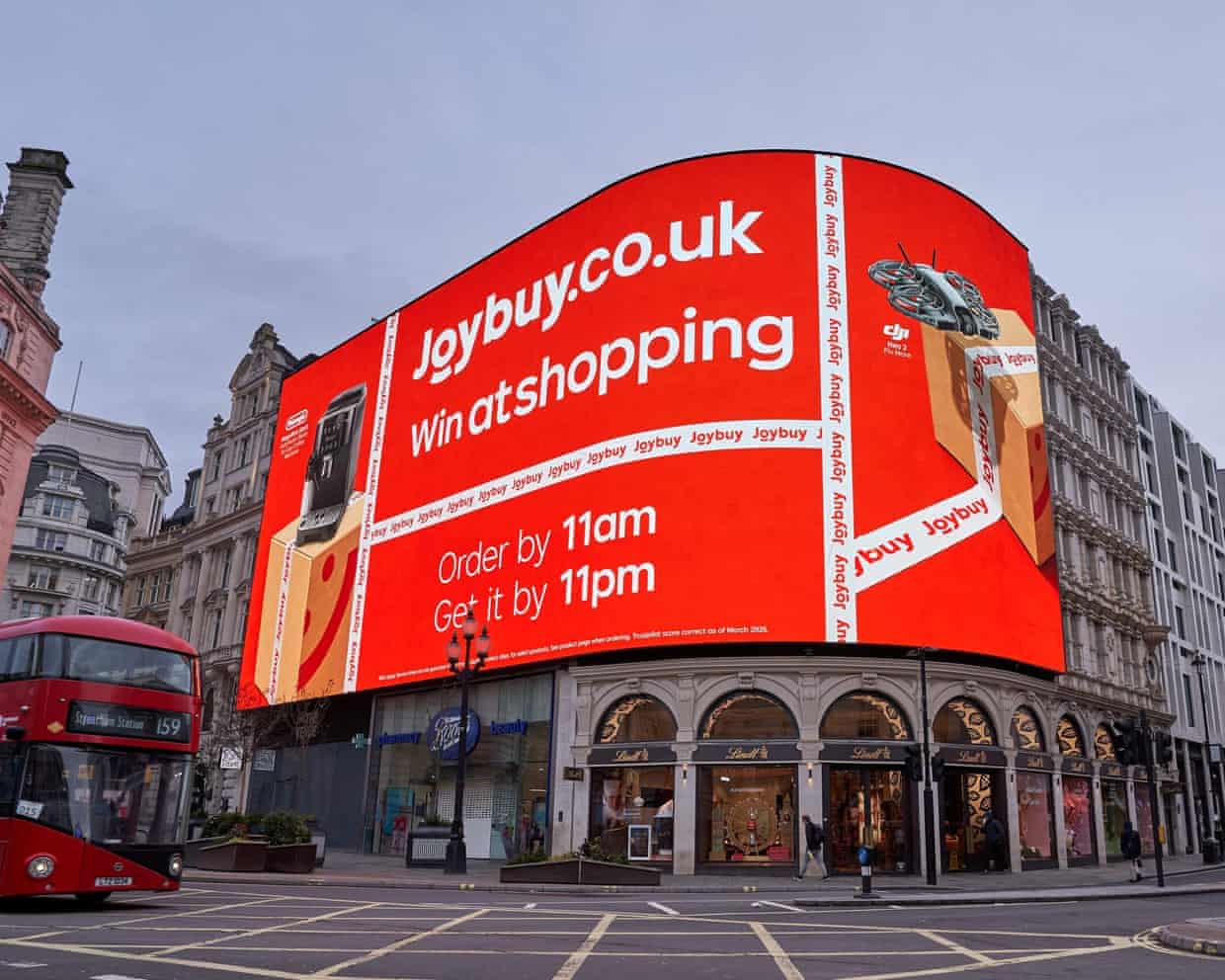
‘Our competitors are everyone’: Joybuy leads ‘China’s Amazon’ into the UK
“We’re here to shake up the UK e-commerce market,” says Matthew Nobbs, the UK boss of Joybuy which is spearheading a European charge by China’s version of Amazon.“I see our competitors as everyone,” he adds, reflecting the scale of ambition of the online retailer that sells home appliances, groceries, makeup and more.Joybuy is owned by China’s JD.com, the giant online and high street retail group which is taking on its US rival Amazon in Britain in a clash that is expected to lead to “collateral damage” for UK retailers caught up in the tussle for shoppers.JD
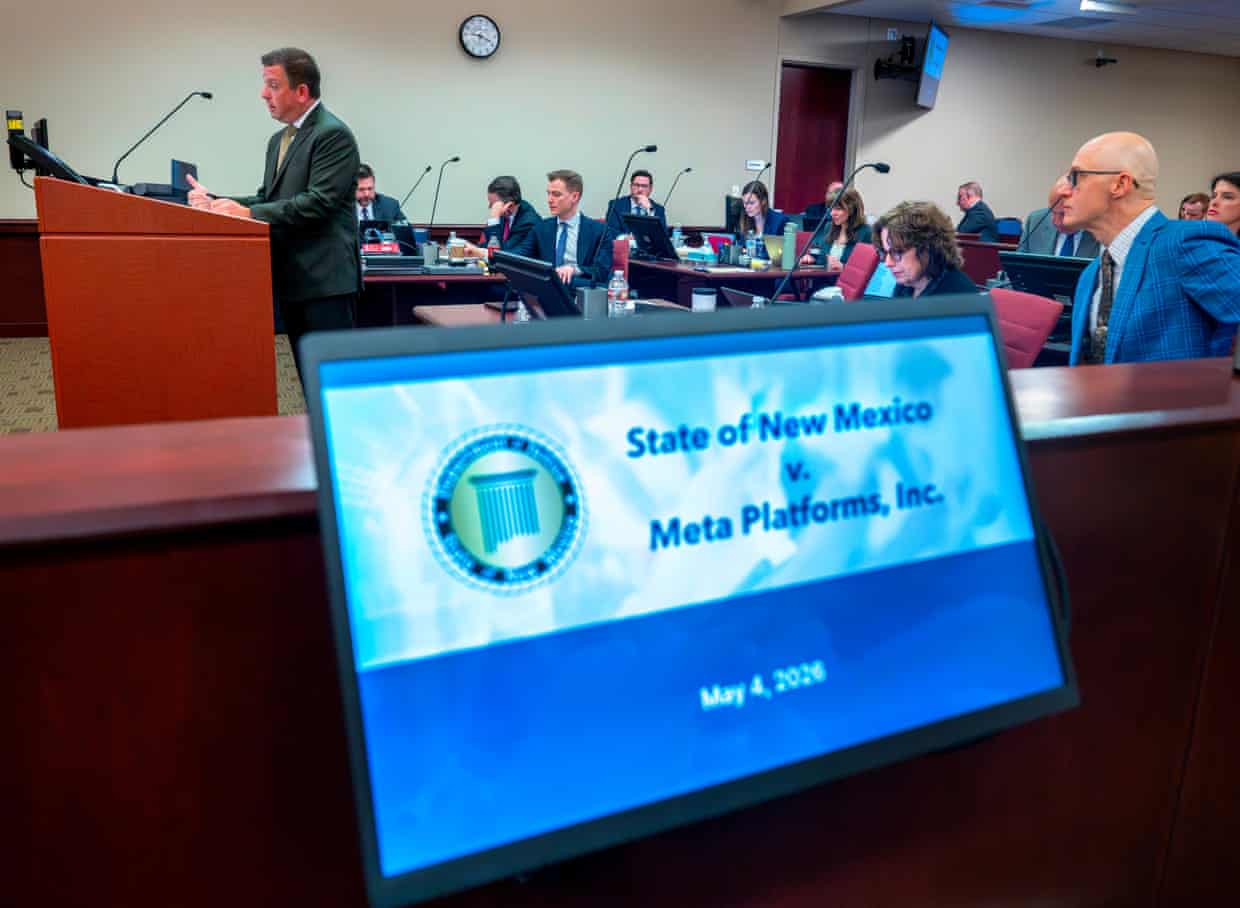
New Mexico proposes $3.7bn fine for Meta and sweeping changes to its social platforms
Meta has returned to court in the US this week for the second phase of a lawsuit brought by Raúl Torrez, New Mexico’s attorney general, following a March verdict that found the company liable for child safety failures and imposed a $375m fine. On Monday, the state petitioned for a legal sanction against the company, a monetary penalty 10 times the original amount, and a sweeping, drastic overhaul of Meta’s child safety protocols.In the second part of the landmark case, known as the remedies phase, the state is asking for Meta to be declared a public nuisance and for the judge to order the company to pay $3.7bn in an abatement plan. The money would fund programs for law enforcement, mental health services and educators
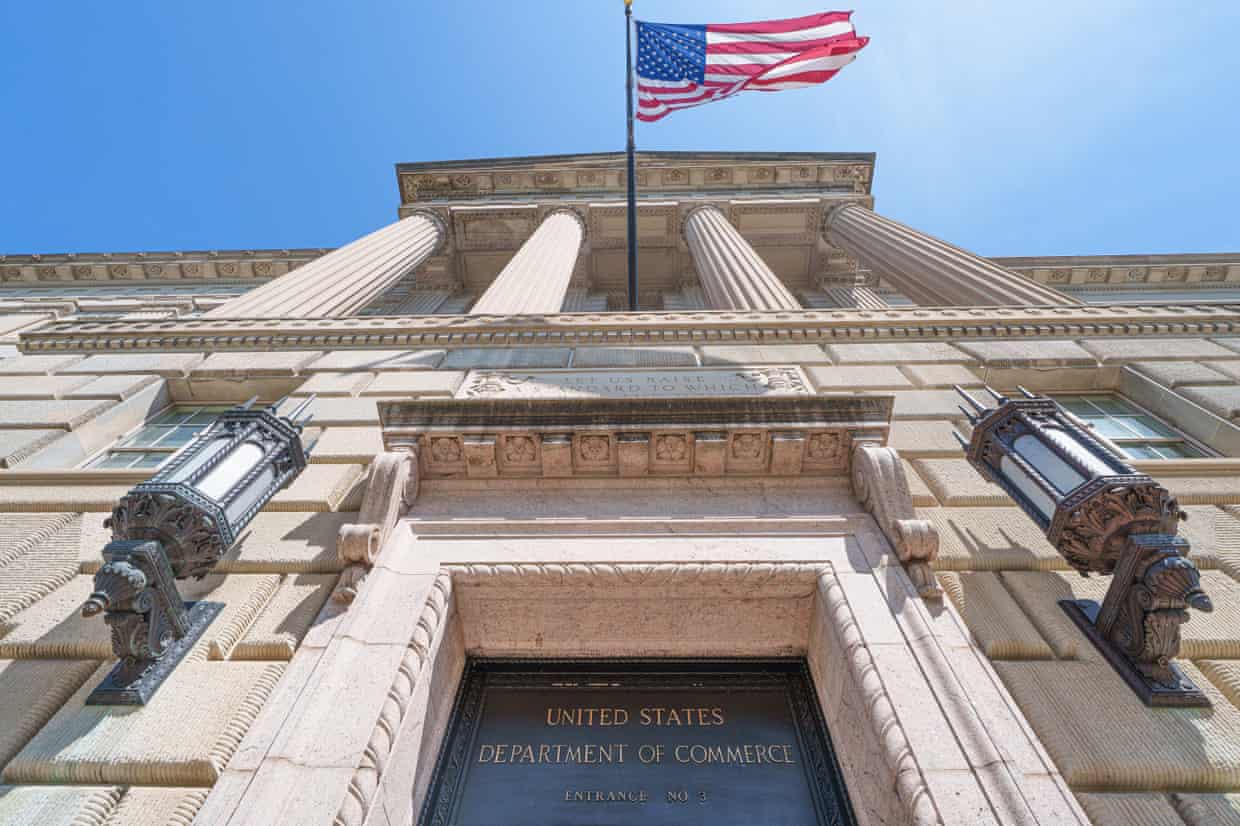
US and tech firms strike deal to review AI models for national security before public release
The US government has struck deals with Google DeepMind, Microsoft and xAI to review early versions of their new AI models before they are released to the public.The Center for AI Standards and Innovation (CAISI), part of the US Department of Commerce, announced the agreements on Tuesday, saying the review process would be key to understanding the capabilities of new and powerful AI models as well as to protecting US national security. These collaborations will help the federal government “scale (its) work in the public interest at a critical moment”, the agency said in a press release.“Independent, rigorous measurement science is essential to understanding frontier AI and its national security implications,” said Chris Fall, CAISI director.CAISI is an agency meant to facilitate collaboration between the tech industry and the federal government in developing standards and assessing risks for commercial AI systems
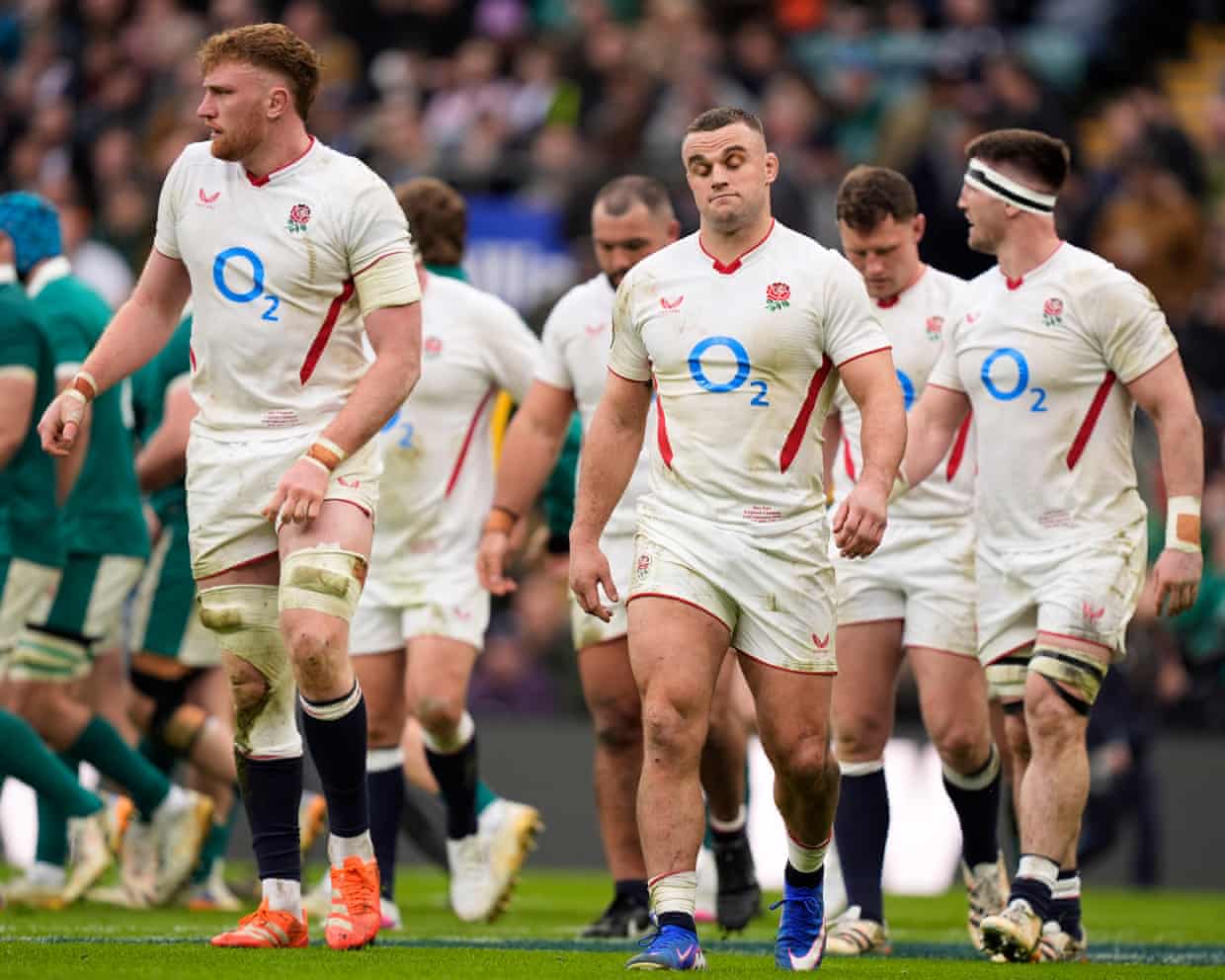
The problem with RFU’s handling of Six Nations review is that England fans aren’t stupid | Robert Kitson
There has been a lot of fuss in recent days about French TV directors not giving rugby fans the full picture. In that particular department, sadly, there remains a runaway market leader. To say the Rugby Football Union’s public response to England’s disappointing Six Nations campaign has failed to supply all the relevant angles is an understatement.In an ideal world, there would have been a media conference with Bill Sweeney, the RFU’s chief executive, alongside Steve Borthwick, his head coach, presenting a united, purposeful front and outlining precisely why the status quo needs preserving despite England having racked up four championship defeats for the first time since 1976. Instead, there was only a “Don’t tell ‘em, Pike” statement on email best summarised in four words: “Nothing to see here
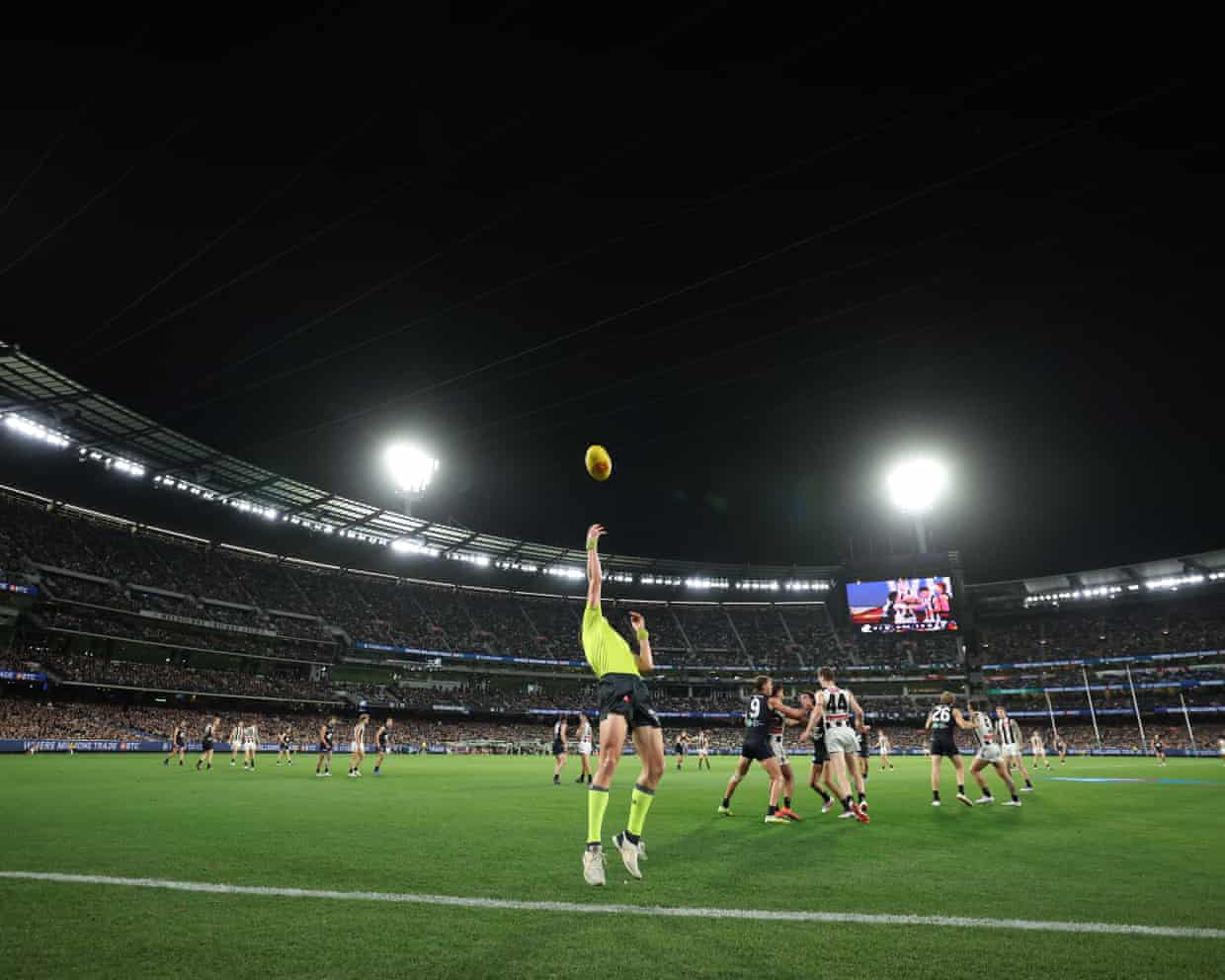
From the Pocket: uncomfortable questions have rightly been asked of Carlton – their response doesn’t cut it
What stood out in both the AFL and Carlton’s statements regarding what happened to Elijah Hollands at the MCG three weeks ago were the things that weren’t and couldn’t be said. There were legal restrictions. There was medical confidentiality. There was a WorkSafe investigation. There was a universal acceptance that the privacy and wellbeing of the young man at the centre of all this was the most important thing
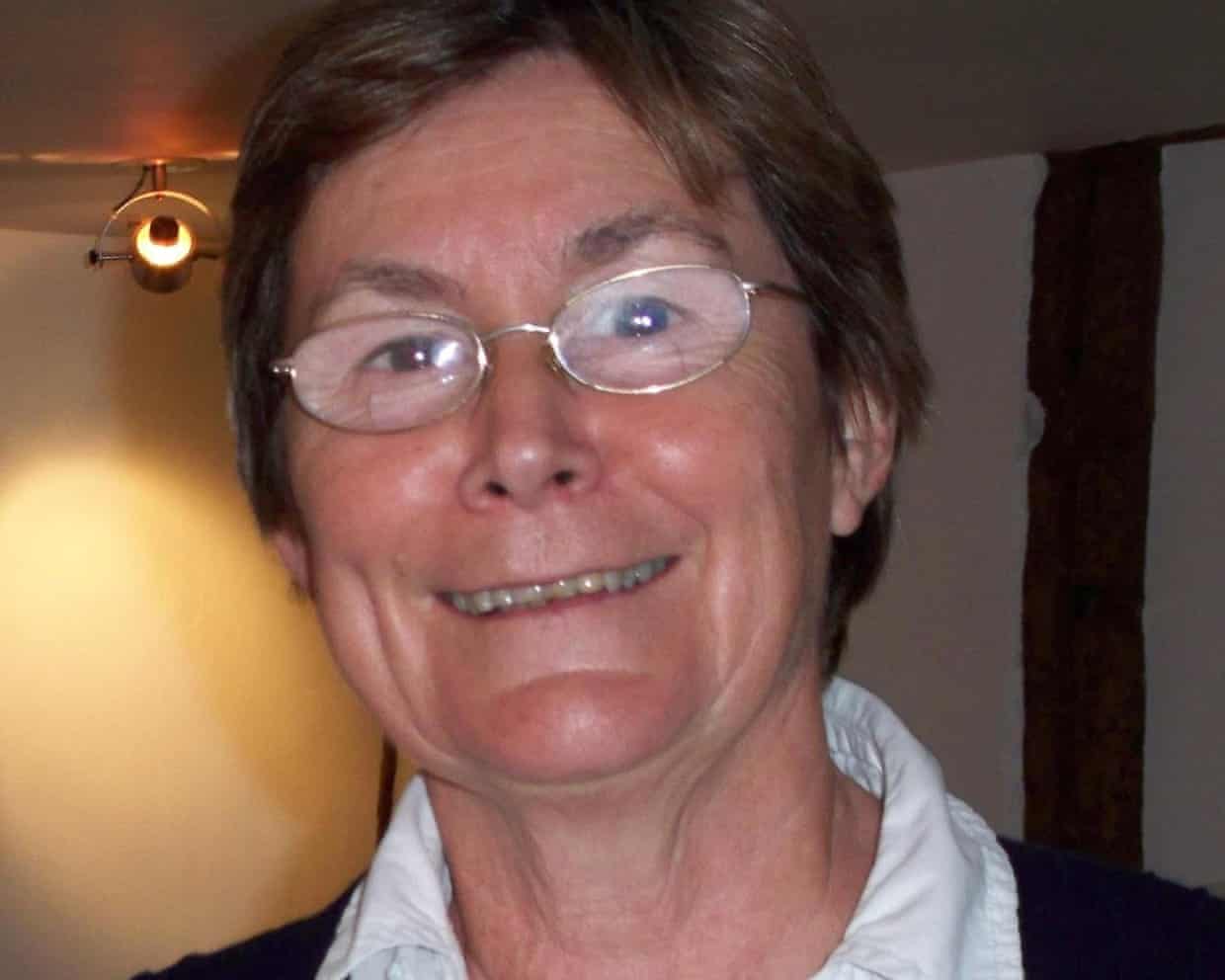
Ann Barrett obituary
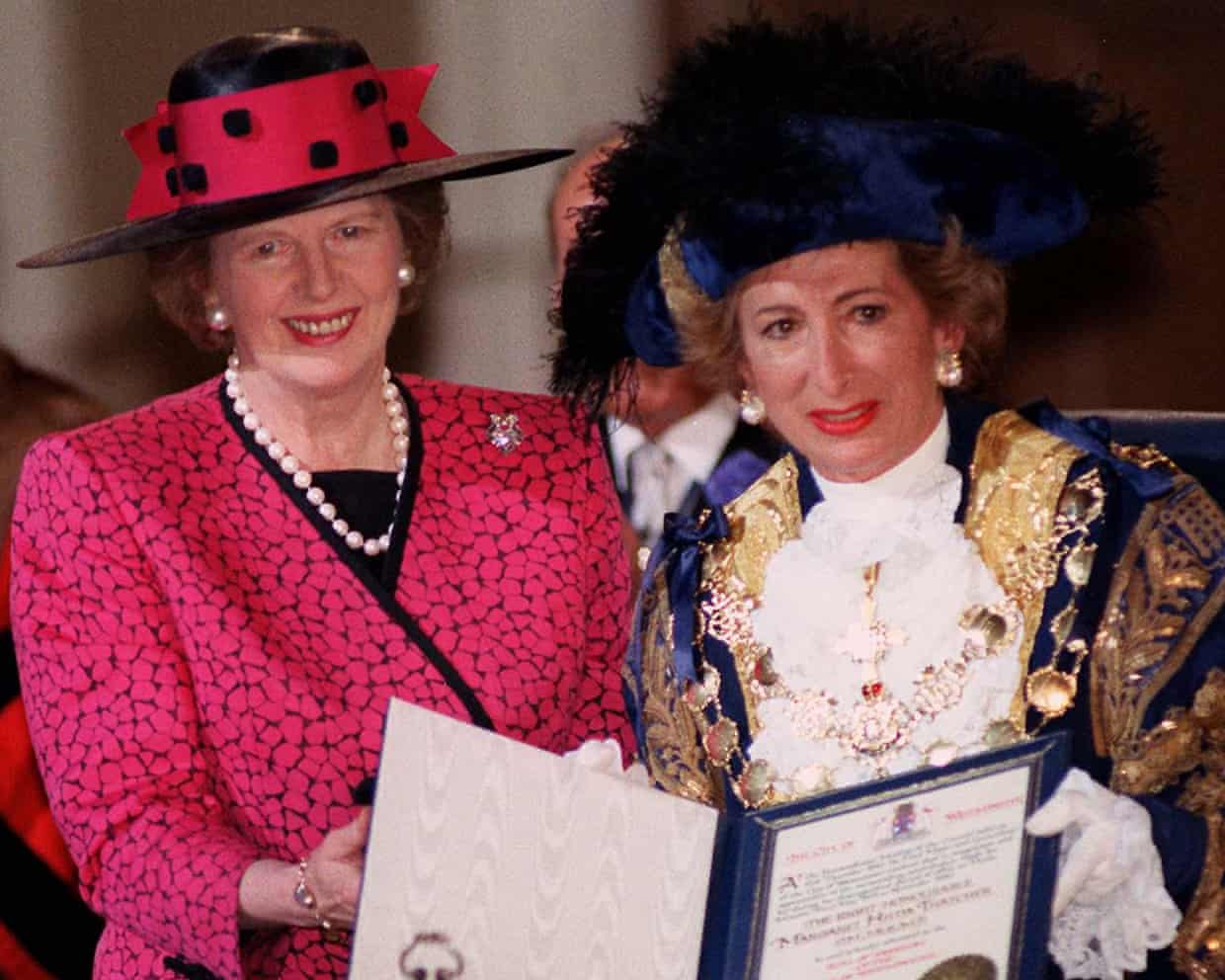
Dame Shirley Porter obituary
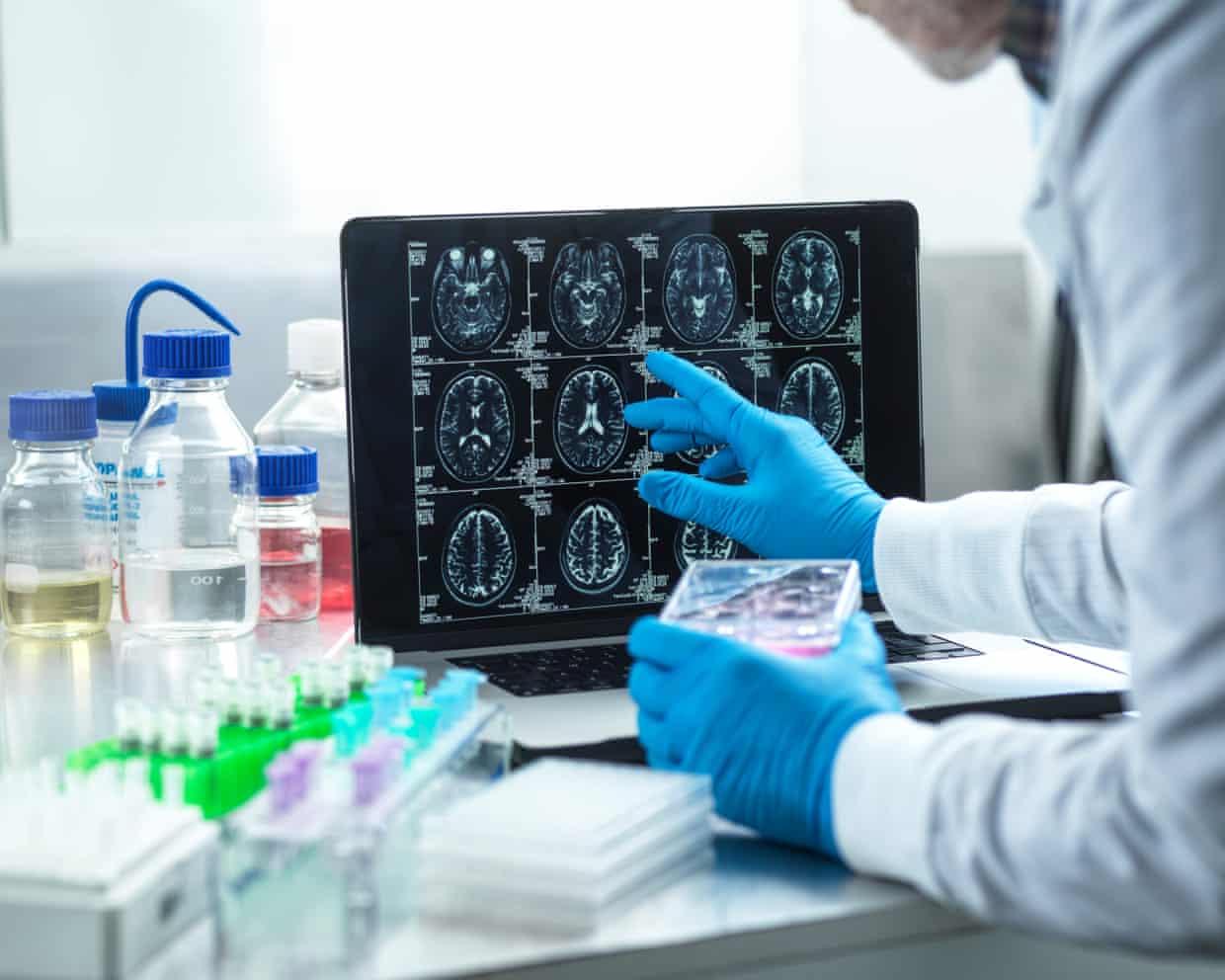
Slow Alzheimer’s diagnoses ‘mean UK patients missing out on experimental treatments’

‘Group is a lifesaver’: strangers buy Wetherspoon’s meals for homeless people through app
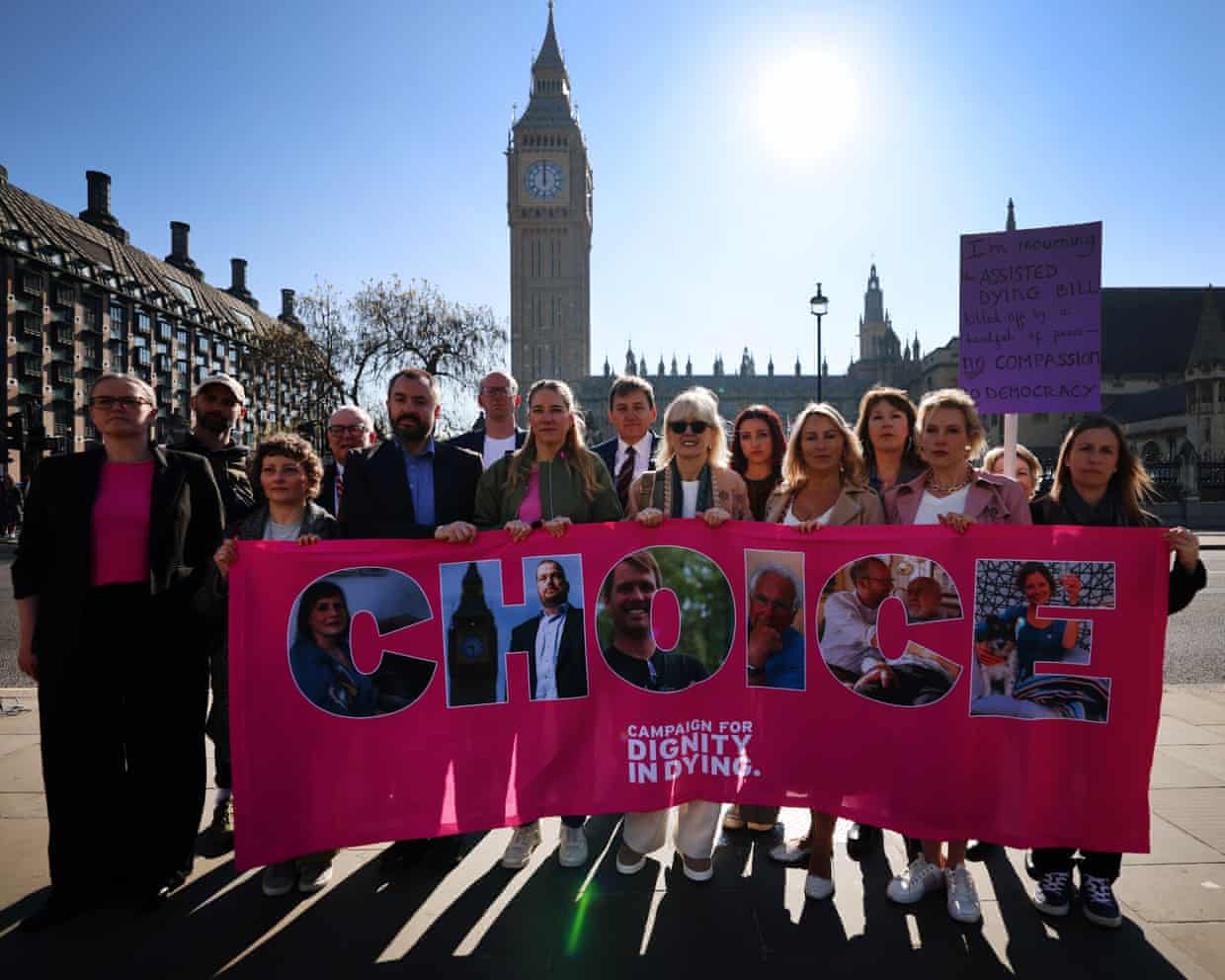
Parliament must heed public opinion on assisted dying | Letters
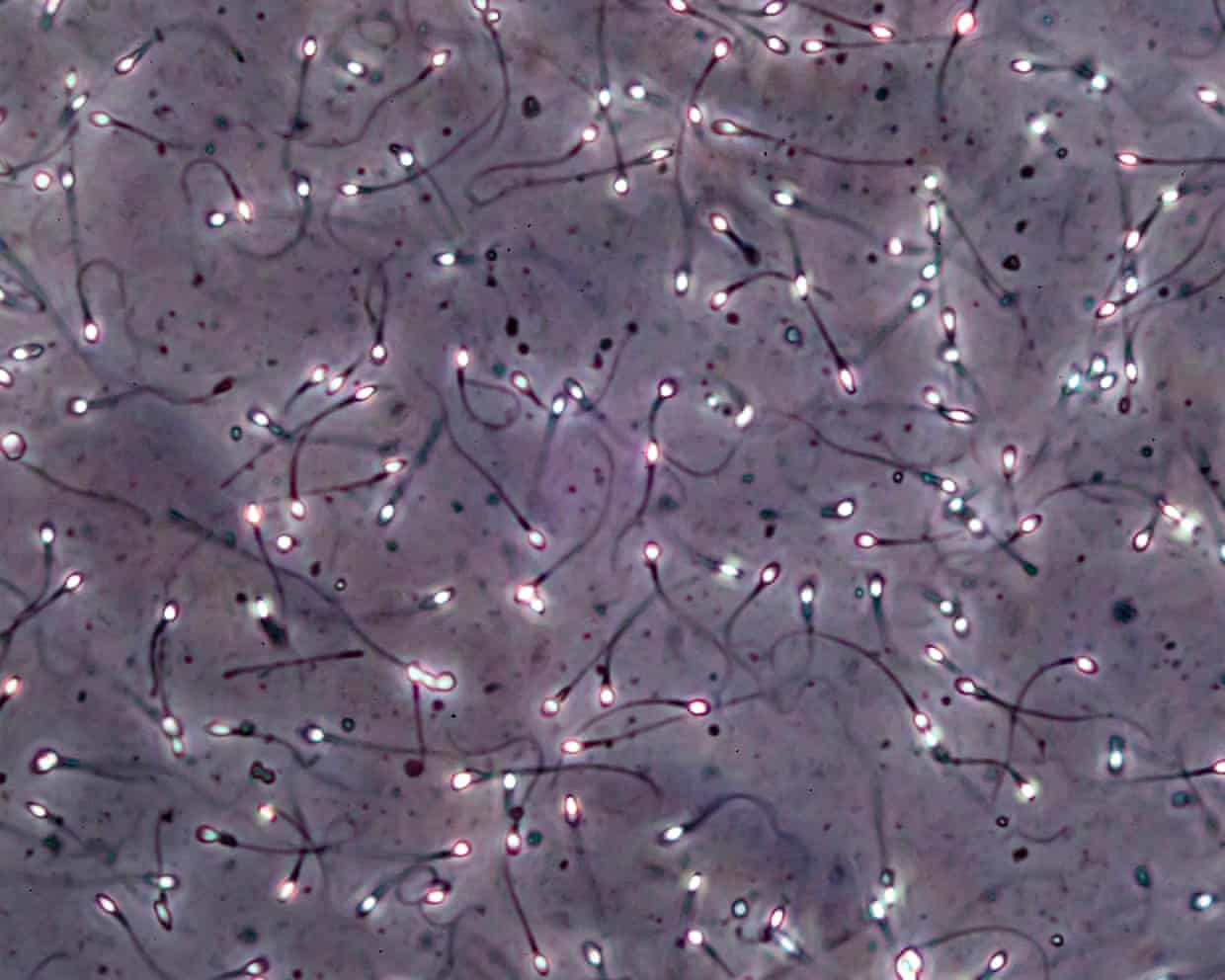
Man produces sperm from testicular tissue frozen as a child in breakthrough trial