Robert Goodman obituary
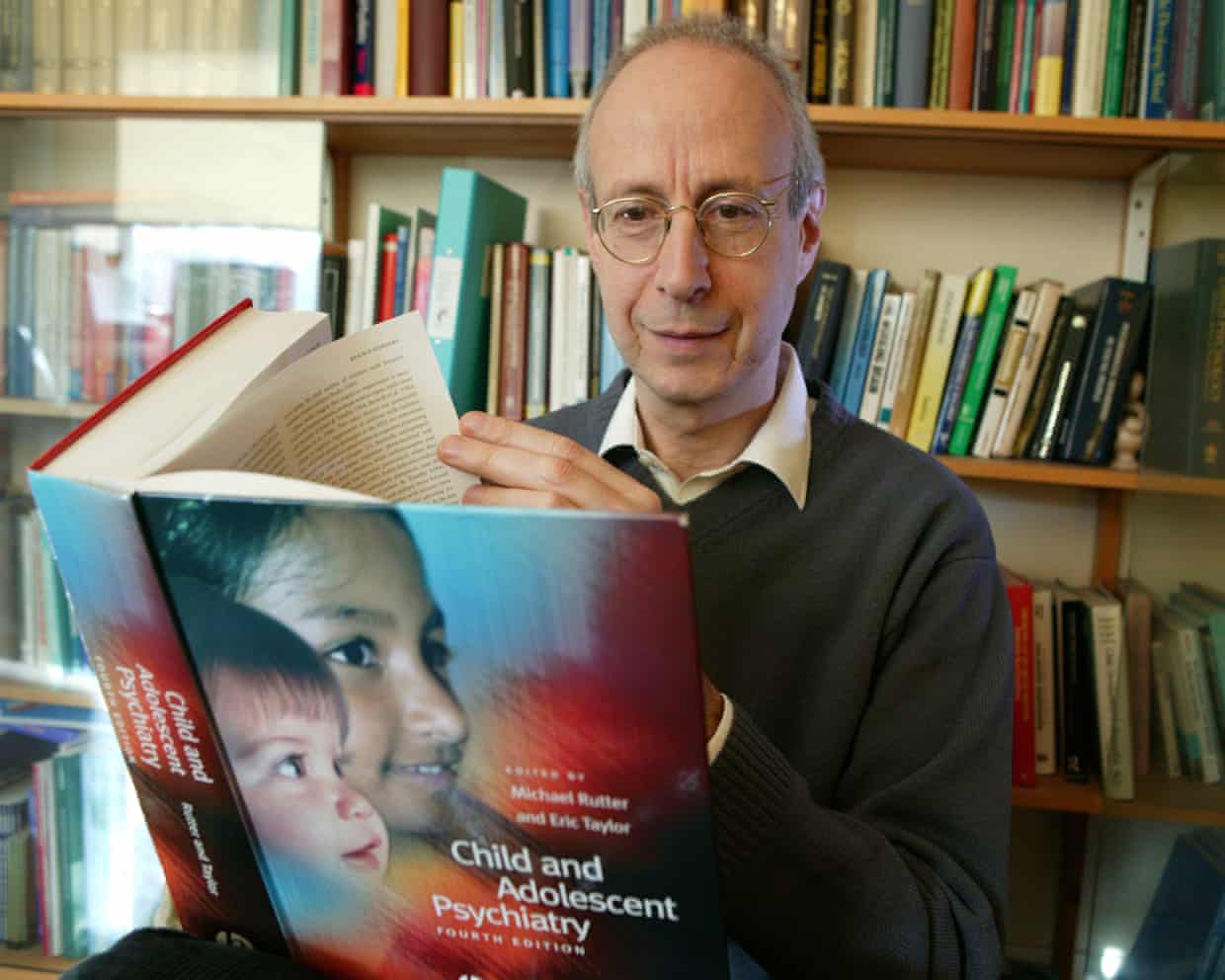
In 1992 a man with poorly controlled schizophrenia climbed into the lions’ enclosure at London Zoo and was badly mauled.This and other horrifying incidents in the early 1990s prompted widespread concern about services for mentally ill people.Better statistics were urgently required.Official surveys initially focused on adults, but in 1999 the Office for National Statistics decided to survey children and young people’s mental health for the first time, turning to the child psychiatrist Robert Goodman to guide their team of psychologists and statisticians.As well as being a distinguished child psychiatrist, Goodman had invented two child psychiatric assessment tools that now underpin population surveys worldwide: the Strengths and Difficulties Questionnaire (SDQ) and the Development and Well-Being Assessment (DAWBA).
Goodman, who has died aged 72, was professor of brain and behavioural medicine at the Institute of Psychiatry, Psychology and Neuroscience at King’s College, London, from 1990, and psychiatric consultant at the Maudsley hospital in south London.In 1995 he was asked to update the “Rutter scales” – screening questionnaires for children, composed by his previous boss, Michael Rutter.Initially he was unenthusiastic, saying the task was unproductive, but quickly became fascinated with how to assess and measure behaviour, and from the Rutter scales he developed the far more useful and wide-ranging SDQ.He intentionally made it very short (one page only) so that users would npt get bored and, instead of focusing purely on problems, he included questions about a child’s strengths and the impact issues have on their lives.Knowing how thinly stretched psychiatric services were, Goodman was inspired from 1996 to go further and develop the DAWBA, which is a package of interviews and questionnaires about a child’s mental health.
The answers can be typed into a computer programme, which makes an assessment and predicts likely diagnoses.It can be very helpful for time-poor mental health professionals, and in wanting to use computers to assist in diagnosis Goodman was streets ahead of his time.However, he could not persuade the NHS to fund his project, so, using more than £100k of his own money, he set up youthinmind.com, which offers both the SDQ and the DAWBA as well as a directory of mental health services.Both the SDQ and DAWBA are cornerstones of epidemiological studies, including the ONS’s 1999 study The Mental Health of Children and Adolescents in Great Britain, which surveyed around 10,500 children.
It was repeated in 2004 and found that 10% of children aged five to 15 had a mental disorder, far higher than expected.Goodman told the Guardian in 2008 that we should be appalled by these figures: “If it had been diabetes, it would be a national scandal.”The studies inspired governments in Europe and across the world to carry out similar surveys using the SDQ and DAWBA.The SDQ alone has been translated into 89 languages including Zulu and Norwegian and has been used in more than 4000 research studies.Goodman became fascinated with the science of translating questionnaires and how to use vocabulary accurately to reflect the nuances of different cultures.
Not one to do things by halves, he taught himself many languages, sometimes learning by reading Harry Potter books in translation because he was familiar with the stories.He was born in Edgware, north London, and had a younger sister, Alison.His father, Jack, who came from a family of eastern European Jewish immigrants, became prosperous designing and selling clothes and, with his wife, Barbara (nee Goldberg), set up the Kendal Hall Country Club for members of the Jewish community in the 1950s.In contrast to his socialite parents, Goodman was shy and bookish, preferring to walk in the nearby woods and catch newts.While still a schoolboy, he read the Ecologist magazine and contacted its owner Teddy Goldsmith.
This led to him spending time each summer on Goldsmith’s farm in Cornwall, where he imbibed forward-thinking green principles.After attending Haberdashers’ Elstree boys’ school, in Hertfordshire, in 1972 Goodman won a scholarship to Gonville and Caius College, Cambridge, to study medicine, where he came top in physiology.He then undertook his clinical training in Oxford, before moving back to Cambridge as a bye-fellow at Caius.In 1982 he held a post in paediatrics in Cambridge and at Great Ormond Street hospital in London, before moving to the Maudsley in south London in 1984.His boss there, Rutter, often described as “the father of modern child psychiatry”, inspired Goodman to make his career in this relatively new specialty.
Goodman remained at the Maudsley for the rest of his career, initially specialising in the brain injury condition hemiplegia.In 1991 he co-founded the charity HemiHelp.He was immensely tall (6ft 6in) and so too was another young doctor at the Maudsley, Stephen Scott.Around the hospital, Goodman ironically referred to himself and Scott as “13 foot of terror”.Scott said: “He could say this because nowhere was there a more gentle and unthreatening man.
”With Scott, Goodman wrote Child and Adolescent Psychiatry, in 1997, to fill a gap as there was no useful summary of child psychiatry for other doctors who look after children, such as paediatricians or GPs.Goodman was a Buddhist and altruistic: he wanted to make the book freely available to anyone who needed it, so he negotiated with the publisher that he would update the book without charge if they made the previous edition free to download.As well as his work with SDQ and DAWBA, Goodman published more than 140 academic papers on subjects ranging from autism and anxiety to callous and unemotional traits in children.He gave regular lectures at King’s, sometimes injecting a touch of humour, such as appearing with his hair dyed pink and blue when lecturing to students about how they should question authority.He retired from the Maudsley at the age of 65.
In 2022 he was awarded the Michael Rutter medal for lifetime achievement from the Association for Child and Adolescent Mental Health.Goodman married the psychotherapist Susan Lightbody in 1981 and they had three children, James, Anna and Rosa.The family lived in Dulwich, south-east London, where in 2014 he stood as a Green candidate in the local council election.His garden had an old air-raid shelter in which he meditated every day, and each year he attended a Buddhist retreat at Plum Village in south-west France.Latterly Goodman developed dementia.
He is survived by Susan, his three children, four grandchildren, and Alison.Robert Nicholas Goodman, child psychiatrist, born 15 November 1953; died 18 December 2025
‘Second chance’: why minister wants to jail fewer women in England and Wales
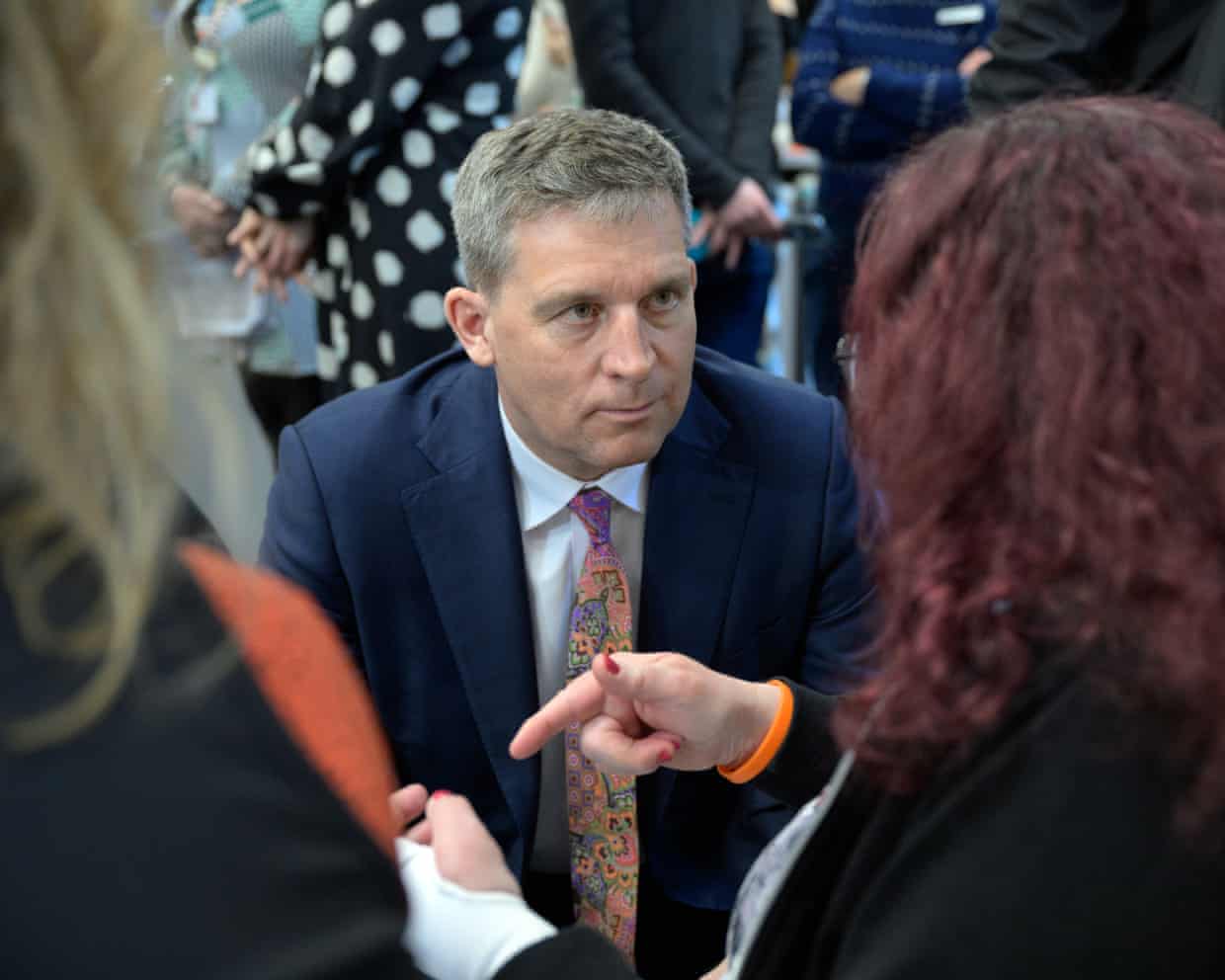
Pat had been in trouble with the police before, when she was 16 and had been spat out of the care system with no qualifications, no housing and no support. Nearly 50 years later, she heard a knock on the door again.There had been a fire in the estate where she lived, and another resident said she had seen Pat start it. “I was in the police station for nearly two days before I got to the magistrates court,” she said, worrying one finger over the top of her hand. “The magistrate said he was sending it to the crown court, and sending me to prison, basically
Robert Goodman obituary
In 1992 a man with poorly controlled schizophrenia climbed into the lions’ enclosure at London Zoo and was badly mauled. This and other horrifying incidents in the early 1990s prompted widespread concern about services for mentally ill people.Better statistics were urgently required. Official surveys initially focused on adults, but in 1999 the Office for National Statistics decided to survey children and young people’s mental health for the first time, turning to the child psychiatrist Robert Goodman to guide their team of psychologists and statisticians.As well as being a distinguished child psychiatrist, Goodman had invented two child psychiatric assessment tools that now underpin population surveys worldwide: the Strengths and Difficulties Questionnaire (SDQ) and the Development and Well-Being Assessment (DAWBA)

Kent meningitis outbreak: key questions answered
A sixth-form pupil and a university student in Kent have died and 11 people are believed to be seriously ill in hospital after an outbreak of a rare form of invasive meningitis. We take a look at the disease, and how the situation is being managed.Meningitis is a serious condition in which the membranes surrounding the brain and spinal cord are infected with bacteria or a virus and become inflamed. It can come on suddenly and can be fatal.The current outbreak appears to involve invasive meningococcal disease
Inquiry launched into HMRC anti-fraud scheme that wrongly cut child benefits
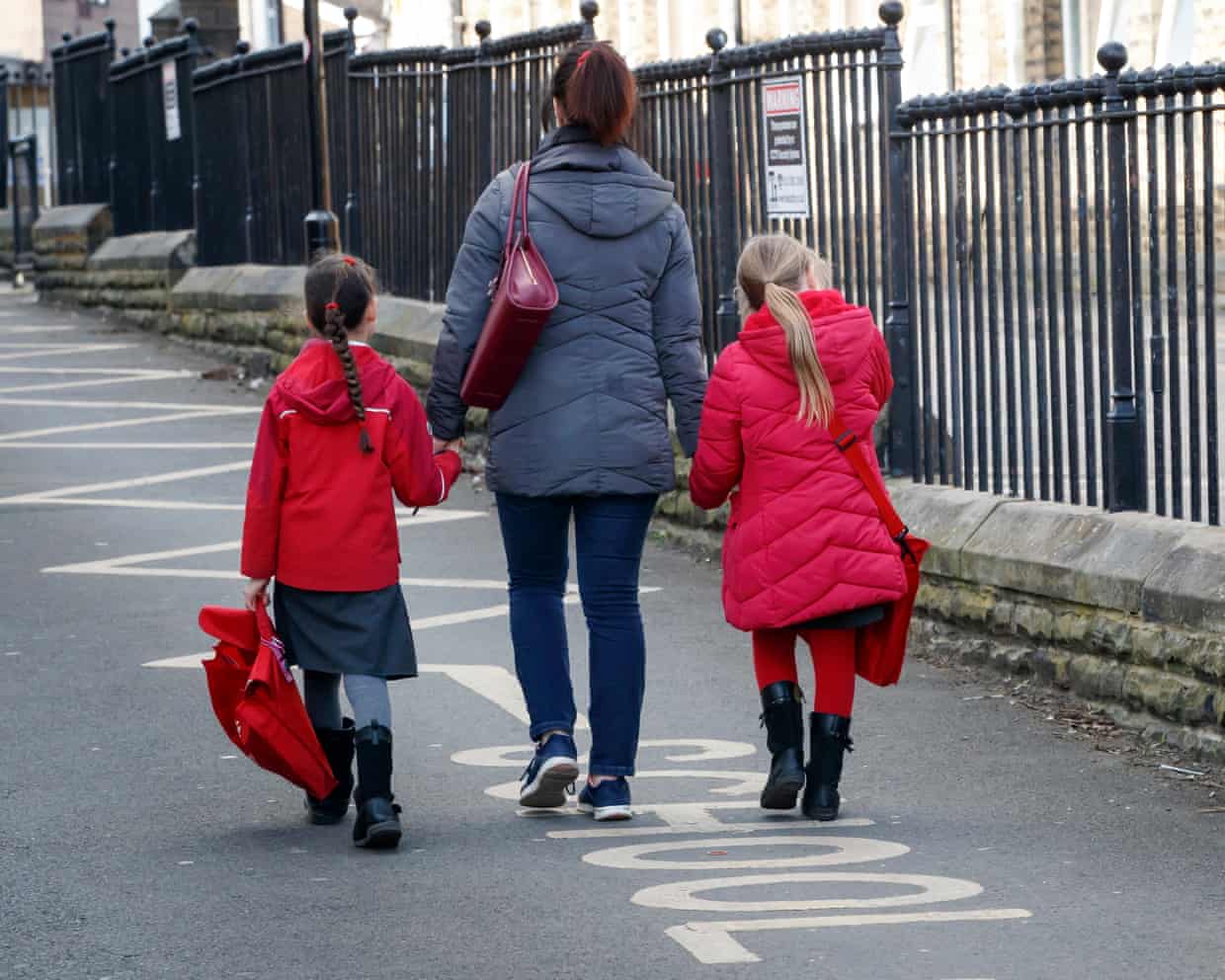
The UK’s public spending watchdog has launched an investigation into a controversial government anti-fraud scheme that resulted in thousands of families being wrongly stripped of their child benefit payments.The National Audit Office (NAO) will examine how HM Revenue and Customs designed and implemented a scheme that used flawed Home Office travel records to identify parents suspected of living abroad while still claiming child benefit.The inquiry follows a series of articles in the Detail and the Guardian which exposed how HMRC relied on faulty travel data which recorded outgoing journeys, including airline bookings that were never used, and frequently failed to record return journeys by holidaymakers and business travellers.HMRC took the data in good faith from the Home Office and ended up incorrectly suggesting that families had emigrated and were fraudulently claiming the support from abroad.Among those who hadn’t even flown abroad but were stripped of child benefit was a woman who did not board the plane after her child had an epileptic seizure at the departure gate, and another woman who did not travel to Norway after the wedding she was planning to attend was cancelled
More than 100 Labour MPs call on PM to stop assisted dying bill being blocked
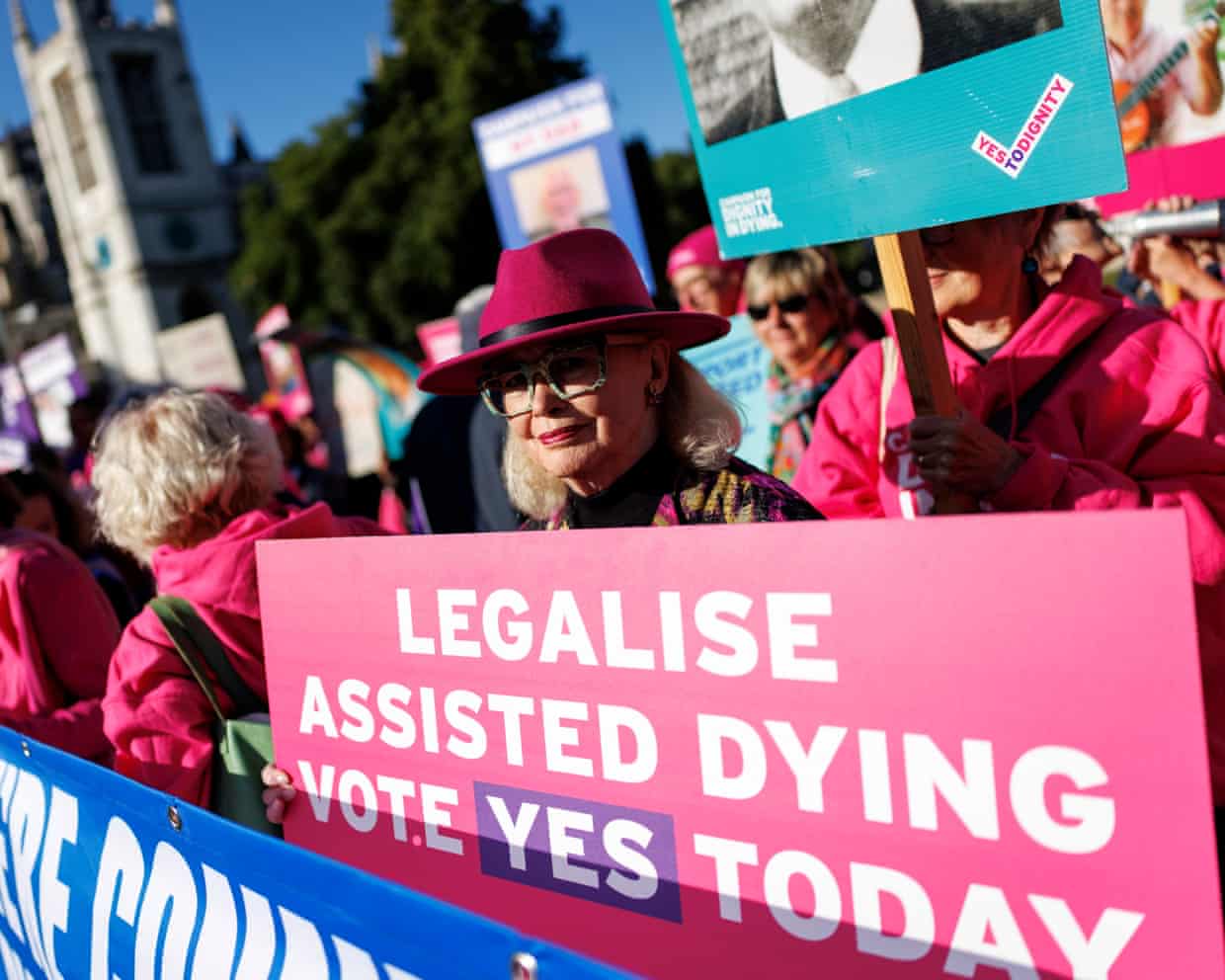
More than 100 Labour MPs have called on Keir Starmer to stop the House of Lords from blocking the assisted dying bill and give it more time to return to the Commons, with the legislation now certain to fall owing to lack of time.The private member’s bill, sponsored by Labour’s Kim Leadbeater, seeks to give terminally ill people in England and Wales with less than six months to live the right to an assisted death. It will fall when the parliamentary session comes to an end in May because peers have used multiple amendments and lengthy debates to prevent it from being put to a vote.A number of ministerial aides – parliamentary private secretaries – are also believed to have written to the prime minister separately. Ministers have told the Guardian they have also made the case to Starmer, saying it would be a moment to show some leadership on an issue popular with the public as well as a way to demonstrate he will not allow the Lords to block the will of the elected House of Commons

Fewer Britons giving to charity, study says, with donations down by £1.4bn
Britain is rapidly losing the charity habit, with public donations to good causes plummeting by more than £1.4bn last year and millions of people saying they can no longer afford – or do not want – to give, according to an analysis.The Charities Aid Foundation (Caf) said in its annual report that, while the British remained generous at heart, society was witnessing a big transformation in attitudes towards charitable giving. Just half of people gave to charity in 2025, down from 61% a decade earlier.Charity giving was no longer a “deeply embedded cultural norm” amid rising living cost pressures, and a more sceptical society, said the Caf managing director, Mark Greer: “Charities can no longer depend solely on habitual generosity or goodwill from the public,” he said

Jimmy Kimmel on Trump being gifted an Olympic medal: ‘Yet another award he didn’t win’

Seth Meyers on Pete Hegseth: ‘The face of a man war-fighting with his colon’
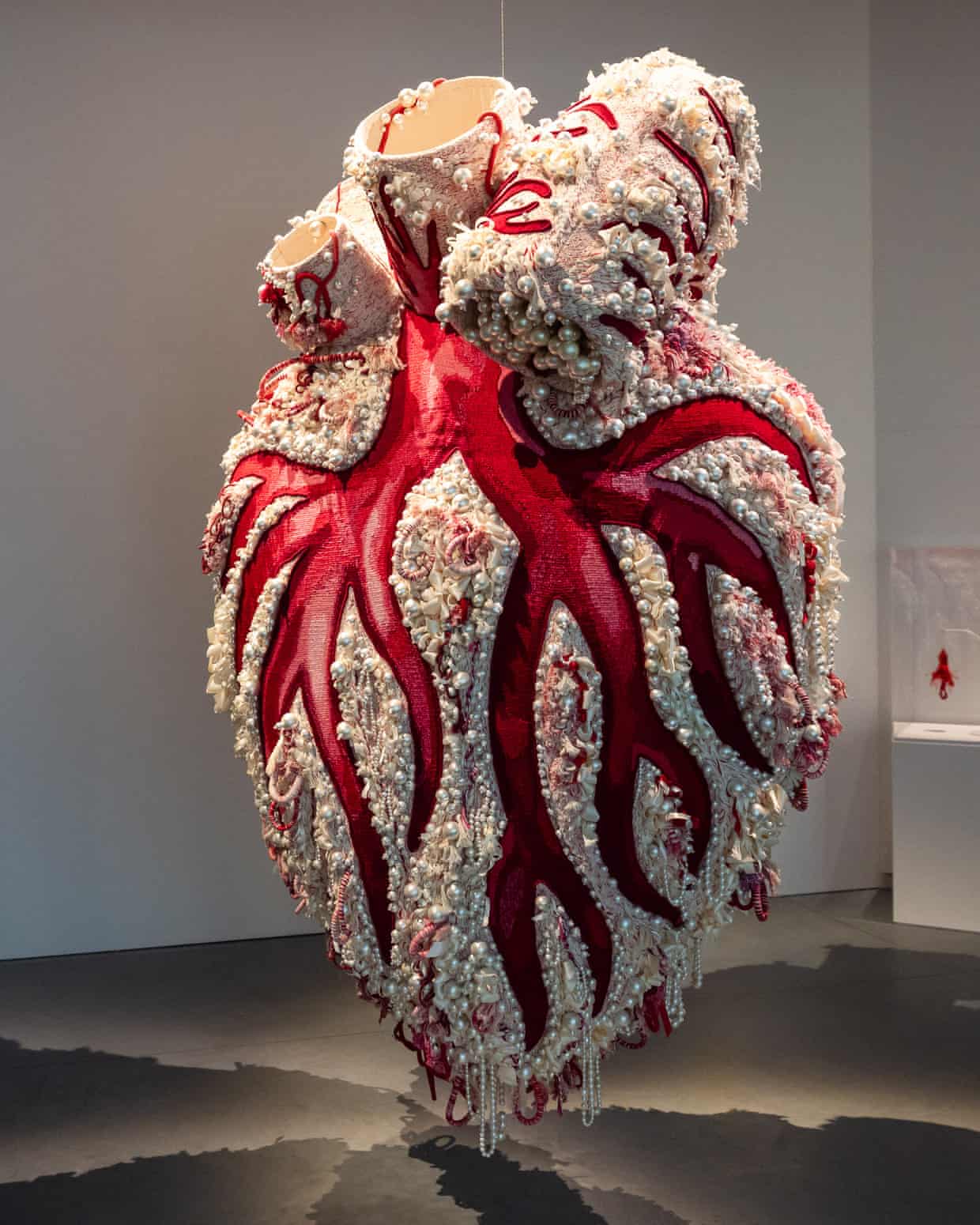
Sydney Biennale 2026: politics is everywhere – but with nuance, beauty and heart
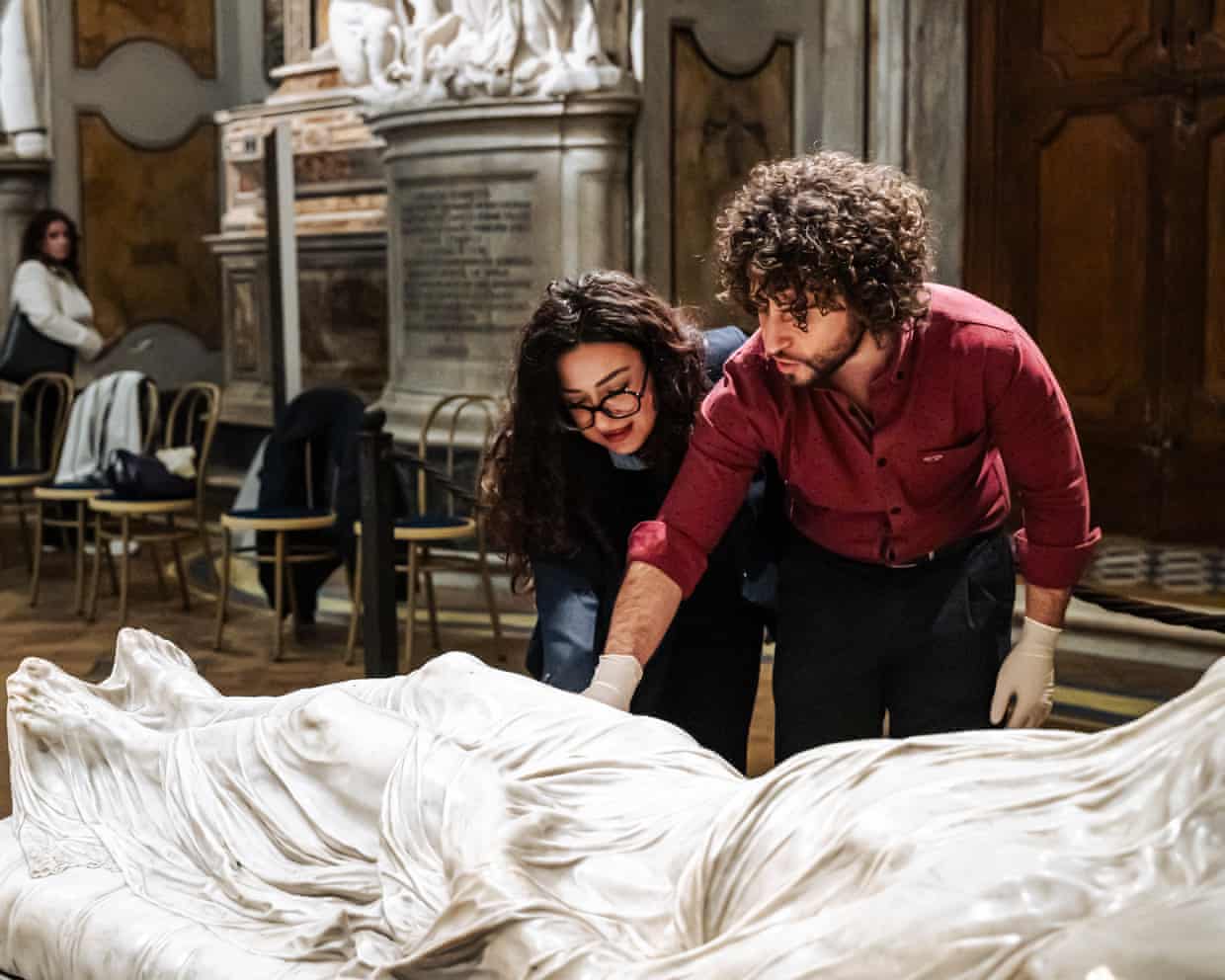
Naples museum to allow visually impaired visitors to experience art through touch

Jimmy Kimmel on Pentagon splurging on doughnuts: ‘Is this My 600lb Defense Department?’

Stephen Colbert on US war in Iran: ‘We’re still no closer to learning what the goal is’