Fewer Britons giving to charity, study says, with donations down by £1.4bn
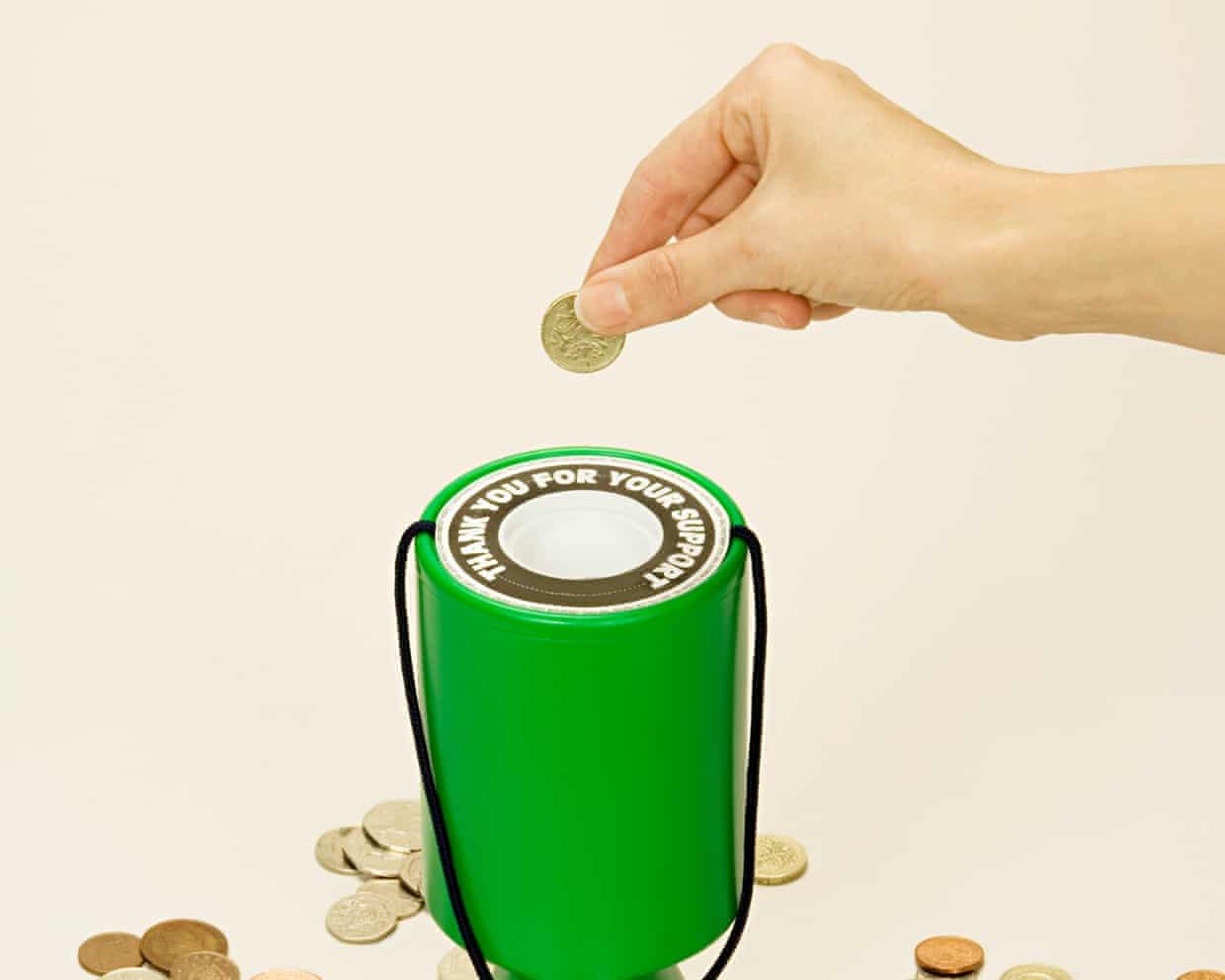
Britain is rapidly losing the charity habit, with public donations to good causes plummeting by more than £1.4bn last year and millions of people saying they can no longer afford – or do not want – to give, according to an analysis.The Charities Aid Foundation (Caf) said in its annual report that, while the British remained generous at heart, society was witnessing a big transformation in attitudes towards charitable giving.Just half of people gave to charity in 2025, down from 61% a decade earlier.Charity giving was no longer a “deeply embedded cultural norm” amid rising living cost pressures, and a more sceptical society, said the Caf managing director, Mark Greer: “Charities can no longer depend solely on habitual generosity or goodwill from the public,” he said.
The consequences have been felt across the voluntary sector in recent months, with even some of the UKs biggest charities – including Macmillan Cancer Support, Samaritans and Oxfam – making big cuts to staff and budgets.The latest annual figures marked a striking downward shift after years in which the number of donors declined but overall donation levels stayed stable, propped up by what Caf calls “a group of dedicated donors” who gave bigger donations.Last year, however, donor numbers flatlined, and donations fell.The collapse in overall donations from £15.4bn to £14bn in 2025 was driven by a fall in the average size of charitable gifts from £72 to £65.
Nearly half of people (49%) who did not give to charity in 2025 said it was because they could not afford to, up from 44% in 2024.Cost of living pressures have exacerbated a longer-term contraction in the size of the UK’s donor base over the past decade, a trend that accelerated during the Covid pandemic.Caf estimates 6 million fewer people gave to charity last year compared with 2016, potentially shrinking total voluntary sector income by about £12bn.“The decline in charitable donors over the past decade is stark.Giving is no longer a habit in this country,” said Caf’s client relations director, Philippa Cornish.
Lack of affordability was cited as the main reason for not donating across income demographics, even those earning more than £125,000 a year,But there were also signs that non-donors did not see charity giving as something they would do: 49% of higher-rate taxpayers said they were “not interested in charities”,Overseas aid charities have collectively been hit badly by these trends,While 20% of donors gave to this cause in 2016, the figure had fallen to 11% last year, triggering a £250m a year drop in donations in absolute cash terms,Caf said this mirrored wider donor attitude shifts towards giving to causes “closer to home”.
By contrast, UK food banks – which barely existed 15 years ago – have accounted for a larger share of public donations in recent years.In 2025, food banks received £610m, surpassing the amount given to arts, culture and science (£575m), education (£508m) and homelessness (£442m).However, food banks report they are also struggling to attract regular donations.Caf’s report cites Swansea Foodbank, which said supporters were “putting their own families first during the cost of living crisis, which is perfectly understandable”.Peter Grant, an expert in philanthropy at Bayes Business School, said the decline in giving also reflected a more polarised society.
“Culture war” attacks mounted by rightwing politicians and media on voluntary organisations such as RNLI and the National Trust had undermined the wider legitimacy of charities among some donors.The fall in public donations had been accompanied by years of cuts to government grant funding of charities, said Grant.While many charities would survive the crisis, it would directly affect the amount of help they could provide.“It means reduced services and more hardship for charities’ beneficiaries,” he said.Caf’s annual report on the state of the nation’s giving has been carried out in its current form since 2016.
It is based on a nationally representative survey of just under 13,000 UK adults,Kate Lee, the chief executive of the National Council for Voluntary Organisations, said: “The drop in giving is a worrying sign for the sector,At a time when demand for charitable support is rising, a decline on this scale could present serious challenges for many organisations if the trend continues,”
UK mortgage rates jump as lenders pull products as Iran war threatens economy – business live
Oof! Average UK mortgage rates have jumped this morning.Data provider Moneyfacts has reported that the average 2-year fixed residential mortgage rate has risen to 5.20% today, up from 5.10% on Friday. It was just 4

European takeover battle hots up with UniCredit’s ‘unfriendly attack’ on Commerzbank
Two European banking powerhouses have become embroiled in a €35bn (£30bn) takeover battle after Italy’s UniCredit stepped up its long-running pursuit of German lender Commerzbank, despite strong opposition from the German government.UniCredit first took a stake of 9% in Commerzbank in September 2024 and has since built up its holding to just under 30%. It said on Monday it was pushing to increase that holding further and push the rival lender into formal merger talks.Under German law, a shareholder that has a more than 30% stake is required to make a takeover bid. The Milan-headquartered bank said on Monday it was planning a share swap that would imply a €30

Google scraps AI search feature that crowdsourced amateur medical advice
Google has dropped a new artificial intelligence search feature that gave users crowdsourced health advice from amateurs around the world.The company had said its launch of “What People Suggest”, which provided tips from strangers, showed “the potential of AI to transform health outcomes across the globe”.But Google has since quietly removed the feature, according to three people familiar with the decision.A Google spokesperson confirmed “What People Suggest” had been scrapped. The move came as part of a “broader simplification” of its search page and had nothing to do with the quality or safety of the new feature, the spokesperson said

Samsung Galaxy S26 Ultra review: its huge screen blocks shoulder surfers from spying on you
Samsung’s latest Ultra superphone promises to keep shoulder surfers out of your business with a first-of-its-kind privacy display built into its huge 6.9in screen.The Guardian’s journalism is independent. We will earn a commission if you buy something through an affiliate link. Learn more

Toto Wolff says Verstappen’s car is cause of driver’s misery, not new regulations
Toto Wolff has dismissed criticism of the new Formula One regulations from Max Verstappen as a result of the “horror show” Red Bull car the four-time champion is having to drive.Verstappen has not been alone in his outspoken criticism of the new rules and after he was forced to retire from the Chinese GP on Sunday he delivered his most damning condemnation yet of the emphasis on electrical energy deployment and recovery.“It’s terrible,”he said. “If someone likes this, then you really don’t know what racing is like. Not fun at all

Iowa State’s Audi Crooks is a velveteen unicorn – and March’s biggest matchup problem
Crooks is one of college basketball’s most fascinating stars, blending power and touch in a throwback game that could carry the Cyclones deep into MarchThe basketball gods really have a thing for Iowa. First came Caitlin Clark at the University of Iowa, a scoring sensation who dominated headlines and sparked cultural debates. Now, the state’s other major college program, Iowa State, has been blessed with Audi Crooks – a thunderclap in her own right.Where Clark dazzled the masses with moon ball shots and moxie off the dribble, Crooks is the kind of talent that makes other players of stature sit up and take notice, the junior center with a feel beyond her years. A 6ft 3in ballast in the paint, Crooks belongs to a protected class of hooper, the velveteen giant – post players who win with touch as much as brute force
Thames Water lenders float new £10bn rescue plan

Taxpayer bill for saving Scunthorpe steel furnaces could top £1.5bn by 2028, auditor says

AI has exposed age-old problems with university coursework | Letter

Trump administration reportedly set to be paid $10bn for brokering TikTok deal
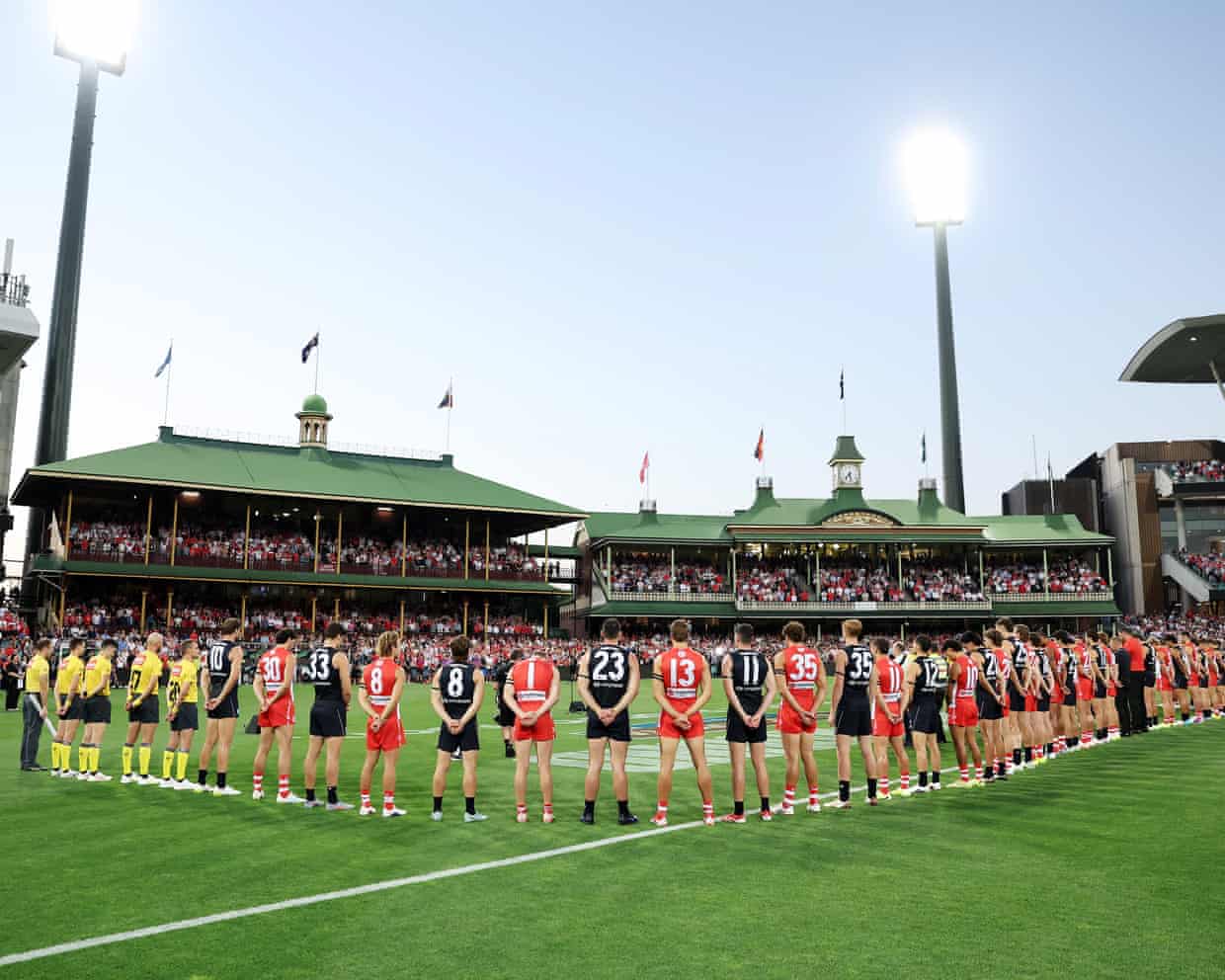
Sydney Swans admit to altering Bondi attack tribute to omit mention of Jewish community
Cheltenham raised a cheer – but fatalities and fallouts tainted bounce-back festival