Recreational drugs can more than double risk of stroke, study suggests
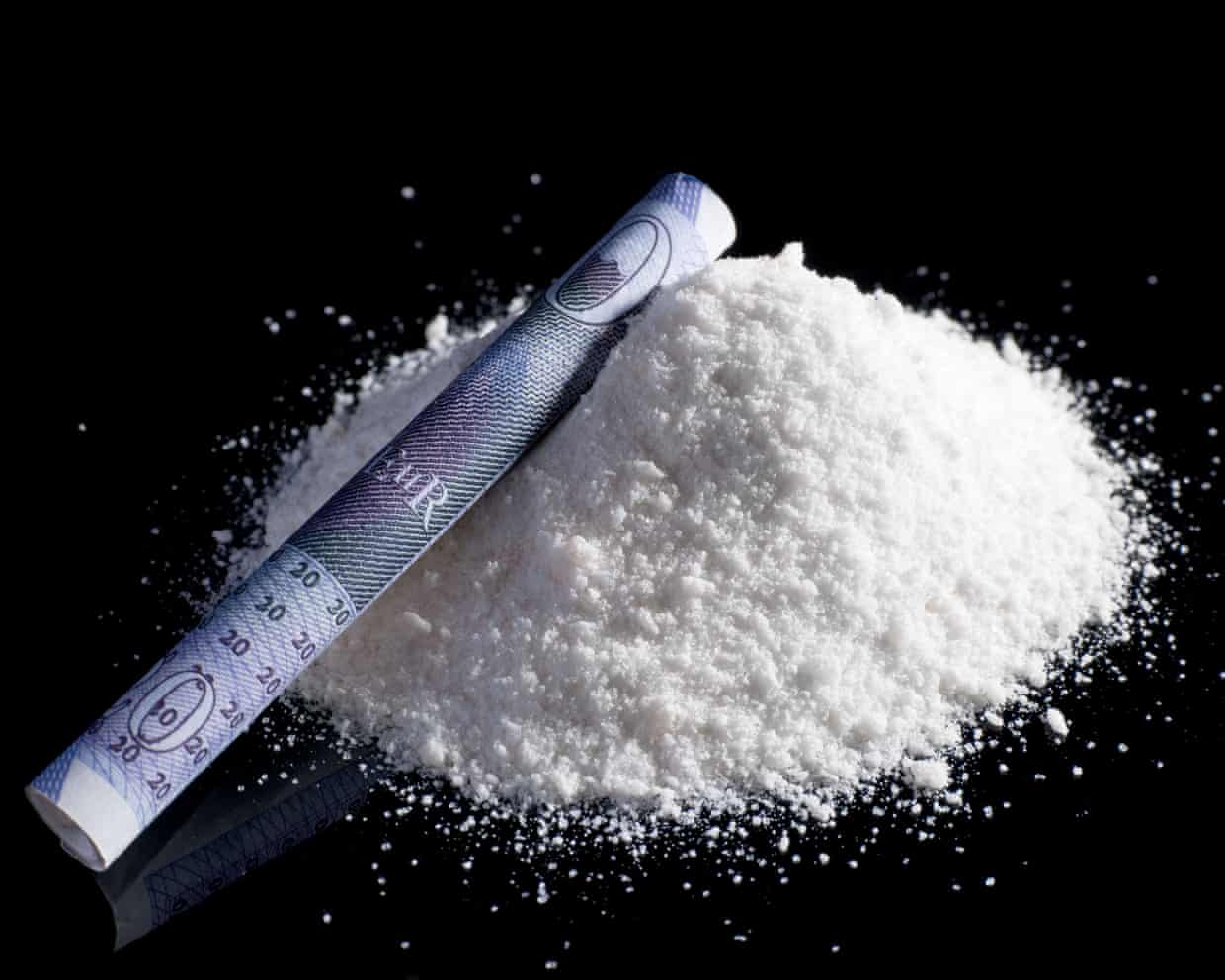
Recreational drugs can more than double the risk of stroke, with some of the most concerning impacts seen among younger people, a major review suggests,Scientists analysed medical data from more than 100 million people and found that the risk of stroke was 122% higher for amphetamine users and 96% higher for cocaine users compared with those who did not take the drugs,Cannabis users were also at greater risk, suffering 37% more strokes than non-users, the review found, though researchers saw no evidence that opioids, a highly addictive painkiller, added to a person’s risk of stroke,The rise in strokes observed in connection with some drugs was not confined to older people,When researchers focused on under-55s, they saw a near tripling in stroke risk among amphetamine users.
The additional risk linked to cannabis was a more modest 14% in the age group, while the risk from cocaine was much the same at 97%,Dr Megan Ritson, a research associate at the University of Cambridge and first author on the study, said: “Illicit drug use is a preventable stroke risk, but I don’t know if young people are aware how high the risk is,“This is the first finding that has shown how different substance use disorders really can impact stroke risk,”Strokes occur when blood vessels in the brain become blocked or burst,This disrupts the blood supply to brain cells, causing them to die.
Stroke is the third leading cause of death and disability worldwide, leading to more than 7million deaths annually.Millions more are left with permanent disabilities, ranging from paralysis to speech and cognitive impairment.The researchers pooled data from 32 studies on stroke and recreational drugs, involving more than 100 million people, to see which substances, if any, were associated with a greater risk.This revealed links between drug use and strokes, but it could not prove the drugs were to blame: drug users may simply be more prone to strokes for other reasons, such as poorer general health.To delve deeper, the researchers ran more analyses to see if drugs were the probable cause of higher stroke risk.
They looked at whether people who were genetically predisposed to having a drug disorder were more likely to suffer a stroke and found they were.The finding bolstered the suspicion that drugs were to blame, rather than drug users being at greater risk for other reasons.Details are published in the International Journal of Stroke.The drugs appear to raise stroke risk in multiple ways.Amphetamines and cocaine can send blood pressure soaring, but also constrict blood vessels in the brain, potentially explaining why users are at greater risk of both bleeds and blockages in the brain.
Cocaine also seems to accelerate atherosclerosis, where cholesterol, fat and other substances build up in arteries, causing them to harden and narrow.Cannabis constricts blood vessels too, and may exacerbate the problem by encouraging the formation of blood clots.The findings are a concern as global recreational drug use has risen over the past decade.According to the UN, about 300 million people now consume illicit drugs regularly, with an estimated 228 million using cannabis, 30 million using amphetamines and 23 million using cocaine.Juliet Bouverie, the chief executive at the Stroke Association, said: “These substances put a person’s cardiovascular system under huge amounts of stress which can lead to increased blood clotting, narrowing of blood vessels and damage to the circulatory system – all of which can lead to stroke.
Regular use of cocaine can also lead to high blood pressure, which is the cause of around half of all strokes,“More people of all ages are having strokes which is leaving 240 people every day with life-changing disabilities – yet nine out of 10 strokes are preventable,We strongly advise that people follow simple steps to live a healthy lifestyle and reduce their risk of stroke including eating a colourful diet, not drinking too much alcohol, getting regular exercise, and not smoking, vaping, or taking any illegal drugs,”

Cancer death rate in Britain down by almost a third since 1980s
The rate of people dying from cancer in the UK has fallen by almost a third since the 1980s amid seismic progress in prevention, diagnosis and treatment, a report has found.About 247 in every 100,000 people die from cancer each year, a 29% drop from the peak in 1989 of about 355 per 100,000, according to an analysis by Cancer Research UK (CRUK).Cancer remains Britain’s biggest killer, causing about one in four deaths, and survival rates lag behind a number of European countries, including Romania and Poland.However, in the past decade alone, the rate of people dying from cancer has fallen by 11%. The death rate for ovarian cancer dropped by 19% between 2012-2014 and 2022-2024, stomach cancer fell by 34% and lung cancer 22%

NHS England pauses new referrals for masculinising or feminising hormone treatment in under-18s
The NHS is pausing new referrals for masculinising or feminising hormone treatment for 16 and 17-year-olds after an in-depth review found there was insufficient evidence to support its continued use.Prescriptions for hormones had been available in England for under-18s with a diagnosis of gender incongruence or dysphoria who met certain criteria.But after the Cass review, NHS England commissioned its own review of all the available clinical evidence. That review has now concluded and found the evidence did not back the continued use of the treatment for 16 and 17-year-olds.In her review of children’s gender care, Hilary Cass had recommended “extreme caution” in providing such treatment and a “clear clinical rationale for providing hormones at this stage rather than waiting until an individual reaches 18”
Recreational drugs can more than double risk of stroke, study suggests
Recreational drugs can more than double the risk of stroke, with some of the most concerning impacts seen among younger people, a major review suggests.Scientists analysed medical data from more than 100 million people and found that the risk of stroke was 122% higher for amphetamine users and 96% higher for cocaine users compared with those who did not take the drugs.Cannabis users were also at greater risk, suffering 37% more strokes than non-users, the review found, though researchers saw no evidence that opioids, a highly addictive painkiller, added to a person’s risk of stroke.The rise in strokes observed in connection with some drugs was not confined to older people. When researchers focused on under-55s, they saw a near tripling in stroke risk among amphetamine users

Martha’s rule may have saved 400 lives so far in England, figures show
More than 400 lives may have been saved as a result of Martha’s rule, which lets NHS patients request a review of their care, official figures reveal.Helplines received more than 10,000 calls in the first 16 months of the scheme after its introduction in England in 2024, according to data seen by the Guardian. Thousands of patients were either moved to intensive care, received drugs they needed or benefited from other changes as a direct result of the calls.The system is named after Martha Mills, 13, who died in 2021 from sepsis after a bicycle accident. A coroner found she would probably have survived if she had been moved to the intensive care unit at King’s College hospital in London when she began deteriorating
How ADHD diagnosis helped my mental health | Letters
In suggesting there is a possibility that we all lie somewhere on an ADHD continuum, your correspondent (Letters, 27 February) is missing the point.ADHD – and autism – are neurodiversities, meaning that the brains of individuals with ADHD and/or autism are “wired” differently from those of people with “typical” brains. In other words, you either have it or you don’t. To suggest that everyone is a bit ADHD or a bit autistic is insulting to those of us who actually are ADHD/autistic, and diminishes our lived experience. Yes, self-help tools can be useful

Labour should aim to end sexual exploitation, not just curb its visibility | Letter
Your editorial on adult services websites (4 March) rightly raises urgent questions about platform harm and the government’s responsibility to act.Unseen’s modern slavery helpline indicated 799 potential victims of sexual exploitation in 2025. Reports of child sexual exploitation more than doubled in 2024 – from 53 to 110. These are not projections. They are cases reported directly to us by victims and frontline workers with nowhere else to call

Stock markets plunge after oil surges over $100 a barrel, wiping out hopes of UK interest rate cut – business live

UK interest rate cuts unlikely this year amid Iran war – and a rise could be ahead
Liverpool and Manchester United complain to X over ‘sickening’ Grok AI posts

How AI firm Anthropic wound up in the Pentagon’s crosshairs

England handed tough Six Nations 2027 opener with Friday night trip to Dublin
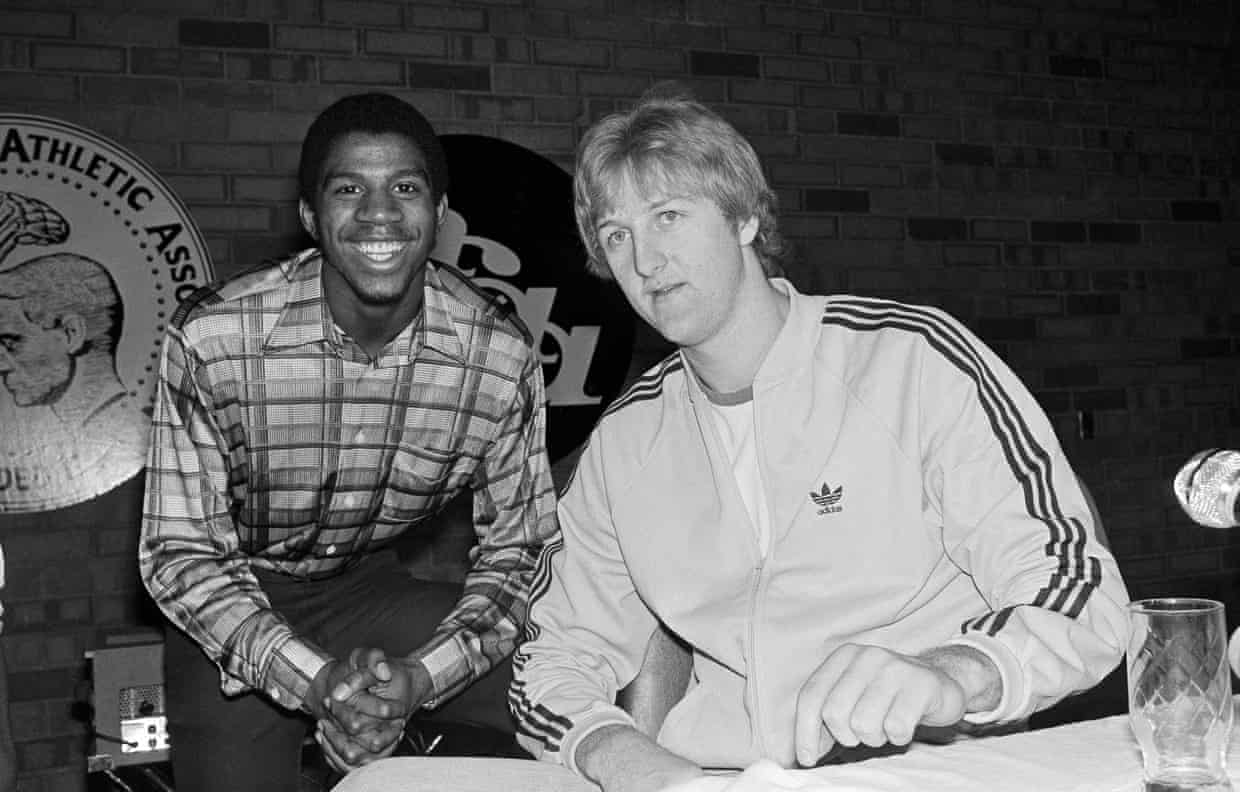
‘He had to shoulder tragedy alone’: How Larry Bird’s rise almost ended before it began