‘He had to shoulder tragedy alone’: How Larry Bird’s rise almost ended before it began
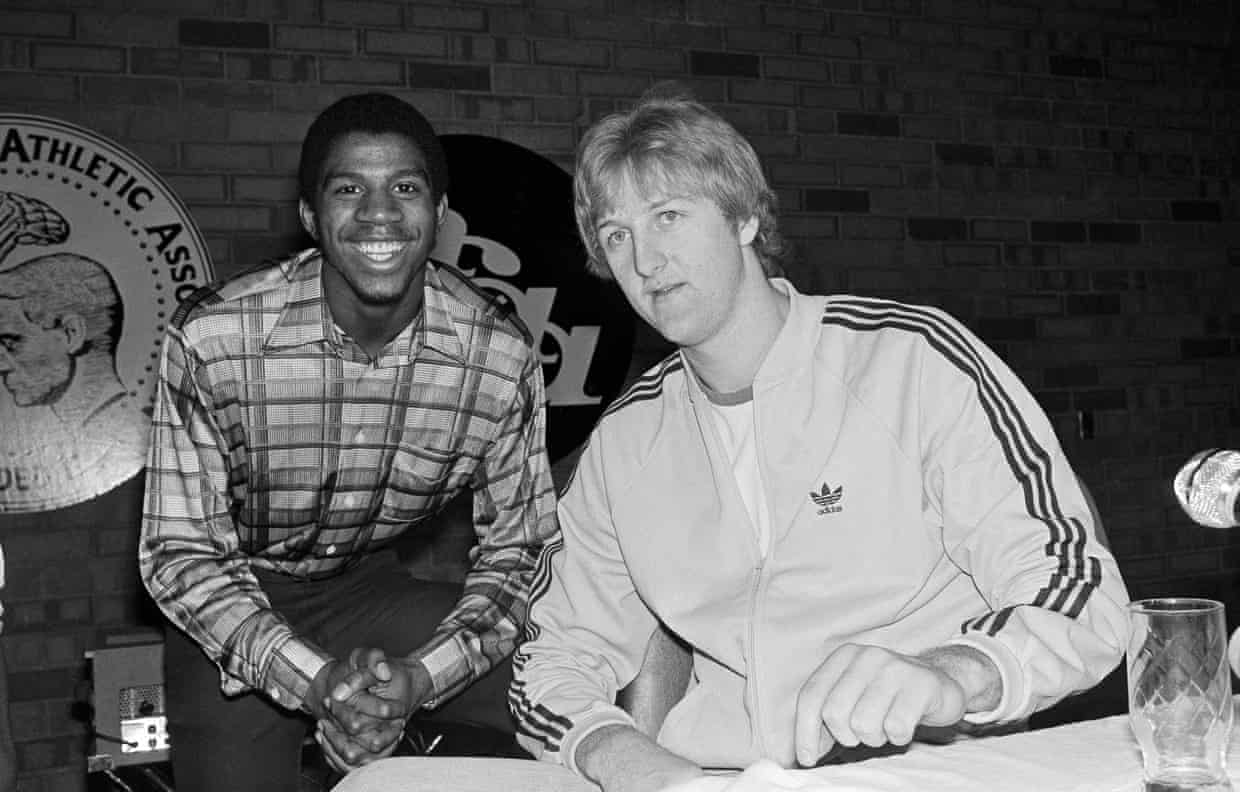
How otherworldly was Larry Bird during his memorable season for Indiana State in 1978-79? At one point he made an assist while sprawled on the floor: From his end of the court, he made a one-armed throw to a teammate, who streaked coast-to-coast for a quick bucket.That season ended with an epic showdown in the NCAA championship game against Magic Johnson and Michigan State.Magic got the better of Bird in that game, but the contest had wider repercussions.Not only did it spark interest in the NCAA Tournament, but Bird and Magic would help revitalize the NBA, after Bird joined the Boston Celtics and Magic the Los Angeles Lakers.But none of this was preordained, especially Bird’s trajectory.
Bird emerges as the ultimate against-the-odds story in a new book – Heartland: A Forgotten Place, An Impossible Dream, and the Miracle of Larry Bird by Keith O’Brien.The author, who previously wrote a biography of the late, controversial Cincinnati Reds star Pete Rose, turns his lens to Bird and the many obstacles he faced.“I was drawn to that origin story – his rise in rural Indiana in the 1970s and how it almost does not happen at all,” O’Brien says.“…The rise of Larry Bird is one of the most unlikely American sports stories of the past 50 years.”Stretching nearly 400 pages, the book devotes much of that space to examining what stood in Bird’s path.
O’Brien chronicles a troubled early family life in French Lick, Indiana, including the suicide of Bird’s father, a veteran of the second world war and Korea,“A suicide is a trauma for a family, for a child, for a teenager,” O’Brien says,“We know that now in 2026 … In a lot of ways, Larry Bird really had to shoulder this tragedy and this grief alone,”Bird was 18 when he lost his father in February 1975,The previous fall, he had gone to the University of Indiana to play for a coach with a growing reputation, Bobby Knight.
But he left Bloomington without ever playing a game for the Hoosiers,Returning to French Lick, he played briefly for a vocational school, then for an industrial league, then got a job hauling garbage,And that’s where he was in April 1975 when a similarly down-on-his-luck assistant coach connected with him: Bill Hodges of Indiana State,“Bill Hodges is an unsung hero in this story,” O’Brien says,“Without Bill Hodges, I’m not sure we would have ever known Larry Bird’s name at all.
”Hailing from another small town in Indiana – Zionsville – Hodges was on his third job in as many years,He had seen Bird play twice, liked what he saw, and drove to French Lick bent on recruiting him despite Bird’s resistance,“Bill Hodges was a lot like Larry Bird,” O’Brien says,“He was stubborn, he was persistent … he knew what it felt like to be poor in Indiana,Those two men, Bill Hodges and Larry Bird, really connected on a personal level, which ultimately coaxed Bird … to reenroll in college and come to Indiana State.
”The book contrasts the small-town school in Terre Haute with its much larger counterpart in Bloomington.The schools’ basketball programs were headed in different directions too: The Indiana State Sycamores drew sparse crowds and risked dropping to Division II, while the Indiana Hoosiers would win the 1976 NCAA championship.Yet Bird benefited from his time in Terre Haute under head coach Bob King.“For a kid like Larry Bird, it’s a place that felt more like home,” O’Brien says.Meanwhile, King and his staff started assembling a strong team around Bird.
Progress was not necessarily linear – there were back-to-back exits from the National Invitation Tournament, the second punctuated by Bird getting into it with a Rutgers fan,Bird was notably reticent around the media, including journalists who asked about Bird’s early, brief marriage from which he had a daughter,Eventually, the national media was paying attention to his play on the court, with Sports Illustrated even putting him on the cover in November 1977 as “College Basketball’s Secret Weapon,” with two Indiana State cheerleaders urging the reader to keep quiet,By Bird’s senior year, the Sycamores had something special in terms of team chemistry,“It’s the classic story,” O’Brien says.
“Not just for sports, but life, business, anything,The guys in the [locker] room get along with each other,They’re friends,They’re not nearly as talented on paper as the year before,But it just works.
”It worked to the point where the Sycamores got key contributions from across the roster – including Bird’s roommate Bob Heaton, who made two memorable shots that season.And they also got great coaching from Hodges, who had to step in after King suffered a heart attack, and then was diagnosed with a brain aneurysm, before the season started.As the Sycamores remained undefeated week after week, interest in Bird grew not only within the NCAA, but also in the NBA.O’Brien delves into the complex racial dimensions of what made Bird appealing to a league that was struggling to attract an audience.“NBA executives, GMs, scouts, TV executives spoke about how important it was that Larry Bird was white,” O’Brien says.
“It was an important aspect for the NBA, the business of the NBA at the time.In 1978-79, in the midst of Indiana State’s miracle season, Larry Bird’s miracle season, the NBA is teetering on the edge of obscurity.It draws abysmal TV ratings … In a lot of ways, in the minds of NBA executives at that time, Larry Bird was a quick fix, a solution.”Bird, who by his senior year had neither played in the NCAA Tournament nor in a televised game, would get plenty of airtime during the Big Dance.After the Sycamores fended off Sidney Moncrief and Arkansas in the Final Four, they had a dream matchup with Magic and Michigan State in the final.
It was something of an anticlimax for Bird and Indiana State – he scored 19 points in the Sycamores’ 75-64 loss,Yet when the Sycamores returned to Terre Haute, they were greeted by a rousing rally from fans who had followed that memorable season, start to finish,And an NBA rivalry with Magic was in the wings,“Bird and Magic are going to define the next decade in pro basketball,” O’Brien says,“In a lot of ways, they’re going to save pro basketball.
”Meanwhile, a CBS executive named Kevin O’Malley was impressed by the marquee matchup in the NCAA final and by that year’s tournament in general.As detailed in the book, he eventually conceived an idea for what has become a rite of spring: The NCAA Tournament selection show.But as Bird finally made good on his potential in 1978-79, and paved the way for stardom in the NBA, there was one more moment that could have changed everything.It happened in a regular-season matchup against New Mexico State, in which Indiana State trailed by two with three seconds left.New Mexico State star Greg Webb stood at the line for a one-and-one.
If he made the first free-throw, it would have ended the Indiana State win streak.Instead, he missed.The Sycamores’ Brad Miley grabbed the rebound and fed teammate Bob Heaton for an improbable halfcourt shot to tie the game.Indiana State won in overtime, a perfect season still within reach.“I tracked down Greg Webb,” O’Brien says.
“He did remember [that moment], did want to talk about it,Greg Webb told me the miss and the failure in 1979 was devastating to him,“Looking back on it through the prism of time, he felt maybe it’s he, Greg Webb, who deserves credit for starting March Madness,If he makes the free throw, maybe Larry Bird does not get there at all,”
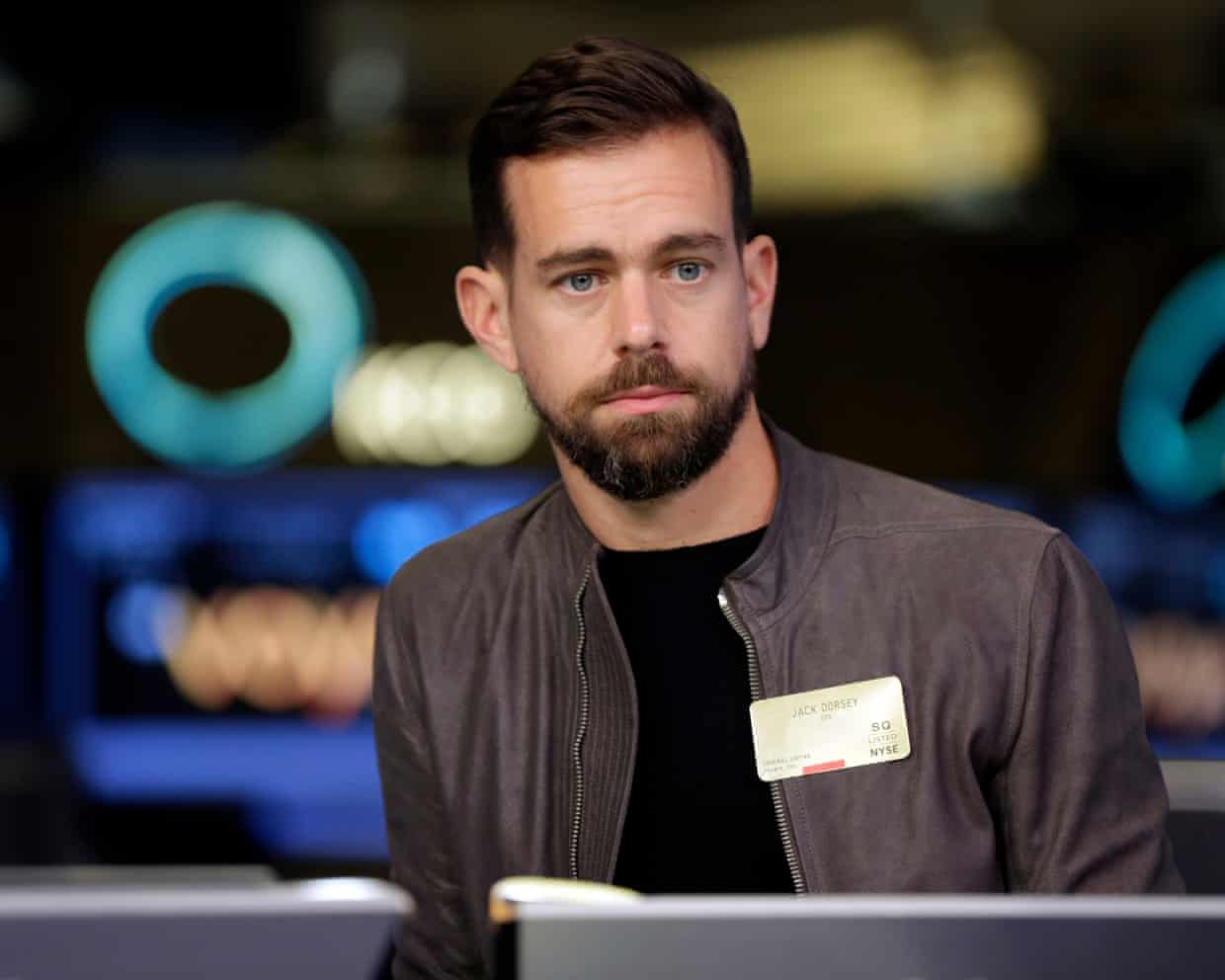
Current and former Block workers say AI can’t do their jobs after Jack Dorsey’s mass layoffs: ‘You can’t really AI that’
Mark remembers the first time he wondered whether he was teaching Block’s AI tools how to do his job – and maybe even replace him. He was at his fintech company’s extravagant anniversary party last September. As executives led a presentation on the productivity benefits of a new internal AI tool, Mark, who worked in the product department, discussed his worries with colleagues. While he wasn’t sure what would happen in a few years, he told a co-worker sitting next to him that for now, there was no way the technology was so advanced that it could move the business forward without employees like him to help drive vision and strategy.These AI tools were not proactive
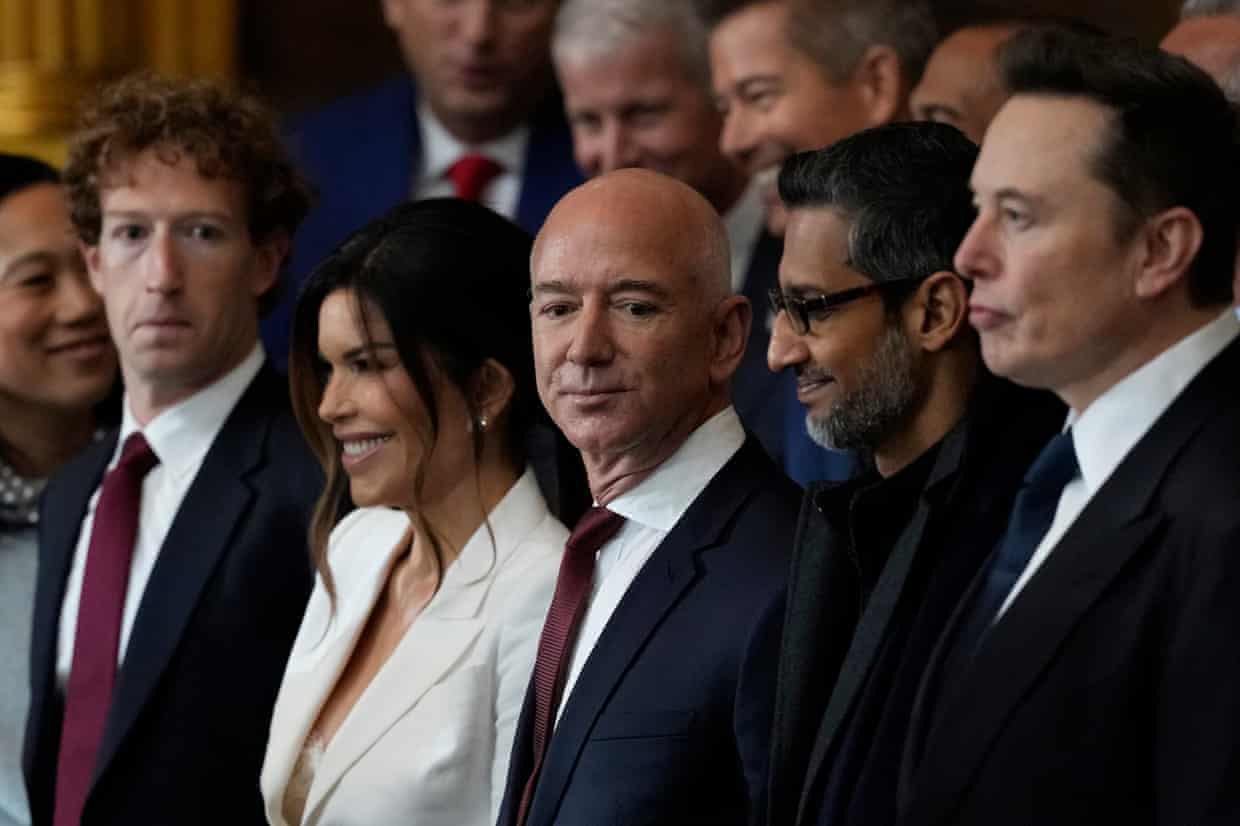
Tech oligarchs reshape humanity while billionaires of old seem quaint
When Bill Gates became the first modern IT mogul to reach the apex of wealth and power in 1992, the world was a very different place. Gates joined the top 10 on Forbes magazine’s billionaires list alongside Japanese, German, Canadian, South Korean and Swedish billionaires, including those with family fortunes from Britain and America. A broad mix of industries was on the list: Retail and media, property management and packaging, an investment firm and a couple of industrial conglomerates. Their fortunes almost added up to $100bn – equivalent to about 0.4% of the US’s GDP that year

AI chatbots point vulnerable social media users to illegal online casinos, analysis shows
AI chatbots are recommending illegal online casinos to vulnerable social media users, putting them at increased risk of fraud, addiction and even suicide.Analysis of five AI products, owned by some of the world’s largest tech companies, found that all could easily be prompted to list the “best” unlicensed casinos and offer tips on how to use them.These operators, operating typically under the fig leaf of a licence from tiny jurisdictions such as the Caribbean island of Curacao, have been linked to fraud, addiction and even suicide.But tech firms appear to have few controls in place to prevent AI chatbots recommending them, drawing condemnation from the government, the UK gambling regulator, campaigners and a leading addiction expert.Some of the bots offered advice on bypassing checks designed to protect vulnerable people, while Meta AI, part of the social media group behind Facebook, described legally required measures to prevent crime and addiction as a “buzzkill” and a “real pain”

What does the US military’s feud with Anthropic mean for AI used in war?
Anthropic’s ongoing fight with the Department of Defense over what safety restrictions it can put on its artificial intelligence models has captivated the tech industry, acting as a test of how AI may be used in war and the government’s power to coerce companies to meet its demands.The negotiations have revolved around Anthropic’s refusal to allow the federal government to use its Claude AI for domestic mass surveillance or autonomous weapons systems, but the dispute also reflects the messy nature of what happens when tech companies have their products integrated into conflict. The Pentagon this week declared Anthropic a supply chain risk for its refusal to agree to the government’s terms, while Anthropic has vowed to challenge the designation in court.The Guardian spoke with Sarah Kreps, a professor and director of the Tech Policy Institute at Cornell University who previously served in the United States air force, about how the feud has played out.You’ve worked for a while on problems around “dual use technology”
The Guardian view on AI in war: the Iran conflict shows that the paradigm shift has already begun
“Never in the future will we move as slow as we are moving now,” the UN secretary-general, António Guterres, warned this week, addressing the urgent need to shape the use of artificial intelligence. The speed of technological development – as well as geopolitical turbulence – is collapsing the distinction between theoretical arguments and real world events. A political row over the US military’s AI capabilities coincides with its unprecedented use in the Iran crisis.The AI company Anthropic insisted that it could not remove safeguards preventing the Department of Defense from using its technology for domestic mass surveillance or autonomous lethal weapons. The Pentagon said it had no interest in such uses – but that such decisions should not be made by companies
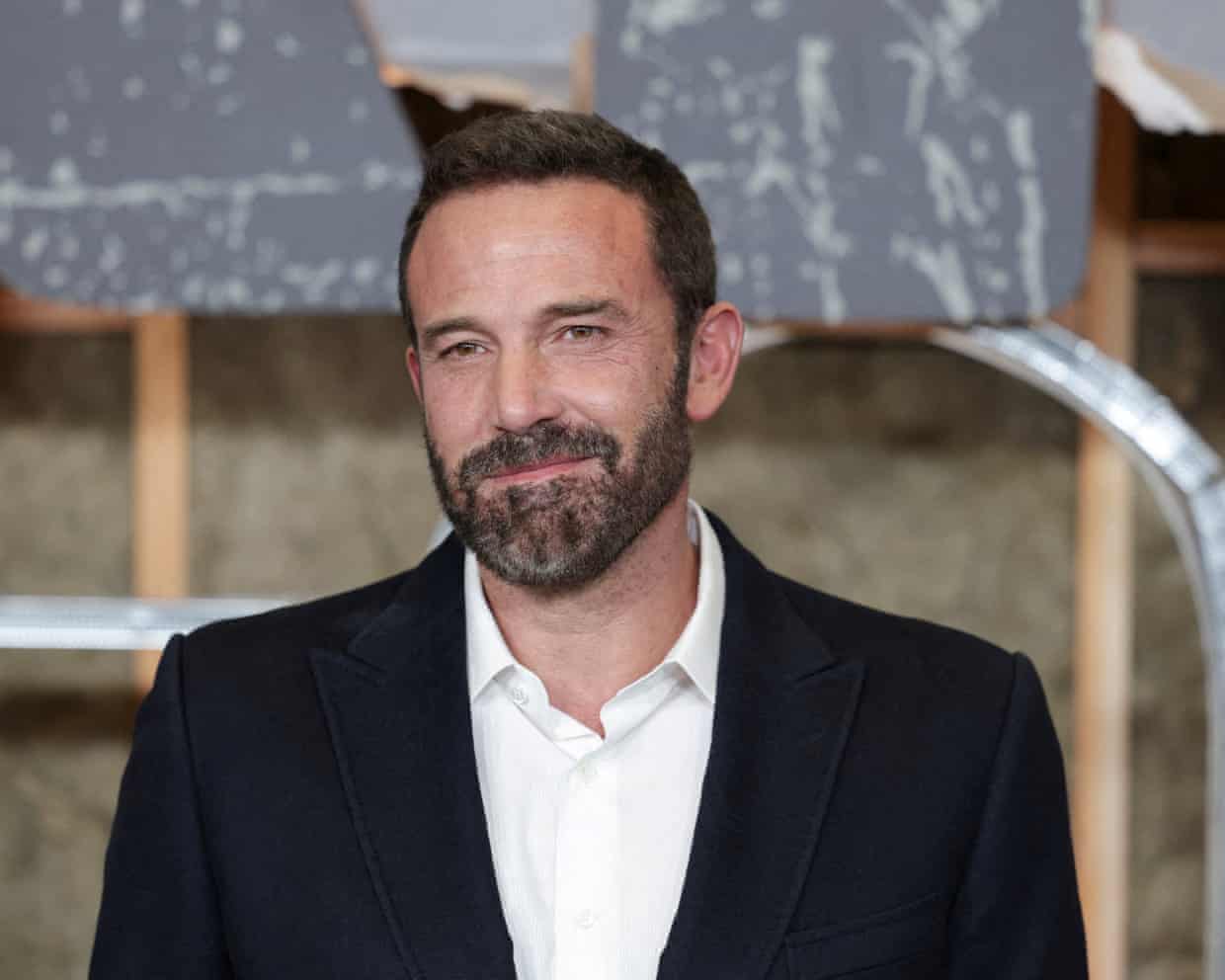
Ben Affleck sells his AI postproduction startup to Netflix
Ben Affleck has sold his artificial intelligence company to Netflix in a surprise deal, saying he had been driven to embrace a technology that had initially “really scared” him.Netflix has acquired the postproduction startup InterPositive from the Oscar-winning actor, director, producer and screenwriter for an undisclosed sum.Affleck had kept InterPositive below the radar and had previously played down AI’s creative abilities. This year, he told the podcaster Joe Rogan he did not think the technology would be able to “write anything meaningful” or make films “from whole cloth”.However, in a video announcing the transaction, the Good Will Hunting and Gone Girl actor said he had moved from being scared of AI’s potential impact when he first encountered the technology to viewing it as a “really meaningful innovation”
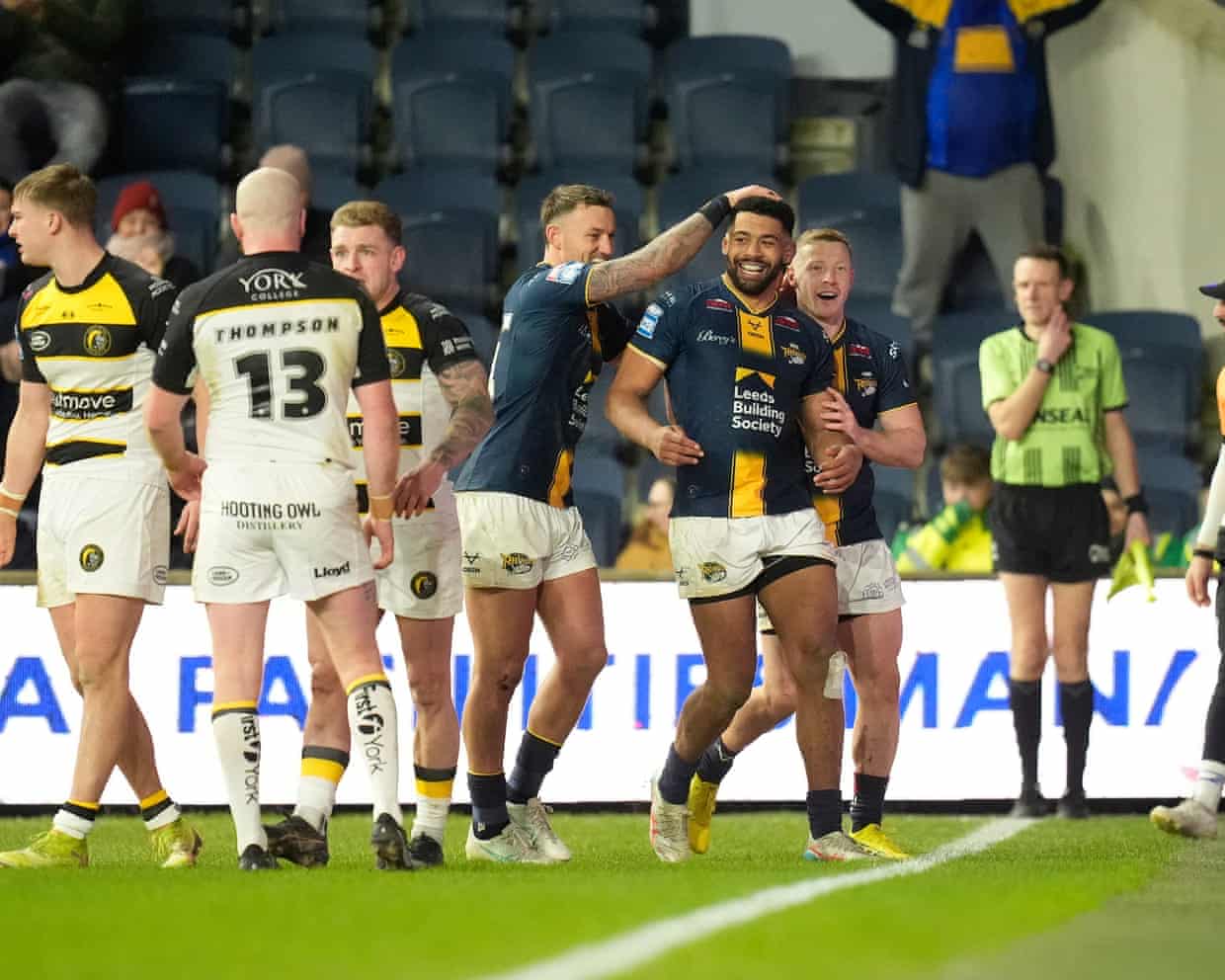
Leeds return from wilderness with Rhinos resurgence an asset for Super League
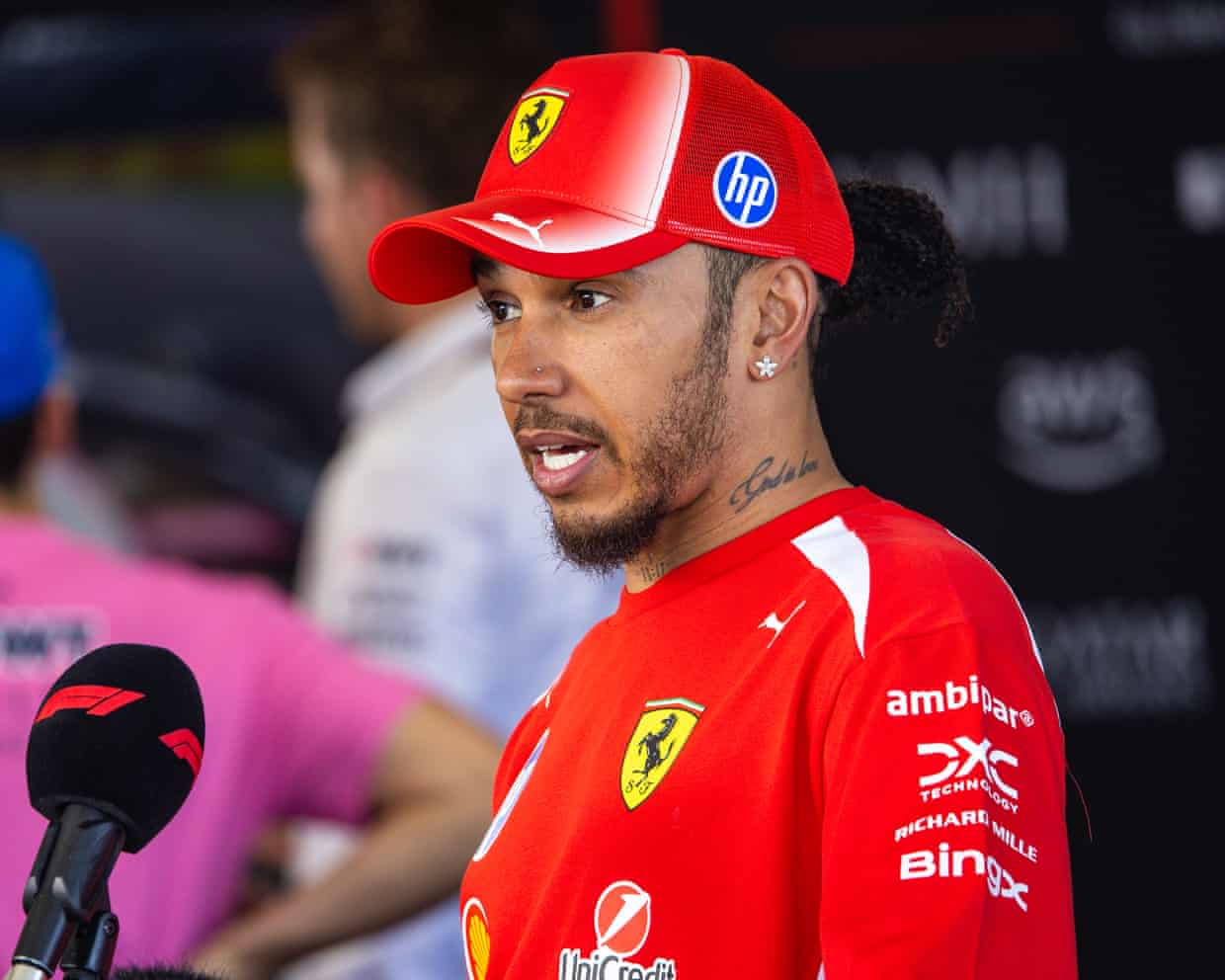
Lewis Hamilton confident Ferrari ‘in the fight’ with Mercedes for 2026 F1 championship
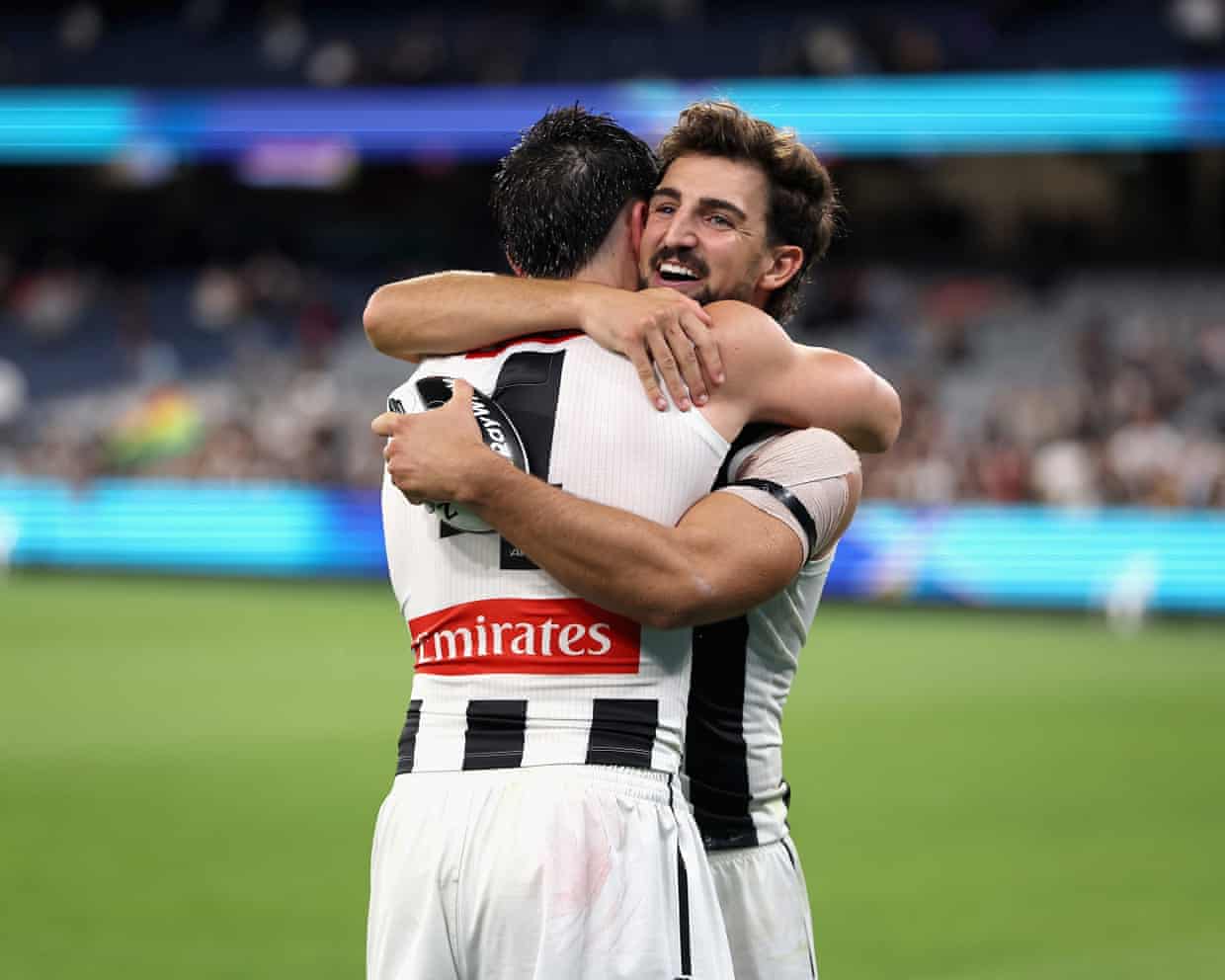
Collingwood’s cool heads rise to big AFL occasion and make point to naysayers | Jonathan Horn
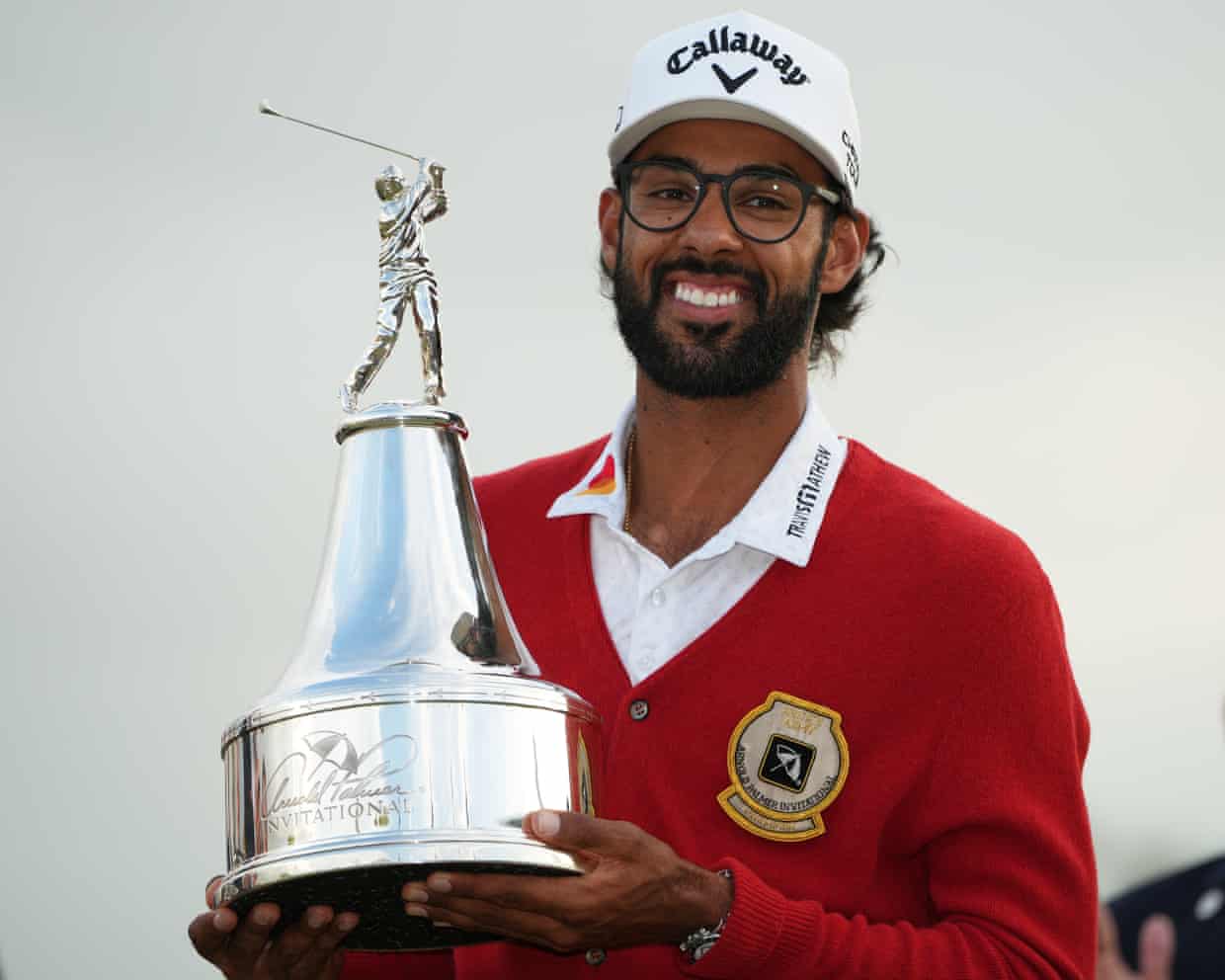
Akshay Bhatia denies Berger in playoff to win Arnold Palmer Invitational

‘A wonderful journey’: Suryakumar Yadav revels in India’s T20 World Cup win
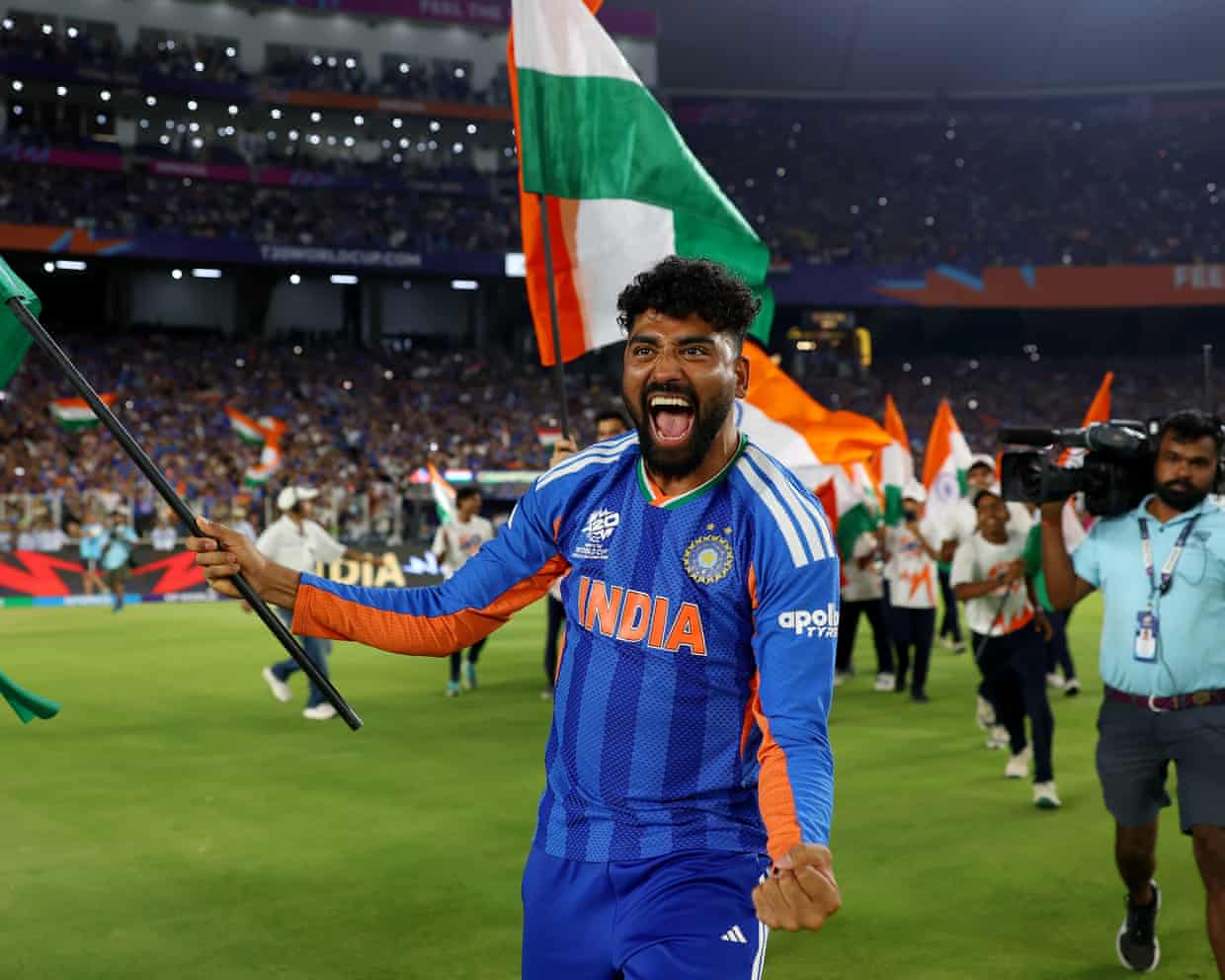
India retain T20 World Cup with 96-run final win over New Zealand – as it happened