Cancer death rate in Britain down by almost a third since 1980s

The rate of people dying from cancer in the UK has fallen by almost a third since the 1980s amid seismic progress in prevention, diagnosis and treatment, a report has found.About 247 in every 100,000 people die from cancer each year, a 29% drop from the peak in 1989 of about 355 per 100,000, according to an analysis by Cancer Research UK (CRUK).Cancer remains Britain’s biggest killer, causing about one in four deaths, and survival rates lag behind a number of European countries, including Romania and Poland.However, in the past decade alone, the rate of people dying from cancer has fallen by 11%.The death rate for ovarian cancer dropped by 19% between 2012-2014 and 2022-2024, stomach cancer fell by 34% and lung cancer 22%.
Bowel cancer dipped 6%, breast cancer 14%, cervical cancer 11% and leukaemia 9%.The oesophageal cancer death rate fell by 12%.But some rates increased in the last decade.They included kidney cancer (up 5%), liver cancer (up 14%), eye cancer (up 26%) and gallbladder cancer (up 29%).Other rates remained stable, including thyroid, pancreatic and melanoma.
Dr Sam Godfrey, the science engagement lead at CRUK, said: “These figures represent decades of crucial scientific breakthroughs.From vaccines that prevent cancer to kinder, more targeted treatments.Because of this, thousands more people today can make memories, reach milestones and spend precious time with their loved ones.”The UK was a global leader in cancer research, Godfrey said, but future progress could not be taken for granted.“It’s essential that the government makes it easier and faster to set up clinical trials, as well as providing NHS staff with the time and space to carry out life-saving research.
”Last year the Guardian revealed how British cancer patients were being denied life-saving drugs and trials of revolutionary treatments were being derailed by red tape and extra costs brought on by Brexit.The UK’s exit from the EU had “damaged the practical ability” of doctors to offer NHS patients life-saving new drugs via international clinical trials, according to the most comprehensive report of its kind.In the new analysis, CRUK said various factors had led to falling cancer death rates.They include smoking bans and the rollout of screening programmes for breast, bowel and cervical cancers.Death rates for cervical cancer had fallen by 75% since the 1970s, in large part because of the NHS cervical screening programme, the charity said.
The human papillomavirus (HPV) vaccine, which is given to schoolchildren, was also driving down cervical cancers.About 6.5 million people have had the vaccine in the UK since it was introduced in 2008.Meanwhile, death rates for prostate cancer decreased by 11% in the past decade, in part because of better treatments.Abiraterone, a drug that blocks testosterone from fuelling prostate cancer, was developed by CRUK scientists.
However, a growing and ageing population means more people are being diagnosed with cancer – one person every 75 seconds in the UK – and the overall number of people dying from the disease continues to rise.Despite the huge numbers affected, three-quarters of NHS hospital trusts are failing cancer patients, a Guardian analysis found last year, prompting experts to declare a national emergency.Last month, the government pledged £2bn to resolve the crisis by transforming cancer services, with millions of patients promised faster diagnoses, quicker treatment and more support to live well.Some cancer performance targets have not been met by the NHS since 2015.Under the national cancer plan, all three waiting times standards would be reached by 2029, ministers said.
Cancer death rate in Britain down by almost a third since 1980s
The rate of people dying from cancer in the UK has fallen by almost a third since the 1980s amid seismic progress in prevention, diagnosis and treatment, a report has found.About 247 in every 100,000 people die from cancer each year, a 29% drop from the peak in 1989 of about 355 per 100,000, according to an analysis by Cancer Research UK (CRUK).Cancer remains Britain’s biggest killer, causing about one in four deaths, and survival rates lag behind a number of European countries, including Romania and Poland.However, in the past decade alone, the rate of people dying from cancer has fallen by 11%. The death rate for ovarian cancer dropped by 19% between 2012-2014 and 2022-2024, stomach cancer fell by 34% and lung cancer 22%

NHS England pauses new referrals for masculinising or feminising hormone treatment in under-18s
The NHS is pausing new referrals for masculinising or feminising hormone treatment for 16 and 17-year-olds after an in-depth review found there was insufficient evidence to support its continued use.Prescriptions for hormones had been available in England for under-18s with a diagnosis of gender incongruence or dysphoria who met certain criteria.But after the Cass review, NHS England commissioned its own review of all the available clinical evidence. That review has now concluded and found the evidence did not back the continued use of the treatment for 16 and 17-year-olds.In her review of children’s gender care, Hilary Cass had recommended “extreme caution” in providing such treatment and a “clear clinical rationale for providing hormones at this stage rather than waiting until an individual reaches 18”
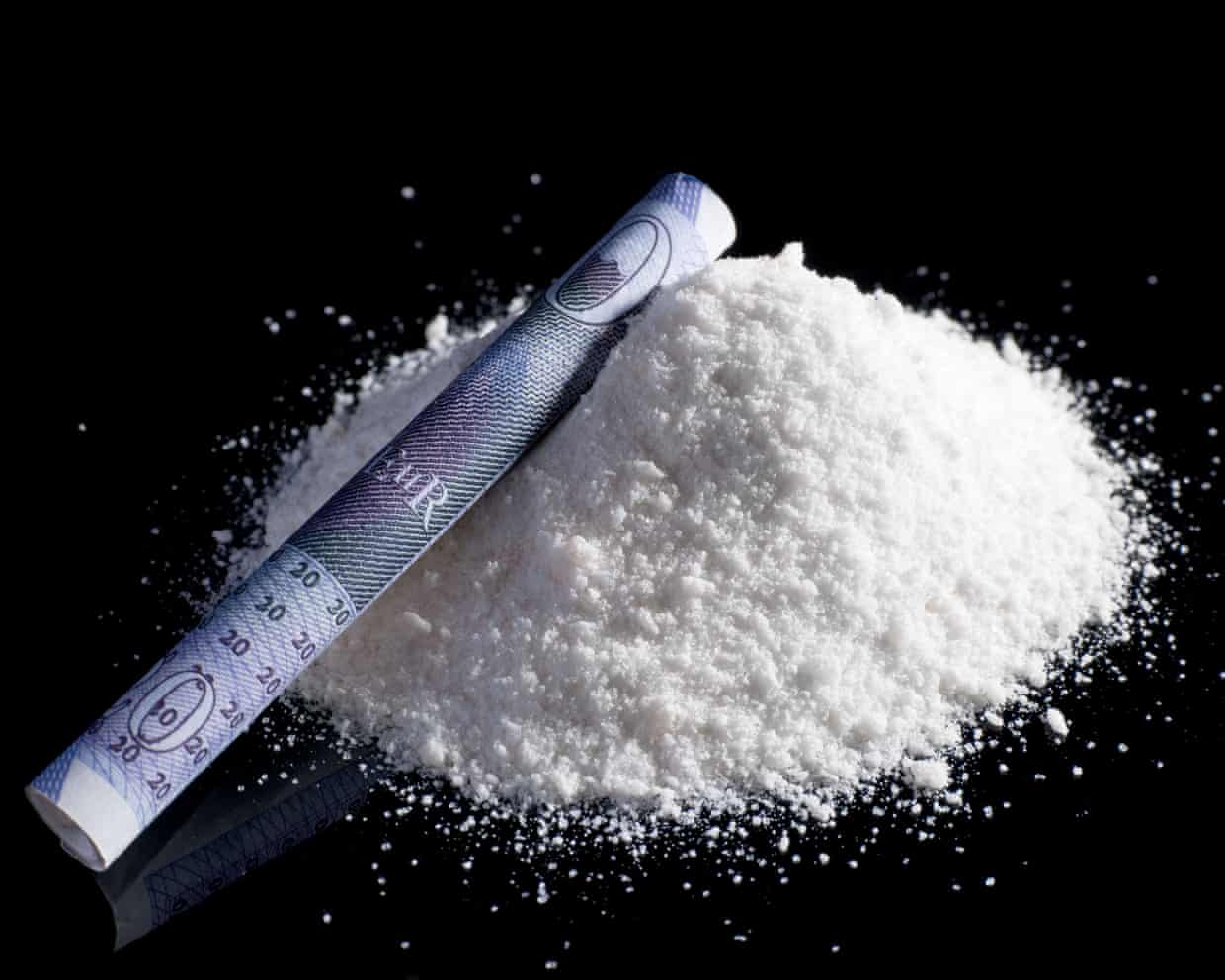
Recreational drugs can more than double risk of stroke, study suggests
Recreational drugs can more than double the risk of stroke, with some of the most concerning impacts seen among younger people, a major review suggests.Scientists analysed medical data from more than 100 million people and found that the risk of stroke was 122% higher for amphetamine users and 96% higher for cocaine users compared with those who did not take the drugs.Cannabis users were also at greater risk, suffering 37% more strokes than non-users, the review found, though researchers saw no evidence that opioids, a highly addictive painkiller, added to a person’s risk of stroke.The rise in strokes observed in connection with some drugs was not confined to older people. When researchers focused on under-55s, they saw a near tripling in stroke risk among amphetamine users

Martha’s rule may have saved 400 lives so far in England, figures show
More than 400 lives may have been saved as a result of Martha’s rule, which lets NHS patients request a review of their care, official figures reveal.Helplines received more than 10,000 calls in the first 16 months of the scheme after its introduction in England in 2024, according to data seen by the Guardian. Thousands of patients were either moved to intensive care, received drugs they needed or benefited from other changes as a direct result of the calls.The system is named after Martha Mills, 13, who died in 2021 from sepsis after a bicycle accident. A coroner found she would probably have survived if she had been moved to the intensive care unit at King’s College hospital in London when she began deteriorating
How ADHD diagnosis helped my mental health | Letters
In suggesting there is a possibility that we all lie somewhere on an ADHD continuum, your correspondent (Letters, 27 February) is missing the point.ADHD – and autism – are neurodiversities, meaning that the brains of individuals with ADHD and/or autism are “wired” differently from those of people with “typical” brains. In other words, you either have it or you don’t. To suggest that everyone is a bit ADHD or a bit autistic is insulting to those of us who actually are ADHD/autistic, and diminishes our lived experience. Yes, self-help tools can be useful

Labour should aim to end sexual exploitation, not just curb its visibility | Letter
Your editorial on adult services websites (4 March) rightly raises urgent questions about platform harm and the government’s responsibility to act.Unseen’s modern slavery helpline indicated 799 potential victims of sexual exploitation in 2025. Reports of child sexual exploitation more than doubled in 2024 – from 53 to 110. These are not projections. They are cases reported directly to us by victims and frontline workers with nowhere else to call
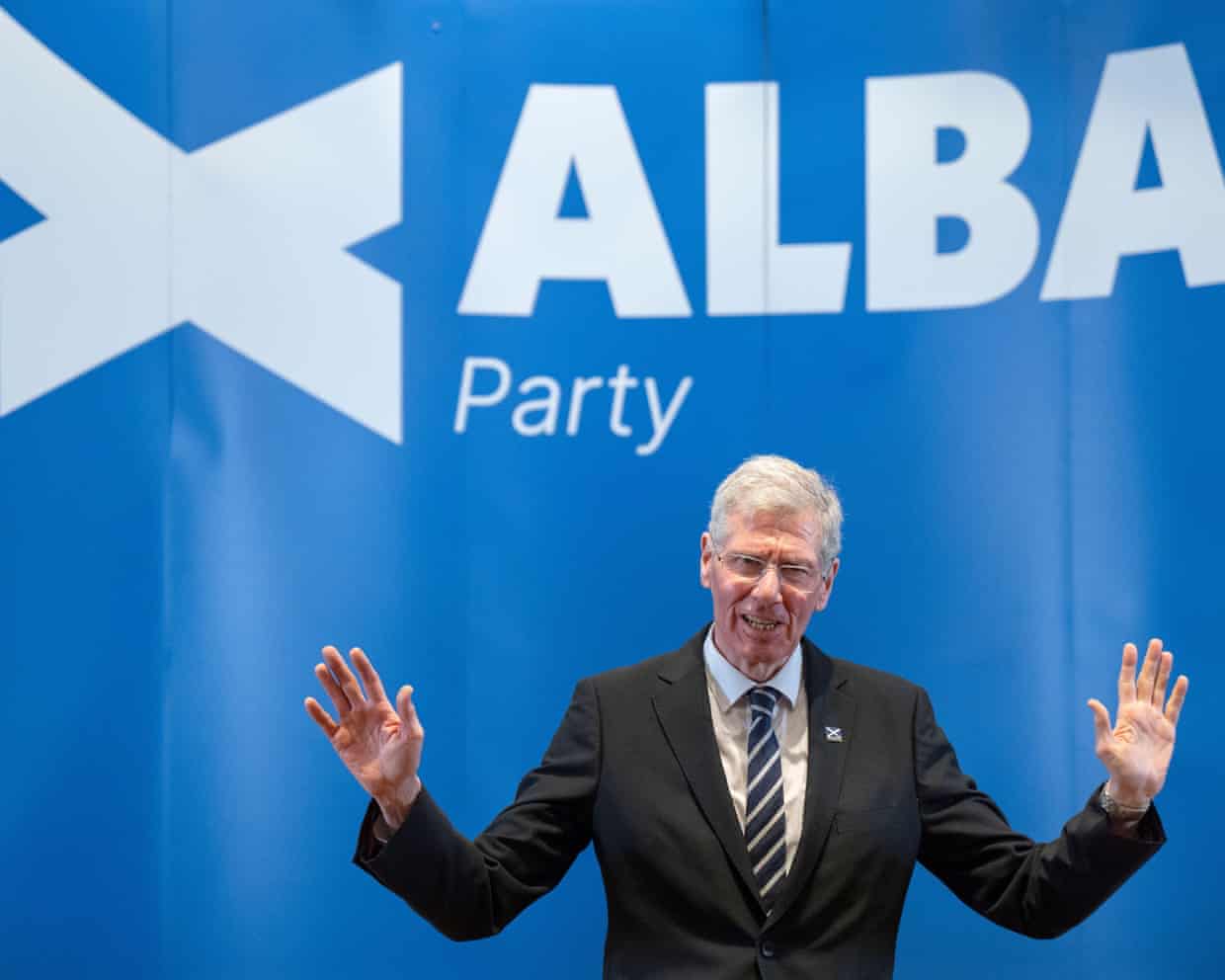
Alba party to wind up and not contest Scottish election
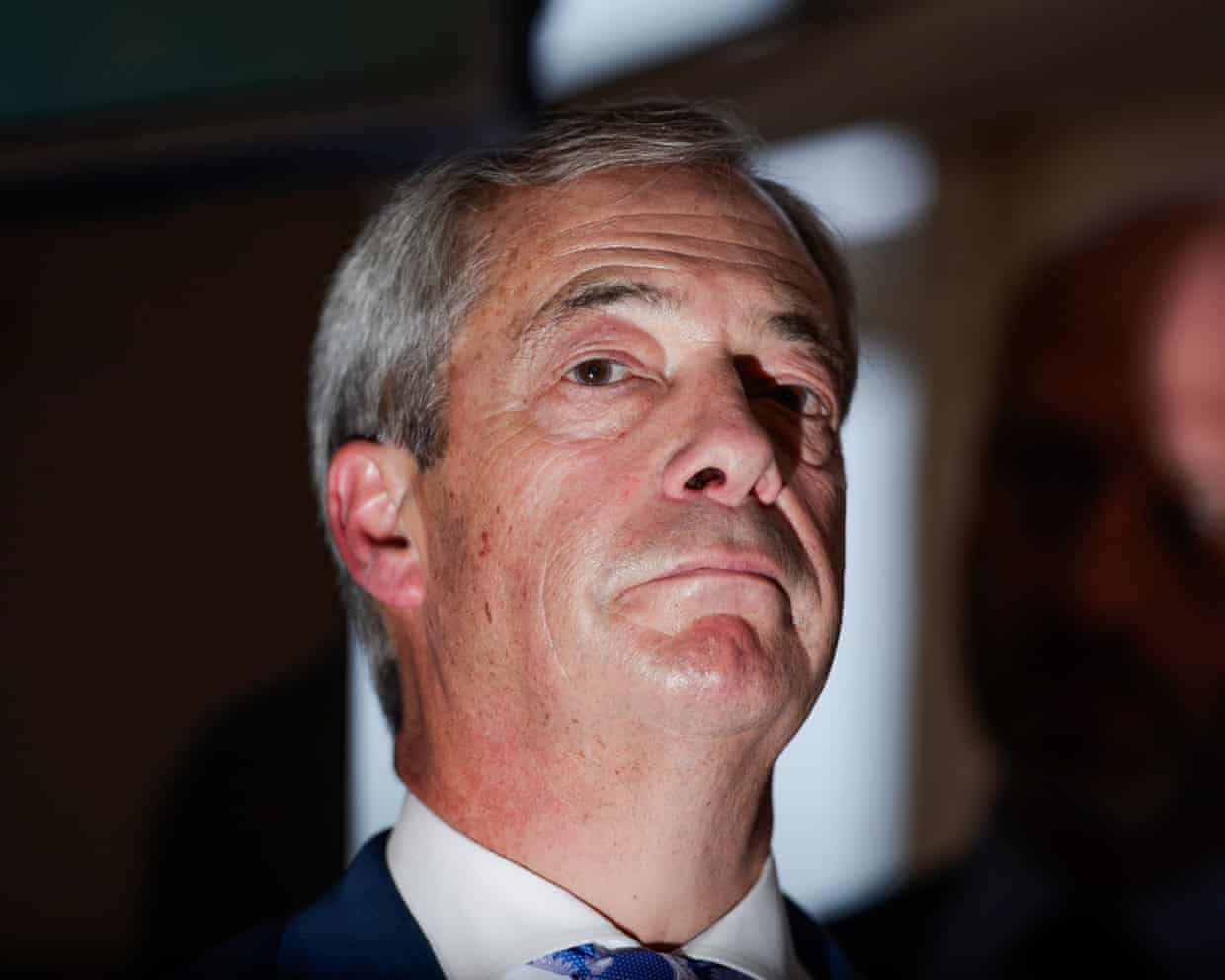
Private jet used for Nigel Farage Chagos stunt linked to Reform mega-donor

It’s a crowded field for worst Tory leader | Brief letters

Starmer speaks with Trump after president criticises lack of UK support for Iran strikes
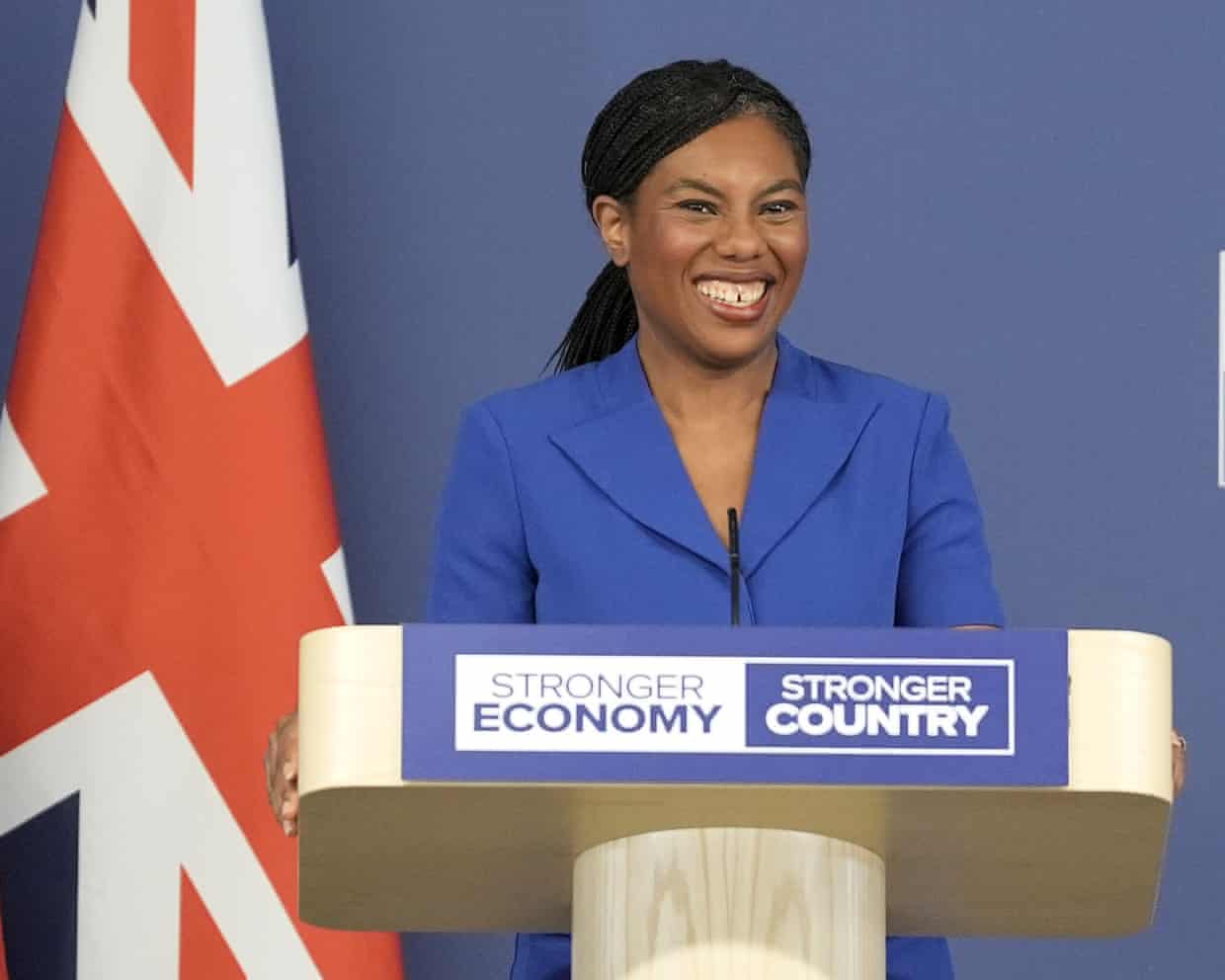
Labour accuses Badenoch of scoring ‘cheap political points’ over Iran strikes
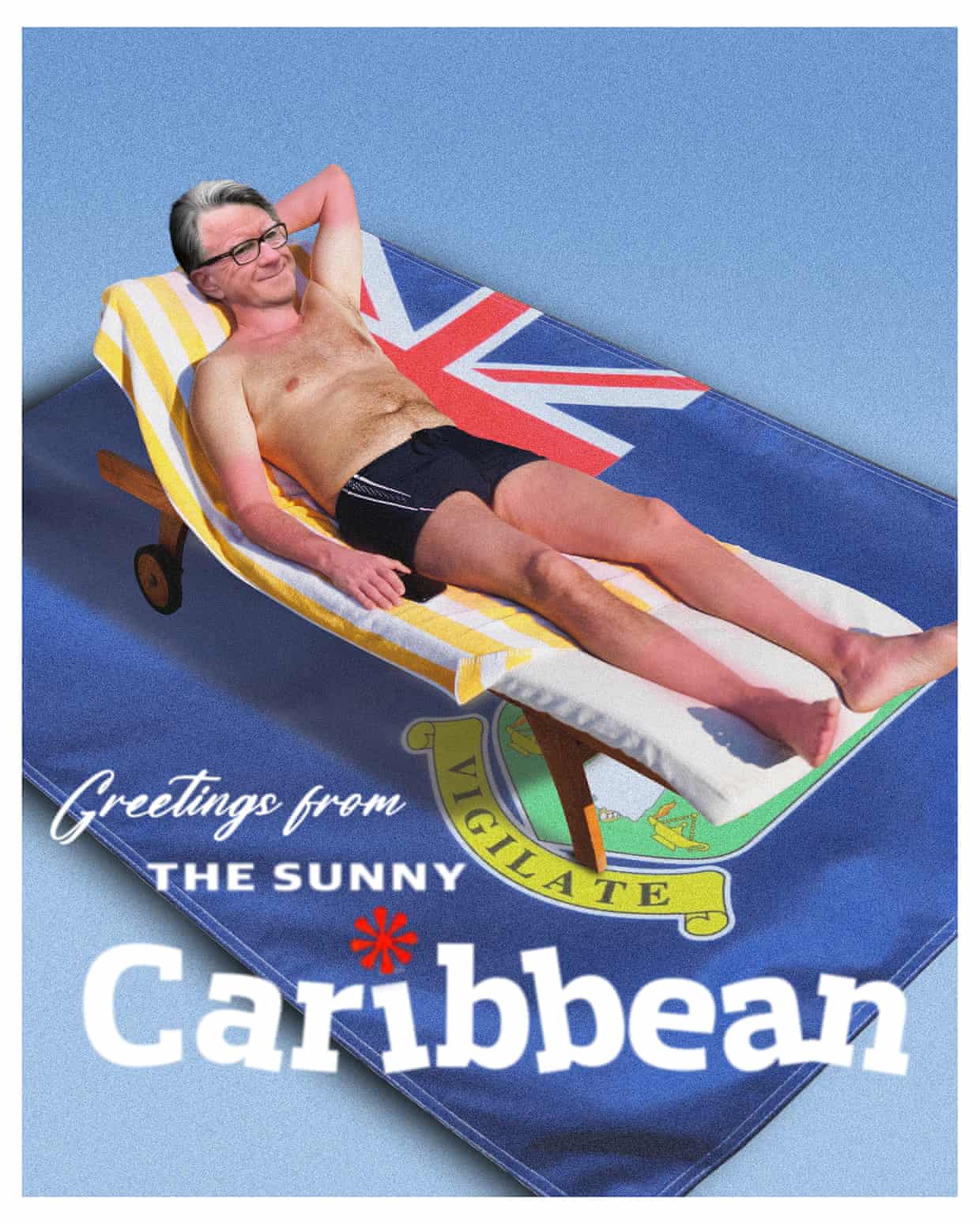
‘Like fleeing to Southampton’: was Mandelson escape ‘plot’ just a joke?