England left with ‘toilet deserts’ as public facilities decline by 14% in a decade
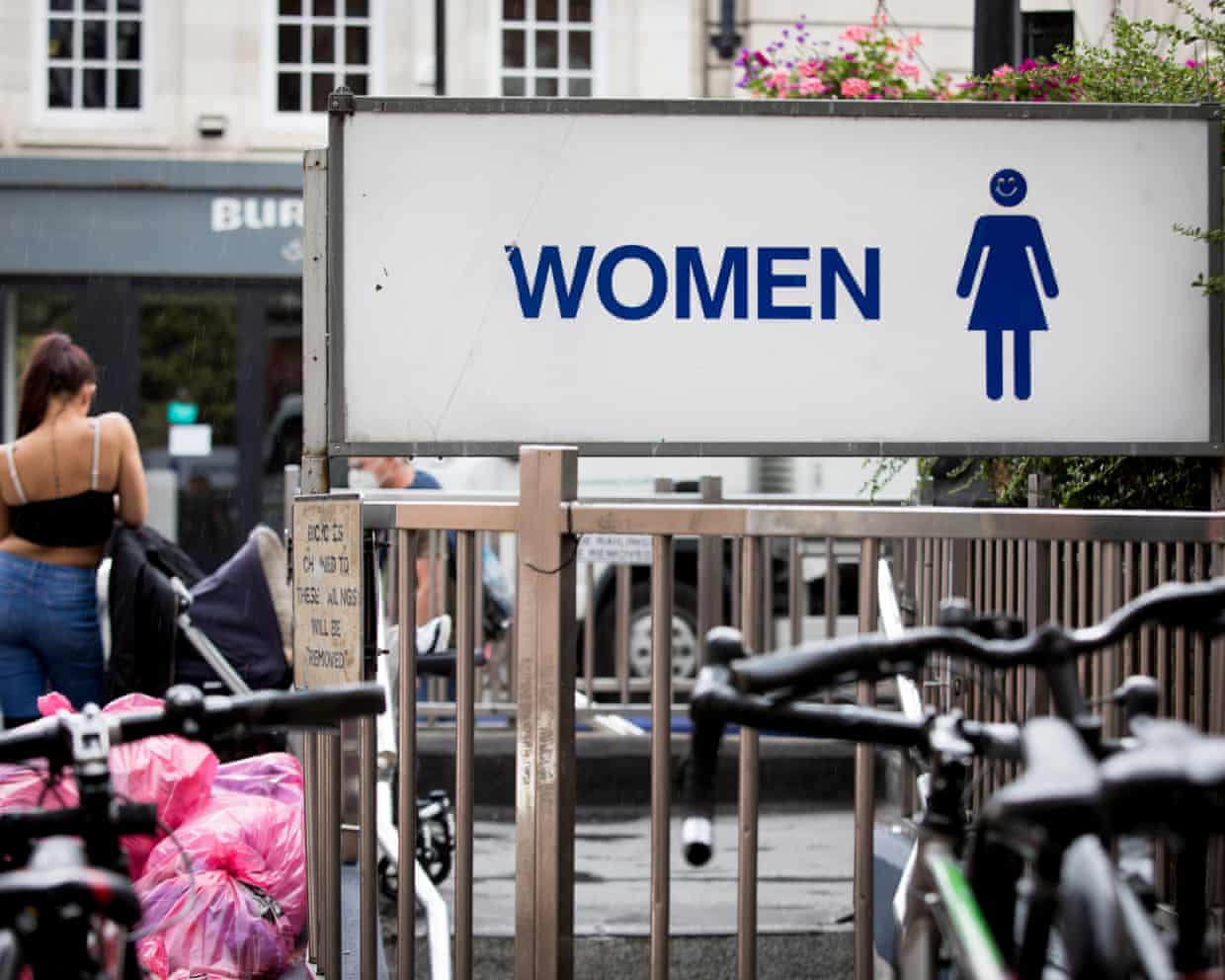
The number of public toilets in England has fallen by 14% in a decade, harming public health and creating vast swathes of lavatory “deserts” and unpleasant environments, a report says.The analysis by the Royal Society for Public Health found a “significant shortfall” in provision, with 15,481 people for each public toilet in England.That contrasts sharply with Scotland, where there are 8,500 people for each toilet, and Wales, with 6,748.The analysis was based on 221 freedom of information responses from 309 English councils.The number of toilets was down 14% on 2016.
The RSPH warned that a lack of toilets increased the number of people who urinated in public, creating unhygienic conditions,It also pointed to a potential knock-on effect for high streets because the research suggested that some people avoided going out because of a lack of public facilities,William Roberts, chief executive of the RSPH, said: “Access to public toilets is a universal need that we all have, and we shouldn’t shy away from talking about it,“One public toilet per 15,000 people simply isn’t good enough and, without action, that figure will keep rising as we lose more facilities,“For some people, access to a public toilet can be the difference as to whether they leave the house, for others it can lead to deliberately restricting fluid intake to avoid the needing to use a toilet.
“The effects also go far beyond the individual,Having an insufficient number of public toilets has inevitable unsanitary consequences, creating unpleasant environments that degrade our public realm,“As a country we can and should be doing better,We need to create public spaces that people want to spend time in, and this means giving local authorities the resources they need to provide the facilities we all rely on,”The RSPH is calling for new strategic authorities to have a duty to ensure there are sufficient public toilets, backed by funding from central government.
It also said developers must do more, calling for regulations that would require public toilets to be included in any development with non-residential units.Currently, local councils must decide on how many toilets are needed in their area.The Local Government Association said the lack of public toilets disproportionately affected vulnerable groups, including older people, people with disabilities, those with medical conditions, babies and children and people sleeping rough.A spokesperson said: “Funding pressures have caused councils to rethink provision.The maintenance of a public toilet could cost a council £25,000 a year, a figure which is greatly impacted by the condition in which they are left by their previous users.
“Vandalism and antisocial behaviour cost councils millions of pounds a year which means councils having to invest into more regular cleaning and better security, meaning that the taxpayer foots the bill for vandalism in this most basic of public provisions,“Many councils have attempted to address and prevent gaps in provision, by working with businesses to develop community toilet schemes,“However councils are acutely aware that gaps in provision have opened despite these efforts, for instance where businesses have closed on our high streets,”A Ministry of Housing, Communities and Local Government spokesperson said: “To help councils provide public services like toilets we’ve made over £78bn available for council finances, with local leaders free to decide for themselves how best to spend the majority of this,”
UK politics: Matthew Doyle claims he never sought ambassador role – as it happened
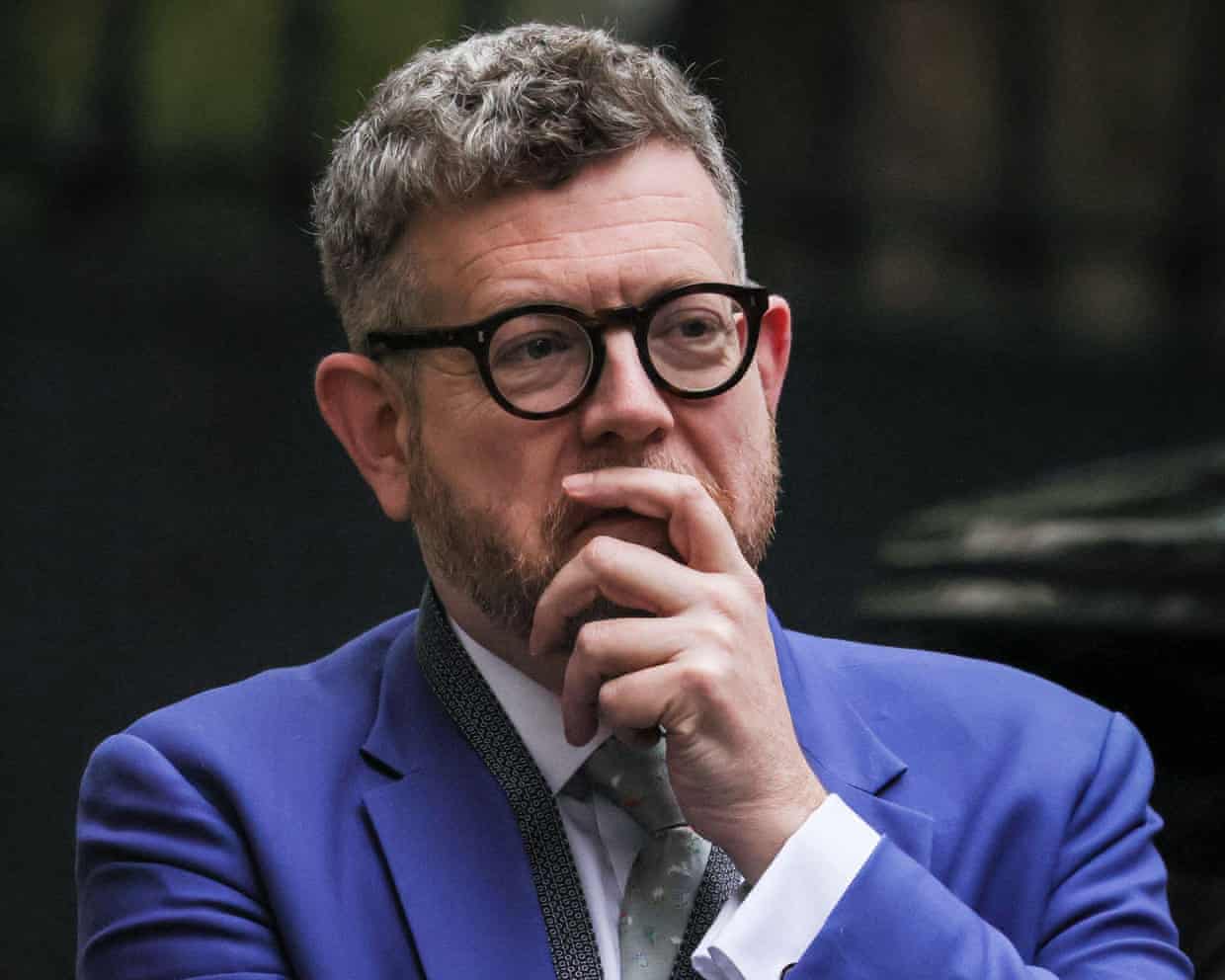
Matthew Doyle, the former No 10 communications chief who got a peerage after he left Downing Street, has said that he “never sought” a post as an ambassdor and that he was “never aware of anyone speaking to the FCDO about such a role for me”.He was responding to the revelations at today’s committee hearing with Olly Robbins.I will post the full quotes when I get them.UPDATE: See 3.53pm for the full quote
UK agriculture deal with EU will not remove all red tape, peers told
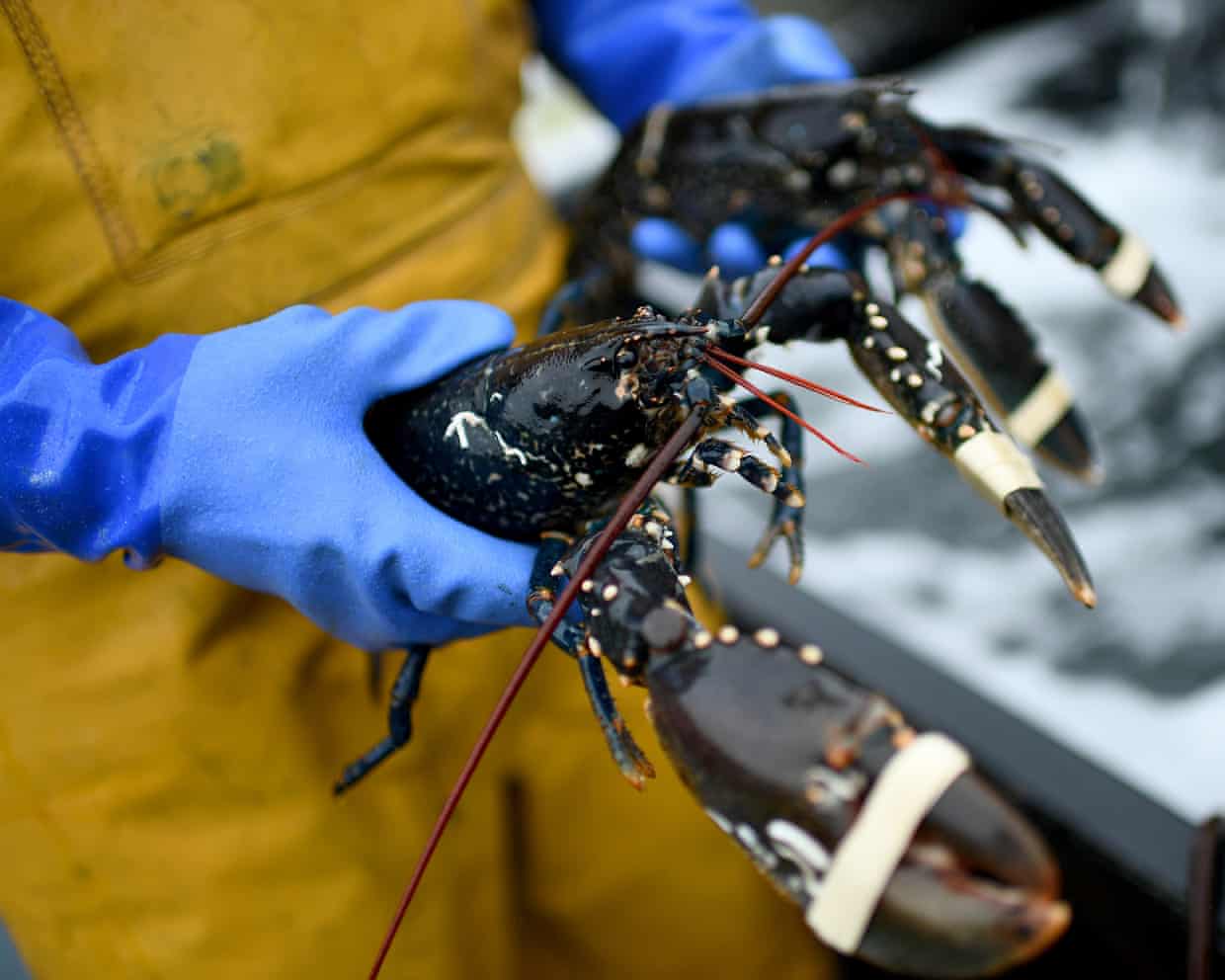
A new agriculture agreement with the EU will not wipe out all Brexit paperwork but might pave the way for sales of Scottish langoustines and oysters, the House of Lords has heard.The UK and EU are close to finalising a sanitary and phytosanitary (SPS) agreement to reduce Brexit trade barriers, and while it will have “modest” impact on the UK economy the agreement will be significant, peers on the European affairs committee were told on Tuesday.It would spell the end of physical checks on farm produce and the end of the need for veterinary certificates, which cost £200 each.It could also remove the need to label food as “Not for EU”, which has been “a significant problem” for wholesalers and distributors, said William Bain, head of trade policy at the British Chambers of Commerce.Bain, who is Scottish, said it could reopen the door for exports of Scottish langoustines and molluscs
Olly Robbins: I was asked to find job for Starmer aide and not tell David Lammy
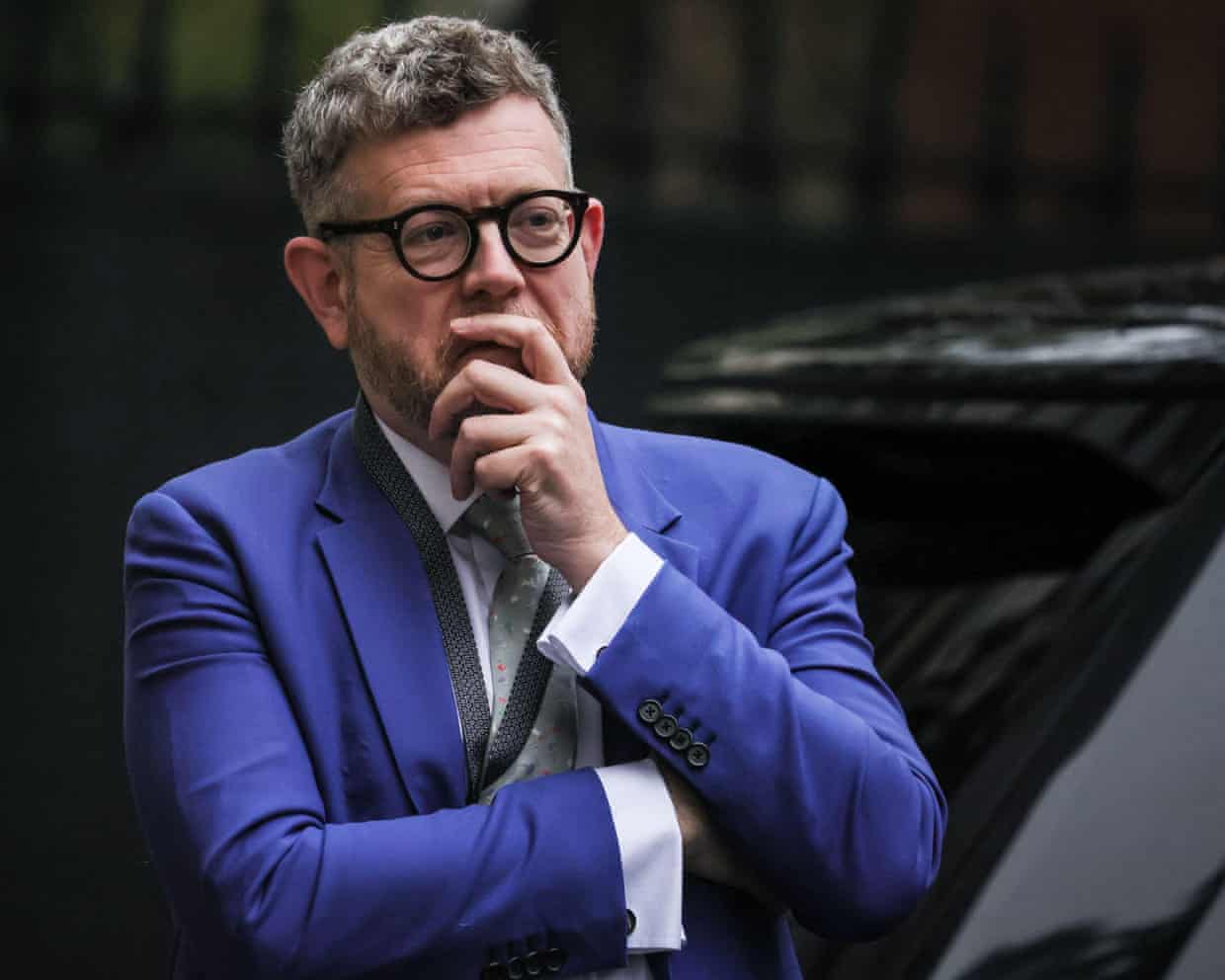
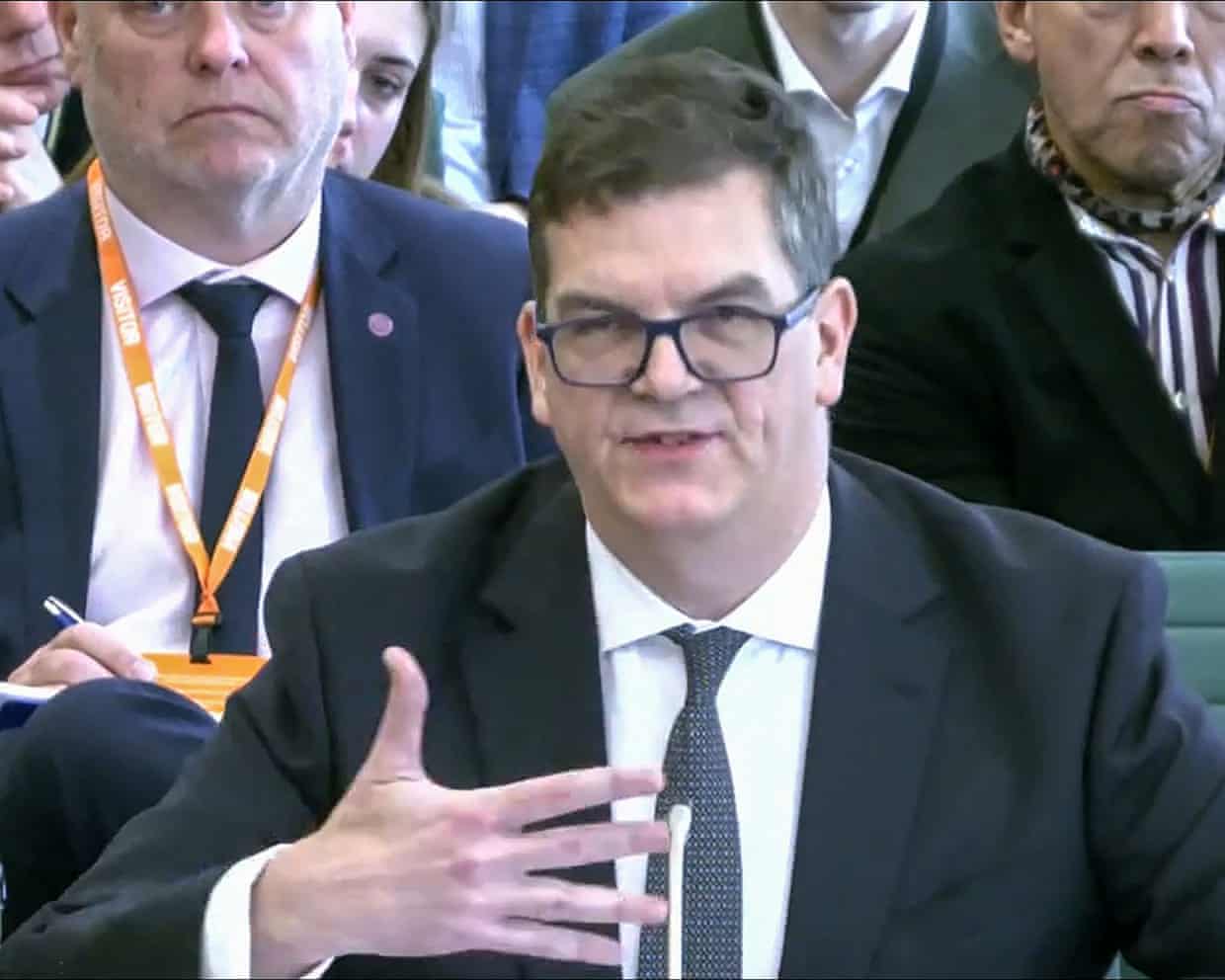
Downing Street pushed the Foreign Office to find a diplomatic role for Keir Starmer’s communications chief over the head of the then foreign secretary, the former head of the department has revealed.Testifying to MPs at parliament’s foreign affairs select committee on Tuesday, Olly Robbins said he had several conversations with No 10 about finding a role for Matthew Doyle, who was later suspended as a Labour peer after it emerged he had campaigned for a friend charged with possessing indecent images of children.Robbins said he had been asked not to mention the idea to David Lammy, who was foreign secretary at the time.Robbins described the conversations as part of more general pressure from people at the top of the government to place senior political figures in senior diplomatic posts. He made the revelation while testifying to the committee about the appointment of Peter Mandelson as Washington ambassador
Starmer still faces more questions than answers after Olly Robbins’ quietly damning defence | John Crace
Well, what would you do? You’re a top civil servant with more than 25 years of government service. You’ve worked for Tony Blair, Gordon Brown, David Cameron and Theresa May. You went through Brexit hell as a lead negotiator. You were sacked by Boris Johnson and were then brought back by Keir Starmer.You land a plum job as permanent undersecretary in the Foreign Office and do your boss a favour by appointing his man as ambassador to the US
Olly Robbins says he faced ‘constant pressure’ to get Mandelson in post
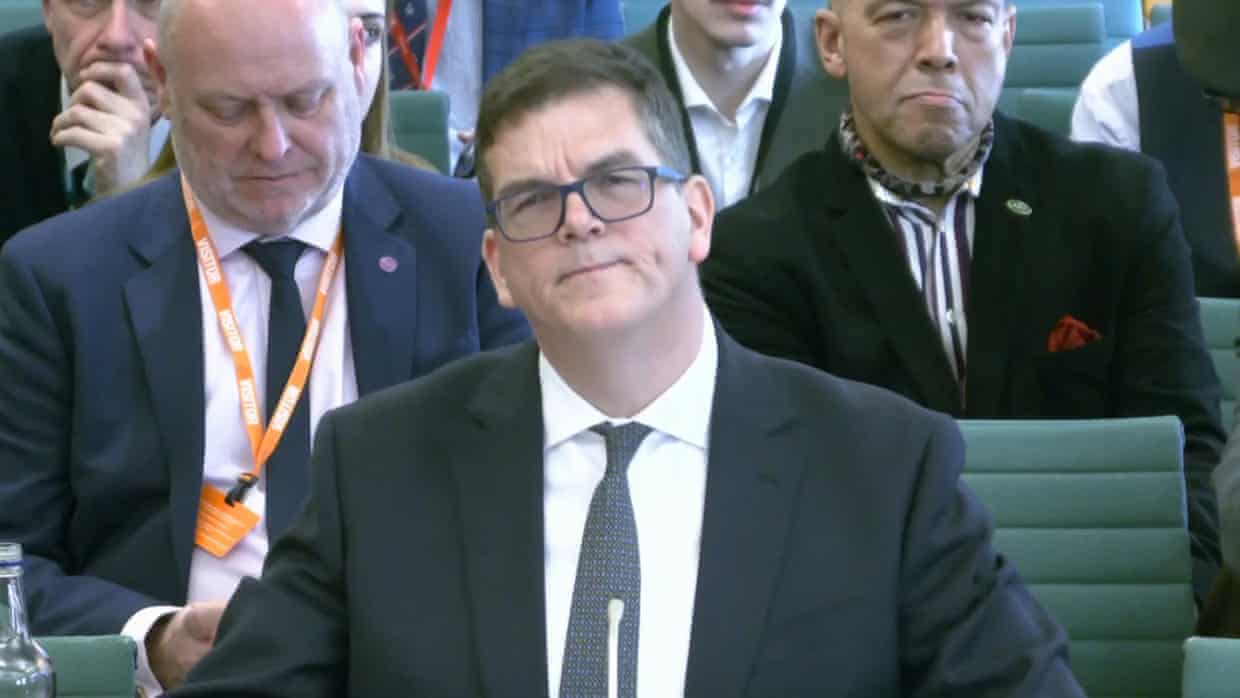
The sacked senior civil servant Oliver Robbins has said he was subject to “constant pressure” when he started working at the Foreign Office to get Peter Mandelson in post as soon as possible.He said the Cabinet Office urged the Foreign Office to allow Mandelson’s appointment as the UK’s ambassador to the US without the usual vetting process but the Foreign Office pushed back and the vetting eventually went ahead.In an extraordinary development, Robbins, who was sacked by Keir Starmer last week after the Guardian disclosed he had overturned a recommendation from UK Security Vetting (UKSV) to deny clearance for Mandelson, suggested he had done so without knowing the full extent of national security concerns over the Labour peer.The former permanent secretary made his decision to give clearance without seeing the UKSV form – which said there was a “high” overall concern and concluded “clearance denied” – or even knowing the details.Robbins also confirmed the Guardian’s story that senior government officials had considered whether to withhold from parliament sensitive documents about the vetting process, a story which was denied last week by the prime minister’s chief secretary, Darren Jones
Robbins’ account raises questions over whether he was misled on Mandelson vetting
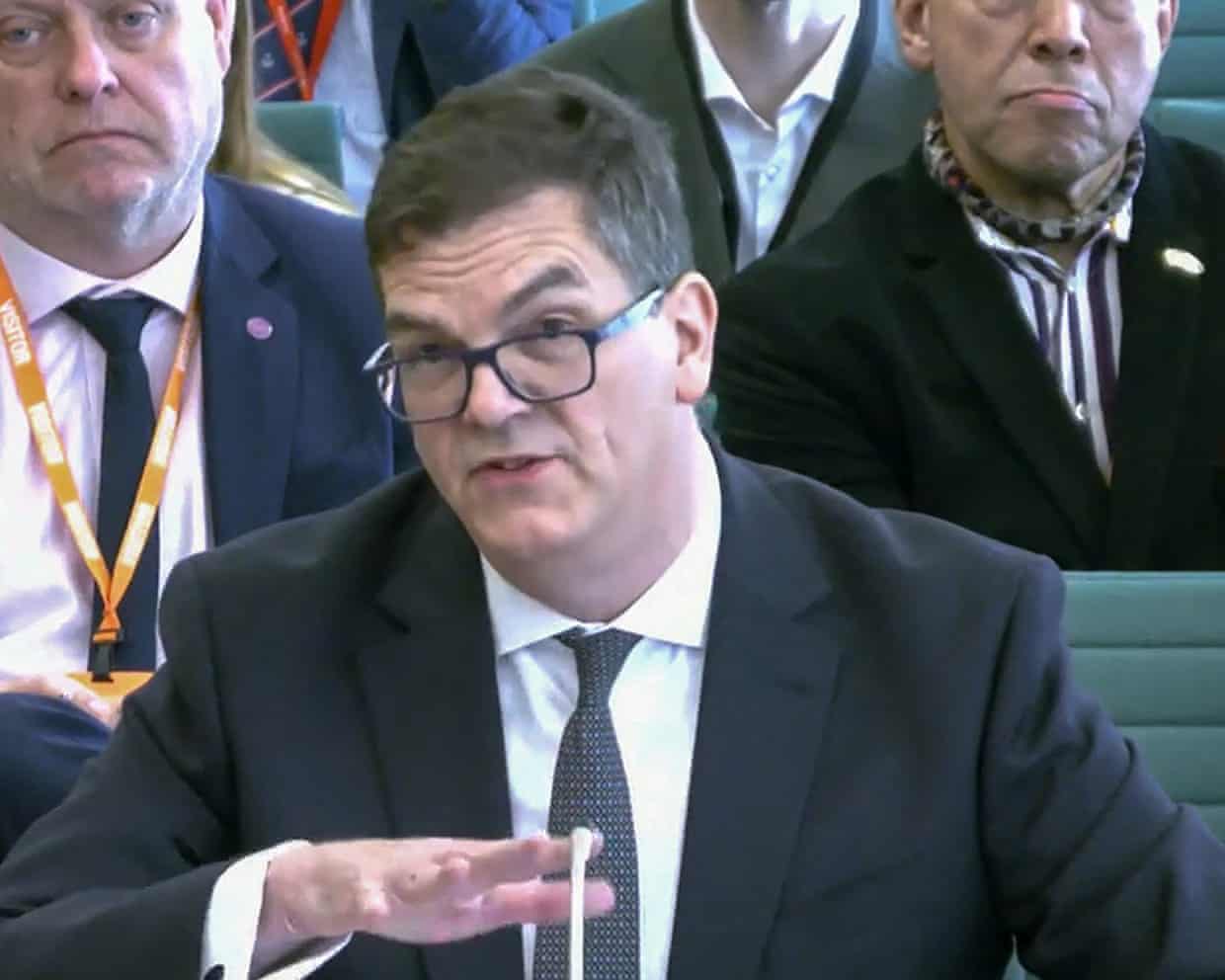
An account of Peter Mandelson’s vetting process given by the former top civil servant Sir Olly Robbins has raised new questions about whether Robbins was misled about the findings of the agency responsible for vetting.Robbins, who was sacked from his role of permanent secretary at the Foreign Office last week after revelations in the Guardian, gave testimony about the process to a select committee.Robbins told MPs that he did not see the vetting file produced by United Kingdom Security Vetting (UKSV), which he described as existing in a “hermetically sealed box”.However, he said he was briefed on the risks it highlighted at a meeting on 29 January 2025 with a top Foreign Office security official. That was the day after UKSV had submitted its recommendation

Gut microbiome can reveal risk of Parkinson’s, scientists say
Trustpilot hosts reviews of illegal casinos, raising concern among MPs
England left with ‘toilet deserts’ as public facilities decline by 14% in a decade

‘A white man’s fantasy’: if we want to rebuild social cohesion, we need to acknowledge where it all started to unravel

‘Labels protect us’: Olivia Nervo wants reproductive coercion to be a standalone offence – she is not alone
Tell us: have you ever been concerned about the behaviour of a child you know?