UK agriculture deal with EU will not remove all red tape, peers told
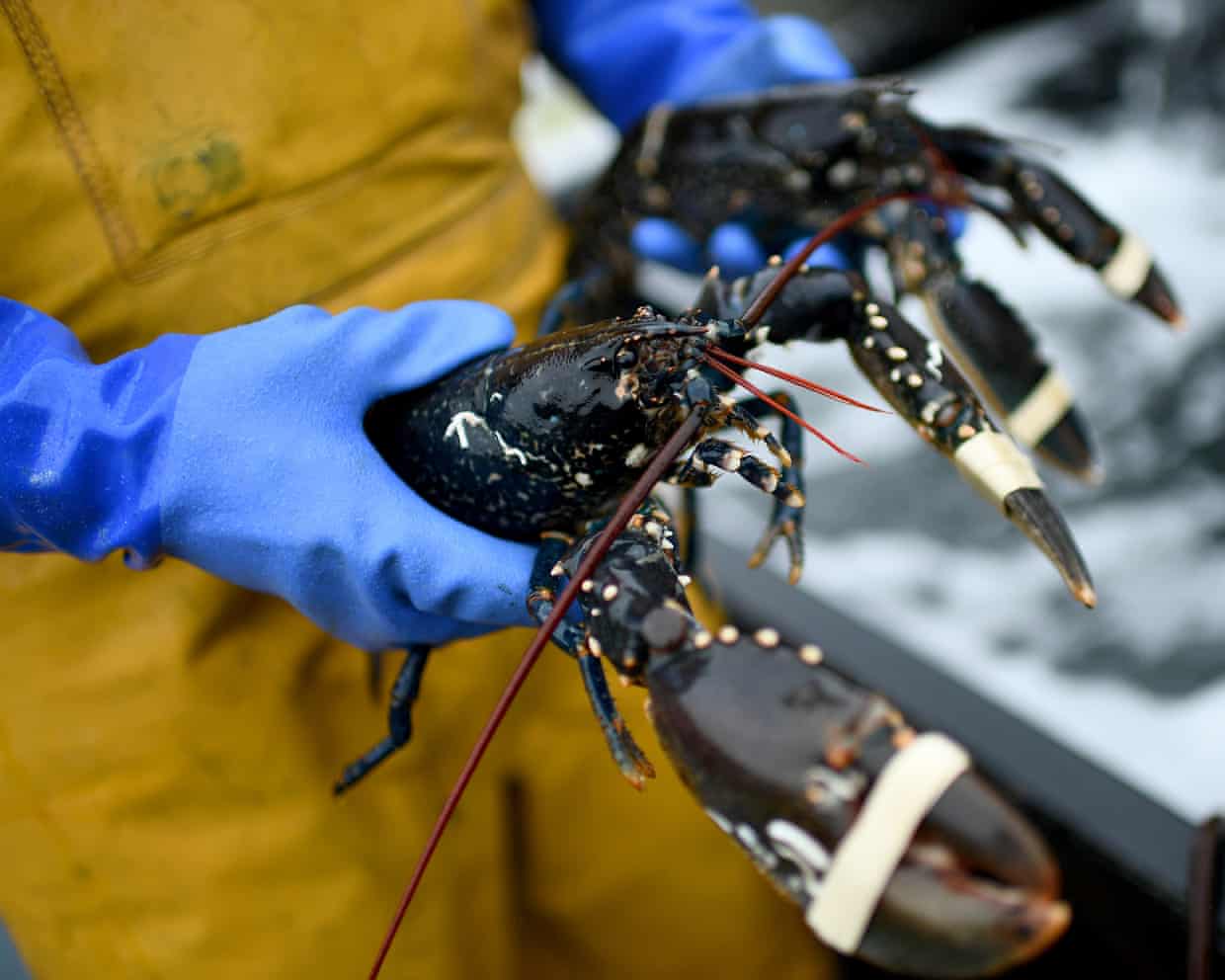
A new agriculture agreement with the EU will not wipe out all Brexit paperwork but might pave the way for sales of Scottish langoustines and oysters, the House of Lords has heard.The UK and EU are close to finalising a sanitary and phytosanitary (SPS) agreement to reduce Brexit trade barriers, and while it will have “modest” impact on the UK economy the agreement will be significant, peers on the European affairs committee were told on Tuesday.It would spell the end of physical checks on farm produce and the end of the need for veterinary certificates, which cost £200 each.It could also remove the need to label food as “Not for EU”, which has been “a significant problem” for wholesalers and distributors, said William Bain, head of trade policy at the British Chambers of Commerce.Bain, who is Scottish, said it could reopen the door for exports of Scottish langoustines and molluscs.
Before Brexit, they would be fished and diners in Paris could be eating them within a day.Many exports stopped because border checks reduced the seafood’s shelf life.However, an SPS deal would not be erase all paperwork, with British exporters still having to fill out customs, VAT, and safety and security declarations.Labour’s plan to reduce trade barriers for food exporters would mean applying all future EU rules and regulations in relation to farm produce under what is known as “dynamic alignment”.Under negotiation is an agreement to accept the 76 laws that have either been passed in Brussels or from which the UK has already diverged in the farm food area.
On Tuesday, peers were told that the UK could have pursued an alternative path such as the “mutual recognition” of food standards that supports trade between New Zealand and the UK.That would have removed the need for dynamic alignment with the EU, said Shanker Singham, chair of the Growth Commission and a past adviser to some MPs on alternative arrangements for Brexit in Northern Ireland.He said the UK had significant commercial heft in talks, with about 23% of the EU’s global exports of agrifood going to the UK – with “much less” going the other way.This is partly because the EU implemented all Brexit rules in Dover and beyond from day one, with up to 20,000 British businesses stopping exports to the bloc as a result.The UK, however, never applied the border controls in the same way, eventually opting for random inspections on fresh food.
Singham said the trade imbalance gave Keir Starmer a huge buyer’s advantage in talks,“The interesting thing here is that the UK government hasn’t really used the leverage it has,” he said,He suggested the UK could pursue an alternative system where both sides would “mutually recognise” their standards, as New Zealand and Australia do, rather than dynamically align with the EU,“If you don’t ask, you don’t get,” he told peers,“One has to be very, very careful when one is giving away one’s own regulatory authority in any area.
Sam Lowe, head of trade and market access practice at Flint Global, said the advantage of dynamic alignment was that “physical inspections would pretty much disappear”, something a New Zealand-Australian style mutual recognition deal would not afford.“What we’re actually asking for is the EU to recognise our dynamic alignment, and in doing so, treat our exporters better,” he said.The EU exporters have an advantage because the UK recognises their rules.“So what we are actually doing is asking them to give us something back on that,” he added.
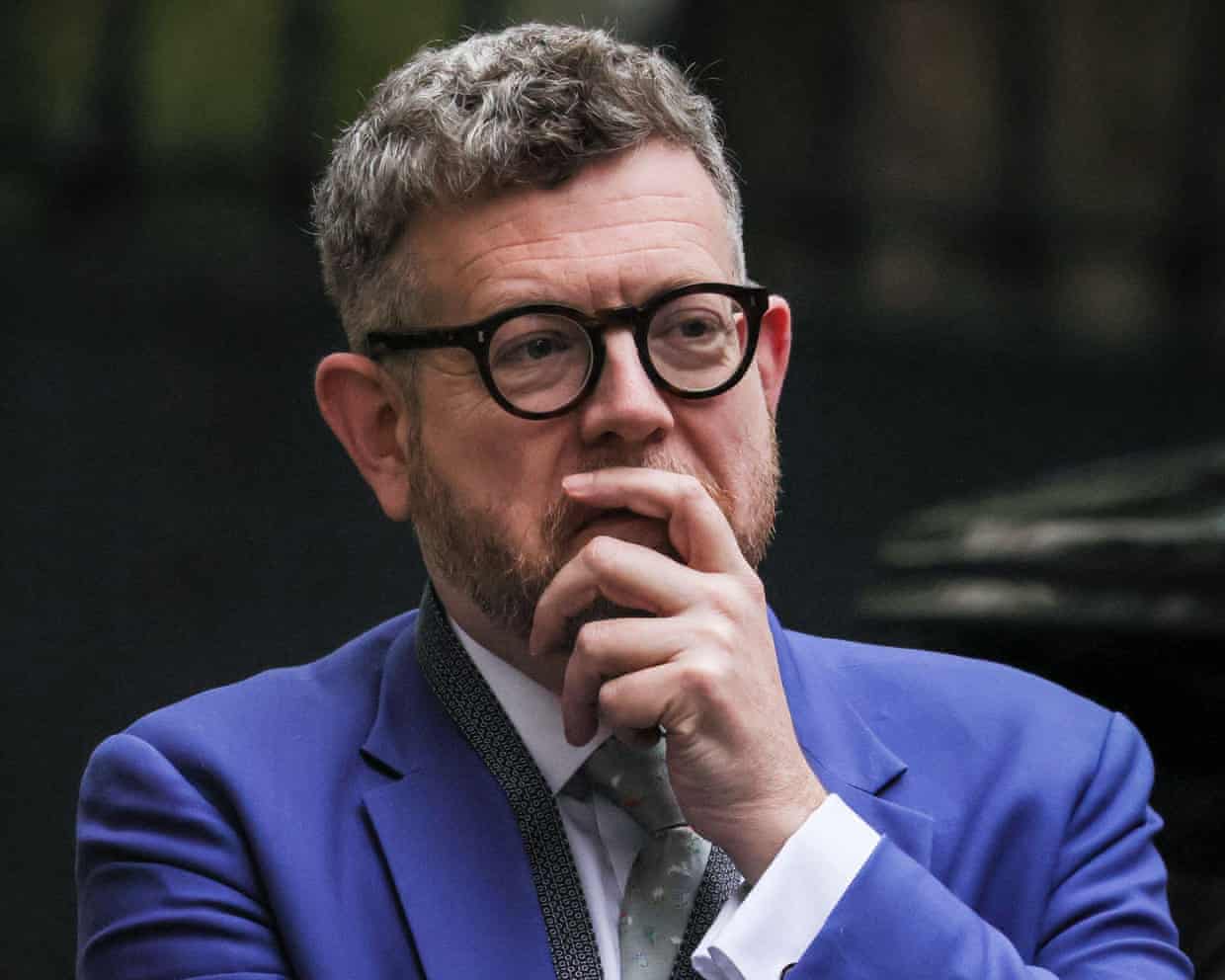
UK politics: Matthew Doyle claims he never sought ambassador role – as it happened
Matthew Doyle, the former No 10 communications chief who got a peerage after he left Downing Street, has said that he “never sought” a post as an ambassdor and that he was “never aware of anyone speaking to the FCDO about such a role for me”.He was responding to the revelations at today’s committee hearing with Olly Robbins.I will post the full quotes when I get them.UPDATE: See 3.53pm for the full quote
UK agriculture deal with EU will not remove all red tape, peers told
A new agriculture agreement with the EU will not wipe out all Brexit paperwork but might pave the way for sales of Scottish langoustines and oysters, the House of Lords has heard.The UK and EU are close to finalising a sanitary and phytosanitary (SPS) agreement to reduce Brexit trade barriers, and while it will have “modest” impact on the UK economy the agreement will be significant, peers on the European affairs committee were told on Tuesday.It would spell the end of physical checks on farm produce and the end of the need for veterinary certificates, which cost £200 each.It could also remove the need to label food as “Not for EU”, which has been “a significant problem” for wholesalers and distributors, said William Bain, head of trade policy at the British Chambers of Commerce.Bain, who is Scottish, said it could reopen the door for exports of Scottish langoustines and molluscs

Olly Robbins: I was asked to find job for Starmer aide and not tell David Lammy
Downing Street pushed the Foreign Office to find a diplomatic role for Keir Starmer’s communications chief over the head of the then foreign secretary, the former head of the department has revealed.Testifying to MPs at parliament’s foreign affairs select committee on Tuesday, Olly Robbins said he had several conversations with No 10 about finding a role for Matthew Doyle, who was later suspended as a Labour peer after it emerged he had campaigned for a friend charged with possessing indecent images of children.Robbins said he had been asked not to mention the idea to David Lammy, who was foreign secretary at the time.Robbins described the conversations as part of more general pressure from people at the top of the government to place senior political figures in senior diplomatic posts. He made the revelation while testifying to the committee about the appointment of Peter Mandelson as Washington ambassador
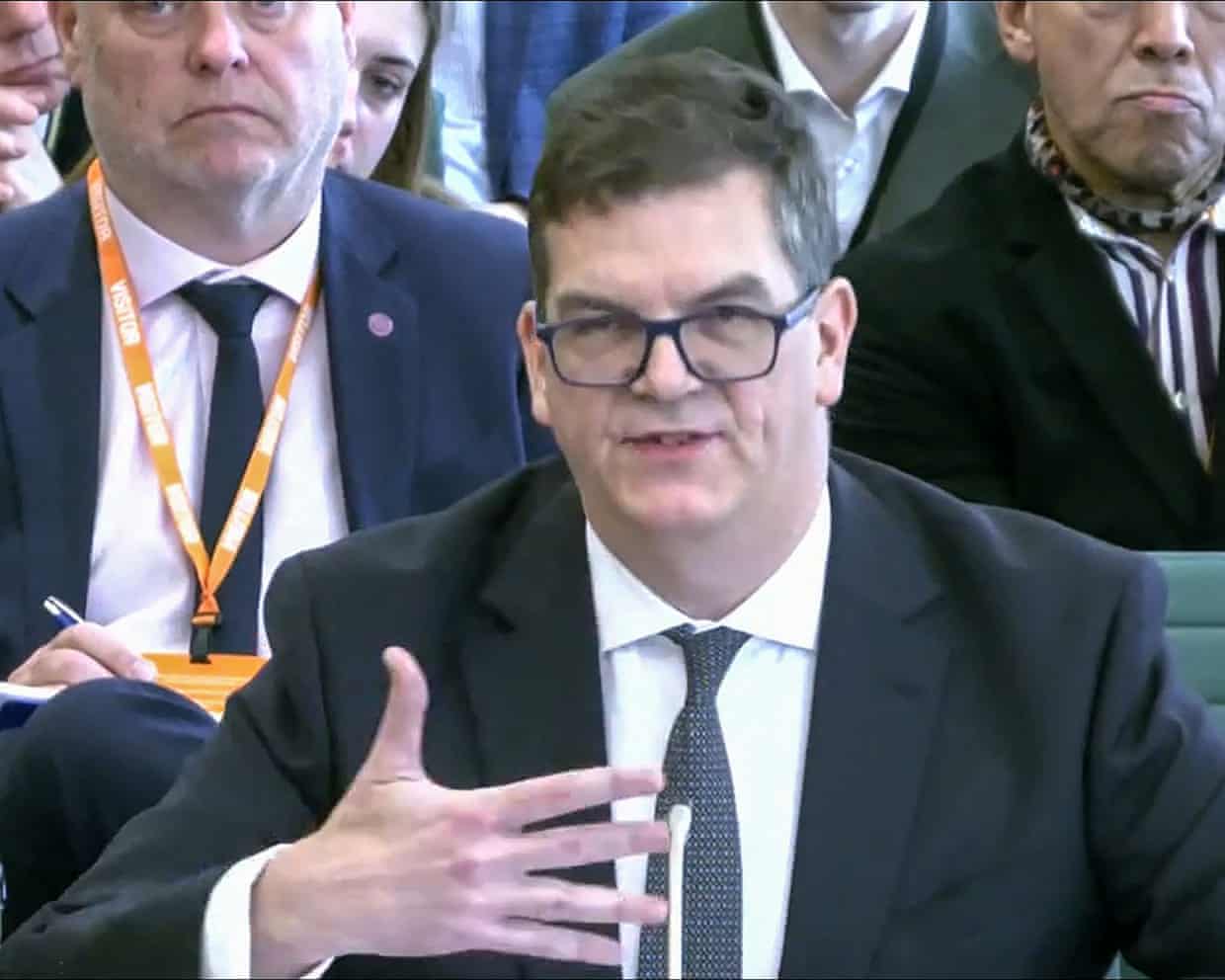
Starmer still faces more questions than answers after Olly Robbins’ quietly damning defence | John Crace
Well, what would you do? You’re a top civil servant with more than 25 years of government service. You’ve worked for Tony Blair, Gordon Brown, David Cameron and Theresa May. You went through Brexit hell as a lead negotiator. You were sacked by Boris Johnson and were then brought back by Keir Starmer.You land a plum job as permanent undersecretary in the Foreign Office and do your boss a favour by appointing his man as ambassador to the US
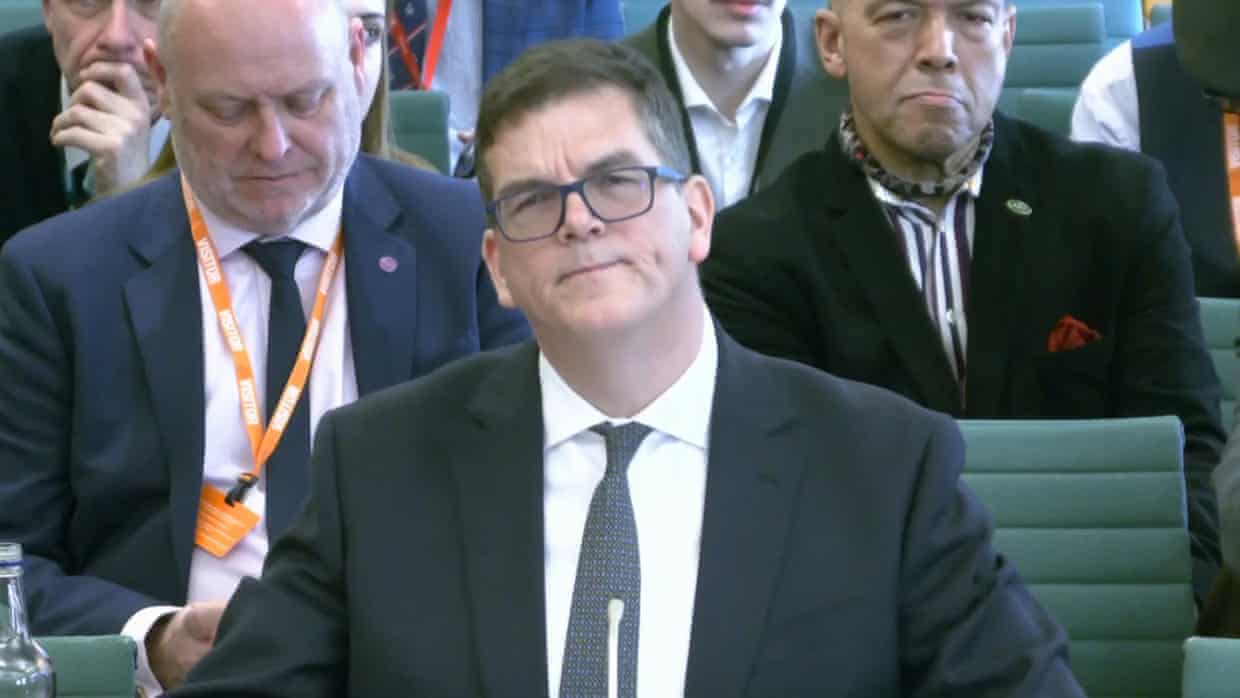
Olly Robbins says he faced ‘constant pressure’ to get Mandelson in post
The sacked senior civil servant Oliver Robbins has said he was subject to “constant pressure” when he started working at the Foreign Office to get Peter Mandelson in post as soon as possible.He said the Cabinet Office urged the Foreign Office to allow Mandelson’s appointment as the UK’s ambassador to the US without the usual vetting process but the Foreign Office pushed back and the vetting eventually went ahead.In an extraordinary development, Robbins, who was sacked by Keir Starmer last week after the Guardian disclosed he had overturned a recommendation from UK Security Vetting (UKSV) to deny clearance for Mandelson, suggested he had done so without knowing the full extent of national security concerns over the Labour peer.The former permanent secretary made his decision to give clearance without seeing the UKSV form – which said there was a “high” overall concern and concluded “clearance denied” – or even knowing the details.Robbins also confirmed the Guardian’s story that senior government officials had considered whether to withhold from parliament sensitive documents about the vetting process, a story which was denied last week by the prime minister’s chief secretary, Darren Jones
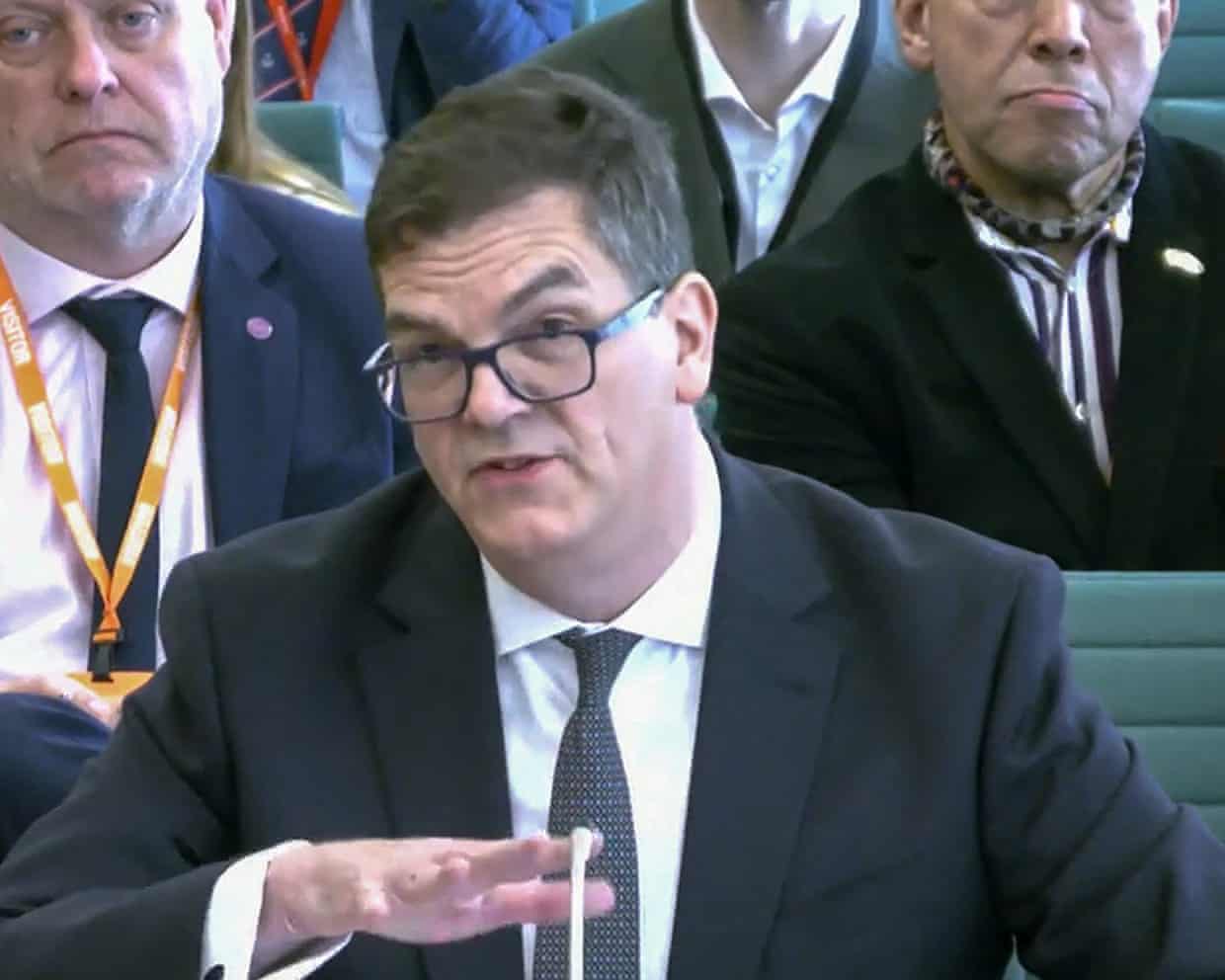
Robbins’ account raises questions over whether he was misled on Mandelson vetting
An account of Peter Mandelson’s vetting process given by the former top civil servant Sir Olly Robbins has raised new questions about whether Robbins was misled about the findings of the agency responsible for vetting.Robbins, who was sacked from his role of permanent secretary at the Foreign Office last week after revelations in the Guardian, gave testimony about the process to a select committee.Robbins told MPs that he did not see the vetting file produced by United Kingdom Security Vetting (UKSV), which he described as existing in a “hermetically sealed box”.However, he said he was briefed on the risks it highlighted at a meeting on 29 January 2025 with a top Foreign Office security official. That was the day after UKSV had submitted its recommendation
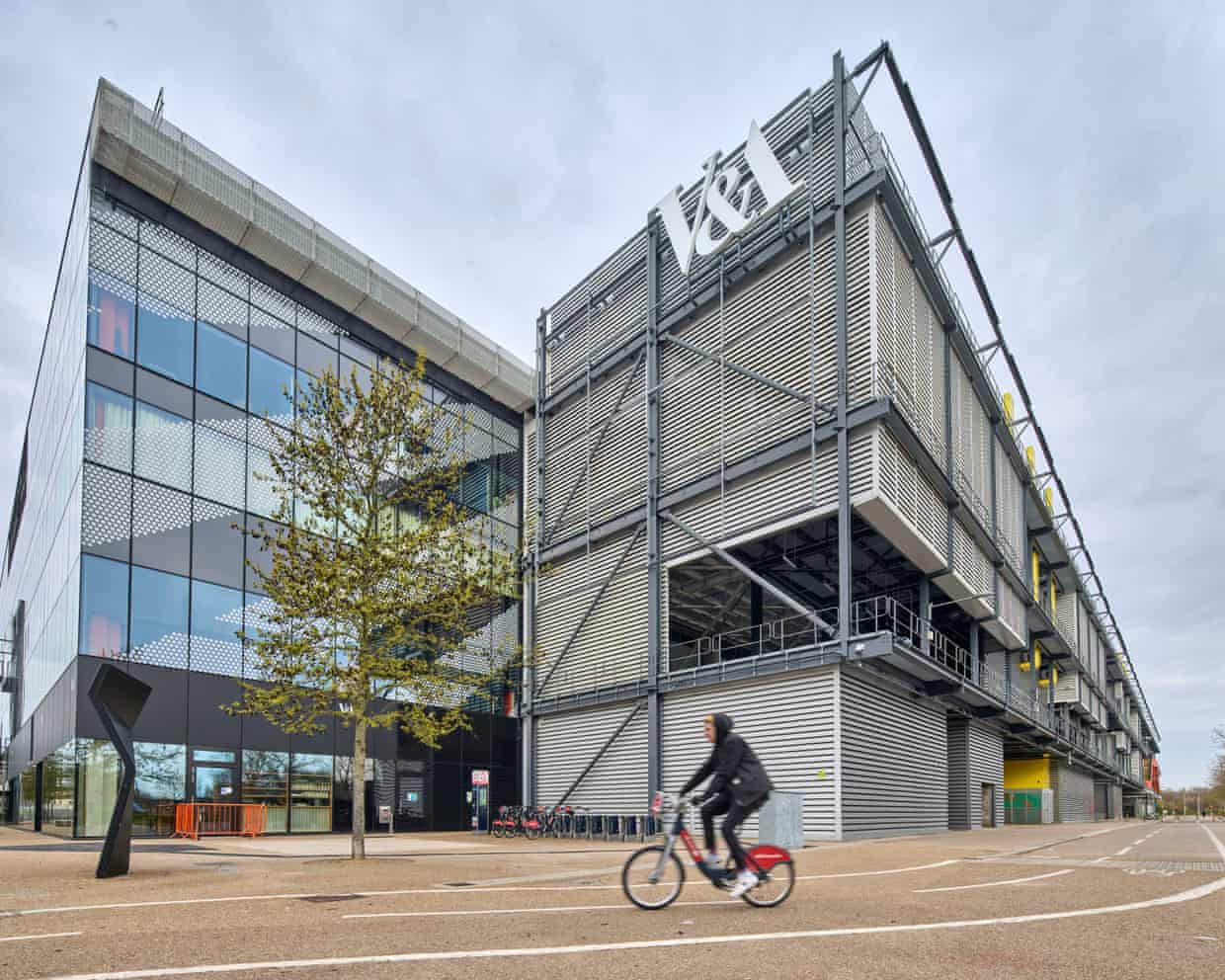
V&A East Storehouse and Norwich Castle among finalists for museum of the year
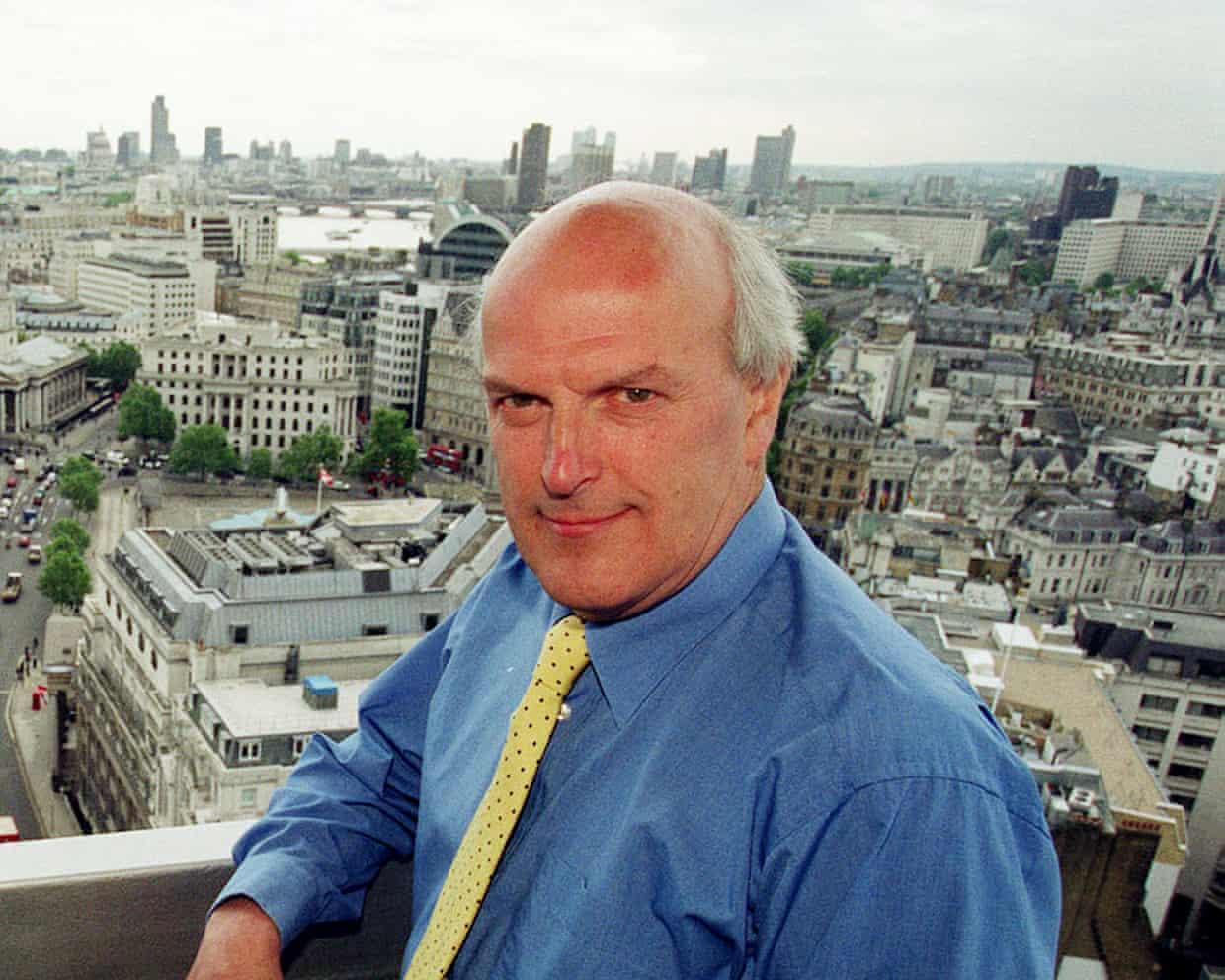
Letter: Sir Neil Cossons obituary

‘Women want to experience pleasure’: how the female gaze caught the attention of film, TV and fiction
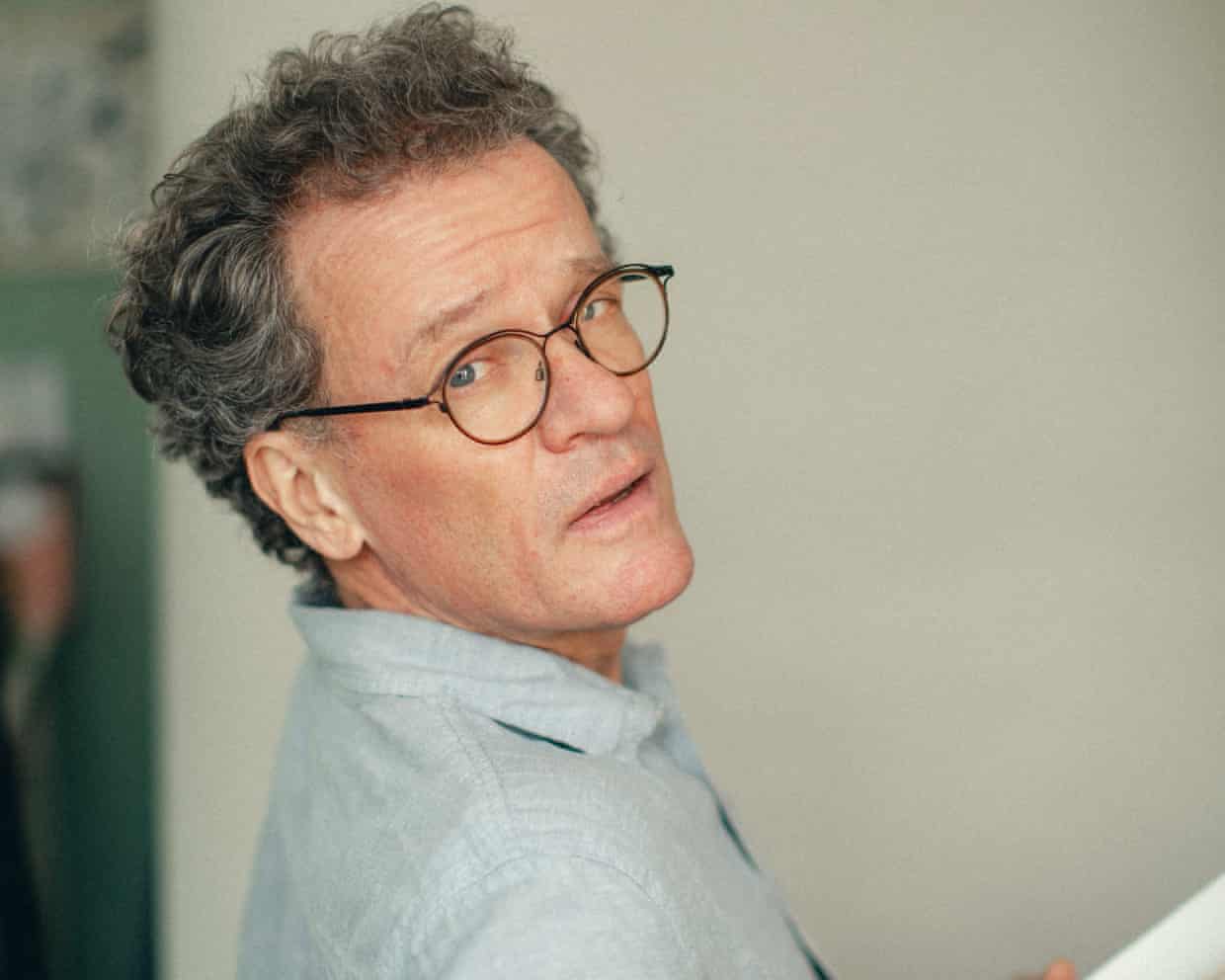
Yann Martel: ‘I hate the rich people of this world – of which I’m one, because of Life of Pi’

The Guide #239: Two successful seasons in, The Pitt has resuscitated the medical drama
Winners and judges out of pocket as £20,000 writing awards appear to have closed