Robbins’ account raises questions over whether he was misled on Mandelson vetting
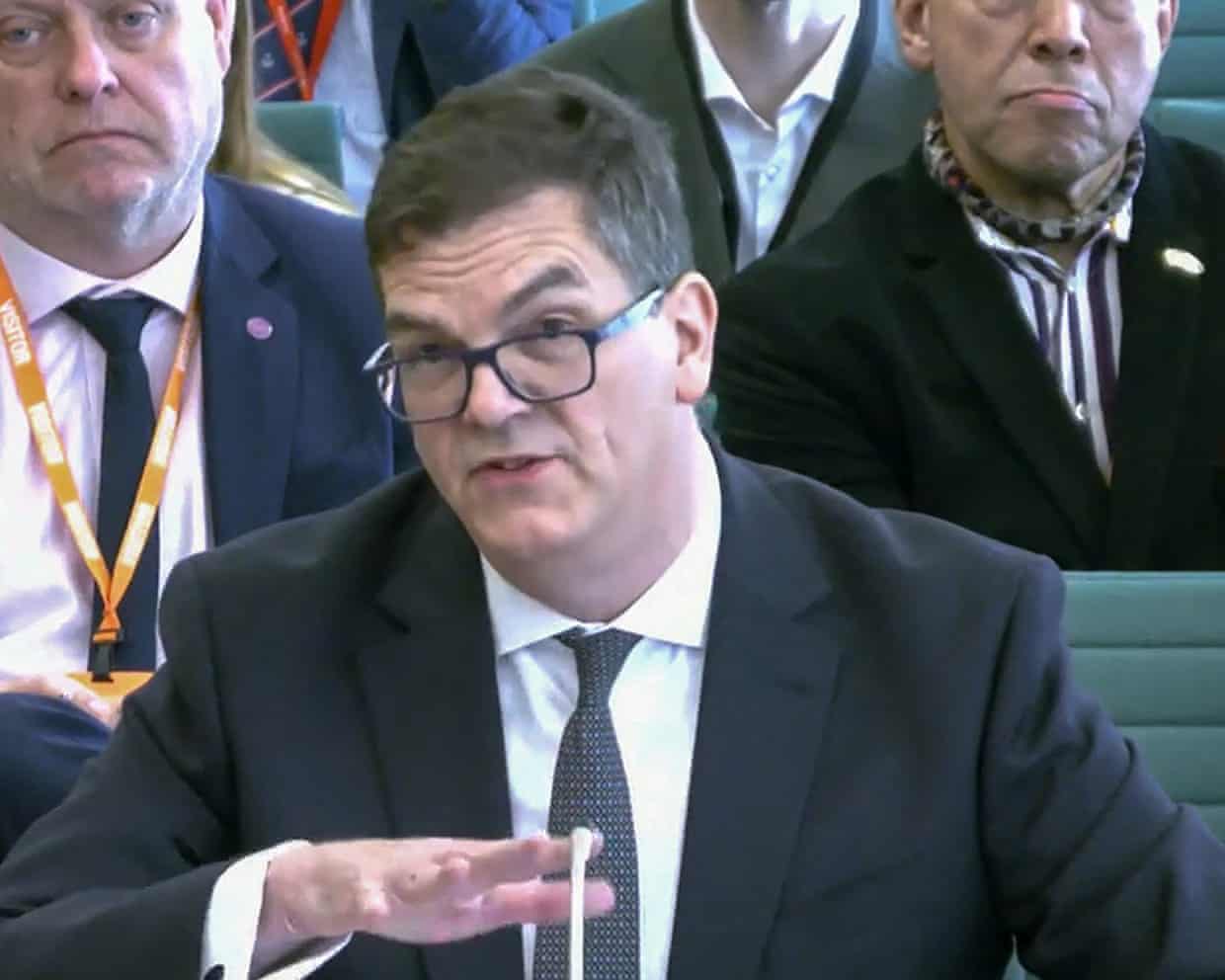
An account of Peter Mandelson’s vetting process given by the former top civil servant Sir Olly Robbins has raised new questions about whether Robbins was misled about the findings of the agency responsible for vetting.Robbins, who was sacked from his role of permanent secretary at the Foreign Office last week after revelations in the Guardian, gave testimony about the process to a select committee.Robbins told MPs that he did not see the vetting file produced by United Kingdom Security Vetting (UKSV), which he described as existing in a “hermetically sealed box”.However, he said he was briefed on the risks it highlighted at a meeting on 29 January 2025 with a top Foreign Office security official.That was the day after UKSV had submitted its recommendation.
According to Robbins, he was briefed that UKSV considered Mandelson “a borderline case”, and vetting officials were “leaning towards recommending that clearance be denied”,Robbins said he was told the case was not clearcut, and UKSV had indicated the Foreign Office “may wish to grant” Mandelson clearance with mitigations put in place,But he was repeatedly questioned by MPs on the committee about the UKSV vetting file – a template of which was released on Friday,They said they understood the vetting file document clearly showed that UKSV’s advice was that Mandelson should be denied clearance as there was high concern, with ticks beside two key red boxes on the form,The document in question lists three rankings for possible “overall concern”: low, medium and high, colour-coded in green, yellow and red, respectively.
In the next box, there is a space for a vetting officer to list the outcome of the assessment with their “overall decision or recommendation”.Again, there are three colour-coded options: clearance approved, clearance approved “with risk management”, and – in a red box – clearance denied.MPs on the committee said they understood that Mandelson had received two ticks beside red boxes.Responding to questions from the Tory MP John Whittingdale, Robbins said he did not recall the briefing he received being “that definitive”.In a letter he submitted to the committee before giving evidence, Robbins said he was told in an “oral briefing” that “UKSV considered Mandelson a ‘borderline’ case, leaning towards recommending that clearance be denied”.
In the hearing, he reiterated his position that UKSV was “leaning against” granting Mandelson clearance.But he said that “the way in which it was described to me” was that UKSV and Foreign Office officials had “debated some of the assessments UKSV had made” which had “shifted up and down” before he was briefed.And he in effect conceded that he nonetheless took the decision to grant Mandelson clearance without even seeing the UKSV file.Robbins suggested that the file was a highly confidential document.He said that the usual process was not to reveal its contents to officials, except in “wholly exceptional circumstances”.
He said his team consulted the Cabinet Office and was told that Robbins “required a national security justification” to see the UKSV file and he did not pursue the matter further.The best public interest journalism relies on first-hand accounts from people in the know.If you have something to share on this subject, you can contact us confidentially using the following methods:The Guardian app has a tool to send tips about stories.Messages are end to end encrypted and concealed within the routine activity that every Guardian mobile app performs.This prevents an observer from knowing that you are communicating with us at all, let alone what is being said.
If you don’t already have the Guardian app, download it (iOS/Android) and go to the menu.Select ‘Secure Messaging’.If you don’t need a high level of security or confidentiality you can email investigations.contact@theguardian.com.
Finally, our guide at theguardian.com/tips lists several ways to contact us securely, and discusses the pros and cons of each.
UK politics: Matthew Doyle claims he never sought ambassador role – as it happened
Matthew Doyle, the former No 10 communications chief who got a peerage after he left Downing Street, has said that he “never sought” a post as an ambassdor and that he was “never aware of anyone speaking to the FCDO about such a role for me”.He was responding to the revelations at today’s committee hearing with Olly Robbins.I will post the full quotes when I get them.UPDATE: See 3.53pm for the full quote
UK agriculture deal with EU will not remove all red tape, peers told
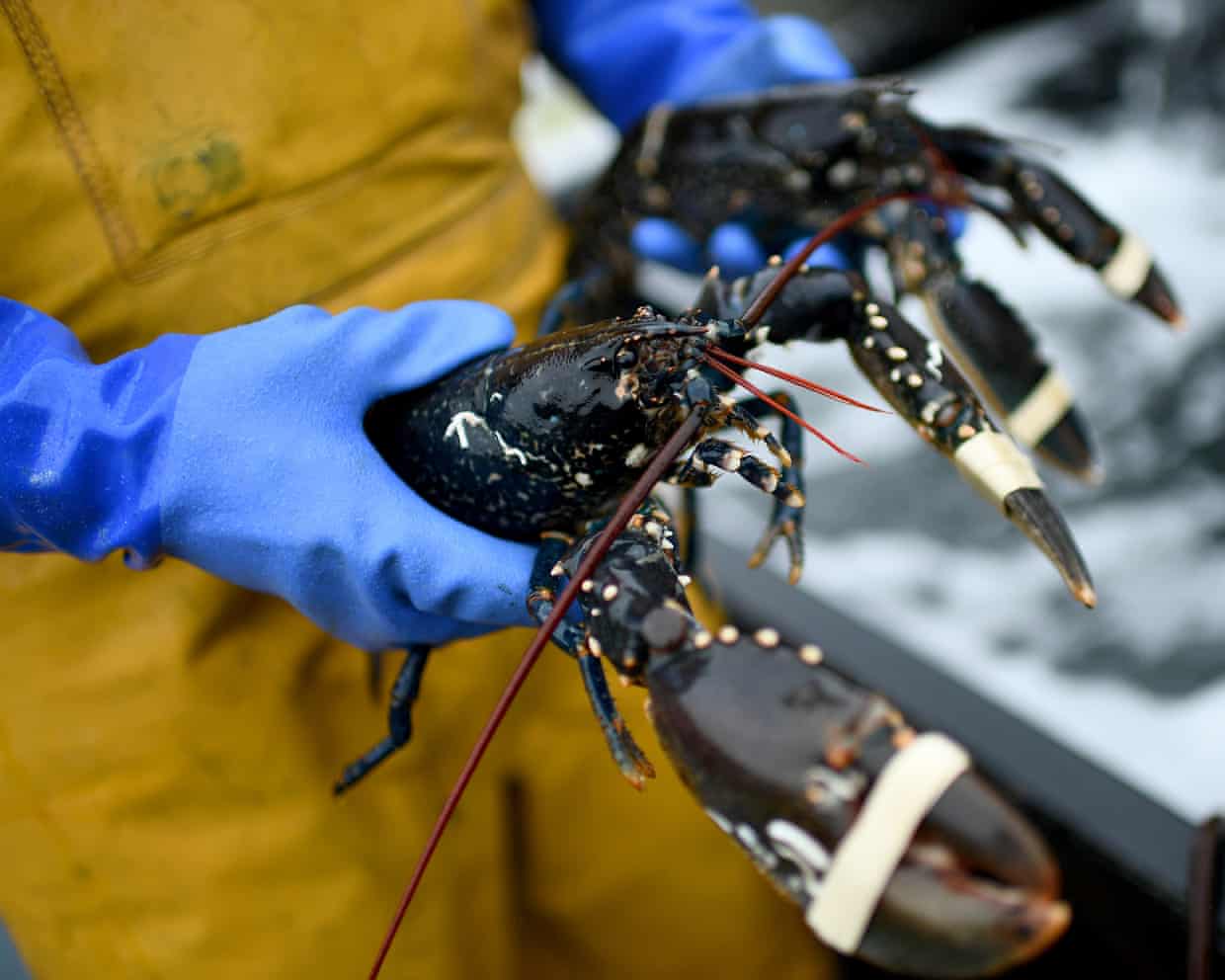
A new agriculture agreement with the EU will not wipe out all Brexit paperwork but might pave the way for sales of Scottish langoustines and oysters, the House of Lords has heard.The UK and EU are close to finalising a sanitary and phytosanitary (SPS) agreement to reduce Brexit trade barriers, and while it will have “modest” impact on the UK economy the agreement will be significant, peers on the European affairs committee were told on Tuesday.It would spell the end of physical checks on farm produce and the end of the need for veterinary certificates, which cost £200 each.It could also remove the need to label food as “Not for EU”, which has been “a significant problem” for wholesalers and distributors, said William Bain, head of trade policy at the British Chambers of Commerce.Bain, who is Scottish, said it could reopen the door for exports of Scottish langoustines and molluscs

Olly Robbins: I was asked to find job for Starmer aide and not tell David Lammy
Downing Street pushed the Foreign Office to find a diplomatic role for Keir Starmer’s communications chief over the head of the then foreign secretary, the former head of the department has revealed.Testifying to MPs at parliament’s foreign affairs select committee on Tuesday, Olly Robbins said he had several conversations with No 10 about finding a role for Matthew Doyle, who was later suspended as a Labour peer after it emerged he had campaigned for a friend charged with possessing indecent images of children.Robbins said he had been asked not to mention the idea to David Lammy, who was foreign secretary at the time.Robbins described the conversations as part of more general pressure from people at the top of the government to place senior political figures in senior diplomatic posts. He made the revelation while testifying to the committee about the appointment of Peter Mandelson as Washington ambassador
Starmer still faces more questions than answers after Olly Robbins’ quietly damning defence | John Crace
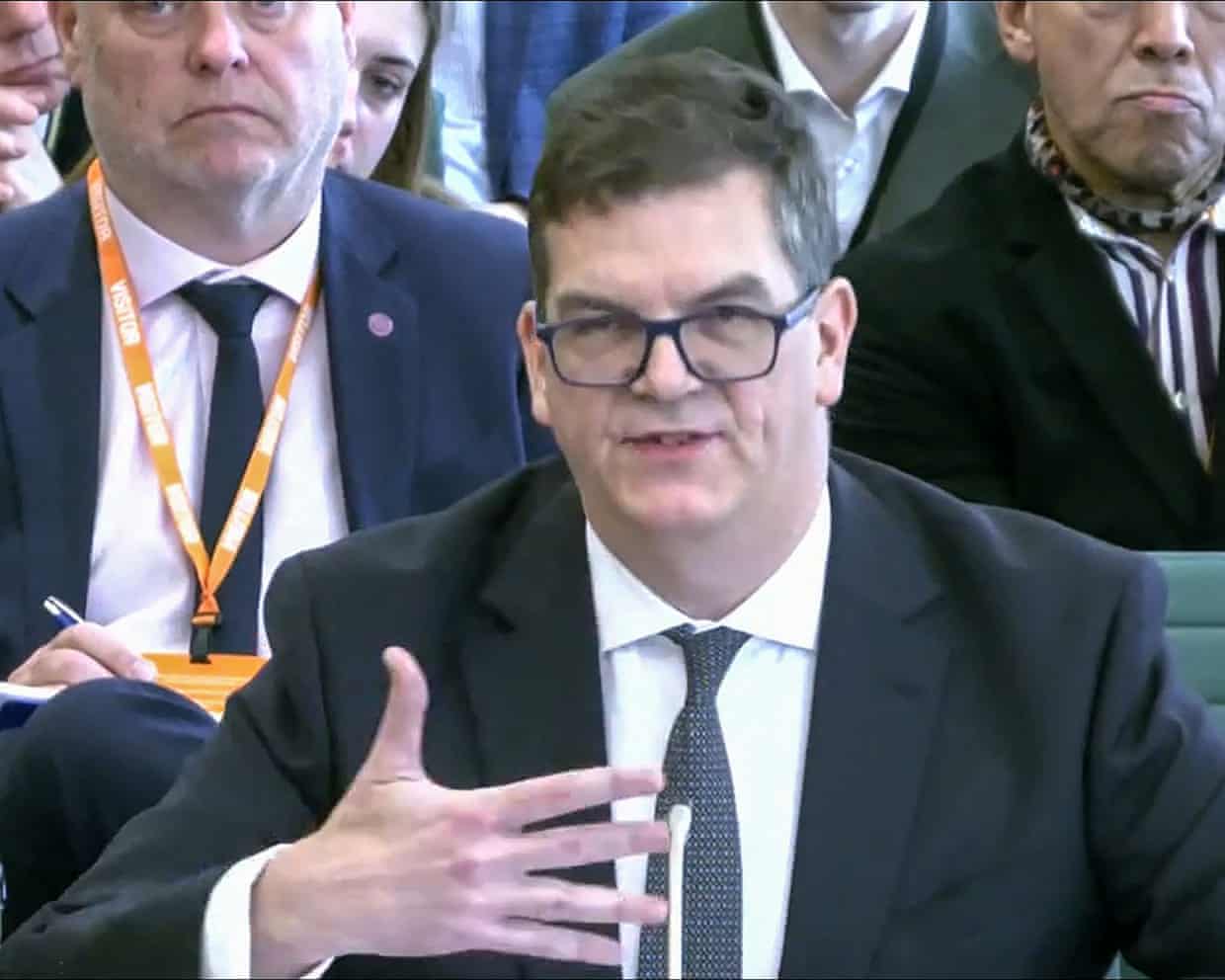
Well, what would you do? You’re a top civil servant with more than 25 years of government service. You’ve worked for Tony Blair, Gordon Brown, David Cameron and Theresa May. You went through Brexit hell as a lead negotiator. You were sacked by Boris Johnson and were then brought back by Keir Starmer.You land a plum job as permanent undersecretary in the Foreign Office and do your boss a favour by appointing his man as ambassador to the US
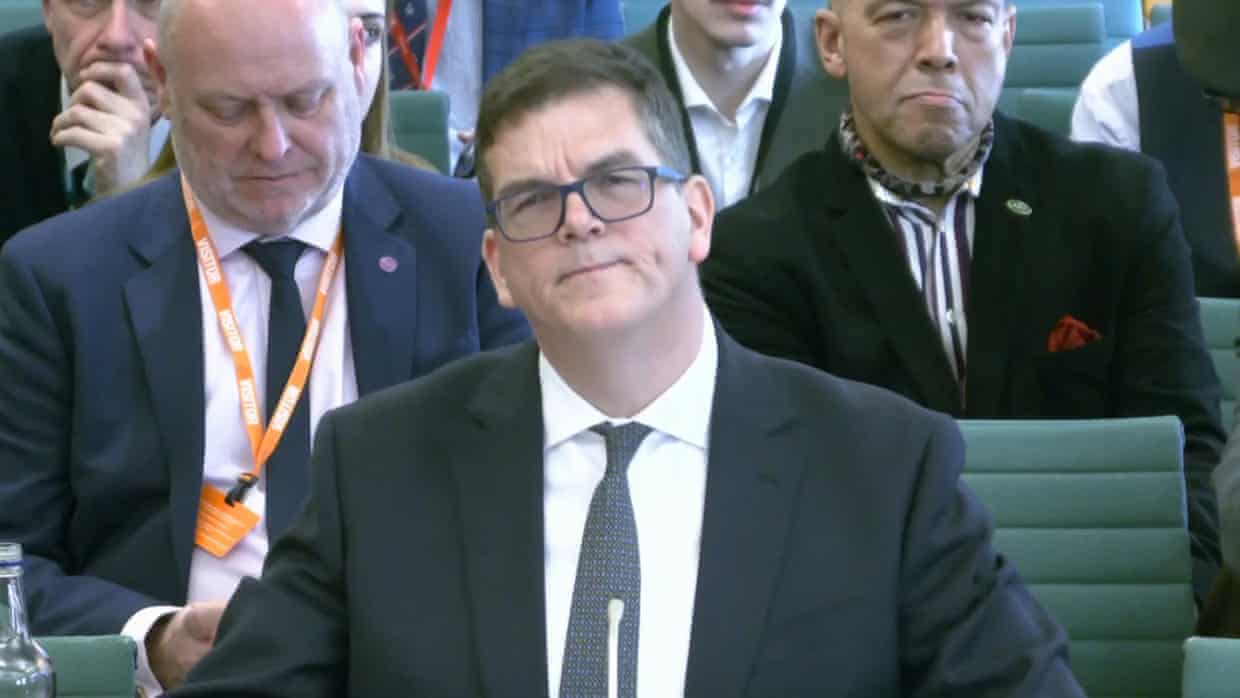
Olly Robbins says he faced ‘constant pressure’ to get Mandelson in post
The sacked senior civil servant Oliver Robbins has said he was subject to “constant pressure” when he started working at the Foreign Office to get Peter Mandelson in post as soon as possible.He said the Cabinet Office urged the Foreign Office to allow Mandelson’s appointment as the UK’s ambassador to the US without the usual vetting process but the Foreign Office pushed back and the vetting eventually went ahead.In an extraordinary development, Robbins, who was sacked by Keir Starmer last week after the Guardian disclosed he had overturned a recommendation from UK Security Vetting (UKSV) to deny clearance for Mandelson, suggested he had done so without knowing the full extent of national security concerns over the Labour peer.The former permanent secretary made his decision to give clearance without seeing the UKSV form – which said there was a “high” overall concern and concluded “clearance denied” – or even knowing the details.Robbins also confirmed the Guardian’s story that senior government officials had considered whether to withhold from parliament sensitive documents about the vetting process, a story which was denied last week by the prime minister’s chief secretary, Darren Jones
Robbins’ account raises questions over whether he was misled on Mandelson vetting
An account of Peter Mandelson’s vetting process given by the former top civil servant Sir Olly Robbins has raised new questions about whether Robbins was misled about the findings of the agency responsible for vetting.Robbins, who was sacked from his role of permanent secretary at the Foreign Office last week after revelations in the Guardian, gave testimony about the process to a select committee.Robbins told MPs that he did not see the vetting file produced by United Kingdom Security Vetting (UKSV), which he described as existing in a “hermetically sealed box”.However, he said he was briefed on the risks it highlighted at a meeting on 29 January 2025 with a top Foreign Office security official. That was the day after UKSV had submitted its recommendation

The Breakdown | Erin King looks to lift Ireland: ‘It was tough some days to keep showing up’

Vibrating crotches, anal beads and suspicious minds: the long, strange history of chess cheats | Sean Ingle

‘I’m not the boss’: Lando Norris is articulate, open and intelligent – when he’s allowed to be
Barking dogs and a real estate agent: how a farcical AFL tribunal could prompt change | Jo Khan

‘I hope it doesn’t get him down’: Usain Bolt tells Gout Gout to get ready to lose

Fitness influencer drowns during swimming portion of Ironman Texas