Olly Robbins says he faced ‘constant pressure’ to get Mandelson in post
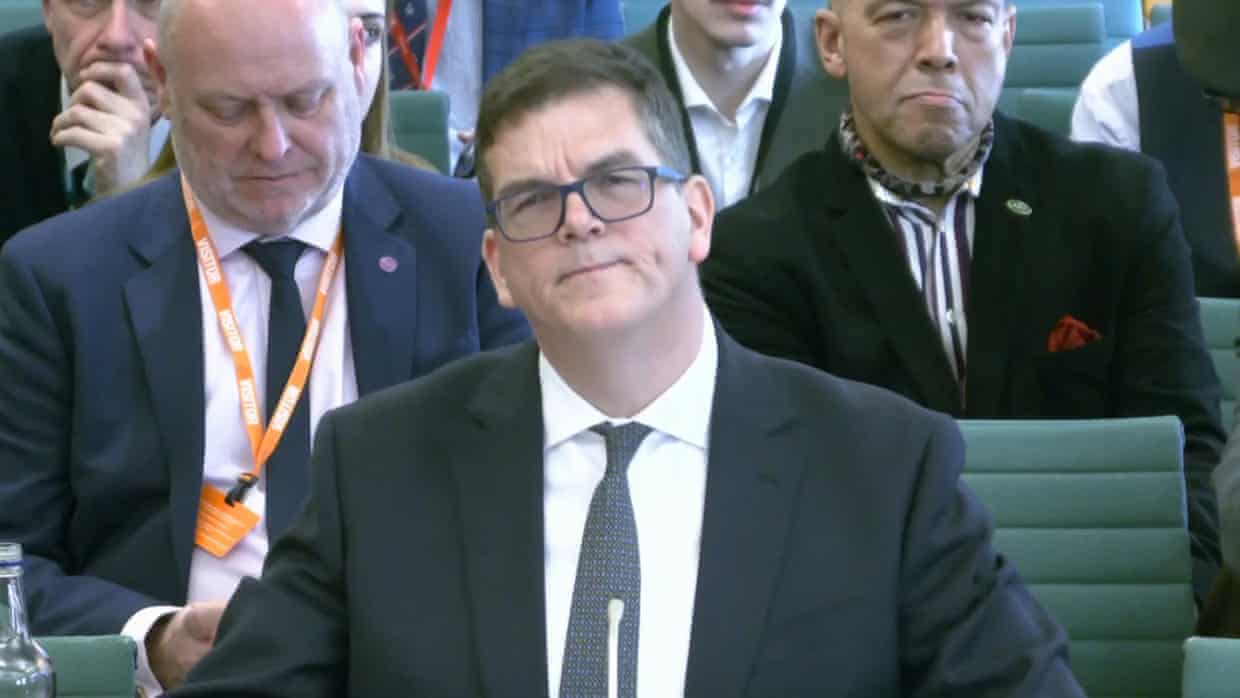
The sacked senior civil servant Oliver Robbins has said he was subject to “constant pressure” when he started working at the Foreign Office to get Peter Mandelson in post as soon as possible.He said the Cabinet Office urged the Foreign Office to allow Mandelson’s appointment as the UK’s ambassador to the US without the usual vetting process but the Foreign Office pushed back and the vetting eventually went ahead.In an extraordinary development, Robbins, who was sacked by Keir Starmer last week after the Guardian disclosed he had overturned a recommendation from UK Security Vetting (UKSV) to deny clearance for Mandelson, suggested he had done so without knowing the full extent of national security concerns over the Labour peer.The former permanent secretary made his decision to give clearance without seeing the UKSV form – which said there was a “high” overall concern and concluded “clearance denied” – or even knowing the details.Robbins also confirmed the Guardian’s story that senior government officials had considered whether to withhold from parliament sensitive documents about the vetting process, a story which was denied last week by the prime minister’s chief secretary, Darren Jones.
Starmer has come under intense pressure to explain the process behind appointing Mandelson, a decision that many Labour MPs believe highlights the prime minister’s poor political judgment.Some have described Robbins’ testimony as a key moment in determining whether a large number of those MPs now turn against Starmer, which could bring an early end to his premiership.In his evidence to parliament’s foreign affairs select committee on Tuesday, Robbins confirmed he had not told Starmer, David Lammy, who was the foreign secretary at the time, or anybody else in No 10 about UKSV’s recommendation.In a potentially damaging revelation for Starmer, Robbins also revealed No 10 had asked the Foreign Office to find a senior diplomatic role for the prime minister’s then communications chief, Matthew Doyle, and said he was asked not to tell Lammy.Starmer had appointed Mandelson before Robbins took up his role as Foreign Office chief, and also before security vetting had taken place, with senior officials telling the Guardian it was clear to them that No 10 wanted Mandelson in Washington whatever the risk.
Robbins said that before his own appointment there had been a “live debate” about whether Mandelson should have to undergo any vetting before he was appointed.He said his predecessor, Philip Barton, had to be “very firm in person” for the vetting to go ahead.He told the committee Downing Street took a “dismissive” attitude to vetting and Mandelson was given access to the Foreign Office building, low-classification IT and to “higher-classification briefings” before he was granted security clearance.Robbins told MPs: “I walked into a situation in which there was already a very, very strong expectation.And you have seen the papers released already under the humble address that’s coming from No 10 that he needed to be in post and in America as quickly as humanly possible.
The very first formal communication of this to my predecessor from No 10’s private office being that they wanted all this done at pace and Mandelson in post before [Donald Trump’s] inauguration.”Asked who in No 10 had applied pressure, he said it was mainly the prime minister’s private office, which is staffed by civil servants.But he added: “I think that the private office would only have been [putting on] this pressure themselves if they were under pressure.”Starmer hit back later on Tuesday, telling his cabinet Robbins was a “man of integrity and professionalism” but had made an “error of judgment”.The prime minister’s spokesperson denied that No 10 had taken a dismissive attitude to vetting, saying on Tuesday: “There is clearly a difference between asking for updates on an appointment process, and … it being dismissive.
”Robbins, in a letter to the committee before testifying, said he was briefed on the UKSV finding orally in January – this is understood to have been by Ian Collard, the department’s chief property and security officer – and that no documents were presented to him.He said UKSV considered Mandelson a “borderline” case and was leaning towards recommending that clearance be denied.In his evidence to MPs, Robbins said he was not made aware of the tick-box form recommending that Mandelson not be granted clearance.The Foreign Office’s security team, the estates security and network directorate, thought the risks of the appointment could be managed and mitigated, and Robbins added that UKSV had acknowledged that the Foreign Office might want to grant clearance with those mitigations.Pressed by Emily Thornberry, the committee chair, about why he did not request the vetting document, Robbins said he always took oral briefings to ensure confidentiality.
Robbins said in his letter that he considered asking to see the contents of the UKSV recommendation in September after Mandelson was sacked.But despite having been told there would be a national security justification for doing so, he decided not to request the documents.He added: “It is deeply worrying that within days of [Cabinet Office] officials briefing No 10 on the issues they perceived with Mandelson’s vetting, the story had leaked to the Guardian.”Robbins insisted he did not tell anyone in No 10 about the UKSV recommendation, bolstering the prime minister’s claims that neither he nor any of his aides knew.Robbins said it would have been “very difficult indeed” if he had denied Mandelson security clearance.
He told MPs: “The PM’s nominee had been put out there to the public, announced, blessed by the king, agreed by the US government,We were in receipt of formal letters from No 10 telling us to get on with it quickly,We had engineered agreement to arrive just before the inauguration,“All I can do is agree with the premise that against that backdrop, the Foreign Office saying: ‘OK but sorry, we can’t grant him clearance,’ would have been a very, very difficult problem,And a difficult problem I would have been landing the foreign secretary with, and the prime minister.
”Senior government officials – including within the Cabinet Office – had been in dispute last week, as revealed by the Guardian, over whether to release documents relating to Mandelson’s vetting through the humble address process.Starmer on Tuesday backed the actions of Cat Little, the permanent secretary at the Cabinet Office, and Antonia Romeo, the cabinet secretary, both of whom argued the documents should be published.However, Robbins told the committee: “I would not resile for a second from the Foreign Office’s position in that conversation and I’m not trying to hide from it.I certainly held this view, but I was also advised it was the correct view, and others in the Foreign Office took it too.And we were not alone in Whitehall in taking this position.
“To open that box is to do something that has long-term, damaging and chilling implications for UK national security.I will not hide from the fact that my department, including me, took that view in those internal discussions.”
V&A East Storehouse and Norwich Castle among finalists for museum of the year
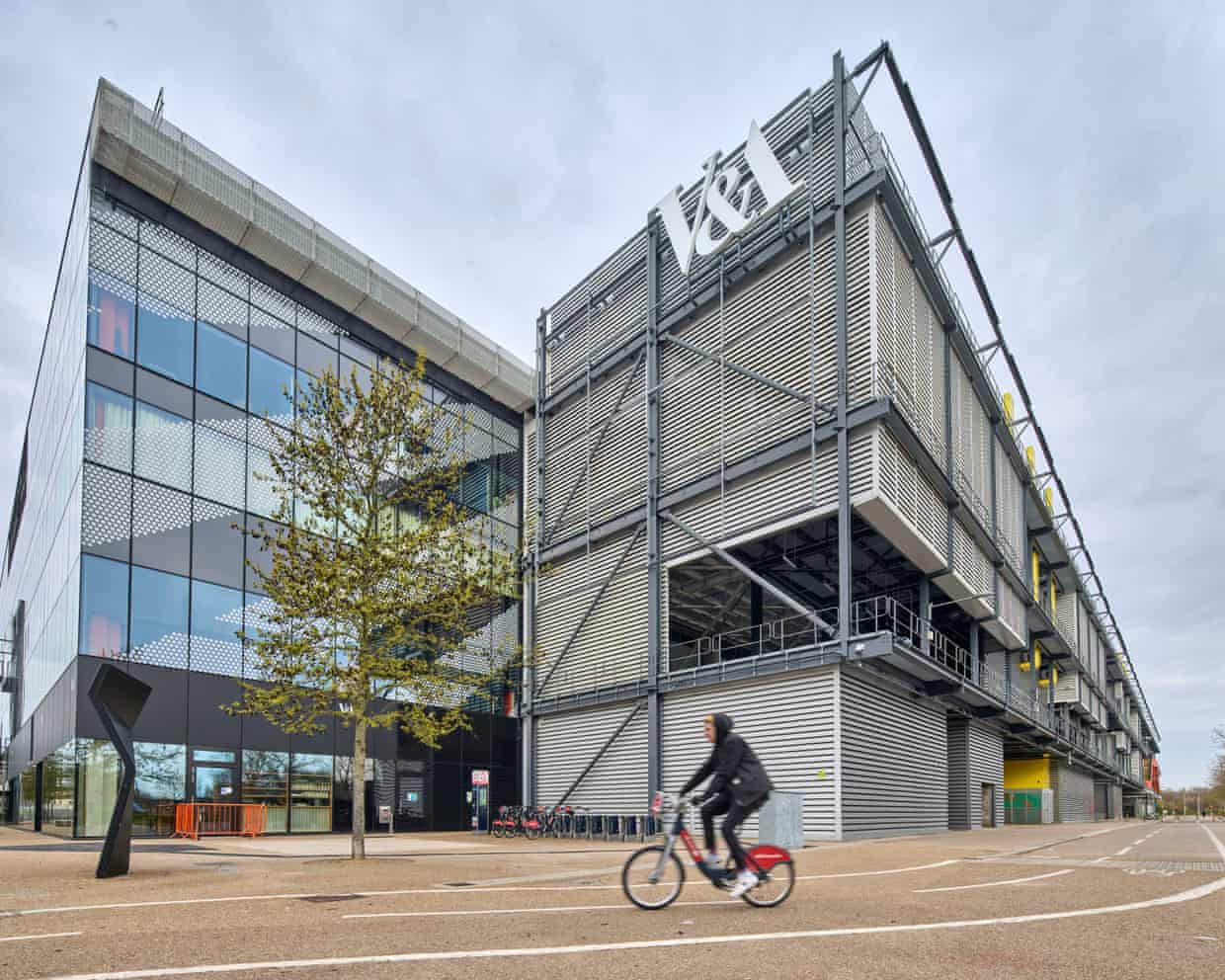
The V&A East Storehouse, the National Gallery and an accessible castle in Norwich are among the contenders for this year’s Art Fund museum of the year award, the most prestigious UK prize in the sector.The annual prize offers the winner £120,000, with £20,000 going to each of the other finalists, who the Art Fund’s director, Jenny Waldman, said had all “innovated in different ways”.This year’s list is dominated by some of the biggest names in the cultural sector that have undergone big refurbishments or invested in significant new outposts, such as the V&A’s East Storehouse, which will be seen by many as a frontrunner.Based in the Olympic Park in Stratford, east London, the space aims to reimagine what a storeroom can be, with partitions removed so visitors can see “and breathe the same air” as the objects. Waldman said the V&A Storehouse, which opened in spring 2025 at a cost of £65m, had broken the boundaries of what a store could be
Letter: Sir Neil Cossons obituary
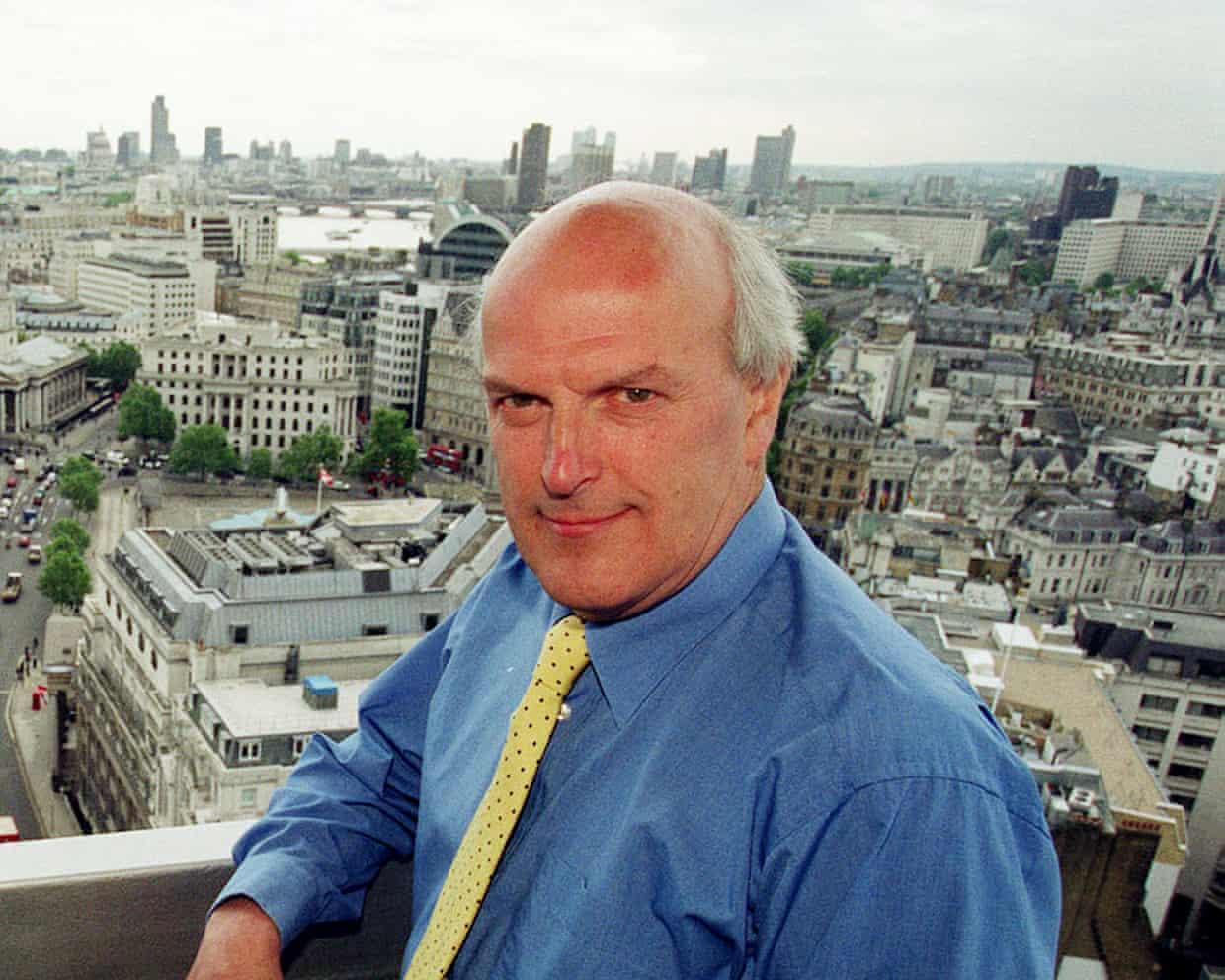
In 1971, Neil Cossons and I were on the staff of Liverpool Museum, and he invited me to accompany him on a visit to Ironbridge Gorge in Shropshire. We admired Blists Hill furnace, the bridge, the surrounding buildings and their setting, and shortly afterwards he became its director.The appeal it had as a monument to the industrial revolution lay in it being a complete entity. Many other site-based museums rely on translocating buildings, often into a replicated local landscape. History occurs in places, and Neil knew that raising one’s gaze from the built artefacts to the landscape enables understanding: preserving the place was crucial
‘Women want to experience pleasure’: how the female gaze caught the attention of film, TV and fiction
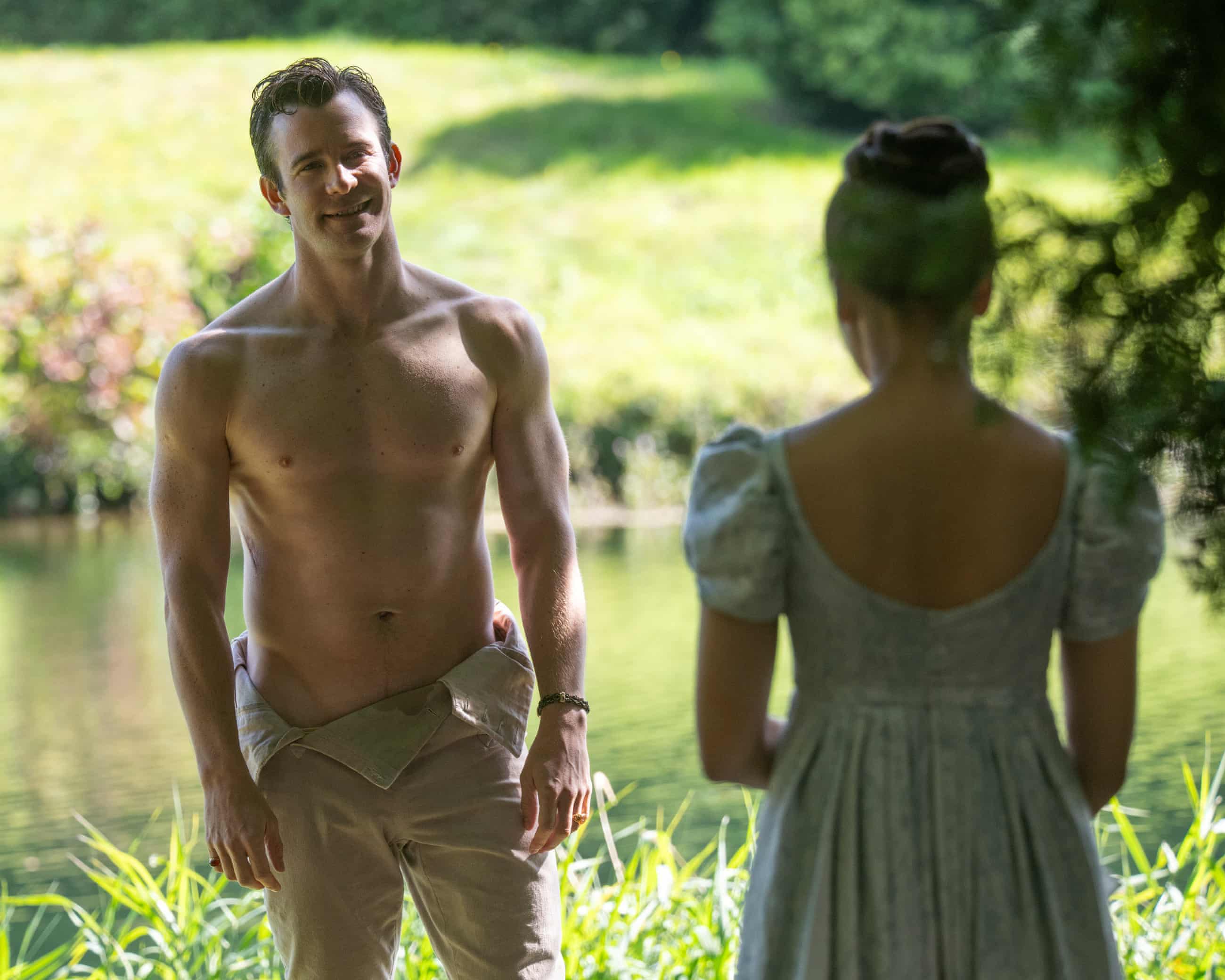
From passionate romantasy novels to premium television dramas, culture is bringing the agency, desires and interior lives of women to the fore. It’s proving good for business, but is this a permanent revolution?Do you voraciously read the pages of steamy romantasy bestsellers by Sarah J Maas or Rebecca Yarros? Or flood your group chat with breathless recaps of the latest goings-on in TV series such as Heated Rivalry or Bridgerton? Or even immerse yourself in the divisive and challenging cinematic worlds of Emerald Fennell? If so, you surely can’t have failed to notice that in pop culture, the female gaze – storytelling that highlights the meandering, textured, sublimely messy inner worlds and wants of women – is enjoying an explosion.On TV, you can see it everywhere, in the interior lives and desires taken up by Big Little Lies, Sirens or Reese Witherspoon and Kerry Washington’s Little Fires Everywhere. Romantasy harbours it in the shape of powerful maidens and sex in fae (fairy) realms, while Fennell’s Wuthering Heights and Promising Young Woman are marketed with the promise of converting women’s experiences into dark beauty on the big screen.A shift, a moment or a commercial juggernaut? That depends how deeply you look
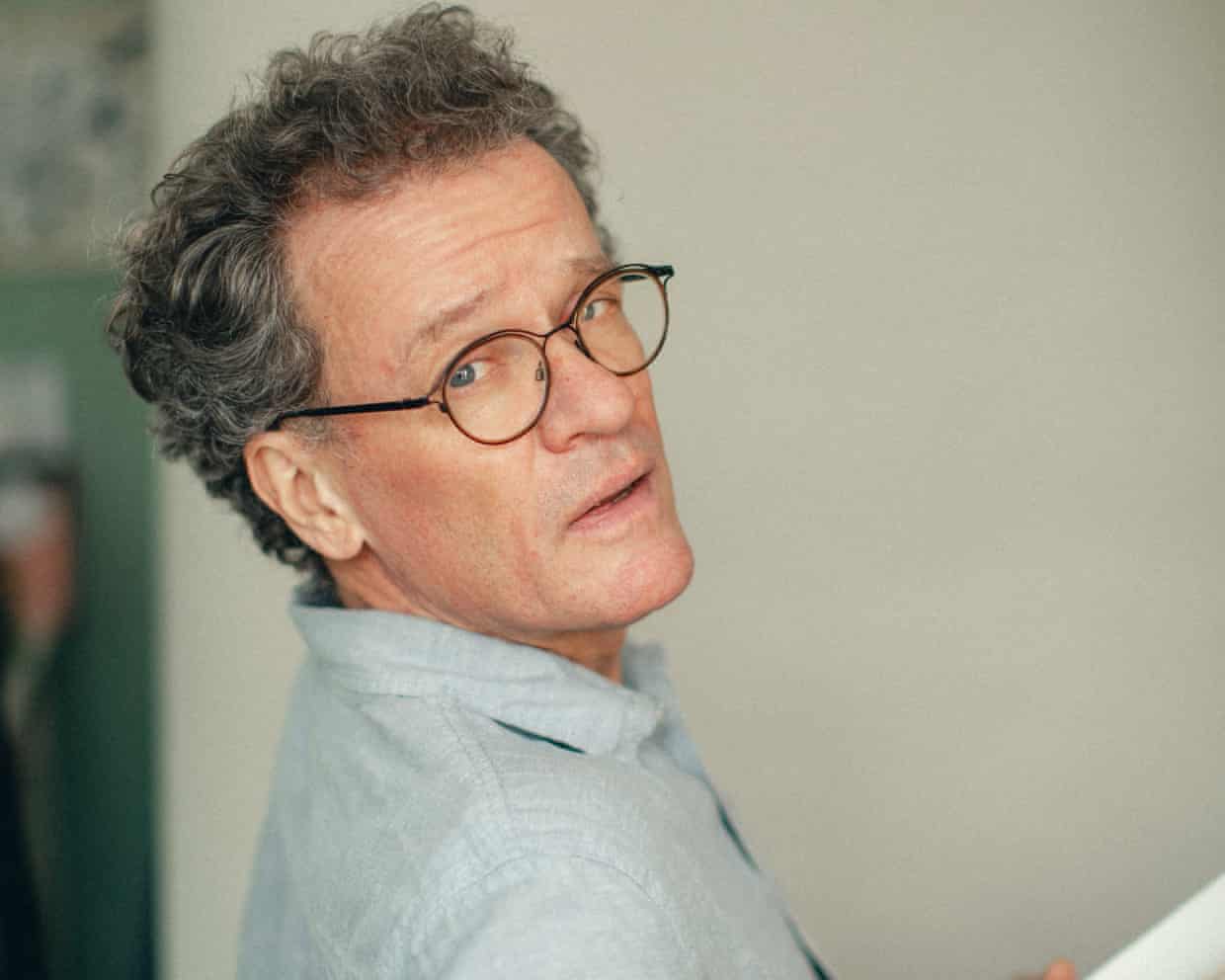
Yann Martel: ‘I hate the rich people of this world – of which I’m one, because of Life of Pi’
Your novels Life of Pi, Beatrice and Virgil, and The High Mountains of Portugal all feature animals in starring roles. If you could be any animal, which would it be, and why?A sloth, because it has a peaceful, long life. Or maybe a koala. They both look like stoners. A sloth just hangs there in its tree, it sleeps 22 hours a day – or maybe it’s meditating

The Guide #239: Two successful seasons in, The Pitt has resuscitated the medical drama
After a wait more interminable than most spells in an A&E reception area, medical-drama-of-the-moment The Pitt finally made it on to UK screens last month, via the arrival of streaming service HBO Max, and just about everyone I know has spent the following weeks hoovering it up. Some, in fact, are already up to speed with its second season (the finale aired last night on US TV) and so are trying very, very hard not to blurt out major plot points at the office tea point/on public transport/in an actual hospital waiting room – we’re in a post-spoiler age, remember.I’ve been a little bit slower off the mark – mainly because it took so long to figure out if I actually had access to HBO Max as part of my bafflingly arcane Sky TV package – but I’m racing through it now, and so am ready to share the same observations that everyone else made weeks, or in the case of the US, a full year ago. The main one being: how did not one TV producer have the idea to mash together ER and 24 before? It was right there, staring you all in the face! (Jed Mercurio, whose forgotten 2015 medical drama, Critical, also had a real-time element, might have a finger raised in objection at this point.)Beyond The Pitt’s formal innovation (each season follows, to the second, a 15-hour shift at an under-resourced teaching hospital in Pittsburgh), what’s striking is how familiar it feels
Winners and judges out of pocket as £20,000 writing awards appear to have closed
A competition for new writers that promised a £20,000 prize fund appears to have shut down, leaving winners and judges, including a Booker prize-winning novelist, out of pocket.Established in 2022, the Plaza Prizes last year offered 10 awards that were judged by the “finest poets and writers in the world”.However, some of the judges for the 2025 competition say they were not paid, and a number of winners say they had their entries withdrawn after being accused of using AI to create their work – allegations they strenuously denied.One judge, the 2021 Booker prize winner Damon Galgut, described the competition as a “scam” after he did not get paid for his work judging a fiction section of the annual competition.Anthony Joseph, who won the 2022 TS Eliot poetry prize, also says he was not paid for his work

The Breakdown | Erin King looks to lift Ireland: ‘It was tough some days to keep showing up’

Vibrating crotches, anal beads and suspicious minds: the long, strange history of chess cheats | Sean Ingle

‘I’m not the boss’: Lando Norris is articulate, open and intelligent – when he’s allowed to be
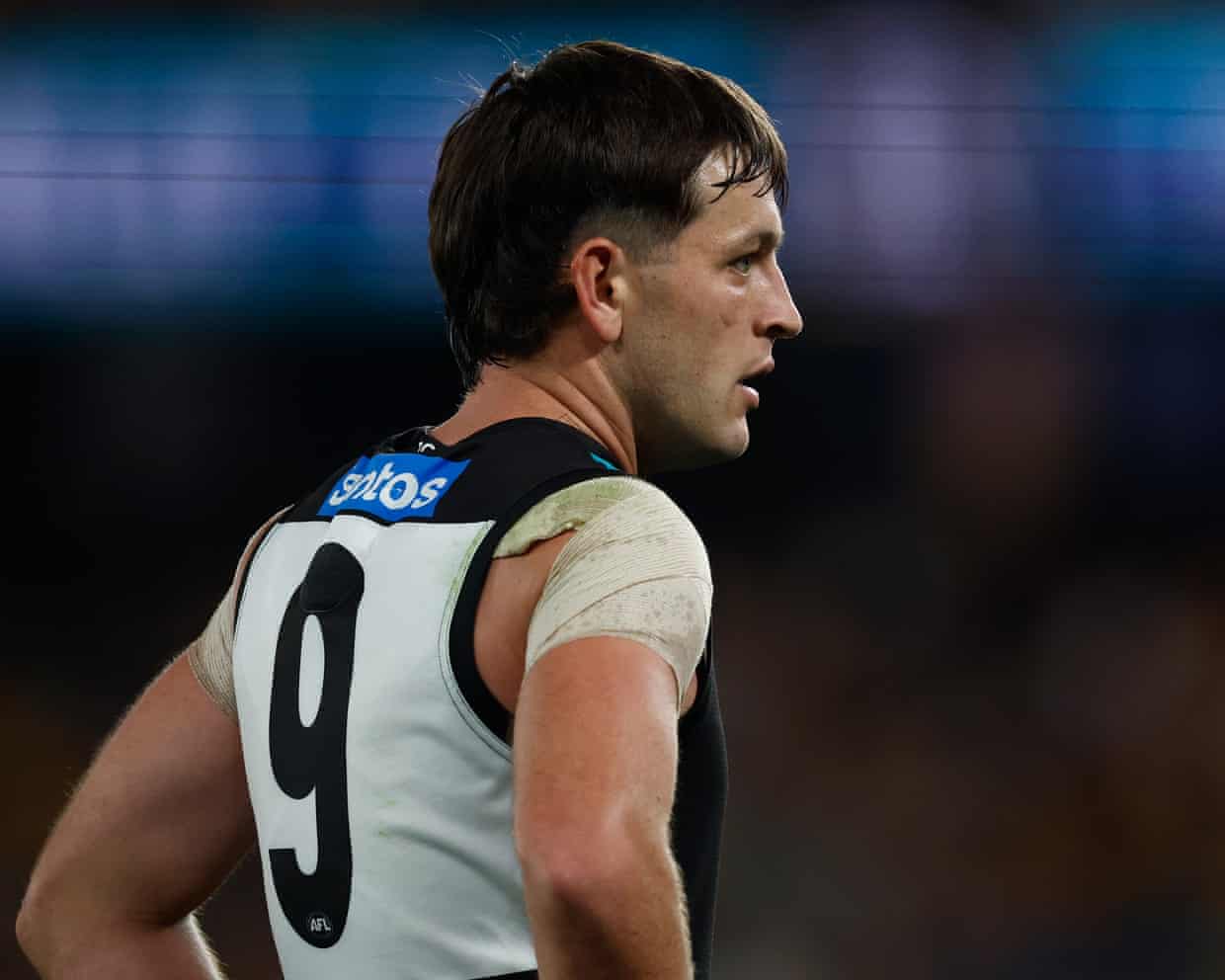
Barking dogs and a real estate agent: how a farcical AFL tribunal could prompt change | Jo Khan

‘I hope it doesn’t get him down’: Usain Bolt tells Gout Gout to get ready to lose

Fitness influencer drowns during swimming portion of Ironman Texas