Gut microbiome can reveal risk of Parkinson’s, scientists say
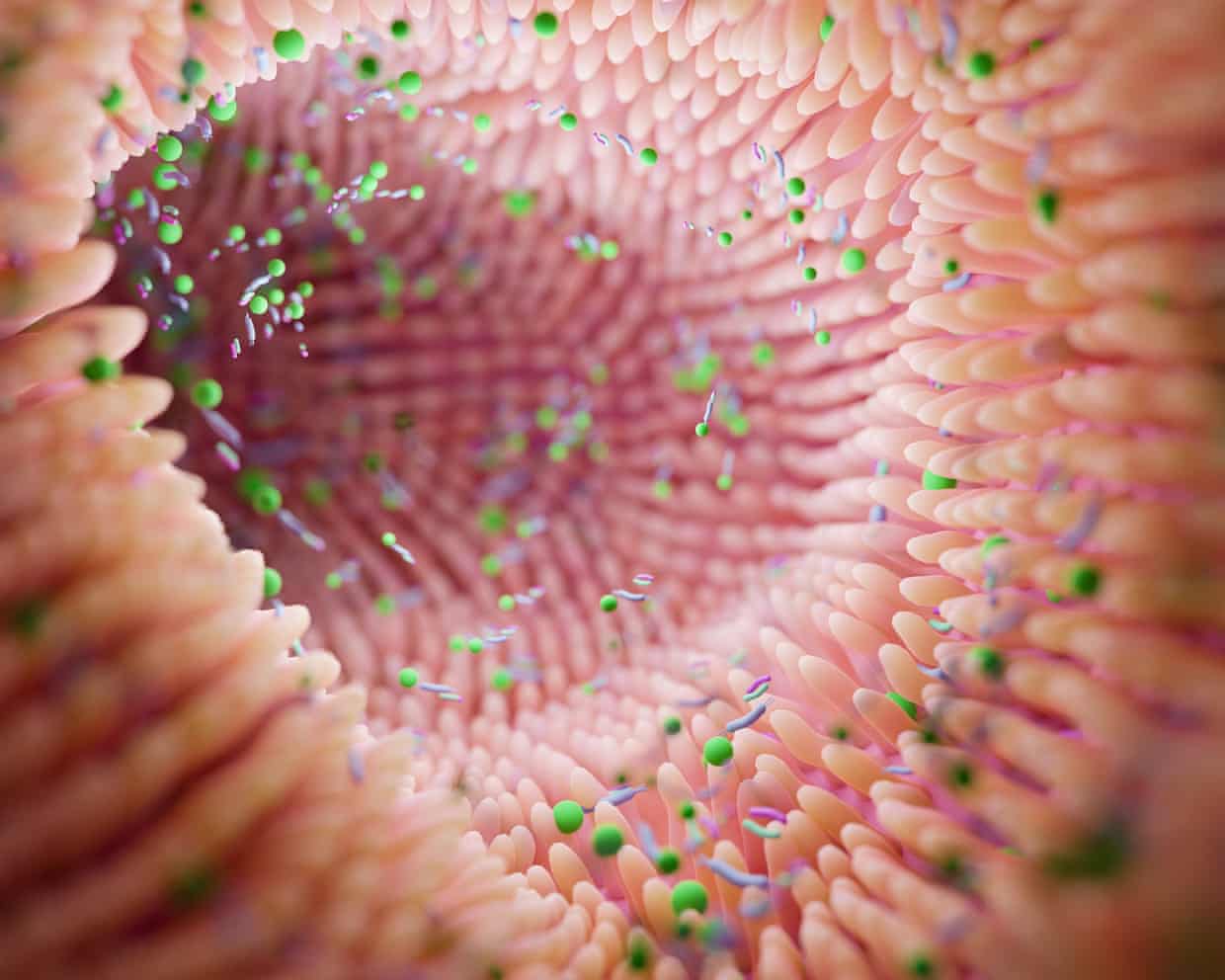
Changes to microbes that live in the gut can identify people at greater risk of Parkinson’s disease long before symptoms develop, according to work that also raises hopes for new therapies.Researchers discovered signature changes in the gut microbiome that are more pronounced in people with a genetic risk for Parkinson’s and even more stark in those diagnosed with the disease.The signature could help doctors spot patients at risk of Parkinson’s years before they display clear symptoms and suggests that healthier diets and treatments that reshape the microbiome might prevent or delay the disease.Prof Anthony Schapira, the head of clinical and movement neurosciences at University College London and lead investigator on the study, said it was the first time a microbial signature in Parkinson’s patients had been seen in people with a genetic susceptibility but had yet to develop symptoms.The signature appears to become stronger as the disease progresses.
“These same changes can be found in a small proportion of the general population that may put them at increased risk,” Schapira said.Cases of Parkinson’s have doubled in the past 25 years, with more than 8.5 million people globally now living with the condition.The disease causes progressive brain damage, leading to tremors, slow movement and stiff and inflexible muscles.Patients often experience depression, anxiety, sleep and memory problems, and difficulty with balance.
Parkinson’s is driven by neurons dying in part of the brain called the substantia nigra.The loss of the nerve cells leads to a fall in dopamine in the brain, which is responsible for many of the disease’s symptoms.There is no cure, but medicines that bolster dopamine can help, alongside physiotherapy and surgery.The UCL team analysed clinical and faecal data from 271 Parkinson’s patients, 43 people with a risk gene for the disease but no clinical symptoms, and 150 healthy people.The abundance of more than a quarter of the gut microbes, or 176 species, differed in those with Parkinson’s disease compared with the healthy group.
The changes were not driven by medication.A similar pattern was seen in those genetically predisposed to Parkinson’s but who did not have symptomsThe scientists corroborated the findings in further medical data from 638 people with Parkinson’s and 319 healthy controls from the UK, South Korea and Turkey.A small proportion of healthy people had the microbiome signature, suggesting they were potentially at risk of the disease, according to Nature Medicine.It is unclear whether the microbial signature drives Parkinson’s or vice versa, or both, but Schapira said changes in the microbiome could alter the production of a protein called alpha-synuclein, which plays an important role in damaging neurons in the disease.“Certain bacteria cause inflammation in the gut wall that increases alpha-synuclein, which is then transported up the vagus nerve from the gut to the brain and then into the brain cells affected in Parkinson’s,” he said.
The vagus nerve carries information between the brain and major organs,Further work and clinical trials are needed to understand how gut microbes are linked to Parkinson’s and whether reshaping the microbiome could shield against the disease, but dietary changes may help,In the study, people with the abnormal microbiome signature ate more processed foods and saturated fats rather than fruit, vegetables, fibre, fish and lentils,Claire Bale, an associated director of research at Parkinson’s UK, said the study added to growing evidence that the gut microbiome was important in Parkinson’s,“The findings indicate that changes in the microbiome may occur in the very early stages of the condition and that the extent of these changes may correlate with disease progression,” she said.
“Over the past decade, we have seen the impact of physical activity on managing symptoms and potentially slowing the course of the condition.Our growing understanding of the gut microbiome offers similar hope that dietary modification could benefit those living with Parkinson’s.”
V&A East Storehouse and Norwich Castle among finalists for museum of the year
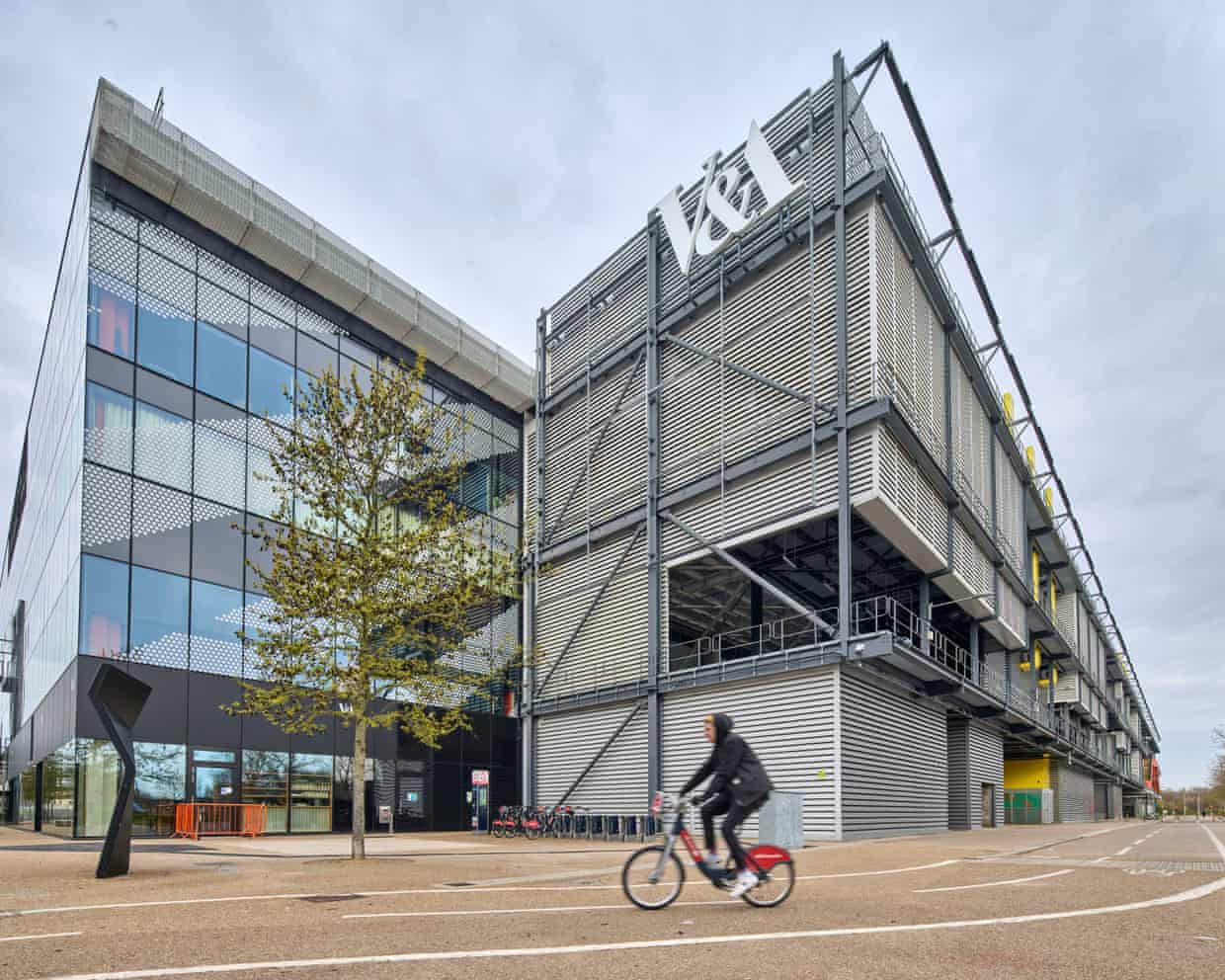
The V&A East Storehouse, the National Gallery and an accessible castle in Norwich are among the contenders for this year’s Art Fund museum of the year award, the most prestigious UK prize in the sector.The annual prize offers the winner £120,000, with £20,000 going to each of the other finalists, who the Art Fund’s director, Jenny Waldman, said had all “innovated in different ways”.This year’s list is dominated by some of the biggest names in the cultural sector that have undergone big refurbishments or invested in significant new outposts, such as the V&A’s East Storehouse, which will be seen by many as a frontrunner.Based in the Olympic Park in Stratford, east London, the space aims to reimagine what a storeroom can be, with partitions removed so visitors can see “and breathe the same air” as the objects. Waldman said the V&A Storehouse, which opened in spring 2025 at a cost of £65m, had broken the boundaries of what a store could be
Letter: Sir Neil Cossons obituary
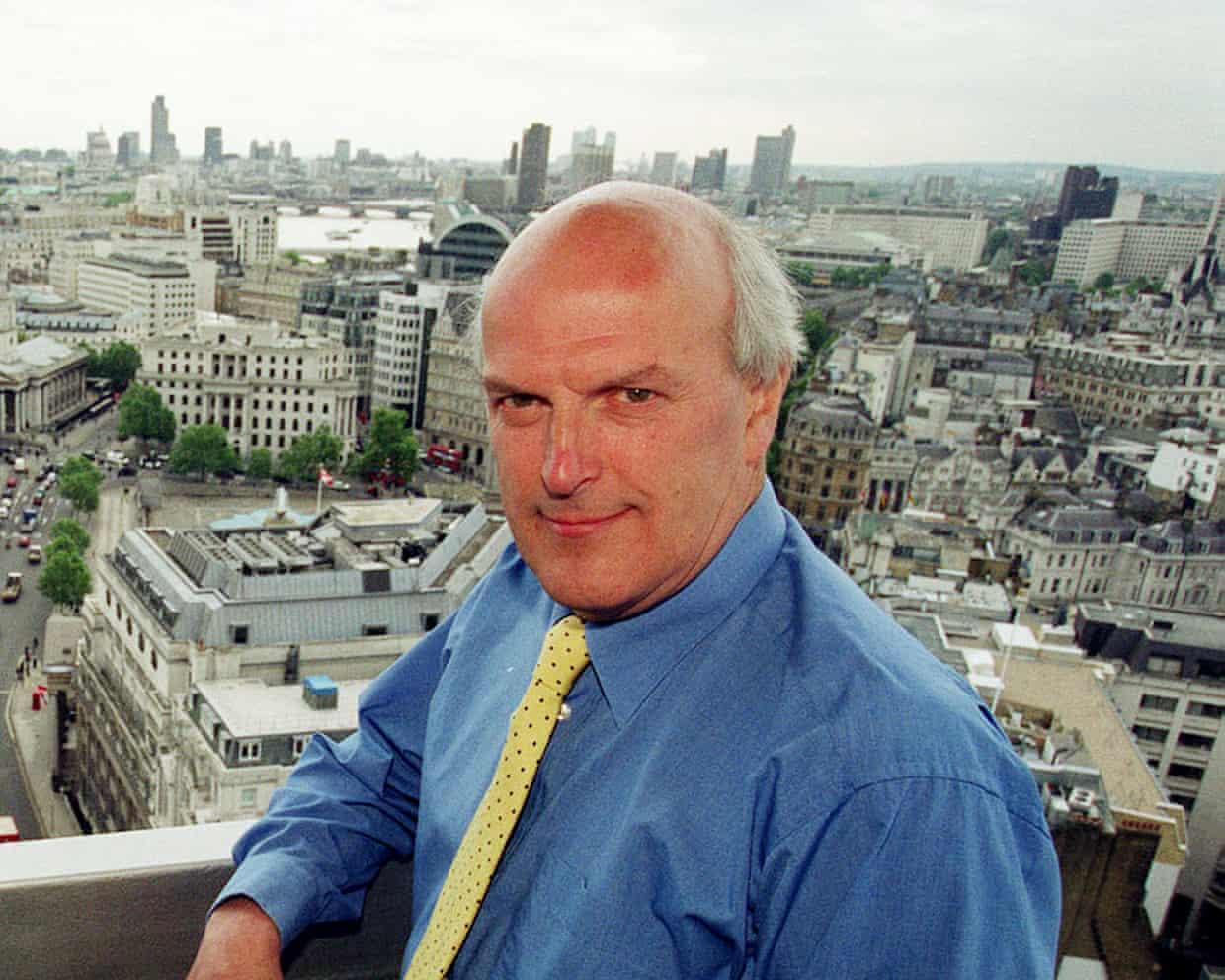
In 1971, Neil Cossons and I were on the staff of Liverpool Museum, and he invited me to accompany him on a visit to Ironbridge Gorge in Shropshire. We admired Blists Hill furnace, the bridge, the surrounding buildings and their setting, and shortly afterwards he became its director.The appeal it had as a monument to the industrial revolution lay in it being a complete entity. Many other site-based museums rely on translocating buildings, often into a replicated local landscape. History occurs in places, and Neil knew that raising one’s gaze from the built artefacts to the landscape enables understanding: preserving the place was crucial

‘Women want to experience pleasure’: how the female gaze caught the attention of film, TV and fiction
From passionate romantasy novels to premium television dramas, culture is bringing the agency, desires and interior lives of women to the fore. It’s proving good for business, but is this a permanent revolution?Do you voraciously read the pages of steamy romantasy bestsellers by Sarah J Maas or Rebecca Yarros? Or flood your group chat with breathless recaps of the latest goings-on in TV series such as Heated Rivalry or Bridgerton? Or even immerse yourself in the divisive and challenging cinematic worlds of Emerald Fennell? If so, you surely can’t have failed to notice that in pop culture, the female gaze – storytelling that highlights the meandering, textured, sublimely messy inner worlds and wants of women – is enjoying an explosion.On TV, you can see it everywhere, in the interior lives and desires taken up by Big Little Lies, Sirens or Reese Witherspoon and Kerry Washington’s Little Fires Everywhere. Romantasy harbours it in the shape of powerful maidens and sex in fae (fairy) realms, while Fennell’s Wuthering Heights and Promising Young Woman are marketed with the promise of converting women’s experiences into dark beauty on the big screen.A shift, a moment or a commercial juggernaut? That depends how deeply you look
Yann Martel: ‘I hate the rich people of this world – of which I’m one, because of Life of Pi’
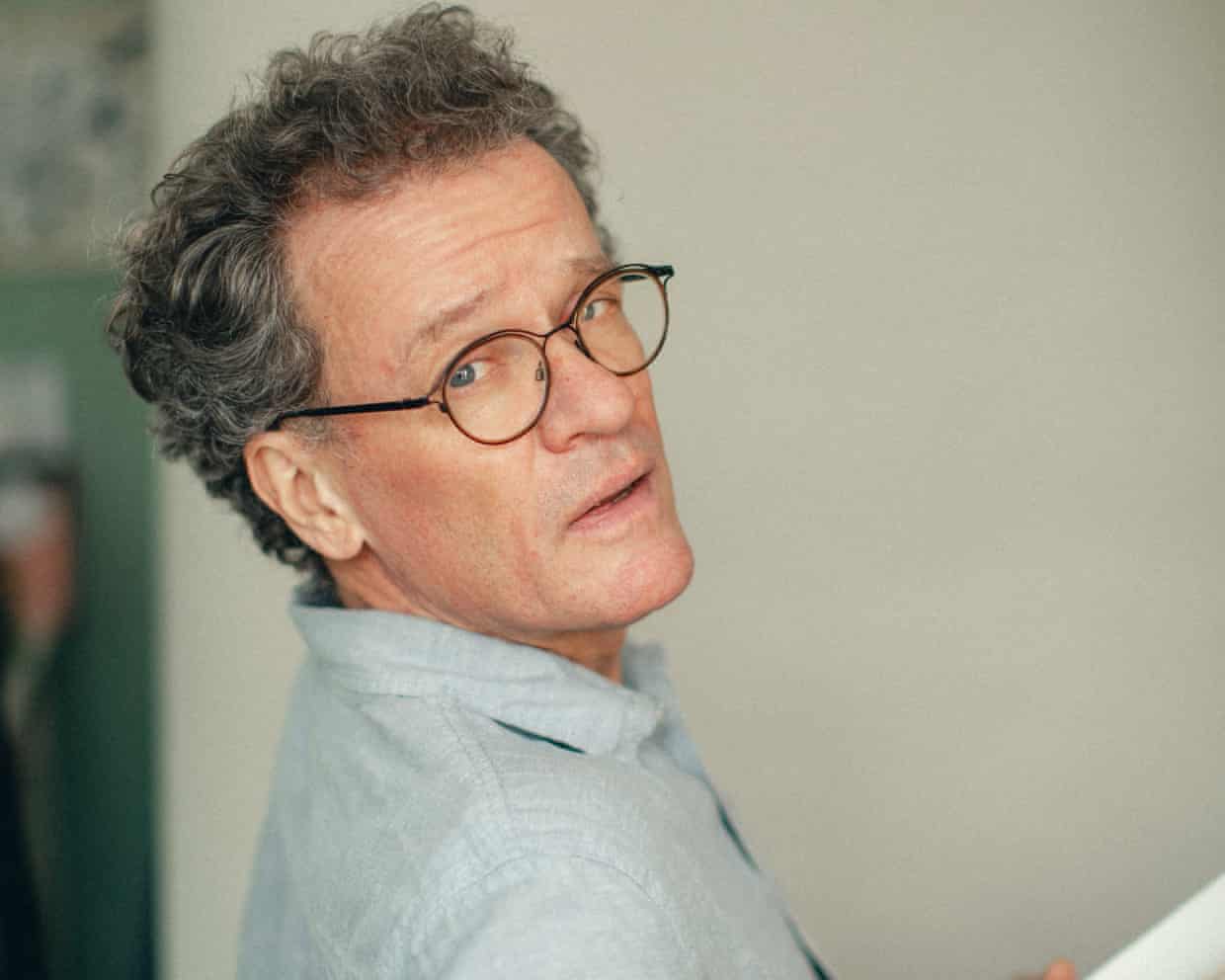
Your novels Life of Pi, Beatrice and Virgil, and The High Mountains of Portugal all feature animals in starring roles. If you could be any animal, which would it be, and why?A sloth, because it has a peaceful, long life. Or maybe a koala. They both look like stoners. A sloth just hangs there in its tree, it sleeps 22 hours a day – or maybe it’s meditating

The Guide #239: Two successful seasons in, The Pitt has resuscitated the medical drama
After a wait more interminable than most spells in an A&E reception area, medical-drama-of-the-moment The Pitt finally made it on to UK screens last month, via the arrival of streaming service HBO Max, and just about everyone I know has spent the following weeks hoovering it up. Some, in fact, are already up to speed with its second season (the finale aired last night on US TV) and so are trying very, very hard not to blurt out major plot points at the office tea point/on public transport/in an actual hospital waiting room – we’re in a post-spoiler age, remember.I’ve been a little bit slower off the mark – mainly because it took so long to figure out if I actually had access to HBO Max as part of my bafflingly arcane Sky TV package – but I’m racing through it now, and so am ready to share the same observations that everyone else made weeks, or in the case of the US, a full year ago. The main one being: how did not one TV producer have the idea to mash together ER and 24 before? It was right there, staring you all in the face! (Jed Mercurio, whose forgotten 2015 medical drama, Critical, also had a real-time element, might have a finger raised in objection at this point.)Beyond The Pitt’s formal innovation (each season follows, to the second, a 15-hour shift at an under-resourced teaching hospital in Pittsburgh), what’s striking is how familiar it feels
Winners and judges out of pocket as £20,000 writing awards appear to have closed
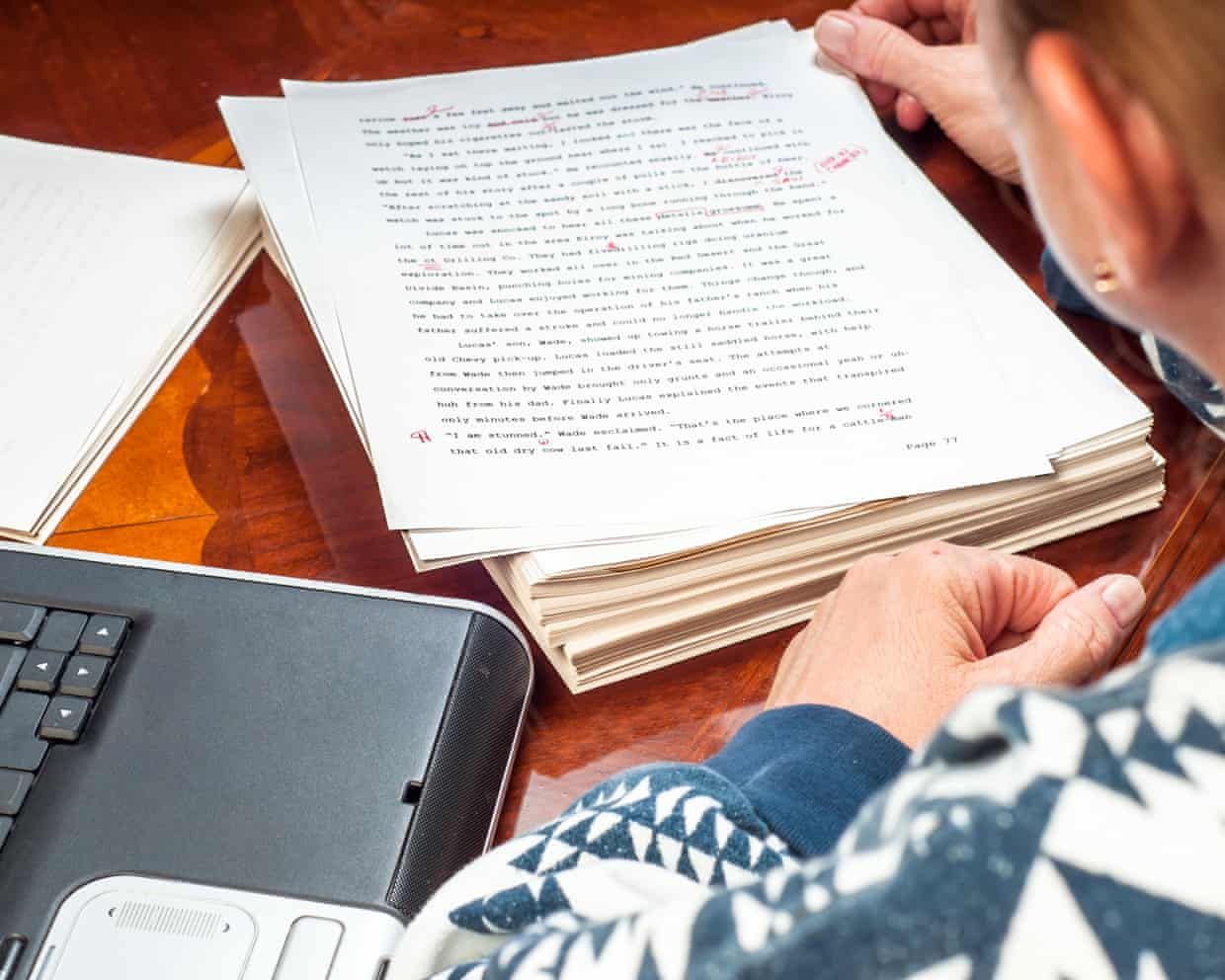
A competition for new writers that promised a £20,000 prize fund appears to have shut down, leaving winners and judges, including a Booker prize-winning novelist, out of pocket.Established in 2022, the Plaza Prizes last year offered 10 awards that were judged by the “finest poets and writers in the world”.However, some of the judges for the 2025 competition say they were not paid, and a number of winners say they had their entries withdrawn after being accused of using AI to create their work – allegations they strenuously denied.One judge, the 2021 Booker prize winner Damon Galgut, described the competition as a “scam” after he did not get paid for his work judging a fiction section of the annual competition.Anthony Joseph, who won the 2022 TS Eliot poetry prize, also says he was not paid for his work

The Breakdown | Erin King looks to lift Ireland: ‘It was tough some days to keep showing up’

Vibrating crotches, anal beads and suspicious minds: the long, strange history of chess cheats | Sean Ingle

‘I’m not the boss’: Lando Norris is articulate, open and intelligent – when he’s allowed to be

Barking dogs and a real estate agent: how a farcical AFL tribunal could prompt change | Jo Khan

‘I hope it doesn’t get him down’: Usain Bolt tells Gout Gout to get ready to lose

Fitness influencer drowns during swimming portion of Ironman Texas