Australian Open insulates tennis from extreme heat but still faces million-dollar hit
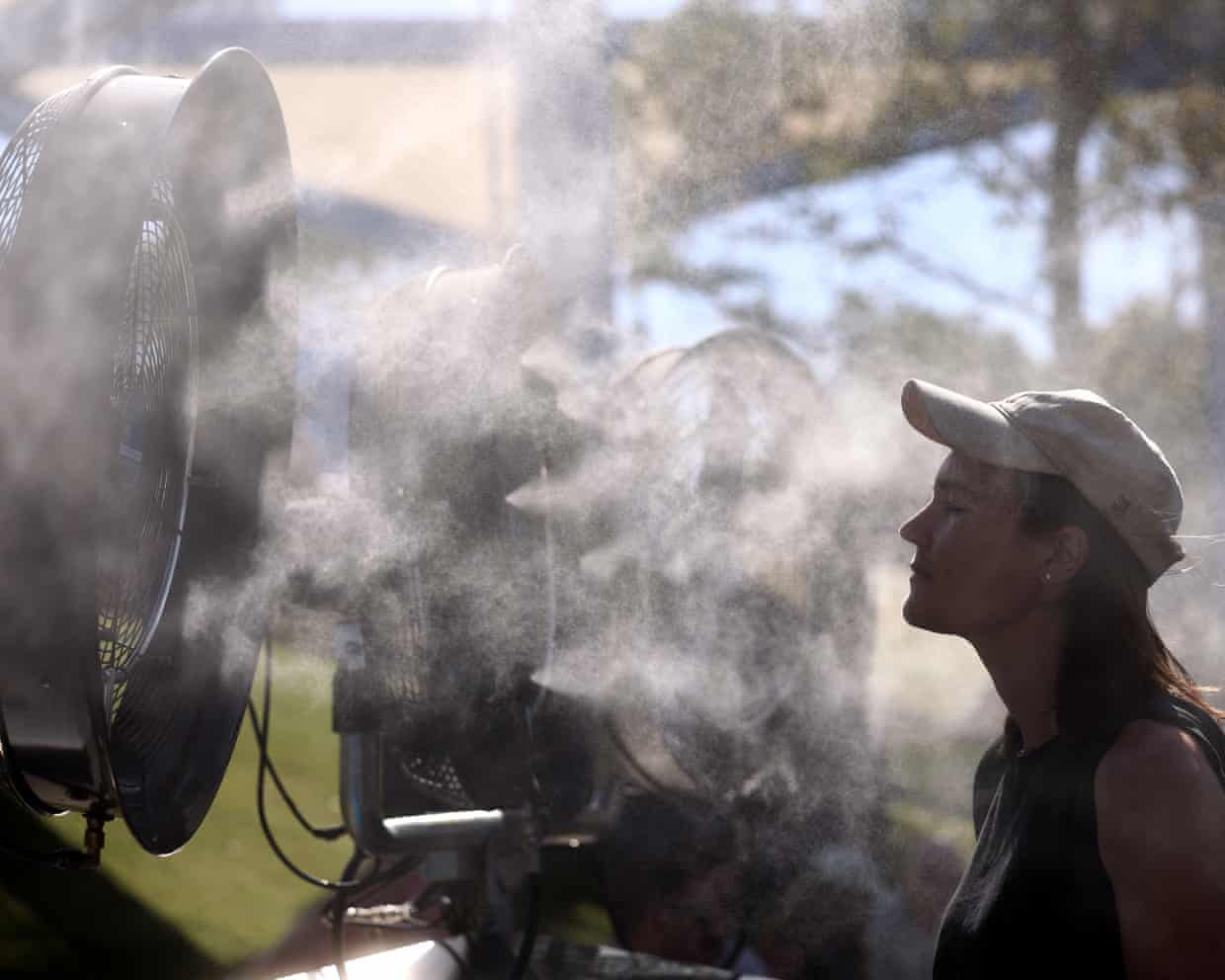
Tens of thousands of tennis fans are expected to stay away from the Australian Open on Tuesday as temperatures climb above 40C, but the Melbourne Park grand slam has largely been able to insulate itself – physically and commercially – from the effects of extreme heat.The daytime attendance for the heat-affected Saturday was 51,048, down more than 10,000 compared with the previous and following days, and an even greater decline is expected on Tuesday given widespread publicity of the Victorian heatwave.Sales of $35 ground passes have been slow and queues at security appeared shorter than usual shortly after gates opened at 9am.Those who do attend are also less likely to spend as long at the precinct.On Saturday, Melbourne Park was largely empty when play resumed shortly after 7pm, leaving food and beverage vendors twiddling their thumbs at dinnertime when they would usually be run off their feet.
Yarra Jones, 20, from Melbourne, arrived just before 10am with a friend, having bought a ground pass a few days ago.They planned to rely on the misters and frequenting the air-conditioned areas around the main arenas to stay cool, but were not planning to stay all day.“We just figured we’ll come for only a few hours and then we can leave when it gets too hot,” she said.Tuesday represents a commercial downturn for the tournament which is still on track to break attendance and revenue records.Tennis Australia does have insurance to cover major interruptions, but Tuesday’s lower-than-expected take – potentially costing an estimated $1m – will not warrant a claim.
Even with declines in ticket, food and beverage revenue linked to lower attendance, the tournament is still able to deliver on its major broadcast, sponsorship and ticket obligations thanks to Melbourne Park’s three roofed arenas,Closing the roof, as happened on Saturday, brings the temperature down to below 30C, ensuring play can continue and valuable contracts are fulfilled,Michael Coghlan, 80, had come to Melbourne from Sydney with his wife, Marion, for the tournament, having bought tickets for Tuesday in Rod Laver Arena,“We prepared a lot last night, we got some water and put it in the fridge and froze that a bit, got some other food to save us going in and out, and we’re prepared just to stay in Rod Laver Arena for the day,” he said,They specifically chose tickets in the shade, but were anticipating the heat stress scale climbing above five, which triggers a suspension on outside courts and a closure of the roof on the main arenas.
“I’m sure they will close the roof today, so we’ve brought a jumper along in case,” Coghlan said, with Marion adding: “In the air-conditioning I get cold.”Officials have already made changes to limit the effects of heat on Tuesday, including delaying the start of the wheelchair tennis draw and allowing ground pass holders into Margaret Court Arena.Ball kids will have reduced rotations and increased recovery times, in addition to their normal access to an air-conditioned lounge, with electrolyte-loaded icy poles.There is also ongoing work to make Melbourne Park more comfortable for patrons on hot days.“Increasing shade across the precinct is a priority – we add more and more shade every year,” a Tennis Australia spokesperson said.
Major changes this year include increased shade coverage on Grand Slam Oval, a large shade structure between the courtside bar and ANZ Arena (the old court three), as well as a new, shaded second storey “highline” offering elevated viewing for the outside courts.“We’ve always spoken about having more shade onsite, and every year we bring in more temporary structures to create comfortable areas for our fans to enjoy the tennis,” the spokesperson said.The tournament had also pursued a range of environment and sustainability initiatives.Its 120-strong vehicle fleet is now more than one-third fully electric, and the remaining vehicles hybrid.Five more electric vehicles were added this year.
The tournament also boasts it is “powered by SEC with 100% renewable electricity products”.
AI systems could use Met Office and National Archives data under UK plans
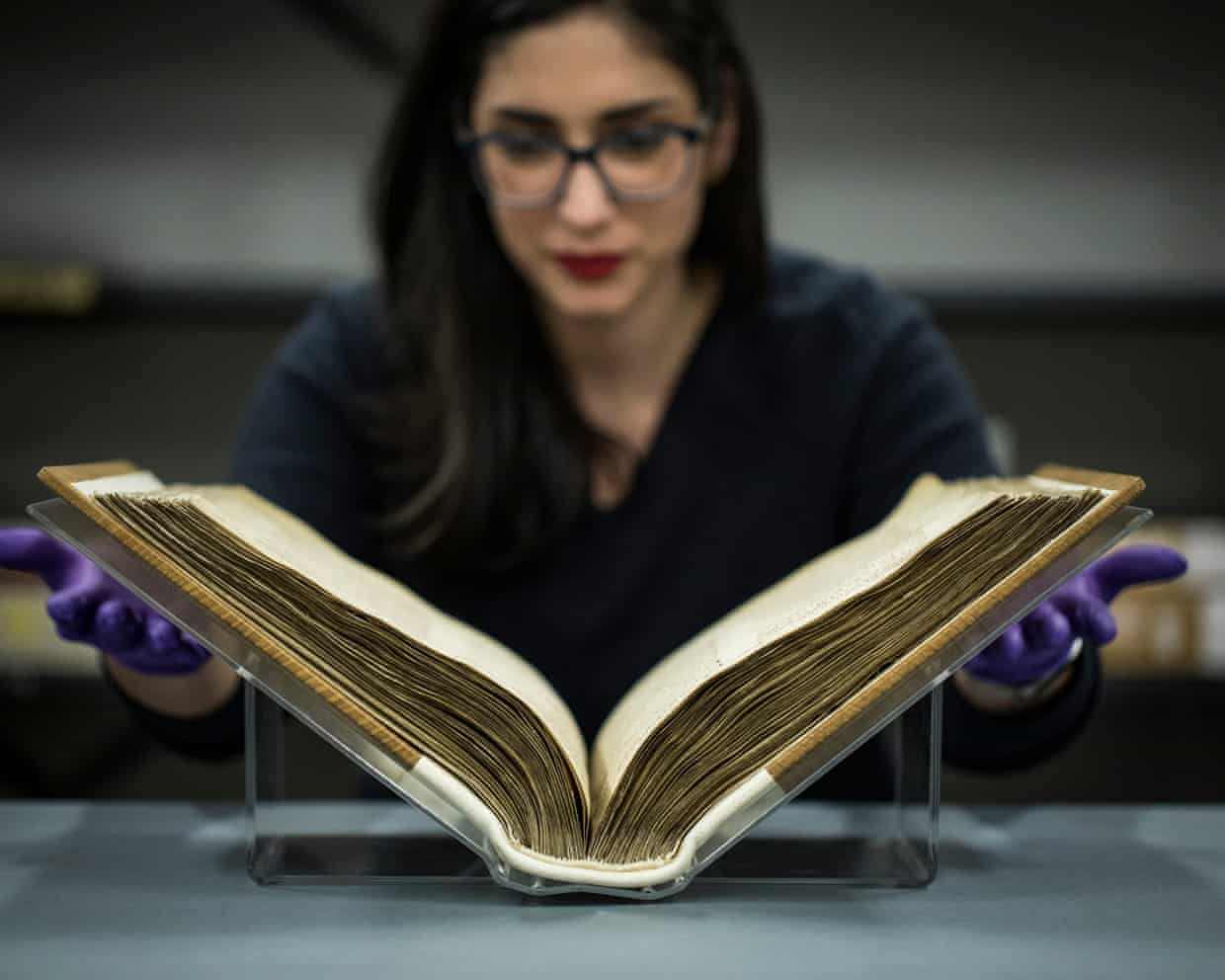
Met Office data and legal documents from the National Archives could be used by artificial intelligence systems as the UK government pushes ahead with plans to employ nationally owned material in AI tools.The government is providing funds for researchers to test how Met Office content could be used by the technology, such as in helping agencies and councils know when to buy more road grit. Another project will explore whether legal data from the National Archives – the UK’s repository for official documents – could help medium- and small-sized businesses with legal support.The government has also announced plans to license content from national institutions such as the National History Museum and the National Library of Scotland for AI development.Ian Murray, the minister for digital government and data, said the National Archives plan was “what smart use of the public sector” looked like

Sam Altman’s make-or-break year: can the OpenAI CEO cash in his bet on the future?
Sam Altman has claimed over the years that the advancement of AI could solve climate change, cure cancer, create a benevolent superintelligence beyond human comprehension, provide a tutor for every student, take over nearly half of the tasks in the economy and create what he calls “universal extreme wealth”.In order to bring about his utopian future, Altman is demanding enormous resources from the present. As CEO of OpenAI, the world’s most valuable privately owned company, he has in recent months announced plans for $1tn of investment into datacenters and struck multibillion-dollar deals with several chipmakers. If completed, the datacenters are expected to use more power than entire European nations. OpenAI is pushing an aggressive expansion – encroaching on industries like e-commerce, healthcare and entertainment – while increasingly integrating its products into government, universities and the US military and making a play to turn ChatGPT into the new default homepage for millions
AI needs to augment rather than replace humans or the workplace is doomed | Heather Stewart
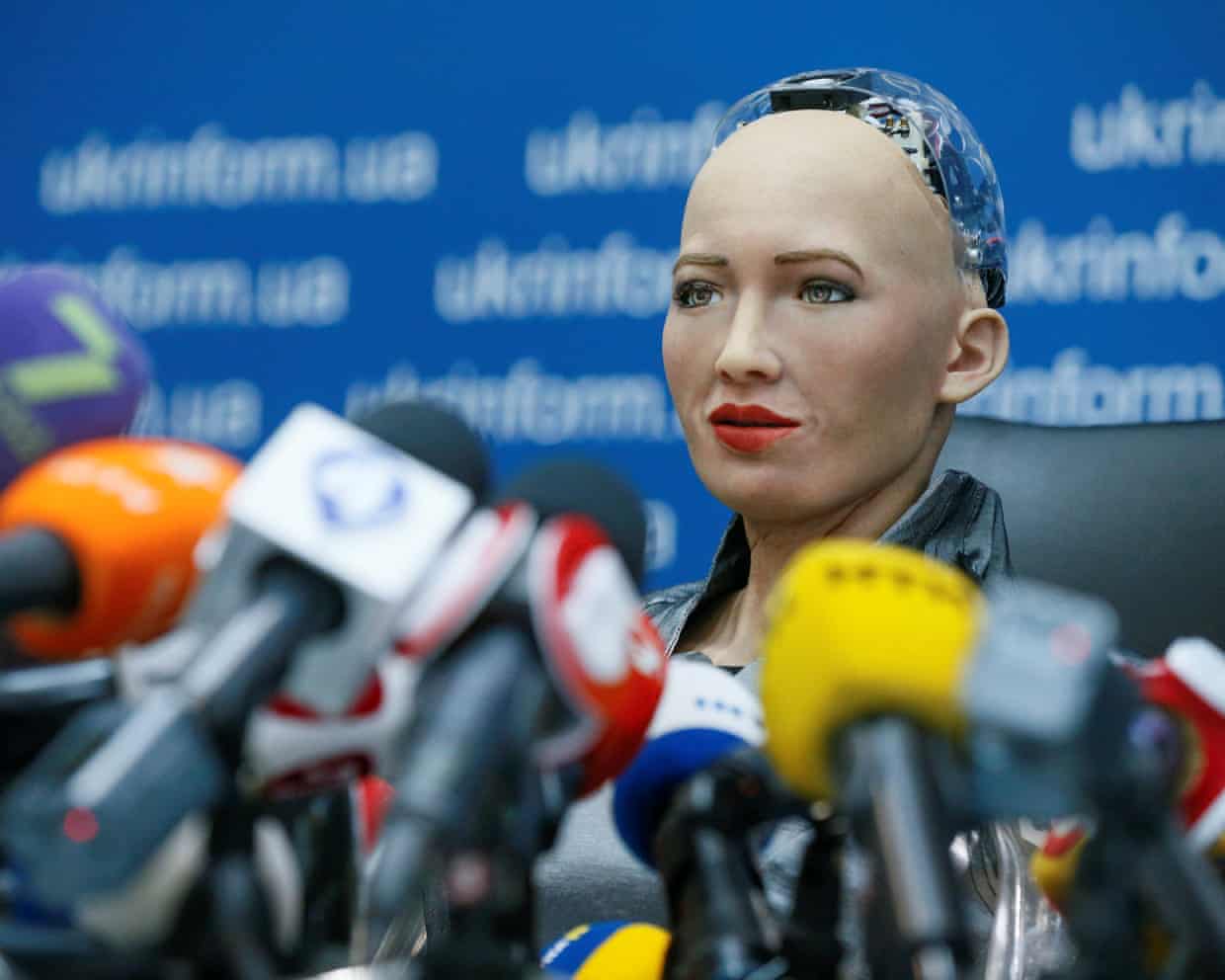
“Who wouldn’t want a robot to watch over your kids?” Elon Musk asked Davos delegates last week, as he looked forward with enthusiasm to a world with “more robots than people”.Not me, thanks: children need the human connection – the love – that gives life meaning.As he works towards launching SpaceX on to the stock market, in perhaps the biggest ever such share sale, the world’s richest man has every incentive to talk big.Yet as Musk waxed eccentrically about this robotic utopia, it was a reminder that major decisions about the direction of technological progress are being taken by a small number of very powerful men – and they are mainly men.In the cosy onstage chat, the World Economic Forum’s interim co-chair, Larry Fink, failed to ask Musk about whichever tweak of internal plumbing allowed his Grok chatbot to produce and broadcast what a New York Times investigation estimated was 1

Google AI Overviews cite YouTube more than any medical site for health queries, study suggests
Google’s search feature AI Overviews cites YouTube more than any medical website when answering queries about health conditions, according to research that raises fresh questions about a tool seen by 2 billion people each month.The company has said its AI summaries, which appear at the top of search results and use generative AI to answer questions from users, are “reliable” and cite reputable medical sources such as the Centers for Disease Control and Prevention and the Mayo Clinic.However, a study that analysed responses to more than 50,000 health queries, captured using Google searches from Berlin, found the top cited source was YouTube. The video-sharing platform is the world’s second most visited website, after Google itself, and is owned by Google.Researchers at SE Ranking, a search engine optimisation platform, found YouTube made up 4

How the ‘confident authority’ of Google AI Overviews is putting public health at risk
Do I have the flu or Covid? Why do I wake up feeling tired? What is causing the pain in my chest? For more than two decades, typing medical questions into the world’s most popular search engine has served up a list of links to websites with the answers. Google those health queries today and the response will likely be written by artificial intelligence.Sundar Pichai, Google’s chief executive, first set out the company’s plans to enmesh AI into its search engine at its annual conference in Mountain View, California, in May 2024. Starting that month, he said, US users would see a new feature, AI Overviews, which would provide information summaries above traditional search results. The change marked the biggest shake-up of Google’s core product in a quarter of a century

Latest ChatGPT model uses Elon Musk’s Grokipedia as source, tests reveal
The latest model of ChatGPT has begun to cite Elon Musk’s Grokipedia as a source on a wide range of queries, including on Iranian conglomerates and Holocaust deniers, raising concerns about misinformation on the platform.In tests done by the Guardian, GPT-5.2 cited Grokipedia nine times in response to more than a dozen different questions. These included queries on political structures in Iran, such as salaries of the Basij paramilitary force and the ownership of the Mostazafan Foundation, and questions on the biography of Sir Richard Evans, a British historian and expert witness against Holocaust denier David Irving in his libel trial.Grokipedia, launched in October, is an AI-generated online encyclopedia that aims to compete with Wikipedia, and which has been criticised for propagating rightwing narratives on topics including gay marriage and the 6 January insurrection in the US

Ignore the snobbery and get into blended whisky
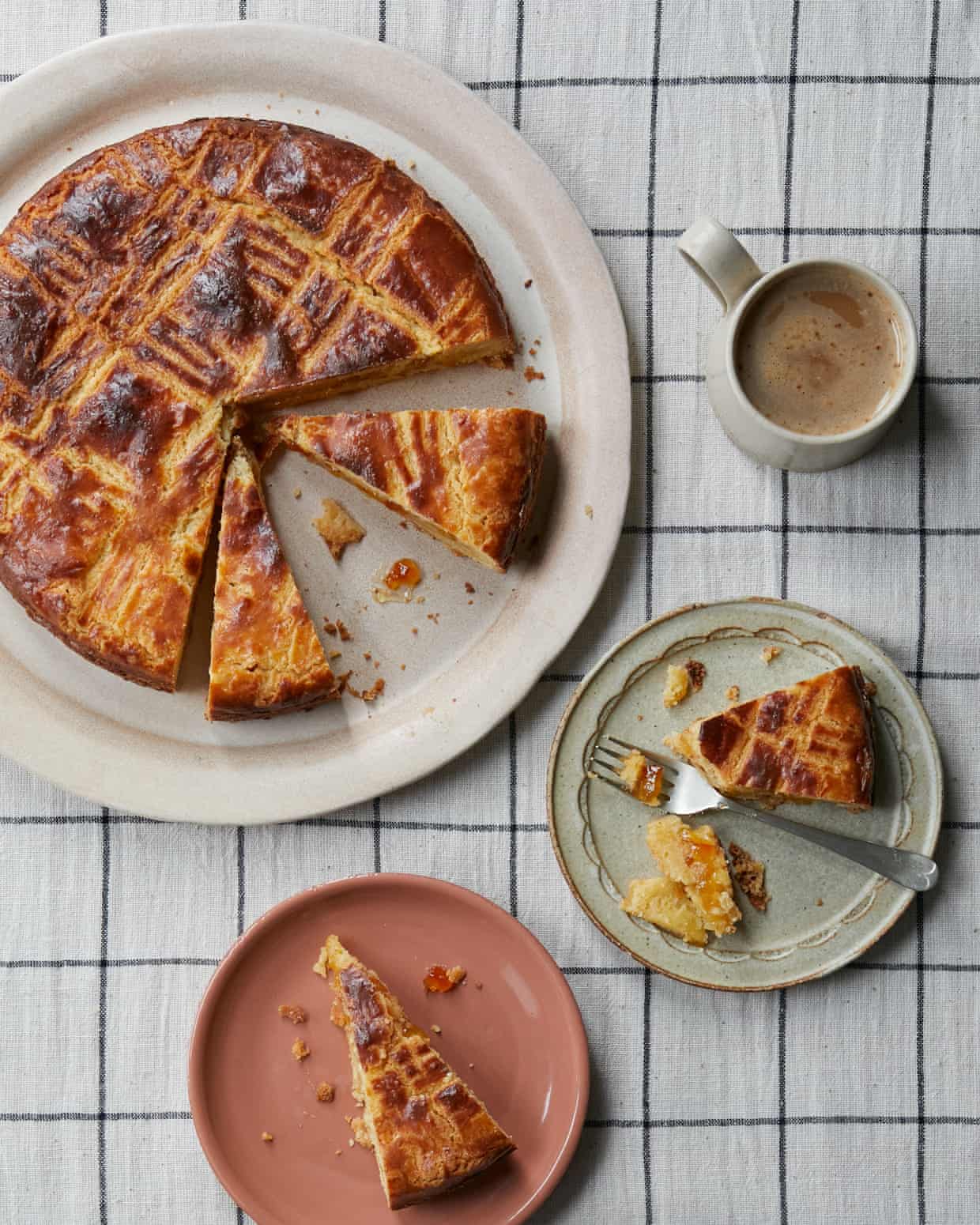
Helen Goh’s recipe for Breton butter cake with marmalade | The sweet spot
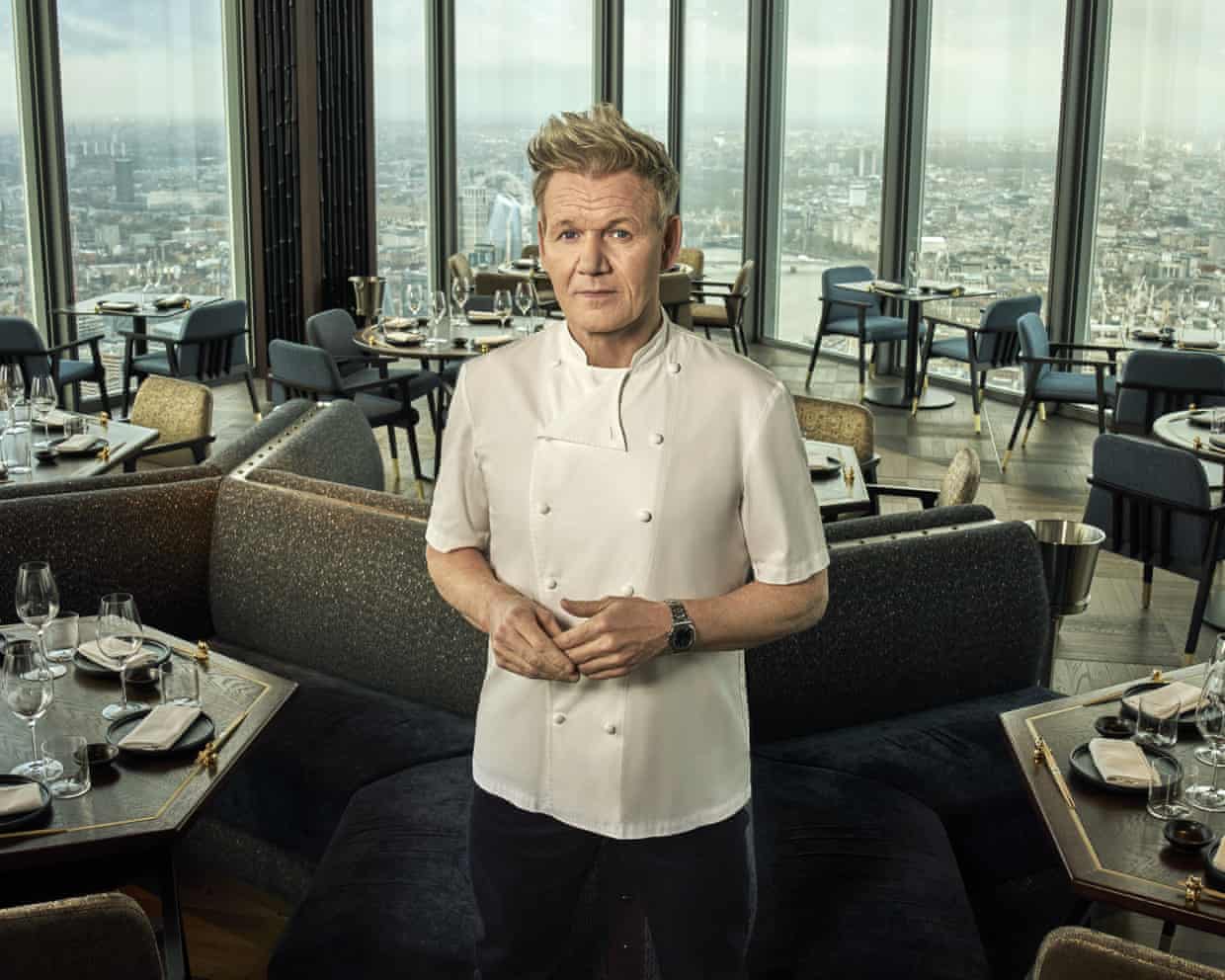
Gordon Ramsay says tax changes will make restaurants ‘lambs to the slaughter’

No more sad sandwiches and soggy salads: here’s how to make a proper packed lunch

Rum is booming but only Jamaican classics have the true funk

Rachel Roddy’s recipe for pasta e fagioli with coconut, spring onion, chilli and lemon | A kitchen in Rome