Rachel Roddy’s recipe for pasta e fagioli with coconut, spring onion, chilli and lemon | A kitchen in Rome
Throughout the 1990s and into the early 2000s, under the banner of story, art and folklore, the Roman publishing house Newton Compton published a series of 27 books about regional Italian cooking.Some, such as Jeanne Carola Francesconi’s epic 1965 La Cucina Napoletana, were reprints of established books, while others were specially commissioned for the series.There is considerable variation; some of the 20 regions occupy 650 densely filled pages, sometimes spread over two volumes, while other regions have 236 pages with larger fonts, with everything in between.All of which is great, although I can’t help feeling affectionate towards the regions with 14-point font.In the face of the vast variation of regional culinary habits, knowledge and rituals, I also feel affectionate towards the common traditions; those that are specific to a place, but at the same time that cross local and national borders, as well as for the stories of the ingredients.
Take pasta e fagioli, for which beans are boiled in water with fat, maybe fragrant herbs and vegetables, then pasta is added for a dense dish that probably needs a spoon.Almost all regions (and towns and individuals) have a version that is both extremely general, and specific – white beans, potato, no rosemary in Lazio, say; lardo, sage and plenty of rosemary in Piedmont; nutmeg, bread and pasta in Liguria; lardo, marjoram, tomato and chilli in Abruzzo – inviting a sort of pick and mix.And the embracing of new ideas, too, because cooking is a living, evolving thing.Cesare Battisti, head chef and owner of Ratanà in Milan, is great on all this, noting that: “It’s true that we need to be custodians of tradition, but we also need to have a little courage to desecrate it a little, and in an intelligent way, but we have to do it.” It is with these words that he suggests a pasta e fagioli that follows a familiar pattern – soaked beans added to a soffritto, followed by water, then pasta – but then also takes inspiration from Thailand and includes coconut cream, spring onion, chilli and optional lemon.
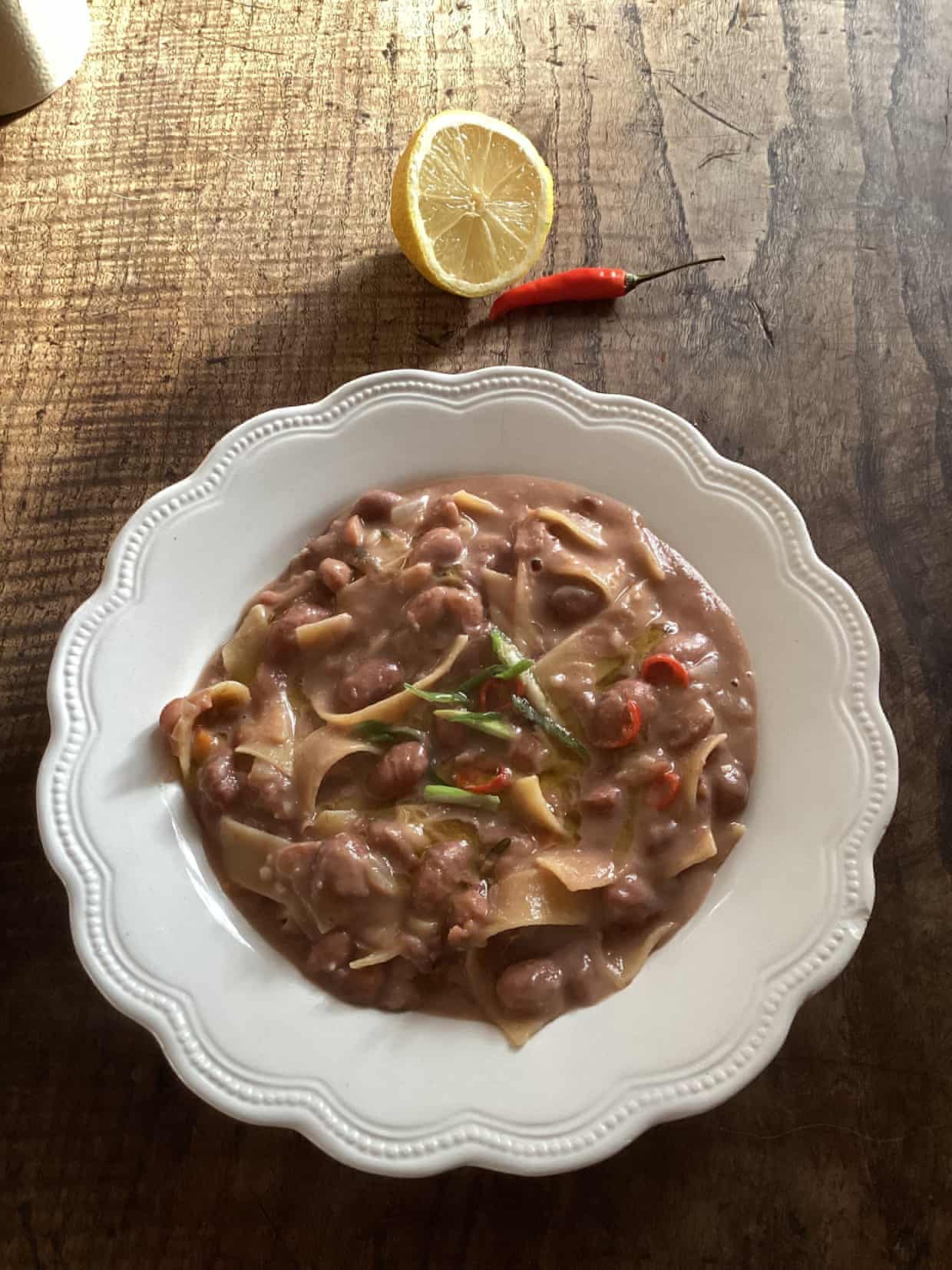
We were delighted by the contents of our steaming bowls, and especially the addition of that coconut cream, which softens the colour to taupe and makes the dish feel luxurious while remaining fresh.I agree with Battisti when he suggests it must be hot with chilli, but, of course, you decide.The same applies to the lemon (“ingrediente inaspettato”, or unexpected ingredient), which turns the dish around like a bright spark.I will leave the last word to Battisti: “Questi piatti non sono da discutere, sono da provare, dovete provare a rifarli, provate.” Which is to say: these aren’t dishes to discuss, these are dishes to be tried.
Although you could also try, then discuss.Serves 4200g dried borlotti beans, soaked overnight in plenty of cold water5 tbsp olive oil3 spring onions, white bulbs diced, green parts thinly sliced1 stick celery, diced1 small carrot, peeled and diced1 fresh red chilli, sliced2 sprigs fresh rosemary, 1 picked and minced, the other left whole2-3 tbsp coconut cream 200g tagliatelle, roughly broken upJuice of 1 lemon (optional)Drain and rinse the soaked beans.Put the olive oil, spring onion whites, celery, carrot, half the red chilli, and all the rosemary in a heavy-based pan and cook on a medium-low heat, stirring, until the vegetables start to soften and turn translucent.Add the soaked beans, one and a half litres of fresh water and a pinch of salt, bring to a boil, then turn down the heat and simmer for an hour, or until the beans are soft.Remove half the soup, blend it smooth, then return to the pan with the coconut cream and salt to taste.
Put the pan back on the heat and bring to a lively simmer.Add the broken tagliatelle and simmer, stirring regularly, until the pasta is cooked – you might need to add a bit more water.Serve, topping each bowl with the sliced spring onion greens and a little extra chopped red chilli, and encouraging those who want to add a squeeze of lemon.

Rum is booming but only Jamaican classics have the true funk
After Hurricane Melissa hit Jamaica last October, rum lovers anxiously awaited news from the island’s six distilleries. Hampden Estate, in the parish of Trelawney to the north, was right in the hurricane’s path, and the furious winds deprived its historic buildings of their roofs and the palm trees of their fronds. Then came more alarming rumours: the dunder pits had overflowed.The Guardian’s journalism is independent. We will earn a commission if you buy something through an affiliate link
Rachel Roddy’s recipe for pasta e fagioli with coconut, spring onion, chilli and lemon | A kitchen in Rome
Throughout the 1990s and into the early 2000s, under the banner of story, art and folklore, the Roman publishing house Newton Compton published a series of 27 books about regional Italian cooking. Some, such as Jeanne Carola Francesconi’s epic 1965 La Cucina Napoletana, were reprints of established books, while others were specially commissioned for the series. There is considerable variation; some of the 20 regions occupy 650 densely filled pages, sometimes spread over two volumes, while other regions have 236 pages with larger fonts, with everything in between. All of which is great, although I can’t help feeling affectionate towards the regions with 14-point font.In the face of the vast variation of regional culinary habits, knowledge and rituals, I also feel affectionate towards the common traditions; those that are specific to a place, but at the same time that cross local and national borders, as well as for the stories of the ingredients

‘We want to make jacket potatoes sexy again!’: how the humble spud became a fast food sensation
After Spudulike closed in 2024, the reign of the jacket potato seemed over in the UK. But now the favourite is back, piled with new toppings, sold by new companies and promoted all over social media by potato influencersThey were once a lunch option that inspired little excitement – but the jacket potato’s time has finally come. After decades in epicurean exile, the humble spud has made a roaring comeback in the UK and piqued the interest of foodies across the world. A-listers, tourists and trend-hopping teenagers are queueing for hours to get their hands on them. For Jacob Nelson, who sells loaded spuds that have gone super-viral on social media, this was all part of the plan
How to turn a cauliflower into ‘risotto’ – recipe | Waste not
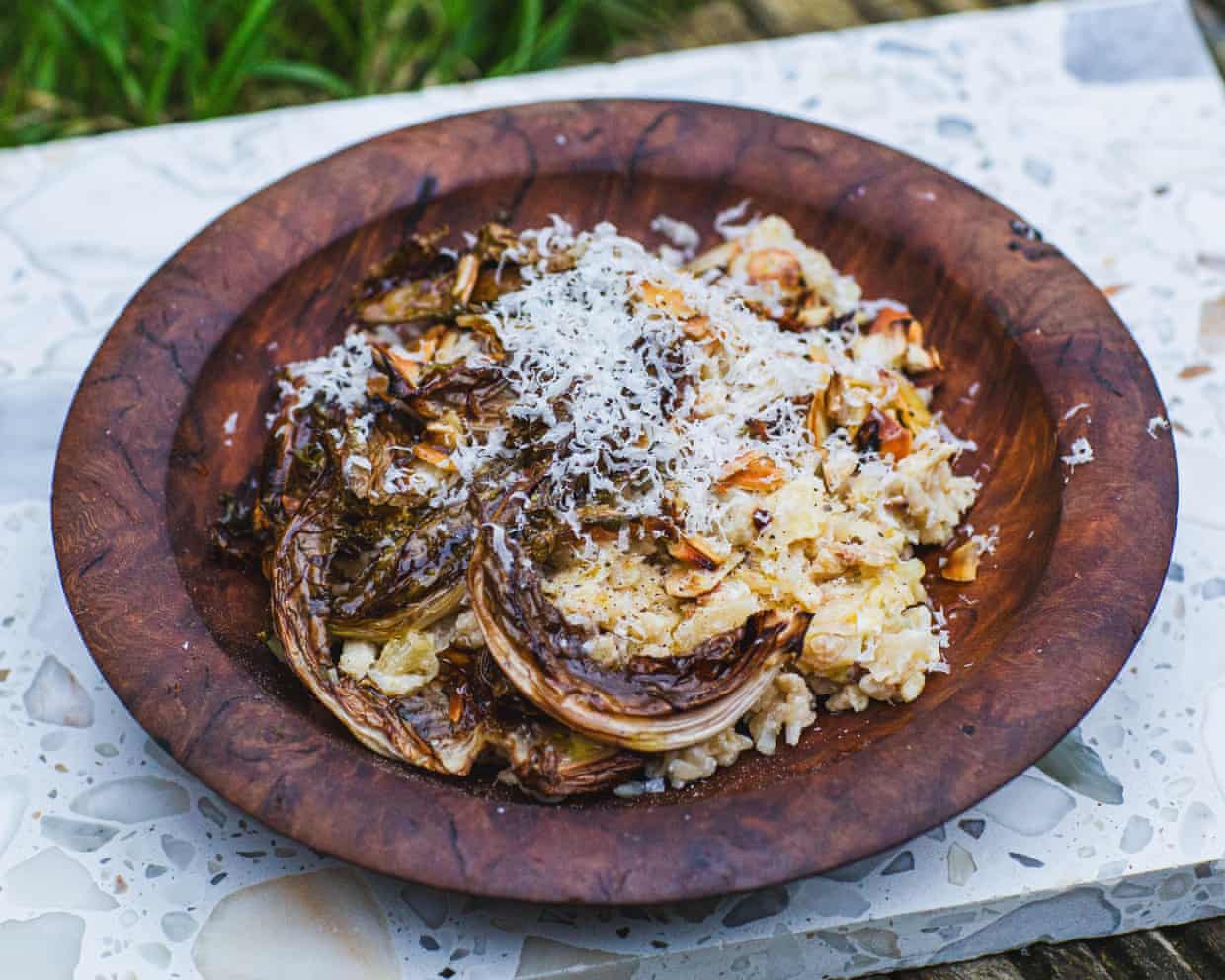
I’m fasting for three days a week for the whole of this month. It’s not for everyone, I know, and it’s important to talk to your doctor first, but the benefits are well researched and include improved digestion and immune function, and lowered blood pressure. When we fast, the body goes into ketosis, which breaks down fat for energy, and to stay in ketosis afterwards it helps to reduce carbs and increase protein, which is where today’s low-carb, zero-waste recipe comes in.The humble cauliflower has had a rebrand over the past decade, as chefs and home cooks get more inventive with our seasonal produce. The leaves are incredibly nutritious and one of my favourite ingredients, not least because I always try to include a leafy green in our main meals for the health benefits
Homemade Bounty bars, savoury granola and flapjacks: Melissa Hemsley’s recipes for healthy sweet treats
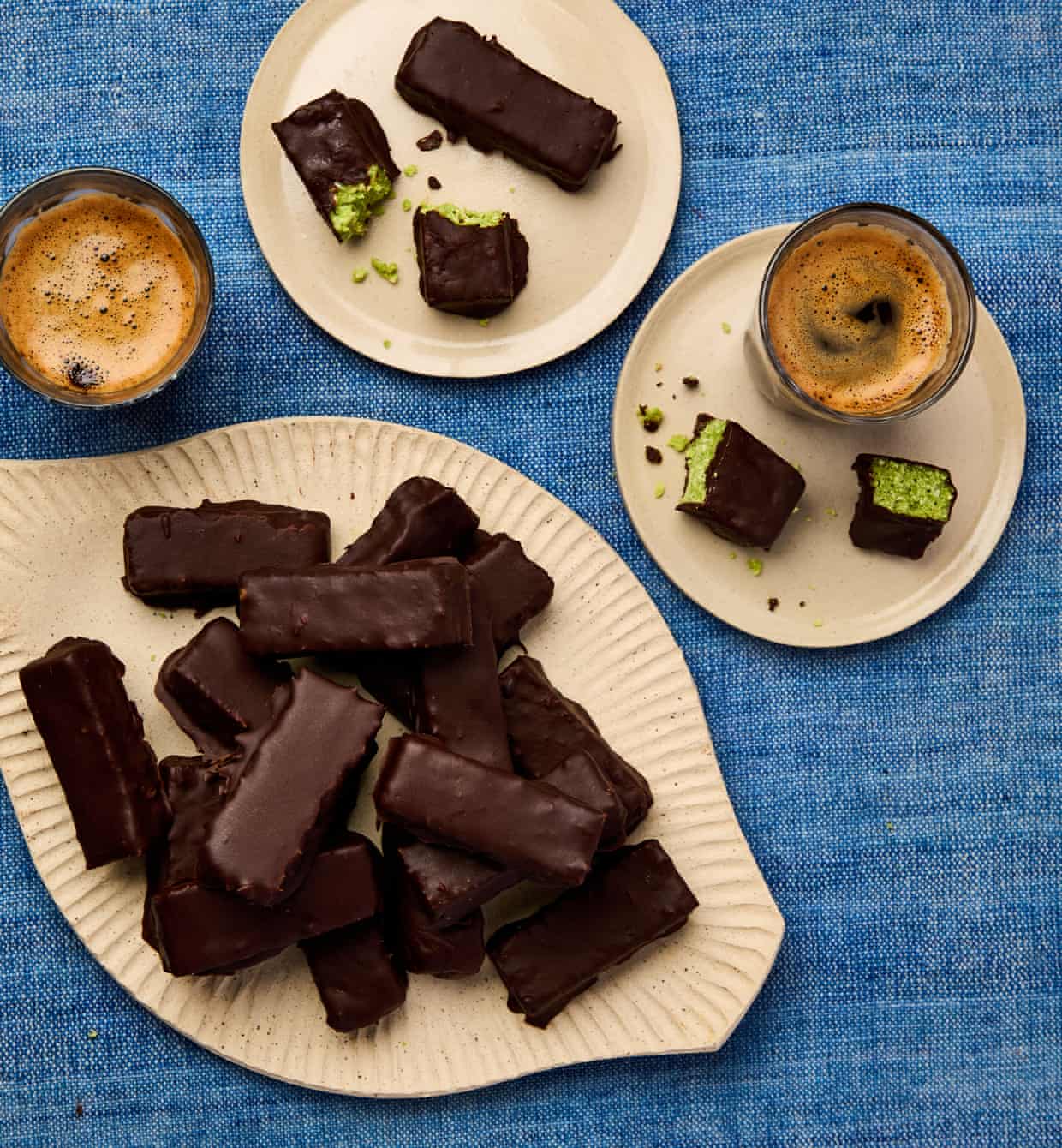
I love a Bounty, although I call them paradise bars. I also love matcha (and not only for its health-supporting benefits). Though my partner doesn’t enjoy drinking matcha tea, when I mix it into the sweetness of the coconut filling, even he’s on board. Then, a very munchable and grabbable savoury granola, and flapjacks that you can throw together in minutes for a week’s worth of on-the-go snacks.If I’m in a rush and don’t want to be individually dipping 24 chocolate bars, sometimes I put the coconut matcha mix in a large, wide tin to set, then simply drizzle the melted chocolate layer on top and chill
He never warms the jars, so why doesn’t my son’s marmalade go mouldy?
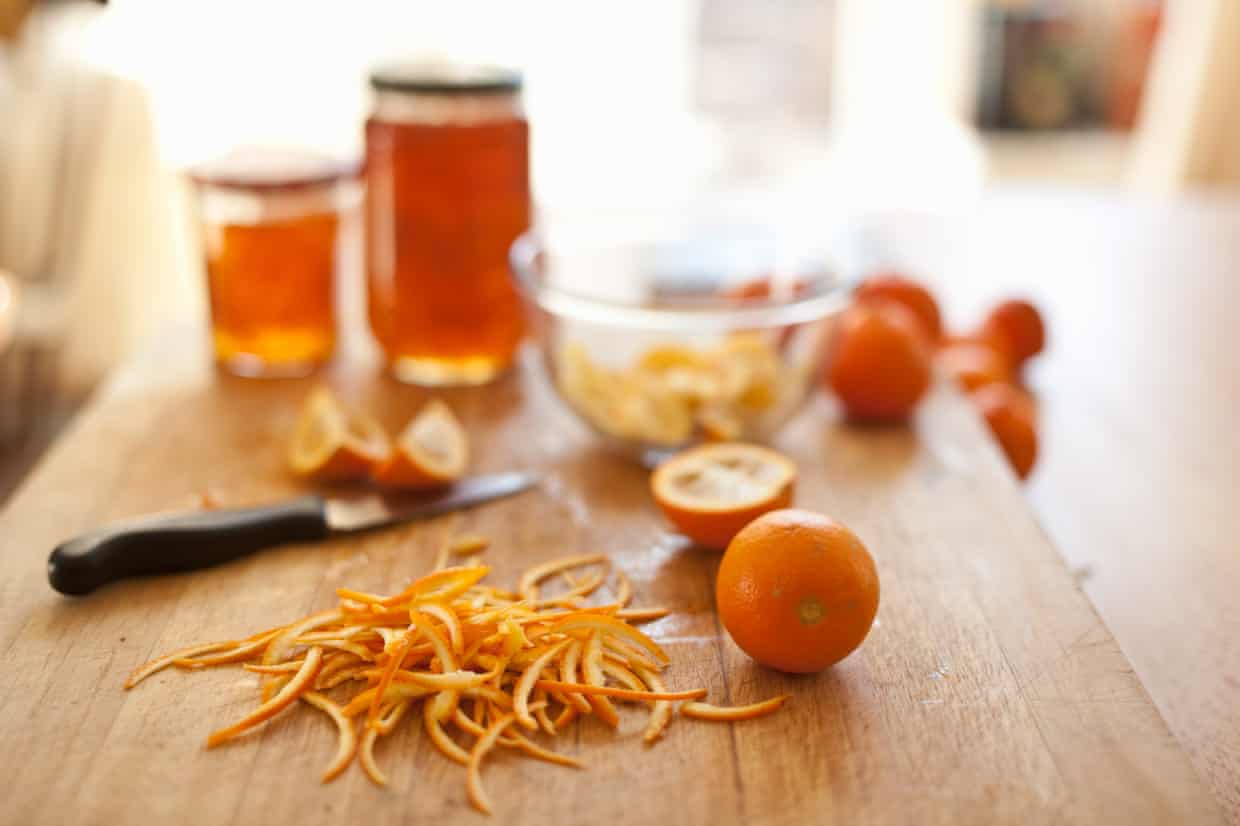
When my son makes marmalade, he never warms the jars or uses circles of baking paper and cellophane – he just puts the lids on. It never goes mouldy, so am I wasting my time doing it the “proper” way?Dagna, Berkhamsted, HertsYou can’t get much sweeter than marmalade, and this is most likely the reason for both Dagna and her son’s success, despite their differing strategies. “The chance of mould developing is low because there’s so much sugar to balance the bitterness of the orange peel,” says Camilla Wynne, preserver and author of All That Crumbs Allow. “Mould needs water to do its thing, and sugar binds to water.” She recalls a former student who, like Dagna’s son, simply ladled her marmalade into jars and closed the lids

Experts warn of threat to democracy from ‘AI bot swarms’ infesting social media

Grok AI generated about 3m sexualised images in 11 days, study finds

Scarlett Johansson and Cate Blanchett back campaign accusing AI firms of theft

Why Trump is worried datacenters might cost his party an election

My analogue month: would ditching my smartphone make me healthier, happier – or more stressed?

Big tech continues to bend the knee to Trump a year after his inauguration