Peers vote to back clause pardoning women convicted over illegal abortions
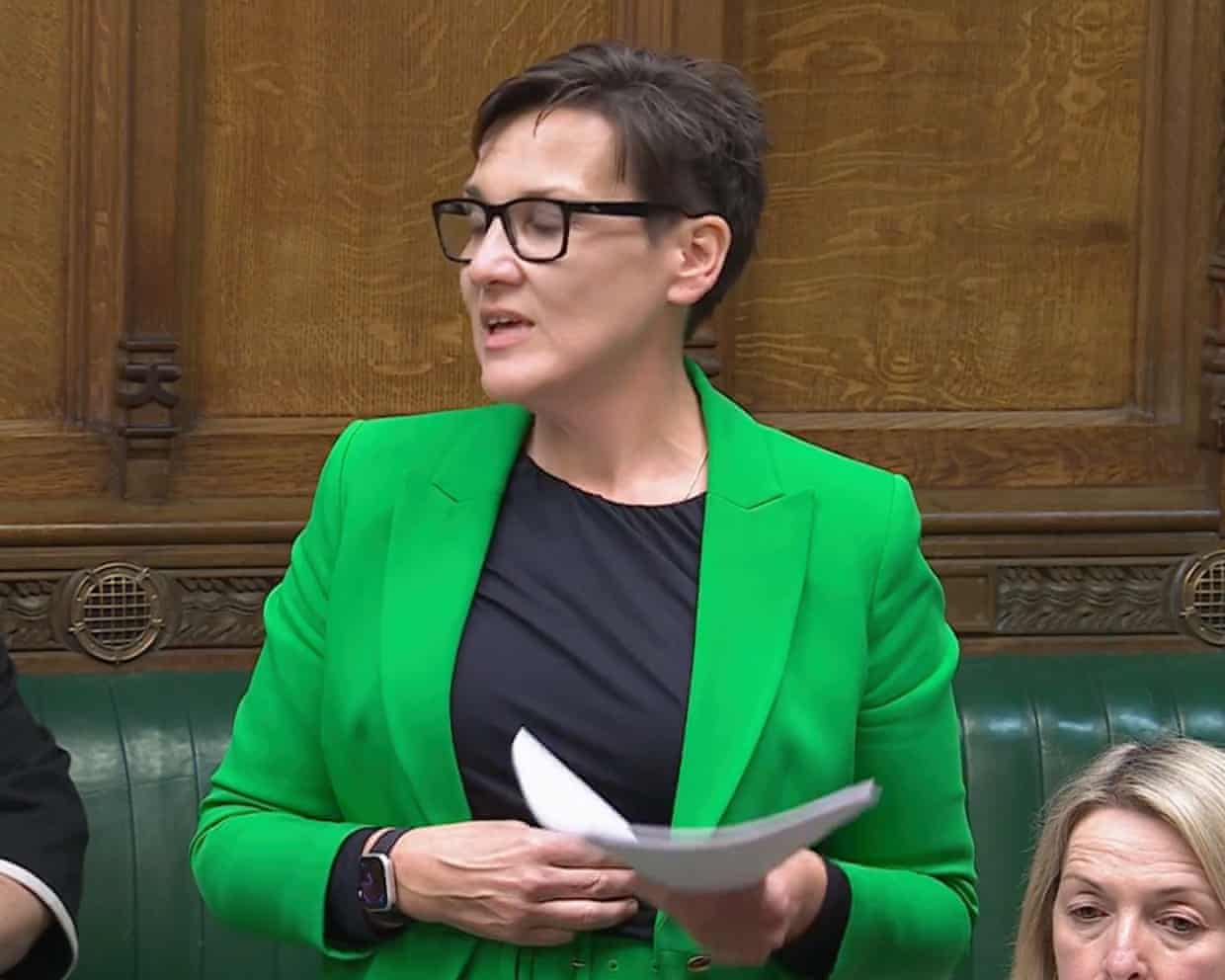
Women who have been convicted, and in some cases jailed, over illegal abortions are set to be pardoned after a historic vote in the House of Lords.Last June, the House of Commons voted to end the criminalisation of women who terminate their pregnancies outside of the legal framework, while keeping the existing framework in place.Doctors and others who act outside of the law could still face the threat of prosecution.The change, by way of an amendment to the crime and policing bill put forward by the Labour backbencher Tonia Antoniazzi, came after a reported increase in prosecutions and a number of high-profile court cases that saw women in the dock.There had been an attempt in the Lords to strike out Antoniazzi’s clause in the bill, but this was defeated, and an attempt to ban the use of telemedicine, where abortion medicine is able to be dispatched by post for pregnancies under 10 weeks, also failed.
Peers instead voted to extend the scope of the legislation to pardon women who had already been convicted and to expunge the police records of those arrested.Even where no charges have been brought, because abortion offences are classed as violent crimes, an arrest may show up in an enhanced Disclosure and Barring Service (DBS) check, with long-lasting consequences.Earlier this week, the Guardian reported the story of a young woman who had been arrested despite obtaining pills from a doctor.Although the police investigation into her was dropped, because she works in the NHS she was forced to have to continue to explain “such a traumatic event”.“It would just be such a relief for everyone,” the woman, Becca, said, “such a weight off everyone’s shoulders and maybe the last step in it being behind us.
”The Guardian also recently reported that despite the vote in the Commons, police forces were still arresting and investigating women over suspected illegal abortions.Women who have been arrested, investigated or jailed welcomed the move from the Lords; some have faced lasting restrictions on their employment and travel because of criminal records.Nikki Packer, who last year was cleared on an illegal abortion after a trial said: “I’m so happy the vote passed.Knowing that this is the end of prosecutions, investigations and the trauma it’s caused those of us who have been through it will not happen to anyone else is great.“Thank you to the women who shared their stories to make people aware that this was happening and to those who have campaigned to get to this historic point.
”Louise McCudden, from MSI Reproductive Choices, said,“We are delighted that the House of Lords voted in favour of this moderate reform to abortion law, which ends the prosecution of vulnerable women without changing the way care is provided or regulated,“This reform has already received overwhelming cross-party support from elected MPs and has now cleared one of the final major hurdles before it can be signed into law,”She described the vote as a “landmark moment” in abortion law reform, and added it would be “a huge relief to the women who have faced traumatic investigations as well as those still living with the anxiety and uncertainty created by the current law”,Heidi Stewart, the British Pregnancy Advisory Service chief executive, said: “By voting to pardon and expunge the records of those convicted under these outdated laws, peers have taken an important step towards recognising the harm this legislation has caused.
”She pointed out that under the previous framework, abortion-related offences were classed as serious offences that could remain on a woman’s DBS record for life, “limiting her employment prospects, restricting travel, and leaving her with a lasting criminal record for a healthcare decision”,“These laws have been used against some of the most vulnerable women and girls, including victims of domestic abuse, human trafficking and children,” she added,“Even women who were never convicted – including those who experienced natural pregnancy loss – could still have records retained on police systems and disclosed in background checks, creating ongoing stigma and barriers to rebuilding their lives,”
Markets keep the faith – but oil staying above $100 could test that optimism | Nils Pratley
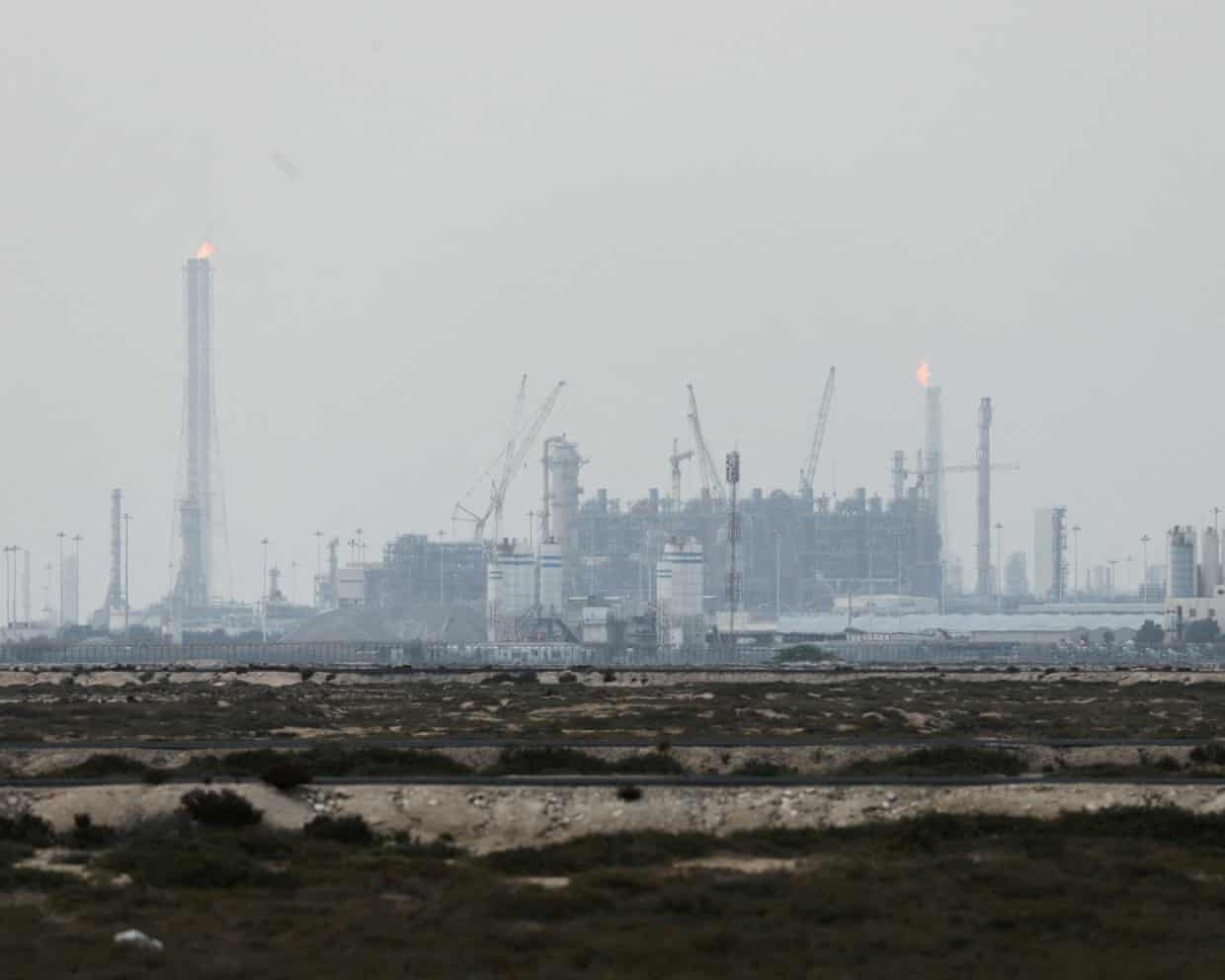
Was it only at the new year that the fanfare was heard for the FTSE 100 index breaking through 10,000 for the first time? It was – on 2 January – and the index then added another 900 points by the end of February. On Thursday, the Footsie briefly fell below that round number as Iran struck Qatar’s enormous Ras Laffan complex, which normally supplies a fifth of the world’s liquefied natural gas, before closing at 10,063, down 2.3% on the day.There are two ways to view that price action. One is to say the sharp reversal from the peak represents a necessarily severe reaction to the war on Iran
US moves to soften capital rules: ‘Big banks can declare mission accomplished’
US federal regulators are trying to soften bank requirements, loosening the amount of capital US banks must have, in what would be some of the biggest changes to bank restrictions since the 2008 financial crisis and a huge win for financial institutions.On Thursday, US Federal Reserve officials are expected to vote to lower capital requirements – the funds they need to cover risky assets – for the biggest banks by 4.8%, which could free up capital for banks such as JPMorgan Chase, Goldman Sachs and Morgan Stanley.Larger regional banks like PNC would see their requirements drop by 5.2%, while requirements banks with less than $100bn in assets would fall by 7
Bank of England tipped to raise UK interest rates twice this year to fight inflation shock from Middle East crisis, as oil and gas prices rise – as it happened
Time for a recap….A turbulent day in the financial markets has seen energy prices surge, and European stock markets fall.UK and European gas prices have jumped 15% today, after yesterday’s attacks by Iran on energy infrastructure across the Middle East.QatarEnergy has revealed that Iran’s strikes have damaged facilities responsible for producing 17% of the company’s LNG export capacity, and it could take three to five years to repair the damage.Brent crude jumped by 10% at one state – extending the gap between Brent and US oil – before slipping back to $110 a barrel, up 3
Oil and gas prices jump after Iran and Israel attack gasfields
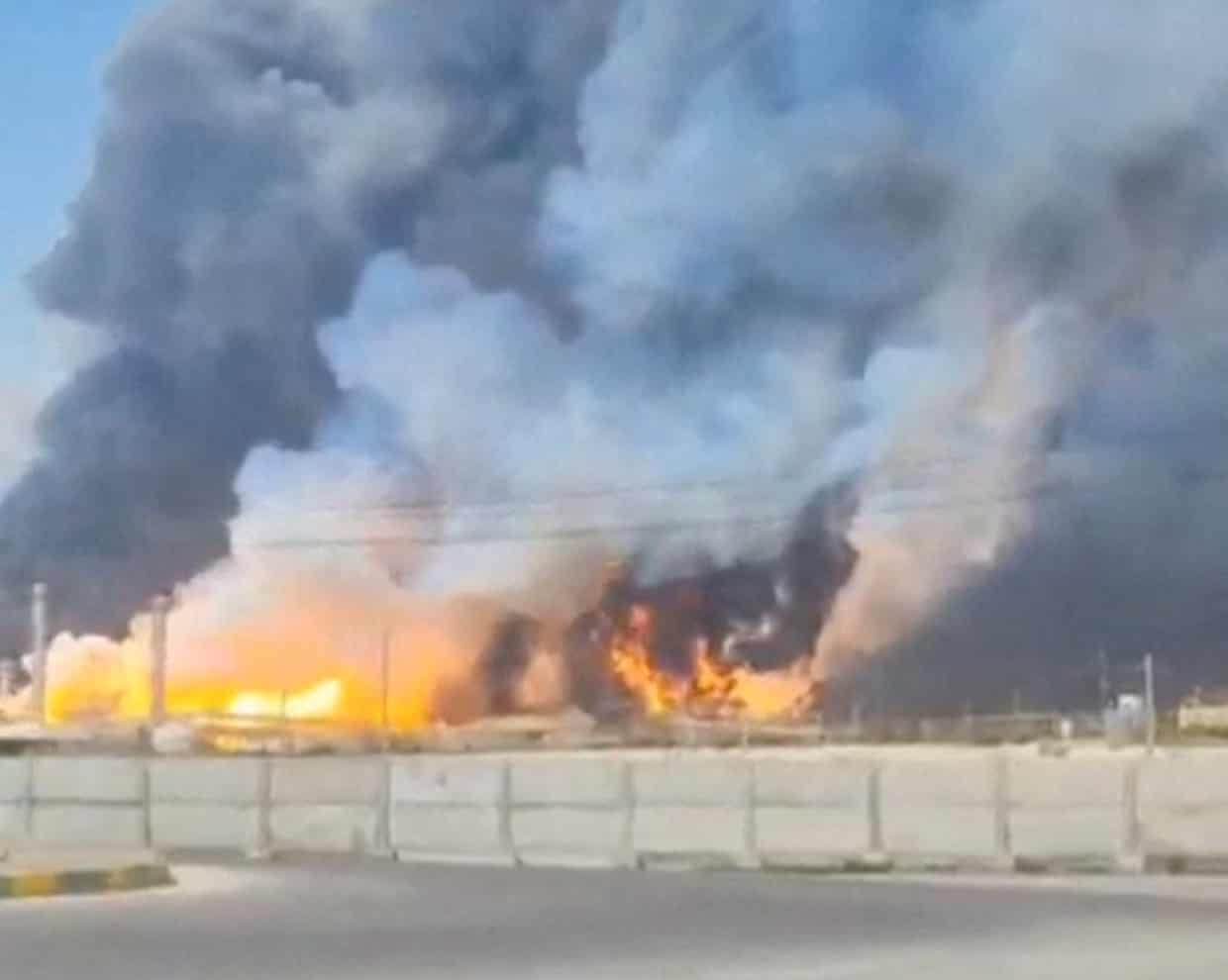
Gas prices jumped to four-year highs and oil prices rose again after an escalation of attacks by Israel and Iran on gasfields heightened fears of prolonged disruption to international energy supplies.QatarEnergy told Reuters on Thursday that Iran had damaged facilities that produced 17% of the state-owned company’s liquefied natural gas (LNG) export capacity and that it would take three to five years to repair them.Brent crude, the global oil benchmark, rose by 10% to $119 a barrel at one point before slipping back to $110 a barrel, a gain of 3.3%. Crude prices have soared by 60% since the US-Israeli war on Iran started on 28 February

Prolonged high oil prices could ‘crimp’ AI boom, WTO warns
An extended period of high oil prices as a result of war in the Middle East could “crimp” the AI boom, the World Trade Organization’s chief economist has warned.The war and its impact on energy and fertiliser costs is the main risk to the global economy identified in the WTO’s latest Global Trade Outlook.But the Geneva-based body also raised a question mark about the continued strength of AI investment, which in 2025 helped to offset the hit to global trade from Donald Trump’s tariffs.“There is an interesting possible interaction between the Middle East conflict and the AI boom, in part because the boom is very energy-intensive,” said the WTO’s chief economist, Robert Staiger. “If the price of energy continues to be elevated for the whole year, that could put a crimp on the AI boom
Europe’s biggest airlines say fuel price spike caused by Iran war will drive up fares
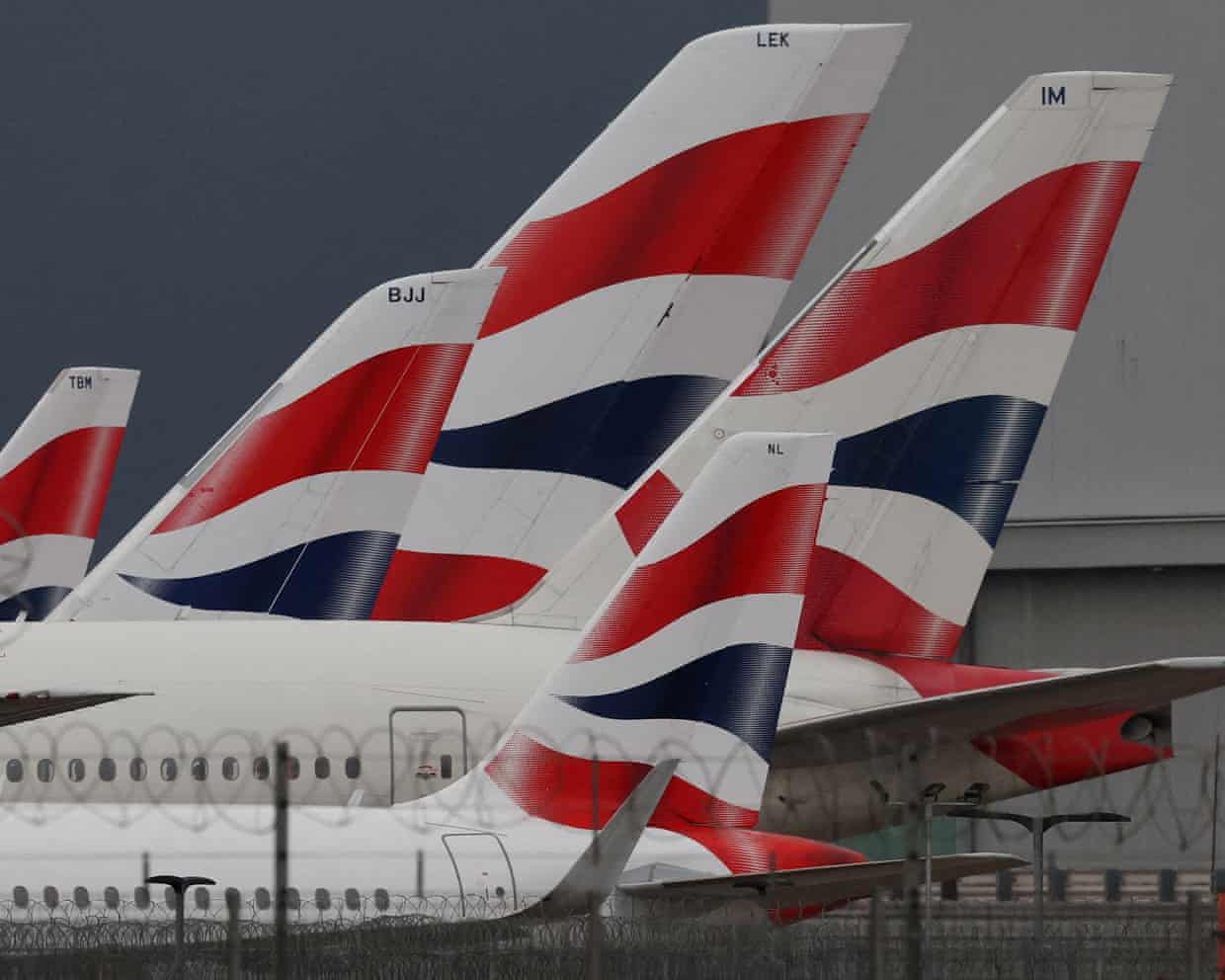
Europe’s biggest airlines have said the rise in fuel prices caused by the war in the Middle East will drive up fares and are advising passengers to book early.While carriers have partly hedged the price of jet fuel, bosses said they could not avoid passing on additional costs to passengers for long.Long-haul airlines such as Air France-KLM and Lufthansa said they would be adding more flights via Asia with Gulf carriers’ hubs either shut or operating at a reduced level since the US-Israeli attack on Iran.EasyJet dismissed any fears of imminent fuel shortages affecting flights in Europe despite concerns about supplies in parts of Asia, with Vietnamese airlines this week warning that they may reduce schedules.Kenton Jarvis, the airline’s chief executive, said it was “not seeing any issues” with its fuel supply

Essex police pause facial recognition camera use after study finds racial bias

US startup advertises ‘AI bully’ role to test patience of leading chatbots

‘All right mate?’: Amazon pins UK hopes on AI upgrade of Alexa

‘We don’t tell the car what it should do’: my ride in a self-driving taxi

Inside China’s robotics revolution

Actors, musicians and writers welcome UK U-turn on AI use of copyrighted work