NEWS NOT FOUND

Did breakthrough in US fentanyl crisis start in China?
As Donald Trump travels to Beijing this week, fentanyl – and China’s role in its supply chain – remains an enduring point of acrimony in bilateral relations.At a UN meeting in March, the US again accused China of failing to stop its chemical industry selling the precursors required to make the potent synthetic opioid, while China suggested the US was shifting the blame for its domestic drug problem.Yet there are growing signs that the US fentanyl crisis has turned a corner – and some experts believe that interventions made in China have played a key role.“There was a supply shock: the purity of fentanyl fell,” said Keith Humphreys, a professor at Stanford University. “The question is why was there a supply shock

Older people risk mental decline if they do long hours of caring, UK study shows
The stresses and strains of caring for someone for 50 hours or more a week leads to “accelerated cognitive decline” in middle-aged and older people, research shows.However, providing care for only five to nine hours a week has the opposite effect, boosting brain health so much that the benefits last until older age.Carers UK called the findings “extremely worrying” and said they highlight how long hours spent providing care raises the risk of social isolation and burnout.Dr Baowen Xue, an academic at University College London and the lead author of the paper, said: “Our study shows that the caring responsibilities many people take on in later life can be a double-edged sword.“On the one hand, lighter caring responsibilities can be good for you by providing mental stimulation from interacting with loved ones or others you’re helping and a sense of purpose and usefulness
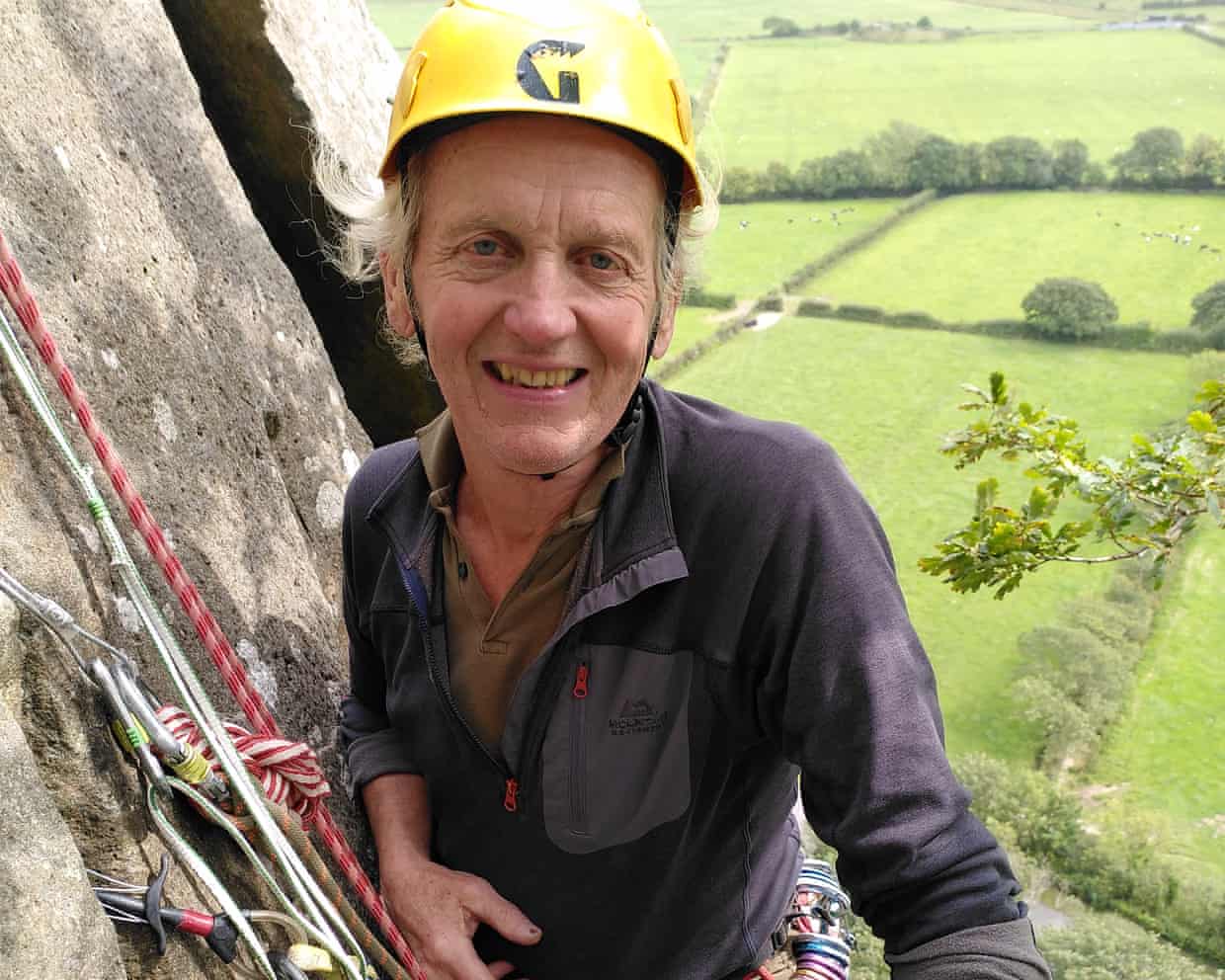
Steve Lismore obituary
My partner, Steve Lismore, who has died aged 71 in a climbing accident in Italy, was a civil servant and local politician with twin passions for giving children a good start in life and establishing equality of access to employment. Steve’s energy and commitment to action has had a lasting impact across north Derbyshire.Born in Toronto, Canada, to Violet (nee Greaves), a secretary, and Basil Lismore, a toolmaker, Steve loved reading and excelled at Bayview Heights school, Ontario, skipping a grade and winning awards at science fairs.His approach to life was formed in his teens. He combined adventure, practicality and ingenuity as he coaxed cheap motorbikes to ever improved performance

Renters’ Rights Act could worsen court delays without proper funding | Letters
The new Renters’ Rights Act is a step forward in ensuring that both tenants and landlords can access justice, but without proper investment it risks creating new court delays and injustices for both parties (The Guardian view on the Renters’ Rights Act: finally, protections fit for the modern housing market, 5 May).The end of “no fault” evictions in England is expected to lead to an increase in the number of contested repossession cases. If courts do not have the funding to handle the increase, delays will grow and leave many people in limbo, as we have recently seen with the closure of the Hillingdon Law Centre.This investment must include further funding for housing legal aid. While last year the UK government pledged to increase the fees paid to housing legal aid firms, those changes are yet to be fully implemented

‘Everyone was in tears’: the tenants given eviction notices just before ban in England
It was 2pm on 30 April when Carl Kansinde Middleton received a “no fault” eviction from his landlord in Brighton – just 10 hours before section 21 notices were officially banned under the Renters’ Right Act.“As we were getting closer, I really thought I was safe,” he said. “It just never occurred to me that it would just come right on the last day – I truly felt blindsided.“I lost my job in November and it’s been a struggle for me financially as I have no support system. I was just about treading water but this has swept me under

Ash scattering is a risky business | Brief letters
I had a similar experience to Zoe Williams (The day had come to scatter my mum’s ashes. What could possibly go wrong?, 5 May) when I scattered my dad’s ashes near the first tee at his golf club. After reaching into the urn and grabbing a large handful of his ashes, I threw them into the air only to have them all blown back at me by a sudden gust of wind. Friends always said I looked very much like him and I felt a tremendous sense of pride as parts of him went into every orifice.Bob DawsonGreenmount, Greater Manchester Glad to read about the campaign to save the mother of Bramley apples tree (Report, 5 May)

Stephen Colbert on Trump’s 22ft gold statue at his golf club: ‘recreational idolatry’

One in seven in UK prefer consulting AI chatbots to seeing doctor, study finds

US Senate confirms Kevin Warsh as Federal Reserve chair, replacing Jerome Powell

Sam Altman defends OpenAI in courtroom showdown with Elon Musk
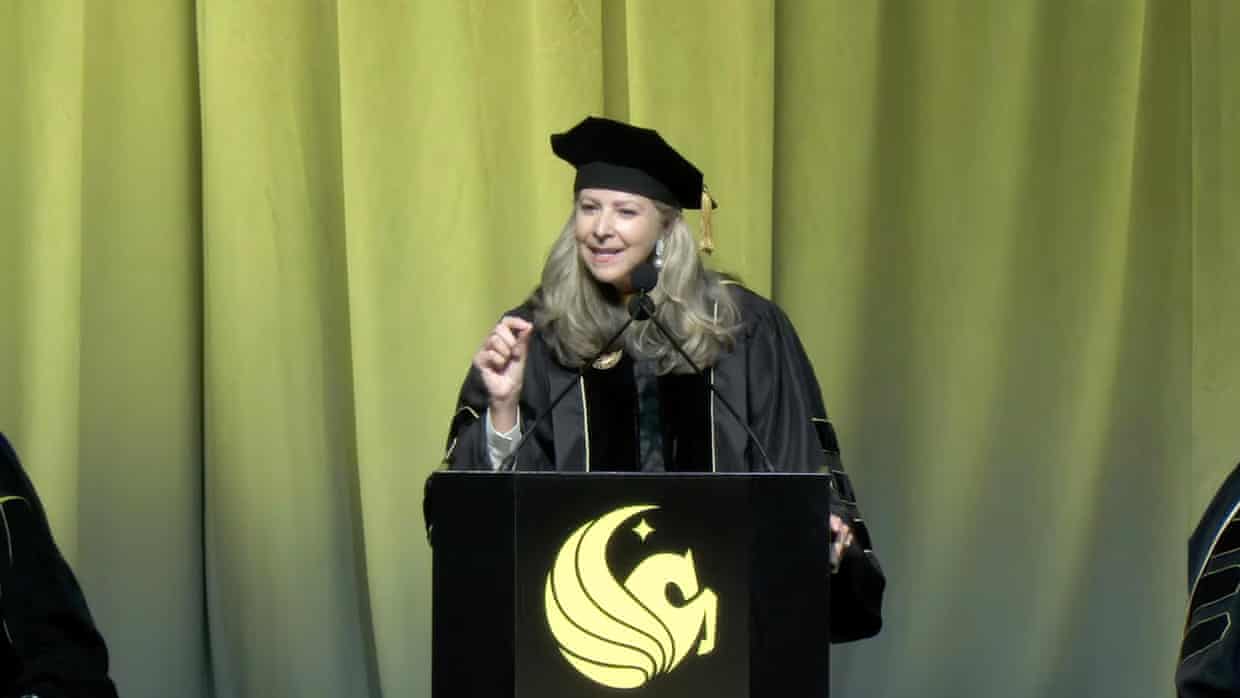
Florida students boo graduation speaker who called AI ‘next Industrial Revolution’

Jim Furyk tells US players they need to make Ryder Cup more of a priority