Europe’s biggest airlines say fuel price spike caused by Iran war will drive up fares
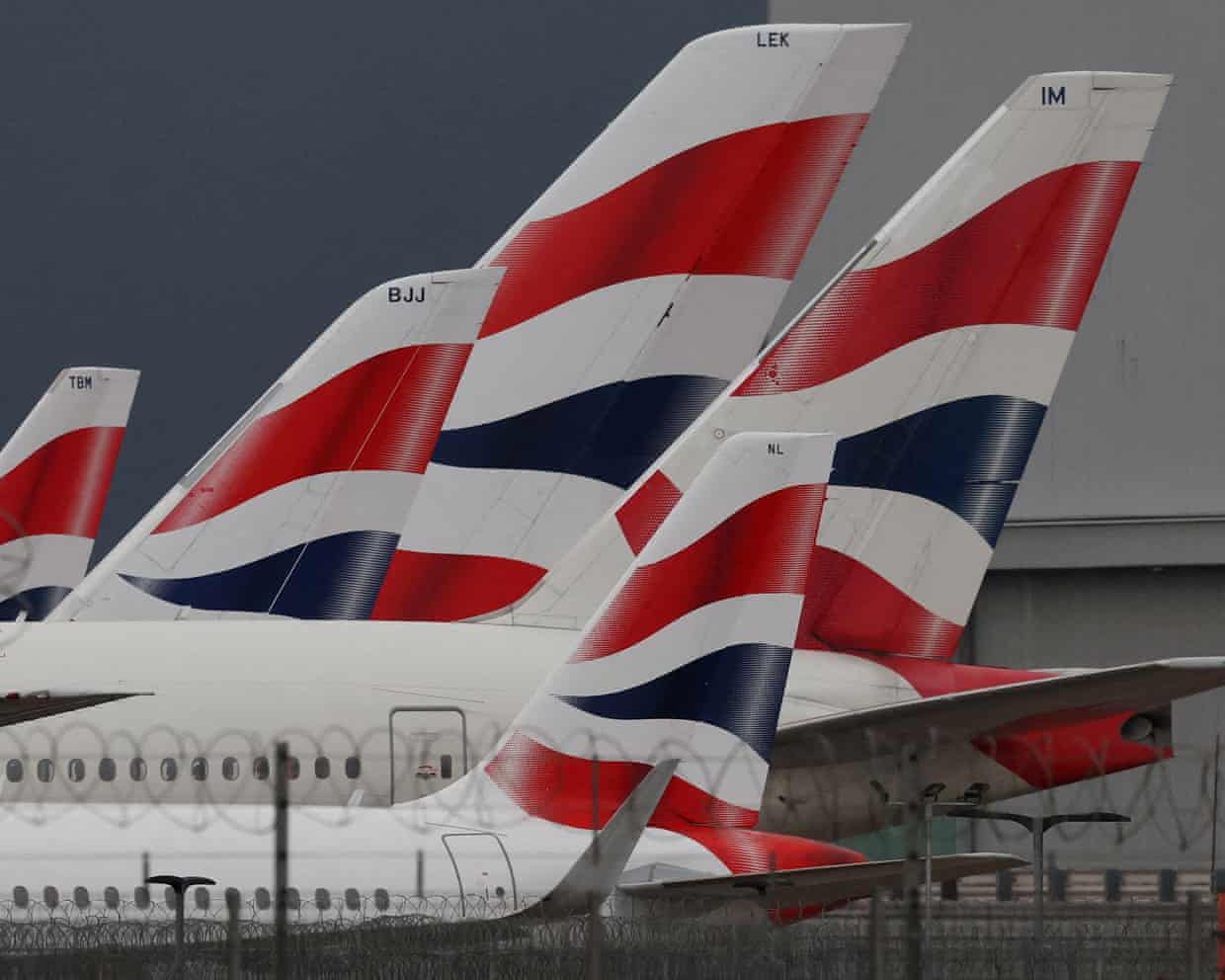
Europe’s biggest airlines have said the rise in fuel prices caused by the war in the Middle East will drive up fares and are advising passengers to book early.While carriers have partly hedged the price of jet fuel, bosses said they could not avoid passing on additional costs to passengers for long.Long-haul airlines such as Air France-KLM and Lufthansa said they would be adding more flights via Asia with Gulf carriers’ hubs either shut or operating at a reduced level since the US-Israeli attack on Iran.EasyJet dismissed any fears of imminent fuel shortages affecting flights in Europe despite concerns about supplies in parts of Asia, with Vietnamese airlines this week warning that they may reduce schedules.Kenton Jarvis, the airline’s chief executive, said it was “not seeing any issues” with its fuel supply.
However, he said passengers should book as early as possible, with hedges on the price starting to unwind, spelling higher fares.Ryanair’s chief executive, Michael O’Leary, likewise downplayed immediate changes but said that if fuel price increases “drag on for six months” it would become an issue for airlines.According to Iata’s jet fuel monitor, the price of kerosene was already 94% up on the annual average at the end of last week, and the price of crude oil rose sharply again on Thursday after escalating hostilities.The executives were speaking in Brussels as part of Airlines for Europe (A4E), a trade and lobbying group covering 16 airline groups, including BA’s owner, IAG; Air-France-KLM; and Lufthansa.There were indications that there could also be silver linings in the crisis for Europe’s long-haul carriers, if they manage to reassert their global role after ceding ground to airlines and airport hubs in the Gulf.
Lufthansa said it had added 40 flights to Asia to compensate for disruption in the Gulf.Air France-KLM said it was also boosting capacity to Asia, recapturing some market share on the back of “very healthy” demand on routes to Asia and Africa.BA this week announced direct flights to Melbourne in Australia, extending flights via Kuala Lumpur in Malaysia from London Heathrow.It said it was adding more services to destinations such as the Caribbean that avoid flying through congested and disrupted Middle Eastern airspace.However, tourism to Europe could be hit, the consultancy Oxford Economics warned, with almost 28m outbound trips from the Middle East at risk.
It said Turkey, France and the UK were particularly vulnerable with a typically higher share of Middle Eastern visitors.Mediterranean destinations such as Spain, Portugal and Greece could benefit as alternatives for those who might have visited the Gulf, it said.A4E bosses put out a collective statement urging Europe’s leaders to back the industry by cutting green taxes, saying they were “losing competitive ground to non-EU airlines, destinations and hubs that do not face similar regulatory obligations”.They said it would be a choice between “growing connectivity or a cutback in routes”, adding: “The large-scale airspace shutdowns in the Middle East are a reminder of our resilience and how important EU airlines and hubs are for connectivity with the rest of the world.”The airlines called on the EU to amend its upcoming mandates for greener fuel, with a minimum 6% blend of sustainable aviation fuel by 2030, including 0.
7% eSAF, a synthetic fuel derived from renewable energy rather than the current feedstock, which primarily uses cooking oil,Jarvis said: “We are calling for the eSAF mandate to be postponed until eSAF is actually available,”However, the EU’s transport commissioner, Apostolos Tzitzikostas, indicated that the call was unlikely to be heeded immediately, telling Reuters it was up to the industry to invest in the fuels,Transport & Environment, a campaign group that advocates for clean transport and energy, condemned the call,Camille Mutruelle, the group’s aviation policy officer, said the airlines were “generating the very uncertainty that is preventing the scale-up of sustainable aviation fuel”, adding: “No credible industrial policy can survive if targets are treated as optional.
And no investor will commit to future clean technologies under such conditions.”

Prolonged high oil prices could ‘crimp’ AI boom, WTO warns
An extended period of high oil prices as a result of war in the Middle East could “crimp” the AI boom, the World Trade Organization’s chief economist has warned.The war and its impact on energy and fertiliser costs is the main risk to the global economy identified in the WTO’s latest Global Trade Outlook.But the Geneva-based body also raised a question mark about the continued strength of AI investment, which in 2025 helped to offset the hit to global trade from Donald Trump’s tariffs.“There is an interesting possible interaction between the Middle East conflict and the AI boom, in part because the boom is very energy-intensive,” said the WTO’s chief economist, Robert Staiger. “If the price of energy continues to be elevated for the whole year, that could put a crimp on the AI boom
Europe’s biggest airlines say fuel price spike caused by Iran war will drive up fares
Europe’s biggest airlines have said the rise in fuel prices caused by the war in the Middle East will drive up fares and are advising passengers to book early.While carriers have partly hedged the price of jet fuel, bosses said they could not avoid passing on additional costs to passengers for long.Long-haul airlines such as Air France-KLM and Lufthansa said they would be adding more flights via Asia with Gulf carriers’ hubs either shut or operating at a reduced level since the US-Israeli attack on Iran.EasyJet dismissed any fears of imminent fuel shortages affecting flights in Europe despite concerns about supplies in parts of Asia, with Vietnamese airlines this week warning that they may reduce schedules.Kenton Jarvis, the airline’s chief executive, said it was “not seeing any issues” with its fuel supply
BoE delivers message Britons don’t want to hear as inflation – and rates – look set to rise
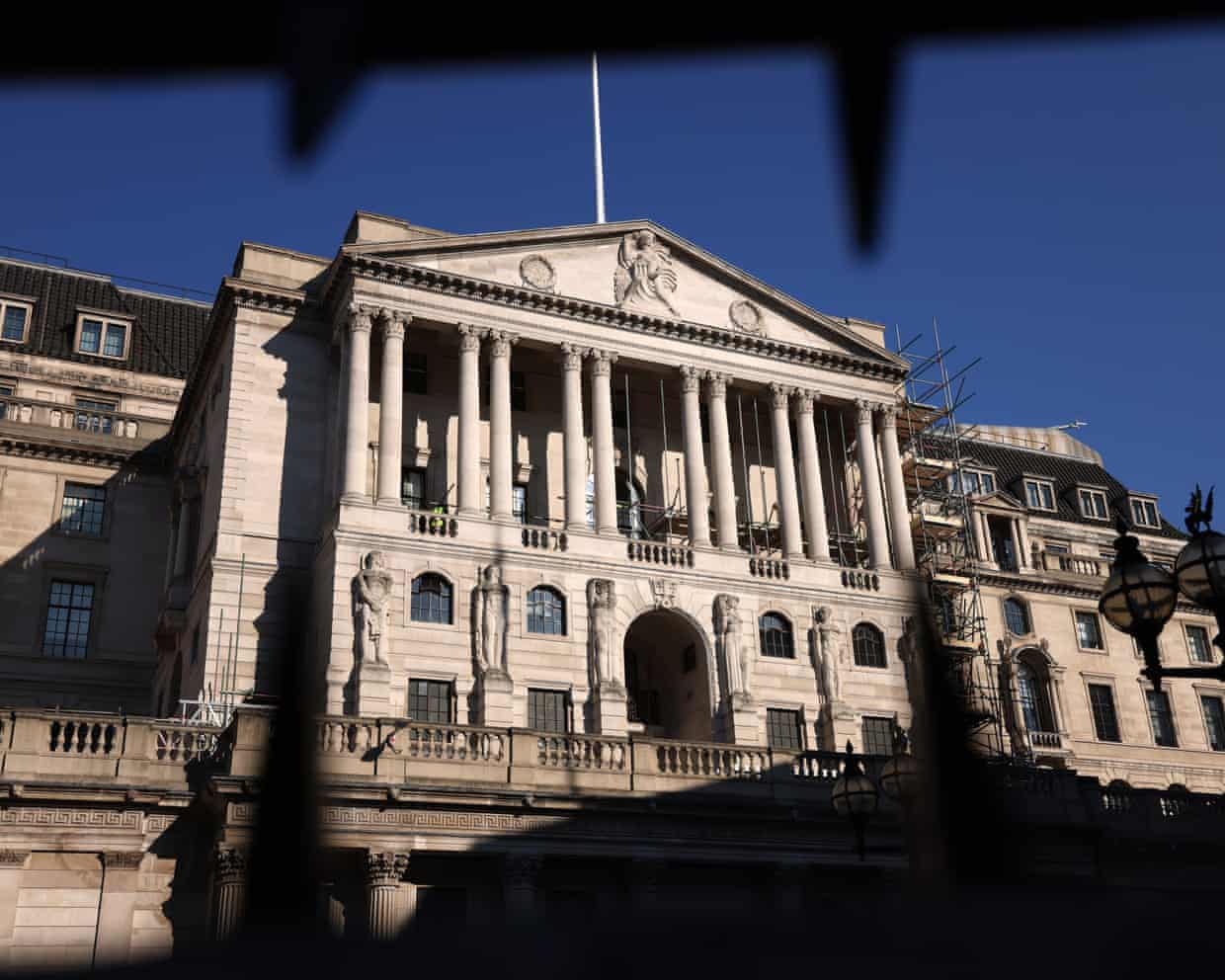
The US-Israel attack on Iran has already driven prices higher and not just at the petrol pumps, the Bank of England said on Thursday in a gloomy assessment of the UK’s economic outlook.An inflation rate that was on track to fall from 3% to the Bank’s 2% target in the coming months is now expected to rise to 3.5%. That is one probable impact of the US and Israel’s war on Iran.Higher transport and energy costs can quickly flow through to higher food prices, ratcheting up the consumer prices index when the previous trajectory was down
Bank of England holds interest rates at 3.75% and signals rise is possible within months
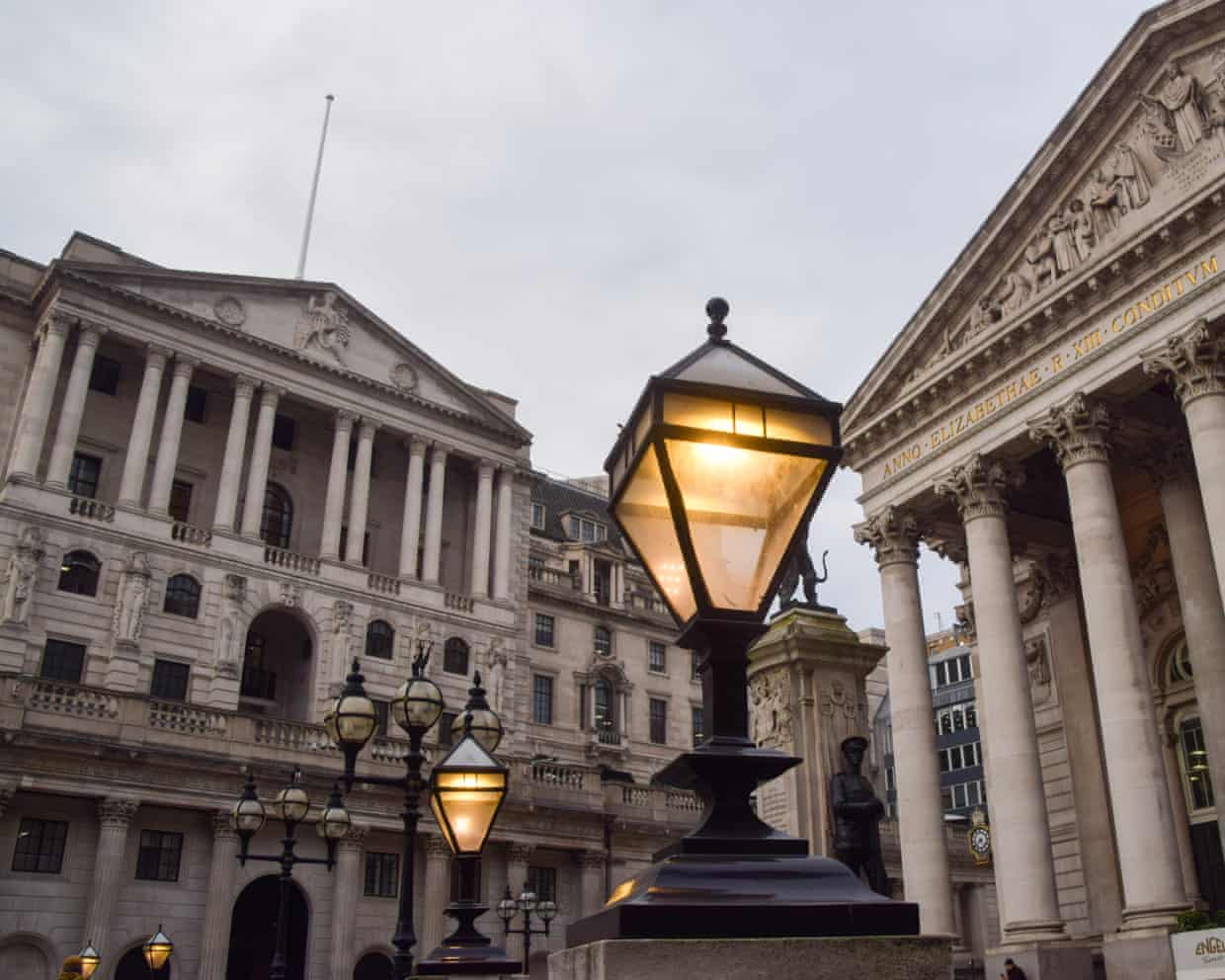
The Bank of England has kept interest rates on hold and signalled it could be forced to increase borrowing costs in the coming months as the US-Israel war on Iran threatens to drive inflation in the UK above 3%.The Bank’s rate-setting monetary policy committee (MPC) voted unanimously to keep its base rate at 3.75% amid growing concern over the surge in energy prices triggered by the conflict.The pound strengthened against the US dollar after the decision, while UK government borrowing costs rose and the FTSE 100 fell as City traders bet that the Bank would be forced to raise interest rates twice this year.In a development that would add to the pressure on household finances already battered by a cost of living crisis, financial markets anticipate a quarter-point increase from as early as June, followed by a further rise to 4
PwC partners who fail to embrace AI have no future at firm, US CEO warns
The US boss of PricewaterhouseCoopers has warned that partners who do not get to grips with AI have no future at the consulting firm.Paul Griggs said senior staff who were not “paranoid about being AI-first” would probably be replaced by others who were ready to embrace the technology. “I don’t think anyone gets a free pass here. Anyone,” Griggs told the Financial Times.An employee who thinks they have the “opportunity to opt out” of AI is “not going to be here that long”, Griggs added
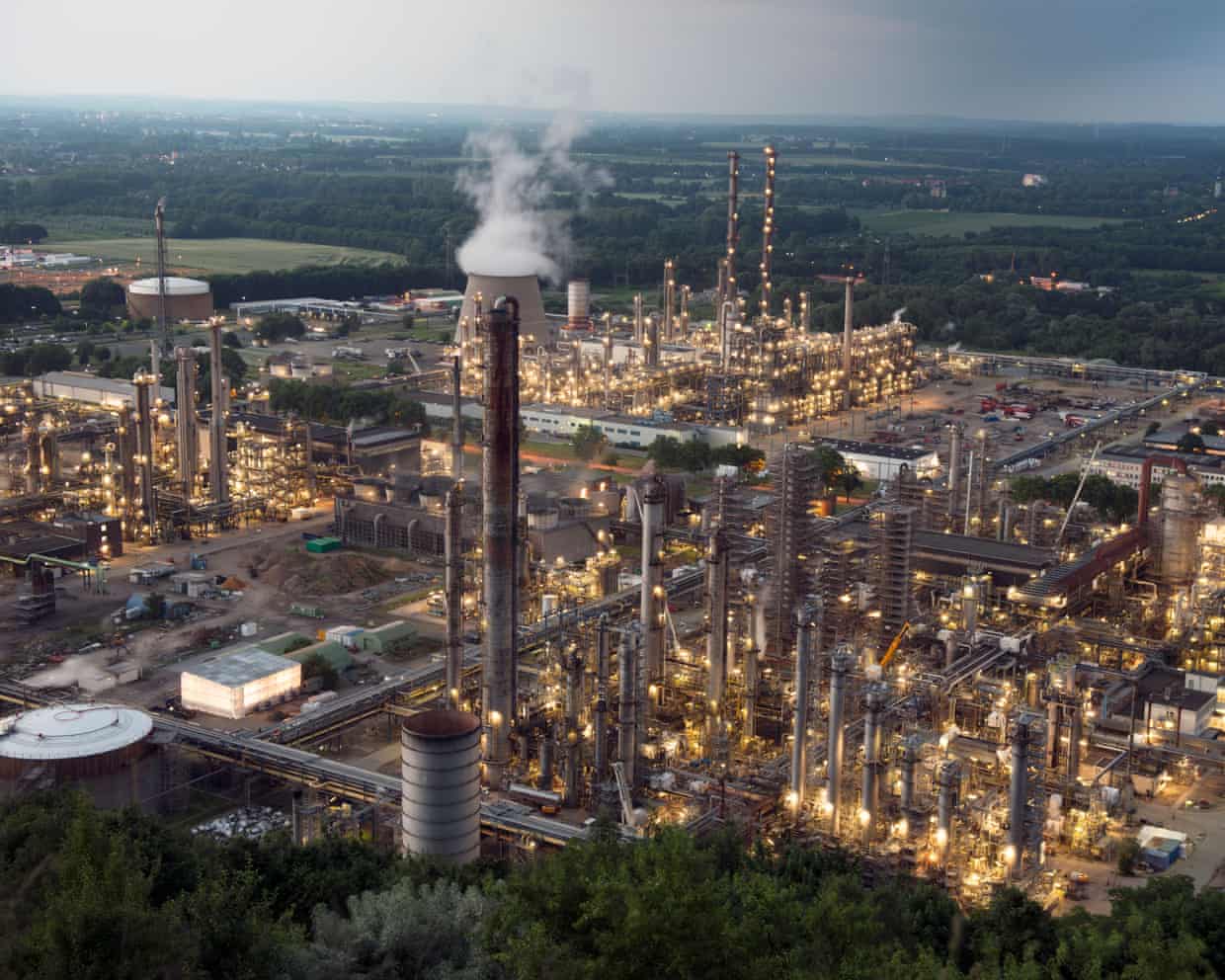
BP to sell German oil refinery as part of $20bn cost-cutting plan
BP has agreed to sell its giant German oil refinery site in Gelsenkirchen to the investment firm Klesch Group as part of the British oil company’s plan to sell off $20bn (£15bn) worth of assets and cut its costs.The value of the sale was not disclosed but BP said it would save the oil company about $1bn of underlying operating expenditure at the complex, which processes about 12m tonnes of crude oil every year, mainly as fuel for cars and aircraft.The sale has also enabled BP to raise its cost-cutting target to between $6.5bn and $7.5bn by 2027, or almost a third of its cost baseline in 2023
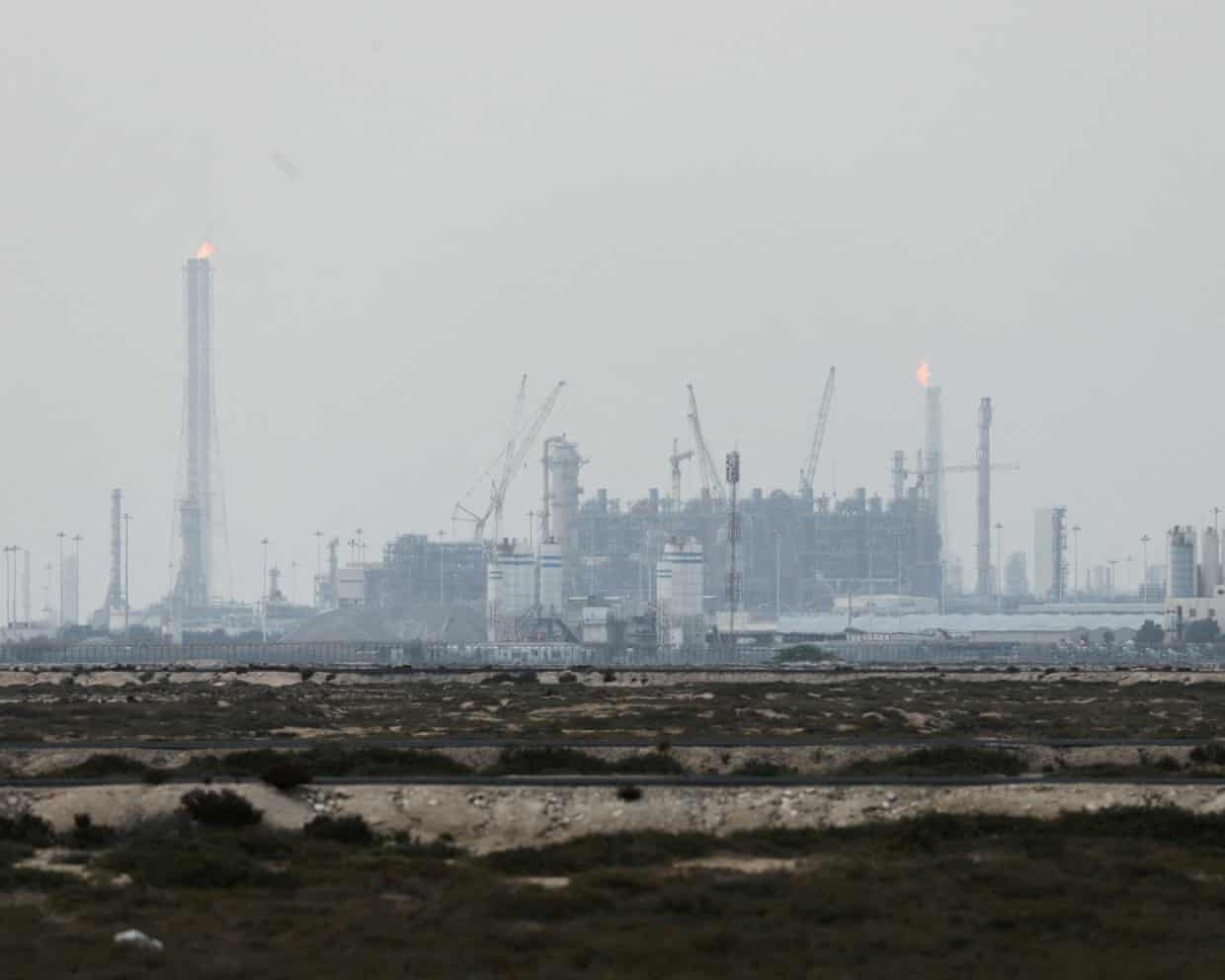
Markets keep the faith – but oil staying above $100 could test that optimism | Nils Pratley
US moves to soften capital rules: ‘Big banks can declare mission accomplished’

Cryptocurrency firms suffer heavy losses in Illinois primaries after spending big

Lack of funding is stifling scientific research | Letter

Keely Hodgkinson leads British medal hopes at world indoor championships

Meg Jones to captain England at Women’s Six Nations with Zoe Stratford pregnant