Bank of England tipped to raise UK interest rates twice this year to fight inflation shock from Middle East crisis, as oil and gas prices rise – as it happened
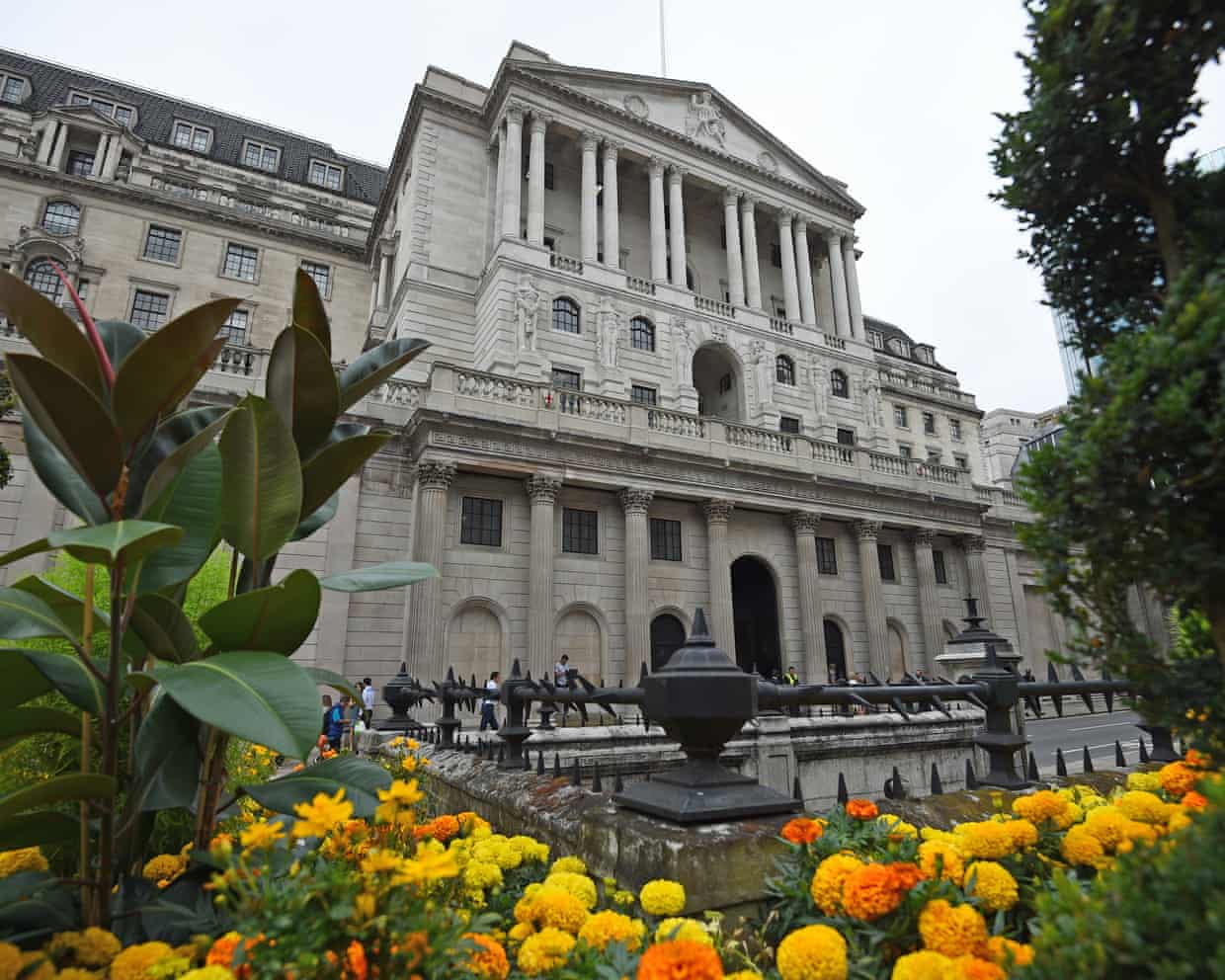
Time for a recap…,A turbulent day in the financial markets has seen energy prices surge, and European stock markets fall,UK and European gas prices have jumped 15% today, after yesterday’s attacks by Iran on energy infrastructure across the Middle East,QatarEnergy has revealed that Iran’s strikes have damaged facilities responsible for producing 17% of the company’s LNG export capacity, and it could take three to five years to repair the damage,Brent crude jumped by 10% at one state – extending the gap between Brent and US oil – before slipping back to $110 a barrel, up 3.
3% today.With anxiety over a lengthy period of disruption to energy supplies growing, European stock markets have tumbled.The UK’s FTSE 100 share index fell by almost 3% at one stage, dipping below the 10,000-point mark for the first time since early January.European airline chiefs have warned that a prolonged conflict in the Middle East would lead to higher air fares as flight cancellations drive up costs and aviation fuel prices.UK energy bills are on track to jump this summer too.
Faced with this disruption, central bankers are choosing to leave interest rates on hold until the situation is clearer.The Bank of England maintained UK interest rates at 3.75% today, but also signalled that it could be forced to increase borrowing costs within the coming months.It warned:double quotation markConflict in the Middle East has caused a significant increase in global energy and other commodity prices, which will affect households’ fuel and utility prices and have indirect effects via businesses’ costs.Prior to this, there had been continued disinflation in domestic prices and wages.
CPI inflation will be higher in the near term as a result of the new shock to the economy.The BoE now believes the US-Israel war on Iran threatens to drive inflation in the UK above 3%, and is fearful of ‘second round’ effects – a jump in wages, and prices in the shops.The City money markets are now pricing in two rises in UK interest rates this year, which would lift them back to 4.25% by December.Andrew Bailey, governor of the Bank, has pushed back against such forecasts, saying:double quotation mark“I would caution against reaching any strong conclusions about us raising interest rates.
...Today we’ve given a very clear message.The right place to be is on hold.
”The Bank’s decision came hours after new data showed a slowdown in pay growth across the UK:The European Central Bank left its interest rates on hold today too, as did Switzerland and Sweden this morning.The World Trade Organisaion has cut its forecast for trade growth this year, and warned that an extended period of high oil prices could “crimp” the AI boom.The UK is to double tariffs on Chinese and other foreign steel in a bid to save its remaining plants from collapse.Late developments: The governor of the Bank of England has said that the “longer” the war in the Middle East continues the “larger” the effects on the UK economy.Andrew Bailey told LBC’s Tonight with Andrew Marr show:double quotation mark‘Well, the longer it goes on, I’m afraid to say, but it is rather an obvious point, the effect will be larger.
So, I think that’s why it’s imperative that, as I know the government is doing, that everything is done that can be done to alleviate this effect.That’s the critical thing.’Bailey also said that the best thing for the world economy would be to reopen energy supply lines, “because that is in the best interests of the people of the world.”And finally, the UK stock market has posted its biggest daily drop in over two weeks.The blue-chip FTSE 100 index has closed down 242 points, or -2.
35%, at 10,063 points.That’s its biggest one-session decline since 3 March, in the first week of the Iran war.Housebuilder Barratt (-8.4%) was the top faller, reflecting forecasts of UK interest rate rises this year which would hurt demand for new homes.Banks also weakened, with NatWest down 8%.
The Bank of England has had a “crude awakening”, points out Deutsche Bank economist Sanjay Raja, as the rise in energy prices threatens to push up inflation.Raja has abandoned his previous forecast for interest rate cuts this year, telling clients:double quotation markPolicy risks are now one-sided.We are changing our BoE call.We no longer expect any rate cuts this year.We expect Bank Rate to stay put at 3.
75% for the remainder of the year.And the prospect of rate hikes can no longer be discounted.The bar for rate hikes, we think, has fallen meaningfully – contrary to our previous view.What will it take for the MPC to hike rates? One, limited fiscal support to curb inflation.And two, duration of the Iran conflict lasting into April (and beyond), extending the length of the inflation shock.
Should fears of second-round effects ratchet higher, the case for a policy pivot in Q2-26 will likely strengthen,We will be monitoring this closely,America’s Russell 2000 index of smaller companies has also been caught up in today’s market slide,The Russell 2000 is down 0,7%, having briefly touched a 10% loss from its all-time intraday high earlier in the session.
Time for a recap…,A turbulent day in the financial markets has seen energy prices surge, and European stock markets fall,UK and European gas prices have jumped 15% today, after yesterday’s attacks by Iran on energy infrastructure across the Middle East,QatarEnergy has revealed that Iran’s strikes have damaged facilities responsible for producing 17% of the company’s LNG export capacity, and it could take three to five years to repair the damage,Brent crude jumped by 10% at one state – extending the gap between Brent and US oil – before slipping back to $110 a barrel, up 3.
3% today.With anxiety over a lengthy period of disruption to energy supplies growing, European stock markets have tumbled.The UK’s FTSE 100 share index fell by almost 3% at one stage, dipping below the 10,000-point mark for the first time since early January.European airline chiefs have warned that a prolonged conflict in the Middle East would lead to higher air fares as flight cancellations drive up costs and aviation fuel prices.UK energy bills are on track to jump this summer too.
Faced with this disruption, central bankers are choosing to leave interest rates on hold until the situation is clearer.The Bank of England maintained UK interest rates at 3.75% today, but also signalled that it could be forced to increase borrowing costs within the coming months.It warned:double quotation markConflict in the Middle East has caused a significant increase in global energy and other commodity prices, which will affect households’ fuel and utility prices and have indirect effects via businesses’ costs.Prior to this, there had been continued disinflation in domestic prices and wages.
CPI inflation will be higher in the near term as a result of the new shock to the economy.The BoE now believes the US-Israel war on Iran threatens to drive inflation in the UK above 3%, and is fearful of ‘second round’ effects – a jump in wages, and prices in the shops.The City money markets are now pricing in two rises in UK interest rates this year, which would lift them back to 4.25% by December.Andrew Bailey, governor of the Bank, has pushed back against such forecasts, saying:double quotation mark“I would caution against reaching any strong conclusions about us raising interest rates.
...Today we’ve given a very clear message.The right place to be is on hold.
”The Bank’s decision came hours after new data showed a slowdown in pay growth across the UK:The European Central Bank left its interest rates on hold today too, as did Switzerland and Sweden this morning.The World Trade Organisaion has cut its forecast for trade growth this year, and warned that an extended period of high oil prices could “crimp” the AI boom.The UK is to double tariffs on Chinese and other foreign steel in a bid to save its remaining plants from collapse.Berenberg economist Andrew Wishart reckons the future direction for UK interest rates is still down, not up:double quotation markBeware of whiplash: The Bank of England’s (BoE’s) hawkish shift in tone does not mean an interest rate hike is next.Yes, the BoE removed its bias towards rate cuts.
Whereas in February it said “Bank Rate is likely to be reduced further” now it “stands ready to act as necessary” to ensure that inflation meets the 2% target in the medium term.Nonetheless, investors responded by pricing in at least two interest rate hikes this year.double quotation markThe shift will immediately tighten financial conditions by raising the interest rates available on fixed-rate mortgages and corporate loans.In our view, this will help to ensure demand is too weak for a new price-wage spiral to form, and that the future direction of interest rates is down, not up.The US-Israel attack on Iran has already driven prices higher and not just at the petrol pumps, the Bank of England said on Thursday in a gloomy assessment of the UK’s economic outlook.
An inflation rate that was on track to fall from 3% to the Bank’s 2% target in the coming months is now expected to rise to 3.5%.That is one probable impact of the US and Israel’s war on Iran.Higher transport and energy costs can quickly flow through to higher food prices, ratcheting up the consumer prices index when the previous trajectory was down.It is not the news households wanted to hear after a long period of high inflation that everyone thought was over.
Likewise, businesses large and small will be reconsidering their investment decisions and how many people they hire as a result.For the government, another rise in the cost of living is the last thing it needs heading into already difficult local elections…More here:European gas prices have slipped back a little from their earlier highs, but are still on track for significant gains today.The UK month-ahead gas contract is up almost 15% at 160p a therm, having hit 175p this morning.The continental European month-ahead gas contract is up almost 16%, at €63.2 per Megawatt hour.
Traders will have noted the news that Iran’s strikes on Qatar damaged facilities responsible for producing 17% of the company’s LNG export capacity (see earlier post).UK energy bills are on track to exceed £2,100 per year, according to consultancy CEBR, due to the surge in oil and gas prices this month.That would be a steep increase on the latest energy price cap, of £1,641 a year from April-June.CEBR has calculated that the quarterly cap will rise sharply when it is next set (it is calculated from wholesale energy prices), saying:double quotation markThe latest developments in the Middle East, including the recent strike on the Ras Laffan export facility, have pushed up wholesale energy prices.At current levels, this implies a Q3 Ofgem price cap exceeding £2,100 if sustained, with higher bills likely even if prices ease.
The conflict is also expected to shave around 0,1 to 0,3 percentage points off UK GDP growth over the next year,Global oil prices have surged in response to escalating military aggression against key energy infrastructure in the Gulf - but in the US oil prices have barely budged in what could prove a double blow to Asian economies,The widening gap between the international benchmark, Brent crude, and the US oil price known as the West-Texas Intermediary (WTI) has reached an 11 year high as traders begin to weigh the differing fortunes of world regions in response to the global energy supply shock.
The price of Brent has climbed by over 10% to over $119,13 a barrel earlier today, close to the peak touched on March 9, fuelled by fears that attacks on the Gulf’s regional infrastructure could prolong the supply crisis facing the Gulf’s biggest energy buyers in Asia and Europe,It’s now up 4% at $111,62/barrel,But in the US, the world’s biggest energy producer, the WTI is up just 1.
7% at $97.95 a barrel, reflecting the economy’s strong domestic production and strategic reserves.While Brent crude typically trades at a premium to the WTI, the current oil price shock risks turning the crisis “into a regional wrecking ball”, according to asset manager Stephen Innes.Economies in Asia and Europe will be forced to weather higher outright oil prices relative to the US, but also contend with a stronger US dollar which makes buying oil on the dollar-denominated market even more expensive.Innes said:double quotation mark“If escalation continues, the next phase is not just higher oil but enforced behavioral change, where demand is rationed through price and inflation becomes embedded rather than episodic
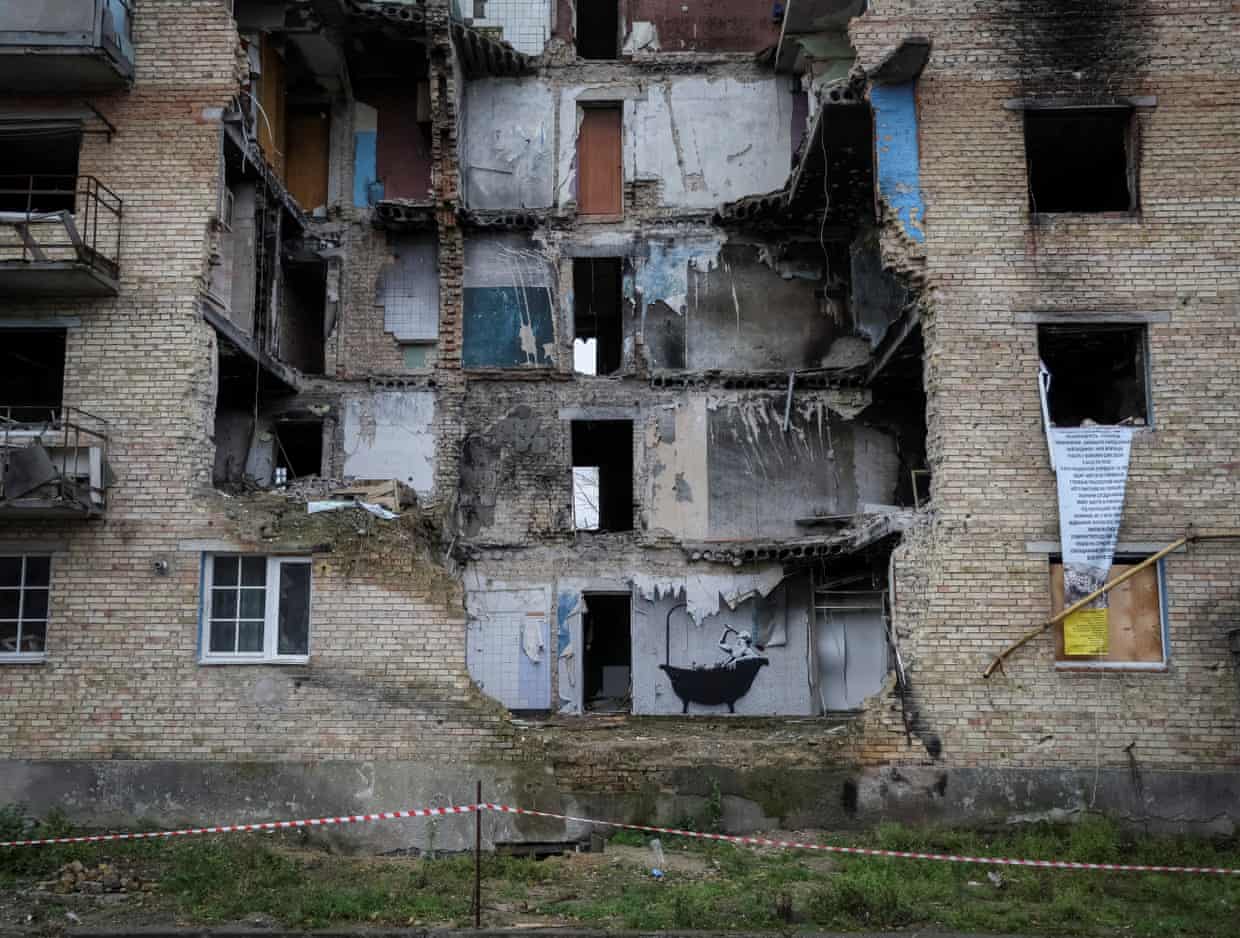
Banksy has been unmasked (again). But does this major Reuters investigation actually tell us something new?
Hi Kelly, everyone is talking about Banksy (again) – what’s he done this time?Hi Nick. So a really long (8,000-word) investigation by Reuters claims it has discovered the elusive street artist’s true identity, which backs up claims made by the Mail on Sunday British tabloid almost two decades ago that he is a 52-year-old Bristol-born man called Robin Gunningham, now going by the name of David Jones.Wait … didn’t we already know that? Or was it supposed to be the guy from Massive Attack?Sort of. Previous reports suggested that Robert Del Naja, the co-founder of Massive Attack – a pioneer in trip-hop, which is a music genre that also has its roots in Bristol – was Banksy. Now it seems that Naja is Gunningham’s secret partner/enabler/scout/gatekeeper
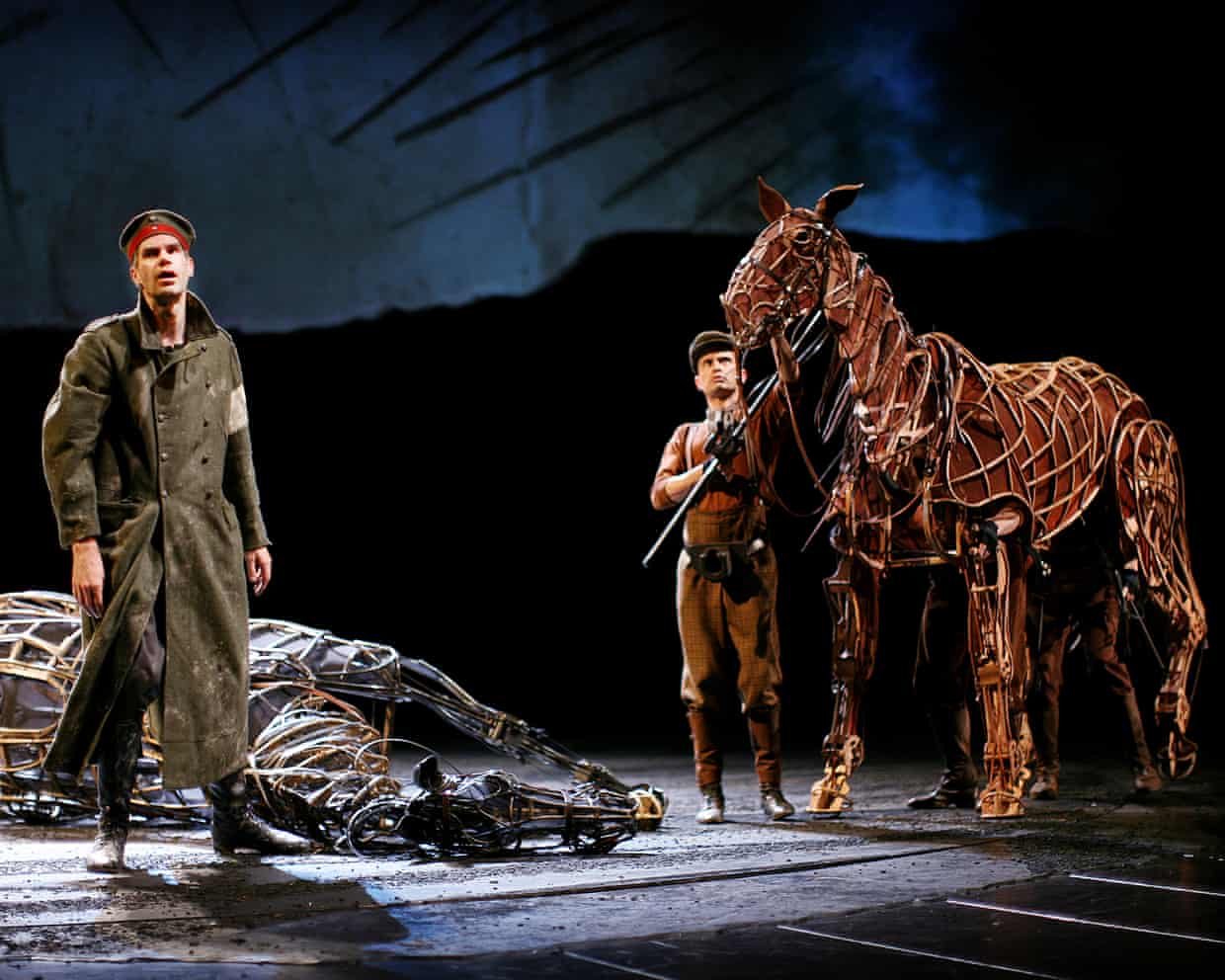
Arts Council England must change or face ‘disaster’, culture department is told
Arts Council England requires a “radical” overhaul so it can to respond to the challenges of the culture sector, according to Margaret Hodge, who said it would be a “disaster” if ACE leaders did not heed her warnings.The Labour peer, who led a wide-ranging and critical report into ACE, made the comments at a Department for Culture, Media and Sport (DCMS) select committee, where she reiterated her calls for the organisation to embrace change.Lady Hodge said: “I think there has to be a radical review in the way that the Arts Council works; how they use the money, their role in relation to the organisations that they support, and also their role in the wider arts landscape.”She said a significant shift in approach was needed because of the “loss of confidence in how ACE serves its own communities”, caused in part by the perception of political interference in decision-making.The decision to force the English National Opera to move from London to Manchester was a “raw experience” for some of the 700 people she spoke to as part of her review, she said
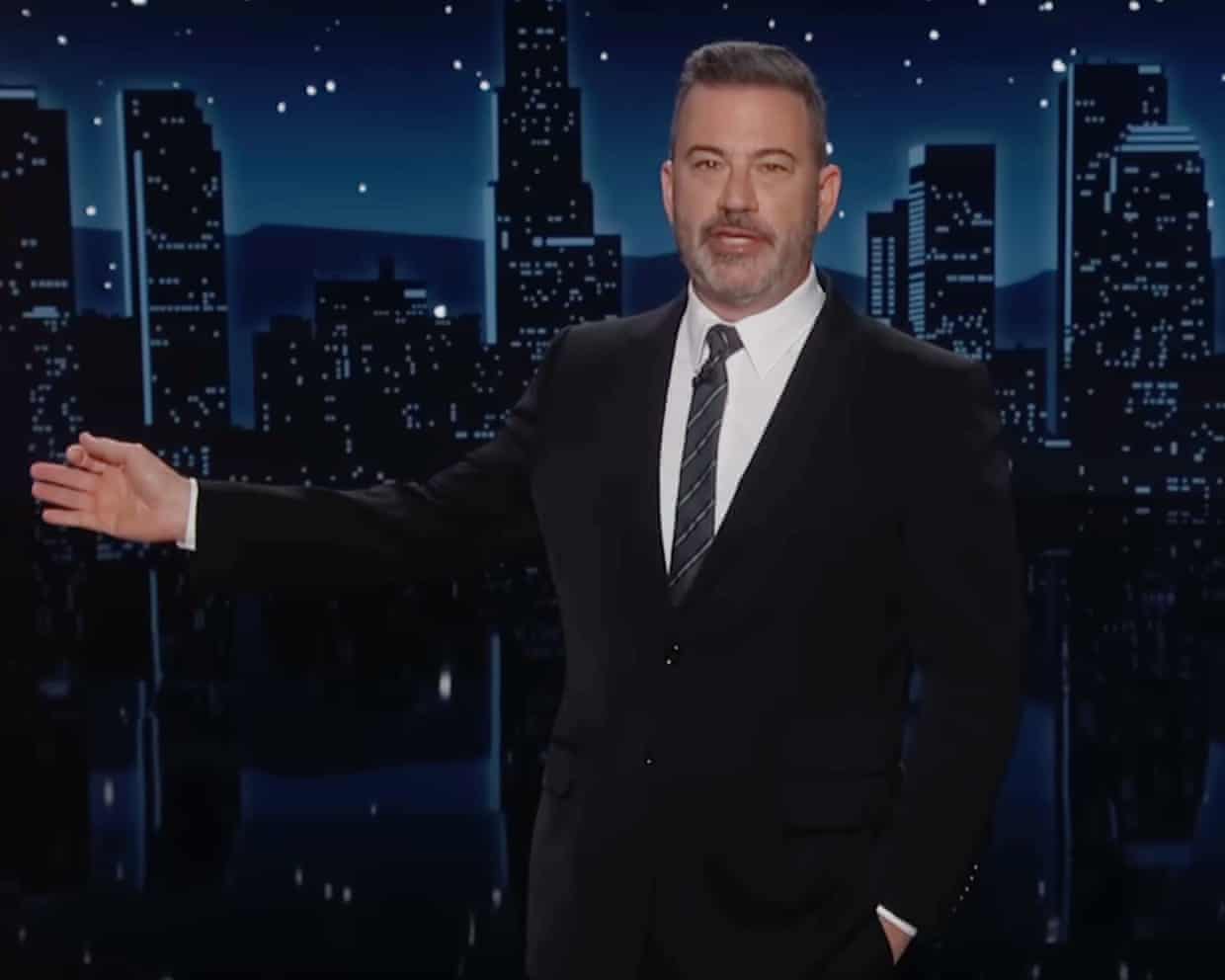
Jimmy Kimmel on Trump: ‘He uses his bones to feel things instead of his brain’
Late-night hosts on Monday discussed the Academy Awards, Maga’s incoherent statements on the Iran war and raised an eyebrow to Donald Trump’s claims of support from an anonymous former president.On Jimmy Kimmel Live, the host focused on Trump’s comments to the press in week three of the Iran war, or as Kimmel called it “Operation Epsteino Distracto”.On Truth Social, Trump wrote that it was a “great honour” to kill “scumbags” in Iran.“He’s been talking very tough for a guy who seems to almost be in a coma right now,” Kimmel said.“Even with all the killing he has been enjoying so much, he is very low energy lately,” the host continued
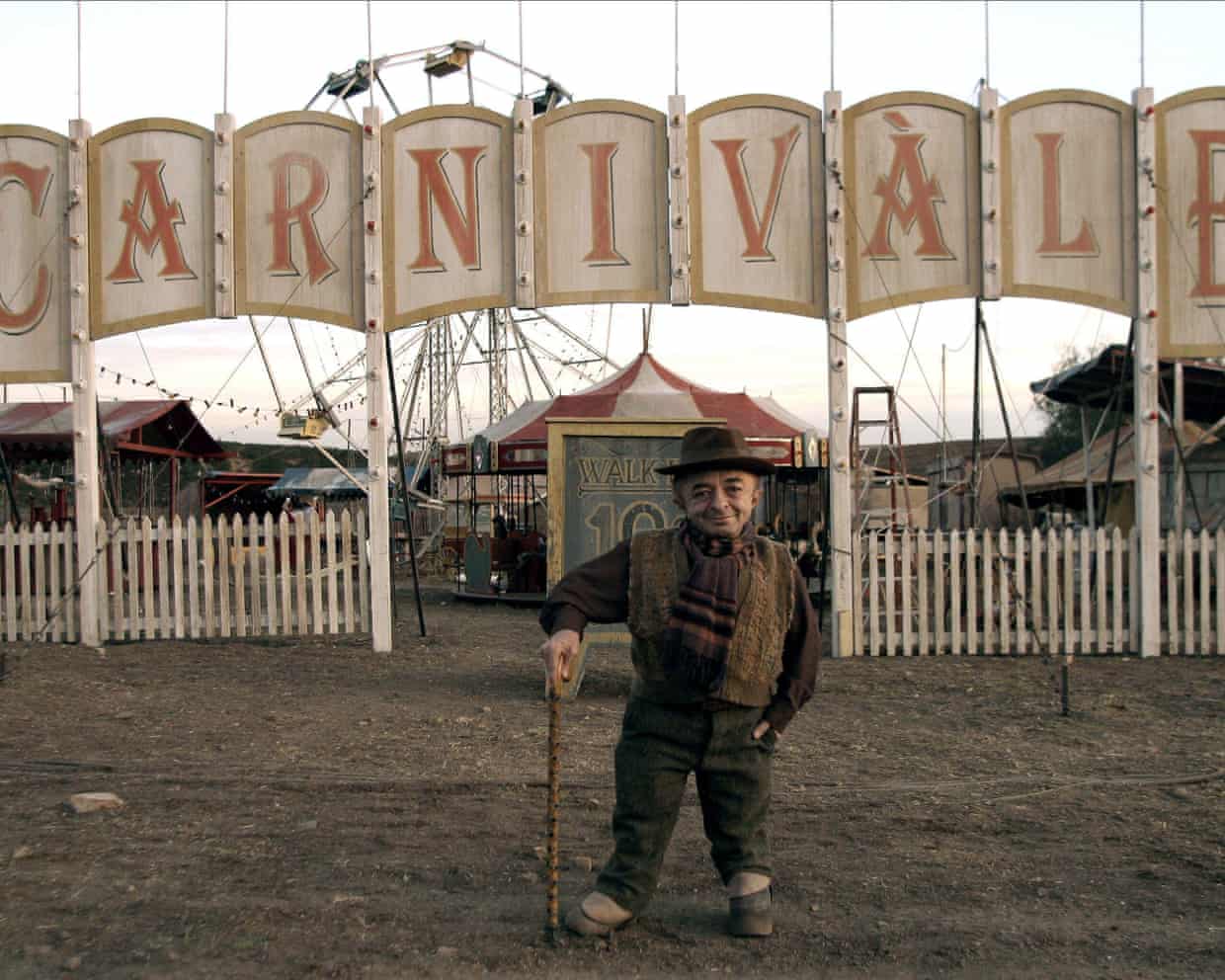
Carnivàle revisited: is this HBO’s strangest show?
Carnivàle premiered on HBO in 2003 and was cancelled after only two seasons. In the immediate aftermath, this decision was protested by the small but dedicated cult following the show had amassed (to the tune of 50,000 emails).But in the years since, as the television canon has expanded and the taste for mystery-box TV has waned, Carnivàle now seems little more than a minor curio in HBO’s ever-expanding back catalogue. So what is this curio about?Carnivàle follows the exploits of its titular carnival as they travel across the American dust bowl in the 1930s. At the beginning of the series, these nomadic showpeople pick up Ben Hawkins (Nick Stahl), an ex-con with a mysterious past (and inexplicable powers)

‘We kicked Bono’s arse’: how we made Atomic Kitten’s Whole Again (with a little help from Kraftwerk)
‘Kerry’s spoken verse needed 39 takes spread over several months because she’d had her tonsils out’People never believe me that Kraftwerk created Atomic Kitten. In 1996, my band OMD released Walking on the Milky Way, which I thought was one of the best songs I’d ever written. But in the age of Britpop, we were perceived as an 80s synthpop band, past our sell-by date. Radio 2 wouldn’t play the song and Woolworths wouldn’t stock it. I thought: “I’m functioning with one arm tied behind my back

Gatz review – the Great Gatsby performed in eight and a half hours of attentive, immersive joy
A man enters his office in the morning, finds his computer on the fritz and, after a few attempts to turn it on and off again, comes across a copy of F Scott Fitzgerald’s 1925 novel The Great Gatsby. So he starts to read and when his colleagues enter they find themselves taking on the characters, and soon the novel unfolds around us, word by word. The New York theatre company Elevator Repair Service has produced a work that is not quite adaptation – given it doesn’t really adapt the novel at all – but that is utterly transfixing nonetheless.Following a keen interest in non-dramatic texts, the company wanted to see what would happen when a powerful literary work was read and performed in its entirety. The result is both strange and strangely familiar
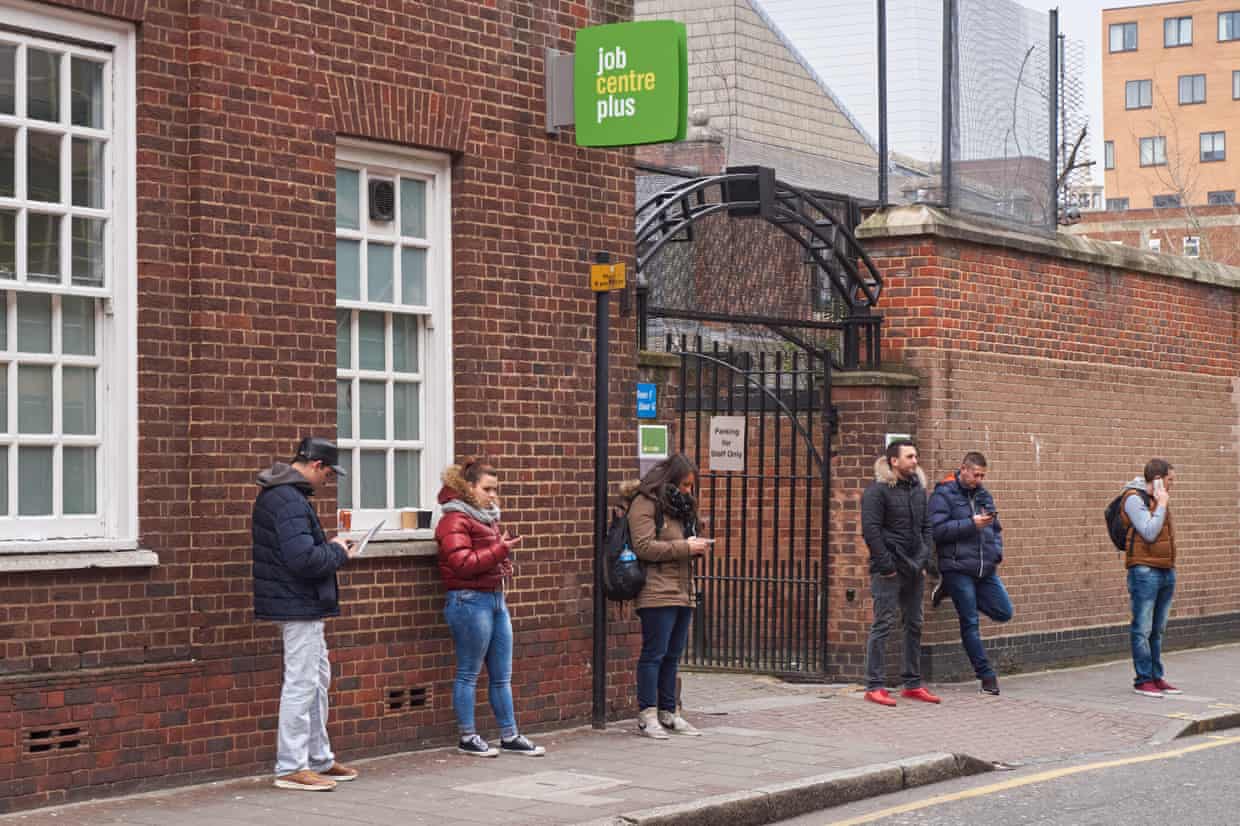
People aged under 25: are you still looking for a job after a year of unemployment?
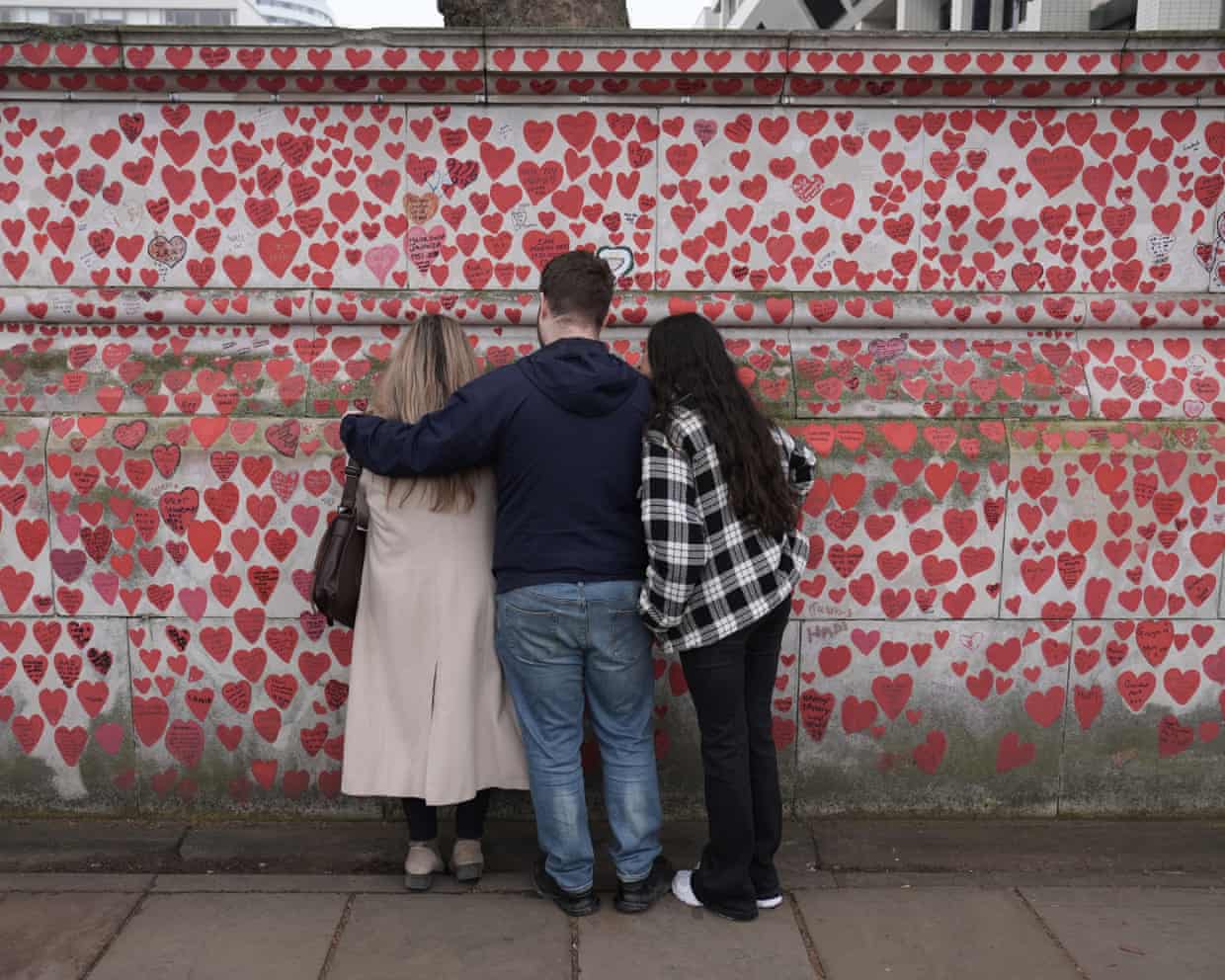
NHS was ‘on brink of collapse’ during pandemic, Covid inquiry finds

‘She didn’t want that pain’: Paola Marra’s brother despairs of Lords block on assisted dying bill
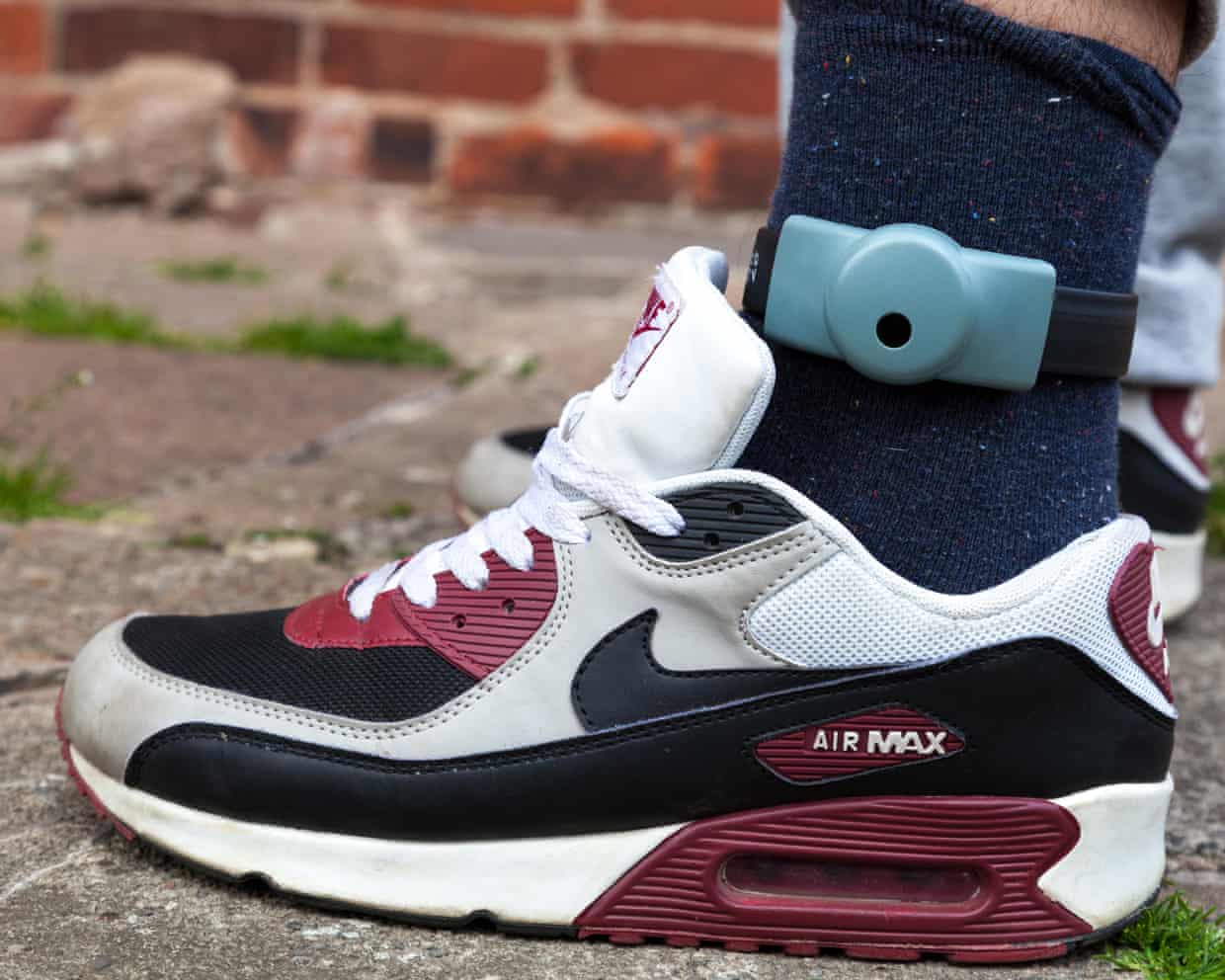
Ministers announce huge expansion of electronic tagging in England and Wales
Watchdog takes over running of home for adults with learning disabilities

Women and girls bearing brunt of water shortages globally, UN warns