Prolonged high oil prices could ‘crimp’ AI boom, WTO warns

An extended period of high oil prices as a result of war in the Middle East could “crimp” the AI boom, the World Trade Organization’s chief economist has warned.The war and its impact on energy and fertiliser costs is the main risk to the global economy identified in the WTO’s latest Global Trade Outlook.But the Geneva-based body also raised a question mark about the continued strength of AI investment, which in 2025 helped to offset the hit to global trade from Donald Trump’s tariffs.“There is an interesting possible interaction between the Middle East conflict and the AI boom, in part because the boom is very energy-intensive,” said the WTO’s chief economist, Robert Staiger.“If the price of energy continues to be elevated for the whole year, that could put a crimp on the AI boom.
”He added: “Because that investment is very concentrated in a number of very large firms, and the technology is still ultimately unproven in terms of how much it can deliver, there is a bit of uncertainty there in terms of where the future’s going.”Underlining the importance of the sector, the WTO calculated that in the first three quarters of last year, about 70% of all investment growth in North America was accounted for by AI-related goods.By comparison, in the three years before the catastrophic US housing crash of 2008, property made up 30% of investment growth.Despite Trump’s protectionist policies, which raised US tariffs on many goods to their highest level in decades, world trade in goods expanded by a robust 4.6% in 2025, the WTO said – helped by a strong export performance from Asian economies.
Even without a prolonged energy shock, it expects the growth rate of global goods trade to slow sharply this year, to 1.9%.But the WTO suggested that a year-long period of high energy prices would knock an additional 0.5% off goods trade growth, and jeopardise food security.“Risks to the forecast are tilted to the downside, and are mostly linked to the conflict in the Middle East through higher energy prices, which could weigh heavily on output and trade unless they are short-lived,” it said.
“Given that the Gulf region is a major exporter of both energy and fertilisers, a prolonged interruption in supply could ripple across food systems, exacerbating the effect of pre-existing export restrictions,” it added.The WTO has struggled to maintain its relevance in Trump’s second term, as the US president has unleashed a wave of tariffs regardless of the organisation’s rules, and rival economies have broken their own commitments in signing up to deals with Washington.
Prolonged high oil prices could ‘crimp’ AI boom, WTO warns
An extended period of high oil prices as a result of war in the Middle East could “crimp” the AI boom, the World Trade Organization’s chief economist has warned.The war and its impact on energy and fertiliser costs is the main risk to the global economy identified in the WTO’s latest Global Trade Outlook.But the Geneva-based body also raised a question mark about the continued strength of AI investment, which in 2025 helped to offset the hit to global trade from Donald Trump’s tariffs.“There is an interesting possible interaction between the Middle East conflict and the AI boom, in part because the boom is very energy-intensive,” said the WTO’s chief economist, Robert Staiger. “If the price of energy continues to be elevated for the whole year, that could put a crimp on the AI boom
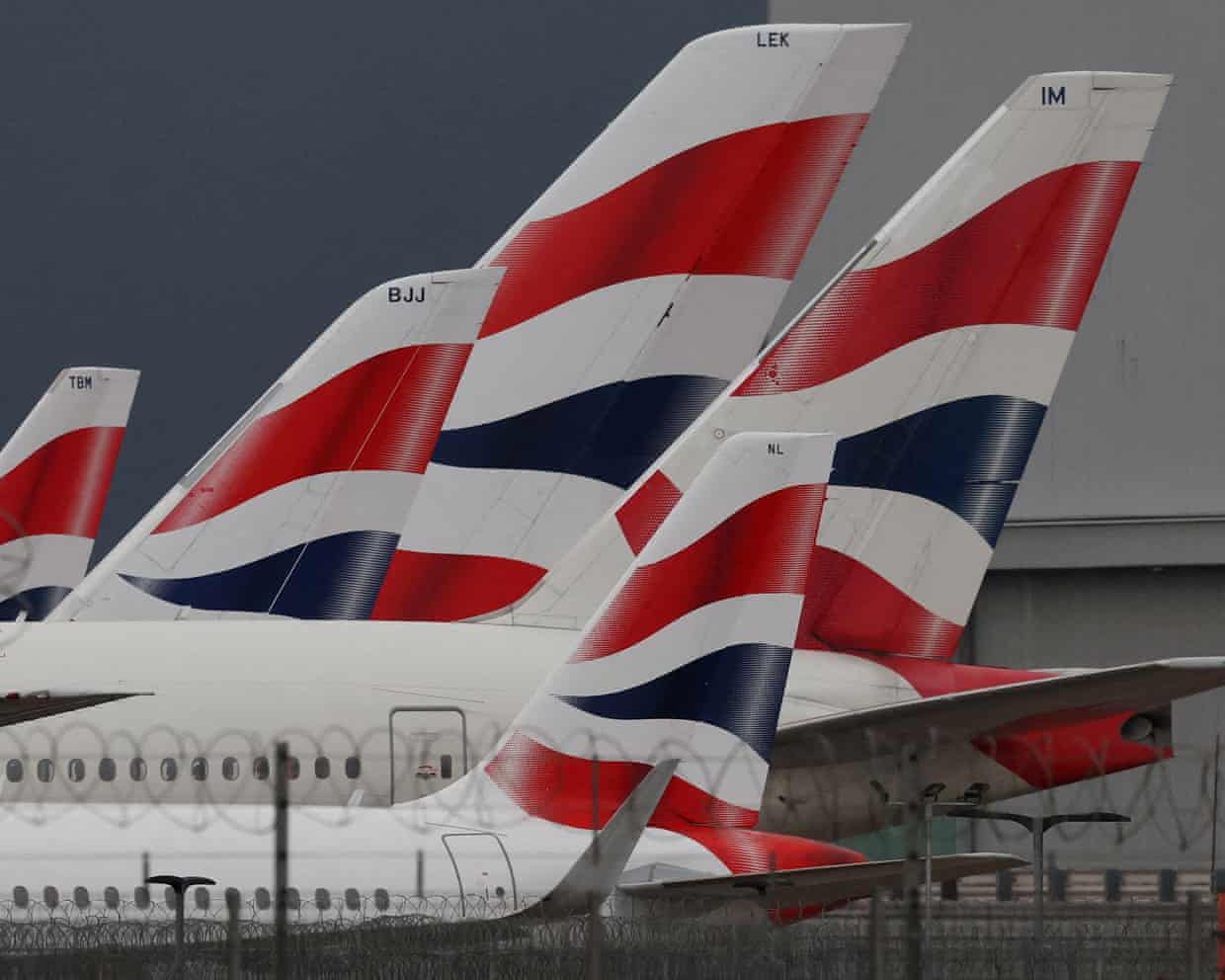
Europe’s biggest airlines say fuel price spike caused by Iran war will drive up fares
Europe’s biggest airlines have said the rise in fuel prices caused by the war in the Middle East will drive up fares and are advising passengers to book early.While carriers have partly hedged the price of jet fuel, bosses said they could not avoid passing on additional costs to passengers for long.Long-haul airlines such as Air France-KLM and Lufthansa said they would be adding more flights via Asia with Gulf carriers’ hubs either shut or operating at a reduced level since the US-Israeli attack on Iran.EasyJet dismissed any fears of imminent fuel shortages affecting flights in Europe despite concerns about supplies in parts of Asia, with Vietnamese airlines this week warning that they may reduce schedules.Kenton Jarvis, the airline’s chief executive, said it was “not seeing any issues” with its fuel supply
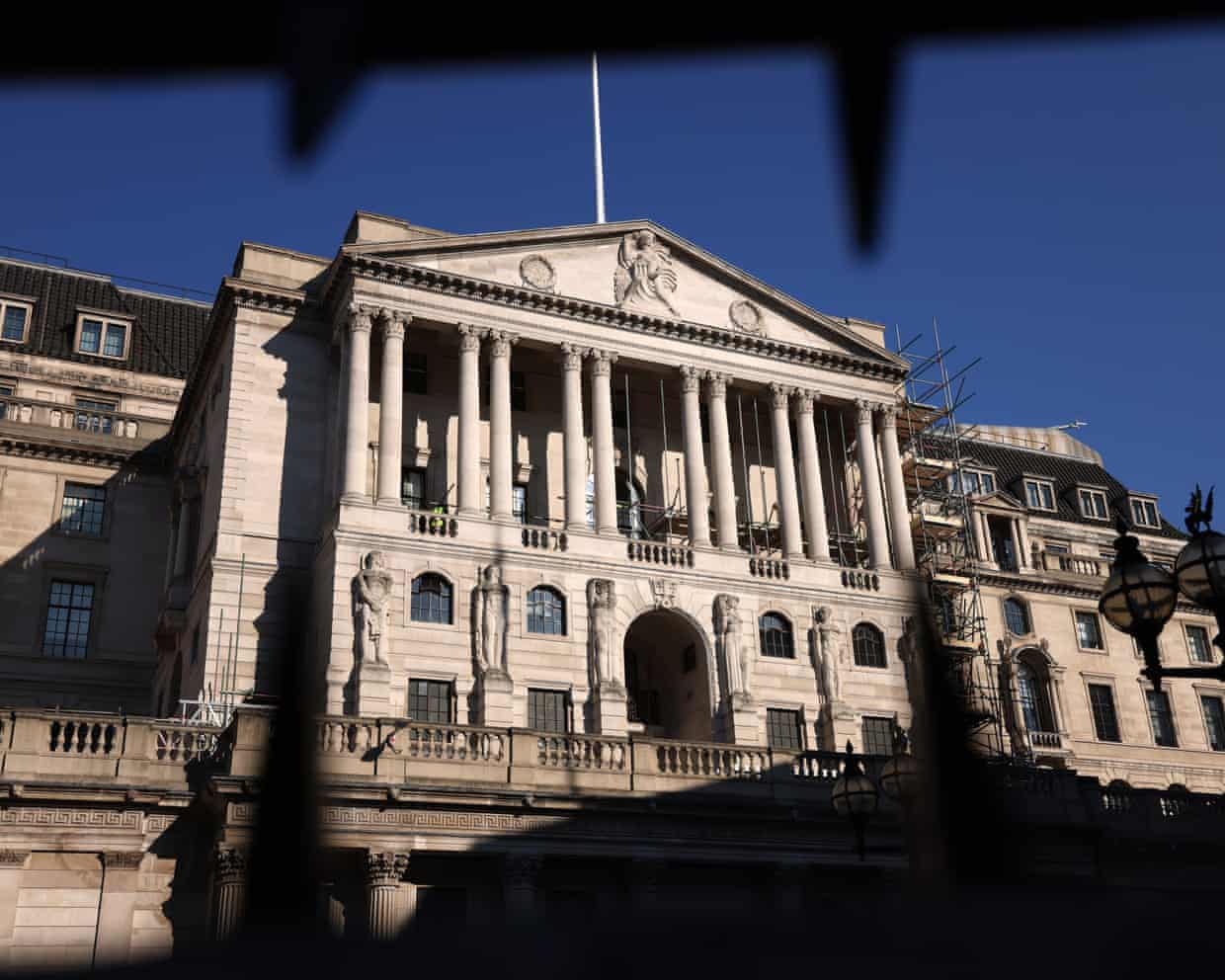
BoE delivers message Britons don’t want to hear as inflation – and rates – look set to rise
The US-Israel attack on Iran has already driven prices higher and not just at the petrol pumps, the Bank of England said on Thursday in a gloomy assessment of the UK’s economic outlook.An inflation rate that was on track to fall from 3% to the Bank’s 2% target in the coming months is now expected to rise to 3.5%. That is one probable impact of the US and Israel’s war on Iran.Higher transport and energy costs can quickly flow through to higher food prices, ratcheting up the consumer prices index when the previous trajectory was down
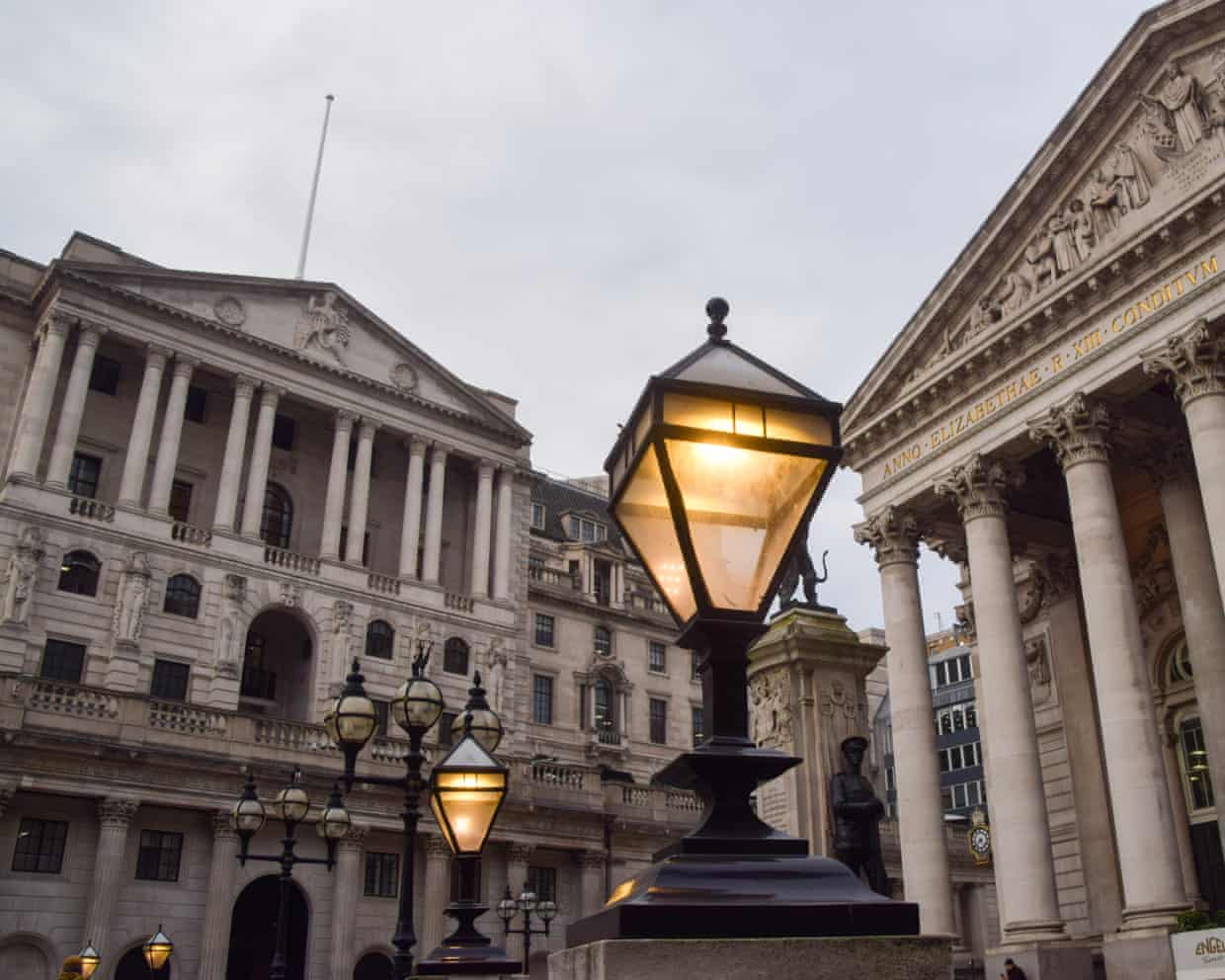
Bank of England holds interest rates at 3.75% and signals rise is possible within months
The Bank of England has kept interest rates on hold and signalled it could be forced to increase borrowing costs in the coming months as the US-Israel war on Iran threatens to drive inflation in the UK above 3%.The Bank’s rate-setting monetary policy committee (MPC) voted unanimously to keep its base rate at 3.75% amid growing concern over the surge in energy prices triggered by the conflict.The pound strengthened against the US dollar after the decision, while UK government borrowing costs rose and the FTSE 100 fell as City traders bet that the Bank would be forced to raise interest rates twice this year.In a development that would add to the pressure on household finances already battered by a cost of living crisis, financial markets anticipate a quarter-point increase from as early as June, followed by a further rise to 4
PwC partners who fail to embrace AI have no future at firm, US CEO warns
The US boss of PricewaterhouseCoopers has warned that partners who do not get to grips with AI have no future at the consulting firm.Paul Griggs said senior staff who were not “paranoid about being AI-first” would probably be replaced by others who were ready to embrace the technology. “I don’t think anyone gets a free pass here. Anyone,” Griggs told the Financial Times.An employee who thinks they have the “opportunity to opt out” of AI is “not going to be here that long”, Griggs added
BP to sell German oil refinery as part of $20bn cost-cutting plan
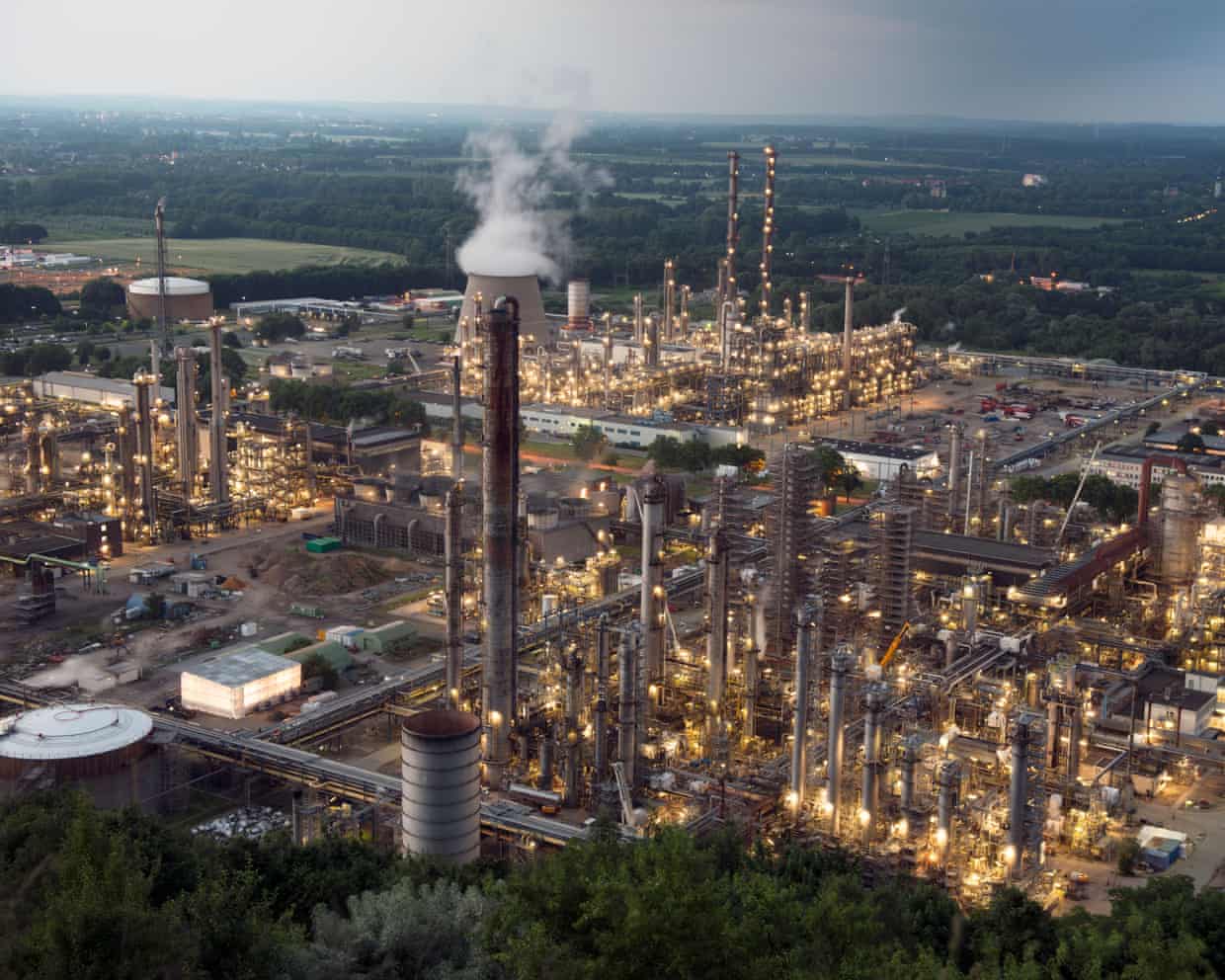
BP has agreed to sell its giant German oil refinery site in Gelsenkirchen to the investment firm Klesch Group as part of the British oil company’s plan to sell off $20bn (£15bn) worth of assets and cut its costs.The value of the sale was not disclosed but BP said it would save the oil company about $1bn of underlying operating expenditure at the complex, which processes about 12m tonnes of crude oil every year, mainly as fuel for cars and aircraft.The sale has also enabled BP to raise its cost-cutting target to between $6.5bn and $7.5bn by 2027, or almost a third of its cost baseline in 2023

‘All right mate?’: Amazon pins UK hopes on AI upgrade of Alexa

‘We don’t tell the car what it should do’: my ride in a self-driving taxi
Inside China’s robotics revolution

Actors, musicians and writers welcome UK U-turn on AI use of copyrighted work

How AI is actually changing day-to-day work
Inside the fiery, deadly crashes involving the Tesla Cybertruck