Britain ‘needs to go faster’ on defence spending, Starmer says
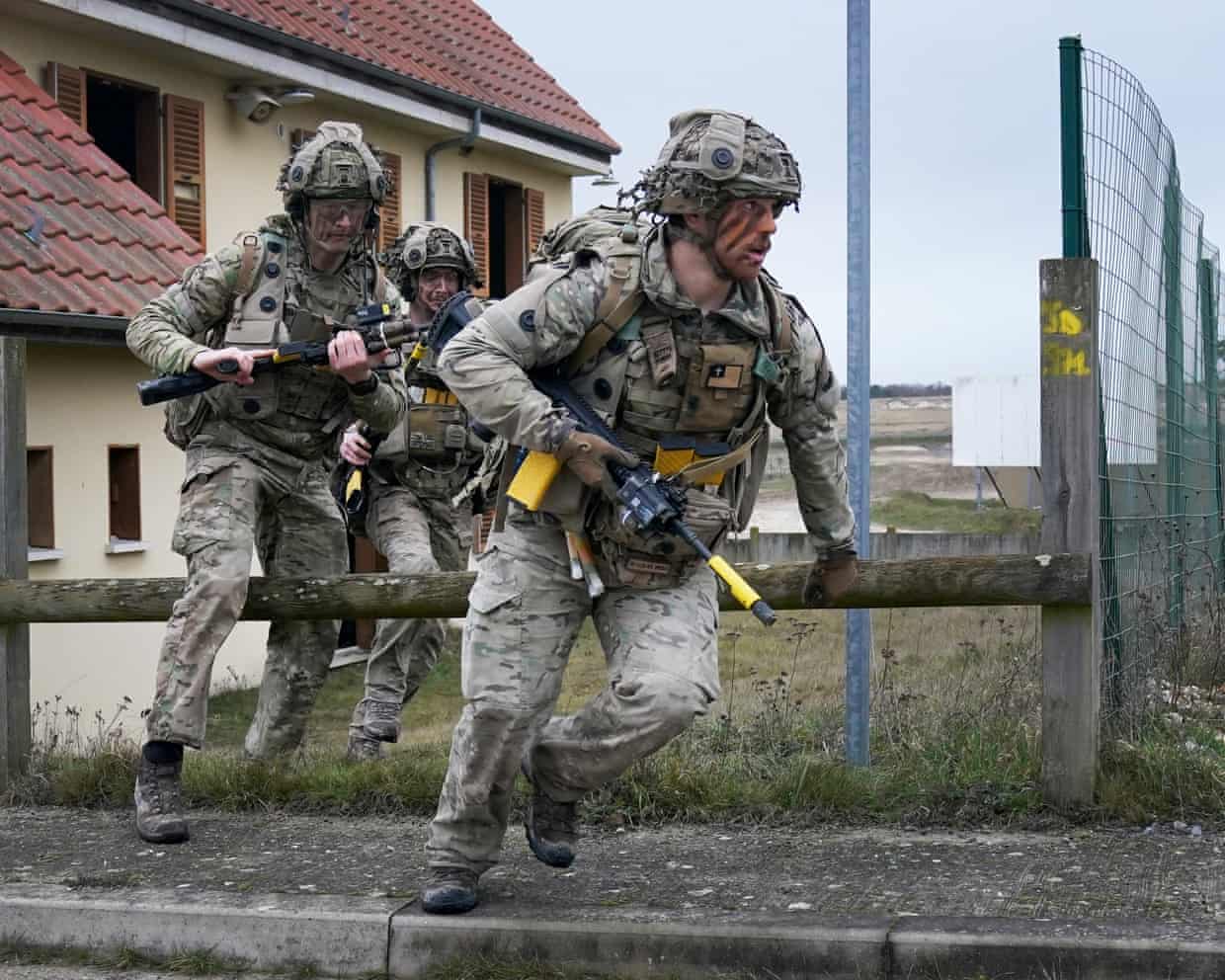
Keir Starmer has said Britain “needs to go faster” on defence spending, though any increase to military budgets in this parliament would probably not be as high as the £15bn suggested in an overnight report.At a press conference in south-west London, the prime minister was asked to comment on a BBC report that No 10 wanted to increase the defence budget to 3% of GDP by 2029.In reply, Starmer said the threat from Russia was obvious and likely to endure even if the fighting in Ukraine could be stopped.“We need to be alert to that, because that’s going to affect every single person in this room, every single person in this country, so we need to step up.”He then emphasised “that means, on defence spending, we need to go faster,” which was initially interpreted as a clear indication he sympathised with the 3% spending proposal, though the figure did not appear to have been signed off by the Treasury.
Downing Street sources subsequently clarified that did not mean it was likely that defence spending would be raised to the 3% figure before the next election.It would be possible to “go faster” using alternative methods, they added.A government source denied there was a “concrete plan” to reach 3% earlier than planned, but did not deny that conversations to do so had taken place.A row has been going on for several weeks between the Ministry of Defence and the Treasury over the financing of the defence investment plan, which was originally scheduled to be agreed last year but for which no publication date has been fixed.Key contracts hinge on the agreement of the plan, most notably a decision on a £1bn medium lift helicopter.
Three thousand jobs at the Leonardo Helicopters factory in Yeovil, Somerset, depend on whether the UK will sign off on the contract, for which the company is the sole bidder.Sharon Graham, the general secretary of the Unite trade union, called for “definitive leadership” from Starmer on defence contracts.“The government’s dithering on the defence investment plan is leaving thousands of UK defence jobs at risk,” she said.Defence spending is forecast to have amounted to 2.4% of GDP in 2025 and is scheduled to rise to 3.
5% by 2035 in line with Nato targets.Most of the promised increases are planned for the next parliament.A plan to increase defence spending to 3% by 2029 would mean lifting the budget by billions in real terms several years earlier.The Office for Budget Responsibility calculated last March it would cost £17.3bn, but the Institute for Fiscal Studies said it amounted to an additional £13bn-£14bn in 2029-30.
Bee Boileau, a research economist at the IFS, said the thinktank’s figure was based on comparing existing Treasury plans with the mooted target: “£13bn-£14bn is the cost of increasing defence spending from 2.6% of GDP in 2028-29 to 3% of GDP in 2029-30.”On Saturday, Starmer told the Munich Security Conference that Europe “must stand on our own two feet” when it came to defence and not be dependent on the military protection of the US within Nato.It was the prime minister’s clearest acknowledgment yet of the changing security priorities of the Trump administration, and potentially an argument for a rapid shift in spending priorities towards the military.Air Chief Marshal Sir Richard Knighton, the UK’s most senior military officer, and his German counterpart, Gen Carsten Breuer, warned that “we cannot be complacent” about the Russian threat on Sunday, as they justified existing plans to increase budgets.
“Moscow’s military buildup, combined with its willingness to wage war on our continent, as painfully evidenced in Ukraine, represents an increased risk that demands our collective attention,” Knighton and Breuer wrote in an article in the Guardian.Last week, Elbridge Colby, the US undersecretary for war, told Nato defence ministers at a meeting in Brussels that they needed to step up combat capabilities and take the lead in protecting their continent from the Russian threat.

A new diagnosis of ‘profound autism’ is under consideration. Here’s what parents need to know
When it comes to autism, few questions spark as much debate as how best to support autistic people with the greatest needs.This prompted the Lancet medical journal to commission a group of international experts to propose a new category of “profound autism”.This category describes autistic people who have little or no language (spoken, written, signed or via a communication device), who have an IQ of less than 50, and who require 24-hour supervision and support.It would only apply to children aged eight and over, when their cognitive and communication abilities are considered more stable.In our new study, we considered how the category could impact autism assessments

Katie’s story: her abusive ex-partner said ‘kill yourself’. When she did, police dropped domestic violence inquiry
Hours before Katie Madden took her own life, she had a tense phone call with her former partner Jonathon Russell. Russell was on bail after allegedly assaulting Madden – he was banned from contacting her – but the conversation took place nevertheless.There was a witness to the call who gave evidence to the inquest into Madden’s death. Mason Jones, a friend of Madden’s, said Russell was “vile” and “abusive”. Although Jones said he could not remember the exact words Russell used, he said: “I recall Jon saying at least once that he was in control of the town and would end her life if she didn’t do it herself

Revealed: The true toll of female suicides with domestic abuse at their core
The number of women who are driven to suicide by domestic abusers is being under-reported, and their cases overlooked by police, in what has been described by experts as a “national scandal”.Domestic violence suicides are already growing at such a rate that a woman in an abusive relationship is now more likely to take her own life than be killed by a partner.But research into the number of women who take their own life in such circumstances has suggested official statistics could track as few as 6.5% of the true number of cases.According to the Domestic Homicide Project, a programme led by the National Police Chiefs’ Council (NPCC), there were 98 suspected suicides in England and Wales following domestic abuse in 2024, compared with 80 intimate partner homicides

Fast-spreading measles outbreak takes hold among under-10s in north London
A big measles outbreak in north-east London is affecting unvaccinated children under the age of 10, the UK Health Security Agency (UKHSA) has confirmed.UKHSA previously reported 34 laboratory-confirmed measles cases among children who attend schools and nurseries in Enfield from 1 January to 9 February, with some requiring hospital treatment.Measles is a highly infectious viral illness that can spread very easily among people who are not fully vaccinated. While many people recover, the illness can lead to serious complications such as pneumonia, brain inflammation and, in rare cases, long-term disability or death.Dr Vanessa Saliba, a consultant epidemiologist at the UKHSA, said: “Our latest data shows we are now seeing a big measles outbreak in north-east London, mostly affecting unvaccinated children under 10 in schools and nurseries, with some being hospitalised

Jess Phillips calls for Epstein files to be catalyst for long-term legislative change
Institutions can be persuaded to take action on violence against women and girls only when some sort of “calamity” or “political scandal” hits the headlines, Jess Phillips has said.Phillips, the minister for safeguarding and violence against women and girls, said she wanted to use the momentum from the Jeffrey Epstein files to push for long-term legislative change and greater support for survivors, rather than quick-fix reactive policy announcements.Writing for the Guardian, the Labour MP for Birmingham Yardley said: “If repentance and sorrow is all we achieve out of the courage of the Epstein victims, we will have failed. Change is all that will suffice.“The long-term strategy of the government must be exactly that – long term

‘We almost lost you in the night’ - the life-threatening rise of measles in the UK
Saijal Ladd’s week in hospital remains a blur. The very worst days still feel like a fog, punctuated by two nightmarish memories. First, attempting to speak to a consultant to discuss if she should be rushed to ICU, but being unable to form words through her breathlessness. And later, a family member’s exhausted face mouthing: “We almost lost you in the night.”The 53-year-old had called an ambulance when what she had assumed was flu became so severe she could barely walk, and she experienced diarrhoea and violent vomiting
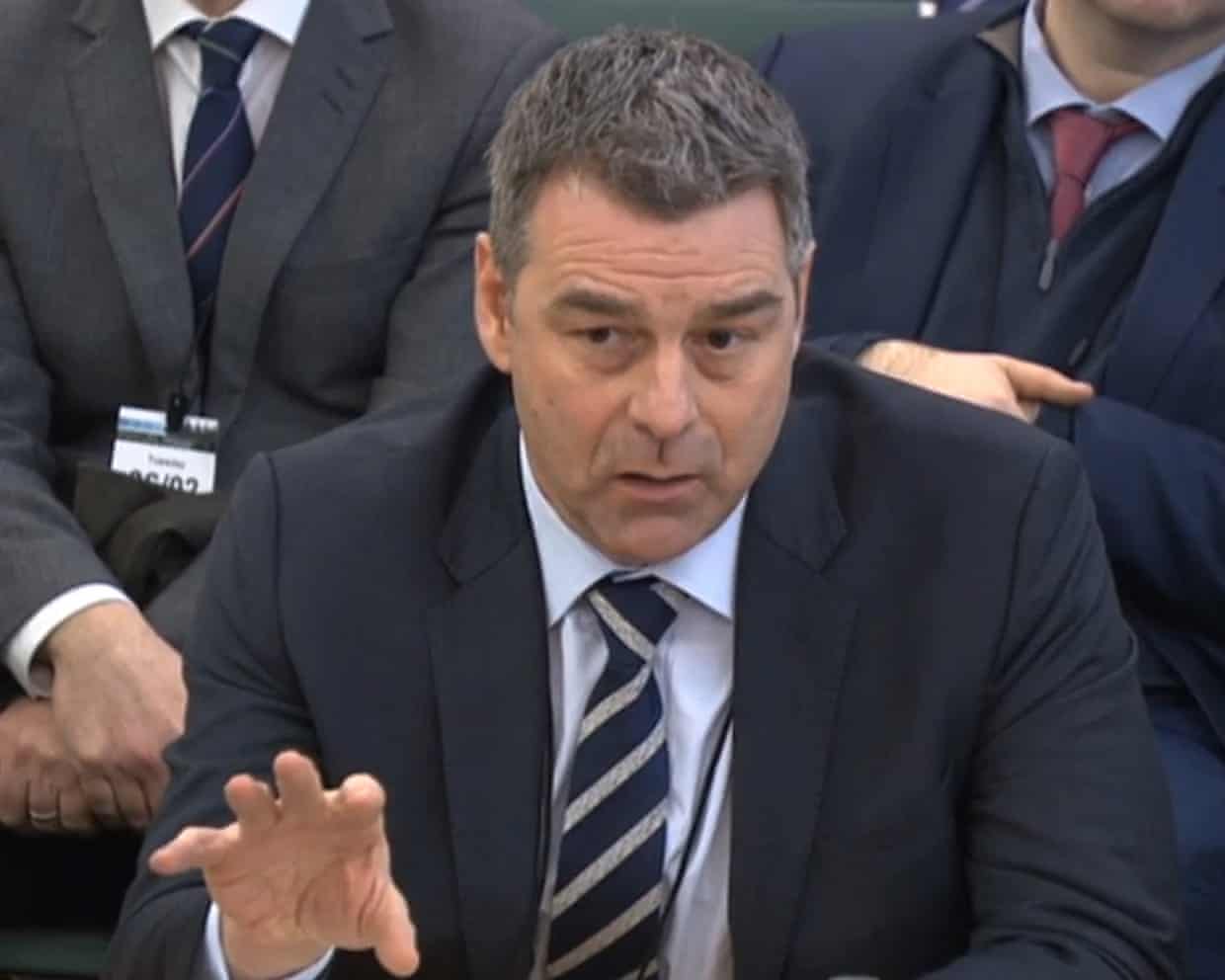
Former Carillion chief fined by FCA for role in misleading investors

Volkswagen aims to cut costs by 20% by 2028 in restructuring plan, report says

Trump donor who criticized offshoring to close Ohio plant and move work to China
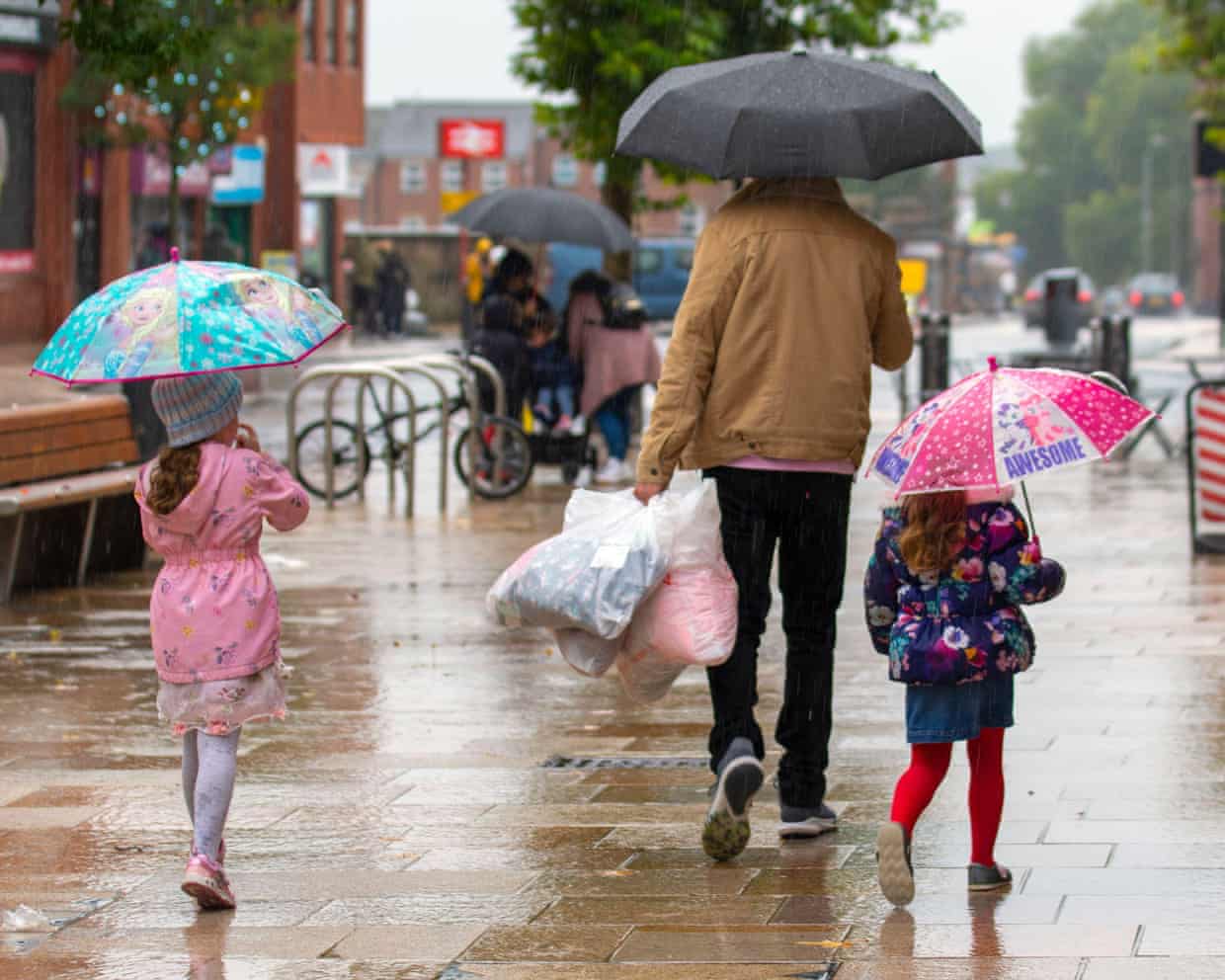
Britons feeling ‘dismal’ about finances amid mounting debts, survey finds

Lloyds investigating after using staff’s bank account data in pay talks

Royal Mail blames bad weather and sickness for late deliveries