Revealed: The true toll of female suicides with domestic abuse at their core

The number of women who are driven to suicide by domestic abusers is being under-reported, and their cases overlooked by police, in what has been described by experts as a “national scandal”.Domestic violence suicides are already growing at such a rate that a woman in an abusive relationship is now more likely to take her own life than be killed by a partner.But research into the number of women who take their own life in such circumstances has suggested official statistics could track as few as 6.5% of the true number of cases.According to the Domestic Homicide Project, a programme led by the National Police Chiefs’ Council (NPCC), there were 98 suspected suicides in England and Wales following domestic abuse in 2024, compared with 80 intimate partner homicides.
But research by a suicide prevention programme in Kent found that about a third of all suspected suicides in the region between 2018 and 2024 were affected by domestic abuse.If the numbers in Kent reflect the national picture, it could mean as many as 1,500 victims of domestic abuse are taking their own lives every year – up to 15 times as many as previously thought.Tim Woodhouse, the programme manager and a University of Kent academic, who led the research, said: “We need some sort of national taskforce to get a grip on this.” He added that it was “bonkers that we are basing national estimates on one researcher’s evidence”.He said his work was “just trying to open people’s eyes that this is happening way more often than people think – it is, in terms of numbers, a national scandal”.
The data collected by the NPCC, he said, was a “good start”, but “they’re not counting very many of the right suicides, they’ve got very tight exclusion criteria so they’re massively underplaying the number”.Recording domestic suicides is just one part of campaigners’ struggle to have causes of death in these cases more thoroughly investigated.There has been only one criminal conviction for manslaughter in UK legal history where a woman has died by suicide following domestic abuse.Lawyers believe this number shows coroners may have been too quick to dismiss deaths as suicides without properly considering whether they could be unlawful killings.Campaigners have called for all suicides where domestic abuse is suspected to be investigated as potential homicides from the outset, in order to ensure the best evidence is collected and preserved, as well as more multi-agency work to protect victims from abusers in the first place.
To illustrate the scale of the crisis, the Guardian is publishing a series of articles about the people, most of them women, who have died by suicide following domestic abuse,In the case of Georgia Barter, her suicide after a decade-long campaign at the hands of her former partner Thomas Bignell was judged by a coroner to be an unlawful killing,An inquest in Walthamstow, north-east London, heard evidence that Bignell had kicked, stamped on and sexually assaulted Barter, but he was never charged with any offences in relation to his alleged abuse,Despite the coroner’s findings, the Crown Prosecution Service (CPS) said there was insufficient evidence to bring charges,Today we also reveal the case of Katie Madden.
At an inquest, her former partner Jonathon Russell admitted he had given Madden a black eye and, hours before her death, told her to kill herself.No criminal investigation into Russell’s role in Madden’s death has been launched.In many cases, prosecutors fail to bring any criminal charges at all after a domestic abuse suicide.It means alleged abusers are rarely investigated for offences such as violence or coercive control – despite a wealth of evidence often being presented to a coroner in an inquest.Families have also found police have dropped domestic abuse investigations after the victim has died.
Pragna Patel of Project Resist said: “Too many bereaved families who have lost loved ones to domestic abuse-related suicides are being failed by a criminal justice system that is not fit for purpose.” Her organisation has brought together bereaved families to launch a campaign to seek changes in the criminal justice system.“At the heart of the injustice is not the failure of training, the absence of ‘professional curiosity’ or the lack of laws, but a systemic culture of discrimination, arrogance, indifference and apathy,” she added.More recently, there have been concerted efforts from the NPCC and the Crown Prosecution Service to bring charges in such cases.There are now two men being prosecuted for manslaughter following a suicide after domestic abuse, and both organisations have stressed they are keen to bring more cases to court.
However, lawyers, campaigners and families have said there are issues with individual police forces and officers failing to understand the impact of domestic abuse or to adequately investigate cases immediately after a death.“Sadly, police forces too often miss opportunities to disrupt escalating domestic abuse and protect victims,” said Kate Ellis, the joint head of litigation at the Centre for Women’s Justice.“Too often we see police forces failing to take any criminal action against perpetrators, or consider protective measures that could be put in place, even when domestic abuse cases are graded as high risk.These errors can have fatal consequences.“We believe that some domestic abuse-related suicides are preventable, particularly in cases where the police are on notice of the abuse,” Ellis added.
“Coercive and controlling relationships tend to follow similar patterns, so it is vital that police identify these patterns and act quickly.“We are also concerned that many suicides in apparent domestic abuse contexts are not recognised or investigated by the police as potential homicides, even when there is significant evidence of prior domestic abuse.”Southall Black Sisters has been campaigning for abuse-related suicide to be recognised as homicide for more than 40 years, and introduced an amendment in the crime and policing bill that was supported by more than 50 MPs.The organisation has specifically raised concerns about the possible overrepresentation of suicide driven by domestic abuse and “honour”-based abuse within Black, minority and migrant communities.“Women in these communities have additional barriers to overcome in order to escape abuse caused by intersecting racism and misogyny,” said Hannana Siddiqui, the director of policy, campaigns and research.
To date, there has only been one criminal conviction for manslaughter where a woman has died by suicide following domestic abuse.Nicholas Allen pleaded guilty to the charge in 2017 after his former partner Justene Reece took her own life.Allen had stalked her after she left him and moved to a women’s refuge.In March, Ryan Wellings was cleared of the manslaughter of Kiena Dawes by a jury at Preston crown court.Dawes took her own life, leaving a note on her phone saying: “Slowly … Ryan Wellings killed me.
” Wellings was convicted of assault and coercive and controlling behaviour, and jailed for six and a half years.Georgia Barter’s mother, Kay, said: “It’s been almost six long heartbreaking years since I lost my beautiful daughter Georgia.Still the fight for justice goes on.I would like to ask this government ‘when did this country stop respecting or protecting women and girls?’ Now is the time to show them you care.”She added: “The only successful conviction for manslaughter where a person’s partner died by suicide was in 2017 almost ten years ago.
That is shocking.I’m sure I speak for myself and the countless grieving families out there – we demand change now.”Frank Mullane of Advocacy after Fatal Domestic Abuse, a free advocacy and support service for those bereaved by suicide after domestic abuse, said: “It might not be enough to rely on the police improving their investigations and the CPS optimising its prosecution, to ensure perpetrators face justice after domestic abuse related suicides.“The defence team will exploit the merest mention of mental health difficulties and the jury may struggle to convict for manslaughter.A new law, specific to suicide caused by domestic abuse, will make it easier for the jury to identify causation.
It will give confidence to the CPS to bring cases and it will educate the public.” In the UK, Samaritans can be contacted on 116 123 and the domestic abuse helpline is 0808 2000 247.In Australia, the crisis support service Lifeline is on 13 11 14 and the national family violence counselling service is on 1800 737 732.In the US, the suicide prevention lifeline is 1-800-273-8255 and the domestic violence hotline is 1-800-799-SAFE (7233).Other international helplines can be found via www.
befrienders.org This article was amended on 16 February 2026 to clarify that research from the Domestic Homicide Project applies to England and Wales, not the whole of the UK.Also, an earlier version incorrectly suggested that crown prosecutors investigate potential wrongdoing.
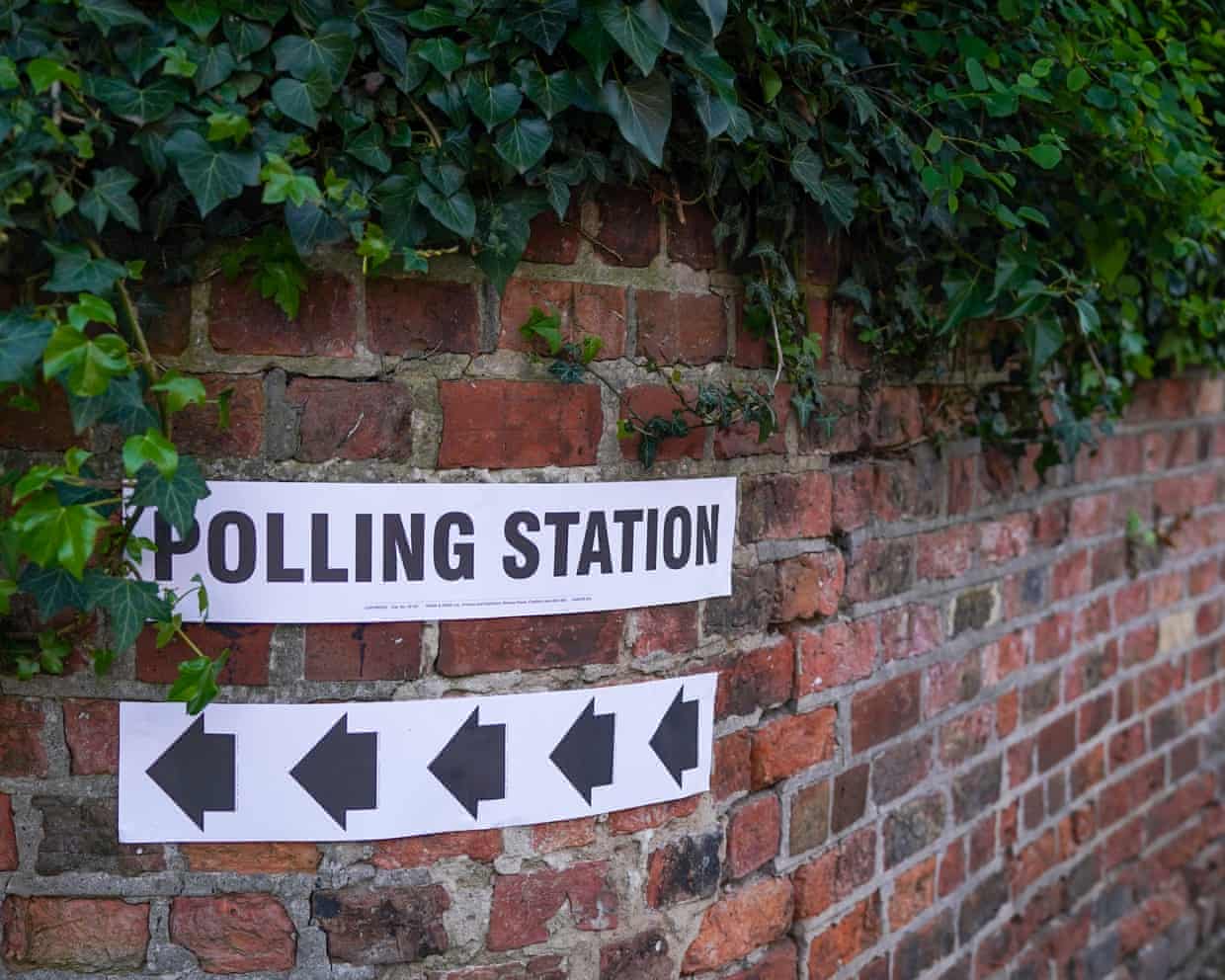
Why has government reversed its decision to postpone 30 local polls across England?
The government has U-turned on its decision to postpone 30 local elections across England, which are due to take place in May. How did we get here, and why?In January the government confirmed local elections affecting about 4 million people across England would be postponed amid slow-moving efforts to reorganise the structure of local government.The Ministry of Housing, Communities and Local Government (MHCLG) stressed it was a postponement and not a cancellation. Under plans to end the two-tier system of local government throughout much of England, district and county councils taking on different responsibilities in the same area would be replaced by single-tier “unitary” authorities.With the MHCLG saying elections for these new councils would be held in 2027, the argument was that it was an unnecessary expense to hold dozens of elections for a single year, and that the existing councillors could carry on
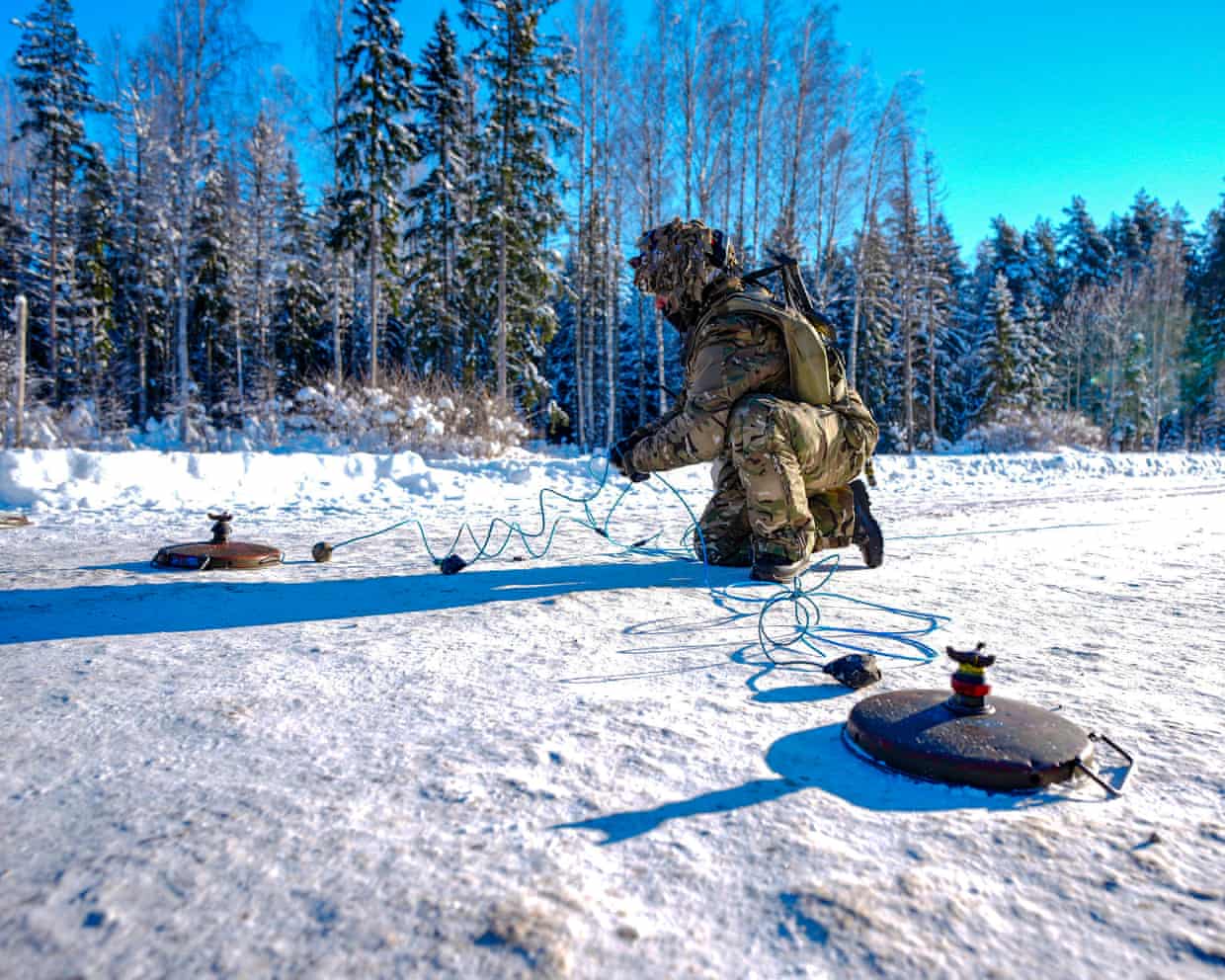
Starmer’s options in funding a further defence spending rise would be limited
Keir Starmer has few options if he wants to increase annual defence spending by up to £14bn before the end of this parliament.In last summer’s spending review, the government set out plans to increase defence spending from 2.3% of national income, or gross domestic product (GDP), in 2024-25 – about £66bn, to 2.6% in 2028-29.But now there are hints that the embattled prime minister wants to go much faster

Deeper and down with Keir Starmer | Brief letters
Rafael Behr says many voters see Keir Starmer as “the archetypal status quo politician” (Keir Starmer is the bandage that Labour can’t rip off for fear of opening old wounds, 11 February). They could be on to something, since the band of that name is renowned for its dull, predictable output, which has included Accident Prone and, more optimistically, Come On You Reds and The Party Ain’t Over Yet.Mike HineKingston upon Thames, London You published a number of letters critical of Keir Starmer, but let us be thankful that he has not inflicted as much damage as Margaret Thatcher or David Cameron.Richard BartholomewColchester I understand “spad” at Westminster means special adviser. I spent my career working for British Rail
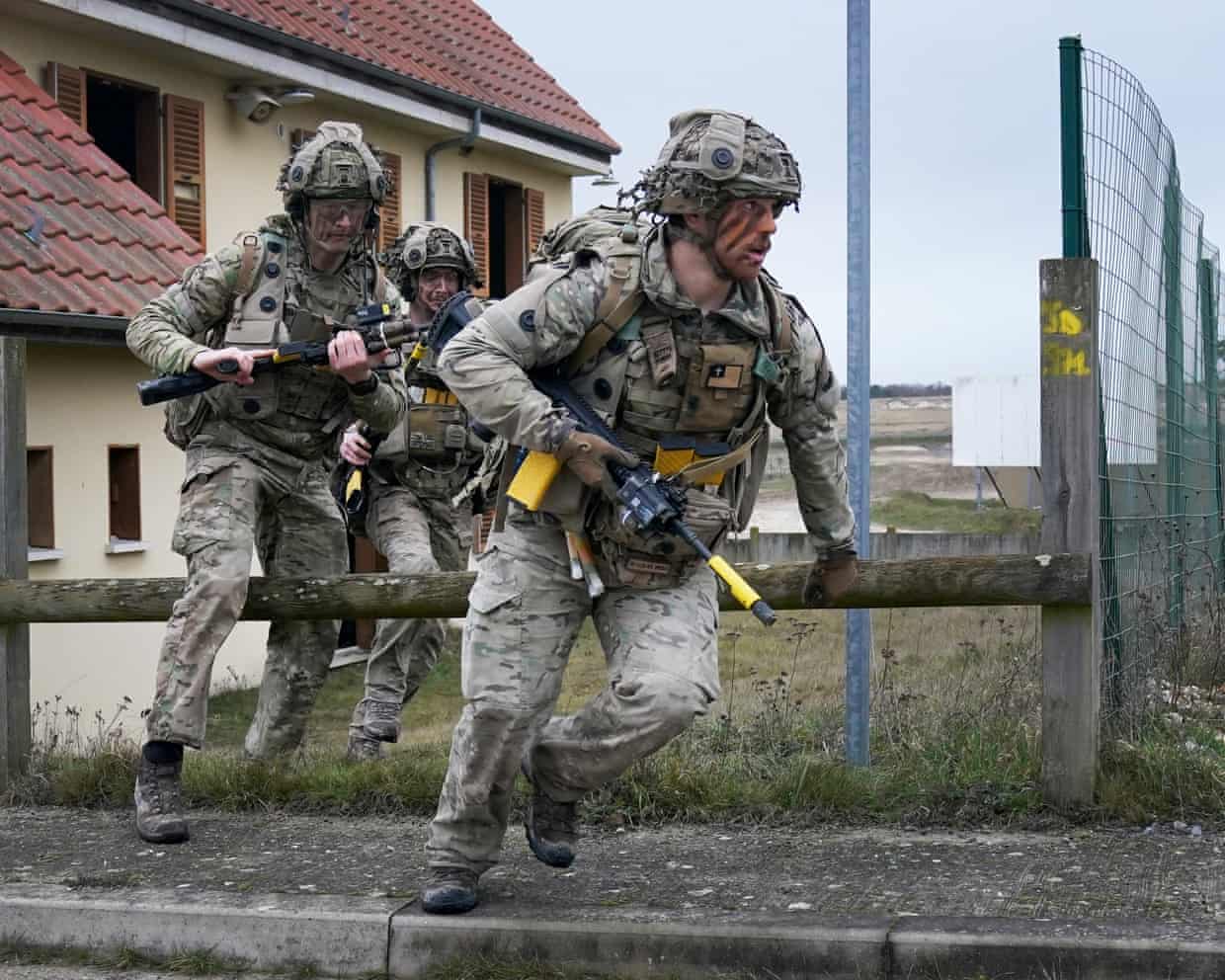
Britain ‘needs to go faster’ on defence spending, Starmer says
Keir Starmer has said Britain “needs to go faster” on defence spending, though any increase to military budgets in this parliament would probably not be as high as the £15bn suggested in an overnight report.At a press conference in south-west London, the prime minister was asked to comment on a BBC report that No 10 wanted to increase the defence budget to 3% of GDP by 2029.In reply, Starmer said the threat from Russia was obvious and likely to endure even if the fighting in Ukraine could be stopped. “We need to be alert to that, because that’s going to affect every single person in this room, every single person in this country, so we need to step up.”He then emphasised “that means, on defence spending, we need to go faster,” which was initially interpreted as a clear indication he sympathised with the 3% spending proposal, though the figure did not appear to have been signed off by the Treasury

Cabinet Office looking into Starmer-linked thinktank after it investigated journalists
The Cabinet Office is examining the commissioning of a report that made false claims about journalists who were investigating Labour Together, the thinktank closely linked to Keir Starmer, a cabinet minister has said.Liz Kendall, the science and technology secretary, indicated it would not be a formal inquiry, as demanded by the Conservatives and some Labour MPs, noting that the trade association for the PR industry was carrying out such an investigation.Downing Street declined to comment on what form the process would take. It is understood that it is likely to be led by the Cabinet Office’s propriety and ethics team.The standards committee of the Public Relations and Communications Association is examining a report compiled by the PR consultancy Apco Worldwide into the “sourcing, funding and origins” of a November 2023 Sunday Times report about Labour Together

New UK border rules for dual nationals are discriminatory against women, campaigners say
New rules requiring British dual nationals to show a UK passport when entering Britain are “discriminatory” against women, campaigners claim.From 25 February, British dual nationals are required to present a British passport when boarding a plane, ferry or train to the UK, or attach a new document, a “certificate of entitlement”, which costs nearly £600, to their second passport.Campaigners say it will pose particular problems for some women in Greece and Spain who took out citizenship after Brexit because of British rules requiring names to exactly match on the UK and second passports.In Greece, women are required to keep their maiden name after marriage to a Greek national, meaning those whose British passports use their husband’s name will fall foul of the name-match rule.In Spain, Britons married to Spaniards carry two surnames on official ID, the maiden name of their mother and their father’s surname, while in the UK their British passport will only have one surname

UK consumer sentiment takes a tumble; bad weather threaten fruit supplies but boosts Morocco’s wheat crop – as it happened

KPMG partner fined for using artificial intelligence to cheat in AI training test

Starmer to extend online safety rules to AI chatbots after Grok scandal

California’s billionaires pour cash into elections as big tech seeks new allies

Sri Lanka beat Australia by eight wickets: T20 World Cup cricket – as it happened

Heraskevych ban reflects badly on the International Olympic Committee | Letters