New UK border rules for dual nationals are discriminatory against women, campaigners say
New rules requiring British dual nationals to show a UK passport when entering Britain are “discriminatory” against women, campaigners claim.From 25 February, British dual nationals are required to present a British passport when boarding a plane, ferry or train to the UK, or attach a new document, a “certificate of entitlement”, which costs nearly £600, to their second passport.Campaigners say it will pose particular problems for some women in Greece and Spain who took out citizenship after Brexit because of British rules requiring names to exactly match on the UK and second passports.In Greece, women are required to keep their maiden name after marriage to a Greek national, meaning those whose British passports use their husband’s name will fall foul of the name-match rule.In Spain, Britons married to Spaniards carry two surnames on official ID, the maiden name of their mother and their father’s surname, while in the UK their British passport will only have one surname.
“It is causing huge problems,” said Julia Cross, of the grassroots organisation British in Greece.“Many didn’t know they had to get a second passport but the requirement for name alignment on the two passports is discriminatory and only impacts women.” The body represents 20,000 Britons in Greece, and is part of the umbrella group British in Europe, which campaigned for Britons’ rights after Brexit.The Home Office said people may be allowed to have mismatched names only in exceptional circumstances.“Where individuals can provide evidence that they are unable to change their name in their foreign issued documents, the Home Office will exceptionally consider allowing them to use a different name in a Home Office issued document,” its guidance says.
But campaigners said the new rules had not been communicated and were causing confusion and stress to affected women in Spain and Greece.Cross called on the government to urgently introduce a transition period of “at least three months” to communicate the new rules in a meaningful fashion and enable Britons abroad to make any necessary adjustments.“I’ve had one woman get in touch who says she feels like she has been ‘banned’ from entering her own country,” said Cross.“I have had another asking if we are now entering a Trumpian environment where they turn against their own citizens.”A House of Commons briefing paper on the topic published at the end of January points out that Britons have the legal right to enter the country, but the problem may lie with airlines, who risk fines if they allow anyone to board without the correct document.
The UK government’s guidance warns with a black exclamation mark: “You may not be able to board your transport to the UK without a valid document” after 25 February.Stefanie, a British woman living in Spain for 25 years who naturalised after Brexit, pointed out another problem.Spain does not recognise dual nationals unless they are born to one Spanish and one foreign parent, and naturalisation candidates are required to “tick” a box renouncing their other nationality as part of the naturalisation process.But, Stefanie said, many “secretly still hold British passports” but fear if they suddenly produce that at the airport, they could risk losing their Spanish passport because it will expose the fact they have not renounced their British citizenship.She said: “Even if I could fly out on the Spanish and show the airline I possess a British passport, I was told if the names don’t align, the airline may refuse boarding, which is ridiculous, because British only have one surname and Spanish two.
”The change in rules has come as part of a wider effort to improve immigration data gathering at the border.From 25 February foreign nationals will have to apply for an “electronic travel authorisation” (ETA) for £16 to enter the country, but the government has said dual nationals cannot use this on their second passport.Irish passport holders are exempt from the rule.Gabrielle Mordy, in Australia, who has dual nationality through her father told the Guardian how she had travelled without issue on her Australian passport for years.But she only heard about the rule change in January and pointed out that getting a certificate of entitlement can take up to eight weeks, so is not a contingency for anyone travelling in the next two months.
One woman living in Germany said: “They are treating tourists better than their own citizens.Why can’t we just have an ETA? Why do we have fork out nearly £600 if we can’t get a passport.For a family travelling at Easter that is a lot of money.”Some names have been changed.

A new diagnosis of ‘profound autism’ is under consideration. Here’s what parents need to know
When it comes to autism, few questions spark as much debate as how best to support autistic people with the greatest needs.This prompted the Lancet medical journal to commission a group of international experts to propose a new category of “profound autism”.This category describes autistic people who have little or no language (spoken, written, signed or via a communication device), who have an IQ of less than 50, and who require 24-hour supervision and support.It would only apply to children aged eight and over, when their cognitive and communication abilities are considered more stable.In our new study, we considered how the category could impact autism assessments
Katie’s story: her abusive ex-partner said ‘kill yourself’. When she did, police dropped domestic violence inquiry
Hours before Katie Madden took her own life, she had a tense phone call with her former partner Jonathon Russell. Russell was on bail after allegedly assaulting Madden – he was banned from contacting her – but the conversation took place nevertheless.There was a witness to the call who gave evidence to the inquest into Madden’s death. Mason Jones, a friend of Madden’s, said Russell was “vile” and “abusive”. Although Jones said he could not remember the exact words Russell used, he said: “I recall Jon saying at least once that he was in control of the town and would end her life if she didn’t do it herself
Revealed: The true toll of female suicides with domestic abuse at their core
The number of women who are driven to suicide by domestic abusers is being under-reported, and their cases overlooked by police, in what has been described by experts as a “national scandal”.Domestic violence suicides are already growing at such a rate that a woman in an abusive relationship is now more likely to take her own life than be killed by a partner.But research into the number of women who take their own life in such circumstances has suggested official statistics could track as few as 6.5% of the true number of cases.According to the Domestic Homicide Project, a programme led by the National Police Chiefs’ Council (NPCC), there were 98 suspected suicides in England and Wales following domestic abuse in 2024, compared with 80 intimate partner homicides

Fast-spreading measles outbreak takes hold among under-10s in north London
A big measles outbreak in north-east London is affecting unvaccinated children under the age of 10, the UK Health Security Agency (UKHSA) has confirmed.UKHSA previously reported 34 laboratory-confirmed measles cases among children who attend schools and nurseries in Enfield from 1 January to 9 February, with some requiring hospital treatment.Measles is a highly infectious viral illness that can spread very easily among people who are not fully vaccinated. While many people recover, the illness can lead to serious complications such as pneumonia, brain inflammation and, in rare cases, long-term disability or death.Dr Vanessa Saliba, a consultant epidemiologist at the UKHSA, said: “Our latest data shows we are now seeing a big measles outbreak in north-east London, mostly affecting unvaccinated children under 10 in schools and nurseries, with some being hospitalised
Jess Phillips calls for Epstein files to be catalyst for long-term legislative change
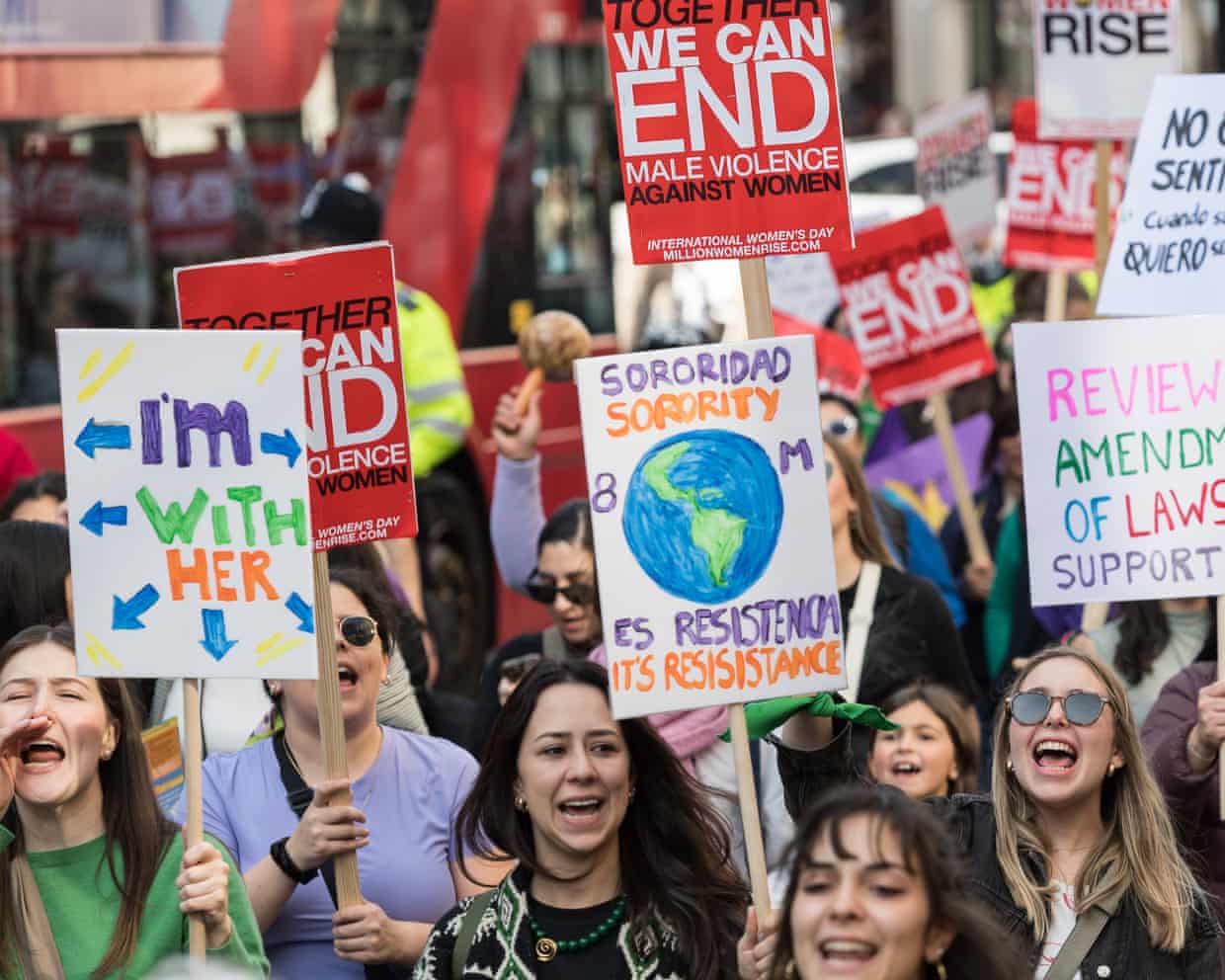
Institutions can be persuaded to take action on violence against women and girls only when some sort of “calamity” or “political scandal” hits the headlines, Jess Phillips has said.Phillips, the minister for safeguarding and violence against women and girls, said she wanted to use the momentum from the Jeffrey Epstein files to push for long-term legislative change and greater support for survivors, rather than quick-fix reactive policy announcements.Writing for the Guardian, the Labour MP for Birmingham Yardley said: “If repentance and sorrow is all we achieve out of the courage of the Epstein victims, we will have failed. Change is all that will suffice.“The long-term strategy of the government must be exactly that – long term
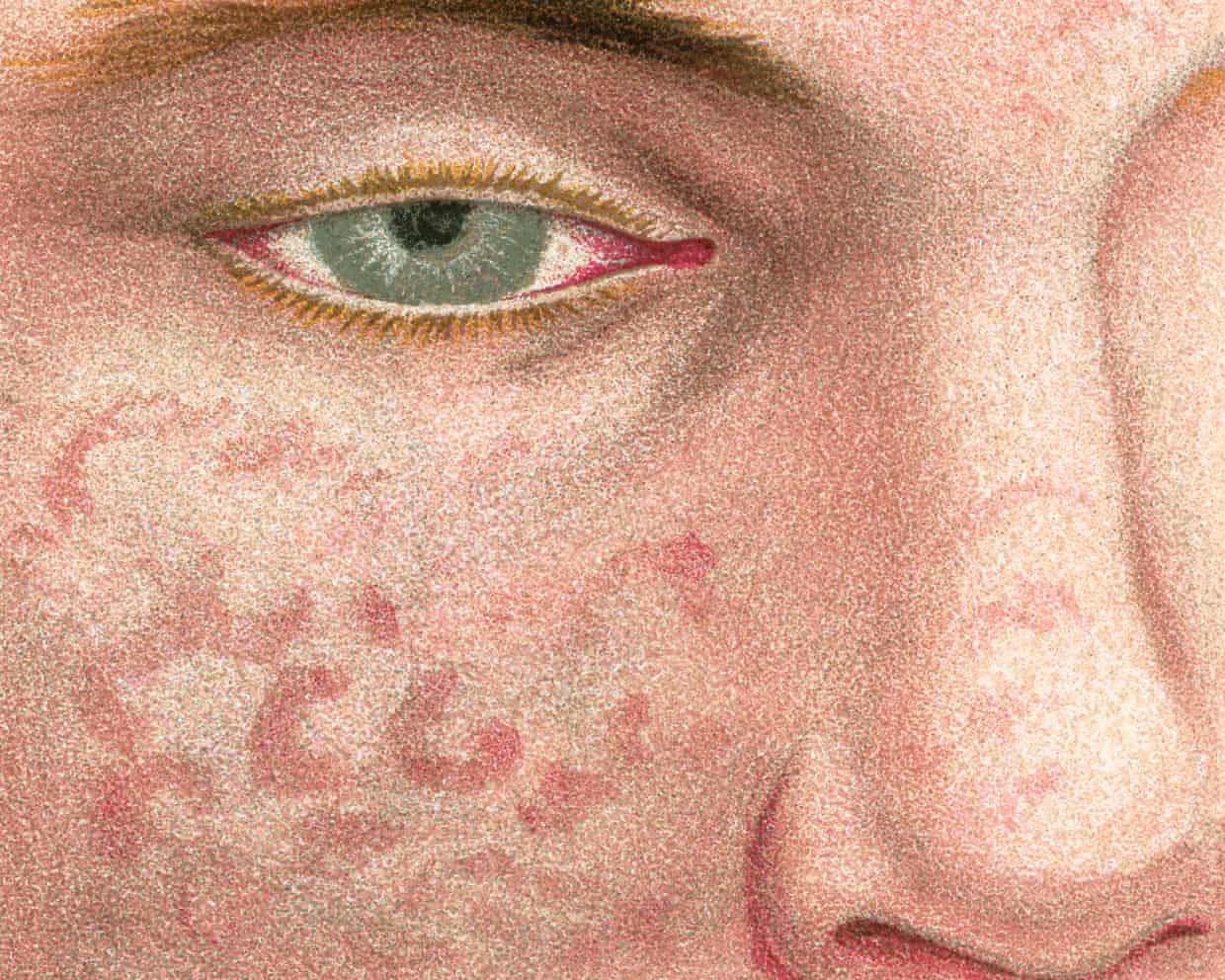
‘We almost lost you in the night’ - the life-threatening rise of measles in the UK
Saijal Ladd’s week in hospital remains a blur. The very worst days still feel like a fog, punctuated by two nightmarish memories. First, attempting to speak to a consultant to discuss if she should be rushed to ICU, but being unable to form words through her breathlessness. And later, a family member’s exhausted face mouthing: “We almost lost you in the night.”The 53-year-old had called an ambulance when what she had assumed was flu became so severe she could barely walk, and she experienced diarrhoea and violent vomiting
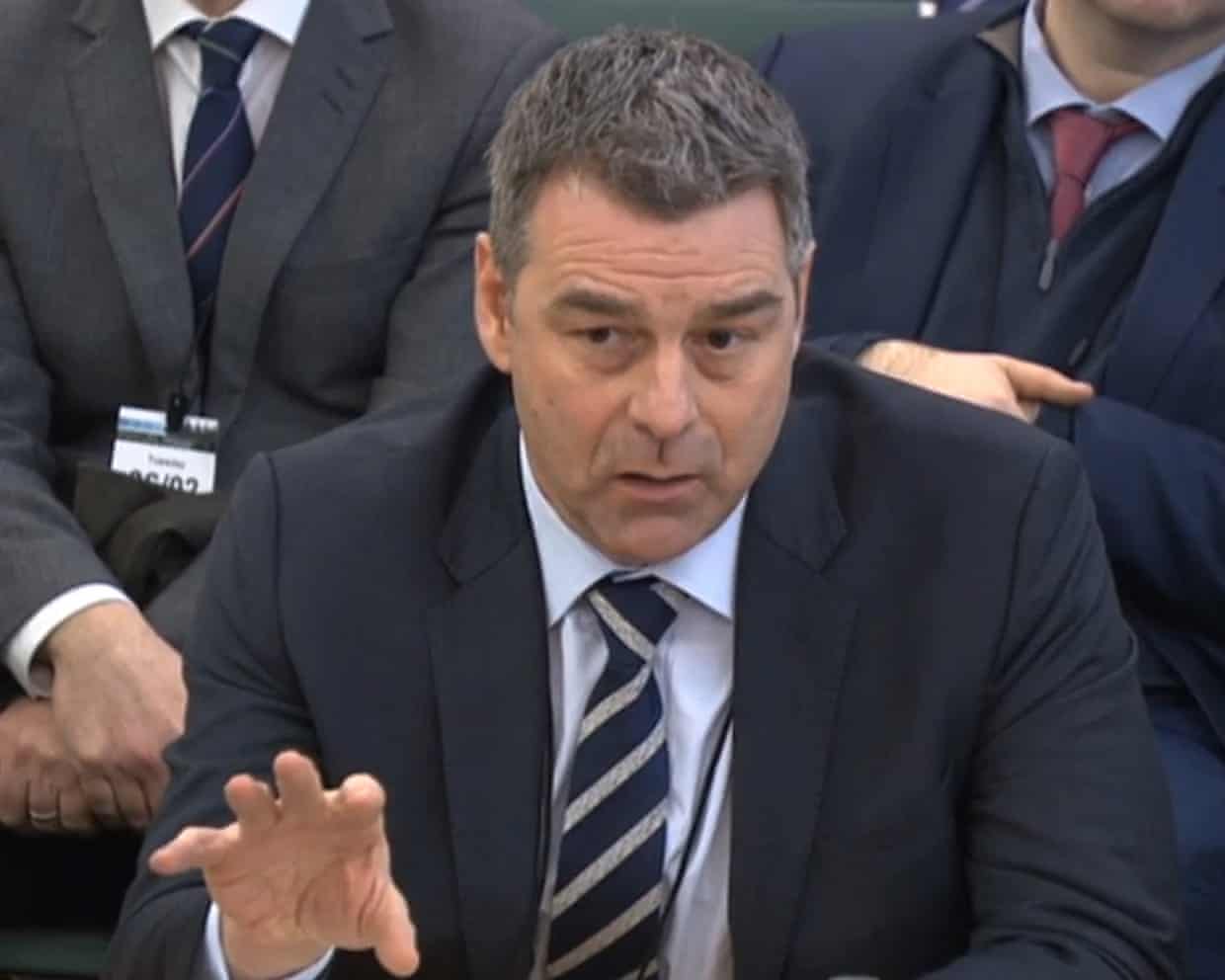
Former Carillion chief fined by FCA for role in misleading investors

Volkswagen aims to cut costs by 20% by 2028 in restructuring plan, report says

Trump donor who criticized offshoring to close Ohio plant and move work to China
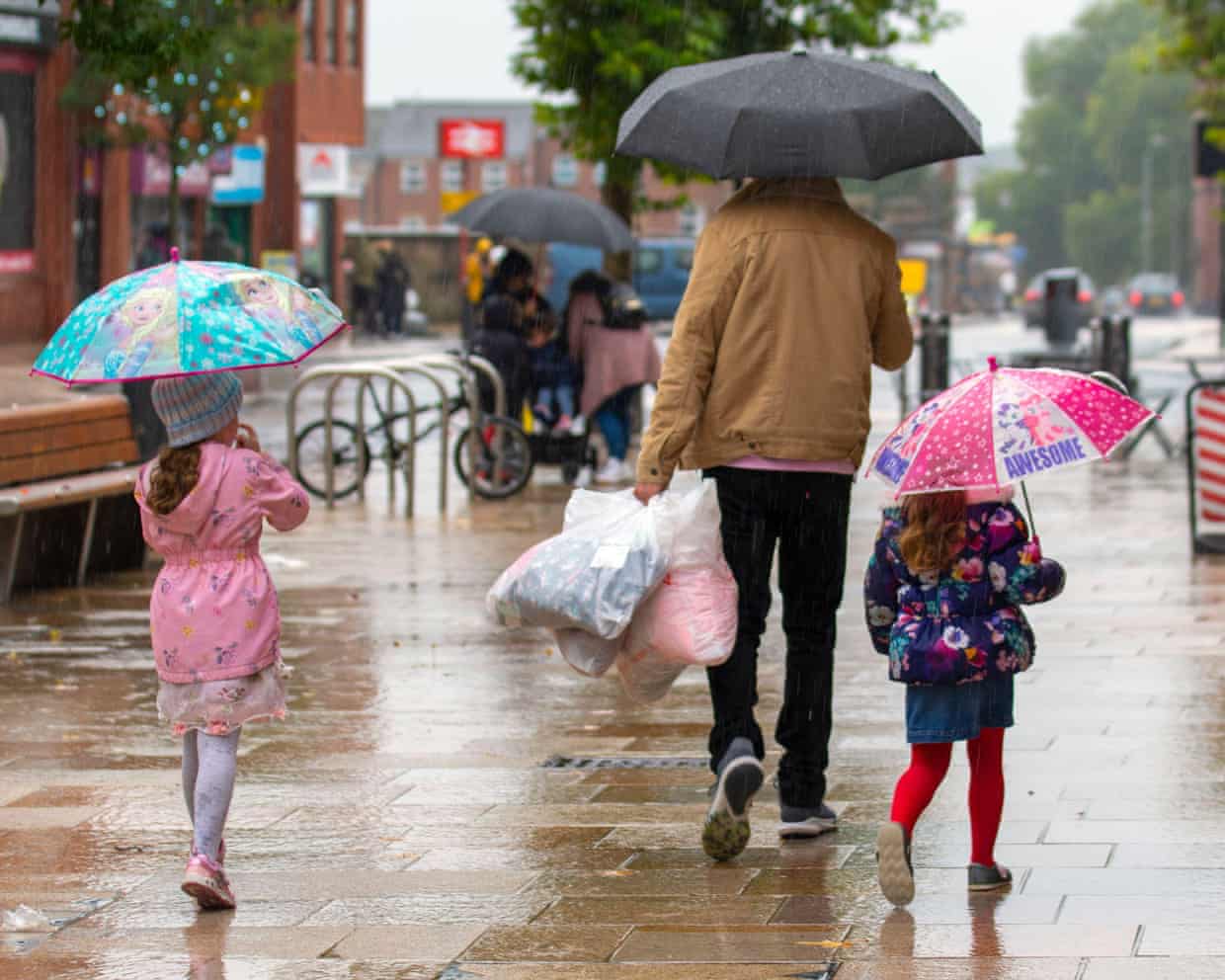
Britons feeling ‘dismal’ about finances amid mounting debts, survey finds
Lloyds investigating after using staff’s bank account data in pay talks
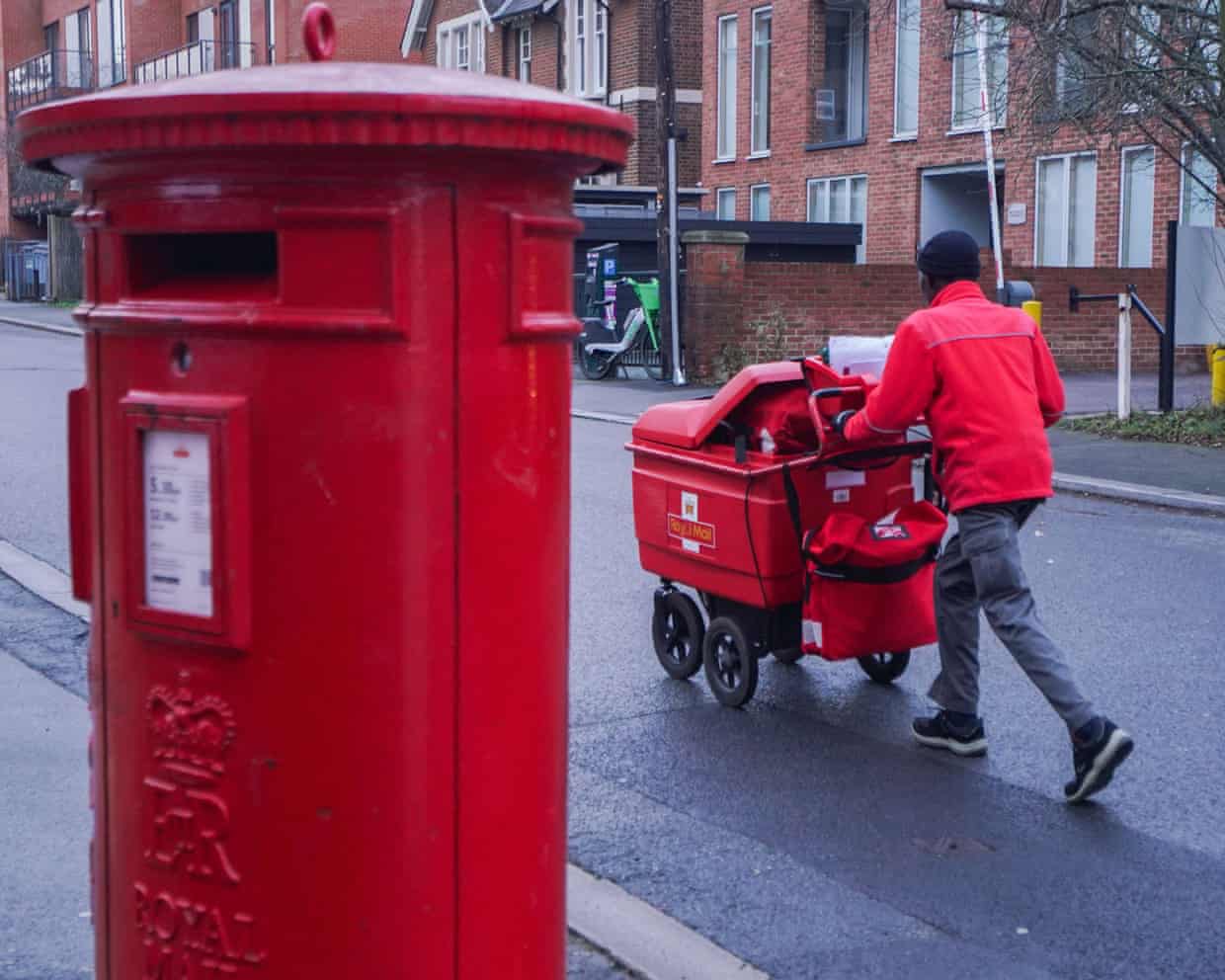
Royal Mail blames bad weather and sickness for late deliveries