How a £2m bitcoin order made Nigel Farage the political face of UK crypto
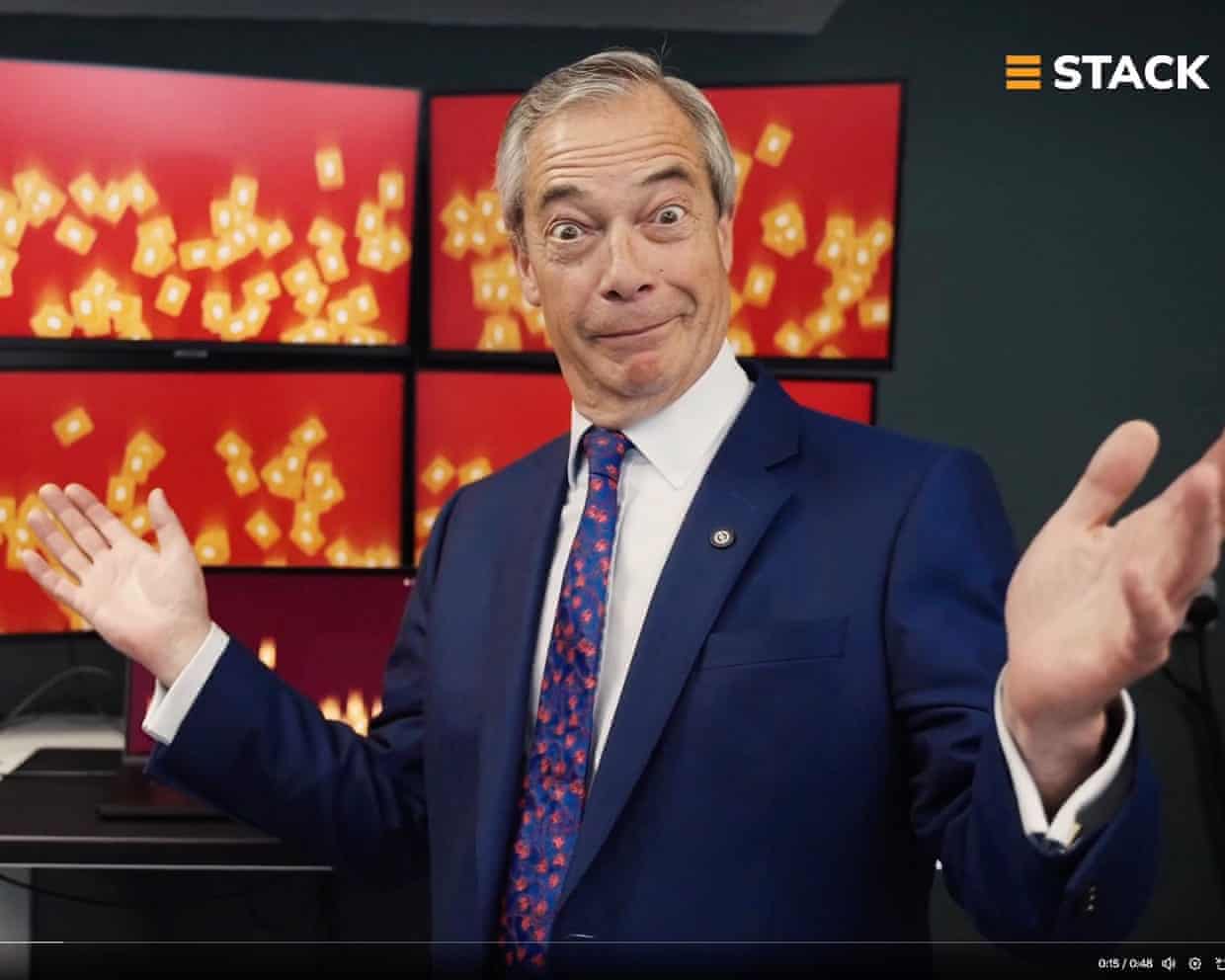
A thumping electronic beat provides the soundtrack to the video as Nigel Farage appears in front of a bank of screens,At first glance, it could be yet another of the Reform UK leader’s “second jobs” – whether promoting gold as a pension fallback or recording Cameo videos,And in a sense, it is: Farage is promoting a £2m cryptocurrency purchase by a company in which he has £215,000 invested, Stack BTC,“So we are about to place our bitcoin order,” says Farage with a smile, drawing on the communication skills honed as a politician and GB News anchor,After pressing a button, he shrugs theatrically as a bugle marks the “purchase” before the clip cuts to him standing on a roof with Kwasi Kwarteng, the former Tory chancellor known for his disastrous 2022 mini budget in the government of Liz Truss.
This article includes content hosted on linkedin.com.We ask for your permission before anything is loaded, as the provider may be using cookies and other technologies.To view this content, click 'Allow and continue'.The promotional video – filmed last week at the London offices of the online digital currency wallet Blockchain.
com, and released on the morning the Reform UK leader held his latest weekly press conference – drew new attention to Farage’s relationship with Stack BTC.The crypto business is chaired by Kwarteng, who previously described the currency as a “total crapshoot”, but has since undergone something of a conversion.The business proposition is an unusual one.It is a “bitcoin treasury company”, and describes its strategy as “becoming a listed investment vehicle with a primary focus on bitcoin”.In simple terms, it exists to accumulate the digital currency.
When the price of bitcoin rises, its share price would generally be expected to follow suit; when the price falls, so would the share price.Investors, such as Farage, therefore make paper gains when bitcoin does well without buying the currency directly.And Kwarteng, Farage and any others with an interest in Stack are incentivised to see bitcoin do well, with much less reason to note any downsides.Hours after Stack posted the video, the Liberal Democrats asked the Financial Conduct Authority (FCA) to investigate whether Farage’s promotion of cryptocurrencies amounted to attempted market abuse.“No politician should be exploiting their platform to potentially enrich themselves or specific vested interests,” wrote the party’s deputy leader, Daisy Cooper, who pointed to Reform’s history of campaigning for policies that would expand the use of cryptocurrency.
Farage or his party have previously called for deregulation, and proposed a new “bitcoin reserve fund” and the forcing of HMRC to accept crypto as a payment for taxes.Cooper also highlighted the £9m donation Reform received last year from Christopher Harborne, an investor in the cryptocurrency firm Tether, making it the largest donation of its kind in UK history.And it wasn’t just the usual centrist and left-leaning suspects raising concerns about Farage’s link with Stack.Fraser Nelson, the former editor of the Spectator, last month described it as “a scandal hiding in plain sight”, adding that most politicians sell shares to avoid the appearance of conflict of interest.He also argued that if investors concluded that Farage was within reach of No 10, and believed his party would promote crypto, “the upside becomes self-fulfilling.
The investment is not just a bet on bitcoin but on political power itself.”Nelson confronted Kwarteng on Times Radio on Monday, claiming that Farage was buying shares to personally profit and that the company had given him a bonus deal that could pay millions.This has been rejected by Stack, which said Farage had invested on the same terms as every other shareholder.To laughter, the former Tory MP insisted it was not guaranteed that he or Farage were going to make “a tonne of money”.“It’s a $2tn market, the bitcoin market.
The idea that Farage can influence it is ridiculous,” said the former MP, who added that he was sure the Reform leader would put his shares in a blind trust, sell them or recuse himself from decisions on crypto if he entered government,Kwarteng said that buying shares instead of bitcoin directly meant Farage was being maximally transparent,Regarding the Reform leader’s motives, Kwarteng noted: “Everyone who buys shares intends to make some sort of money from them,”Some may ask why Farage is prepared to countenance a brand promotion alongside a former politician associated with economic catastrophe,Whatever his reasons, he appears to be earning what he has described as “good money” that started to come his way after years in politics, having previously complained of being “skint”.
Indeed, his investment in Stack appears to have benefited from his own profile,After he took a 6,3% stake in March, the share price of what was a relatively small company quadrupled at one point; while the price has dropped, the shares are still worth almost double what Farage paid,He has since bought an additional £60,650 stake at a higher price,On paper, the total value of his stake appears to have increased by more than £200,000.
Listed on the UK “challenger” stock exchange Aquis, Stack is one of a number of bitcoin companies building up a portfolio and channelling surplus cash into the digital currency.It was co-founded by Paul Withers, the owner of Direct Bullion, which has already paid Farage £226,200 for his promotional work as a brand ambassador for the gold company.At another level, there is a constituency of wealthy crypto enthusiasts seemingly rewarding Reform for its role as the foremost cheerleader in British politics for the currency.As well as Harborne, there is Ben Delo, a British billionaire who last week said he had given £4m to Reform since the start of the year, before the government’s cap on donations to political parties by British citizens living abroad came into effect.Farage has cultivated a relationship with the crypto community for some time, where many share the distinctive libertarian ethos of key Reform figures, such as Zia Yusuf and Richard Tice.
In the case of Stack, the company has not been shy about wading into the political mire.On X, it told the broadcaster and activist Narinder Kaur that she was “completely ignorant on the subject” after she described bitcoin as a pyramid scheme, and it congratulated the Reform activist Matthew Goodwin on sales of his new book, describing it as a “wonderful accomplishment”.Farage attended various crypto conferences last year, although at times appeared less than sure-footed in front of a diverse young audience.At one, jokes about the chancellor, Rachel Reeves, (“Rachel from accounts”) and the Italian prime minister, Giorgia Meloni, which might have caused laughter at a Reform rally, fell flat.Nevertheless, the raising of bitcoin’s profile by Farage has been welcomed by major figures including Andrew Webley, the founder and chief executive of the Smarter Web company, a much larger bitcoin treasury and digital services business than Stack BTC.
“I’m not a political person but it is clearly a good thing for the sector to have somebody that might end up as prime minister taking bitcoin seriously,” said Webley, whose company is listed on the London Stock Exchange.“If I walk down a street in, say, London, people won’t recognise me.It’s a different matter with Nigel Farage.Whatever you think about him, he has got people talking about bitcoin.This is about normalising things, starting a conversation and educating people.
”“It has been the best performing asset in the world over the last 20 years so they should have some exposure to it, if not put every penny in it,” added Webley, who has invited Farage and other politicians to the “bitcoin treasuries unconference” his company is hosting in his home town of Bristol in May,At the same time, it is not hard to find unease in the bitcoin community about the involvement of Britain’s most polarising frontline politician,“It is not entirely helpful in some ways,” said one,A spokesperson for Farage has described the Stack event as a “photocall”, adding: “Mr Farage is embracing the 21st century,He bought the [£2m of] crypto on behalf of Stack and not personally.
” They added that Farage would do “whatever is appropriate” with his Stack shares if he entered government.As for donations, Reform’s website says it does not accept anonymous donations and any above £500 are checked.A spokesperson for Reform told the BBC that “all parties need donations to run campaigns” and “Labour taking money from the trade unions is just one example”.
UK’s largest housebuilder to buy less land in blow to Labour’s homes target
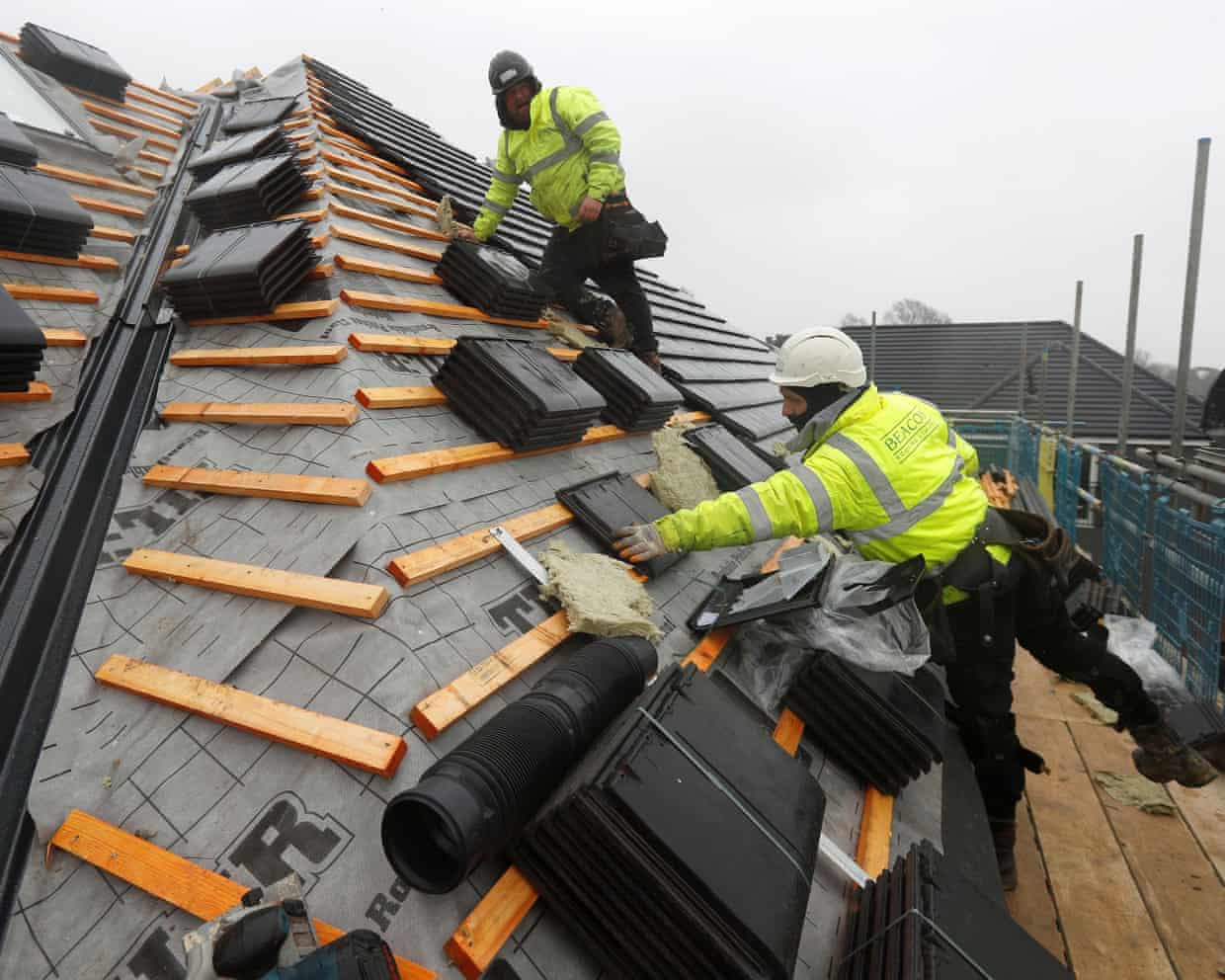
Britain’s largest housebuilder is planning to dramatically cut back on buying new land, blaming the impact of the conflict in the Middle East and putting Labour’s ambitious housing target under more pressure.Barratt Redrow said it intended to approve between 7,000 and 9,000 plots of land for purchase in its current financial year, far lower than previous guidance of between 10,000 and 12,000.The company, which had already committed to buying less land this year than the previous year, said “geopolitical events” had prompted the further reduction.“Now, with a less certain backdrop, given recent geopolitical events and their likely impact on mortgage rates and build cost, we are being even more selective,” the company said.As a result, Barratt Redrow now expects to spend between £700m and £800m on land this year, down from previous guidance of between £800m and £900m
IMF calls for countries to economise on energy supplies, and hails UK’s budget deficit improvement – as it happened
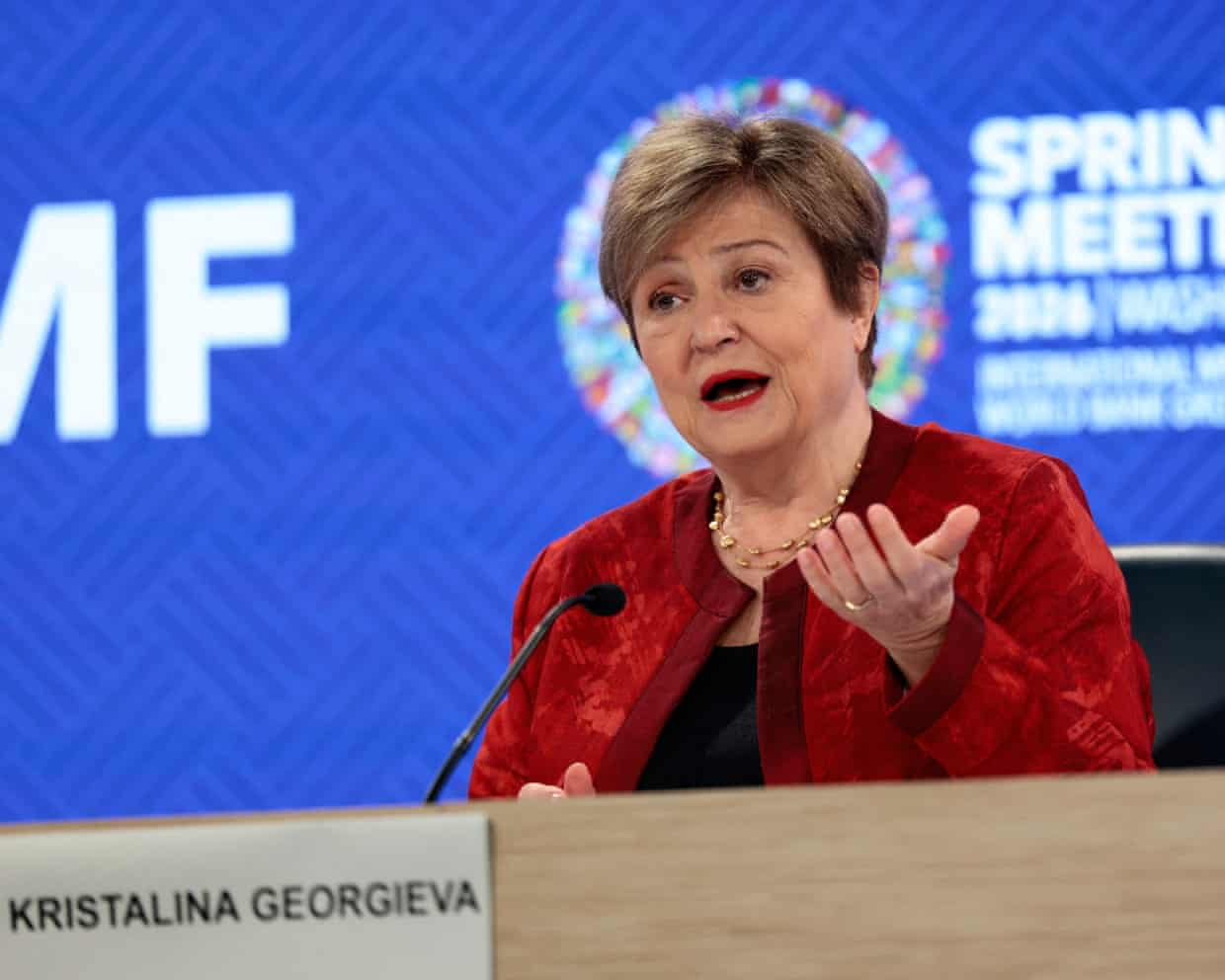
Newsflash: The International Monetary Fund has applauded the UK’s progress in reducing its budget deficit last year.A day after slashing the UK’s growth forecasts, the IMF cited Britain as an example of an major economy which managed to trim its borrowings, after the UK’s deficit fell from 6.1% of GDP in 2024 to 5.4% in 2025.In its latest Fiscal Monitor report, just released at its spring meeting in Washington, the IMF says:double quotation markIn 2025, the headline deficit for advanced economies excluding the United States held broadly steady at 2
Fisa surveillance vote sparks fierce debate as Congress splits on warrantless monitoring
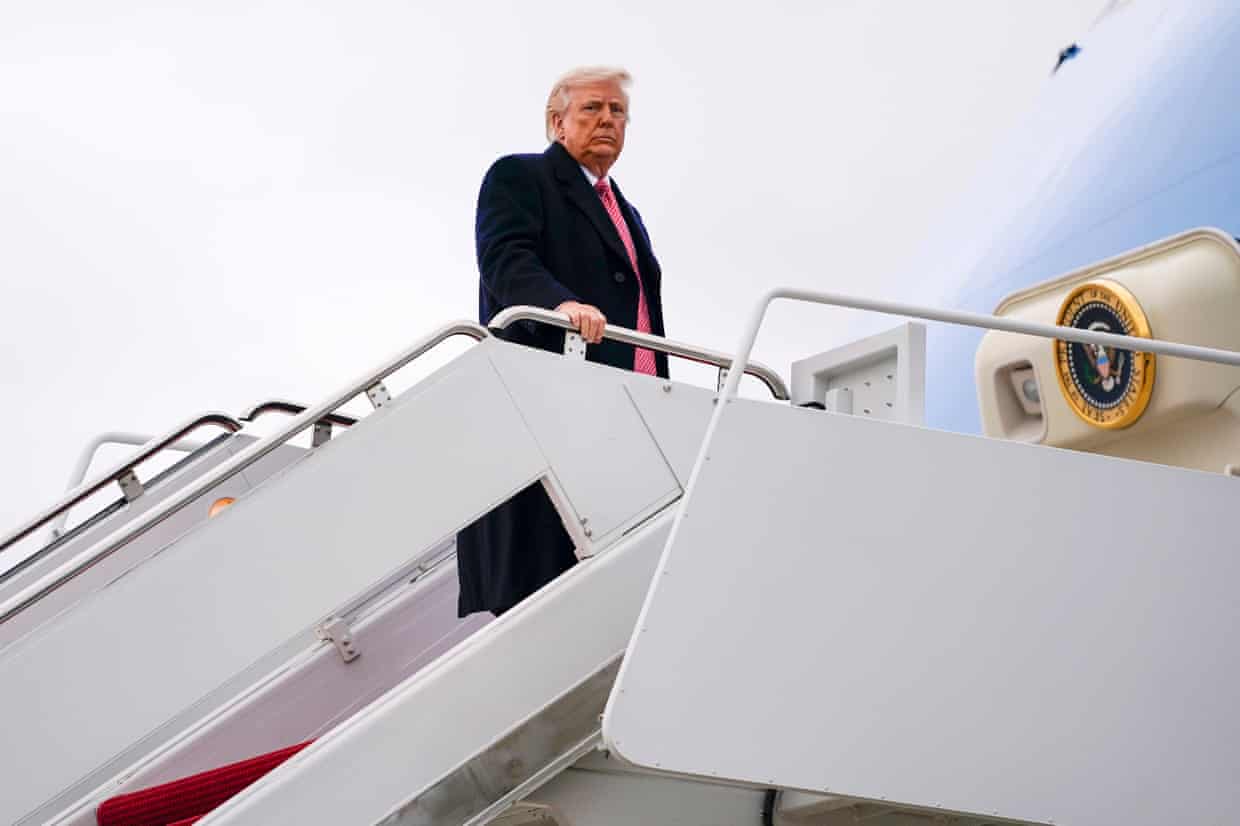
A controversial law that grants the US government sweeping powers for warrantless surveillance is set to expire next week. Replacing it has inspired fierce debate within the White House and Congress, including a scheduled vote cancelled the day of.A coalition of progressive Democrats and far-right Republicans is pushing for reform of Section 702 of the Foreign Intelligence Surveillance Act (Fisa), but they face strong bipartisan opposition from lawmakers advocating for an 18-month renewal with no changes, in line with Donald Trump’s demands. House GOP leaders delayed a procedural vote on a clean extension of Section 702 on Wednesday, after the chamber’s rules committee approved the measure on Tuesday night. Republican leadership was expected to bring the measure to the floor on Wednesday but canceled the scheduled vote, amid dissent from privacy advocates in their own party
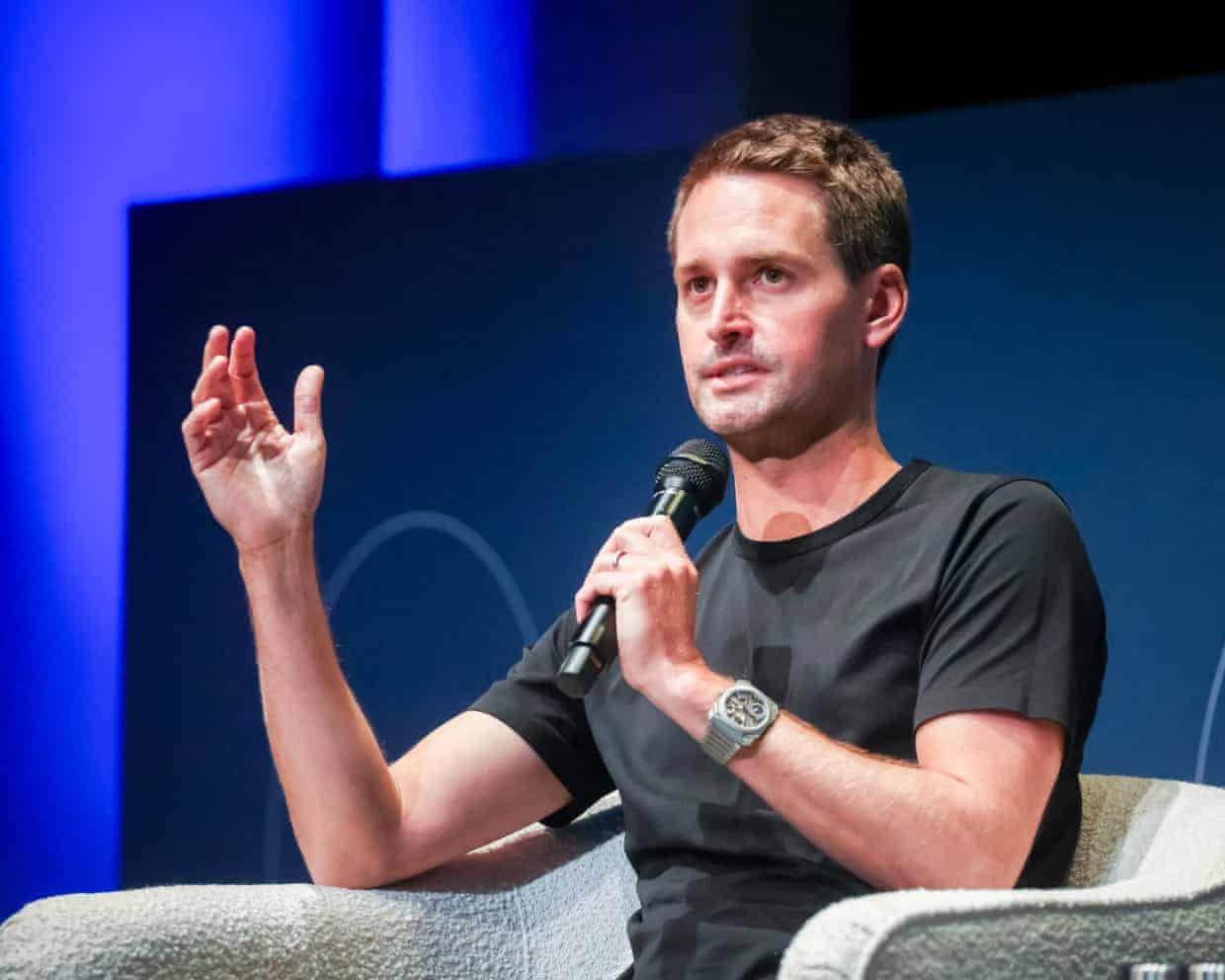
Snap Inc blames AI as it lays off 1,000 workers
Snapchat’s parent company plans to lay off 16% of its employees, around 1,000 people, citing “rapid advancements in artificial intelligence”, the social media company told staff on Wednesday in an internal memo. The staff reduction is part of a wave of tech industry layoffs in the past year, with many firms blaming AI for the cuts.Snap Inc’s layoffs follow demands last month from Irenic Capital Management, an activist investor whose portfolio manager wrote a letter to the Snap Inc CEO, Evan Spiegel, calling on him to reduce costs and headcount while criticizing the company’s current strategy. In Spiegel’s memo to staff, he claimed that the layoffs would move Snap towards profitability and suggested that artificial intelligence could fill the lack of human labor.“While these changes are necessary to realize Snap’s long-term potential, we believe that rapid advancements in artificial intelligence enable our teams to reduce repetitive work, increase velocity, and better support our community, partners, and advertisers,” Spiegel wrote
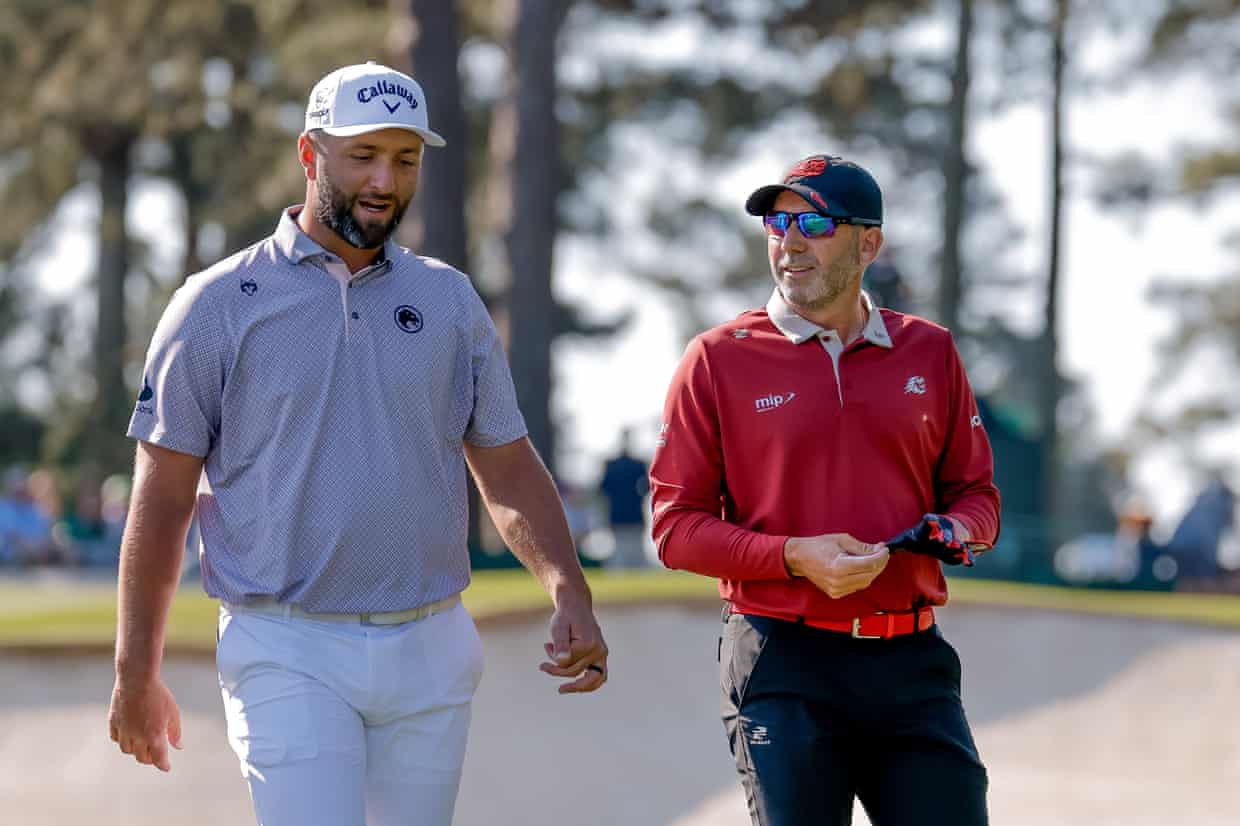
LIV Golf meeting in New York fuels speculation over rebel tour’s future
LIV Golf executives have been called to a meeting in New York amid growing speculation over the future of the Saudi Arabia-funded rebel tour.Rumours that LIV could soon be shut down had begun to circulate on social media on Tuesday evening with officials from the tour declining to respond. LIV’s next event in Mexico City will begin as planned on Thursday, although as first reported by the Daily Telegraph, the tour’s senior leadership were all absent having been diverted to New York. Many of LIV’s senior personnel, including the chief executive, Scott O’Neil, were at Augusta for the Masters last week and have stayed in the US.LIV has been under pressure for some time owing to its inability to agree a merger with the PGA Tour three years after signing a so-called “framework agreement”, with that stand-off compounded by the desire of the Saudi Public Investment Fund (PIF) to cut costs
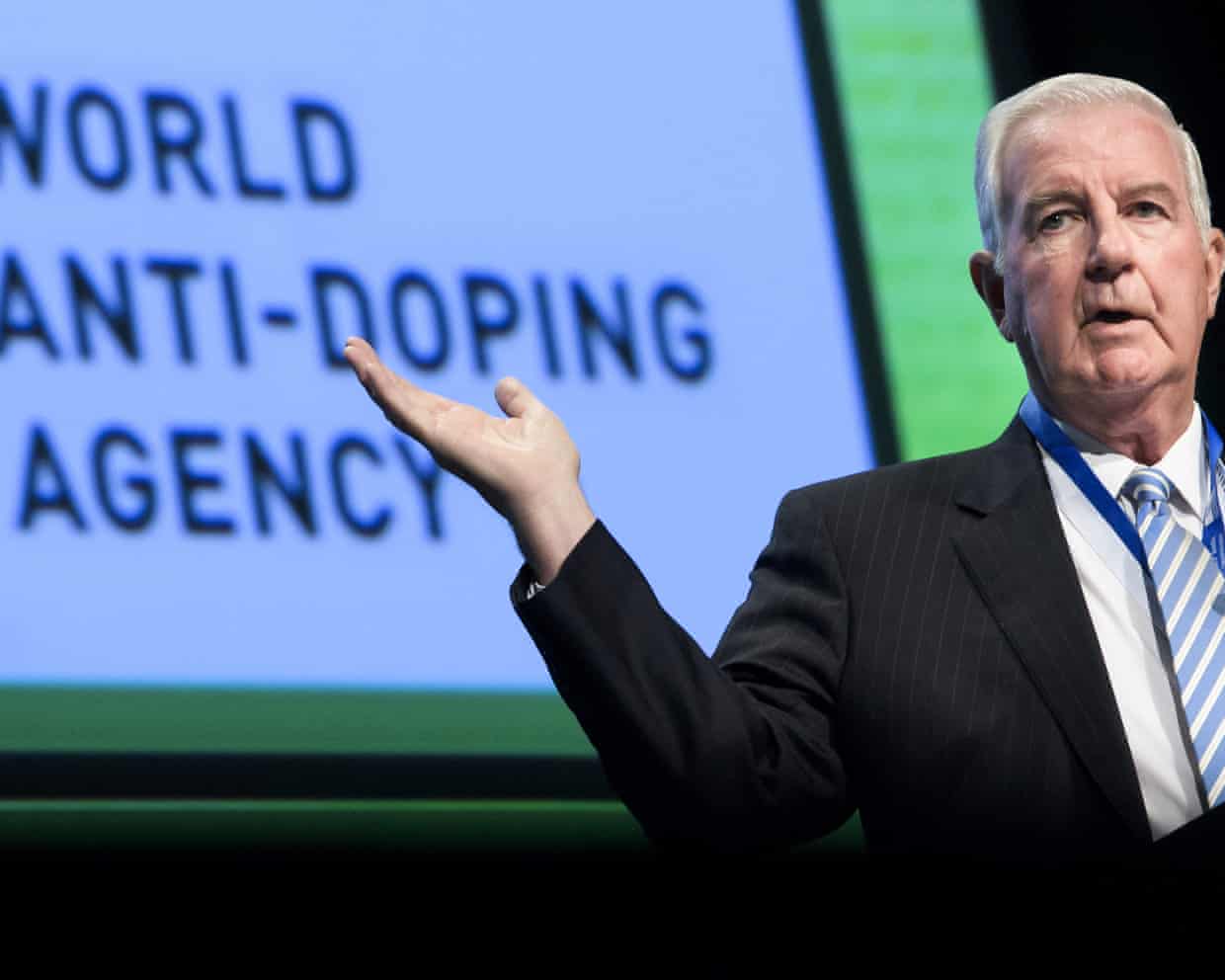
Sir Craig Reedie obituary
Sir Craig Reedie, who has died aged 84, was a key figure in London’s successful bid to stage the 2012 Olympics. As a member of the London Organising Committee for the Olympic Games from 2005 to 2013, he formed a brilliantly effective campaign partnership with Sebastian Coe, the bid leader, doing much crucial work behind the scenes, first by helping to win the support of British politicians and then by marshalling the all-important votes of Olympic delegates who would determine where the Games would go.Coe, to whom Reedie was a long-time mentor, was under no illusion that without the older man’s diplomatic skills and influential presence within the Olympic and Paralympic movement, which he had developed earlier as chair of the British Olympic Association (BOA), London might never have won the right to host the 2012 Games.Reedie chaired the BOA between 1992 and 2005, and from 1994 was also a member of the International Olympic Committee (IOC), ultimately serving as its vice-president from 2012 to 2016. A passionate advocate of drug-free competition (“there’s no point in any of it if the sport is not clean”), he became a founder board member of the World Anti-Doping Agency (Wada) in 2000, rising to be its president from 2014 to 2019, and a thorn in the side of those who tried to gain advantage by taking performance enhancing substances
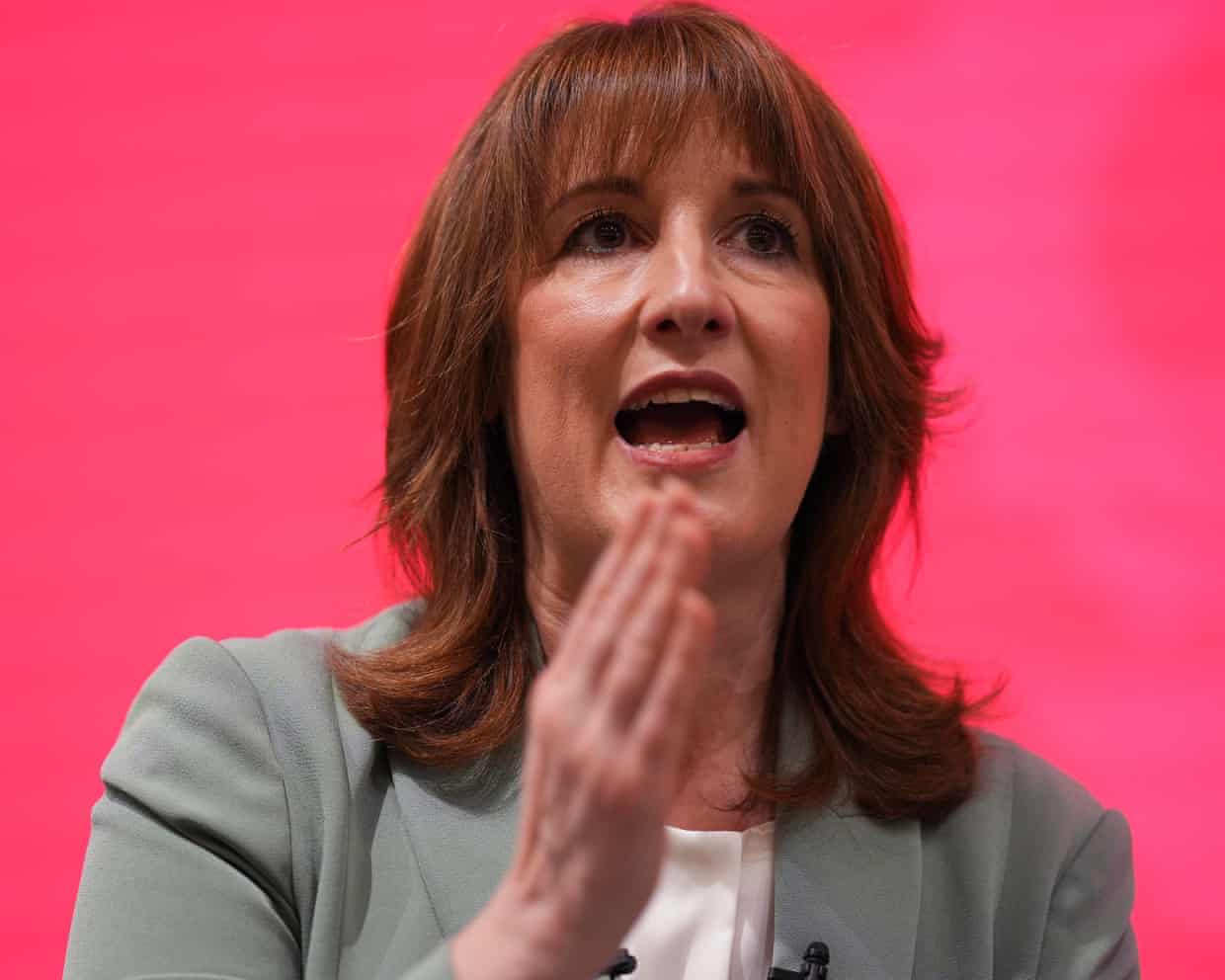
Reeves tells Americans she does not know why they launched Iran war – as it happened
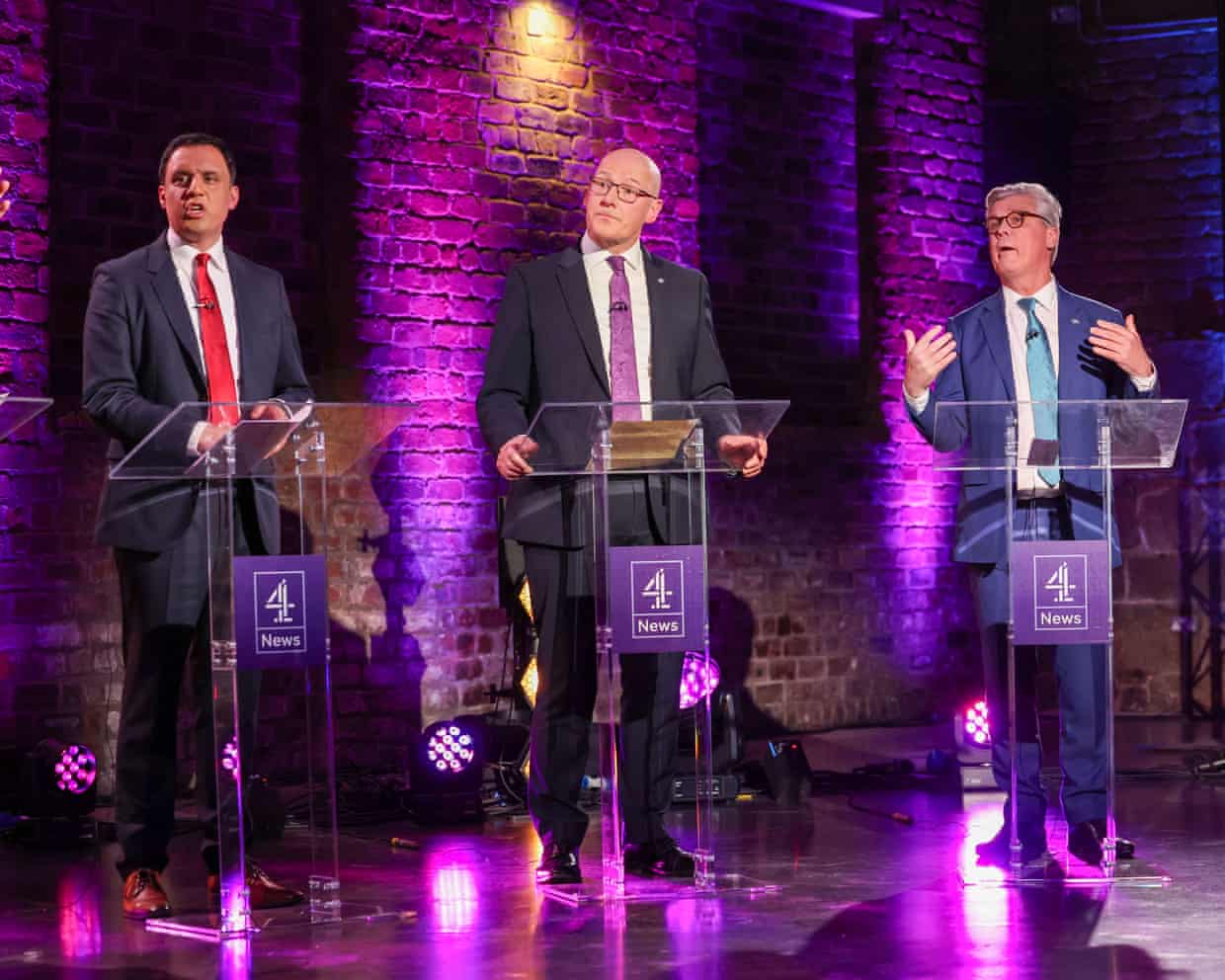
Scottish Labour leader says claim he tried to do Reform deal is ‘desperate lie’
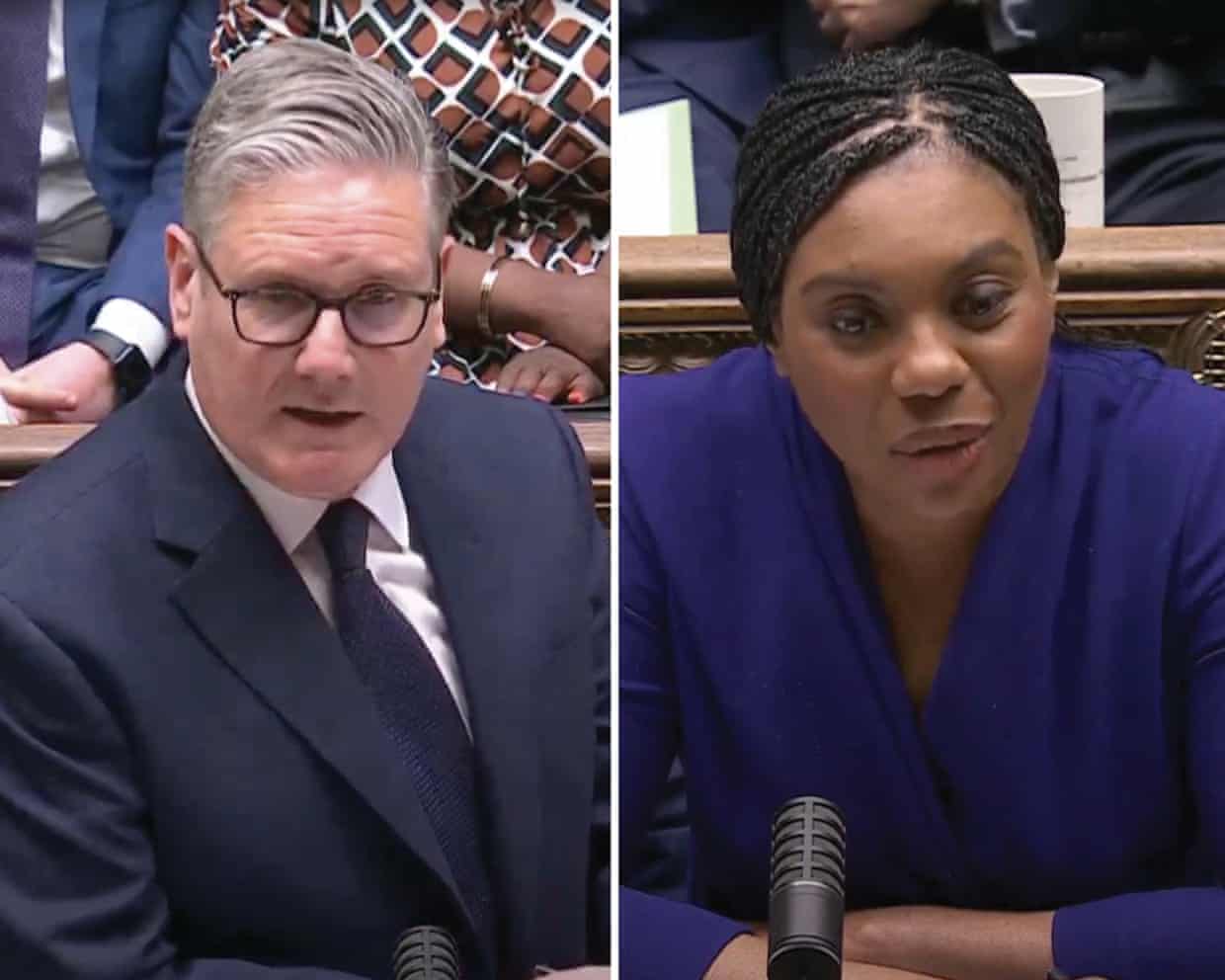
Questions asked and answers given – up to a point. Welcome to lo-fi PMQs | John Crace
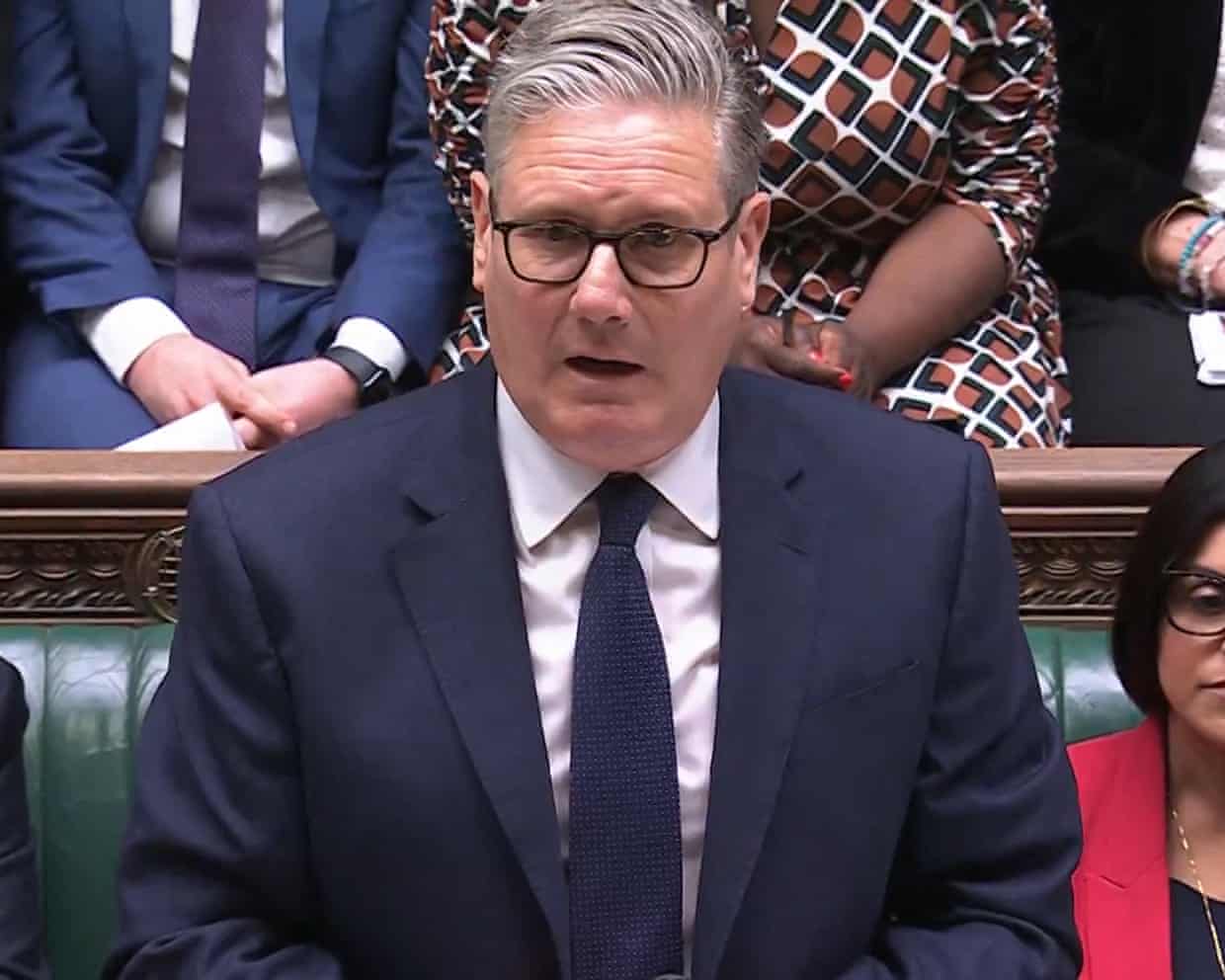
Starmer rejects accusation Labour is ‘complacent’ on defence funding
How a £2m bitcoin order made Nigel Farage the political face of UK crypto

‘Bizarre’ lack of urgency in putting UK on war footing, says defence review co-author