Sir Craig Reedie obituary
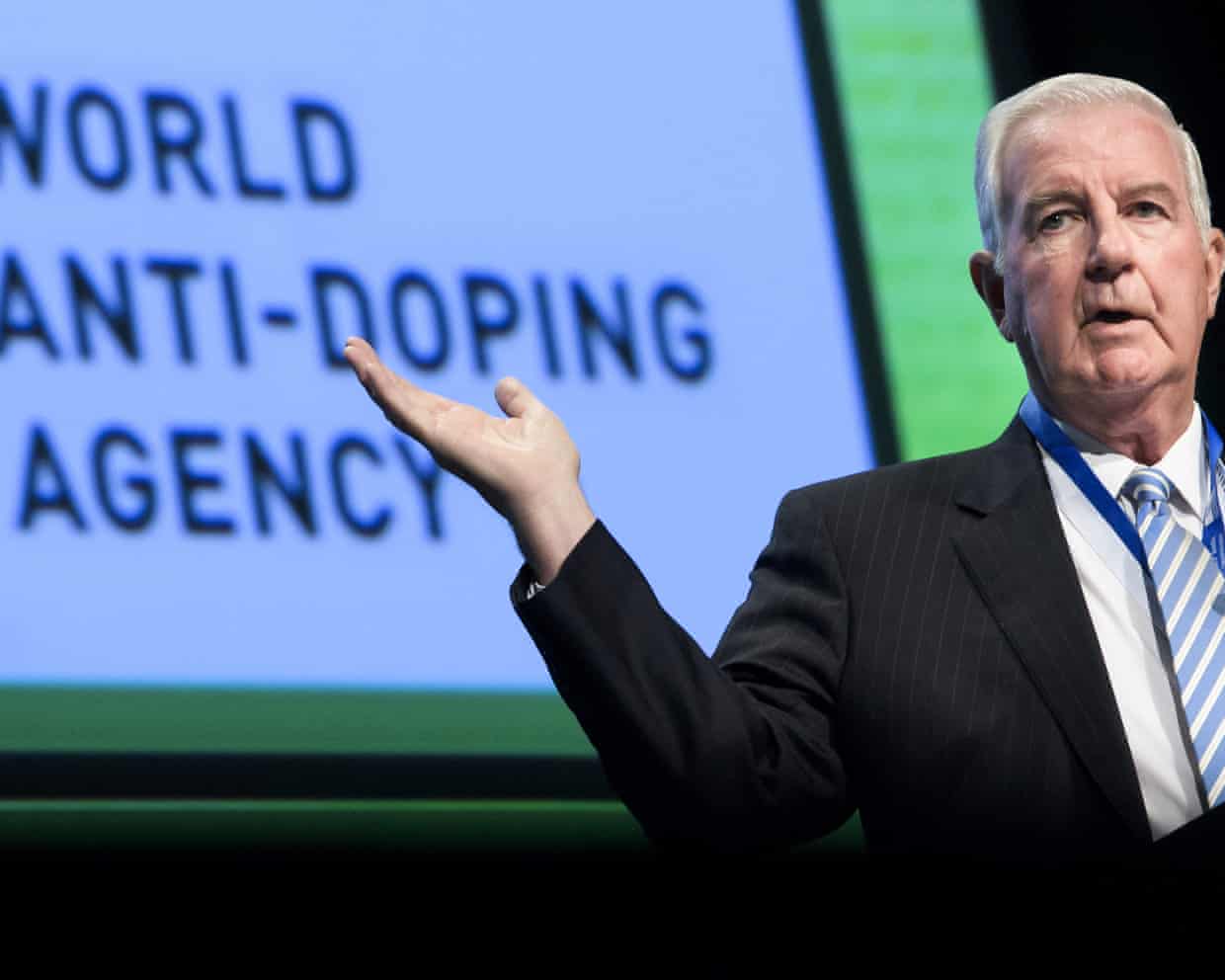
Sir Craig Reedie, who has died aged 84, was a key figure in London’s successful bid to stage the 2012 Olympics.As a member of the London Organising Committee for the Olympic Games from 2005 to 2013, he formed a brilliantly effective campaign partnership with Sebastian Coe, the bid leader, doing much crucial work behind the scenes, first by helping to win the support of British politicians and then by marshalling the all-important votes of Olympic delegates who would determine where the Games would go.Coe, to whom Reedie was a long-time mentor, was under no illusion that without the older man’s diplomatic skills and influential presence within the Olympic and Paralympic movement, which he had developed earlier as chair of the British Olympic Association (BOA), London might never have won the right to host the 2012 Games.Reedie chaired the BOA between 1992 and 2005, and from 1994 was also a member of the International Olympic Committee (IOC), ultimately serving as its vice-president from 2012 to 2016.A passionate advocate of drug-free competition (“there’s no point in any of it if the sport is not clean”), he became a founder board member of the World Anti-Doping Agency (Wada) in 2000, rising to be its president from 2014 to 2019, and a thorn in the side of those who tried to gain advantage by taking performance enhancing substances.
During his five-year term at Wada he clashed repeatedly with the then IOC president Thomas Bach, who rejected Reedie’s argument that Russia should be thrown out of Olympic competition once it had been proven that their athletes benefited from state-sponsored doping regimes,Although the IOC cleared some Russian athletes to compete at the 2016 Rio Olympics, Reedie refused to let the matter drop – and three years later Wada ruled that the Russian Federation should be banned from all international competition, although some of its athletes were able to take part in the Olympics under a neutral flag,Reedie remained utterly intransigent on the issue of drugs: for him it was not a matter of adhering to lofty Corinthian values, but a simple case of tackling cheats and showing that they would not be allowed to prosper,That strong stance arose partly because Reedie, despite his successes as an administrator, was a sportsman at heart, having been a leading badminton player in his younger days,He began his career in sports politics with the International Badminton Federation, of which he became president, and made an initial name for himself by successfully campaigning for the sport to be included in the Olympics.
Born in Stirling in central Scotland, Craig was the son of Robert, an Inland Revenue surveyor, and his wife, Anne (nee Smith),He took up badminton at the age of 10, first playing the game in a church hall, while he also played golf with his father at Dunblane GC and was good enough at rugby to appear for the first XV at Stirling high school,At Glasgow University he played for the badminton team while studying history and law, and it was on a visit to Belfast for a match against Queens University in 1962 that he met Rosemary Biggart, a medical student who was playing for the Queens hockey XI,Five years later they married, and they went on to have two children, Colin and Catriona,After university Reedie became a partner in a Scottish company offering financial advice, and remained a financial consultant, based in Glasgow, for the rest of his working life.
He became secretary of the Scottish Badminton Union in 1966, and later its president, serving until 1981 while also operating as a council member, chair and president of the International Badminton Federation (now the Badminton World Federation) from 1970 to 1984.After guiding the Federation through a difficult period when warring factions threatened to split the organisation, his concerted lobbying for badminton’s inclusion in the Olympics bore fruit when in 1985 the IOC decided to allow its entry into the 1992 Games.He also helped to usher professionalism into badminton by allowing players to retain prize money and introducing the World Grand Prix circuit, now the BWF World Tour.It was Reedie’s administrative work in badminton that led him to be appointed a council member and treasurer of the General Association of International Sports Federations (1984–92), which in turn set him up for the chairmanship of the BOA.After contributing to Manchester’s unsuccessful bid for the 2000 Olympics he joined the London Organising Committee for the 2012 Games.
All of his sports administration posts were fulfilled on a voluntary unpaid basis.Meeting Reedie was an experience.Tough, shrewd and formidably well informed, he knew his own mind and was always ready to voice an opinion.Such qualities might have rendered him boorish and intimidating, but the truth was very different.He was witty, charming and unfailingly helpful to anyone who sought his advice.
Made CBE in 1999, he was knighted in 2006 and elevated to knight grand cross in 2018.In 2014 Scotland’s refurbished national badminton hub in Glasgow was renamed the Sir Craig Reedie Badminton Centre in his honour.He devoted much of his leisure time to honing his golf game.A single figure handicapper, he was a fiercely competitive player and a member of the Royal and Ancient Club of St Andrews.After the successful London bid he took huge pride in being asked to feature in the pre-2012 Games torch relay, carrying the Olympic flame past the Old Course at St Andrews, where he had spent so many hours on the turf.
He is survived by his wife and two children.Craig Collins Reedie, sports administrator, born 6 May 1941; died 5 April 2026
Reeves tells Americans she does not know why they launched Iran war – as it happened
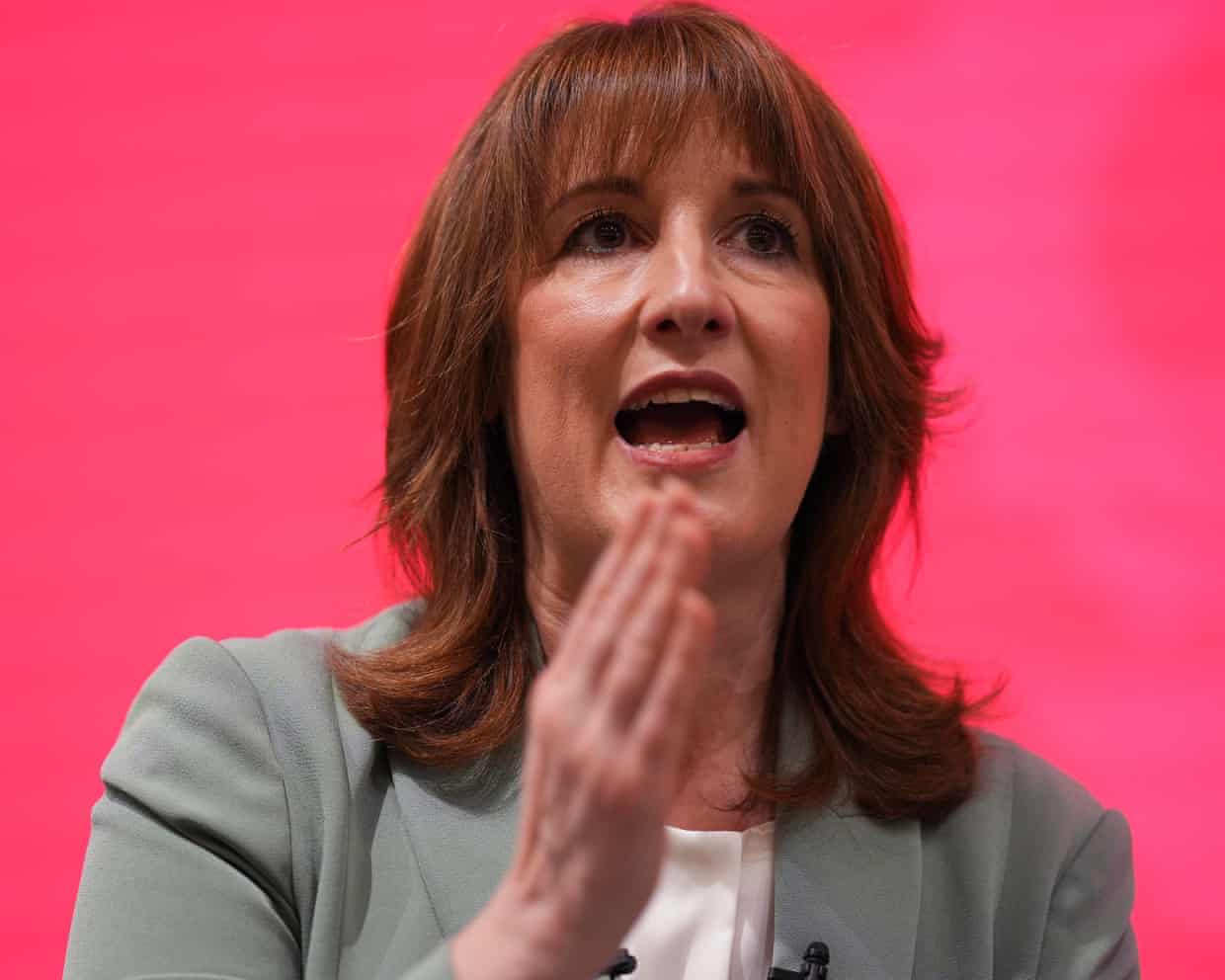
Rachel Reeves, the chancellor, has told an American audience she does not know why they went to war against Iran.Reviving criticisms of Donald Trump she has already stated, she said that she was “not convinced that this conflict has made the world a safer place” and that Trump seemed to have ended up in a worse position than he was before the war started.Speaking at a CNBC event in Washington, where she is attending IMF meeting, Reeves said:double quotation markThere were diplomatic negotiations happening before this. So if the aim is to now to get diplomatic negotiations, well, they were already happening before the conflict started …We’ve never been clear about what the goals of this conflict is, which is why the impacts in our economy, but also here in the US economy and around the world, and particularly for our allies in the Gulf, like Saudi and Qatar and the UAE, are so immense.Reeves said that it was important to reopen the strait of Hormuz to reduce energy prices
Scottish Labour leader says claim he tried to do Reform deal is ‘desperate lie’
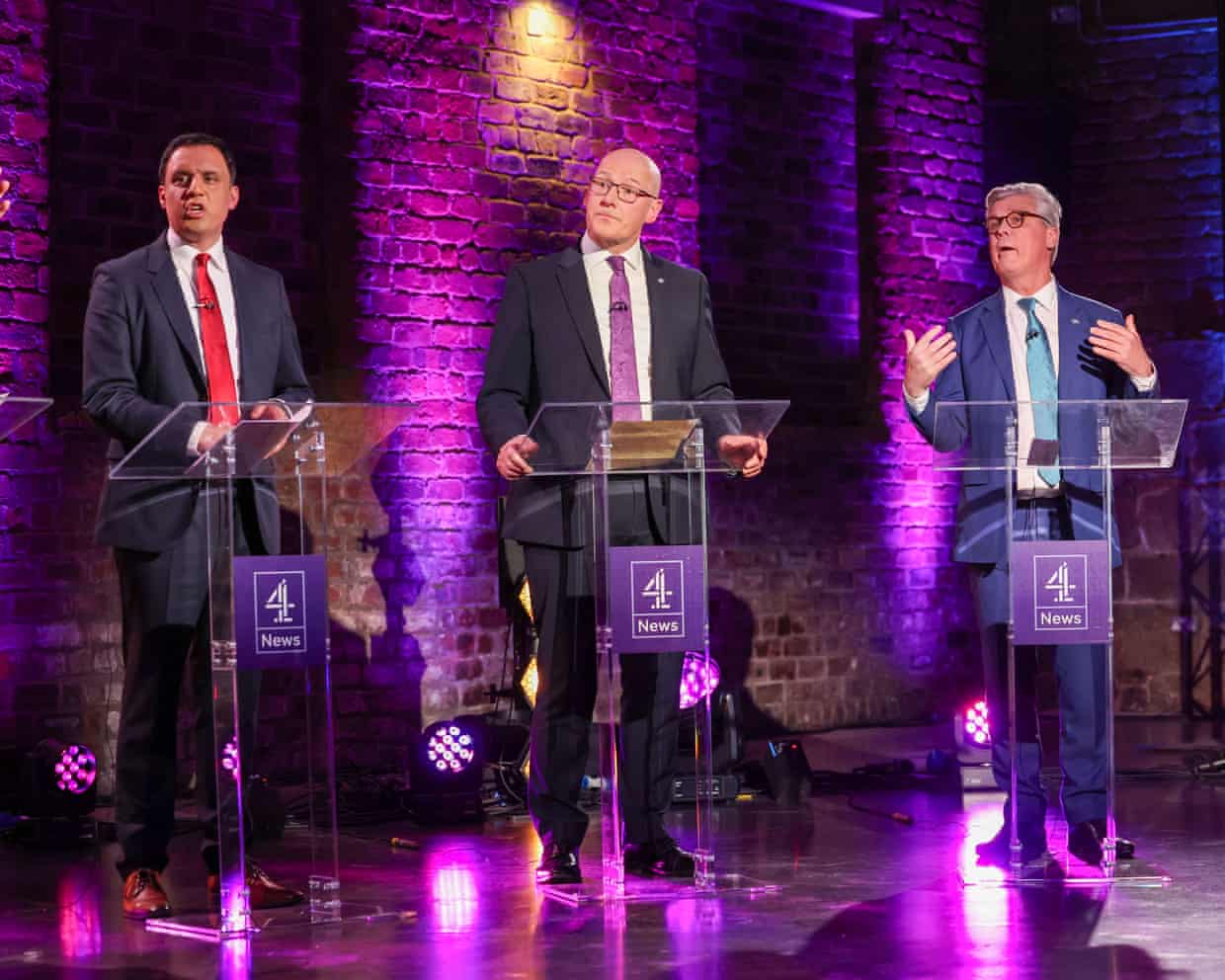
Anas Sarwar has dismissed as “a desperate lie from a desperate man” a claim by Reform UK’s Scotland leader, Malcolm Offord, that he offered to do a deal with the rightwing party to keep the Scottish National party out of power.Offord made the claim on Channel 4’s Scottish leaders’ debate on Tuesday evening, alleging the Scottish Labour leader came “bouncing up” to him at an event in December last year, suggesting they “work together to remove the SNP”.The row escalated when Offord told reporters after the debate that he stood by the remarks. Thomas Kerr, a Reform UK candidate in Glasgow, claimed Sarwar had made similar overtures to him some months earlier.Sarwar immediately dismissed the accusations as “nonsense” but the SNP posted the exchange on social media, saying it was evidence of Scottish Labour seeking “a grubby deal”
Questions asked and answers given – up to a point. Welcome to lo-fi PMQs | John Crace
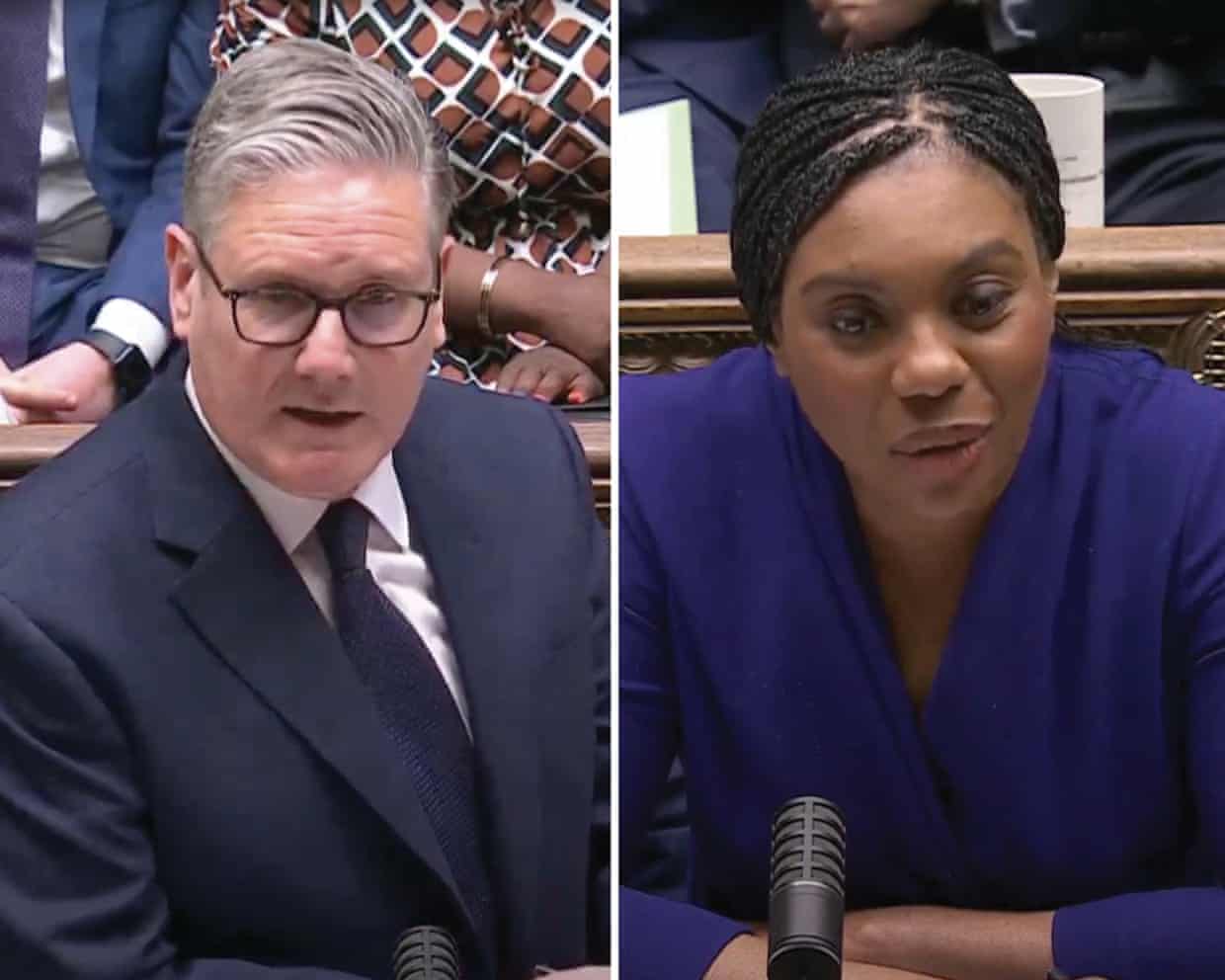
Credit where credit is due. The last few prime minister’s questions have been an exercise in nihilism. The embodiment of existential futility. Questions asked by Kemi Badenoch but not even a pretence by Keir Starmer of answering them. It was like the worst days of Boris Johnson’s time in No 10
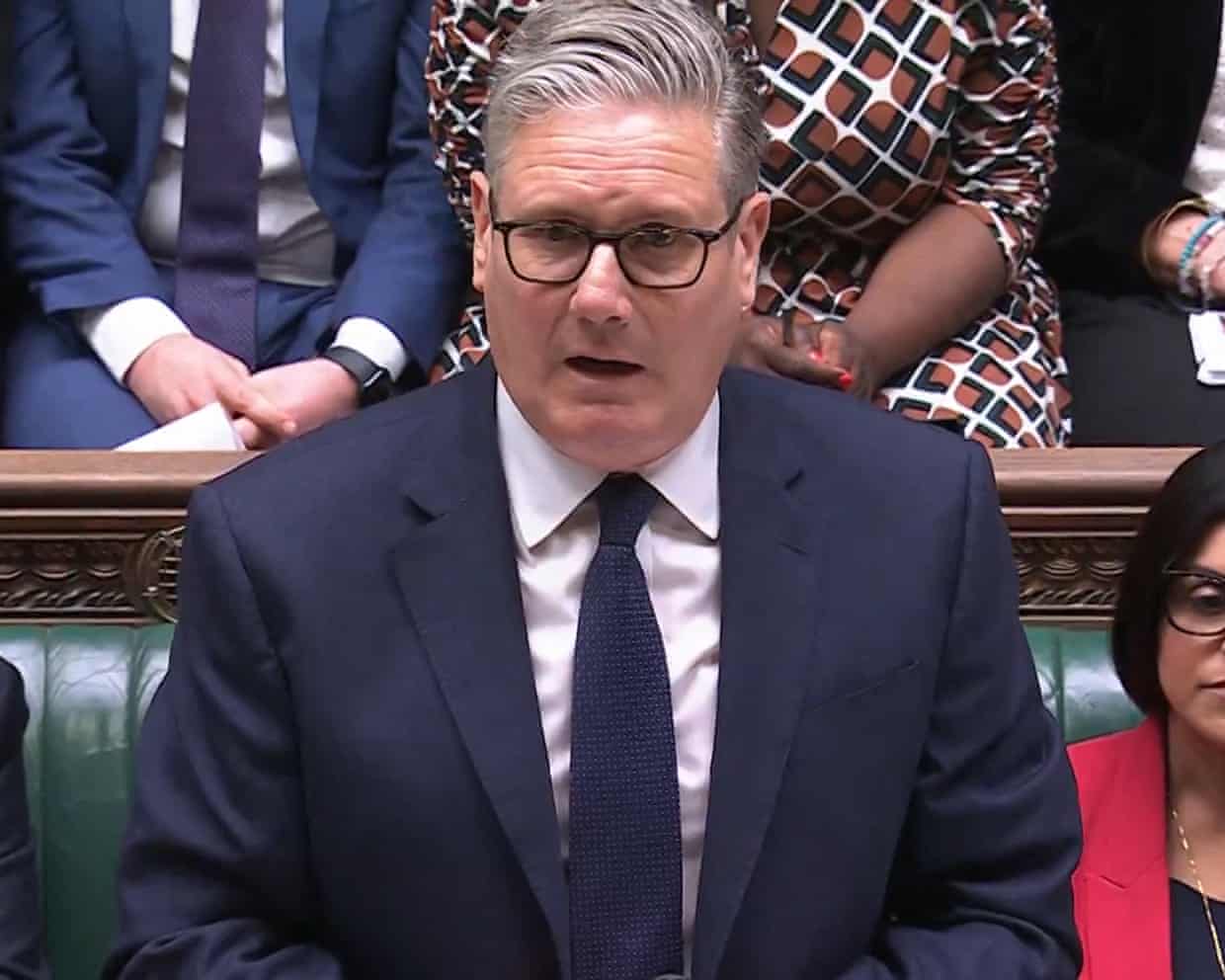
Starmer rejects accusation Labour is ‘complacent’ on defence funding
Keir Starmer has said he does not agree with George Robertson’s comments about the government’s “corrosive complacency” on defence funding, as the prime minister faced sustained pressure on the issue.Questioned in the Commons about the claims by Robertson, the former Labour defence secretary and Nato chief who co-authored a defence review for the government, Starmer insisted that defence spending was increasing rapidly.Pressed by Kemi Badenoch about whether he agreed with Robertson, now a Labour peer, that social security should be cut to boost defence, Starmer said his government was tackling both areas – and argued that previous Conservative governments neglected them.Government sources have not denied that Rachel Reeves has proposed increasing the budget by less than £10bn over the next four years amid concerns that any more would be unaffordable.While the government has committed to reach 2
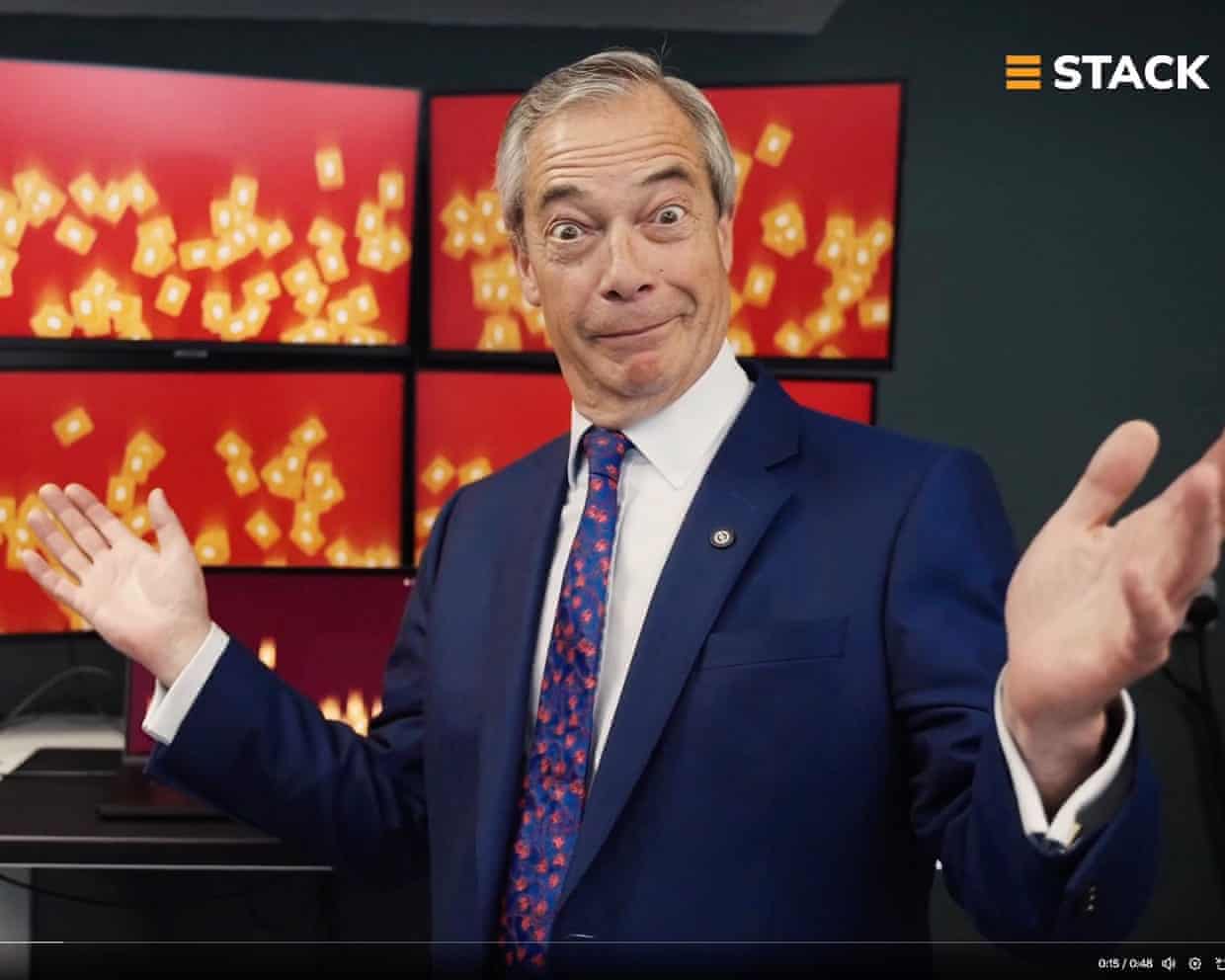
How a £2m bitcoin order made Nigel Farage the political face of UK crypto
A thumping electronic beat provides the soundtrack to the video as Nigel Farage appears in front of a bank of screens.At first glance, it could be yet another of the Reform UK leader’s “second jobs” – whether promoting gold as a pension fallback or recording Cameo videos. And in a sense, it is: Farage is promoting a £2m cryptocurrency purchase by a company in which he has £215,000 invested, Stack BTC.“So we are about to place our bitcoin order,” says Farage with a smile, drawing on the communication skills honed as a politician and GB News anchor.After pressing a button, he shrugs theatrically as a bugle marks the “purchase” before the clip cuts to him standing on a roof with Kwasi Kwarteng, the former Tory chancellor known for his disastrous 2022 mini budget in the government of Liz Truss

‘Bizarre’ lack of urgency in putting UK on war footing, says defence review co-author
A co-author of Britain’s strategic defence review has joined criticism of Keir Starmer’s leadership on military policy, warning of a “bizarre” lack of urgency in defence planning.Fiona Hill, a former chief adviser to the White House on Russia, echoed the concerns of George Robertson, her co-author with Gen Richard Barrons on the strategic defence review (SDR), over what he had called the prime minister’s “corrosive complacency”.Robertson, a peer and former head of Nato, has publicly aired his frustration at the government’s failure to come forward with its 10-year spending plans for defence following publication of the SDR last June.Elaborating further on Tuesday night in a speech in Salisbury, Wiltshire, he accused “non-military experts in the Treasury” of “vandalism” and warned that “we cannot defend Britain with an ever-expanding welfare budget”.Robertson also disclosed he had a discussion with the defence secretary, John Healey, on Monday about his intervention
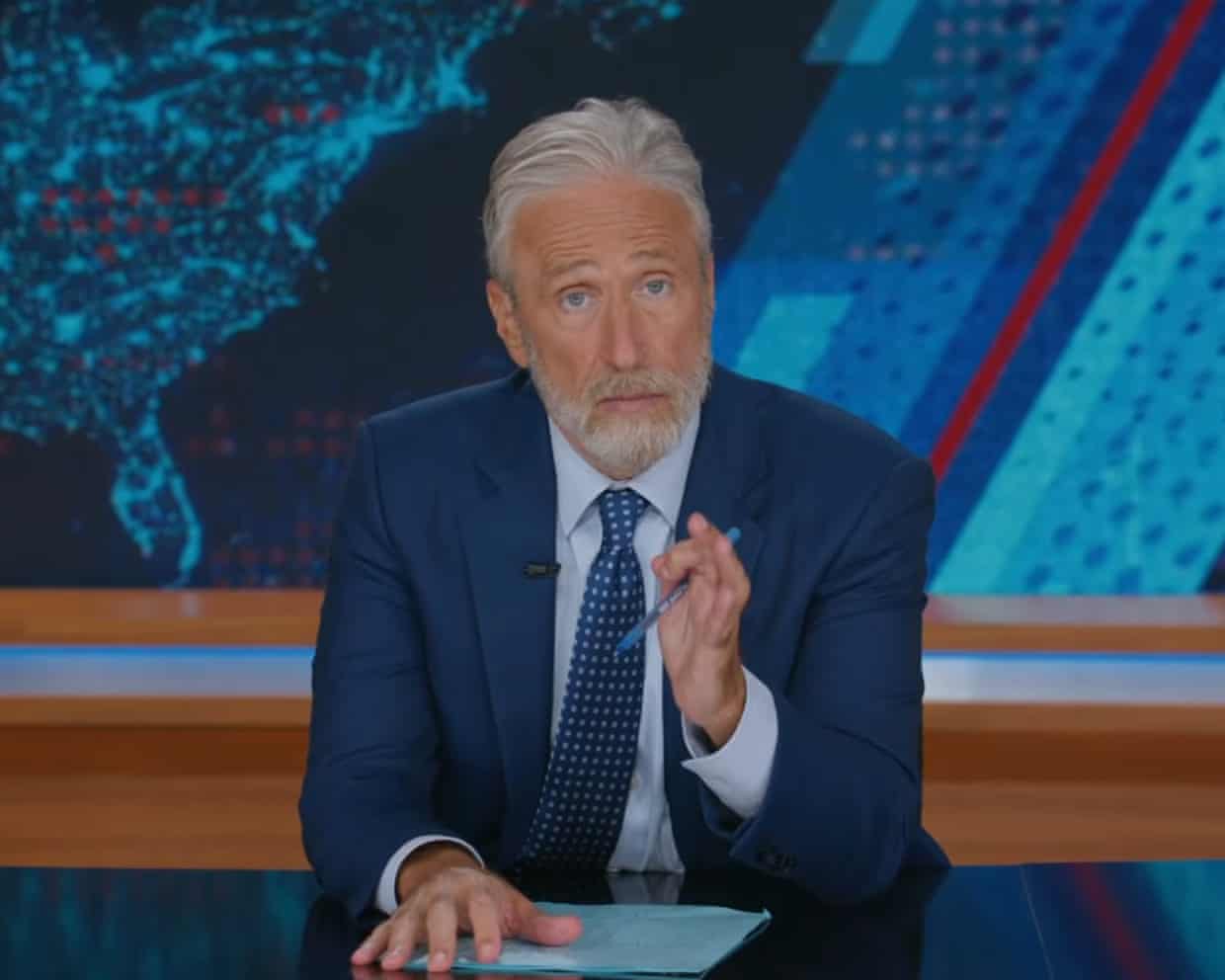
Jon Stewart on Trump’s Jesus photo denial: ‘Do you even care about lying to us any more?’
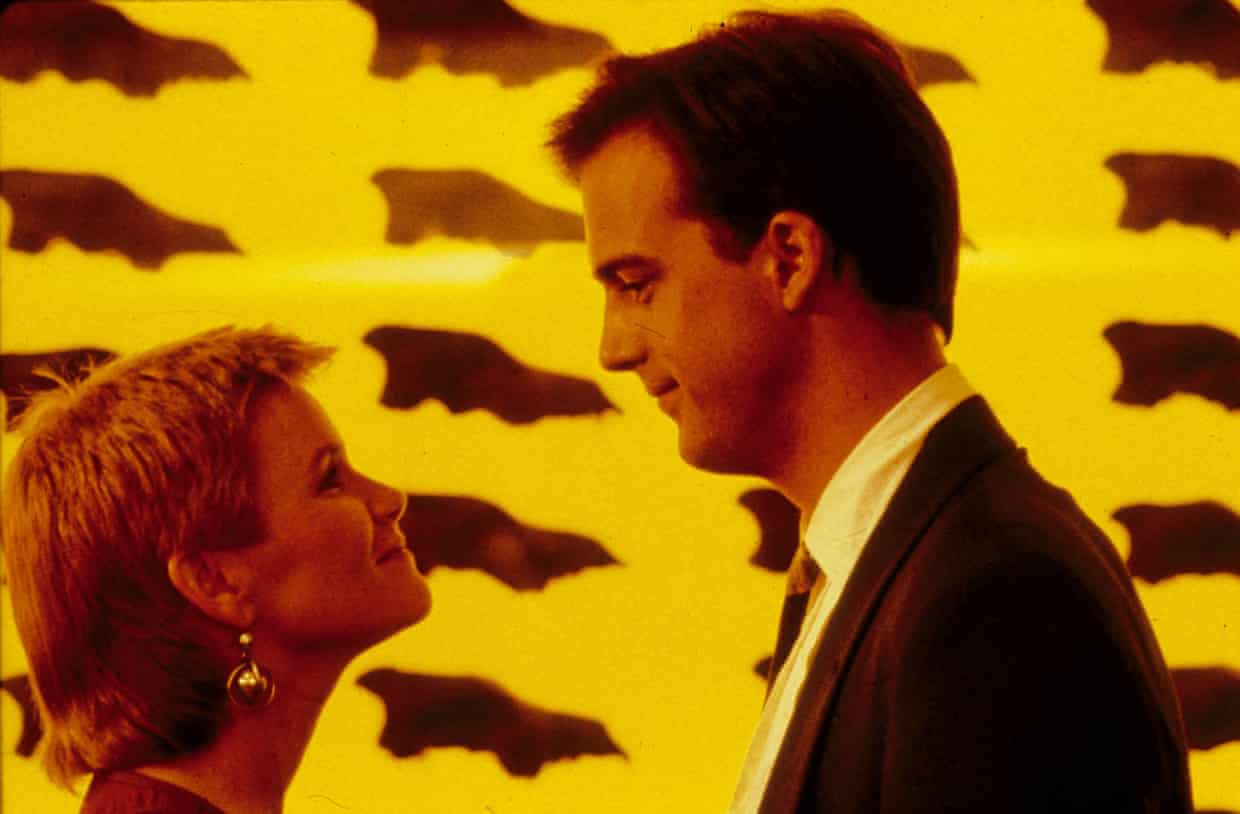
Miracle Mile: boy meets girl, romcom meets nuclear war
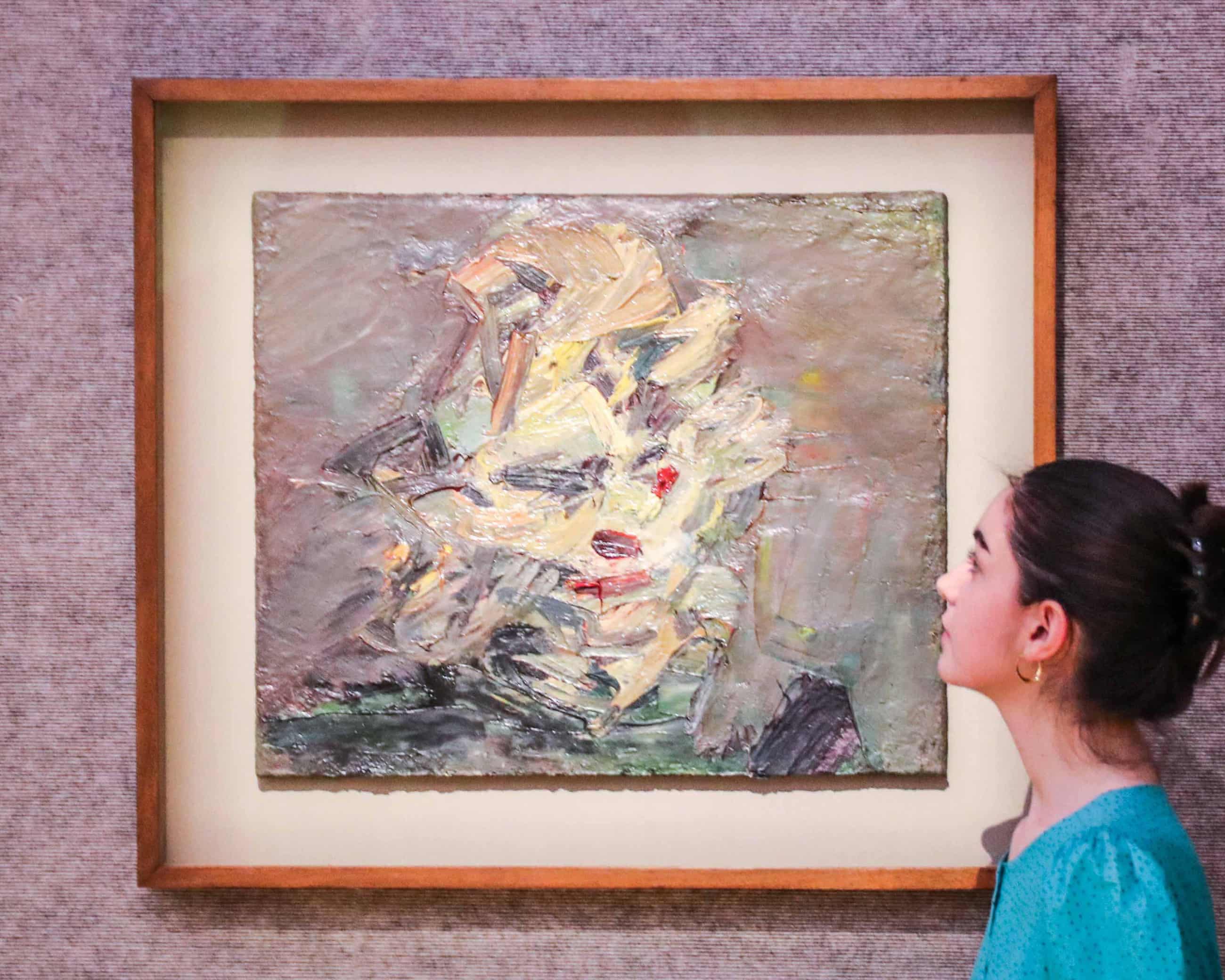
‘It was life-changing’: the celebrated art historian who spent 46 years sitting for Frank Auerbach

Cultural venues in England to share £130m under Arts Everywhere scheme
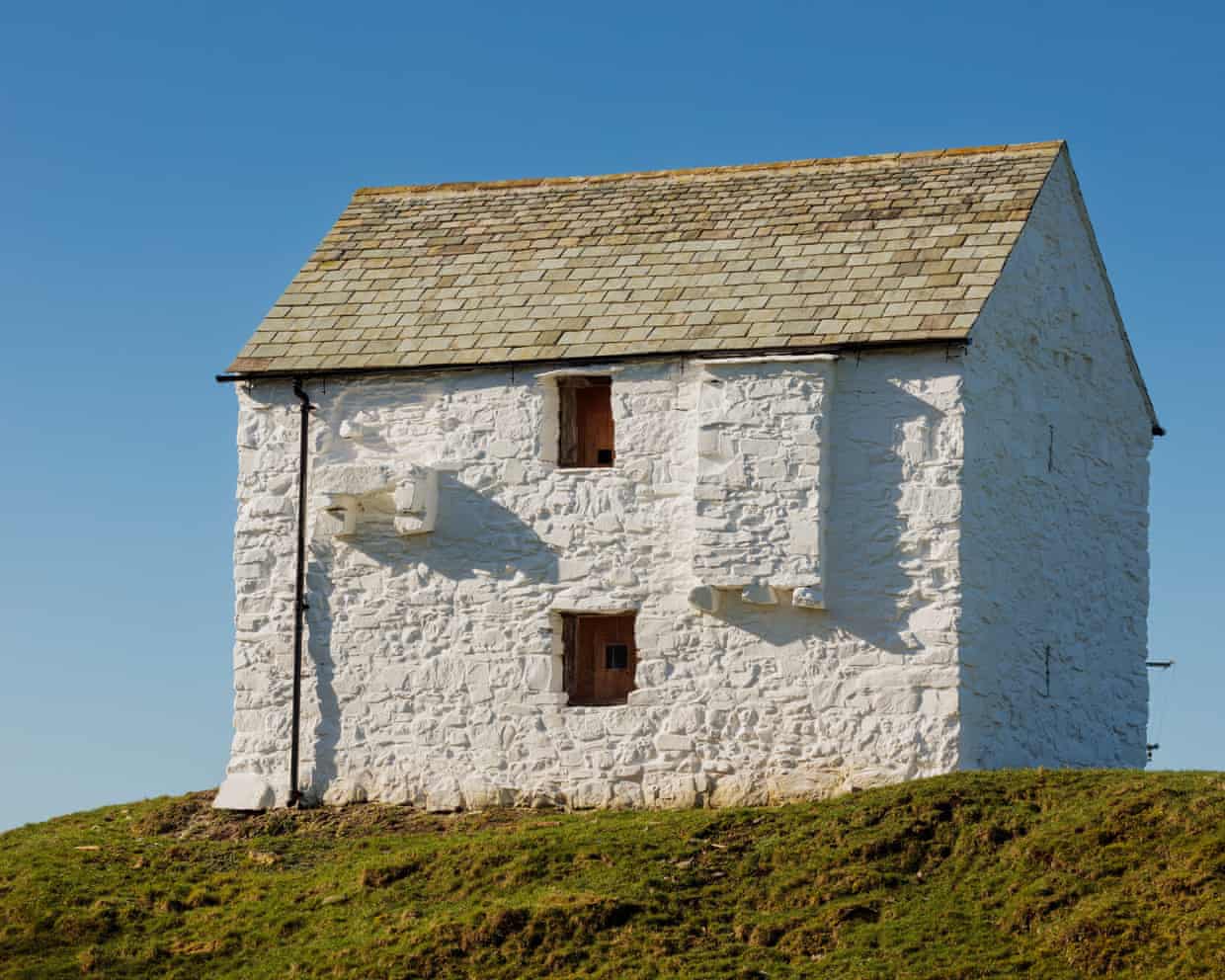
Mysterious Lake District barn joins national treasures on heritage list

‘A cauldron of people with their tops off!’ Goldie, Estelle, Courtney Pine, Flo and more pick great moments in Black British music