Starmer rejects accusation Labour is ‘complacent’ on defence funding
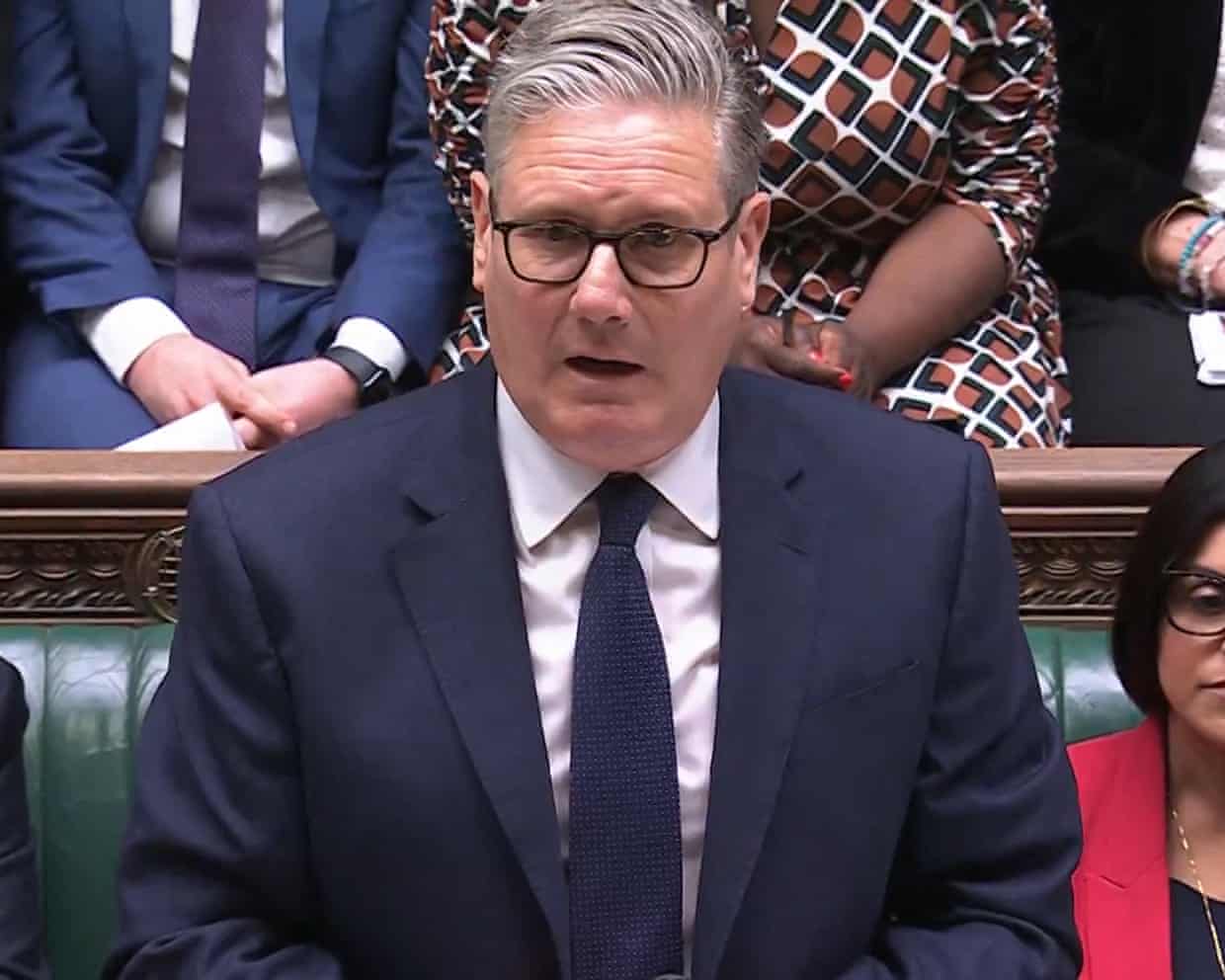
Keir Starmer has said he does not agree with George Robertson’s comments about the government’s “corrosive complacency” on defence funding, as the prime minister faced sustained pressure on the issue.Questioned in the Commons about the claims by Robertson, the former Labour defence secretary and Nato chief who co-authored a defence review for the government, Starmer insisted that defence spending was increasing rapidly.Pressed by Kemi Badenoch about whether he agreed with Robertson, now a Labour peer, that social security should be cut to boost defence, Starmer said his government was tackling both areas – and argued that previous Conservative governments neglected them.Government sources have not denied that Rachel Reeves has proposed increasing the budget by less than £10bn over the next four years amid concerns that any more would be unaffordable.While the government has committed to reach 2.
5% of GDP on defence from April next year, then 3% in the next parliament, military leaders believe there is still a £28bn shortfall after years of the armed forces being hollowed out by successive administrations.With defence spending discussions due this week, military leaders are understood to have been asked to find £3.5bn in savings this year, even as the armed forces are being readied for conflict.Asked by Badenoch whether he agreed with Robertson, Starmer said: “I respect Lord Robertson, and I thank him again for carrying out the strategic [defence] review.My responsibility is to keep the British people safe, and that is a duty I take seriously.
That is why I do not agree with his comments.”Questioned about when a promised defence investment plan would materialise, Starmer said it was important to get this right, and that it would be “published as soon as possible”.He defended Reeves’s record on defence spending, saying that the promised increases to the defence budget were possible “because of the decisions of this chancellor”.Robertson publicly aired his frustration at the government’s failure to come forward with its 10-year spending plans for defence in a speech on Tuesday night, saying: “We cannot defend Britain with an ever-expanding welfare budget.”Speaking earlier on Wednesday, James Murray, the chancellor’s deputy, argued that balancing welfare and defence spending “is not a zero-sum game”.
“We’ve decided to have the biggest sustained increase in defence investments since the cold war,” Murray told Times Radio.“At the same time, we’ve begun our work to reform the welfare system, changing universal credit, reducing fraud and error, reforming motability.There’s more work to do.”He added: “It’s not a zero-sum game because we are increasing the investment in defence as a result of our decisions to record levels … It’s worth also saying that the welfare system isn’t some kind of amorphous blob.It includes things like our decision to remove the two-child benefit cap, which helps hundreds of thousands of children out of poverty.
”John Healey, the defence secretary, is understood to be pushing the Treasury for more money for defence,However, the suggestion that public spending cuts may be necessary to fund defence has prompted an angry reaction on the left of Labour,John Hutton, a Labour peer who was a defence secretary under Tony Blair, said Starmer needed to “knock heads together here” and ensure the Treasury released more funding without first seeking guarantees on procurement systems,He told the Guardian: “I think the Treasury rightly feel that the MoD wastes a lot of money at the moment, as they do – the procurement process is notoriously inefficient – and you could really save significant money, which you could then reinvest,“But I don’t think it’s reasonable for the Treasury to say at the moment that until you come up with a credible plan [for efficiencies] – I think they want six or seven billion from the MoD – until you come up with that plan, we won’t allow you to spend.
That is completely wrong,Because that just simply does not take into account the geopolitical situation we’re in,”
NAACP lawsuit accuses Elon Musk’s xAI of polluting Black neighborhoods near Memphis
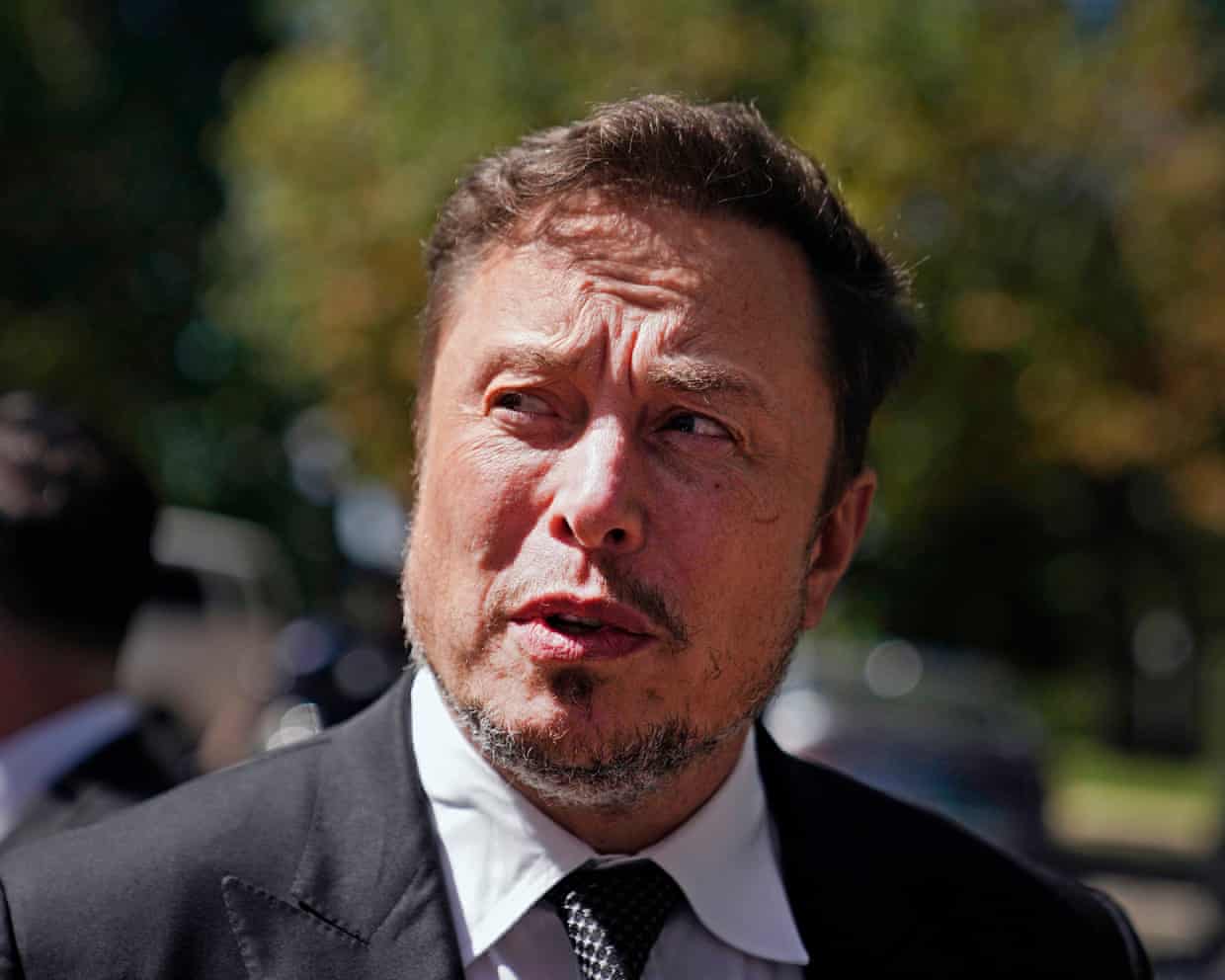
A new lawsuit accuses Elon Musk’s artificial intelligence company of illegally spewing toxic pollutants into the Black neighborhoods on the border of Tennessee and Mississippi.The suit, filed on Tuesday in Mississippi federal court, alleges xAI is violating the Clean Air Act due to emissions from its makeshift power plant in Southaven, Mississippi, which powers its datacenters in south Memphis. The NAACP, represented by environmental groups Southern Environmental Law Center and Earthjustice, says xAI has been polluting the surrounding historically Black communities by using dozens of methane gas generators without permits. The organization is seeking to force the company to stop operating its unpermitted turbines in Southaven.“All too often, big corporations like xAI treat our communities and families like obstacles to be pushed aside,” said Derrick Johnson, the president and CEO of the NAACP

China now the ‘good guy’ on AI as Trump takes ‘wild west’ approach, MPs told
China is now the “good guy” on AI rather than Donald Trump’s US, where the technology is being pursued in a dangerous “wild west” manner, a former UN and UK government adviser has told MPs.Prof Dame Wendy Hall, who was a member of the UN’s AI advisory board and co-wrote a review of AI for Theresa May’s government, told the House of Commons business and trade committee that China was backing multinational attempts to introduce global governance of AI, in contrast to America, which had set up a race between profit-hungry companies that relied on hype.“China is doing some amazing work in AI, and in fact, at the moment they’re acting as the good guys because the US is totally against any regulation and talk about global governance,” said Hall, who is director of the Web Science Institute at the University of Southampton. “It’s all Maga. It’s all: we’re going to win at all costs

Bosses say AI boosts productivity – workers say they’re drowning in ‘workslop’
Ken, a copywriter for a large, Miami-based cybersecurity firm, used to enjoy his job. But then the “workslop” started piling up.Workslop is an unintended consequence of the AI boom. It’s what happens when employees use AI to quickly generate work that seems polished – at least superficially – but is in fact so flawed or inaccurate that it needs to be heavily corrected, cleaned up or even completely redone after it’s passed on to colleagues.For Ken, the problem started after his company’s CEO laid off several of his colleagues and mandated that remaining workers use AI chatbots, saying it would boost their productivity

AI companies make powerful tech – but they’re also savvy marketers
Hello, and welcome to TechScape. I’m your host, Blake Montgomery, the Guardian’s US tech editor, writing to you from my happy village in Pokopia.Artificial intelligence companies make powerful products. They also make outlandish claims.Last week, Anthropic released Claude Mythos, an AI model focused on cybersecurity, which has inspired widespread thrill and panic over how capable it is said to be

Don’t make Marshal Foch’s mistake on AI | Letters
Emma Brockes’ article struck a chord (It’s finally happened: I’m now worried about AI. And consulting ChatGPT did nothing to allay my fears, 8 April). I am reading Marc Bloch’s Strange Defeat, in which the eminent French historian and soon-to-be-executed resistance worker gives a first-hand account of the collapse of the French army in 1940. He attributes the debacle at least in part to a failure of imagination on the part of the French general staff, who were incapable of grasping that technology, and war, had fundamentally changed since 1918.Brockes’ article suggests that we, and our leaders, are suffering from the same inability to understand that a technology which is currently amusingly alarming will develop in less amusing ways – the future Marshal Ferdinand Foch had, according to Bloch, earlier dismissed aircraft as being a toy for hobbyists and not of any military interest
Meta creating AI version of Mark Zuckerberg so staff can talk to the boss
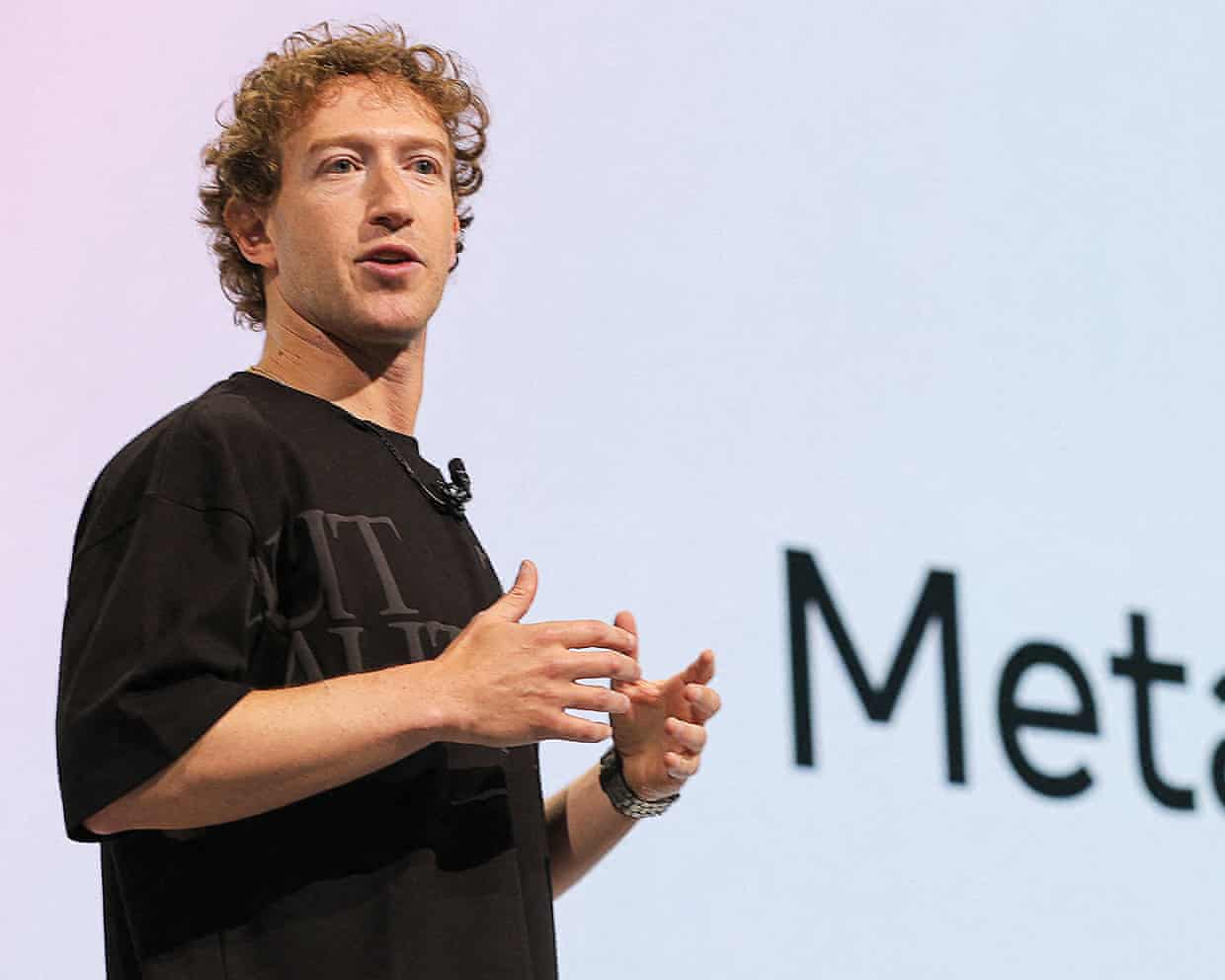
If you are one of Meta’s almost 79,000 employees and cannot get hold of the boss, do not worry. The owner of Facebook and Instagram is reportedly working on an AI version of Mark Zuckerberg who can answer all your queries.The AI clone of Zuckerberg, Meta’s founder and chief executive, is being trained on his mannerisms and tone as well as his public statements and thoughts on company strategy.The rationale behind the project, according to the Financial Times, is that employees could feel more connected to one of the most powerful people in Silicon Valley.The Meta chief has a history of creating and experimenting with digitalised versions of himself

Reeves tells Americans she does not know why they launched Iran war – as it happened

Scottish Labour leader says claim he tried to do Reform deal is ‘desperate lie’

Questions asked and answers given – up to a point. Welcome to lo-fi PMQs | John Crace
Starmer rejects accusation Labour is ‘complacent’ on defence funding

How a £2m bitcoin order made Nigel Farage the political face of UK crypto

‘Bizarre’ lack of urgency in putting UK on war footing, says defence review co-author