What is the new EU bill and could it give UK ministers Henry VIII-type powers?

Ministers in Britain are planning a new bill that would bring into force a food and drink trade deal with the EU but also contain powers enabling the government to “dynamically align” with Europe.It would allow the UK to quickly implement evolving single market rules if it determines it is in the national interest, without having to face full parliamentary scrutiny.Keir Starmer has made it clear he wants the UK to go much further in terms of the economic relationship with the EU.A summit is planned for early summer with Brussels, which Starmer has stated he hopes will go further than the deal struck last year at Lancaster House that covered food and drink imports, as well as plans for emissions trading and electricity.To implement the food and drink deal, the government will introduce a bill with a so-called “dynamic alignment mechanism” that will allow the government to align UK standards as the EU evolves its own rules.
But it will also allow ministers to go even further – to make changes across the economy depending on what is negotiated with Brussels, without introducing a new bill each time,The bill itself will need to pass through parliament in the usual way, but once it is passed the government can use secondary legislation to make further changes,This is normal practice for many bills, but takes on a additional weight when it comes to Brexit rules,The changes are possible under so-called Henry VIII powers – named after a 1539 law that enabled the monarch to rule by decree – that allow ministers to approve laws without full scrutiny from parliament using secondary legislation,Parliament does get a vote on secondary legislation – it can either approve or reject secondary legislation, but cannot amend it.
In practice, secondary legislation is often just rubber-stamped without debate and often goes through “on the nod” without even a full vote.With a large Labour majority it should be easy in the Commons, although the Lords may cause disruption.The bill is expected in the king’s speech in May but details have yet too be finalised with the EU over the original food and drink detail, so the legislation is likely to run in parallel with those negotiations, adding an extra layer of complication.The Liberal Democrats may also seek to amend the bill to make it even more pro-EU, including introducing a customs union, which could lead to a Labour rebellion.Both the Conservatives and Reform have opposed the bill and have said they will seek to revoke it if they come to power.
The bill would give ministers huge powers to align with new EU rules without the need for a full vote in parliament.This would make the UK a more stable negotiating partner for the EU, which is wary after being bitten by the parliamentary antics of the Brexit years.Government sources have likened the changes to how many agencies, such as the Food Standards Agency, update their regulations without a vote on each issue – though they are given that power by legislation.Starmer has defended the plans, saying a closer relationship with Europe is “in the UK’s best interest”.But even pro-EU MPs may balk at handing the government, without full parliamentary scrutiny, important powers over sectors such as the automotive industry, defence, agriculture and pharmaceuticals that could have a significant impact in their local areas.
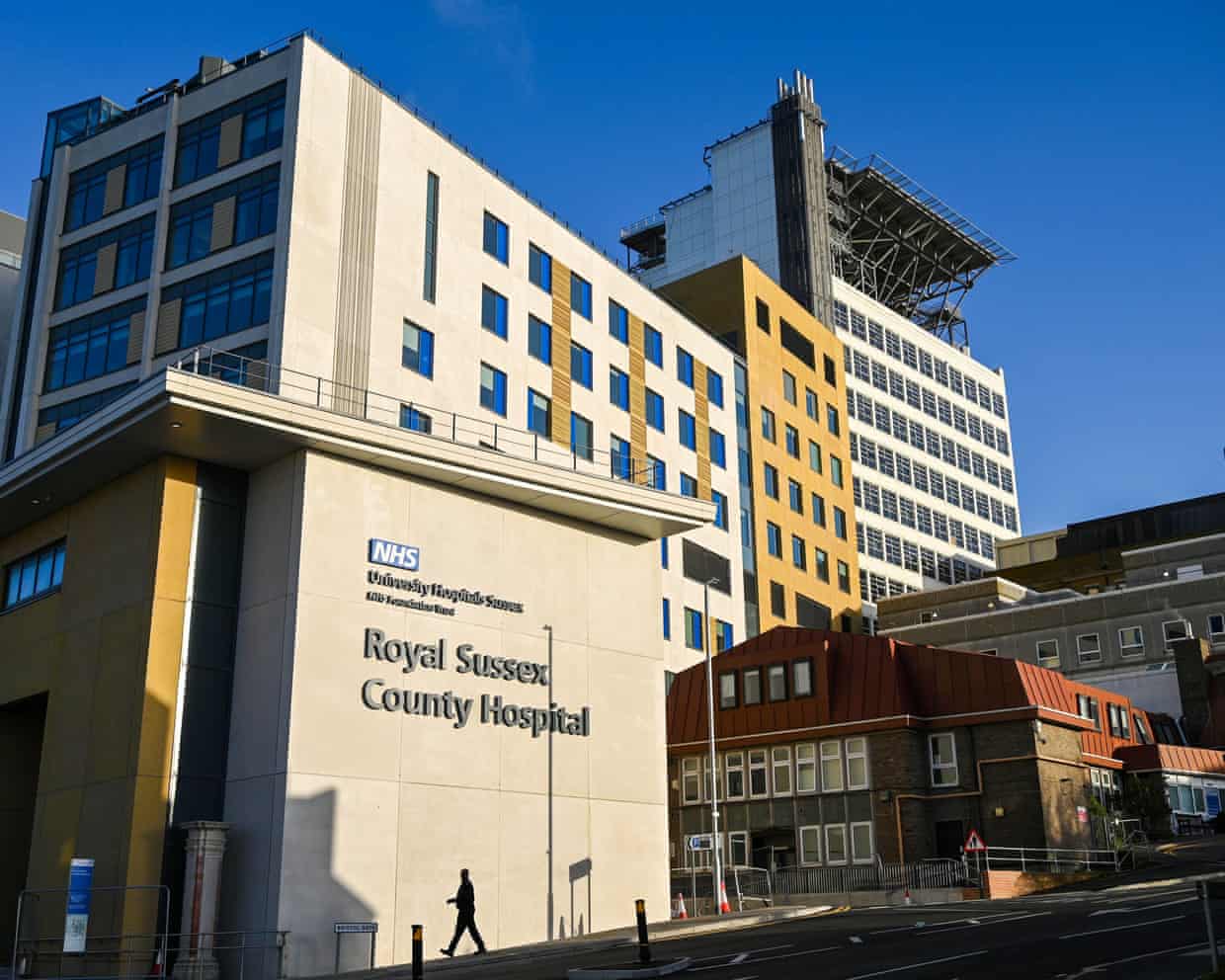
Sussex baby deaths inquiry will fail to learn lessons after excluding families, Streeting warned
An inquiry into the preventable deaths of babies in Sussex will fail to learn the lessons as it “systematically” excluded dozens of families, Wes Streeting has been warned before a meeting with bereaved parents.The health secretary has ordered a review of nine infant deaths at the University Hospitals Sussex NHS foundation trust amid maternity scandals across England. However, families are calling on Streeting to expand the investigation to all those who died and might have survived with better care.To date, the families of more than 60 babies who died between 2019 and 2023 have expressed concerns about their care, although the true figure is expected to be higher.Dr Marija Pantelic, a public health expert whose baby Sasha died in the care of UH Sussex in January 2022, said the narrow scope and opt-in nature of the review was dangerous and potentially harmful as it would be based on the experiences of an “overwhelmingly white and British” group of parents
AI to predict how bowel cancer patients will respond to new NHS drug
A new AI-driven way of identifying how patients with advanced bowel cancer will respond to a drug that was recently introduced by the NHS has been announced.Researchers at London’s Institute of Cancer Research and the RCSI University of Medicine and Health Sciences in Dublin have developed the method with the goal of sparing potentially thousands of patients from being given drugs that would be ineffective in fighting their cancers.In the UK alone, nearly 10,000 cases of advanced bowel cancer are identified every year, with young adults seeing a particular rise in diagnoses. Bowel cancer has the second highest mortality rate of any cancer, behind only lung cancer, and while survival rates can be as high as 98% when caught early, the five-year survival rate for advanced bowel cancer can be as low as 10%.The study tracked 117 European bowel cancer patients who had been treated with chemotherapy and bevacizumab, a drug that was approved by the NHS in December
More than a fifth of UK’s ‘austerity children’ scarred by poverty, study says
More than a fifth of all “austerity generation” British children have been scarred by poverty for at least half their childhood, a direct legacy of the welfare benefit cuts imposed by Conservative governments in recent years, research reveals.The proportion of children born after 2013 who spent at least six of their first 11 years of life in hardship surged after ministers froze working age benefits levels and imposed policies such as the two-child limit, it found.Austerity policies, which drastically shrank annual welfare spending by tens of billions a year and took thousands of pounds a year out of low-income family budgets, effectively pitched hundreds of thousands more children into sustained poverty.The University of Oxford study said the austerity-era growth in children exposed to poverty for most of their formative years was a “significant social problem” that would cause long-term harms to their health, education and life chances.The study’s co-author, Selçuk Bedük, said the post-2013 austerity cuts to welfare increased both the numbers of children experiencing poverty and the time they spent in it
Private firms providing services to NHS made £1.6bn profit in two years, research finds
Private firms providing services to the NHS including healthcare and consultancy have made £1.6bn in profits over the last two years, research reveals.The findings – on the basis of contracts worth £12bn – have prompted claims of “scandalous” profiteering, concern that the health service is being “taken for a ride” and calls for ministers to impose a cap on maximum profit levels.The £1.6bn in profits made in 2023-24 and 2024-25 would have been enough to pay for 9,178 doctors or 19,428 nurses during that time, according to the Centre for Health and the Public Interest
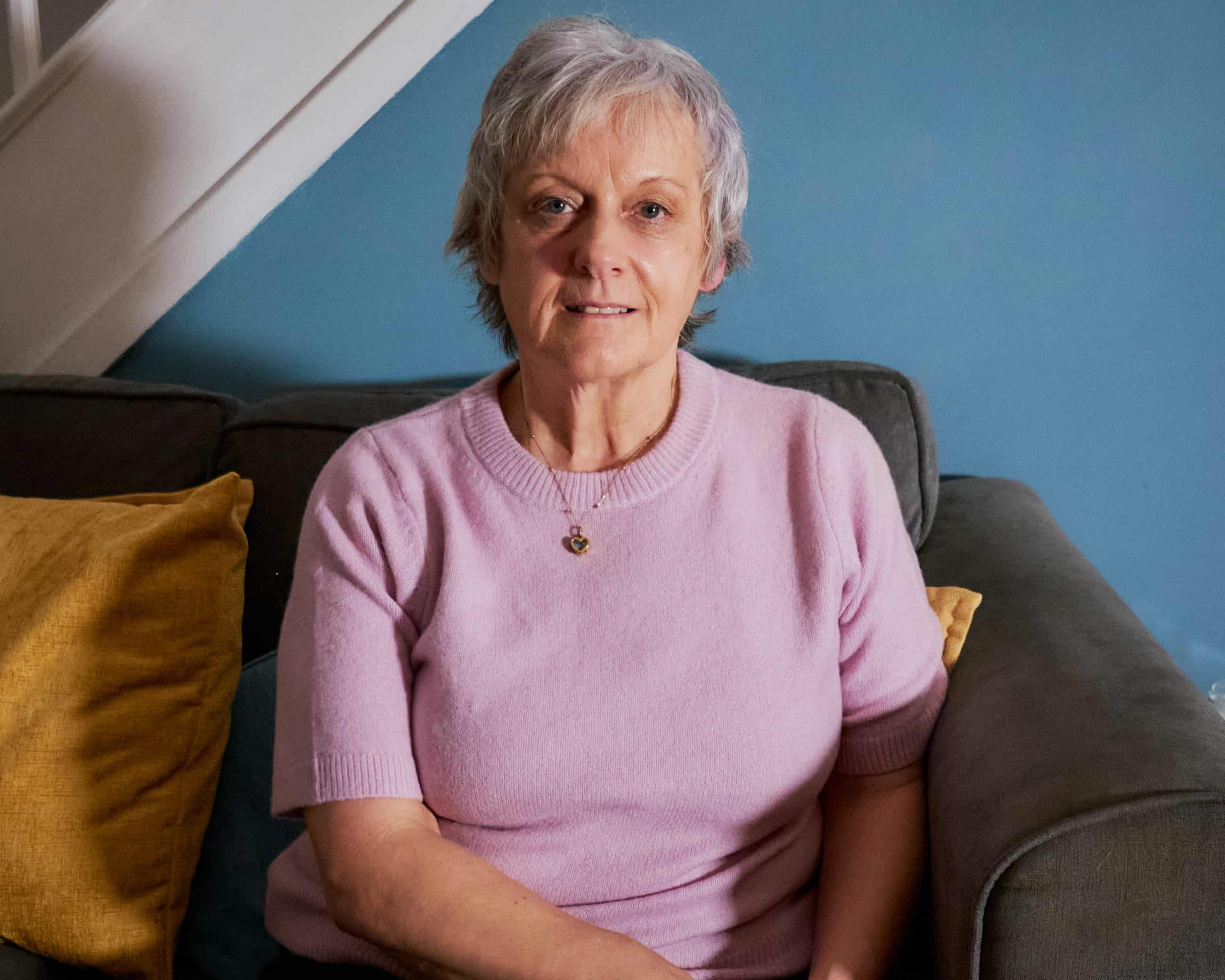
‘I just want to feel like me again’: the women still waiting for breast reconstruction years after lockdown
At the height of Covid, hundreds of cancer patients had mastectomies without the reconstruction that would normally accompany them. They would eventually get the surgery, they were told – but for many that promise feels more meaningless by the dayEvery time she lifts her arms to get dressed or hang out her washing, Julie Ford gets a painful reminder of one of the most terrifying experiences of her life. At 7am one day in April 2021, she had gone into hospital, alone and wearing a mask, to have her right breast and lymph nodes removed in a bid to stop breast cancer from spreading. Later that day, still groggy from the anaesthetic, in pain and with surgical drains hanging from both sides of her chest, she had staggered to the door with the help of two nurses. She was eased into a friend’s car and driven home to fend for herself
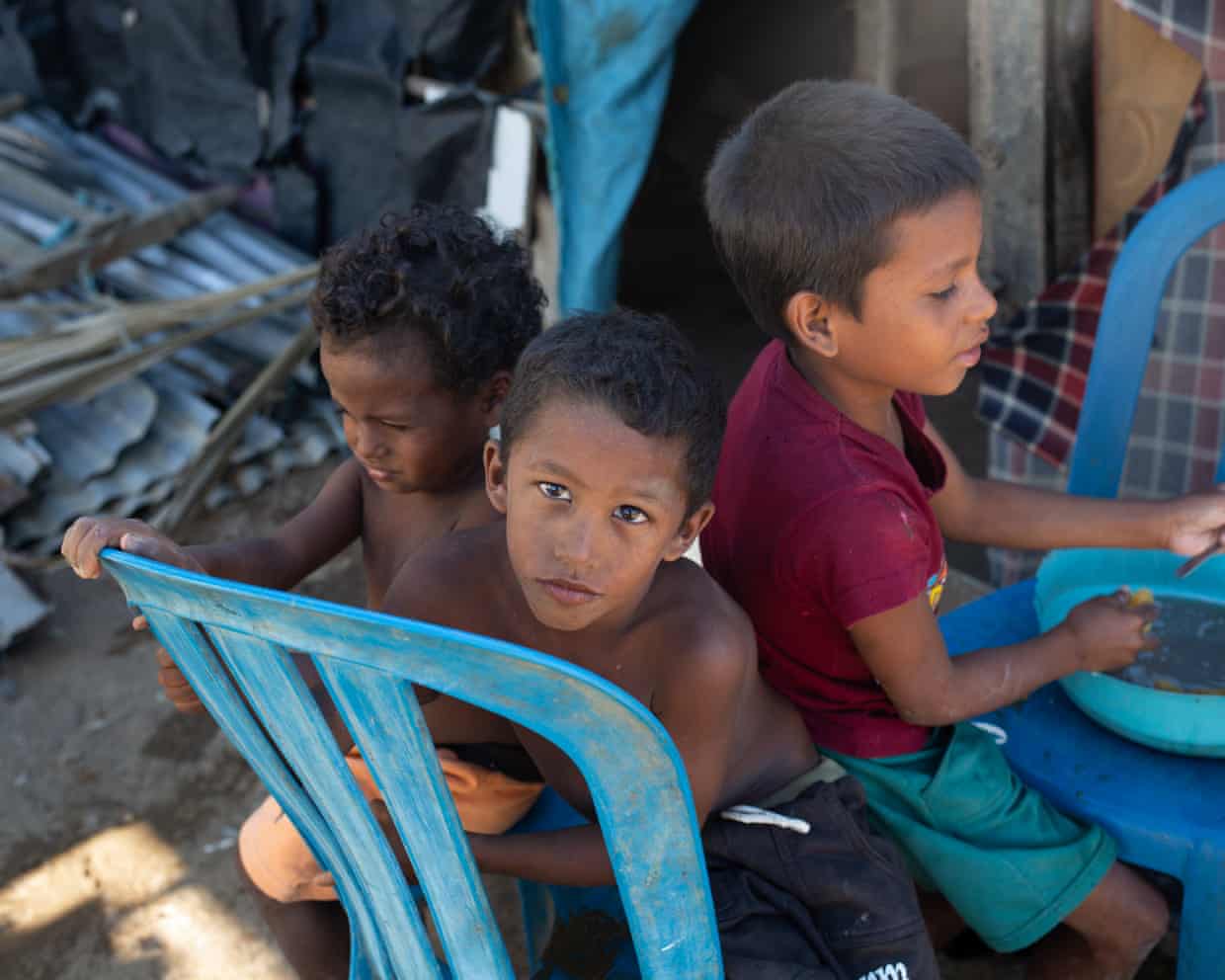
Iran war could plunge 32 million into poverty, says United Nations
More than 32 million people worldwide could be plunged into poverty by the economic fallout from the Iran war, with developing countries expected to be hit hardest.In a report issued amid doubts over a fragile ceasefire, the United Nations Development Programme (UNDP) said the world was facing a “triple shock” involving energy, food and weaker economic growth.The agency tasked with tackling poverty said the conflict was reversing gains in international development, with the impact expected be felt unevenly across regions.Alexander De Croo, administrator of the UNDP and former prime minister of Belgium, said: “A conflict like this is development in reverse. Even if the war stops, and a ceasefire is obviously very very welcome
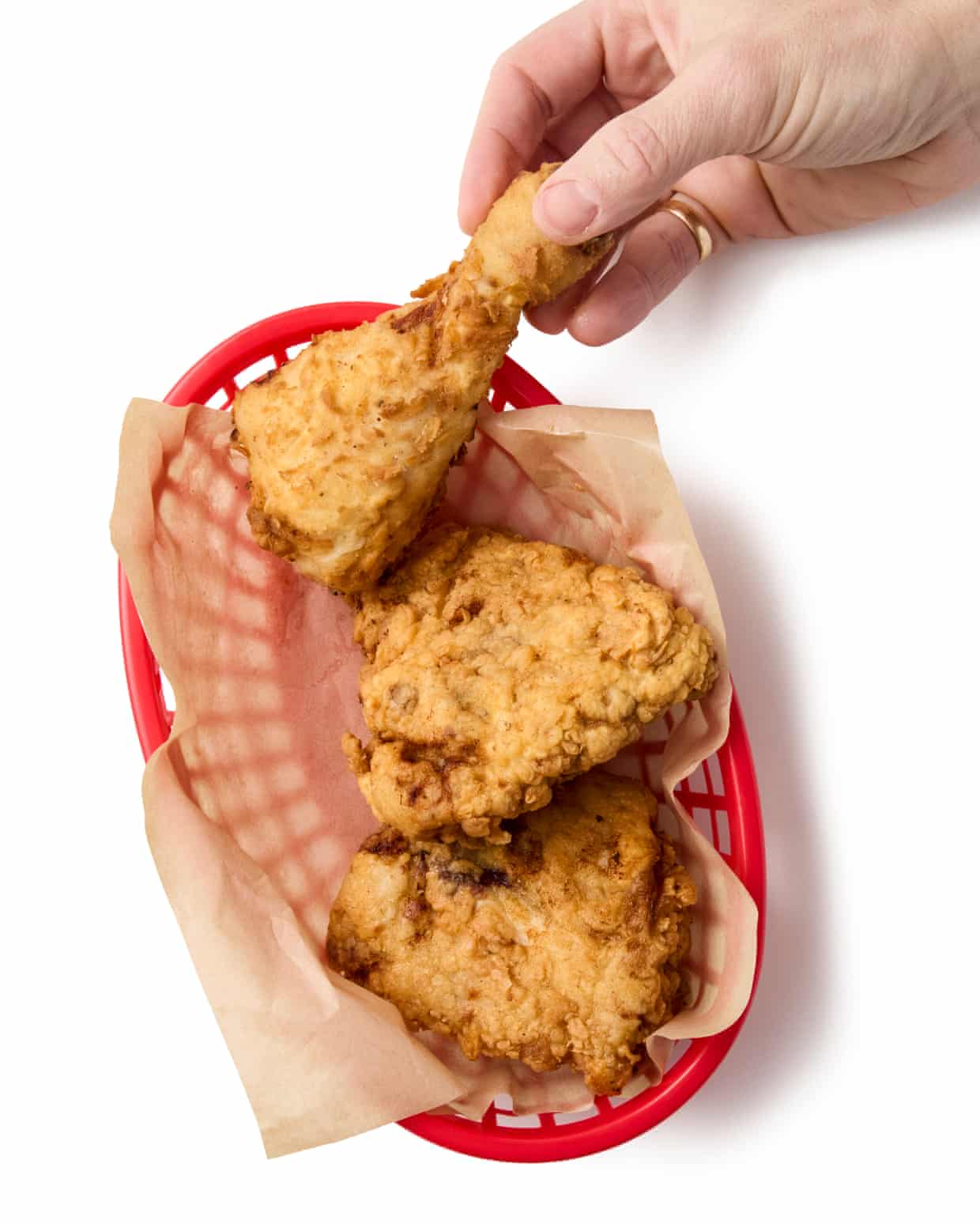
How to make Southern fried chicken – recipe | Felicity Cloake's Masterclass
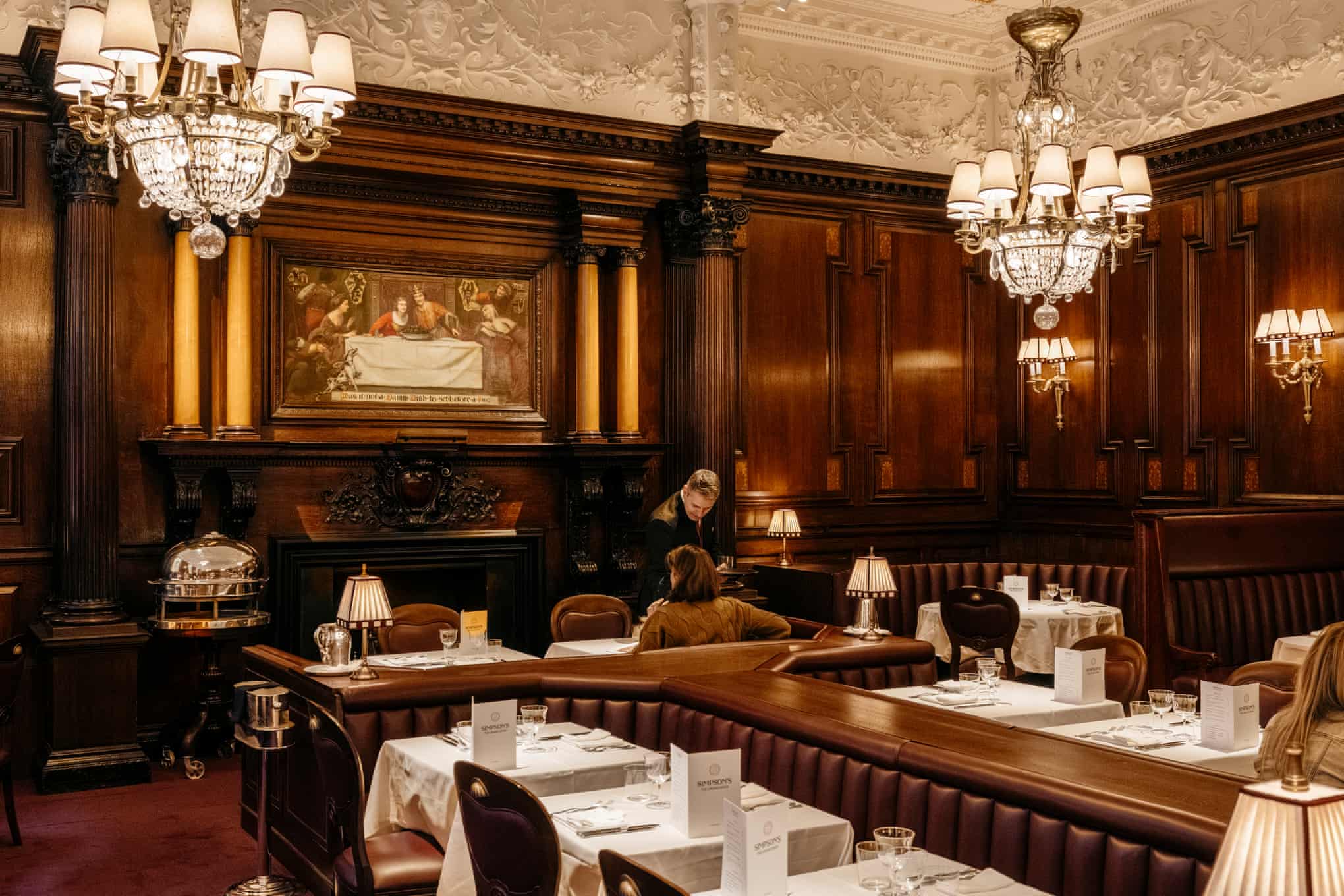
Simpson’s-in-the-Strand, London WC2: ‘A rollicking list of cosy British joys’ – restaurant review | Grace Dent on restaurants
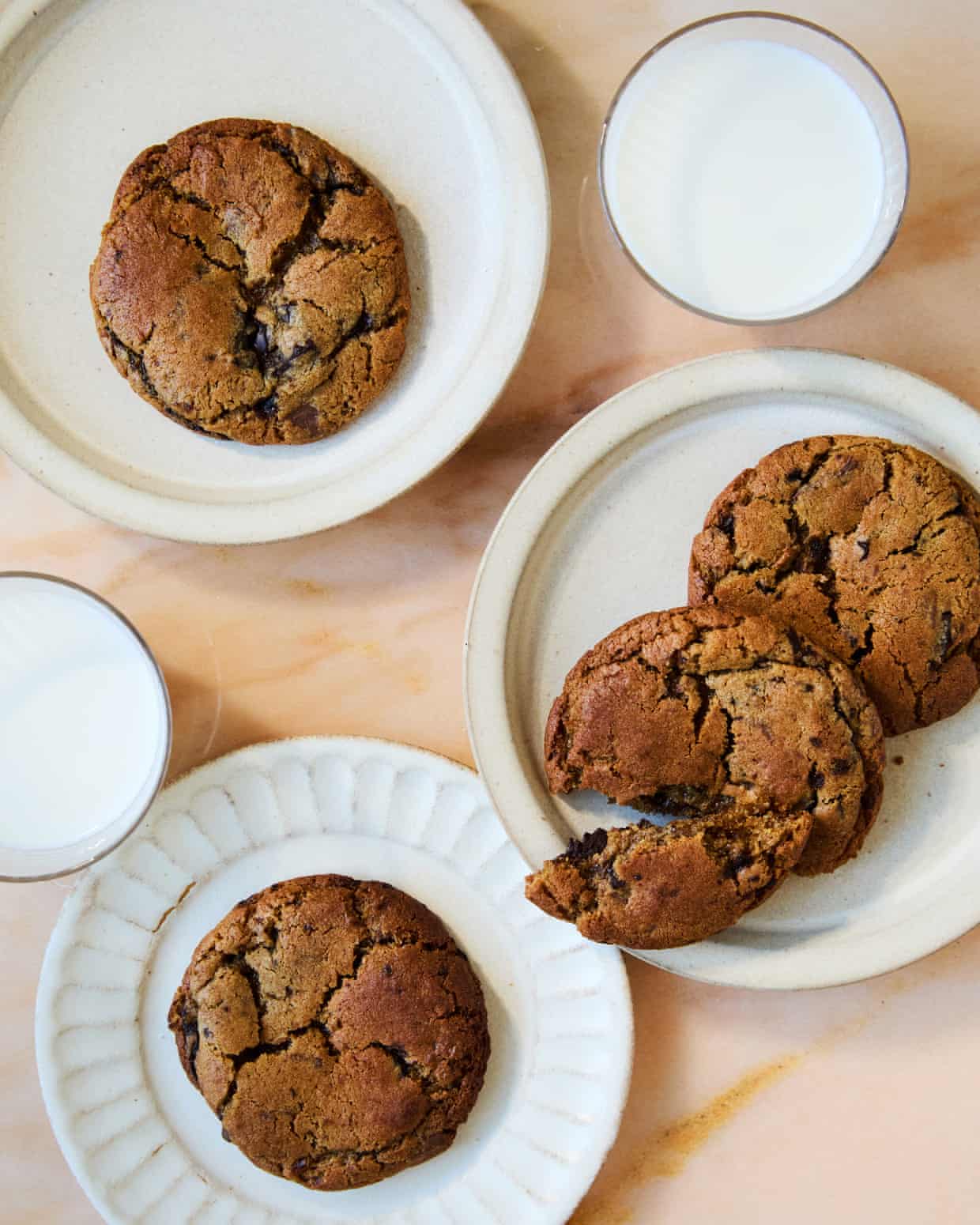
Benjamina Ebuehi’s sweet and salty chocolate chip cookies recipe | The sweet spot
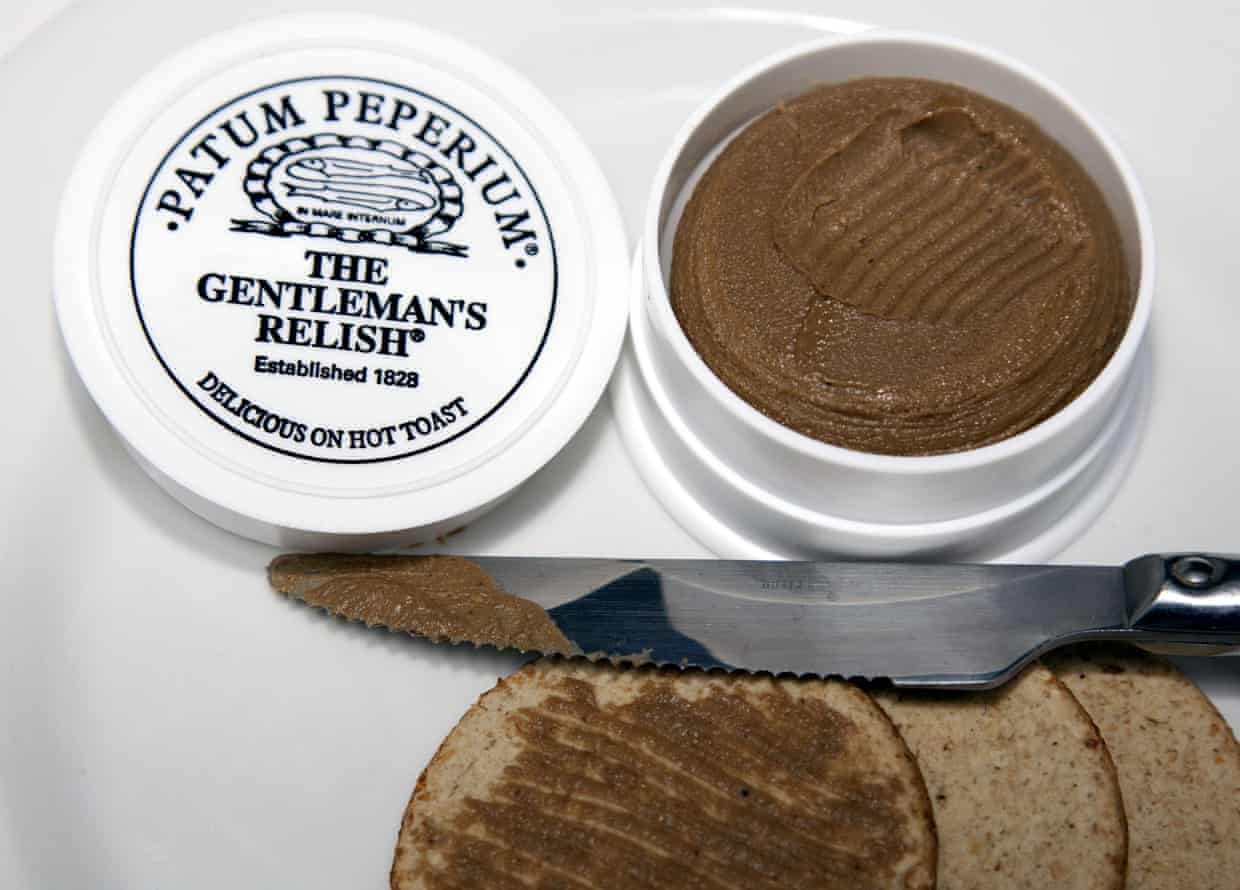
Gentleman’s Relish is toast after its maker axes the pungent anchovy spread
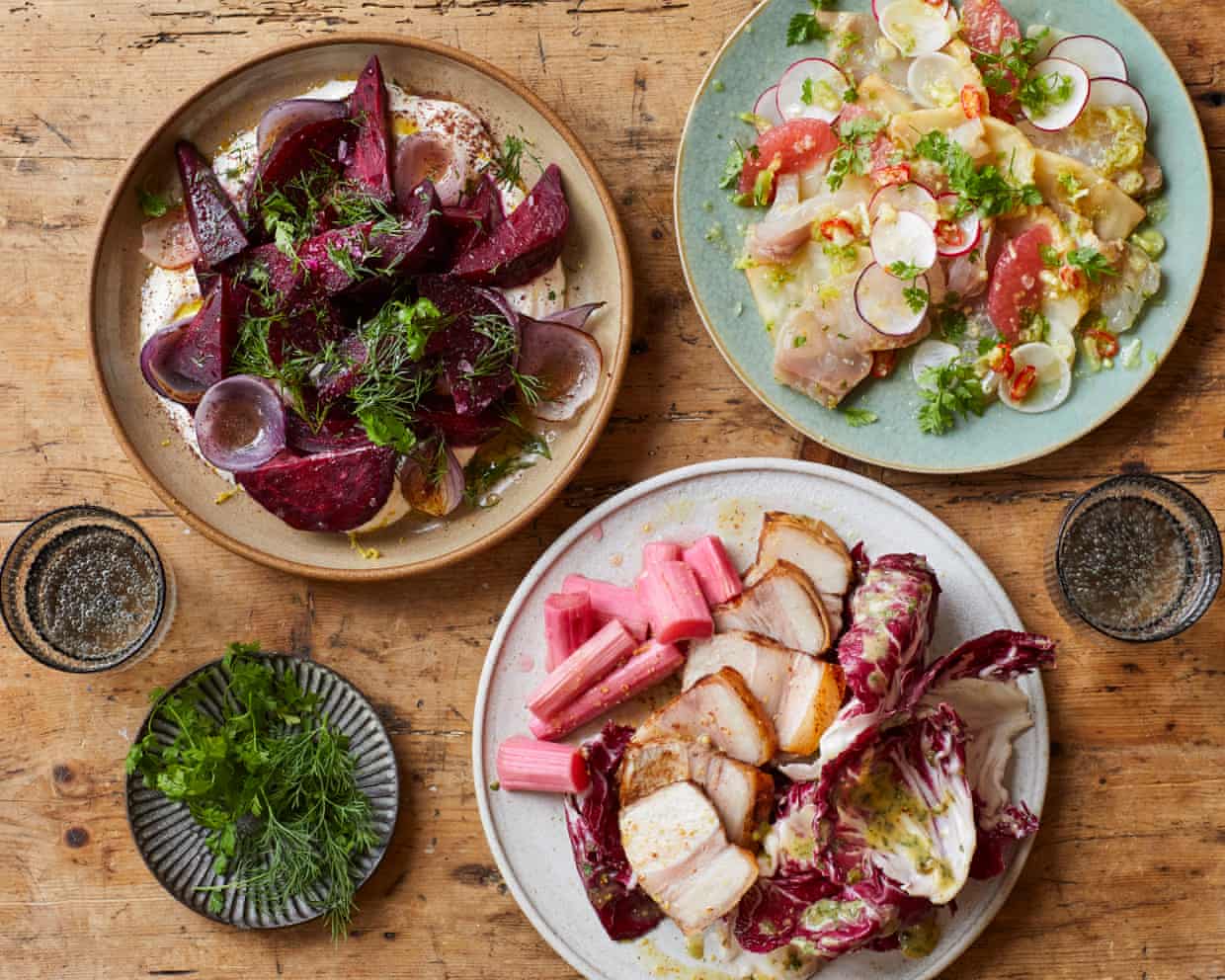
From soups and greens to roots, how to survive the ‘hungry gap’

Rachel Roddy’s recipe for hazelnut and chocolate cake | A kitchen in Rome