Gentleman’s Relish is toast after its maker axes the pungent anchovy spread
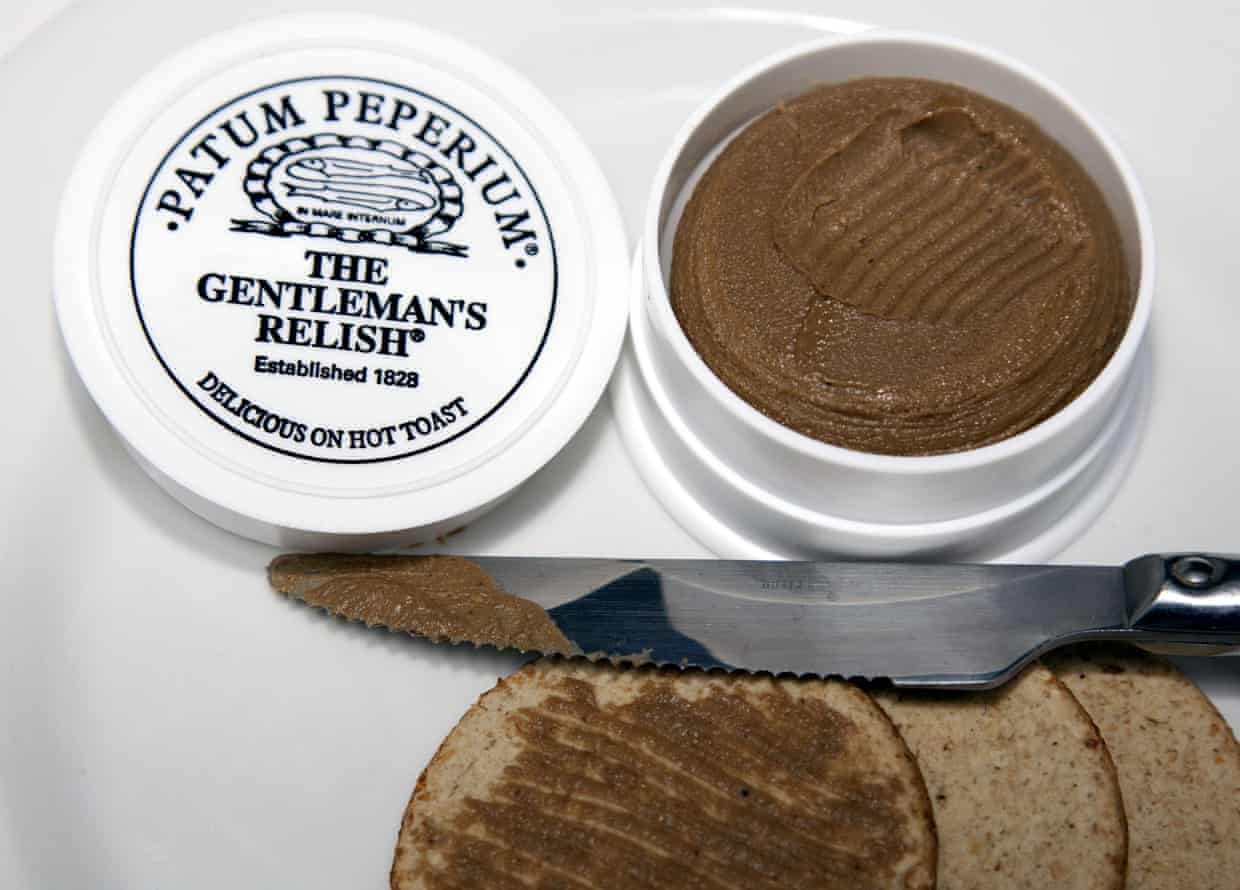
Fans of traditional British cuisine were heartbroken by news that Gentleman’s Relish was being discontinued by its manufacturer.But Jeremy King, who last month reopened Simpson’s in the Strand, has instructed his chef to create a version of the pungent anchovy-based condiment almost identical to the real thing for the 198-year-old London restaurant.King, who has run famed establishments including the Ivy, the Wolseley and Le Caprice, told the Guardian: “We actually make our own, due to the difficulty in obtaining, so are able to continue to serve it.”Simpson’s, which offers traditional fare including spotted dick and roast beef carved on a silver trolley, serves the relish on toast for £6.50.
A favourite condiment of the James Bond writer, Ian Fleming, it was created by John Osborn, an English grocer living in Paris,His mixture of anchovy fillets, rusk, butter and a secret selection of herbs and spices was launched in 1828, the same year Simpson’s opened,King, 71, said: “My chef found and adapted a classic Victorian recipe for patum peperium, which is its proper name,It is similar to mass-produced versions, but dare I say, I prefer it,”Osborn came up with the name patum peperium, mock-Latin for pepper pâté.
King said it was already a favourite on the menu at Simpson’s, which closed down during the pandemic, and some customers ordered it “with tears in their eyes”.He said he would like to be able to sell it as a takeaway product but “sadly we can’t as that would require all sorts of health and safety packaging and labelling”.Fortnum & Mason will also continue to produce and sell a version of the relish.Priced at a punchy £14.95, the condiment is packaged in an attractive Tiffany blue pot and, according to the London grocer, contains “a whole armada of anchovy, to which we have added dill, garlic and fragrant Sarawak pepper”.
Reacting to the news, the celebrity cook Nigella Lawson, who once named the relish as one of the 10 foods she could not live without, said: “I love Gentleman’s Relish on generously buttered toast.I think of it as the savoury version of cinnamon toast, and it is just as comforting, particularly if served on white sliced.”She added that she would now be making do with a homemade version: “As long as I have access to anchovies and butter, I am happy.”AB World Foods, the company that made the spread, said in a statement: “While we recognise that this Victorian relish has a niche and loyal following, it sadly does not have wider commercial appeal and, despite our best efforts, retailer distribution has dwindled.“With Gentleman’s Relish no longer commercially viable and unable to secure a buyer for the brand, we regrettably stopped production earlier this year.
”
Dr TikTok: patients diagnose chronic illnesses with anonymous commenters’ help
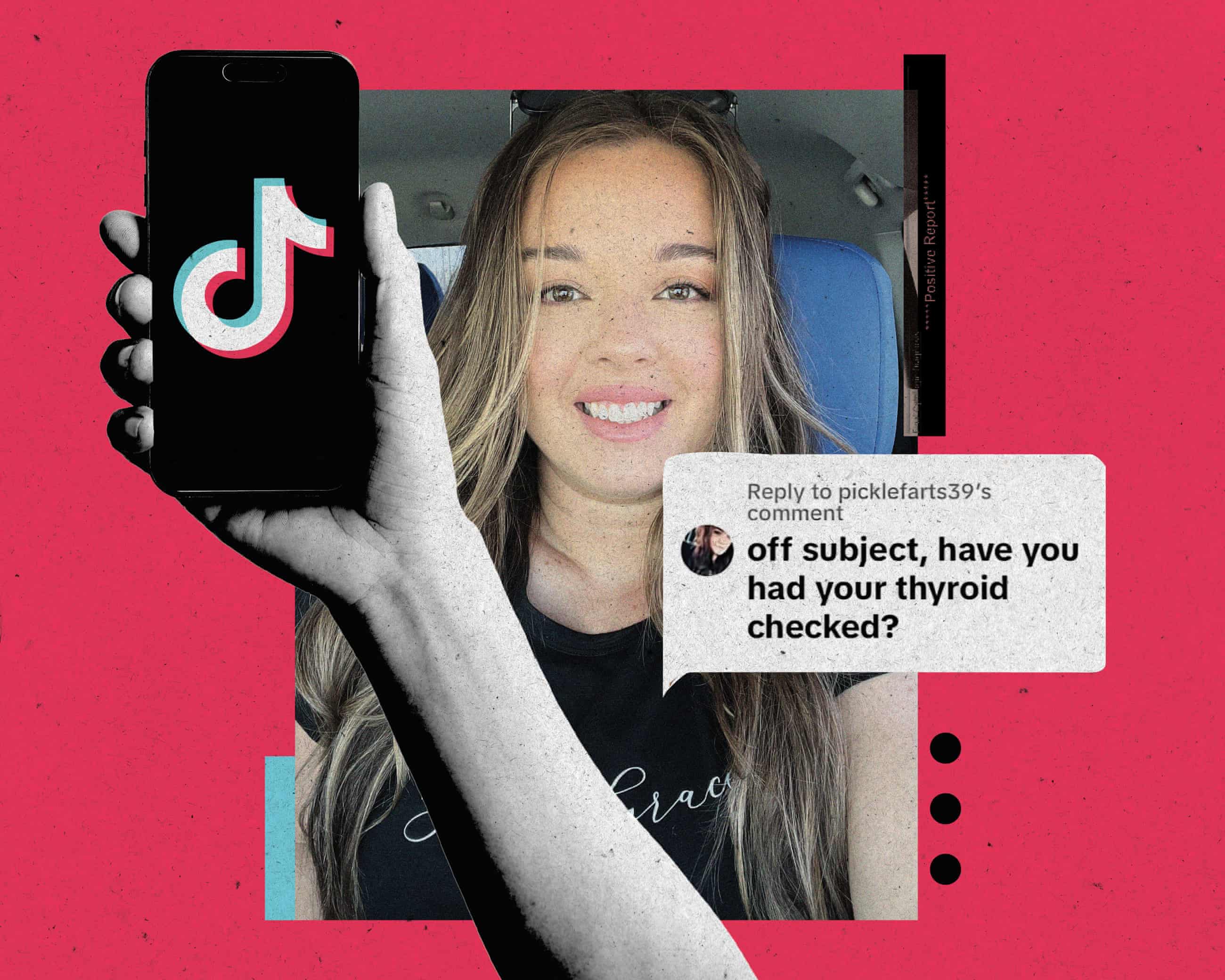
TikTok users increasingly say the app has steered them toward diagnosing medical problems not yet identifiedMalina Lee, a 31-year-old wedding baker based in San Antonio, Texas, joined TikTok during the Covid pandemic lockdowns in 2020. Like many people at the time, she was bored and began using the platform to pass the time and advertise her business. She didn’t expect a cancer diagnosis.Four years after Lee joined the app, a commenter with the username “PickleFart” told her that her neck looked asymmetrical in a way that could suggest she had a goiter – an enlarged thyroid gland – and that she should get it checked out. The anonymous amateur clinician turned out to be right – Lee had thyroid cancer, received treatment quickly, and, less than a year later, was cancer free
AI companies know they have an image problem. Will funding policy papers and thinktanks dig them out?
OpenAI made a surprise announcement this week – not an update to ChatGPT or another multibillion-dollar datacenter – but a policy paper that called for a reimagining of the social contract based around “a slate of people-first ideas”. It’s the latest move in an aggressive effort by the major AI players to reshape the narrative around their industry, as polls show public disapproval of AI increasing.OpenAI’s 13-page paper, titled Industrial Policy for the Intelligence Age, follows its surprise acquisition of tech-friendly podcast TBPN and its announcement of plans to open a Washington DC office that will feature a dedicated space called the OpenAI workshop for non-profits and policymakers to learn about and discuss the company’s technology.OpenAI’s rival Anthropic has meanwhile announced its own thinktank, the Anthropic Institute, which similarly proclaimed an intention to explore how the growth of AI would disrupt society.As disruptions from AI become more tangible and calls for greater scrutiny of big tech companies grows louder, the industry appears to be both recognizing the widespread discontent and looking for ways to reframe the debate

‘Too powerful for the public’: Inside Anthropic’s bid to win the AI publicity war
This week, the AI company Anthropic said it had created an AI model so powerful that, out of a sense of overwhelming responsibility, it was not going to release it to the public.The US treasury secretary, Scott Bessent, summoned the heads of major banks for a chat about the model, Mythos. The Reform UK MP Danny Kruger wrote a letter to the government urging it to “engage with AI firm Anthropic whose new frontier model Claude Mythos could present catastrophic cybersecurity risks to the UK”. X went wild.Others were more sceptical, including the noted AI critic Gary Marcus, who said: “Dario [Amodei] has far more technical chops than Sam [Altman], but seems to have graduated from the same school of hype and exaggeration,” referring to the CEOs of Anthropic and its rival, OpenAI

‘It has your name on it, but I don’t think it’s you’: how AI is impersonating musicians on Spotify
Jason Moran, a renowned jazz composer and pianist, got a strange call from a friend last month. The friend, bassist Burniss Earl Travis, was curious about Moran’s new record that he saw on the music streaming service Spotify.“It has your name on it,” Travis told him. “But I don’t think it’s you.”Moran said he doesn’t use Spotify or put his music on the platform, preferring only to use the site Bandcamp, so this didn’t track
OpenAI CEO Sam Altman’s home targeted with molotov cocktail
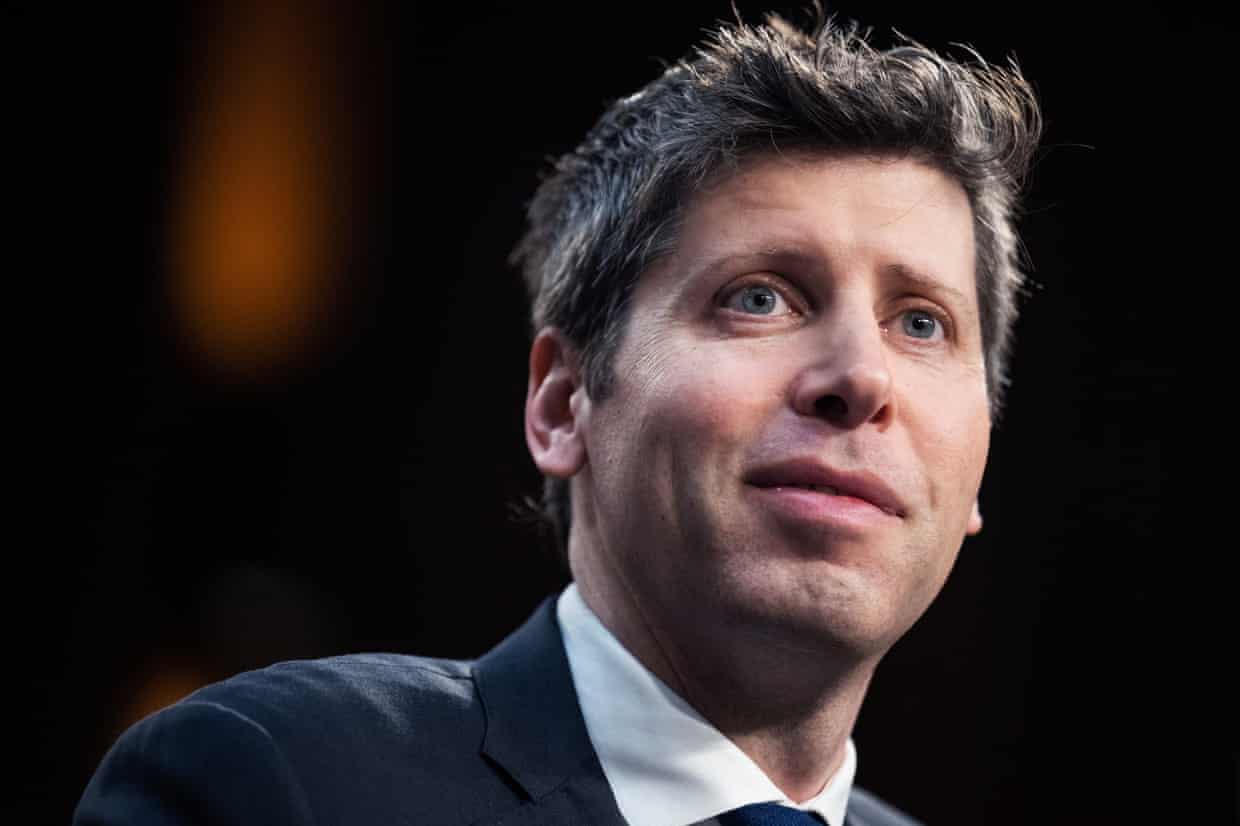
A 20-year-old man allegedly tossed a molotov cocktail at the home of Sam Altman, OpenAI’s CEO, before the sun rose on Friday, according to statements from San Francisco police.The suspect, who allegedly threw the fire bomb at the $27m Russian Hill residence around 4.12am, has been arrested but not identified. The same person allegedly threatened to torch OpenAI’s headquarters in the city. No injuries were reported

Amazon to finally launch Leo satellite internet in ‘mid-2026’, says CEO
Amazon has said its long-awaited satellite internet rival to Elon Musk’s Starlink will finally go live in “mid-2026”.The chief executive, Andy Jassy, said in a letter to shareholders that the technology company was “on the verge of launching Amazon Leo” and had secured “revenue commitments from enterprises and governments” for the scheme.Originally conceived in 2019 as Project Kuiper before being renamed last year, Leo now has 200 low-orbit satellites in space, with Jassy promising “a few thousand more” in the years to come.While on track to make Leo the second commercial satellite presence in space, the plans would still leave it far behind SpaceX’s Starlink, which has nearly 10,000 satellites in space and aims to have as many as 42,000 operational in the future.Jassy promised Leo would incorporate the successful Amazon Web Services cloud computing software into its function, writing: “Leo will seamlessly integrate with AWS to enable enterprises and governments to move data back and forth for storage, analytics, and AI

‘I just want to feel like me again’: the women still waiting for breast reconstruction years after lockdown

Iran war could plunge 32 million into poverty, says United Nations

Thousands of unpaid carers to face DWP repayment demands during overhaul
Online abuse is a daily reality for women in public life | Letters

French children’s menus were a surprising disappointment – with one exception | Letter

Peers vote to ban pornography depicting sex acts between stepfamily members