More than a fifth of UK’s ‘austerity children’ scarred by poverty, study says
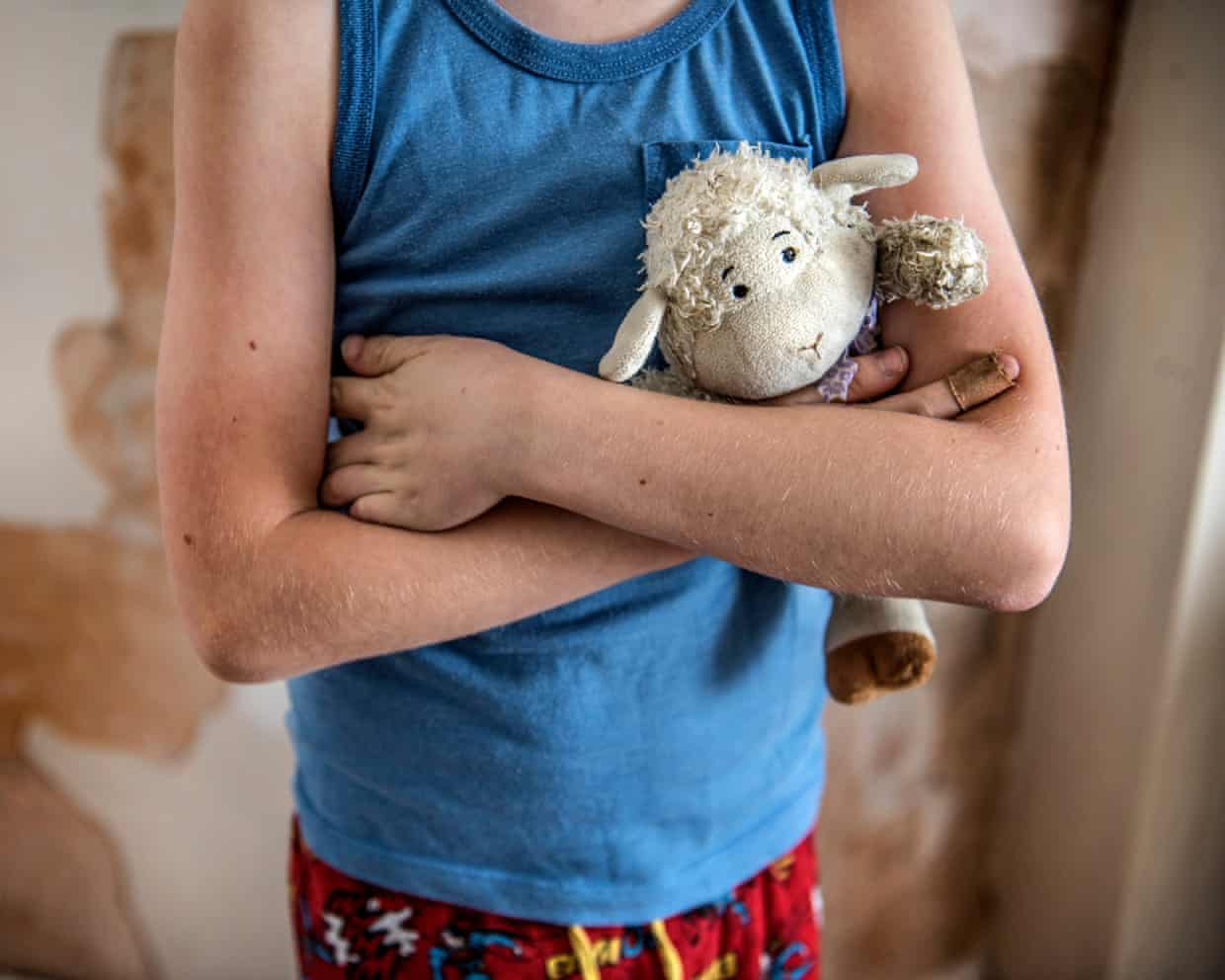
More than a fifth of all “austerity generation” British children have been scarred by poverty for at least half their childhood, a direct legacy of the welfare benefit cuts imposed by Conservative governments in recent years, research reveals.The proportion of children born after 2013 who spent at least six of their first 11 years of life in hardship surged after ministers froze working age benefits levels and imposed policies such as the two-child limit, it found.Austerity policies, which drastically shrank annual welfare spending by tens of billions a year and took thousands of pounds a year out of low-income family budgets, effectively pitched hundreds of thousands more children into sustained poverty.The University of Oxford study said the austerity-era growth in children exposed to poverty for most of their formative years was a “significant social problem” that would cause long-term harms to their health, education and life chances.The study’s co-author, Selçuk Bedük, said the post-2013 austerity cuts to welfare increased both the numbers of children experiencing poverty and the time they spent in it.
As a consequence, long-term poverty was now a defining factor in the childhood of about 23% of British youngsters.“Our study shows that policy matters; when support for families on low incomes is stronger, long-term childhood poverty falls.When that support is reduced, more children are pushed into long-term poverty,” said Bedük.Austerity cuts masterminded by the former Tory chancellor George Osborne and the ex-welfare secretary Iain Duncan Smith included the benefit cap, the bedroom tax, the two-child benefit limit, cuts to the generosity of universal credit, and years of benefit rate freezes.By 2021, they had stripped about £37bn a year from welfare spending.
Although the Tory government increased minimum wage levels during the period, on the assumption that work was the best route out of poverty, the study found the overall impact of this was effectively outweighed by the scale of benefit cuts and had little effect on rates of relative poverty.The dire impact of austerity on childhood poverty is contrasted in the study with the anti-poverty reforms introduced by the then Labour chancellor Gordon Brown in the late 1990s, when spending on child benefits and tax credits increased by about 60% over a seven-year period.Under Labour’s drive to cut the numbers of youngsters in hardship, long-term childhood poverty levels that had stood at 25% for children born in 1991 fell to 13% for children born in 1998-99, its lowest point over the last three decades.Earlier this month, the government abolished the two-child benefit limit, which restricted families to universal credit support for their first two children only, as part of its long-term plan to tackle child poverty.The move will lift an estimated 450,000 children out of poverty by the end of the decade.
Ministers have also unveiled a series of measures including raising the minimum wage and expanding eligibility for free schools meals to all families on universal credit.However, the benefit cap and the bedroom tax remain in place.The Oxford study tracks cohorts of children born in England, Wales and Scotland between 1991 and 2017 and uses data up to 2024.The study provides the first evidence that the effects of changes in benefits policy can be shown to influence the long-term exposure of children to poverty.Pat McFadden, the work and pensions secretary, said: “One of the finest achievements of the last Labour government was lifting hundreds of thousands of children out of poverty and improving their life chances.
“The policies pursued by the Conservative party in their time in power saw too many children and families suffer,We can’t turn back the clock on that period, but this Labour government is turning the tide on these Tory decisions,“That’s why Labour is rolling out free breakfast clubs, extending free school meals, and ending the two-child benefit cap – policies which will pull nearly half a million kids out of poverty,There’s lots done, but far more to do as we make sure poverty does not hold children back from achieving their full potential,”

The UK needs more North Sea gas; imports from the US are the real enemy | Nils Pratley
Terrific news: despite turmoil in the strait of Hormuz, the UK will have sufficient supplies of gas to meet demand this summer, said National Gas, which operates the gas transmission system, on Monday.But contain your relief. The summer months of lower usage were never likely to be a moment of stress. Gas via pipelines from the UK and Norwegian fields in the North Sea can handle virtually all UK demand when most of the 24m households with a gas connection have their heating turned off. Little liquefied natural gas, or LNG, the stuff that arrives on ships, is needed during the summer

Oil price dips below $100 a barrel after Trump claims Iran wants deal
Oil prices have fallen back after briefly rising to above $100 a barrel as Donald Trump claimed Iran had made contact and wanted “very badly” to strike a deal in the face of his blockade of the strait of Hormuz.The Brent crude international benchmark rose above the key psychological threshold earlier in the day, at one point up 6.9% to $101.70 a barrel on news of the US president’s plan to block the waterway to Iranian marine traffic.However, it later eased back to a little over $99 a barrel after Trump said the blockade had come into force at 10am ET (3pm BST) and the Iranians had subsequently got in touch

Don’t make Marshal Foch’s mistake on AI | Letters
Emma Brockes’ article struck a chord (It’s finally happened: I’m now worried about AI. And consulting ChatGPT did nothing to allay my fears, 8 April). I am reading Marc Bloch’s Strange Defeat, in which the eminent French historian and soon-to-be-executed resistance worker gives a first-hand account of the collapse of the French army in 1940. He attributes the debacle at least in part to a failure of imagination on the part of the French general staff, who were incapable of grasping that technology, and war, had fundamentally changed since 1918.Brockes’ article suggests that we, and our leaders, are suffering from the same inability to understand that a technology which is currently amusingly alarming will develop in less amusing ways – the future Marshal Ferdinand Foch had, according to Bloch, earlier dismissed aircraft as being a toy for hobbyists and not of any military interest

Meta creating AI version of Mark Zuckerberg so staff can talk to the boss
If you are one of Meta’s almost 79,000 employees and cannot get hold of the boss, do not worry. The owner of Facebook and Instagram is reportedly working on an AI version of Mark Zuckerberg who can answer all your queries.The AI clone of Zuckerberg, Meta’s founder and chief executive, is being trained on his mannerisms and tone as well as his public statements and thoughts on company strategy.The rationale behind the project, according to the Financial Times, is that employees could feel more connected to one of the most powerful people in Silicon Valley.The Meta chief has a history of creating and experimenting with digitalised versions of himself

WNBA draft 2026: Azzi Fudd is No 1 pick; where will other top prospects land? – live updates
Flau’jae Johnson had a special guest on stage after she was selected by the Valkyries at No 8: her little brother.New Mystics draftee Lauren Betts says she can’t wait to play with Kiki Iriafen – her former teammate at Stanford and an All-Star as a rookie after being drafted No 4 last year.On UCLA’s wave of early draftees: “I want to say I’m surprised, but I’m not. … To have this night showcase all of the things we worked on all season is really amazing.”Johnson has a high upside as a player
‘Carelessly squandered’: Wisden scolds England’s tumultuous Ashes tour
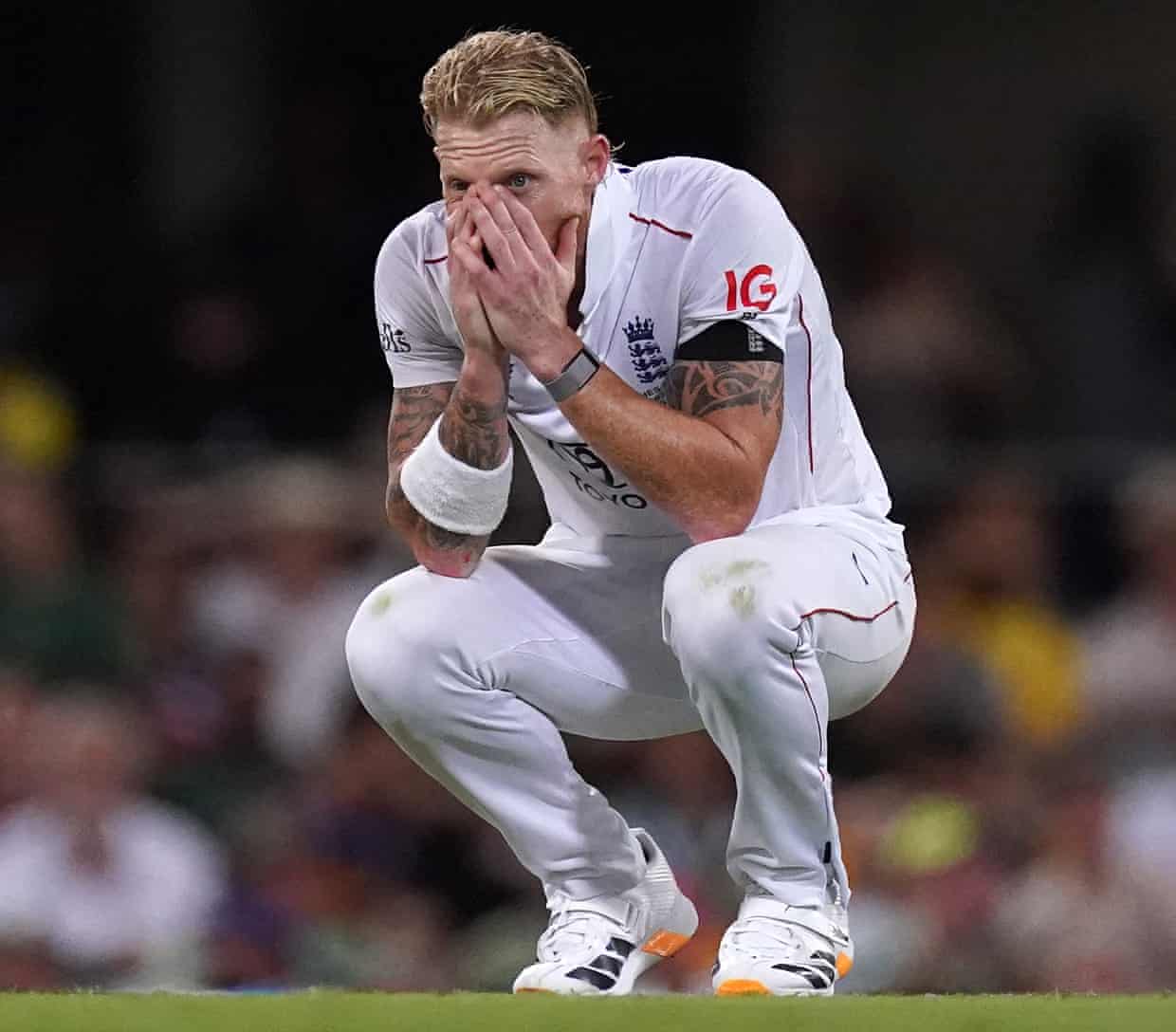
The latest edition of Wisden is unsparing in its criticism of England’s Test team, describing their Ashes defeat in Australia as a “wing-and-a-prayer” campaign that ended up “feckless, reckless and legless”.Published this Thursday, the sport’s longstanding bible has a strong Indian flavour to its awards. Haseeb Hameed, captain of title-winning Nottinghamshire, is the sole Englishman among the five players of the year, with Shubman Gill, Rishabh Pant, Ravindra Jadeja and Mohammed Siraj recognised for their roles in last year’s memorable 2-2 Test series draw in England.But the nature of England’s 4-1 defeat in Australia – a tour derailed by a poor buildup, lurching tactics, and accusations of an unprofessional approach off the field – leads this year’s notes, with the editor, Lawrence Booth, saying it is “hard to think of a privilege so carelessly squandered, a chance so blithely spurned”.Booth writes: “Much of the misery was self-inflicted: from the paper-thin preparation, via a string of schoolboy dismissals, to the revelation of Harry Brook’s scrape with a nightclub bouncer in New Zealand
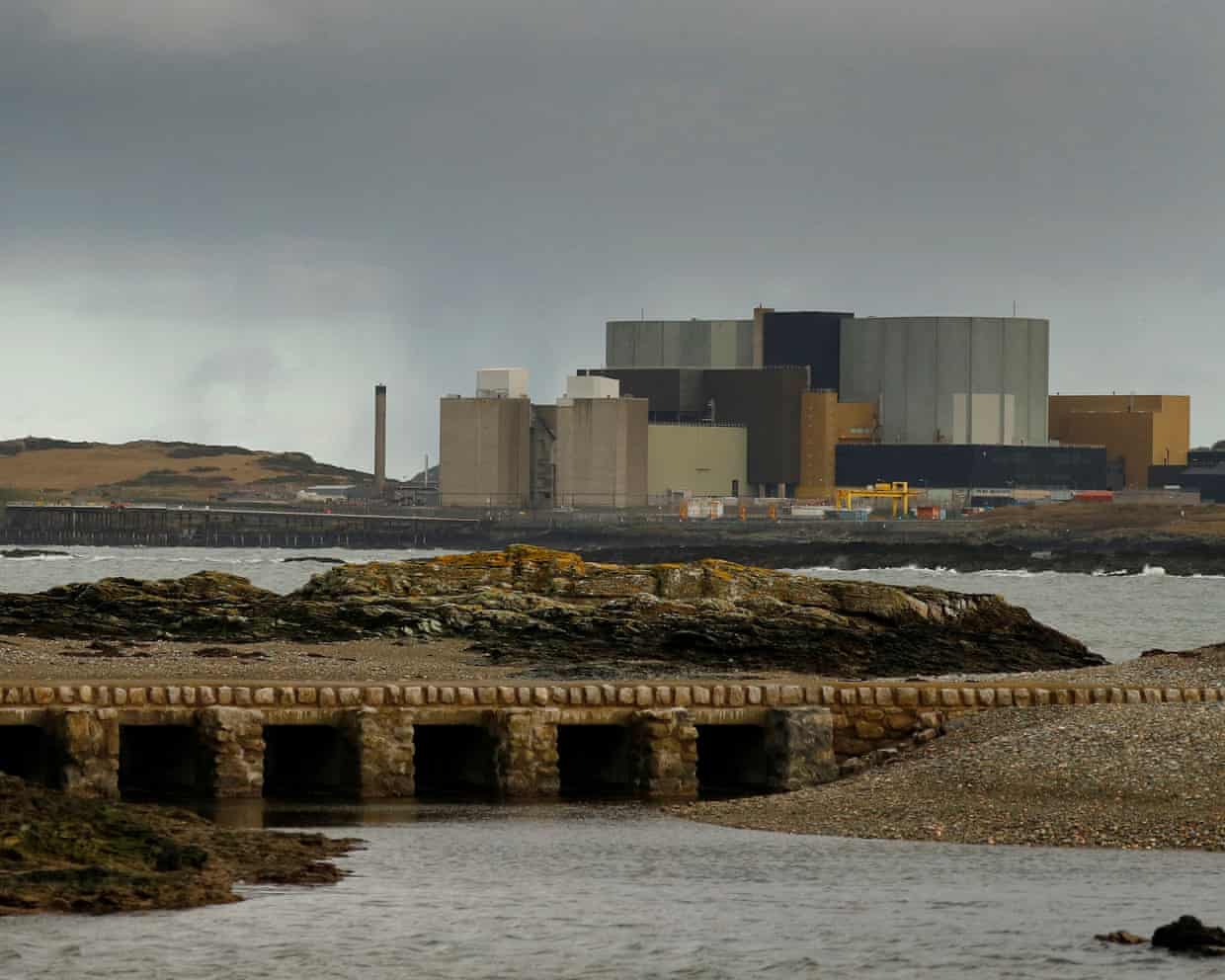
Rolls-Royce secures nearly £600m in UK government cash to develop small reactors

GSK reports promising early results in ovarian and womb cancer drug trial
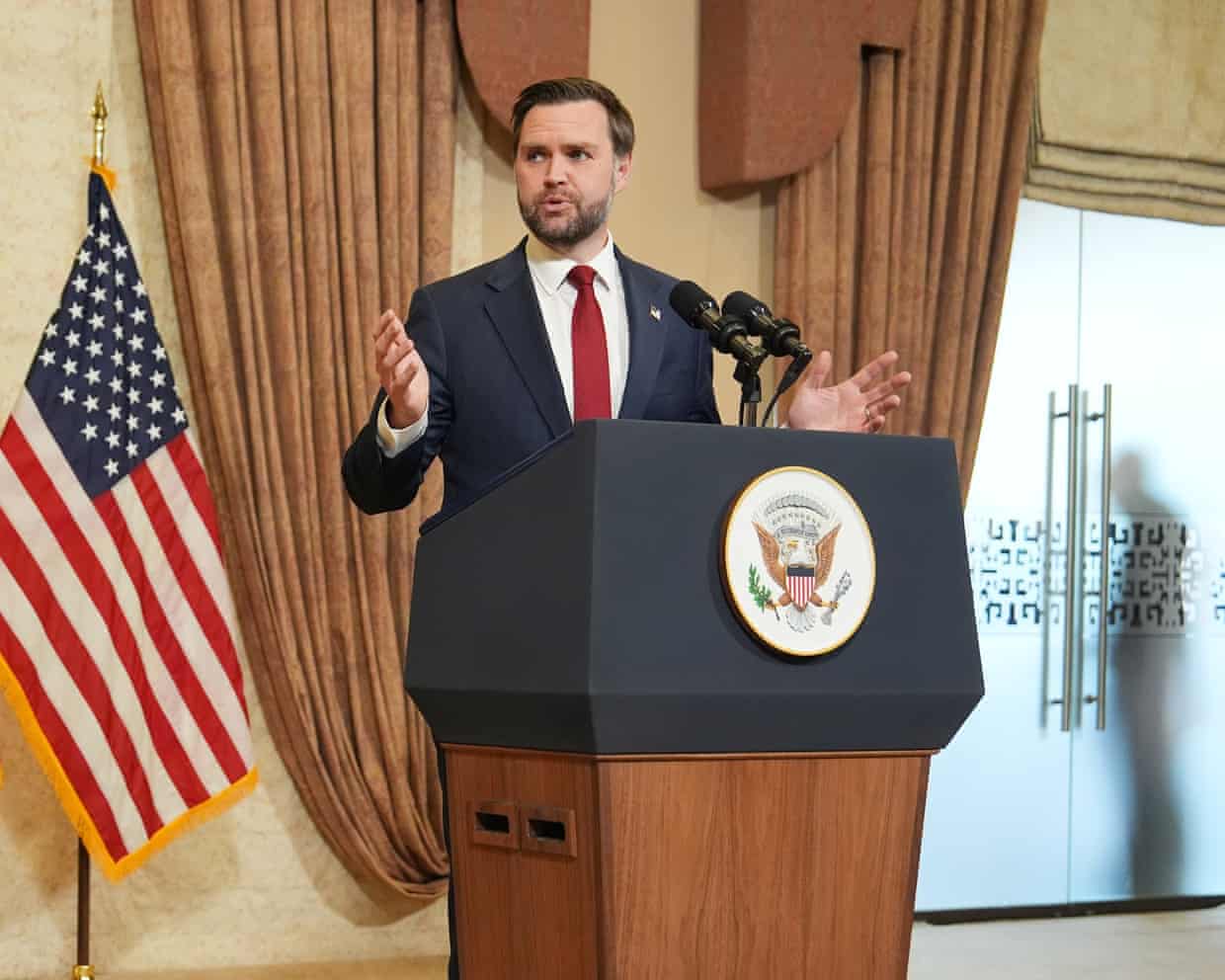
Collapse of US-Iran talks heightens fears of prolonged energy shock
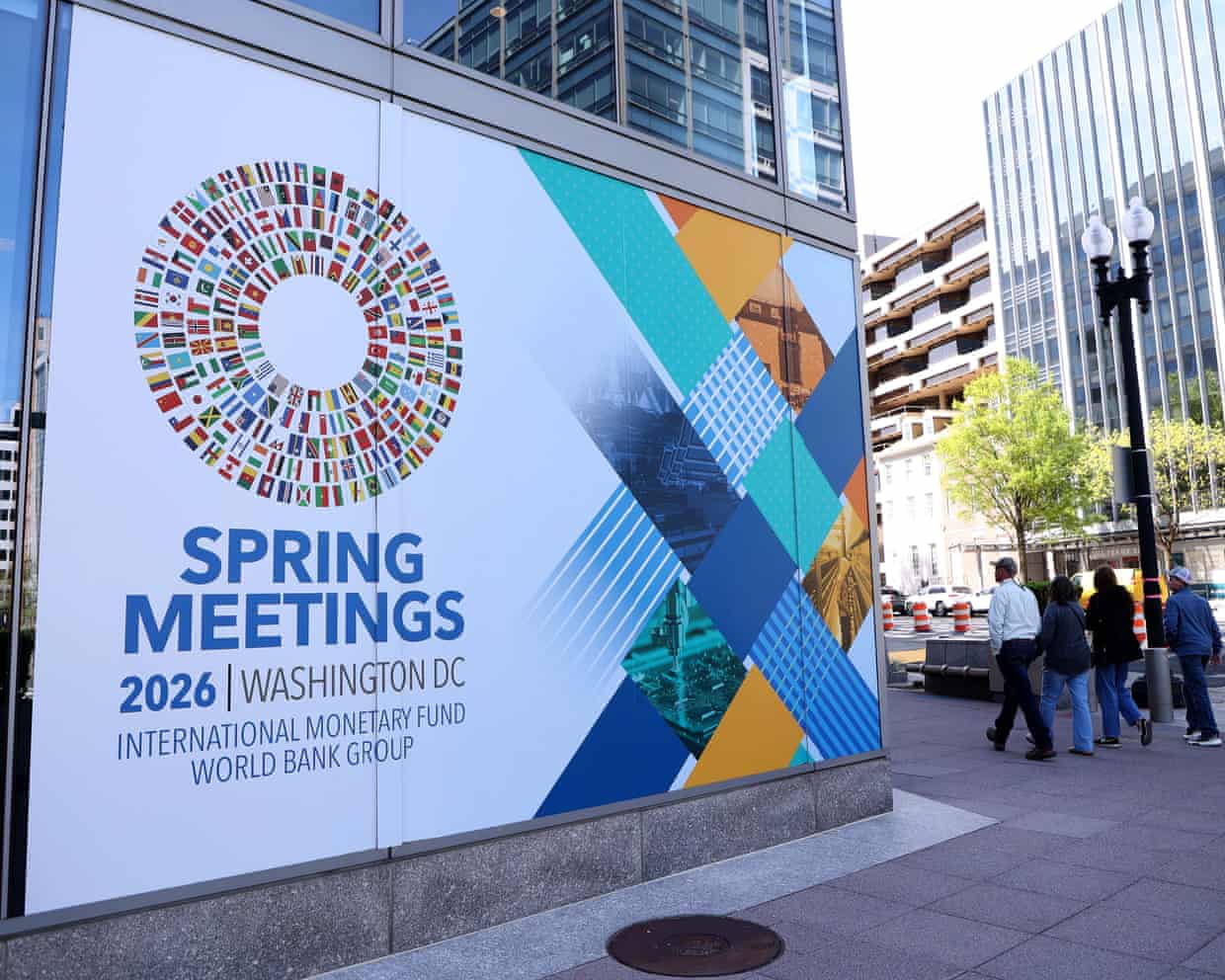
Task for the week: limit the fallout from biggest oil shock in decades | Richard Partington

Low-tax Texas opens London office to lure jobs and investment

Record number of homes in Great Britain turn to green energy as fuel prices soar