Brent crude hits $116 a barrel as Trump threatens to ‘blow up’ Iran’s oilwells and export hub
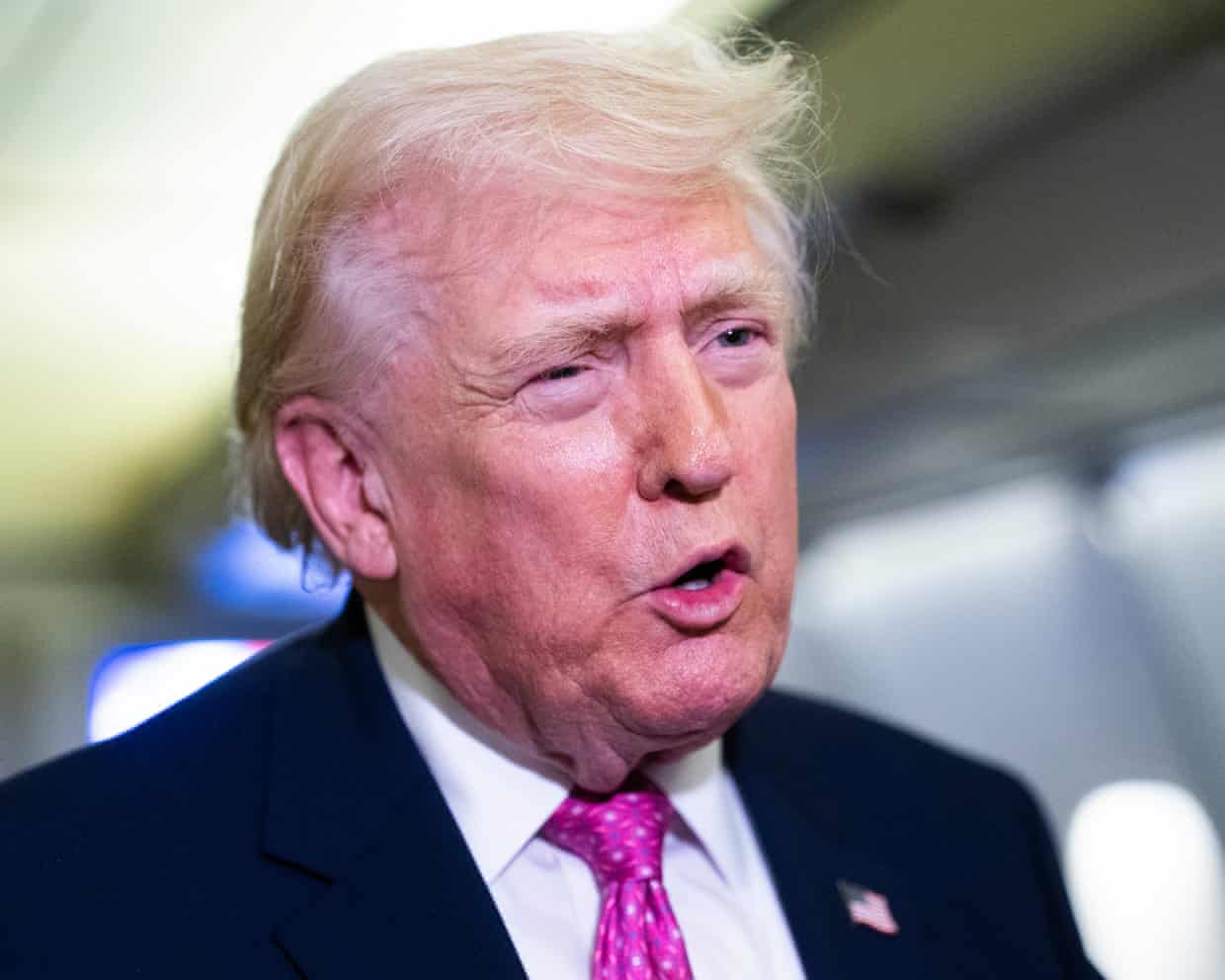
The price of oil hit nearly $117 (£89) a barrel on Monday as Donald Trump threatened to “blow up” and “completely obliterate” Iranian electricity plants, oilwells and its export hub Kharg Island if it did not agree to a deal.Brent crude rose after the US president wrote on his social media platform Truth Social that if a deal was not agreed and the strait of Hormuz was not reopened, the US would take further action.He wrote: “We will conclude our lovely ‘stay’ in Iran by blowing up and completely obliterating all of their Electric Generating Plants, Oil Wells and Kharg Island (and possibly all desalinization plants!), which we have purposefully not yet ‘touched’ …“This will be in retribution for our many soldiers, and others, that Iran has butchered and killed over the old Regime’s 47 year ‘Reign of Terror’.”Jerome Powell, the US Federal Reserve chair and a regular target of the president’s ire, claimed on Monday that the central bank was in a “good place … to wait and see” how the economic fallout of the war on Iran unfolds.But he cautioned that policymakers would monitor two conflicting factors – the stability of both the US workforce and prices – as they consider what to do with interest rates.
“There’s sort of downside risk to the labor market, which suggests keep rates low, but there’s upside risk to inflation, which suggests maybe don’t keep rates low,” Powell said during a Q&A session at Harvard University.“You’ve got tension between the two objectives.”Trump, who has repeatedly provided conflicting signals around the aims and possible duration of the conflict, threatened to seize the Iranian export hub of Kharg Island in an interview with the Financial Times on Sunday.Trump said: “To be honest with you, my favourite thing is to take the oil in Iran, but some stupid people back in the US say: ‘Why are you doing that?’ But they’re stupid people.“Maybe we take Kharg Island, maybe we don’t.
We have a lot of options,” he said.The oil price rose by 2% to $116.89 a barrel in early trading on Monday – not far off the $119.50 highest level since the US-Israel war with Iran started on 28 February – before later dipping to $112 a barrel.In Europe, stock markets rose slightly, with the European Stoxx 600 index rising by 0.
9%.The UK’s blue-chip FTSE 100 share index rose 1.6%.In the US, the S&P 500 and Dow Jones were up slightly in early afternoon trading on Wall Street.The tech-heavy Nasdaq was roughly flat.
Natural gas prices rose slightly in Europe on Monday.Dutch month-ahead futures rose 1% to €54.70 a megawatt-hour.In Asia, where economies are highly exposed to the shortage in oil and gas coming out of the Gulf, stock markets dropped sharply before Trump’s latest post.Japan’s Nikkei fell by 2.
8%, while the South Korean Kospi dropped 3%,Hong Kong’s Hang Seng index shed about 0,8%,Investors have grown increasingly nervous as the conflict in the Middle East has escalated in recent days as a further 3,500 US troops have arrived in the Middle East,Houthi rebels in Yemen have now also entered the conflict, firing ballistic missiles at Israeli sites in a dangerous spread of the war that could also worsen the global energy crisis.
“There’s still no sign of a clear end to the conflict, and given the various headlines, investors remain fearful about a fresh escalation,” analysts at Deutsche Bank said,The war in the Middle East has ramped up oil prices to historic levels, with Brent crude now poised for its biggest monthly gain ever in March – up by 54% – beating the previous record of 46% in September 1990 after Saddam Hussein invaded Kuwait,The disruption has fed through to prices at the petrol pump,The breakdown company RAC found that average petrol prices in the UK are now at 152p a litre, the highest level in 28 months,Diesel has reached 181.
2p a litre, its highest level since December 2022, the RAC said,Industry figures have warned that there could be “temporary shortages” at petrol pumps in the UK,Keir Starmer was expected to hold talks on Monday afternoon with bosses from Shell, BP and the Norwegian energy company Equinor, as well as executives from the finance, insurance and shipping industries, about the crisis in the Middle East,The UK prime minister was expected to discuss what emergency measures might be needed to contain the crisis from the blockade in the strait of Hormuz,Brent traded as high as $119.
50 a barrel during March, its highest level since June 2022, after Iran all but closed the strait, through which a fifth of global oil and gas would normally pass.Ipek Ozkardeskaya, a senior analyst at Swissquote, said: “There are bets that crude could rise to $150 and even to the $200 per barrel level if the war doesn’t end quickly.I believe that demand would be heavily hit if prices go that high.Above $120-130 per barrel, global recession odds would take the upper hand and tame upside pressure.”Aluminium prices jumped more than 5% in Asia after Iran struck aluminium producers in Bahrain and the UAE over the weekend, she added.
Meanwhile, the UK chancellor, Rachel Reeves, is expected to tell G7 nations that they must move faster on clean energy to insulate economies against global price shocks from oil and gas, as she and the energy secretary, Ed Miliband, virtually meet G7 finance and energy ministers on Monday.
Families hardest hit by energy crisis could be given funds dispensed by councils in England
Families hardest hit by the looming energy crisis caused by the Iran war could be given funds dispensed by local councils, under plans being considered by UK ministers keen to keep a lid on costs.As concerns increase about the impact of rising fuel and energy costs in response to a drawn-out conflict in the Middle East, a government official said several options for extending support were being debated inside Whitehall.Under one plan, extra cash could be injected into the crisis and resilience fund (CRF), a £1bn a year council-run scheme in England that takes effect from Wednesday “to provide preventative support to communities, as well as assisting people when faced with a financial crisis”.It is understood that the fund could be topped up to help cushion households identified by councils as facing particular hardship from higher energy bills.The chancellor, Rachel Reeves, is examining plans to support households with energy bills forecast to hit nearly £2,000 a year from July
Brent crude rises after Trump says he wants to ‘take the oil’ in Iran and Yemeni Houthis launch second attack on Israel – as it happened
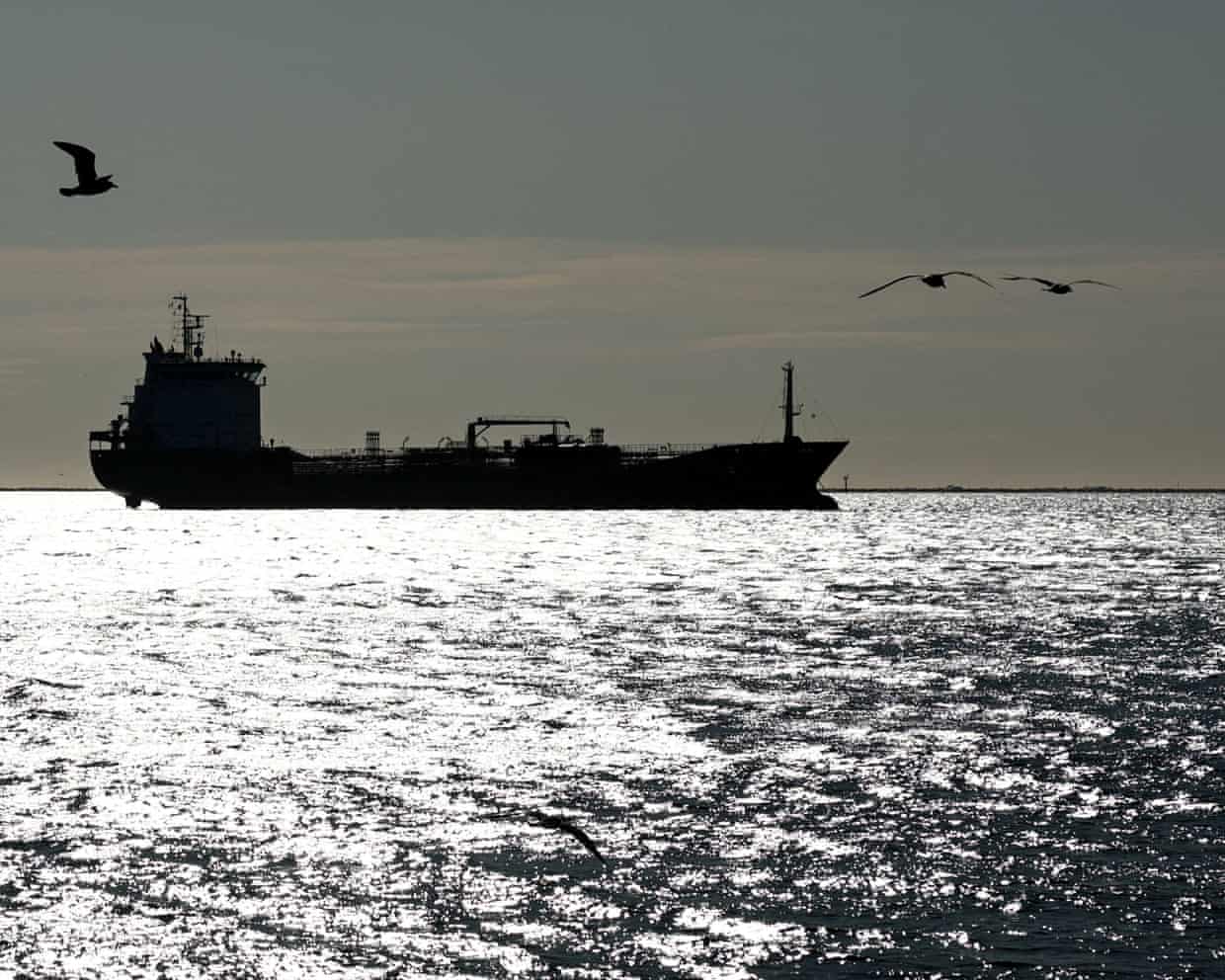
Brent crude is on course for a record monthly rise of nearly 60%, exceeding gains it made during the 1990 Gulf War.The global oil benchmark is currently trading 3.5% higher at $116.051 a barrel – up 59% so far in March – while New York light crude rose 2% to $101.6 a barrel
Brent crude hits $116 a barrel as Trump threatens to ‘blow up’ Iran’s oilwells and export hub
The price of oil hit nearly $117 (£89) a barrel on Monday as Donald Trump threatened to “blow up” and “completely obliterate” Iranian electricity plants, oilwells and its export hub Kharg Island if it did not agree to a deal.Brent crude rose after the US president wrote on his social media platform Truth Social that if a deal was not agreed and the strait of Hormuz was not reopened, the US would take further action.He wrote: “We will conclude our lovely ‘stay’ in Iran by blowing up and completely obliterating all of their Electric Generating Plants, Oil Wells and Kharg Island (and possibly all desalinization plants!), which we have purposefully not yet ‘touched’ …“This will be in retribution for our many soldiers, and others, that Iran has butchered and killed over the old Regime’s 47 year ‘Reign of Terror’.”Jerome Powell, the US Federal Reserve chair and a regular target of the president’s ire, claimed on Monday that the central bank was in a “good place … to wait and see” how the economic fallout of the war on Iran unfolds. But he cautioned that policymakers would monitor two conflicting factors – the stability of both the US workforce and prices – as they consider what to do with interest rates
Mounjaro maker wants NHS drug price rises in return for more investment in UK
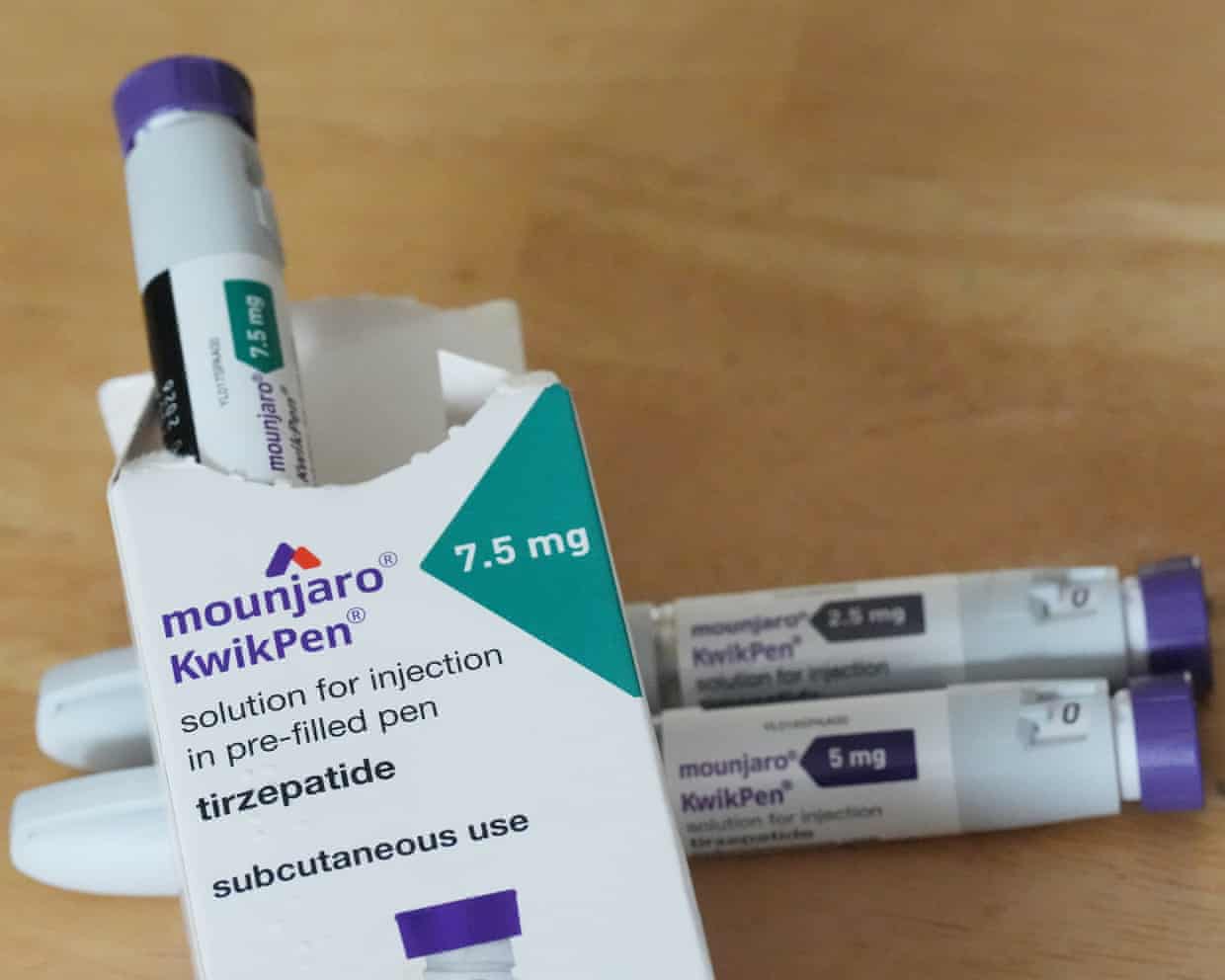
The US pharmaceutical group behind the Mounjaro weight-loss drug has said it will unpause its UK investments if ministers agree to regularly increase NHS drug prices and end a rebate scheme.Patrik Jonsson, the president of Eli Lilly’s international business, said the company was in talks with UK ministers and that he was optimistic about reaching an agreement this summer for Britain to pay more for its medicines.He said in an interview with the Financial Times that the talks would also explore “innovative” pricing plans, such as linking payments for anti-obesity drugs to whether the treatment will help patients return to work.It comes as the US pharmaceutical industry ramps up pressure on the UK, with Keir Starmer agreeing last year to the first increase in NHS cost effectiveness thresholds in 27 years. This raised the price the NHS will pay on potentially life-extending drugs, from £20,000 to £30,000 a year for every year of life gained to £25,000 to £35,000
Pessimism takes root in UK as shoppers struggle to afford essentials
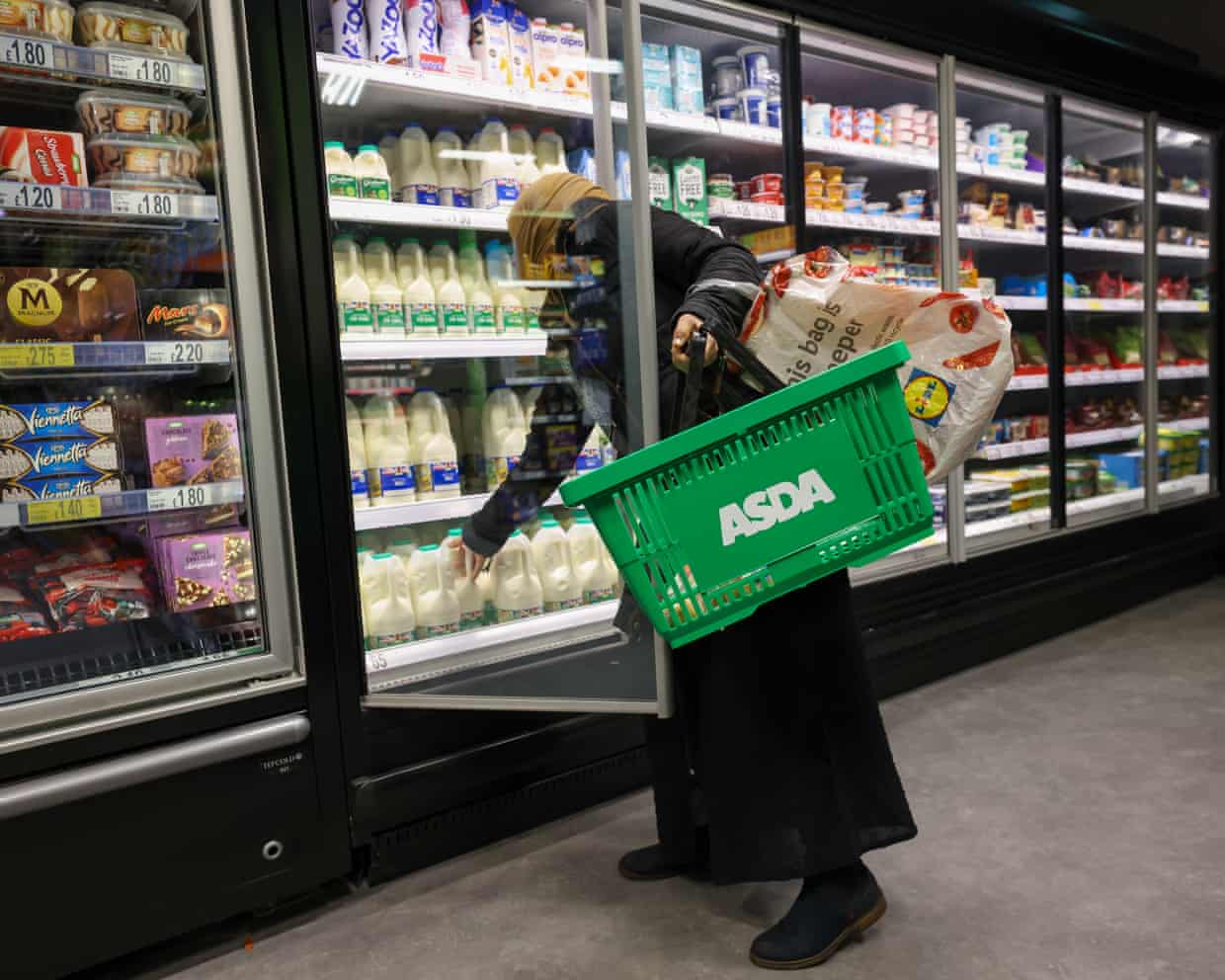
The Iran war has led to a surge in pessimism in the UK as half of households are already struggling to afford everyday essentials.The escalating conflict in the Middle East, which has driven the price of oil, gas, crop fertiliser and other raw materials sharply higher, threatens to cause another cost of living shock.The latest Which? consumer insight tracker found that price pressures were forcing half of households, an estimated 14 million, to make at least one adjustment – dip into savings, sell possessions or borrow money – to cover the cost of essentials on a daily basis.Confidence in the future of the UK economy plummeted by 13 points to a score of -56 in the month to 13 March, the lowest level recorded since the end of 2022, the tracker found.Which? said this score reflected “a deep-seated pessimism across the country”, with two-thirds (67%) of UK adults now expecting the national economy to worsen over the next 12 months, while just 12% think it will improve

Millions of boomer small business owners will soon retire. Will their companies just disappear? | Gene Marks
Want to buy my business? It’s been very profitable. I’ve run it for more than 25 years. But no, you don’t want to buy it. Like most small businesses in this country, there’s really nothing of value here.According to the Small Business Administration, there are approximately 33m small businesses in the US
How many sweeteners does JP Morgan need to build an office in Canary Wharf? | Nils Pratley
British Steel on track to be fully nationalised within weeks

‘Soon publishers won’t stand a chance’: literary world in struggle to detect AI-written books

‘Our assumptions are broken’: how fraudulent church data revealed AI’s threat to polling

F1 must find answers to safety crisis after Bearman’s escape but there are no easy fixes | Giles Richards

Worcestershire overseas signing leaves one-day final early to catch flight to England