‘Our assumptions are broken’: how fraudulent church data revealed AI’s threat to polling

If you had been keeping tabs on the news about church attendance in Britain lately, you would be forgiven for thinking the country was in the midst of a Christian revival.Stories of swelling congregations, filled with young people returning to the flock, spurred on by everything from social media to a rise in bible sales appeared to be confirmed by a 2024 report from the Bible Society.Based on data collected by a YouGov survey, it claimed church attendance was increasing in England and Wales.The findings drove headlines, and the narrative was established.There was just one problem – the survey turned out to be based on “fraudulent” data and has been withdrawn.
And academics and experts are warning that this episode should serve as a parable, not about a renaissance in religion, but of the false prophets of artificial intelligence,Researchers have said online opt-in surveys are becoming increasingly infested with bogus data as respondents who are often paid for their participation use AI to fill in questionnaires at speed,These particular surveys are self-selecting research forms that can shape national discourse,But a major fault, experts say, is that they are susceptible to “survey farmers”, and this vulnerability means the results should be treated with caution when trying to understand social trends,David Voas, a quantitative social scientist and emeritus professor at University College London said: “This sort of information, misinformation, is just very difficult to correct once it starts spreading.
And the amount of effort required to correct it is an order of magnitude higher than the effort needed to disseminate it in the first place.“We are finding our confidence in these sorts of polls undermined, and then it’s very difficult to move back,” he added.Voas said the problem was a general one, not just isolated to YouGov.“It’s a growing problem because if you [as a participant] can work at scale, you can actually generate a reasonable amount of revenue, even in western terms, never mind global south terms,” he said.According to a 2026 report, YouGov uses a random sample method which means participants cannot choose which survey they want to complete.
A YouGov spokesperson told the Guardian: “We select which surveys to send them, so there is no way of joining to influence the result of a piece of research.”The growth of AI has exacerbated the problem.Sean Westwood, an associate professor in the department of government at Dartmouth College, in New Hampshire, said: “The assumption with survey research – that someone gives coherent, logical answers, they’re a real person – that assumption is now broken.”There is no evidence to suggestAI use was the source of the fraud in the church attendance numbers recorded by YouGov in 2024.However, Westwood said AI had the potential to influence online survey research.
“The tools to do all of this are cheap, accessible and available right now.”He said AI models posed an existential threat to our understanding of society.“The agent can be weaponised.A single sentence of instruction is enough to systematically bias its answers on political polls or geopolitical questions, while keeping its demographic profile intact so the manipulation is invisible to standard screening,” he said.“Even without explicit instructions to cheat, the agent can figure out what a researcher is trying to test and produce data that confirms the hypothesis,” he said.
However, the rate at which AI is being used to complete these surveys is difficult to detect.“We don’t know the precise scope, and that’s part of the problem,” said Westwood.And, he added, the rapid transformation in AI technology makes it difficult to combat its potential influence.“A researcher might design a clever new trap that catches today’s models, but model development moves so fast that the fix is likely obsolete within months.”The report by the Bible Society claimed that church attendance was increasing at the highest rate among young people in England and Wales.
Courtney Kennedy, the vice-president of methods and innovation at Pew Research Center, said opt-in estimates for people under the age of 30 tend to contain high levels of error and are more likely to stem from “click farms”.“In general, people who are highly skilled using the internet and concealing their identity skew younger,” said Kennedy.“Bogus cases want to qualify for as many surveys as possible.It is well known in the industry that young adults are hard to reach for surveys.So from this standpoint, it is advantageous to self-present as young because surveys tend to need such respondents.
”Kennedy added: “Bogus respondents tend to respond in the affirmative, no matter what is asked.This is called positivity bias, which inflates the estimate.”Voas said the problem with the Bible Society report was not only the fraudulent respondents but the failure to critically compare the findings of the YouGov survey with other available research by the churches themselves.“If you were doing serious scholarly research, you would need to review the literature and see what other evidence was out there,” said Voas.A YouGov spokesperson said: “The rise of organised survey farms, bots, and now AI-assisted responses makes detection a vital, continuous and constantly evolving discipline.
YouGov uses identity checks, device fingerprinting, multi source geolocation, real-time threat scoring, and payout oversight so bad actors do not slip through the net.“When someone joins the YouGov panel we link the information they supply with every data point we can observe about their device, location and behaviour.From this we decide who to invite, who to verify and, if necessary, who to remove.”
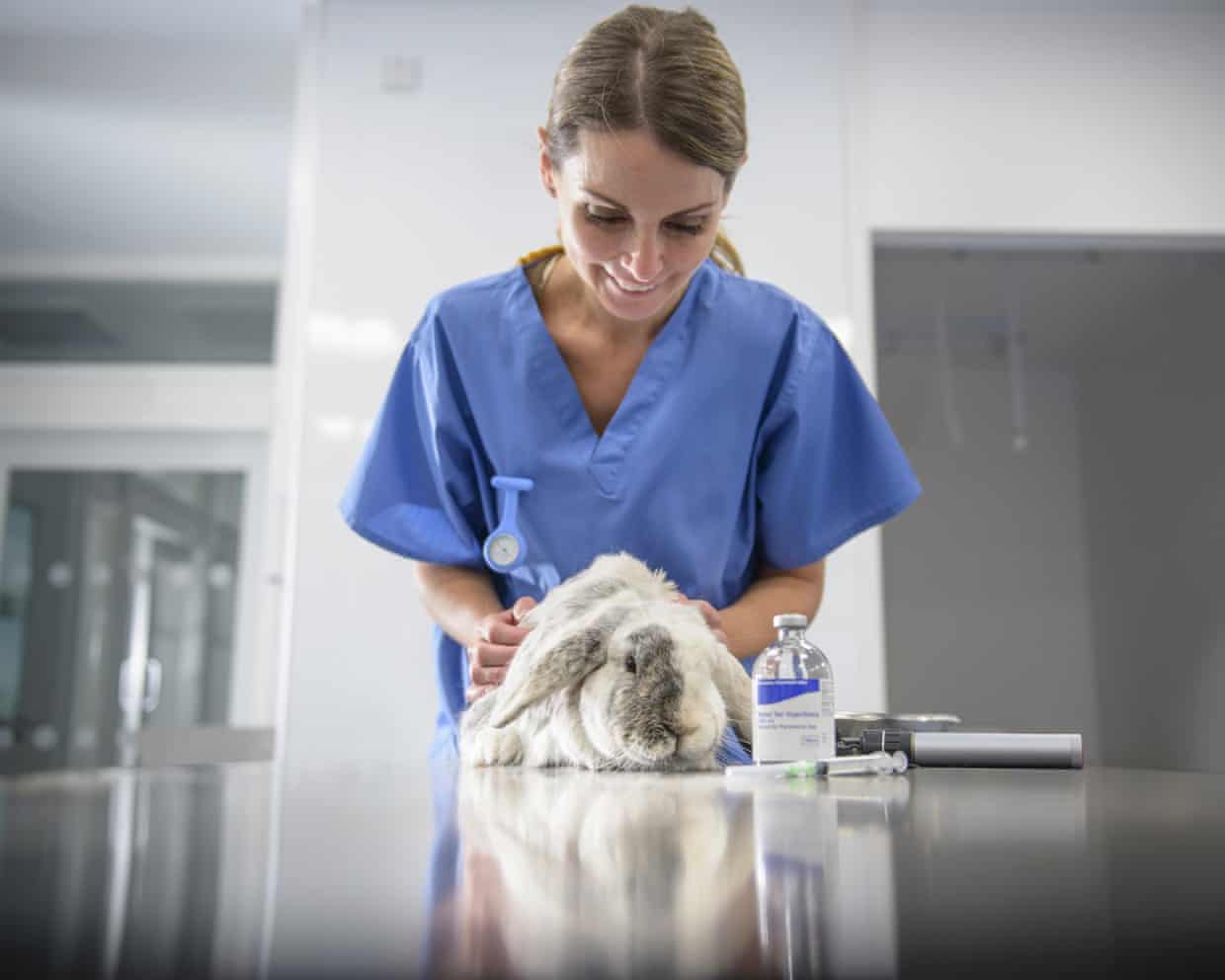
‘It feels like they’re pulling figures out of the sky’: UK pet owners welcome crackdown on vet fees
The UK’s competition watchdog has ordered vets to cap written prescription fees at £21, and practices will have to publish price lists in a crackdown on rising fees.The Competition and Markets Authority also said a costcomparison website would be introduced to increase competition and drive down costs.These are just some of the measures due to come into force later this year.The Guardian spoke to pet owners in the UK about their experiences with vet bills. Many felt prices had increased so much that they were becoming difficult to afford

Hundreds of North Sea licences granted by Conservatives have ‘so far produced only 36 days worth of gas’
Hundreds of licences granted for new oil and gas projects in the North Sea under the Conservatives have so far produced only 36 days’ worth of gas, according to analysis.Research by the energy consultancy Voar and the campaign group Uplift found that between 2010 and 2024, the government handed out hundreds of new North Sea oil and gas licences in seven licensing rounds.This led to 20 new and relicensed fields that have the potential, over their lifetime, to produce enough gas to supply the UK for only six months. To date they have produced the equivalent of 36 days of extra gas.The findings cast doubt on claims by Reform UK and the Conservatives that new drilling licences in the North Sea would help to reduce energy bills and boost the UK’s energy security
‘Our assumptions are broken’: how fraudulent church data revealed AI’s threat to polling
If you had been keeping tabs on the news about church attendance in Britain lately, you would be forgiven for thinking the country was in the midst of a Christian revival.Stories of swelling congregations, filled with young people returning to the flock, spurred on by everything from social media to a rise in bible sales appeared to be confirmed by a 2024 report from the Bible Society.Based on data collected by a YouGov survey, it claimed church attendance was increasing in England and Wales. The findings drove headlines, and the narrative was established.There was just one problem – the survey turned out to be based on “fraudulent” data and has been withdrawn

‘They feel true’: political deepfakes are growing in influence – even if people know they aren’t real
Online content creators are not just building fake images and videos of prominent public figures, they are also fabricating people and using them in military contexts, which can make them money and even serve as effective propaganda, according to artificial intelligence researchers.Some of these online avatars are sexualized images of women wearing camouflage garb that have generated a significant audience and helped create an idealized image of political figures like Donald Trump, even if the viewer knows the content is not real, according to experts.“We are blending the lines between political cartoons and reality,” said Daniel Schiff, an assistant professor of technology policy at Purdue University and co-director of the Governance and Responsible AI Lab (Grail). “A lot of people feel like these images or videos or the stories they convey, feel true.”The amount of political deepfakes has increased dramatically in recent years, according to a Grail database

Aryna Sabalenka edges tense battle with Coco Gauff to triumph in Miami Open final
Aryna Sabalenka had many reasons to believe that history could have been grimly repeating itself on Saturday afternoon. Despite starting her Miami Open final against Coco Gauff striking the ball with clear-minded aggression, the complexion of the match rapidly changed. Suddenly, having been pulled into a tense final set, she was struggling to hold on.Similar scenarios played out in her two most important matches against Gauff, and both times Sabalenka had pitifully crumbled under pressure in the final set. For all her imperfections, though, the Belarusian’s career has been defined by her desperation to improve

Prem top four looks done and dusted after Northampton repel Saracens comeback
Strange words to write for anyone who has covered this competition for any length of time, but we kind of know who the Prem semi-finalists are going to be. And there’s still six rounds to go.Saracens had to win here at Tottenham Hotspur Stadium against the league leaders to maintain any realistic chance of taking their customary place in the playoffs. This is the last season at the helm for Mark McCall, the man who has guided them through their glory years, before he “moves upstairs”, but it is looking increasingly likely that his era will draw to a close without further silverware. Saracens are mathematically still in it, of course, but, 12 points adrift of fourth spot with those six rounds to play, they will need to call on more than their own prowess to make it

UK ‘weeks away’ from medicine shortages if Iran war continues, experts say

Wall Street hits six-month low and Dow falls into correction as Trump ‘appears to lose his grip on markets’ – as it happened

Lloyds bank faces £66m court battle with car loan customers
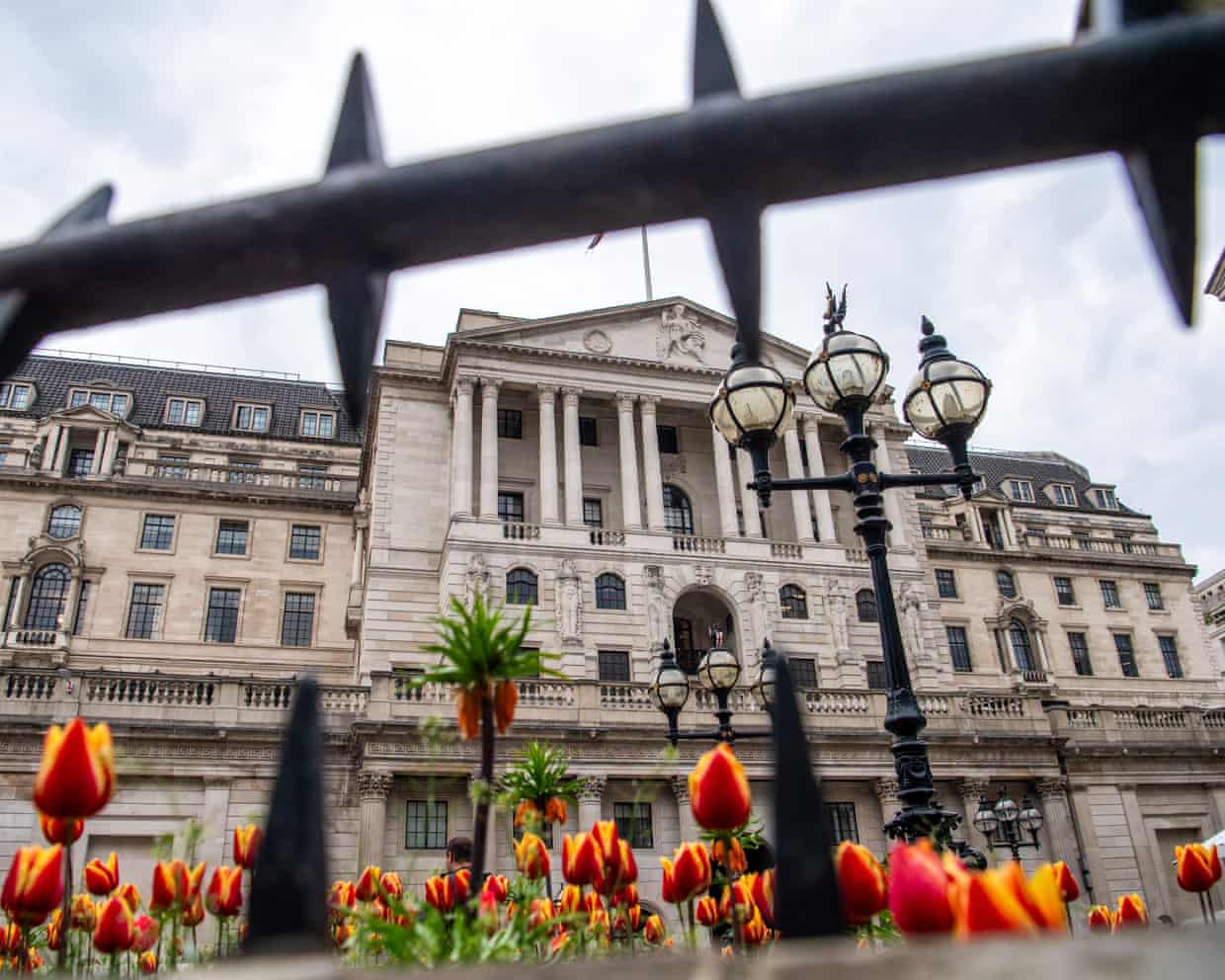
UK government borrowing costs hit 5% as Iran war fuels bond market sell-off

Italy investigates beauty brands over concerns about young girls’ mental health
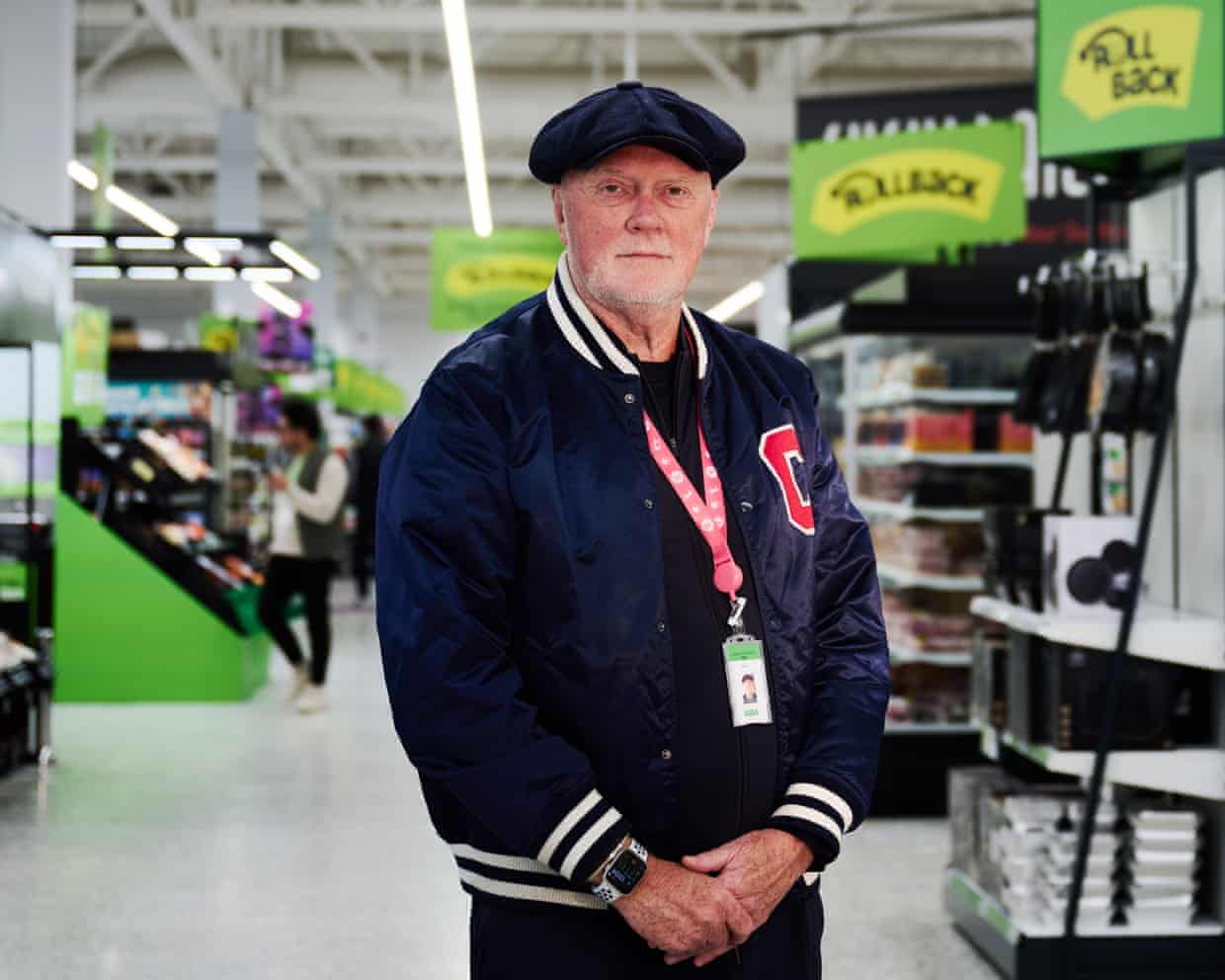
Ministers should ‘start doing stuff’ to help farmers and cut fuel costs, says Asda boss