British Steel on track to be fully nationalised within weeks
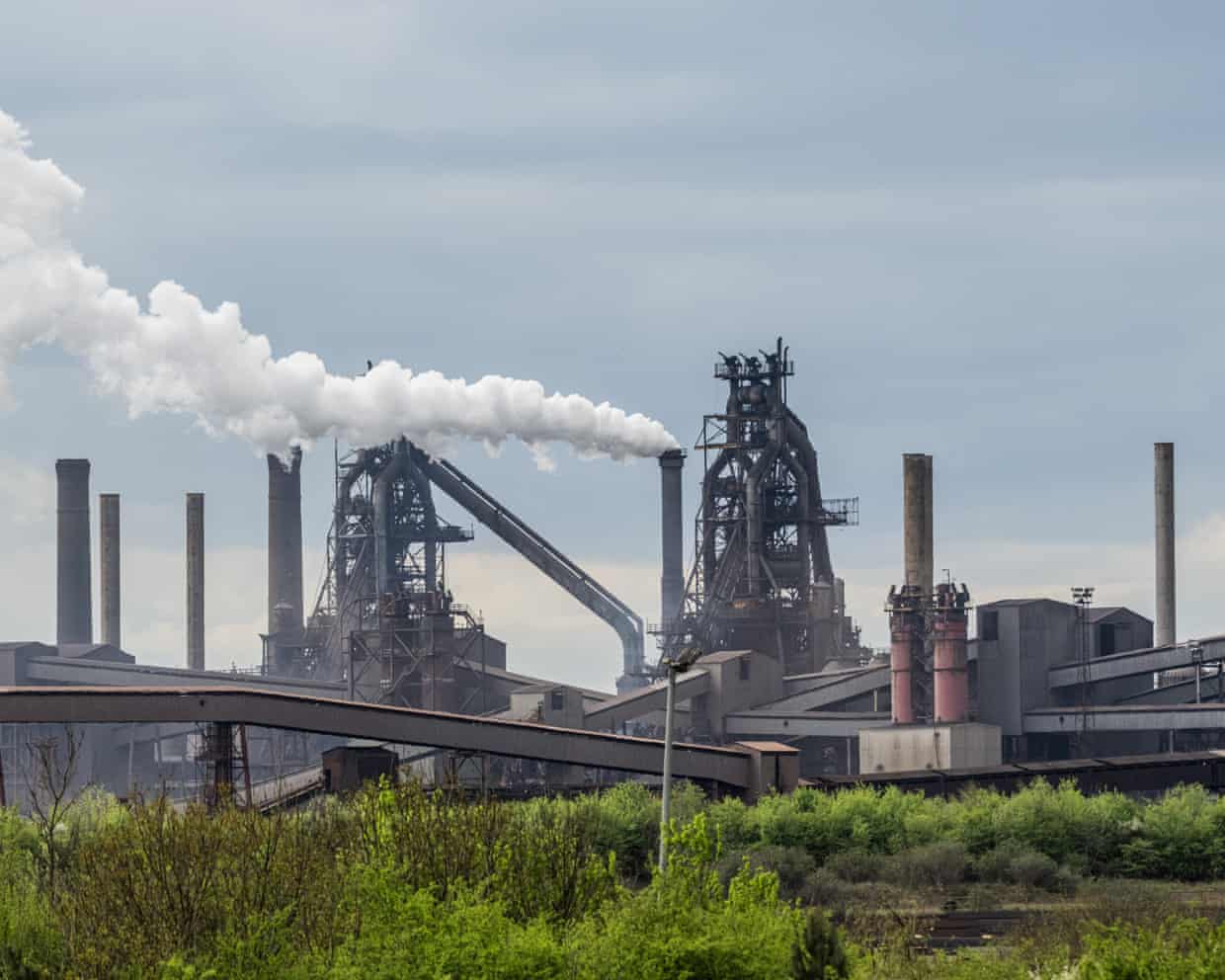
British Steel is on track to be fully nationalised within weeks, the Guardian understands, a year after the government took over the daily running of the loss-making business from its Chinese owner.The steelmaker, which employs 3,500 people at its plant in Scunthorpe, was taken under government control last April amid fears that the owner Jingye was planning to shut down the site.British Steel operates the last two remaining blast furnaces in the UK but it is still economically controlled by the Chinese company, which bought it out of insolvency in early 2020.Ministers moved to designate the steel industry as vital to national security last week, which could clear the way for a nationalisation on those grounds, a source with knowledge of the matter said.They are understood to have offered £100m to Jingye for British Steel earlier this month but were rebuffed.
The Chinese company had originally demanded more than £1bn.Alternatively, the government could simply set Jingye a deadline for a deal to be done, the source added.Whichever route they go down, ministers plan to take economic control of British Steel from Jingye in the coming weeks, the person added.Shutting the plant would have ended Britain’s “primary” steel-making ability because blast furnaces allow the metal to be made from scratch, rather than relying on scrap.But by the end of January this year the cost of keeping British Steel running had ballooned to £377m, and could exceed £1.
5bn by 2028 if it continues at its current rate, the National Audit Office said earlier this month.Officials are therefore keen to resolve the ownership issue imminently, partly because they would not be able to sell the company to another private investor without doing so.The prospect of an imminent full nationalisation was first reported by the Financial Times.Gareth Stace, the director general of the trade body UK Steel, said the sector would “strongly welcome” the nationalisation of British Steel.“This would provide vital certainty for the workforce, the company’s customers and the wider supply chain at a critical moment.
“Maintaining domestic production capability for British Steel’s products is essential not only for economic growth but also for our national security and resilience.This will hopefully mark the beginning of a clear and credible long-term plan for British Steel.”British Steel has already been the subject of interest from potential buyers, with the Miami-based retail investor Michael Flacks having declared himself “very” interested in buying it in February.Officials have privately insisted there is significant – albeit early – interest from others too.The approaches would mark the latest attempt to transform the manufacturer into a viable business.
The private equity group Greybull Capital bought it in 2016 but it collapsed into insolvency three years later and was snapped up by Jingye.Despite the sector shrinking dramatically since its peak in the 1970s, British Steel remains an important employer in Scunthorpe and supports tens of thousands of jobs in the extended steel supply chain.Network Rail sources about 95% of its track from the plant.Officials have sought to increase British Steel’s output to improve profitability, after Jingye said the Scunthorpe plant was losing £700,000 a day when it announced plans to close the site in March 2025.Any new owner would need to invest hundreds of millions of pounds to install new electric arc furnaces to replace the polluting blast furnaces, which rely on fossil fuels.
Earlier in March, ministers said they would double tariffs on imported steel and cut the amount that can be bought from abroad in an attempt to protect the industry from a glut of cheap Chinese imports that have driven down prices,A government spokesperson said: “We have been clear that safeguarding UK steelmaking is our priority,We continue to engage with the owner to find a solution that protects workers, production and the national interest, and we will not comment further while discussions are ongoing,”
Families hardest hit by energy crisis could be given funds dispensed by councils in England
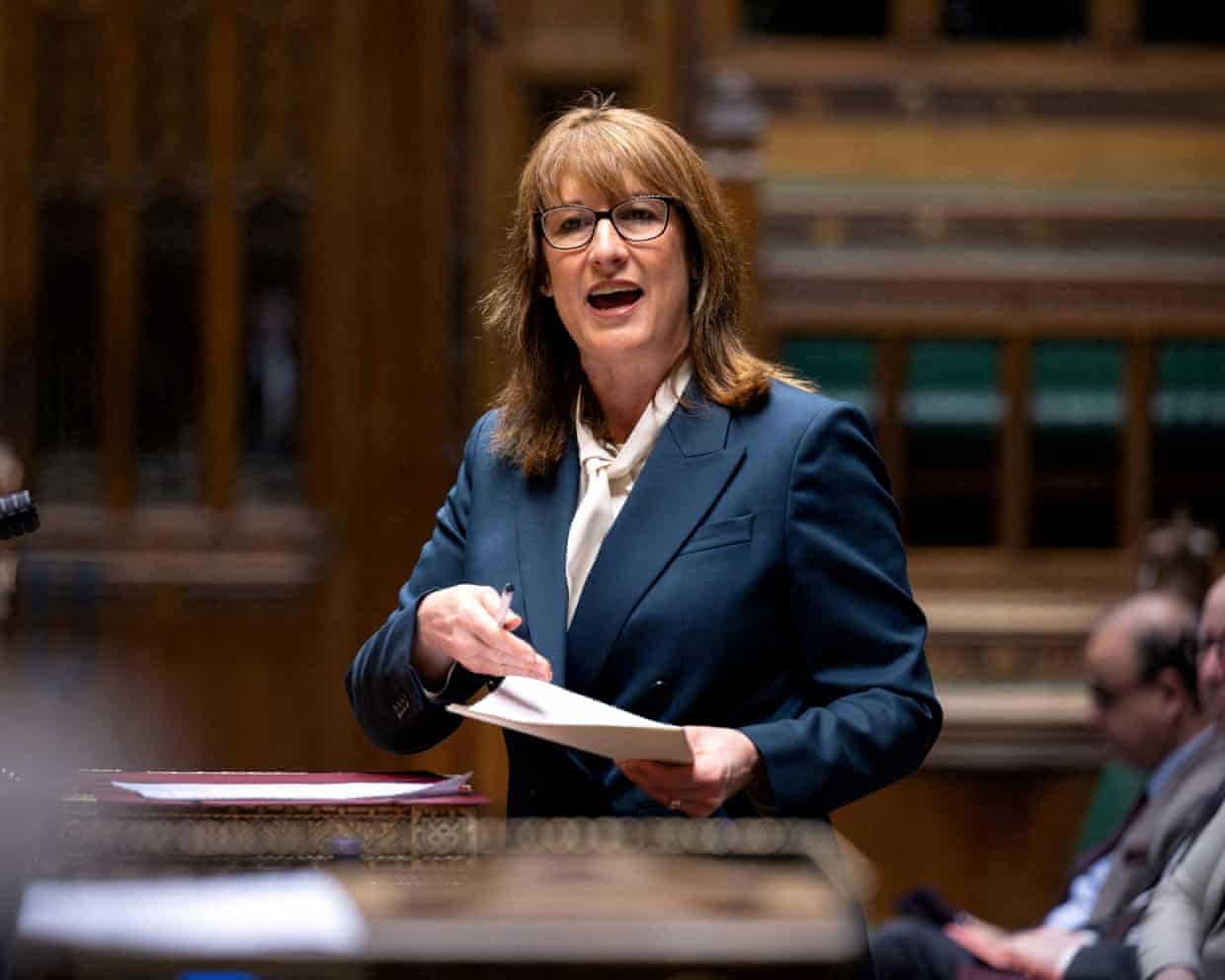
Families hardest hit by the looming energy crisis caused by the Iran war could be given funds dispensed by local councils, under plans being considered by UK ministers keen to keep a lid on costs.As concerns increase about the impact of rising fuel and energy costs in response to a drawn-out conflict in the Middle East, a government official said several options for extending support were being debated inside Whitehall.Under one plan, extra cash could be injected into the crisis and resilience fund (CRF), a £1bn a year council-run scheme in England that takes effect from Wednesday “to provide preventative support to communities, as well as assisting people when faced with a financial crisis”.It is understood that the fund could be topped up to help cushion households identified by councils as facing particular hardship from higher energy bills.The chancellor, Rachel Reeves, is examining plans to support households with energy bills forecast to hit nearly £2,000 a year from July
Brent crude rises after Trump says he wants to ‘take the oil’ in Iran and Yemeni Houthis launch second attack on Israel – as it happened
Brent crude is on course for a record monthly rise of nearly 60%, exceeding gains it made during the 1990 Gulf War.The global oil benchmark is currently trading 3.5% higher at $116.051 a barrel – up 59% so far in March – while New York light crude rose 2% to $101.6 a barrel

Brent crude hits $116 a barrel as Trump threatens to ‘blow up’ Iran’s oilwells and export hub
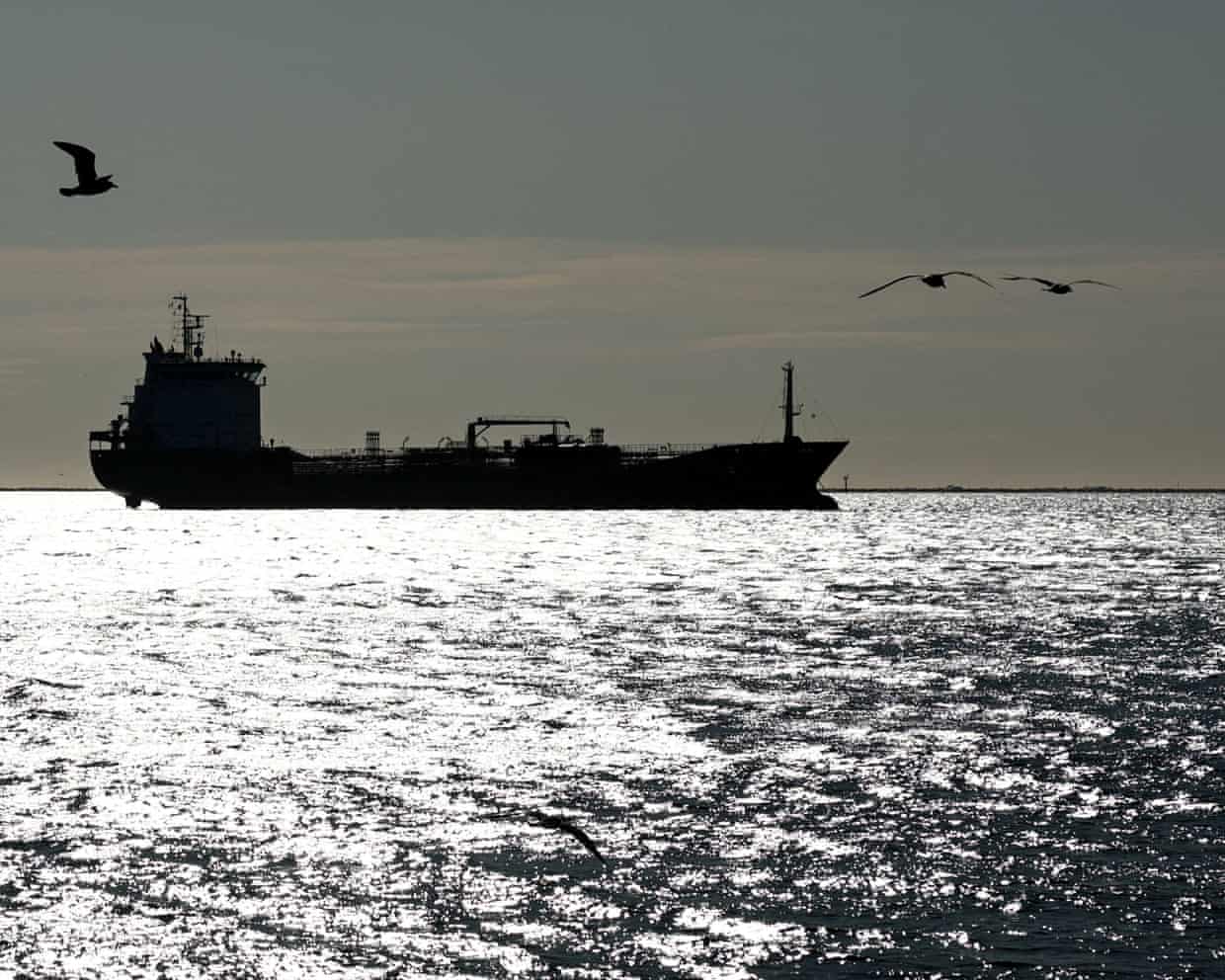
The price of oil hit nearly $117 (£89) a barrel on Monday as Donald Trump threatened to “blow up” and “completely obliterate” Iranian electricity plants, oilwells and its export hub Kharg Island if it did not agree to a deal.Brent crude rose after the US president wrote on his social media platform Truth Social that if a deal was not agreed and the strait of Hormuz was not reopened, the US would take further action.He wrote: “We will conclude our lovely ‘stay’ in Iran by blowing up and completely obliterating all of their Electric Generating Plants, Oil Wells and Kharg Island (and possibly all desalinization plants!), which we have purposefully not yet ‘touched’ …“This will be in retribution for our many soldiers, and others, that Iran has butchered and killed over the old Regime’s 47 year ‘Reign of Terror’.”Jerome Powell, the US Federal Reserve chair and a regular target of the president’s ire, claimed on Monday that the central bank was in a “good place … to wait and see” how the economic fallout of the war on Iran unfolds. But he cautioned that policymakers would monitor two conflicting factors – the stability of both the US workforce and prices – as they consider what to do with interest rates
Mounjaro maker wants NHS drug price rises in return for more investment in UK
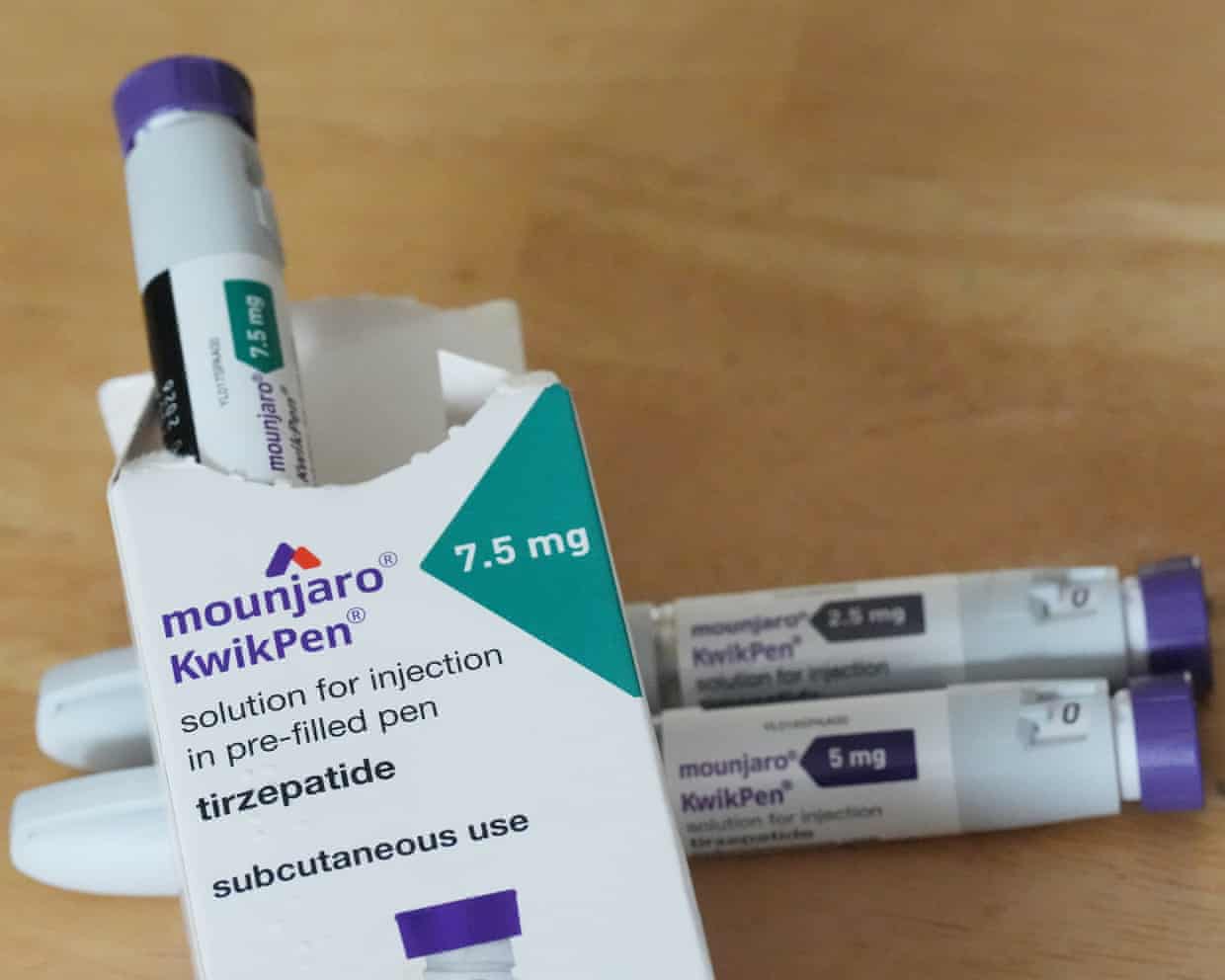
The US pharmaceutical group behind the Mounjaro weight-loss drug has said it will unpause its UK investments if ministers agree to regularly increase NHS drug prices and end a rebate scheme.Patrik Jonsson, the president of Eli Lilly’s international business, said the company was in talks with UK ministers and that he was optimistic about reaching an agreement this summer for Britain to pay more for its medicines.He said in an interview with the Financial Times that the talks would also explore “innovative” pricing plans, such as linking payments for anti-obesity drugs to whether the treatment will help patients return to work.It comes as the US pharmaceutical industry ramps up pressure on the UK, with Keir Starmer agreeing last year to the first increase in NHS cost effectiveness thresholds in 27 years. This raised the price the NHS will pay on potentially life-extending drugs, from £20,000 to £30,000 a year for every year of life gained to £25,000 to £35,000
Pessimism takes root in UK as shoppers struggle to afford essentials
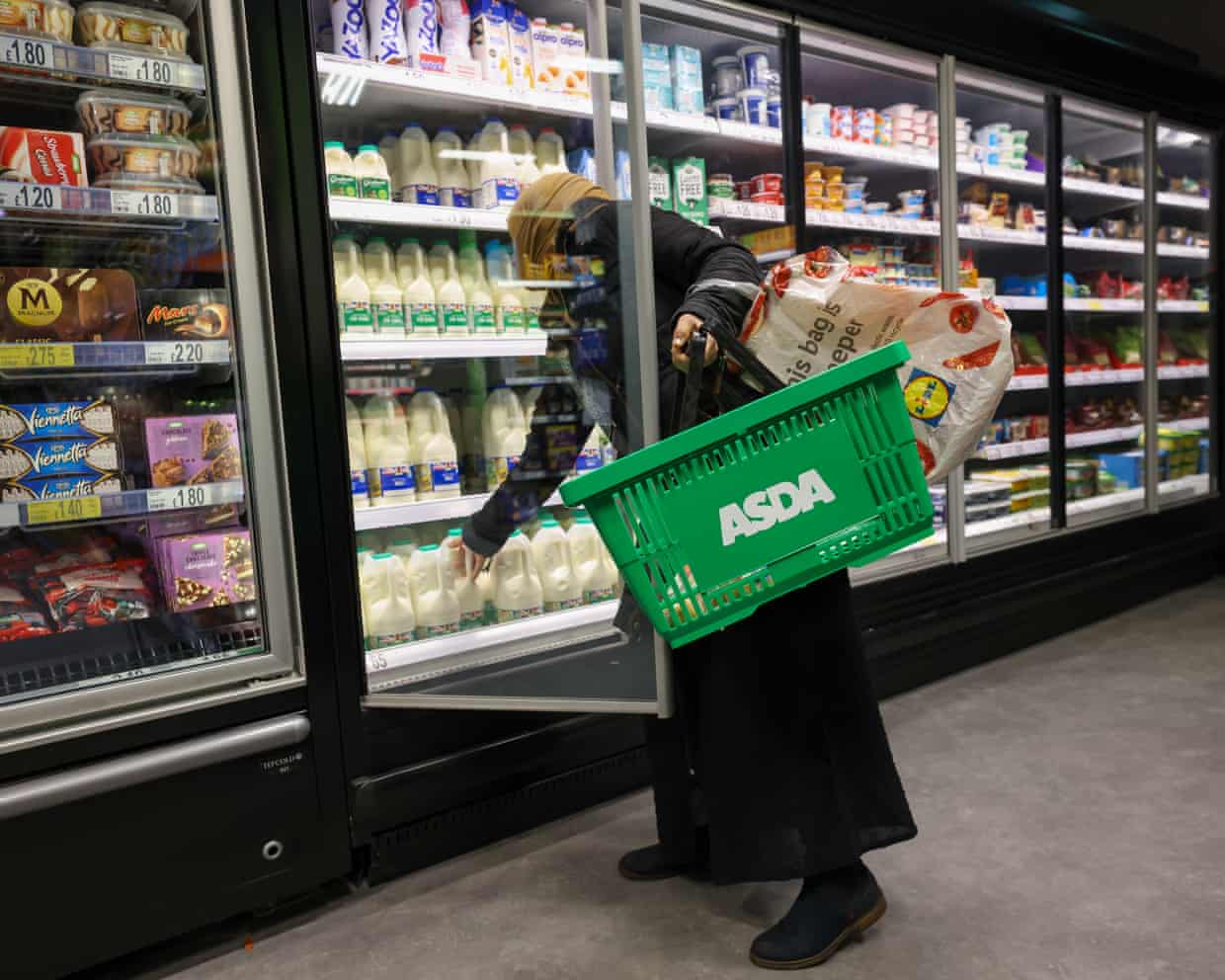
The Iran war has led to a surge in pessimism in the UK as half of households are already struggling to afford everyday essentials.The escalating conflict in the Middle East, which has driven the price of oil, gas, crop fertiliser and other raw materials sharply higher, threatens to cause another cost of living shock.The latest Which? consumer insight tracker found that price pressures were forcing half of households, an estimated 14 million, to make at least one adjustment – dip into savings, sell possessions or borrow money – to cover the cost of essentials on a daily basis.Confidence in the future of the UK economy plummeted by 13 points to a score of -56 in the month to 13 March, the lowest level recorded since the end of 2022, the tracker found.Which? said this score reflected “a deep-seated pessimism across the country”, with two-thirds (67%) of UK adults now expecting the national economy to worsen over the next 12 months, while just 12% think it will improve

Millions of boomer small business owners will soon retire. Will their companies just disappear? | Gene Marks
Want to buy my business? It’s been very profitable. I’ve run it for more than 25 years. But no, you don’t want to buy it. Like most small businesses in this country, there’s really nothing of value here.According to the Small Business Administration, there are approximately 33m small businesses in the US

MPs wary of move against Starmer while war is raging

Keir Starmer to launch local elections campaign with focus on cost of living
Labour has left its loyal supporters disillusioned | Letters
EU offers UK ‘emergency brake’ on youth mobility scheme numbers
‘A cruel penalty’: disabled people face lower benefit payments if conditions not deemed lifelong

Reform insiders fear links to extreme figures such as Andrew Tate will scare off voters