How many sweeteners does JP Morgan need to build an office in Canary Wharf? | Nils Pratley
The way Rachel Reeves told it last November after her budget, it seemed to be a done deal that JP Morgan would build a 279,000 sq metre (3m sq ft) tower in Canary Wharf to serve as its European headquarters.The chancellor was “thrilled” the Wall Street bank had chosen London and hailed “a multibillion-pound vote of confidence in the UK economy and this government’s plans for growth”.And, to be fair to Reeves, Jamie Dimon, JP Morgan’s big boss, also presented the plan as final.“The UK government’s priority of economic growth has been a critical factor in helping us make this decision,” he said.One did not have to be overly cynical to wonder whether Dimon had waited to give the green light until Reeves had confirmed her tax-raising budget would not introduce fresh levies on banks.
After all, the Financial Times reported that the prime minister’s business envoy, Varun Chandra, had travelled to New York a few days before the budget to reassure the bank over the government’s pro-business stance,But, hey, at least London would get this £3bn office housing 12,000 JP Morgan staff,Except, it turns out, the negotiation is not quite complete,JP Morgan, a bank that made net income of $57bn (£43bn) in 2025, would like a discount on its business rates, according to documents produced by the local Tower Hamlets council,How much?Well, the Treasury is proposing “up to 100%” over “a period of years”, which could mean hundreds of millions of pounds since, under normal undiscounted conditions, the site is estimated to generate up to £1.
6bn in rates over 25 years.The documents say the bank is “unlikely to progress” the project “without clarity and certainty”.Thus the government “has formally requested that the council present a range of viable options for delivering a lawful and fiscally responsible business rates incentive”.One can take the view that argy-bargy over sweeteners is par for the course for the sort of mega-development.One assessment, touted by JP Morgan, naturally, says the project would add almost £10bn to the UK economy over six years and create about 7,800 construction-related jobs.
Like it or not, those are hefty statistics to plonk on the negotiating table.All the same, the fact that the vehicle for a sweetener is business rates will rightly infuriate all those pubs, restaurants and hospitality business that were clobbered by the same tax in Reeves’s budget.One proposal imagines bending the system out of shape to create an enterprise zone around JP Morgan’s development to enable time-limited business rates discounts.But it requires little imagination to see where the power lies in this negotiation.JP Morgan will a get a deal it doesn’t really need because it would be far too embarrassing for the Treasury to see this investment slip between the cracks.
Financial services, remember, is one of the eight chosen sectors of the government’s “modern” industrial strategy.We can only hope the government tells us eventually how many millions this “multibillion-pound vote of confidence” ends up costing.
Families hardest hit by energy crisis could be given funds dispensed by councils in England
Families hardest hit by the looming energy crisis caused by the Iran war could be given funds dispensed by local councils, under plans being considered by UK ministers keen to keep a lid on costs.As concerns increase about the impact of rising fuel and energy costs in response to a drawn-out conflict in the Middle East, a government official said several options for extending support were being debated inside Whitehall.Under one plan, extra cash could be injected into the crisis and resilience fund (CRF), a £1bn a year council-run scheme in England that takes effect from Wednesday “to provide preventative support to communities, as well as assisting people when faced with a financial crisis”.It is understood that the fund could be topped up to help cushion households identified by councils as facing particular hardship from higher energy bills.The chancellor, Rachel Reeves, is examining plans to support households with energy bills forecast to hit nearly £2,000 a year from July
Brent crude rises after Trump says he wants to ‘take the oil’ in Iran and Yemeni Houthis launch second attack on Israel – as it happened
Brent crude is on course for a record monthly rise of nearly 60%, exceeding gains it made during the 1990 Gulf War.The global oil benchmark is currently trading 3.5% higher at $116.051 a barrel – up 59% so far in March – while New York light crude rose 2% to $101.6 a barrel

Brent crude hits $116 a barrel as Trump threatens to ‘blow up’ Iran’s oilwells and export hub
The price of oil hit nearly $117 (£89) a barrel on Monday as Donald Trump threatened to “blow up” and “completely obliterate” Iranian electricity plants, oilwells and its export hub Kharg Island if it did not agree to a deal.Brent crude rose after the US president wrote on his social media platform Truth Social that if a deal was not agreed and the strait of Hormuz was not reopened, the US would take further action.He wrote: “We will conclude our lovely ‘stay’ in Iran by blowing up and completely obliterating all of their Electric Generating Plants, Oil Wells and Kharg Island (and possibly all desalinization plants!), which we have purposefully not yet ‘touched’ …“This will be in retribution for our many soldiers, and others, that Iran has butchered and killed over the old Regime’s 47 year ‘Reign of Terror’.”Jerome Powell, the US Federal Reserve chair and a regular target of the president’s ire, claimed on Monday that the central bank was in a “good place … to wait and see” how the economic fallout of the war on Iran unfolds. But he cautioned that policymakers would monitor two conflicting factors – the stability of both the US workforce and prices – as they consider what to do with interest rates
Mounjaro maker wants NHS drug price rises in return for more investment in UK
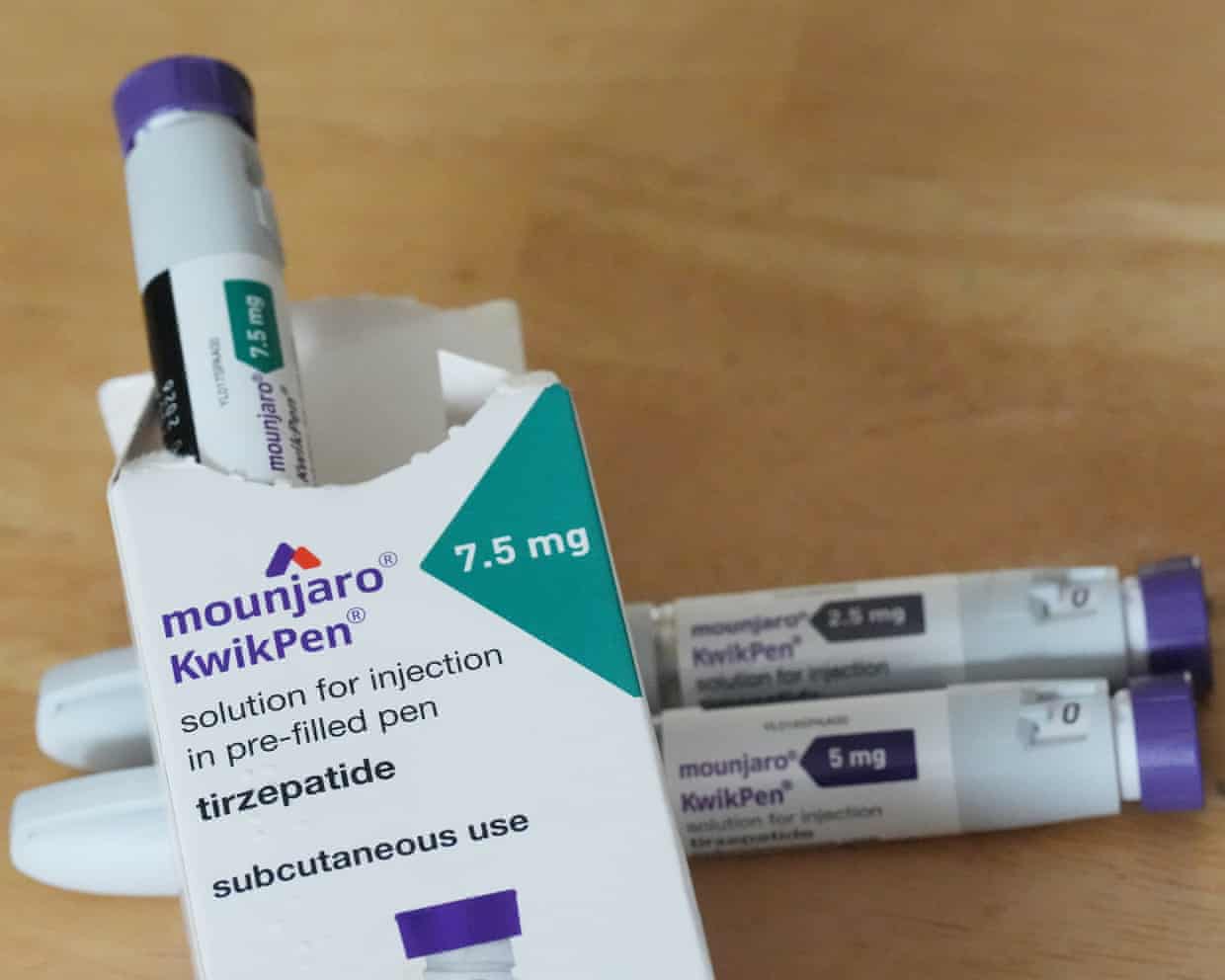
The US pharmaceutical group behind the Mounjaro weight-loss drug has said it will unpause its UK investments if ministers agree to regularly increase NHS drug prices and end a rebate scheme.Patrik Jonsson, the president of Eli Lilly’s international business, said the company was in talks with UK ministers and that he was optimistic about reaching an agreement this summer for Britain to pay more for its medicines.He said in an interview with the Financial Times that the talks would also explore “innovative” pricing plans, such as linking payments for anti-obesity drugs to whether the treatment will help patients return to work.It comes as the US pharmaceutical industry ramps up pressure on the UK, with Keir Starmer agreeing last year to the first increase in NHS cost effectiveness thresholds in 27 years. This raised the price the NHS will pay on potentially life-extending drugs, from £20,000 to £30,000 a year for every year of life gained to £25,000 to £35,000
Pessimism takes root in UK as shoppers struggle to afford essentials
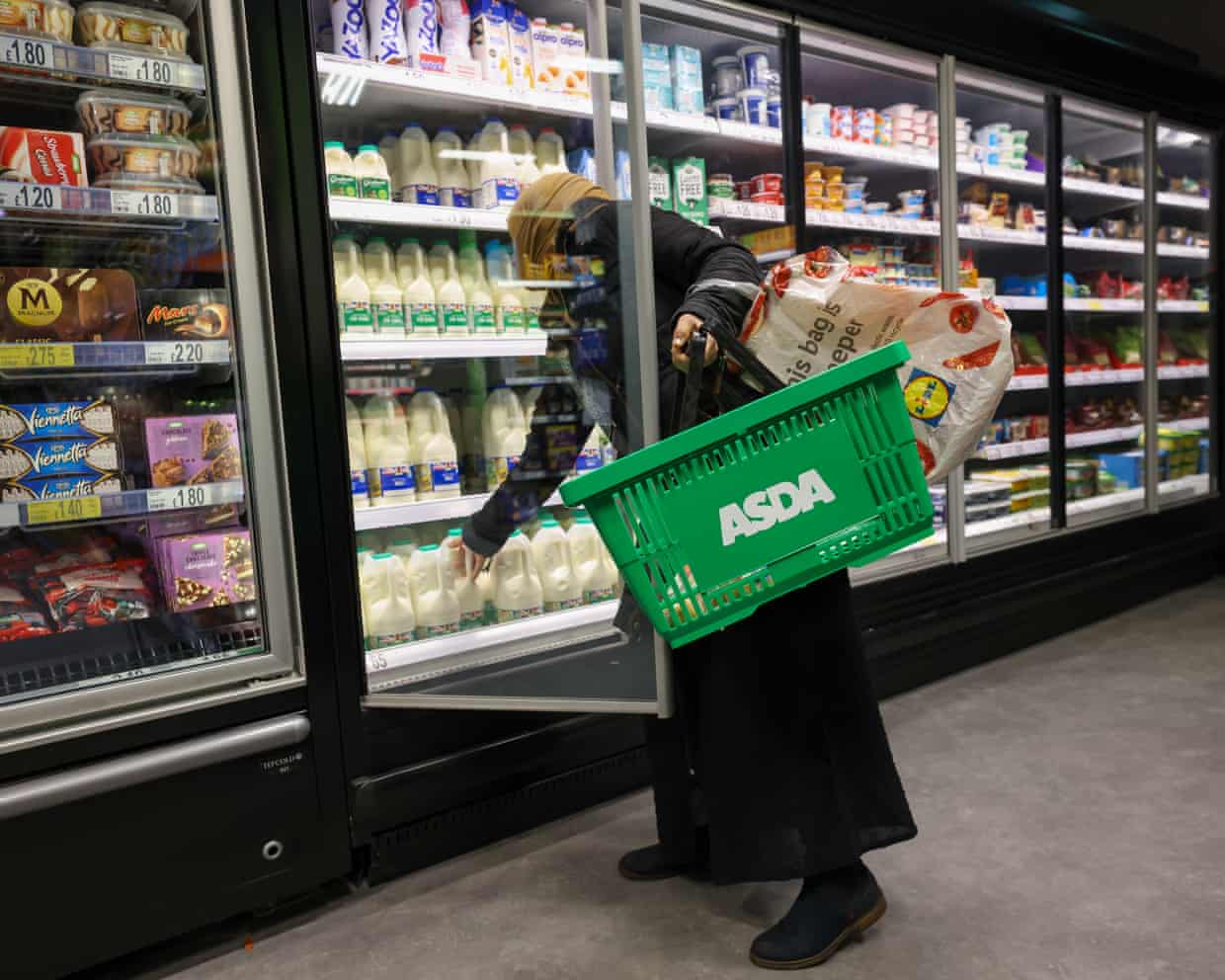
The Iran war has led to a surge in pessimism in the UK as half of households are already struggling to afford everyday essentials.The escalating conflict in the Middle East, which has driven the price of oil, gas, crop fertiliser and other raw materials sharply higher, threatens to cause another cost of living shock.The latest Which? consumer insight tracker found that price pressures were forcing half of households, an estimated 14 million, to make at least one adjustment – dip into savings, sell possessions or borrow money – to cover the cost of essentials on a daily basis.Confidence in the future of the UK economy plummeted by 13 points to a score of -56 in the month to 13 March, the lowest level recorded since the end of 2022, the tracker found.Which? said this score reflected “a deep-seated pessimism across the country”, with two-thirds (67%) of UK adults now expecting the national economy to worsen over the next 12 months, while just 12% think it will improve

Millions of boomer small business owners will soon retire. Will their companies just disappear? | Gene Marks
Want to buy my business? It’s been very profitable. I’ve run it for more than 25 years. But no, you don’t want to buy it. Like most small businesses in this country, there’s really nothing of value here.According to the Small Business Administration, there are approximately 33m small businesses in the US
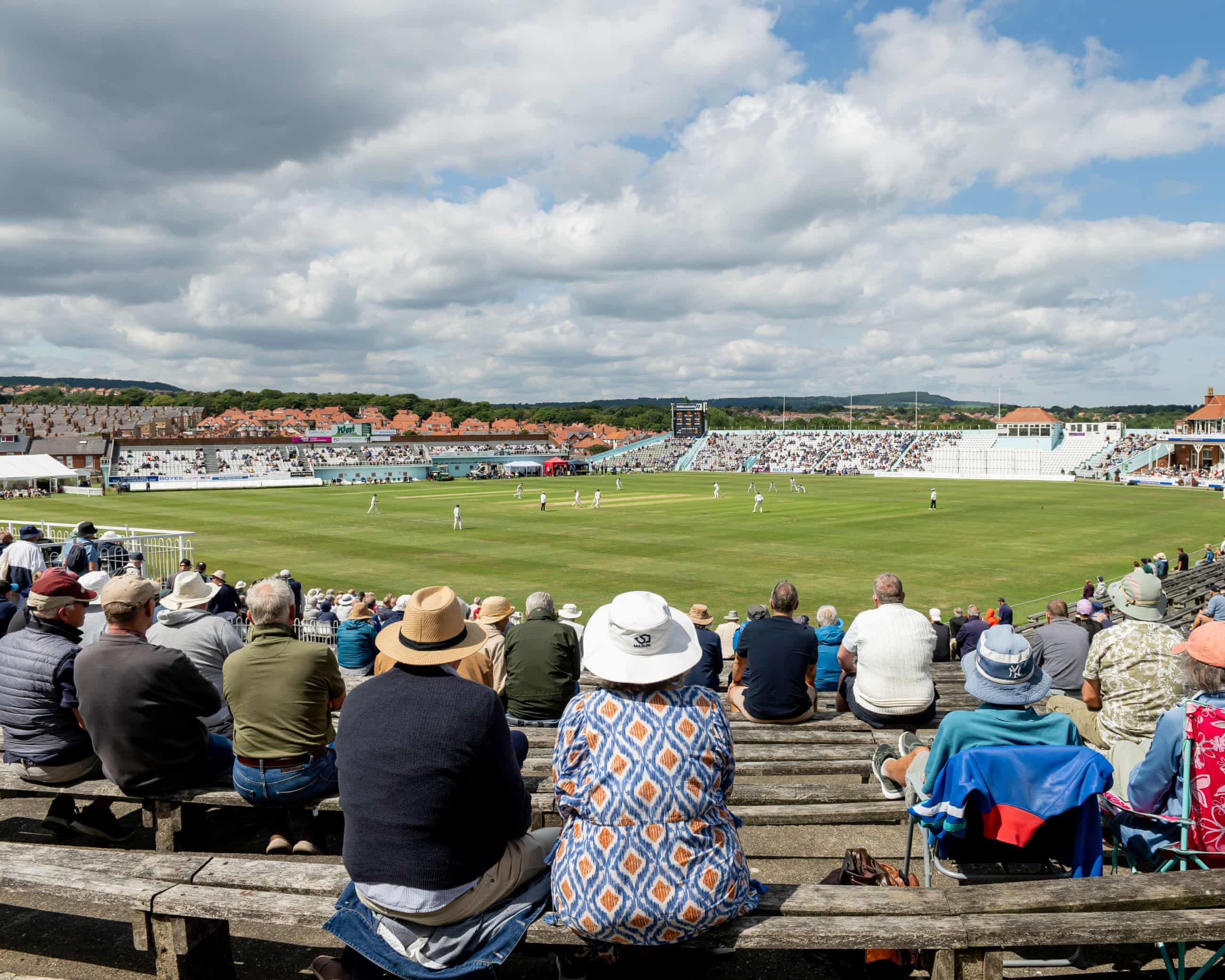
County season arrives with fresh hope of domestic displays paving path to international stage

‘Worst case I get to ride a lot’: Lael Wilcox on her quest to become the fastest human to cycle round the world

Mercedes’ Wolff says Antonelli and Russell are ‘off the leash’ to race … for now
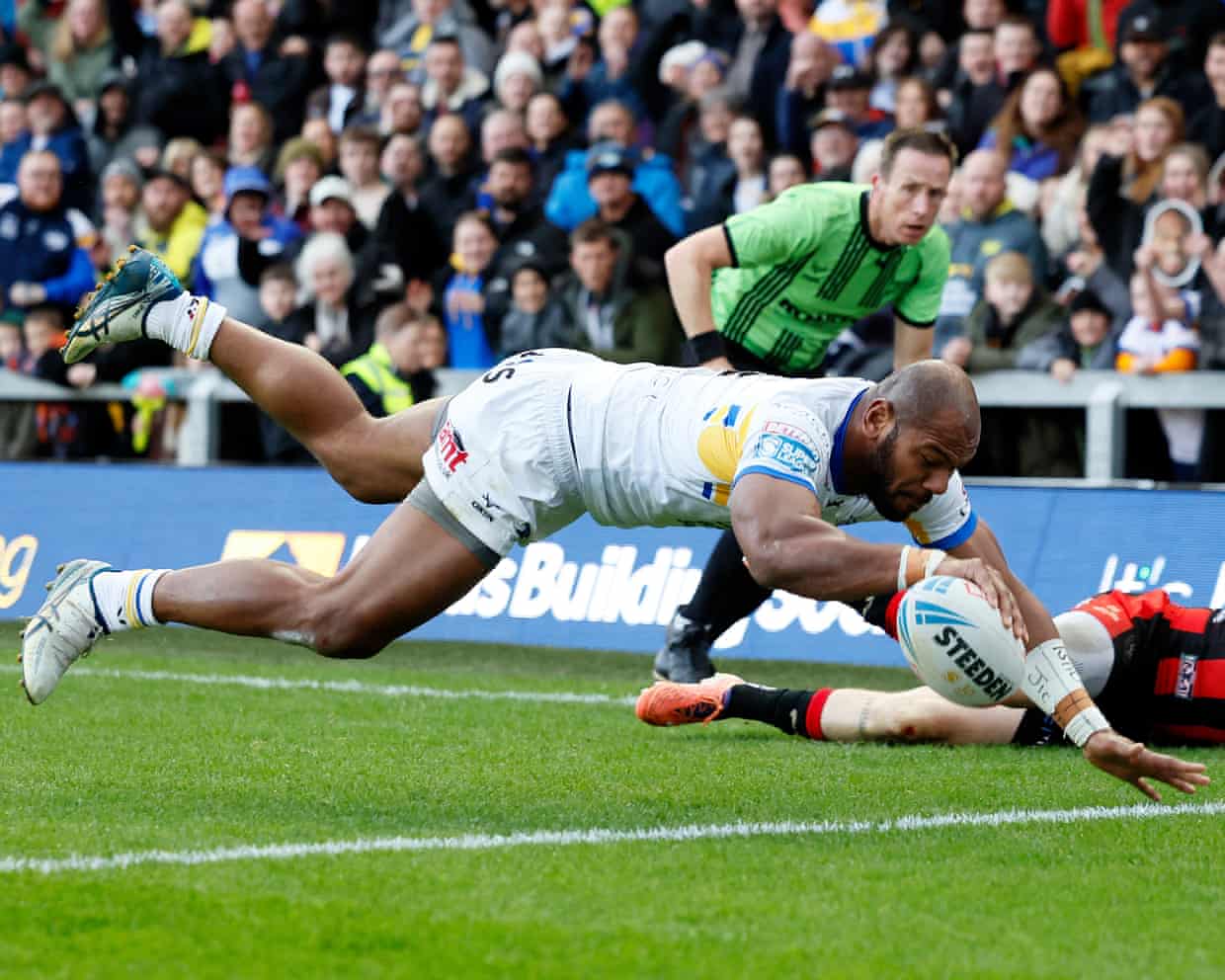
Leeds and Warrington thriller is fitting gift on Super League’s 30th birthday

Landmark changes to insurance cover for female athletes to be implemented

Andrew Bogut accused of body-shaming 36ers owner during NBL championship series