Pessimism takes root in UK as shoppers struggle to afford essentials
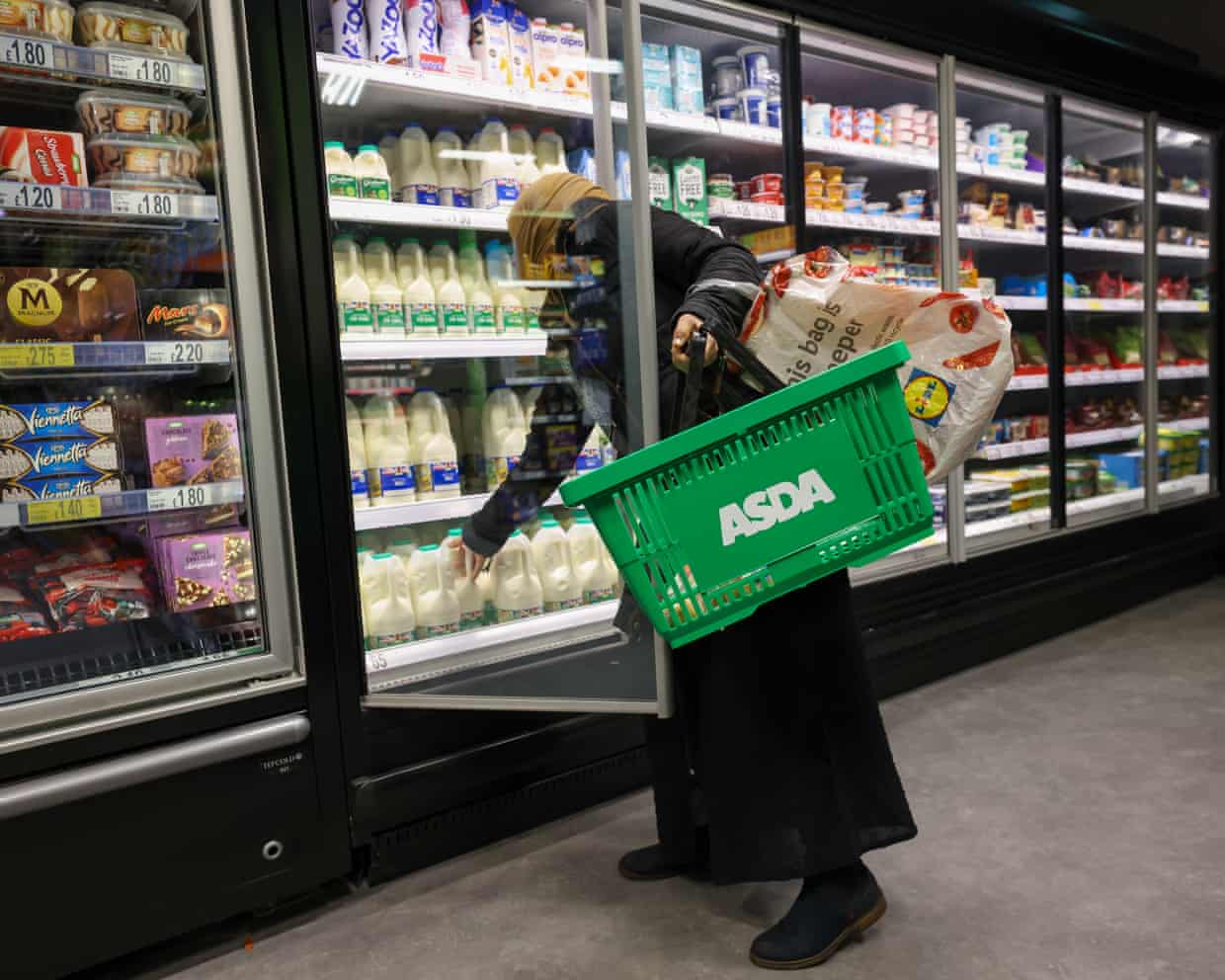
The Iran war has led to a surge in pessimism in the UK as half of households are already struggling to afford everyday essentials.The escalating conflict in the Middle East, which has driven the price of oil, gas, crop fertiliser and other raw materials sharply higher, threatens to cause another cost of living shock.The latest Which? consumer insight tracker found that price pressures were forcing half of households, an estimated 14 million, to make at least one adjustment – dip into savings, sell possessions or borrow money – to cover the cost of essentials on a daily basis.Confidence in the future of the UK economy plummeted by 13 points to a score of -56 in the month to 13 March, the lowest level recorded since the end of 2022, the tracker found.Which? said this score reflected “a deep-seated pessimism across the country”, with two-thirds (67%) of UK adults now expecting the national economy to worsen over the next 12 months, while just 12% think it will improve.
Confidence has not yet reached the depths of the pandemic, when the score hit -78, or the 2022 cost of living crisis, when it fell to -70, but the drop highlights a growing strain as millions of households continue to struggle.Savings are shifting from a safety net to a lifeline, with a quarter (26%) of households now regularly dipping into savings to bridge the gap between their income and the cost of essentials.This contrasts with the end of last year when financial stress appeared to be declining.Confidence in the future of household finances has hit its lowest level since April last year, falling five points to -15 this month.Headline UK inflation is now expected to stay higher for longer.
Before the conflict in the Middle East, UK inflation had been expected to fall to the Bank of England’s 2% target in the coming months, from 3% now.The Bank now expects the rate to rise to 3.5% and stick at more than a percentage point above target throughout 2026, putting further pressure on households.Sue Davies, the head of consumer protection policy at Which?, said: “Our research shows a concerning shift in consumer sentiment, with confidence in the economy hitting its lowest point in years as households face a daunting combination of rising prices and global instability.“Pressure on budgets is becoming unsustainable for many.
We would encourage anyone who is struggling to keep up with their bills to speak to their providers as soon as possible and seek free, independent debt advice.”The group said businesses should be doing everything they could to help their customers.
Mounjaro maker wants NHS drug price rises in return for more investment in UK
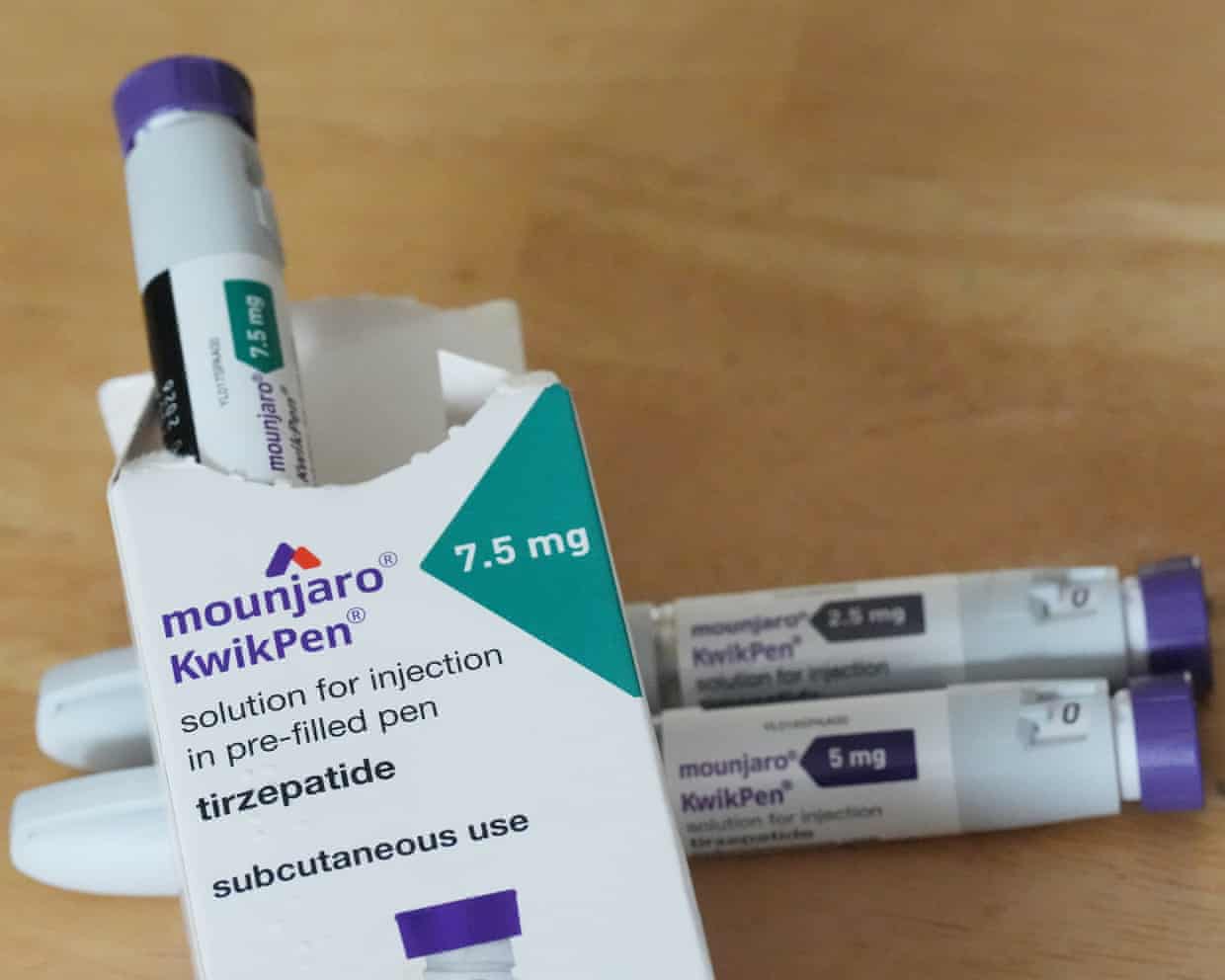
The US pharmaceutical group behind the Mounjaro weight-loss drug has said it will unpause its UK investments if ministers agree to regularly increase NHS drug prices and end a rebate scheme.Patrik Jonsson, the president of Eli Lilly’s international business, said the company was in talks with UK ministers and that he was optimistic about reaching an agreement this summer for Britain to pay more for its medicines.He said in an interview with the Financial Times that the talks would also explore “innovative” pricing plans, such as linking payments for anti-obesity drugs to whether the treatment will help patients return to work.It comes as the US pharmaceutical industry ramps up pressure on the UK, with Keir Starmer agreeing last year to the first increase in NHS cost effectiveness thresholds in 27 years. This raised the price the NHS will pay on potentially life-extending drugs, from £20,000 to £30,000 a year for every year of life gained to £25,000 to £35,000
Pessimism takes root in UK as shoppers struggle to afford essentials
The Iran war has led to a surge in pessimism in the UK as half of households are already struggling to afford everyday essentials.The escalating conflict in the Middle East, which has driven the price of oil, gas, crop fertiliser and other raw materials sharply higher, threatens to cause another cost of living shock.The latest Which? consumer insight tracker found that price pressures were forcing half of households, an estimated 14 million, to make at least one adjustment – dip into savings, sell possessions or borrow money – to cover the cost of essentials on a daily basis.Confidence in the future of the UK economy plummeted by 13 points to a score of -56 in the month to 13 March, the lowest level recorded since the end of 2022, the tracker found.Which? said this score reflected “a deep-seated pessimism across the country”, with two-thirds (67%) of UK adults now expecting the national economy to worsen over the next 12 months, while just 12% think it will improve

Millions of boomer small business owners will soon retire. Will their companies just disappear? | Gene Marks
Want to buy my business? It’s been very profitable. I’ve run it for more than 25 years. But no, you don’t want to buy it. Like most small businesses in this country, there’s really nothing of value here.According to the Small Business Administration, there are approximately 33m small businesses in the US
One in five UK hospitality businesses fear collapse as costs surge
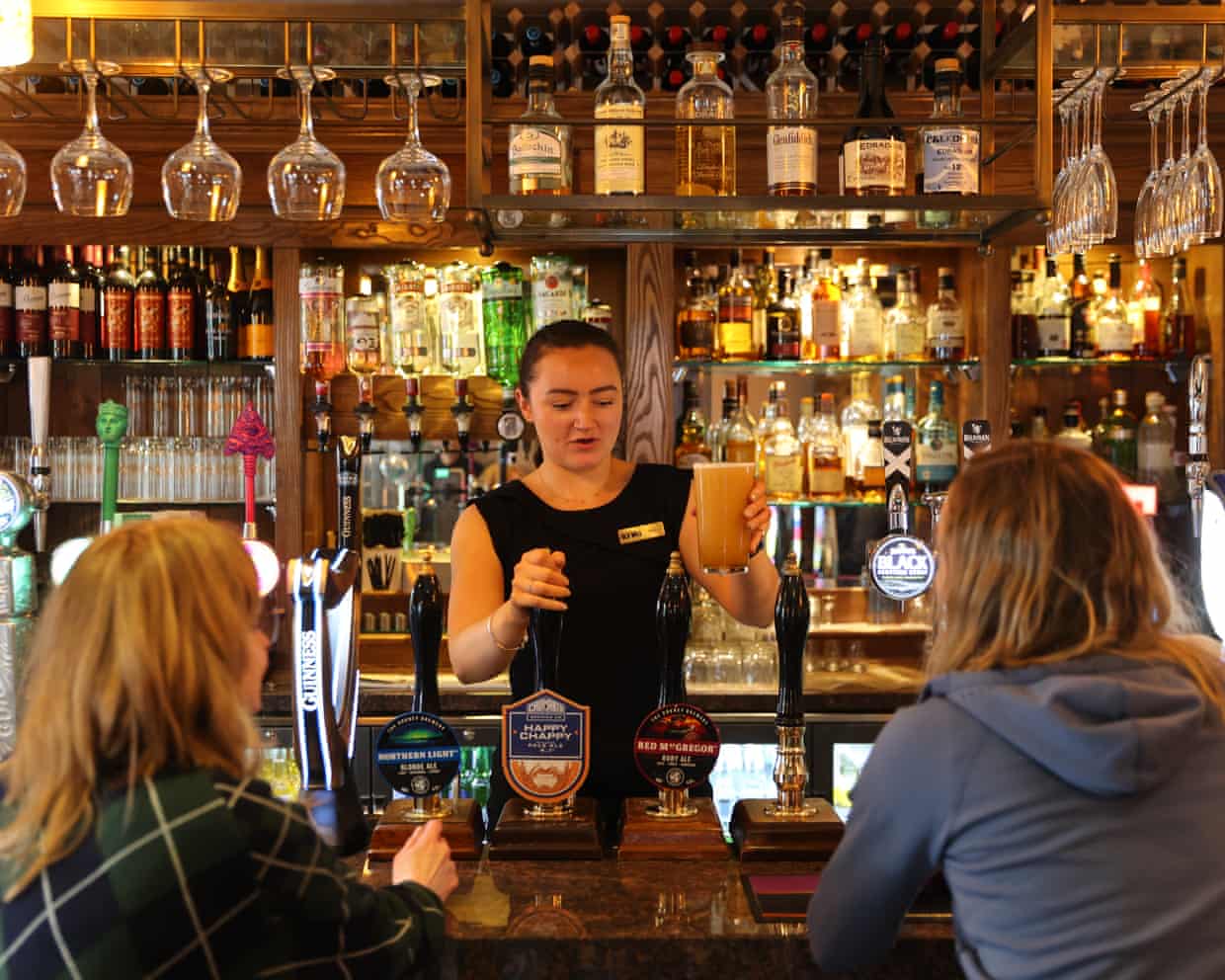
One in five hospitality businesses fear collapse in the next 12 months, according to an industry-wide survey that comes days before rises in tax and employment costs kick in.From Wednesday, many pub, restaurant and hotel companies face the prospect of a higher bill for business rates paid to their local authority, while an increase in minimum wage thresholds takes effect on the same day.The impending cost crunch has left the sector facing a crisis in confidence and warning of multiple business failures unless the burden is “dramatically reduced”.One in five of the survey respondents, who between them operate more than 20,000 venues, said their businesses were at risk of failing in the next 12 months.Almost half (44%) were pessimistic, while 17% were operating at a loss and 2% believed their businesses were already unviable, according to data shared with the Guardian by sector analysts CGA by NIQ

Oil on track for record monthly surge as Iran war disrupts markets
The Brent crude oil price is on track for its biggest monthly gain on record in March after the Iran war caused mayhem in the markets.Brent crude, the international benchmark, has climbed by 51% since the start of March, LSEG data shows, beating the previous monthly record of 46% in September 1990 after Saddam Hussein invaded Kuwait, leading to the first Gulf war.Brent closed at $112.57 a barrel on Friday, up from $72.48 a barrel on 27 February, the day before the US-Israeli war on Iran began

War in Iran erodes the chancellor’s headroom and exposes our fragility | Heather Stewart
It is with no pleasure that I must report a depressing domestic byproduct of the war in the Middle East: headroom chat is back.Of course, shifts in investors’ appetite for gilts – UK government bonds – are trivial in the context of the bloodshed in Iran and beyond. But as a result of the economic chaos unleashed, gilt yields, which determine the interest rate on government borrowing, have resumed their grip on British politics. And one of Rachel Reeves’s proudest boasts, the £23bn in “headroom” she had built up against her fiscal rules, is in jeopardy.Less than a month ago, the chancellor was able to stand up in the House of Commons and report that her headroom had increased since November’s tax-raising budget
County season arrives with fresh hope of domestic displays paving path to international stage

‘Worst case I get to ride a lot’: Lael Wilcox on her quest to become the fastest human to cycle round the world

Mercedes’ Wolff says Antonelli and Russell are ‘off the leash’ to race … for now
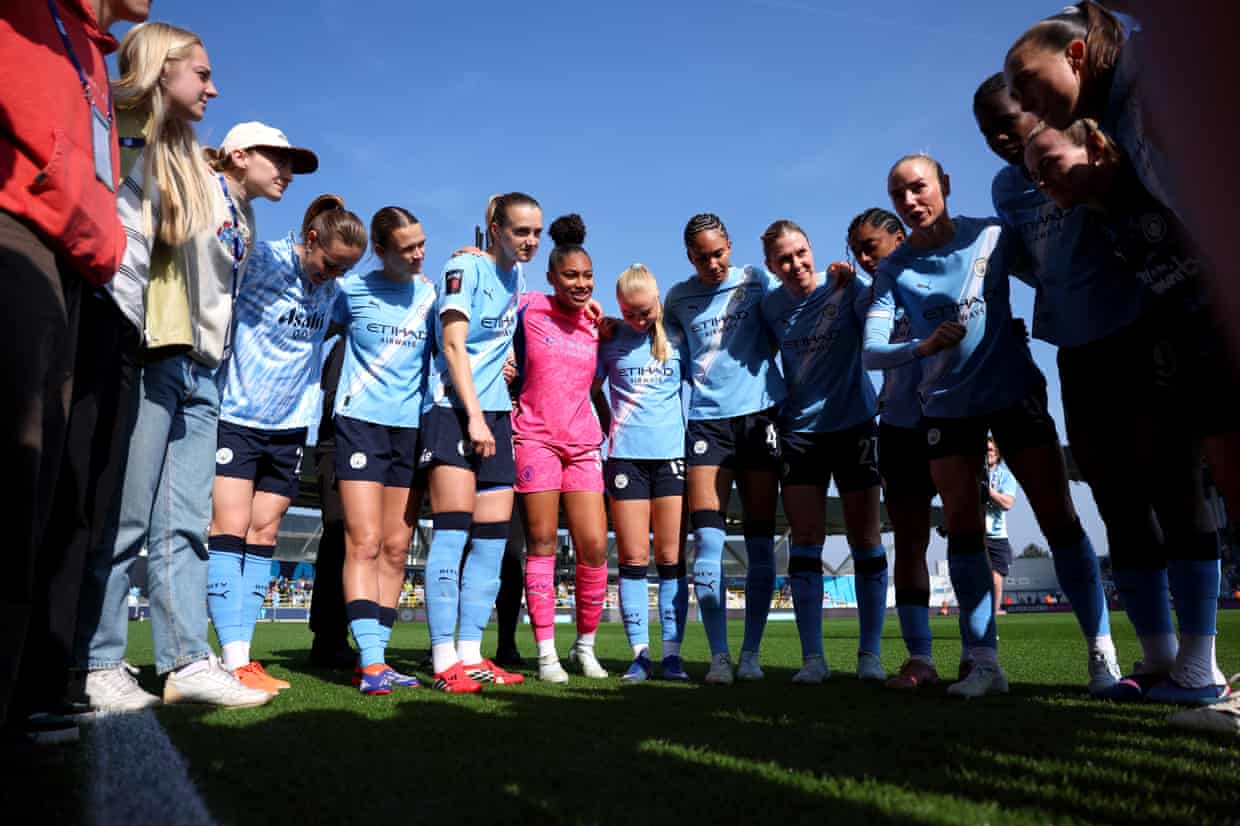
Landmark changes to insurance cover for female athletes to be implemented
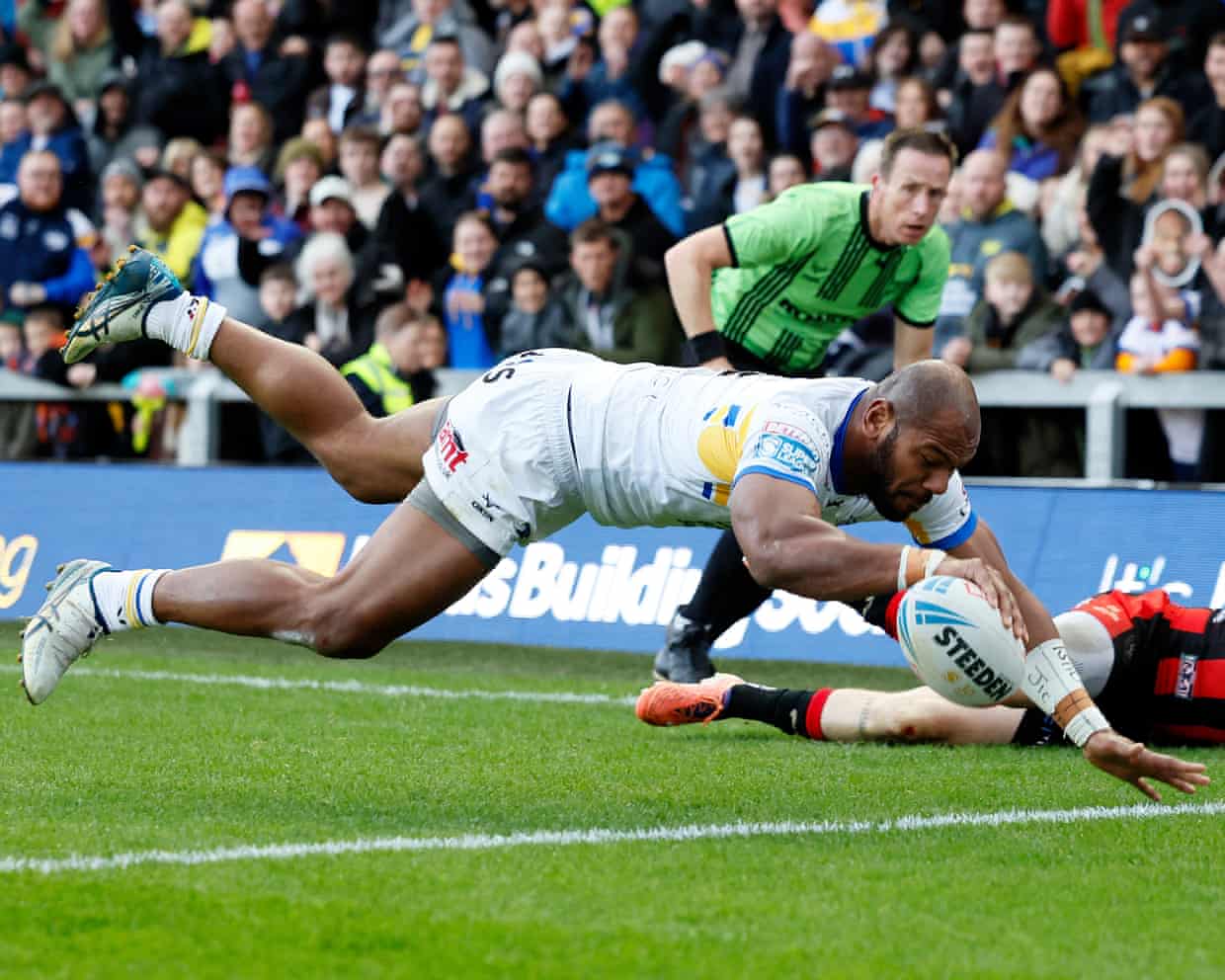
Leeds and Warrington thriller is fitting gift on Super League’s 30th birthday

Andrew Bogut accused of body-shaming 36ers owner during NBL championship series