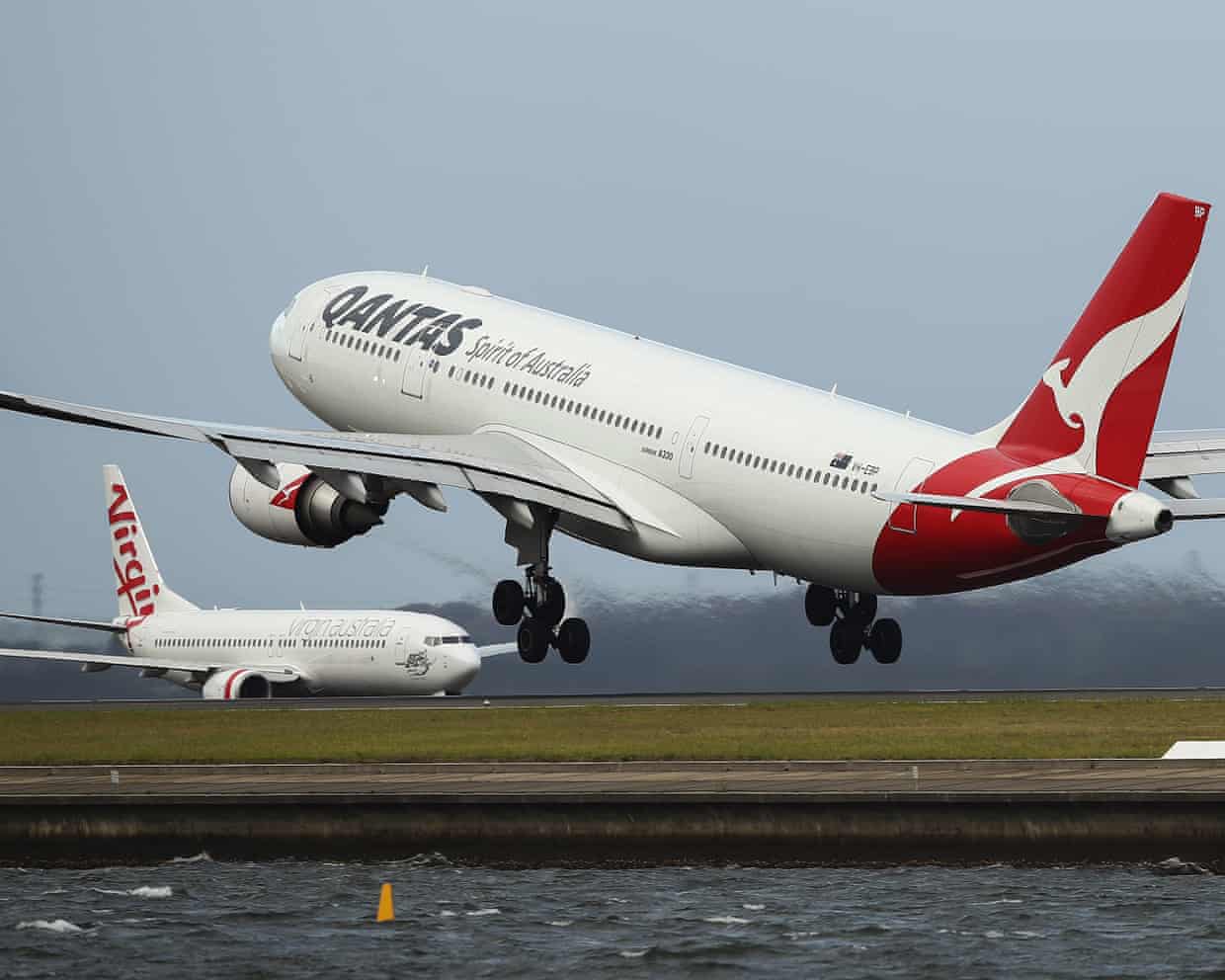
This chart on oil prices shows why Qantas and Virgin are cutting flights and raising fares
Thanks to the US-Israel war on Iran, filling up your car with petrol costs about 40% more than it did in February, and for diesel vehicles it’s closer to 80%.But even those painful increases pale in comparison to the extraordinary rise in the price of jet fuel, which has climbed by a 125% since the start of the Middle East conflict.This increase dwarfs the last global energy shock that followed Russia’s invasion of Ukraine in early 2022.Jet fuel peaked at about $US155 a barrel in June of that year; now it’s trading at $US210.Johnathan McMenamin, a senior economist at Barrenjoey, said the explosion in refining margins – the difference between the price of jet fuel and crude – was due to the big Asian refiners struggling to operate with falling oil supplies.
McMenamin said: “They have less crude coming into their refineries so they have to reduce their capacity.And when they have less product to refine, they produce less jet fuel.But demand is not really adjusting.”In other words, resilient demand for jet fuel matched with constrained supply has led to the spike in prices.This is an acute challenge for Qantas and Virgin Australia because fuel accounts for about a fifth of the total operating expenses.
No wonder, then, that the two companies this week announced they were raising ticket prices and cutting the number of flights.Still, analysts at UBS estimated that Qantas’s earnings on a per share basis would still be 19% lower in this financial year and 13% lower in the next.Both airlines said their suppliers had assured them of fuel supply “well into May”, suggesting another month or so before availability of fuel becomes a much more pressing issue than just sky-high prices.Ellis Taylor, the Asia editor at Cirium, an aviation analytics company, said the airlines had learned the lessons of Covid and were keen to avoid a repeat of scandals like the notorious “ghost flights” – selling tickets on already cancelled flights.“This time around where they are cutting flights they are being vocal about that and moving quickly to accommodate passengers.
That memory from Covid is close and haunting,” Taylor said.Even then, the cuts to flights remain relatively minor, he said.“Qantas is exiting only a couple of routes from what we are seeing.It’s more if there are multiple flights on a particular route, they might cut that number down from five a day to, say, three.”The airlines were able to limit the cuts to flight numbers by offsetting fare increases, but Taylor said the companies would be forced to put more flights on the chopping block if Australians started to travel less.
“At the moment, demand seems to be holding up.We won’t see it announced, but fares will start to slowly ratchet up.I’d expect fares to increase in the order of 20% at the very least compared to last year,” Taylor said.“It’s hard to measure fares in aggregate, but what consumers will see are fewer discounted tickets.During the peak periods, it might be that the fare differences will be more noticeable.
”Graham Doig, a senior lecturer at UNSW’s school of aviation, said airlines operated on incredibly thin margins, and over the past couple of months had “done their best” to cushion the blow to customers from the rise in fuel costs.“I think they are biting the bullet now and have to pass this on to customers, as they don’t have other ways to make up the revenues,” Doig said.Doig said travellers should brace for air fares that remain higher for longer.“I think the effect will be very long lasting.Oil prices don’t go straight back down – we saw that after Covid.
It can take months to years.”While Doig didn’t blame airlines for cutting back on flights and raising fares, he said the companies during the good times could and should have been reinvesting more of their profits into lifting the efficiency of their fleets, or putting aside cash buffers for the bad times.He said it would take many years, if not decades, for airlines to meaningfully reduce their reliance on fossil fuels.And while smaller aircraft could be electrified, that wasn’t a solution for larger planes.Sustainable jet fuels had been scientifically proved to be a viable alternative, “but it’s a cost and a scaling issue”.
“Right now, only a few percent of the global supply of jet fuel could be produced, and it’s not cost-competitive.”
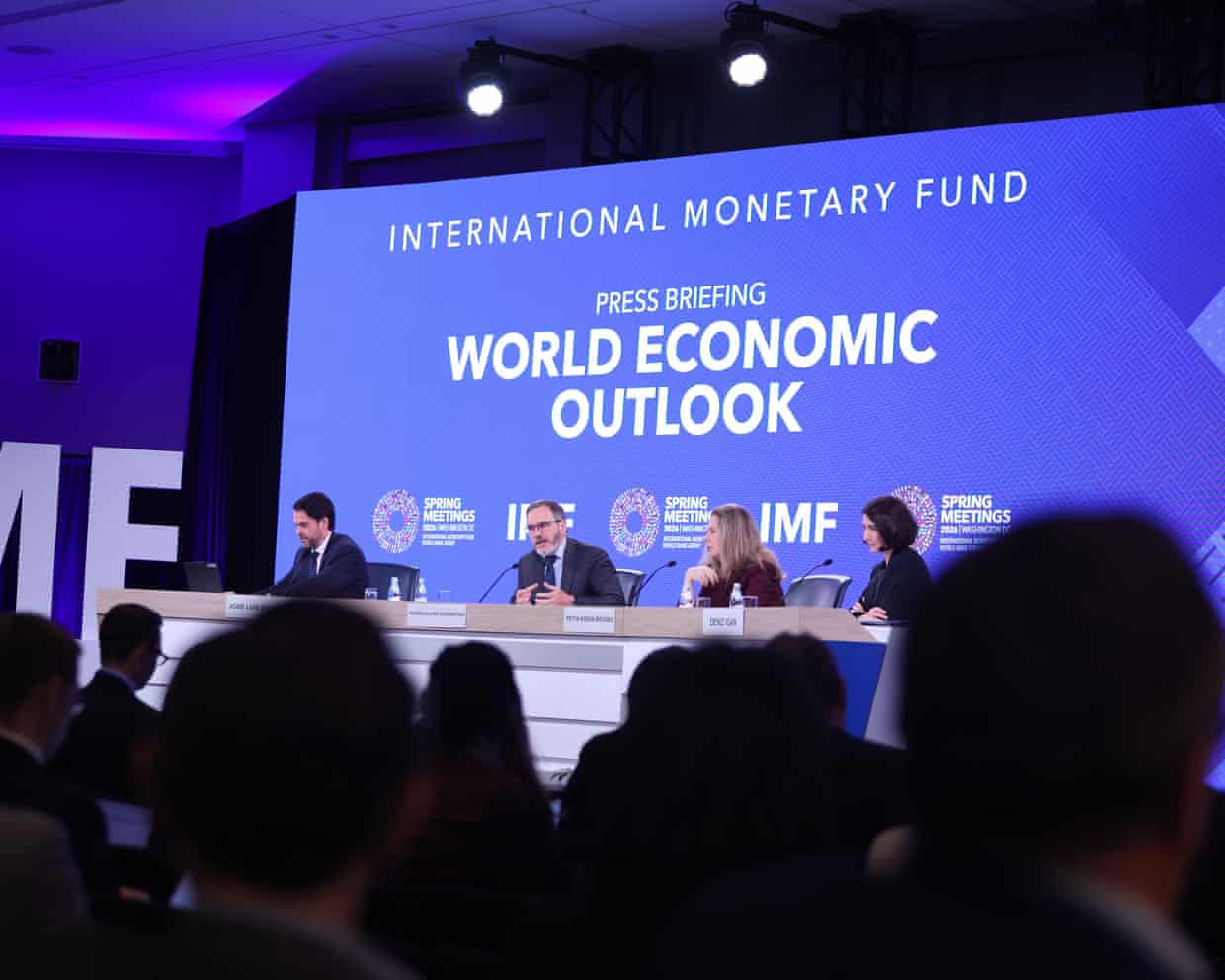
The IMF refuses to name the cause of this global chaos. It starts with ‘Donald’ and ends in ‘Trump’ | Greg Jericho
The IMF’s latest World Economic Outlook has forced it to admit that things have changed since its previous update in January when it blissfully hoped things would be OK. Now there is mostly darkness and despair.The IMF’s January report was titled “Steady amid Divergent Forces”; whereas the latest outlook is headlined “Global Economy in the Shadow of War” and begins “the global outlook has abruptly darkened following the outbreak of war in the Middle East on February 28, 2026.”Far be it for me to gloat, but my suggestion in January that “steady” was not a word to describe the global economy unless you were desperately trying to make the madness of Donald Trump seem normal has aged quite well.If the graph does not display click hereAs ever, the IMF remains unwilling to name Donald Trump
This chart on oil prices shows why Qantas and Virgin are cutting flights and raising fares
Thanks to the US-Israel war on Iran, filling up your car with petrol costs about 40% more than it did in February, and for diesel vehicles it’s closer to 80%.But even those painful increases pale in comparison to the extraordinary rise in the price of jet fuel, which has climbed by a 125% since the start of the Middle East conflict.This increase dwarfs the last global energy shock that followed Russia’s invasion of Ukraine in early 2022. Jet fuel peaked at about $US155 a barrel in June of that year; now it’s trading at $US210.Johnathan McMenamin, a senior economist at Barrenjoey, said the explosion in refining margins – the difference between the price of jet fuel and crude – was due to the big Asian refiners struggling to operate with falling oil supplies
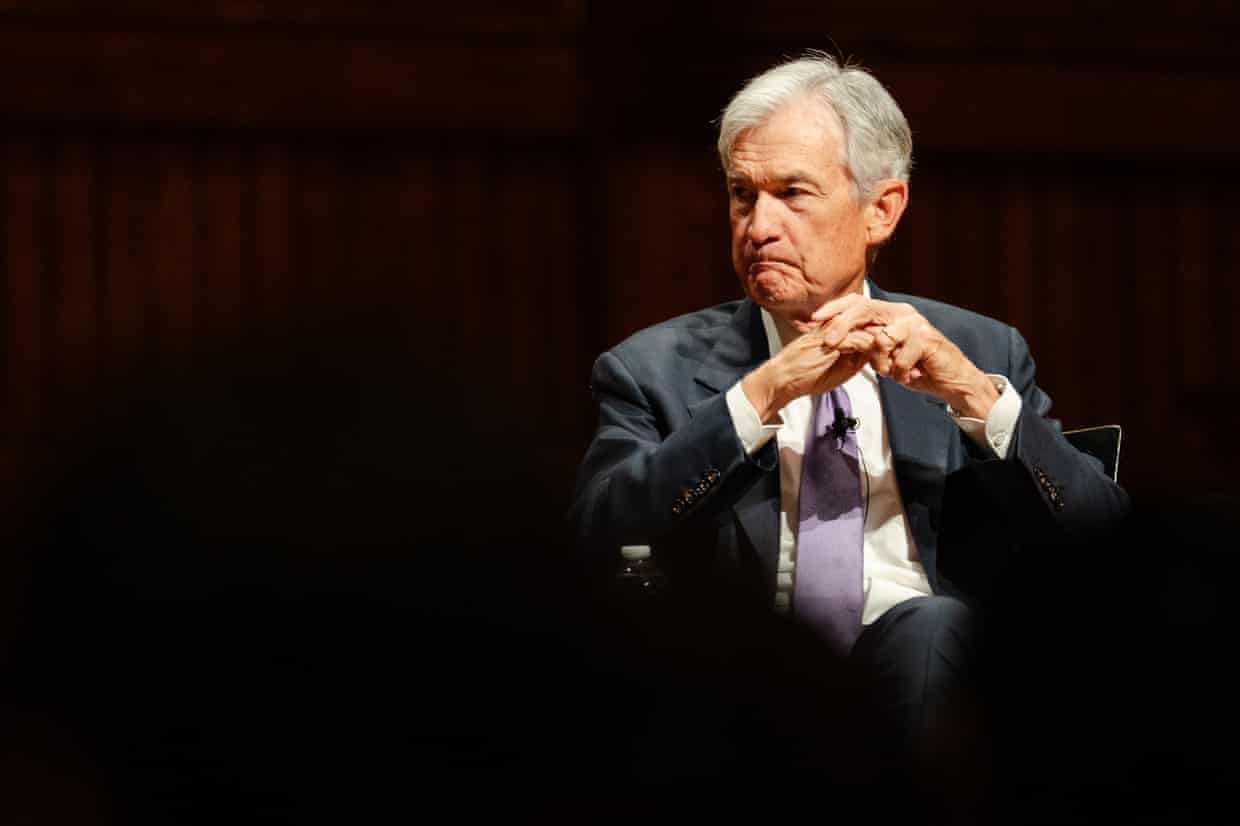
Trump threatens to fire Fed chair Jerome Powell amid pressure campaign
Donald Trump threatened to fire Jerome Powell if he stays on as US Federal Reserve chair past the end of his tenure and doubled down on a criminal investigation into renovations of the central bank’s headquarters.As the White House pushes Trump’s new nominee to take charge of the Fed, Kevin Warsh, Powell has a month left in the role. The possibility of Powell staying on as chair past 15 May, the official end of his term, has grown amid mounting scrutiny of Trump’s approach to the Fed in the Senate, which is required to approve Warsh’s nomination.“I’ll have to fire him, OK, if he’s not leaving on time,” Trump said of Powell during an interview on Fox Business. “I’ve held back firing him

Economic shock from Iran war risks driving up global debt levels, says IMF
The Iran war risks triggering a rise in global debt levels, forcing governments to choose between cushioning a cost of living shock and maintaining sound public finances, the International Monetary Fund has warned.Against a volatile backdrop of the Middle East conflict, the Washington-based fund said the war could add to the already strained position of government finances throughout the world.In its half-yearly fiscal monitor, the IMF said global debt levels were on track to increase because the war was pushing up the price of energy and food, fuelling higher government borrowing costs, and hitting economic growth.After a rise in gross government debt levels to almost 94% of GDP last year, it warned this figure was on track to reach 100% by 2029, a level previously reached only in the aftermath of the second world war.“The outbreak of war in the Middle East has added a new source of fiscal pressure to an already strained global landscape,” it said in the report
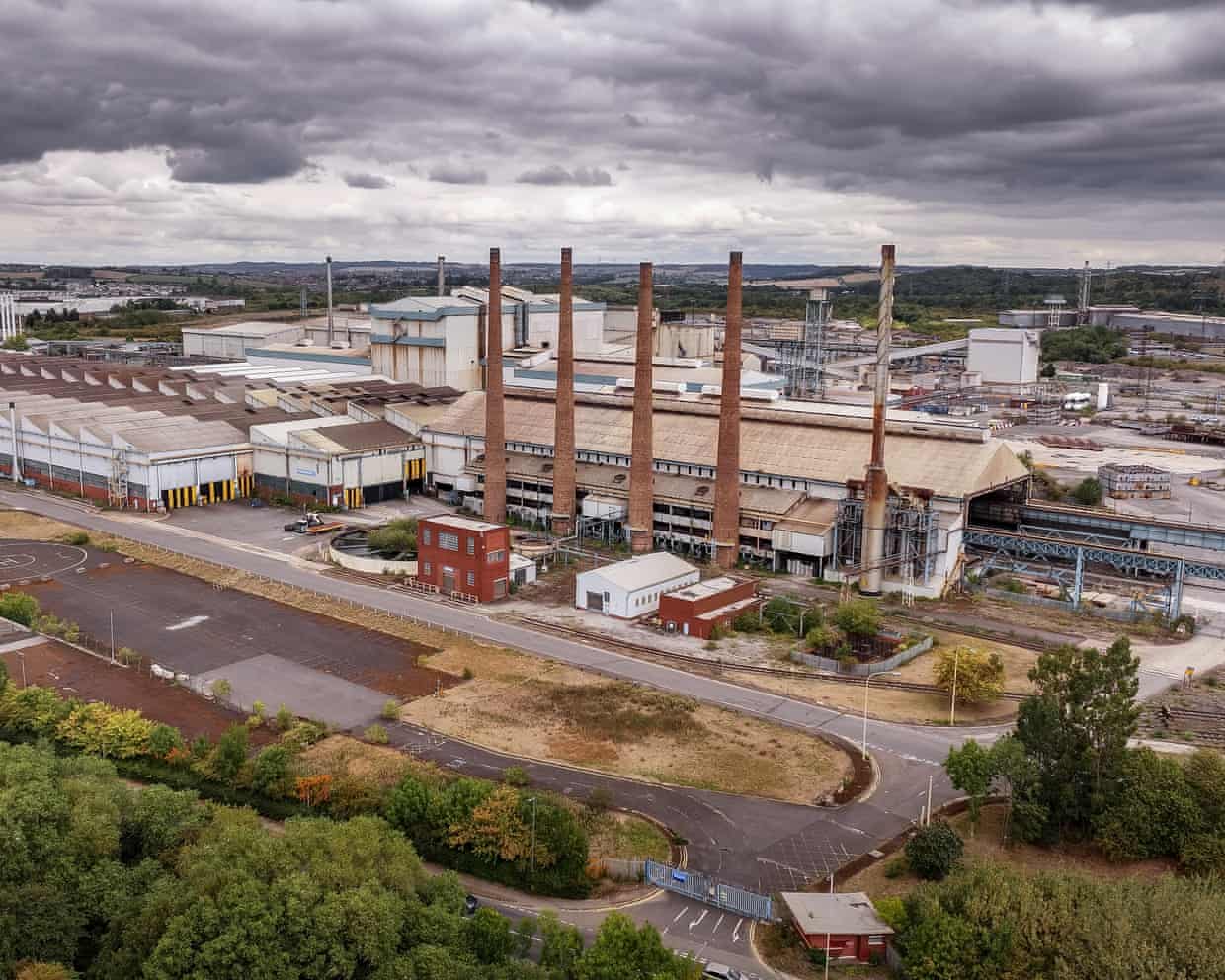
Norwegian group in talks to buy former Liberty Steel works in South Yorkshire
UK officials have entered exclusive talks with a Norwegian startup to buy the former Liberty Steel works in South Yorkshire, in a significant step towards its rescue.Norwegian-owned Blastr is understood to be the bidder preferred by the government’s official receiver to take on ownership of the UK’s largest existing electric arc furnace in Rotherham and other works in Stocksbridge, both in South Yorkshire.The business, formally named Speciality Steel UK (SSUK), has been under the official receiver’s control since August, after the previous owner Sanjeev Gupta lost the ownership in London’s high court.Finding a new buyer would remove a headache for the government, which also a year ago took control of the Chinese-owned British Steel blast furnaces in Scunthorpe, Lincolnshire. Ministers are understood to be looking at fully nationalising that plant
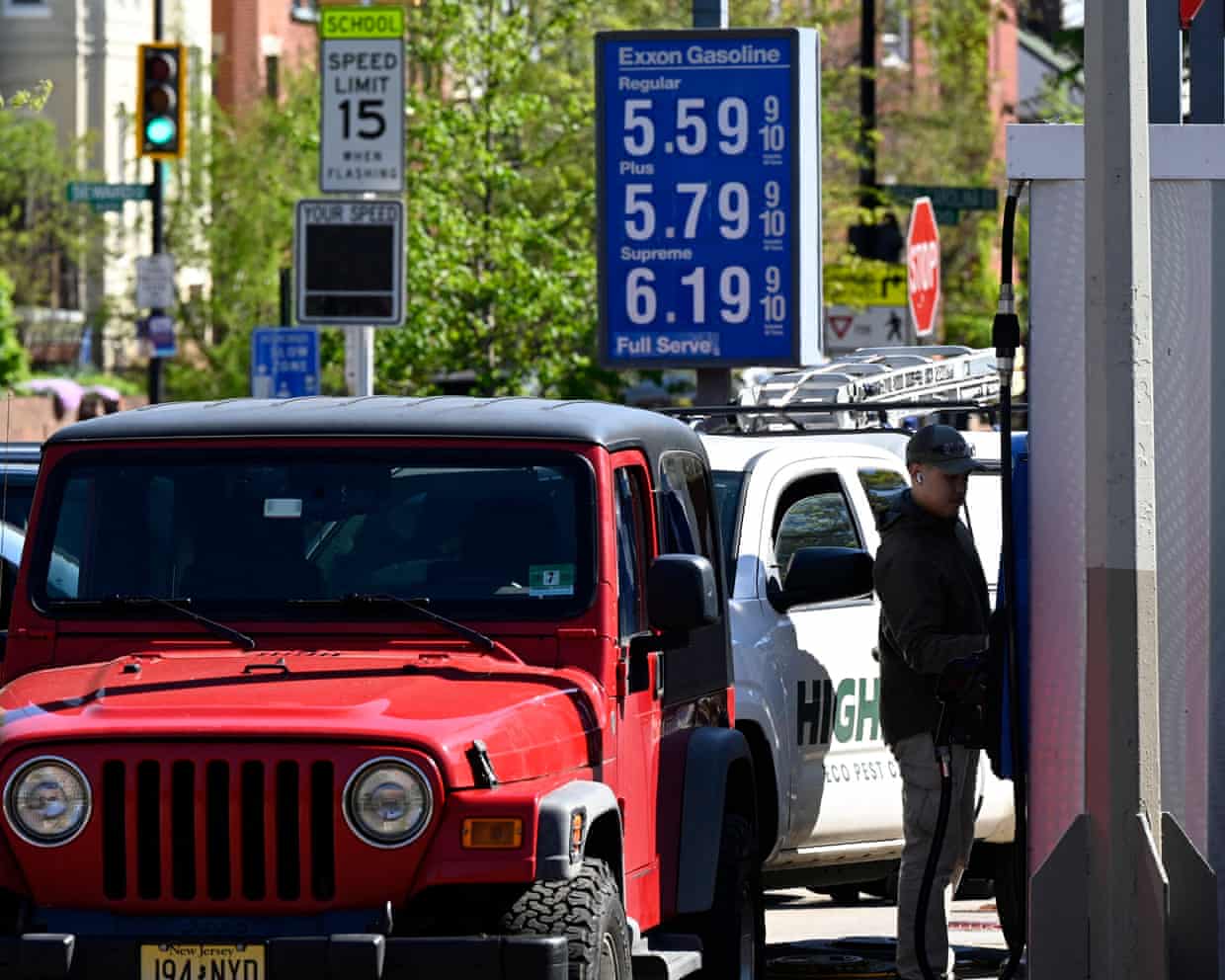
$30m an hour: big oil reaping huge war windfall from consumers, analysis finds
The world’s top 100 oil and gas companies banked more than $30m every hour in unearned profit in the first month of the US-Israeli war in Iran, according to exclusive analysis for the Guardian. Saudi Aramco, Gazprom and ExxonMobil are among the biggest beneficiaries of the bonanza, meaning key opponents of climate action continue to prosper.The conflict pushed the price of oil to an average of $100 (£74) a barrel in March, leading to estimated windfall war profits for the month of $23bn for the companies. Oil and gas supplies will take months to return to pre-war levels and the companies will make $234bn by the end of the year if the oil price continues to average $100. The analysis uses data from a leading intelligence provider, Rystad Energy, analysed by Global Witness
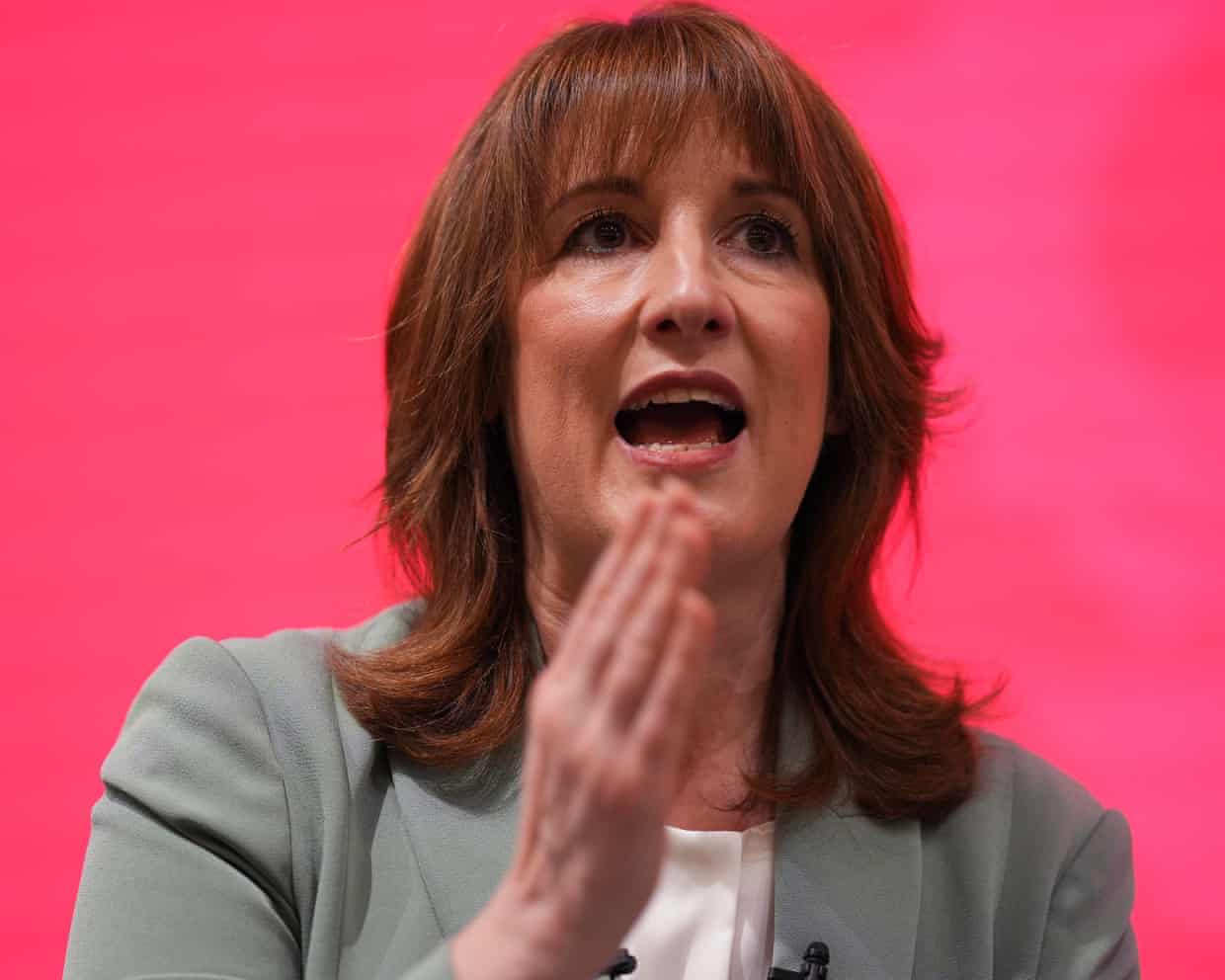
Reeves tells Americans she does not know why they launched Iran war – as it happened

Scottish Labour leader says claim he tried to do Reform deal is ‘desperate lie’

Questions asked and answers given – up to a point. Welcome to lo-fi PMQs | John Crace
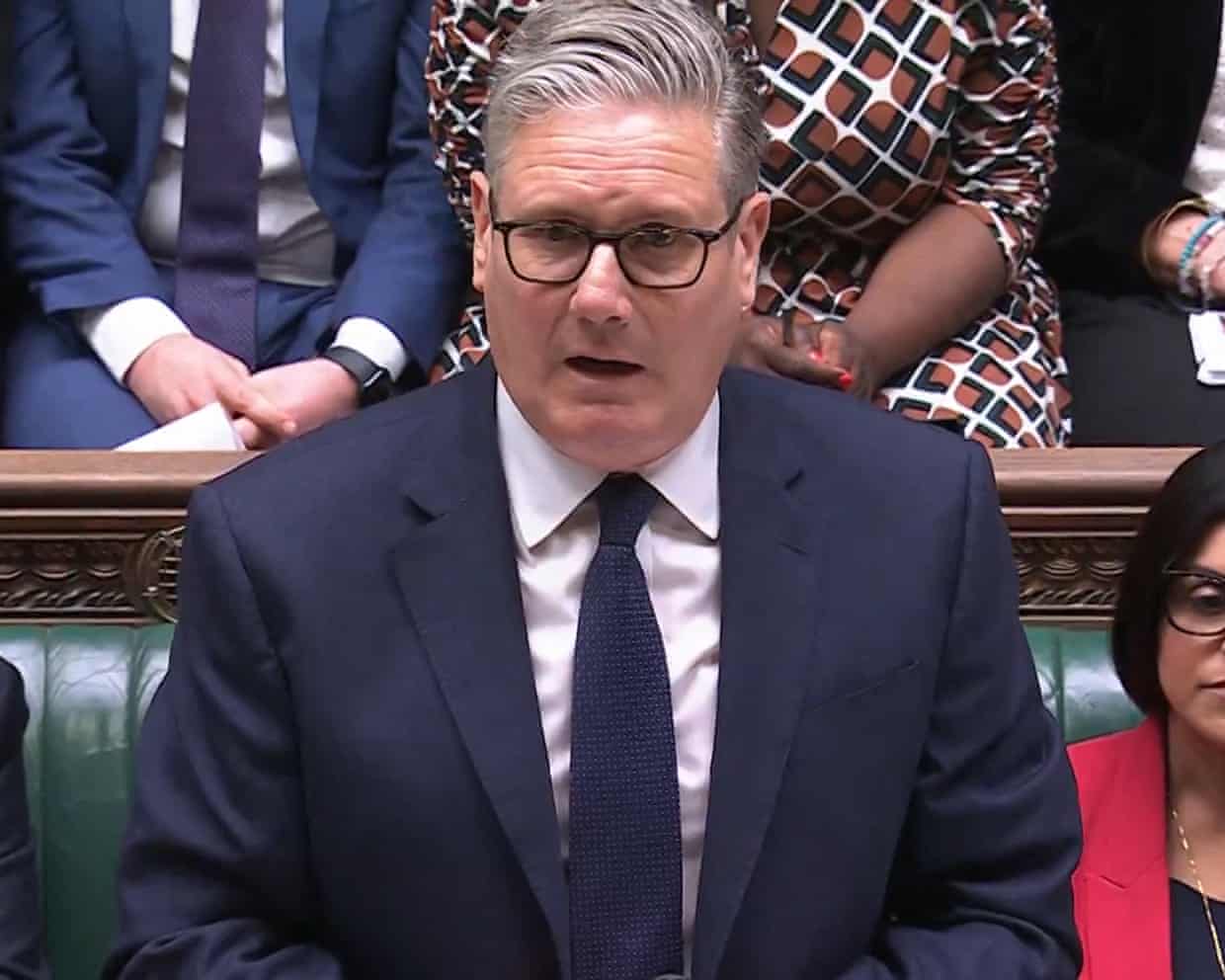
Starmer rejects accusation Labour is ‘complacent’ on defence funding

How a £2m bitcoin order made Nigel Farage the political face of UK crypto
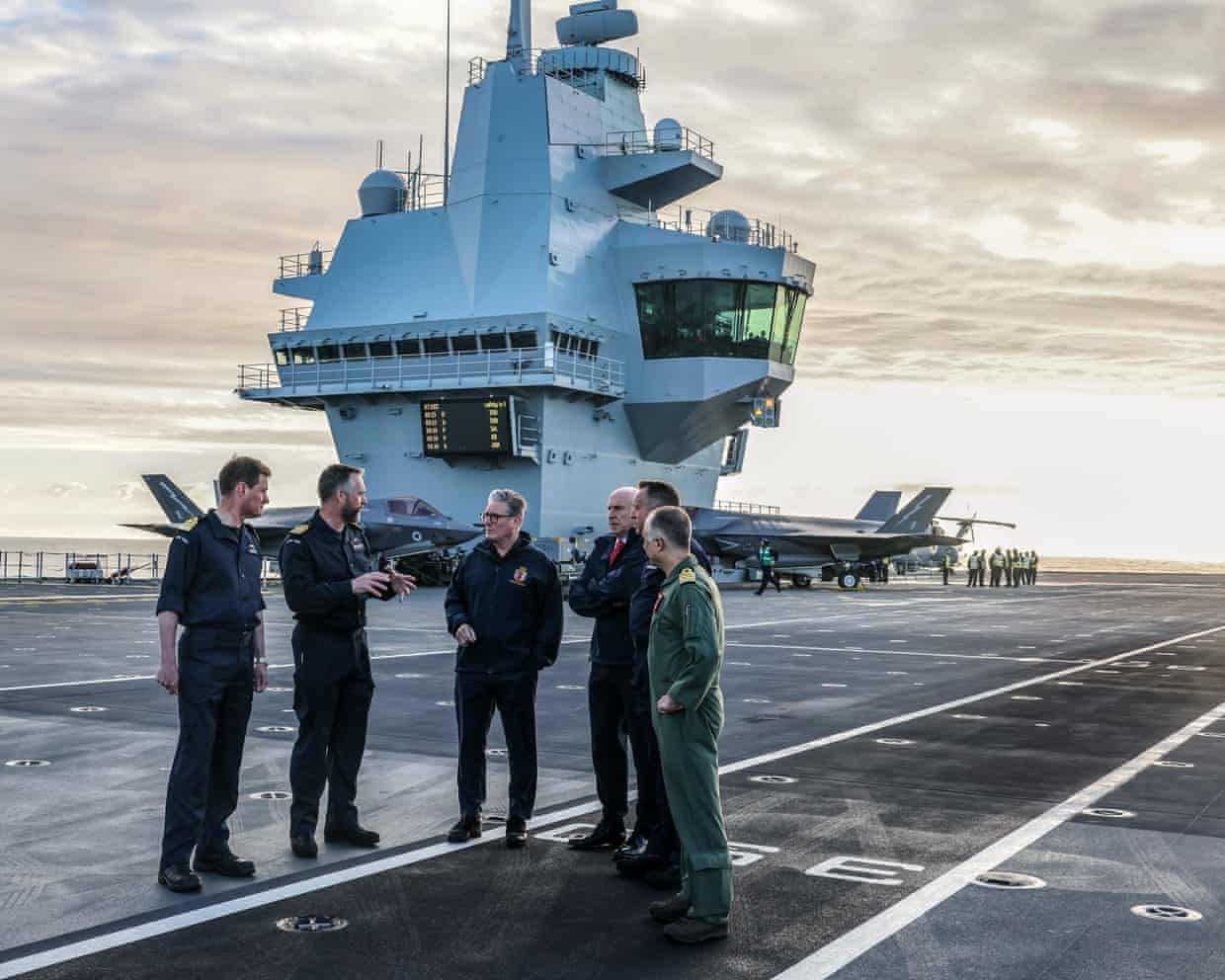
‘Bizarre’ lack of urgency in putting UK on war footing, says defence review co-author