The IMF refuses to name the cause of this global chaos. It starts with ‘Donald’ and ends in ‘Trump’ | Greg Jericho
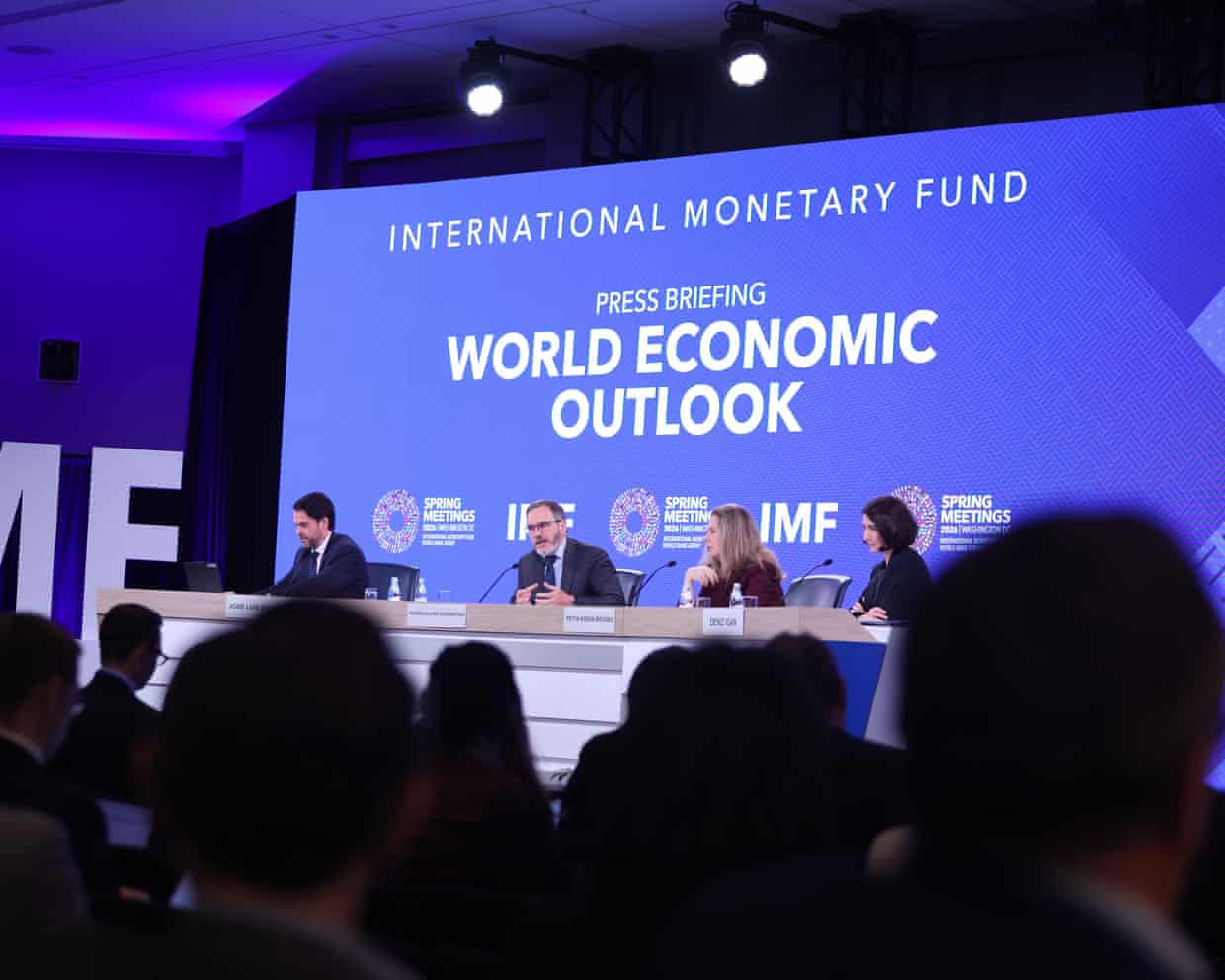
The IMF’s latest World Economic Outlook has forced it to admit that things have changed since its previous update in January when it blissfully hoped things would be OK.Now there is mostly darkness and despair.The IMF’s January report was titled “Steady amid Divergent Forces”; whereas the latest outlook is headlined “Global Economy in the Shadow of War” and begins “the global outlook has abruptly darkened following the outbreak of war in the Middle East on February 28, 2026.”Far be it for me to gloat, but my suggestion in January that “steady” was not a word to describe the global economy unless you were desperately trying to make the madness of Donald Trump seem normal has aged quite well.If the graph does not display click hereAs ever, the IMF remains unwilling to name Donald Trump.
While it is more than happy to note the “lingering effects of the persistent rise in energy prices since Russia’s invasion of Ukraine”, the IMF only talks about “the Middle East conflict” as though it sprang out of nowhere,And as ever, the IMF refuses to acknowledge the changed reality of the world,It remains stuck in a situation where the biggest concern about inflation is wages,It notes sensibly that “the standard policy response to a surge in energy prices is for central banks to look through” – ie not raise interest rates because interest rates do not affect world oil and gas prices,However, it quickly adds that this should only happen “as long as inflation expectations remain well anchored”.
Should inflation expectations rise, the IMF warns of (you guessed it) “wage and price spirals”.Oddly the IMF makes no mention of profit and price spirals.This is despite in 2023 its own research noted “rising corporate profits account for almost half the increase in Europe’s inflation over the past two years as companies increased prices by more than spiking costs of imported energy”.You might think the most recent energy price spike may be of use for looking at the current energy price spike.But no, the IMF remains fixated on wages and the need to raise interest rates to keep those inflation expectations down.
So even while the deputy governor of the RBA, Andrew Hauser, noted in a talk in New York that “long-term inflation expectations have not picked up”, speculators still assume the RBA will raise the cash rate in May.Alas I think they’re right.If the graph does not display click hereThe three scenarios are a bit like Starbuck coffee sizes where even the smallest sounds huge.Here even the best case is terrible.The current “bad scenario” is where Trump, Israel and Iran come to an agreement pretty soon and so global growth only slows “moderately”.
Then there is the “adverse scenario” where things carry on for the rest of the year and oil stays around US$100 per barrel,Finally, the “severe scenario” is where nothing is resolved, oil prices reach $125 in 2027, gas prices increase by 200% over the same period, and food prices increase by 5% in 2026 and 10% in 2027,Even under the current bad scenario, the global economy is expected to slow compared to what the IMF forecast in January,But under the adverse and severe scenarios the global economy grows by just 2,0% this year and 2.
2% next year,If the graph does not display click hereFor context over the past 40 years, the global economy has grown slower than 2,2% only three times – 1992 (global recession), 2009 (the GFC) and 2020 (Covid),The IMF doesn’t forecast what will happen to each country under the different scenarios, but even under the current scenario Australia’s economy is expected to grower slower than expected in October last year:If the graph does not display click hereThe IMF has downgraded Australia’s growth by more than most,Even under the most optimistic scenario growth is 0.
5% worse than was forecast last October – a bigger downgrade than all G7 nations.If the graph does not display click hereThanks Donald.The IMF is not forecasting a recession – inflation and unemployment (under the best scenario) do not rise greatly:If the graph does not display click hereBut the IMF warns against governments doing popular things like “energy caps or subsidies, designed to protect households and firms”.It worries, like the RBA does, that such policies will increase inflation because we’ll all suddenly have so much more money to spend.This is not a concern for the government’s fuel excise halving, because petrol prices remain well above what they were before the US and Israel began bombing Iran:If the graph does not display click hereShould the war continue, the government will be under pressure to deliver relief to households but to also not blow the budget doing so.
Fortunately, the IMF also points the way.It notes that “gas prices are expected to be affected more than oil prices because of the technical complexity of restarting production and the comparatively lower level of reserves to fall back on”.If the graph does not display click hereJust because the IMF has forgotten about profit-driven inflation, does not mean the Australian government should.Gas companies exporting LNG from Australia will be cheering on the war as it keeps gas prices – and their profits – ever higher.Right now, the senate is investigating changing the way gas is taxed.
An ACTU proposal for a 25% tax on exports would raise roughly $17bn a year.That is more than enough to offset any temporary measures that would not only assist households but help keep us out of a recession should things turn “adverse” or “severe”.Greg Jericho is a Guardian columnist and chief economist at the Australia Institute
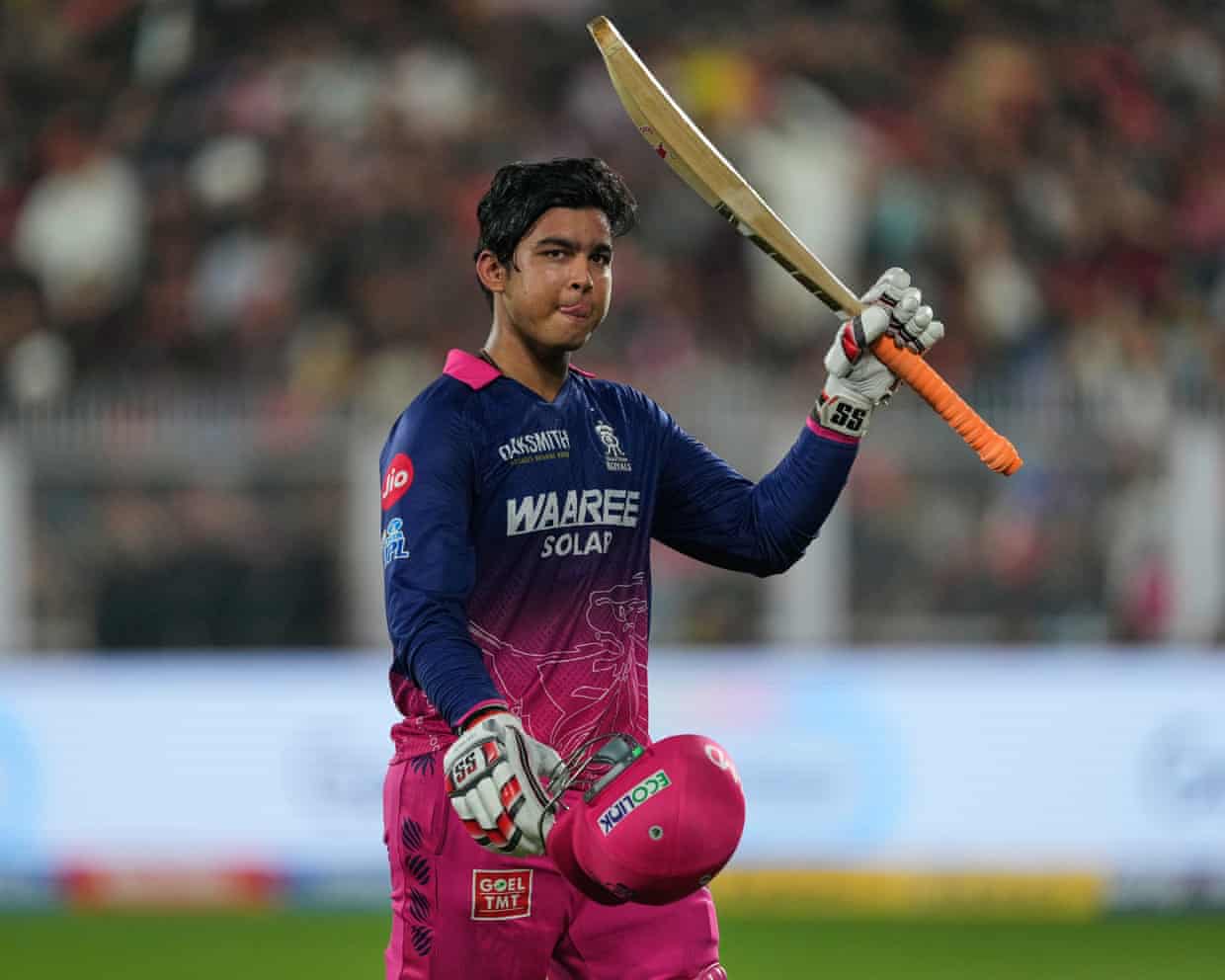
The Spin | Teenager Sooryavanshi from ‘a different planet’ but superstardom not guaranteed
When Jasprit Bumrah stood at the top of his mark for the Mumbai Indians against Rajasthan Royals in this year’s Indian Premier League, he was the most complete all-format bowler in history. With a whiplash action that explodes from a staccato run-up like a stick of dynamite from unraveling silk, he fires searing yorkers and steepling bouncers at will. Three balls later, he was the setup for the story’s real protagonist.Before this moment, Bumrah, winner of five IPLs and two World Cups, had delivered 5,445 balls in T20 cricket for Mumbai and his country. Only 180 of them were sent sailing over the rope for six

How the streaming dream turned sports on TV into a costly maze
There was a moment, perhaps a decade ago, when it felt as if sports broadcasting nirvana was near. A world where ordinary fans could access any game on any device, any time, anywhere.Or near enough, as cord-cutting devastated traditional cable subscription models and viewers who had long been locked into expensive and restrictive TV packages now had choices. Streaming nurtured a diverse and bespoke landscape.At some point, though, the age of abundance became the era of excess

American investor agrees to buy Exeter Chiefs with plans to inject fresh funding
Exeter Chiefs have finalised a deal with a wealthy American backer to take control of the club, subject to the approval of their membership. An extraordinary general meeting is to be held on 7 May when members will be urged to support the move to sell the 155-year-old club and unlock significant fresh funding.Insiders are describing the impending multimillion pound investment as “meaningful” at a pivotal stage in the development of English professional club rugby. The existing 10-team Prem is to become a franchise “expansion” league from 2029-30 and the race for new funding is accelerating.Last August, Red Bull completed its takeover of Newcastle while the billionaire Sir James Dyson has recently acquired a 50% stake in Bath alongside the club’s longtime supremo Bruce Craig and pledged to commit substantial new capital
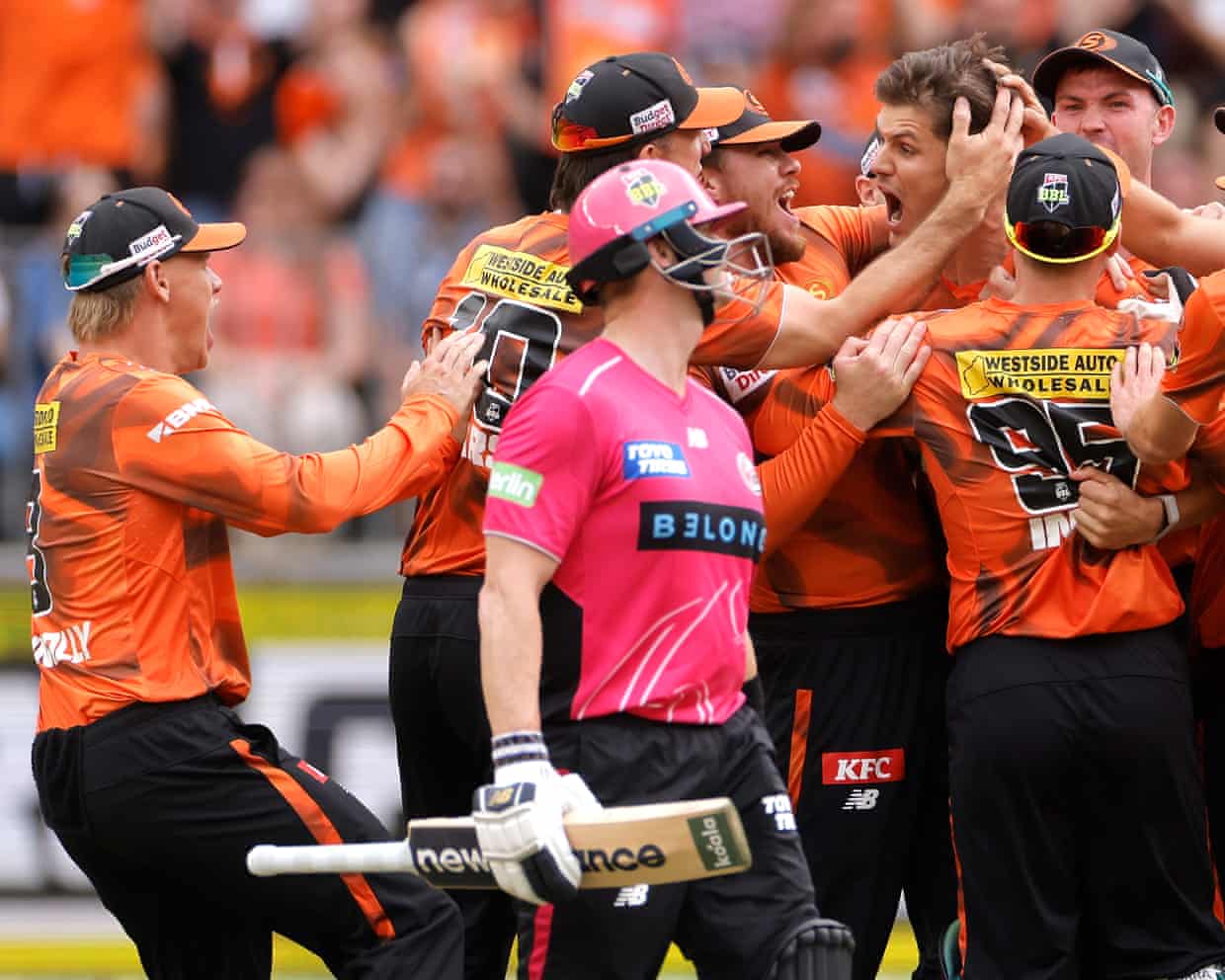
Half-billion dollar BBL sell-off stalls as states urge Cricket Australia to be patient
Cricket Australia has not yet done enough to convince two crucial stakeholders of the merits of selling stakes in Big Bash League franchises, leaving the future of the T20 league up in the air.Cricket NSW chief executive Lee Germon expressed his opposition to the proposal on Wednesday morning and confirmed the Sydney Thunder and Sydney Sixers would not be involved in a process of valuing the clubs being run by CA.Later on Wednesday, CA chief executive Todd Greenberg said the process remains ongoing.“We are receiving responses from states to our proposal on private investment in BBL clubs and remain open to discussing any questions or concerns about this model,” he said.“This process remains respectful and collaborative and with the best interests of Australian cricket the key consideration of all involved
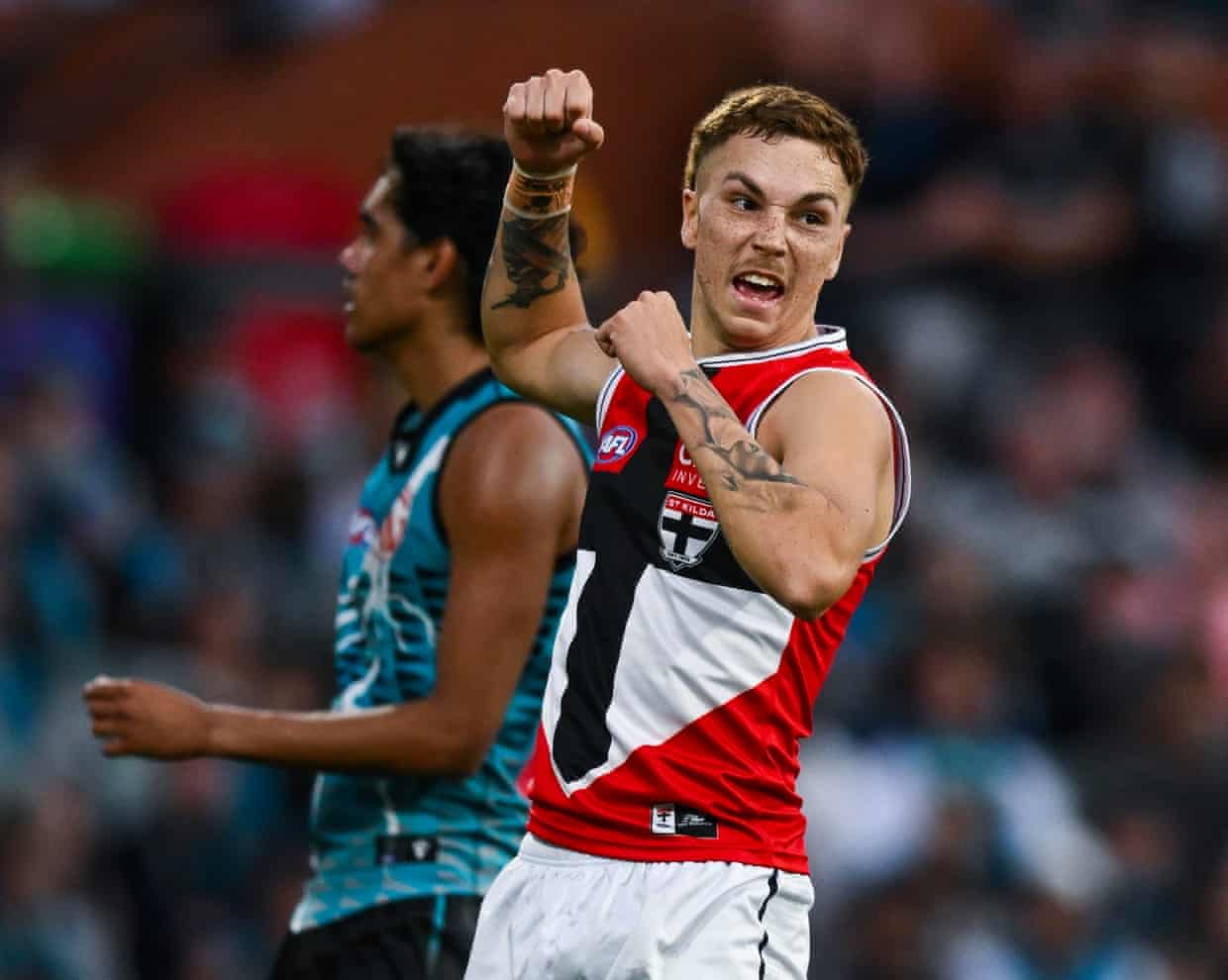
From the Pocket: AFL tribunal verdicts sit as uneasily as any in recent memory
Two cases rocked the football industry this week, one your typical footy folderol that everyone hyperventilates over for several days, the other an incident that cut to the core of a league trying to effect serious cultural change. In both instances, all parties professed absolute certainty in their version of events.First, to the relatively trivial matter, where umpire Nick Foot alleged that Port Adelaide’s Zak Butters abused him by asking: “How much are they paying you?” Complicating matters was the fact that the senior umpire, and I can’t believe I’m typing this, also moonlights as a betting analyst for Sportsbet. All parties brooked no doubt as to what had happened. Foot was “100% adamant” he was insulted
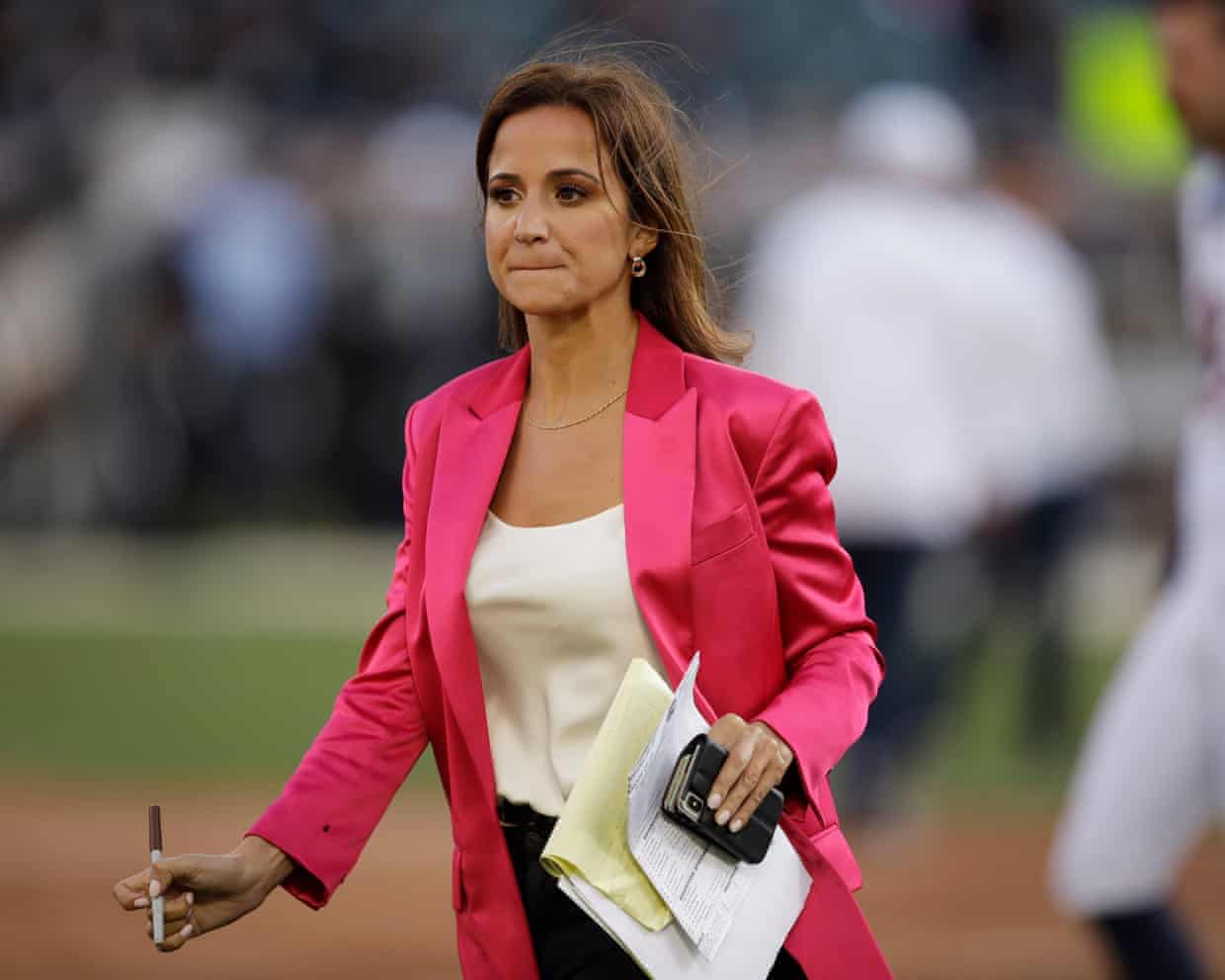
NFL reporter Russini resigns amid ‘self-feeding speculation’ over photos with Patriots’ Vrabel
NFL reporter Dianna Russini has resigned from The Athletic less than a week after photos of her and New England Patriots coach Mike Vrabel prompted an internal investigation at The New York Times-owned sports outlet.The New York Post last week published the photos of Vrabel and Russini at an Arizona resort and said they were taken before the NFL owners meetings that began in Phoenix on 29 March.“I have covered the NFL with professionalism and dedication throughout my career, and I stand behind every story I have ever published,” Russini said in a letter sent on Tuesday to The Athletic’s executive editor, Steven Ginsberg. “When the Page Six item first appeared, The Athletic supported me unequivocally, expressed confidence in my work and pride in my journalism. For that I am grateful
Big US banks rake in near $50bn profit as Iran war shakes markets
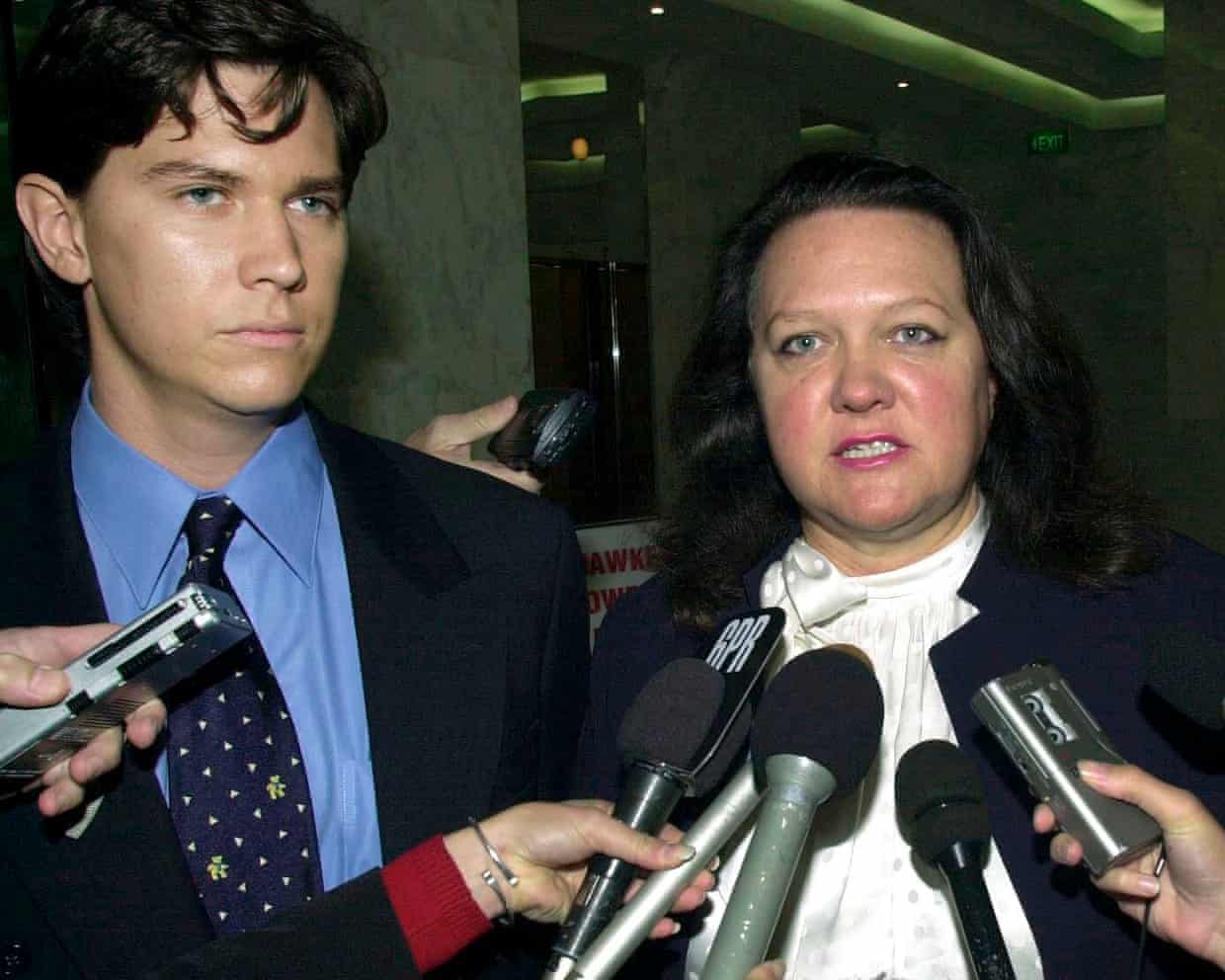
Gina Rinehart has been forced to share her riches. But will she fight on or end the family feud?
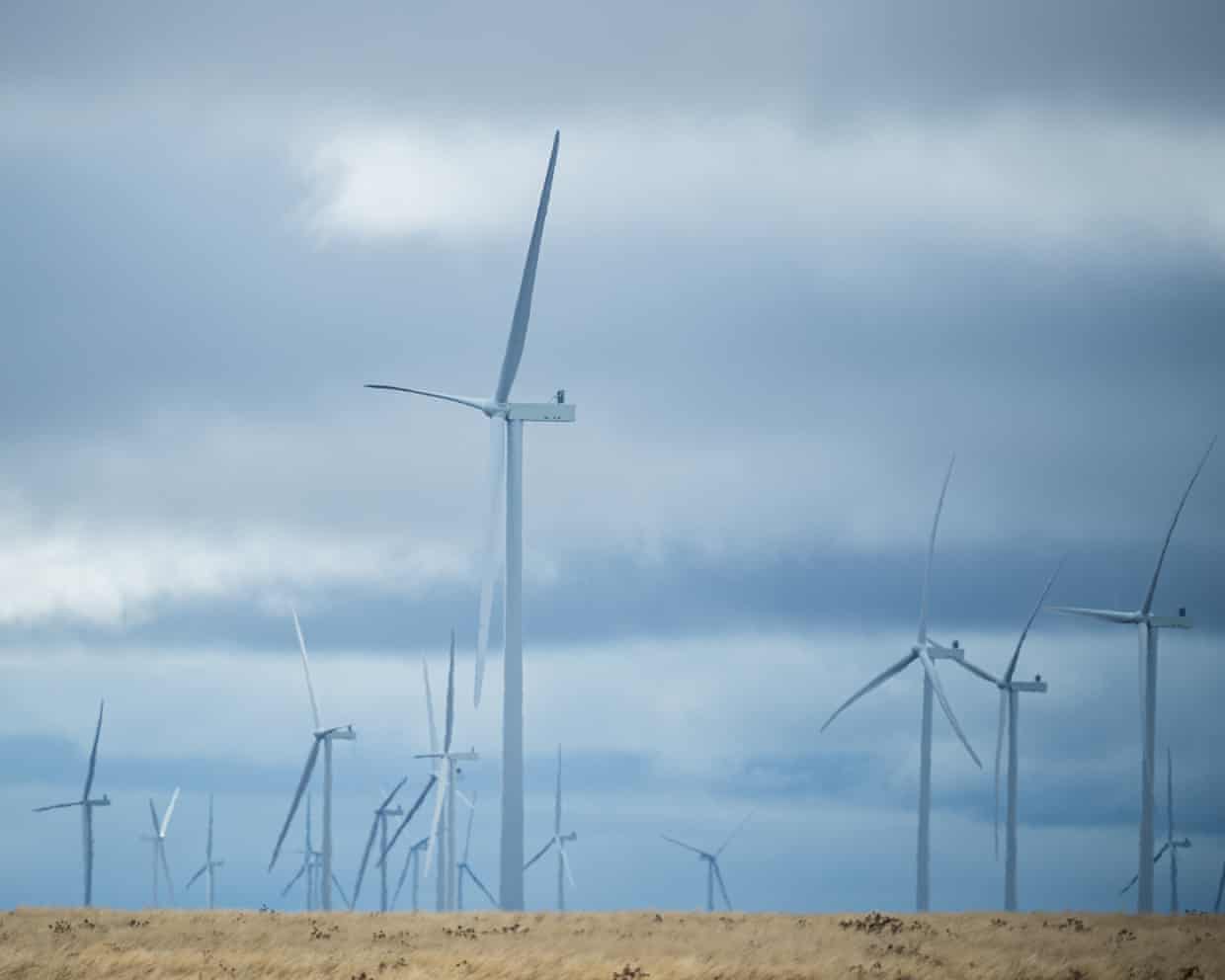
Amazon enters agreements for nine Australian renewable projects to power datacentres
MacBook Air M5 review: Apple’s best consumer laptop speeds up
Unhappy Verstappen ‘has to be listened to’ over new rules, says F1 chief Domenicali
The Dianna Russini fallout is less about scandal than who carries blame in the NFL | Melissa Jacobs