‘A cauldron of people with their tops off!’ Goldie, Estelle, Courtney Pine, Flo and more pick great moments in Black British music
For its inaugural show, the V&A’s east London outpost is celebrating 125 years of Black music-making in Britain.We asked top performers to pick their favourite exhibitGoldie: Kemistry and Storm (The Diptych) by Eddie Otchere (1995)I remember riding my bike up Camden High Street and going past Red or Dead.I saw this girl Kemi, or Kemistry.She was mixed race, like me, with blond dreadlocks.Unbelievable! We ended up going for coffee and started dating.
She and her friend Storm took me to Fabio and Grooverider’s night Rage.It was a cauldron of people, with their tops off on podiums, giving it loads.It blew my mind.I wanted to make music.They just wanted to play it.
If I had a pound for every hour that Kemistry and Storm spent in front of those decks, I’d be a billionaire.The question of them being women wasn’t a thing.Can they play? Yes.Can they bury people? Yes.That’s it.
It was a tragic love story.Kemi knew she was going to die young.On the night of the car accident [in April 1999], they were on their way to a gig they weren’t supposed to go to, filling in for someone.I feel a lot for Storm, having to carry that in her heart, but I think Kemi lives inside her anyway.She lives inside of me, for sure.
There’s a picture of her in my studio in Thailand and, whenever I’m in arrangement mode, I look up and say: “Is that all right, Kem?” And I get the answers I need.Estelle: Slick Rick by Janette Beckman (1989)This photo feels so new, so today.You could put any artist’s head on that image – from Dave to Kano – and it would still feel relevant.Even though Rick lived in the US, he stayed authentically himself.For me, his style and storytelling laid the foundation for British hip-hop.
It’s not just bars for the sake of bars,In Black British music, we tell stories,That’s the lineage he’s left,Now I live in the US, there’s no version of me that gets to be out here without Slick Rick,Every studio I walk into, someone says something about the accent.
But it’s “the Slick Rick accent”, not English.When I got the call to do a voiceover on his 2025 album Victory, I was like: “Do you want me to do anything else? Make you some toast?” It was the same when I was asked to perform with him at this year’s Mobos.I don’t play about giving this man his props.He’s our legend – and he’s also my big bro.Dennis Bovell: Linton Kwesi Johnson and Darcus Howe at the Race Today offices in Brixton (1979)This brings back so many memories of those two battling to get Race Today on shelves.
Their publications were extraordinary – there hasn’t been a newspaper or journal like it since.The first few gigs we did with Linton were heavily tied in with Race Today.A school friend of Linton’s had told him: “If you’re going to mix music with your poetry, I suggest you involve Dennis Bovell.”At the time, Linton was working as a journalist for the BBC, and he came to interview my group, Matumbi.That’s when he asked if I would come on board.
Two years passed, then suddenly he turned up at my house and said: “I’ve got some time to do some recording this weekend.Are you free?”I’d always regarded Linton’s words as the most powerful and accurate coming from these shores.He dared to say what everyone else was thinking.He had the strength to say: “We’re being swept under the carpet.We’re being marginalised.
” I wanted to lend my musicality to that kind of lyric.We were spreading the word – and there’s still a lot to be said.Fine Young Cannibal Roland Gift: Poster for the Beat’s debut studio album, I Just Can’t Stop It (1980)When the Beat played in Hull, the keyboard player of my band Akrylykz gave them our demo and they invited us on tour.That was great, apart from when we played in Birmingham.At a fish and chip shop, these lads pulled up with what we thought were rolled-up posters for us to sign but were actually pickaxe handles.
Gigs were like that back then – rough and ready, with a lot of fighting between skins, mods and punks.In 1980, we visited the Beat while they were recording I Just Can’t Stop It at the Roundhouse studios in London.We were across the road in Chalk Farm studios, which was much smaller and not as posh.A few years later, both bands had split up, and Andy Cox and Everett Morton [from the Beat] were looking for a singer for a new band.Somebody remembered me and we became Fine Young Cannibals.
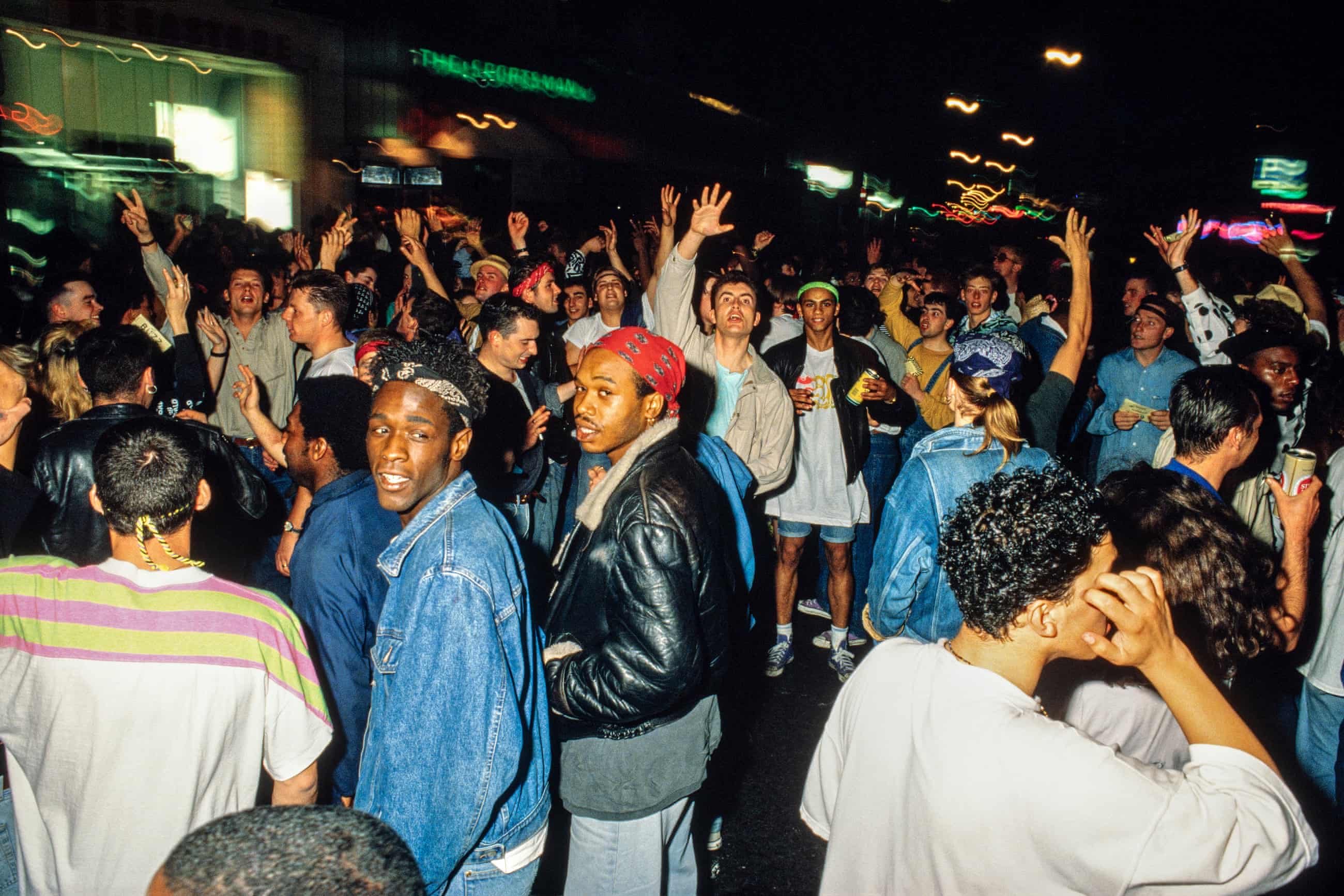
The funnest part was when everything was new: going on Top of the Pops or The Tube, hearing our song on the radio, being taken out by record companies for Japanese food.I’d sometimes see people staring and think: “Do they want to fight?” But it would just be because we’d been on the cover of a magazine.Arlo Parks: Fabio and Grooverider observe a street party on Tottenham Court Road by Dave Swindells (1988)I love the sense of euphoria in this photo.It’s so full of life.I recently went to a Juneteenth street party in New York and there’s something about being in the street – this special sense of magic.
You can feel the heat in the air, people are chatting, drinks are flowing, everyone’s laughing.It’s a part of the city.It’s an extra level of celebration and community.I’ve been a student of club culture for the past few years.Fabio and Grooverider were so instrumental in bringing drum’n’bass to life.
When I was learning about the late 80s rave scene, I heard a remix of Fools Gold by the Stone Roses.Only later did I click that it was by Grooverider.I love the fact that, when they were on the pirate radio station Faze 1, they were playing a lot of soul, hip-hop, disco and house.They’re sonic explorers with an adventurous, genre-less love of music.There’s this DIY energy to it – they’re invested in the grassroots, building a legacy from the ground up and uplifting other artists through their own record labels.
Courtney Pine: Folder for sheet music owned by Leslie “Jiver” Hutchinson (1930s)I’ve been researching Black musicians right back to John Blanke, an African man who played trumpet for Henry VIII.Leslie Hutchinson’s name came up.I don’t even know his music – I just know he was a trumpeter who came from Jamaica and went into the military.He was refused several times, but he was the best and, despite all the naysayers, became the military band leader.He came with his skills and a mission to be the best.
He laid the ground for people like me to follow.My connection to him is kind of spooky.I did a BBC Radio show on him, have spoken to his daughter, jazz singer Elaine Delmar, a couple of times, and he was born on 18 March, like me.To me, it’s mind-blowing that there are actually manuscripts of his work – that somebody, back in the 1940s and 50s, was scoring their ideas and making it applicable to a big band setting.At that time, so many musicians from the Caribbean were concocting what jazz could be.
Not all of them are known, but we do our best to make people aware of their legacy,This folder is a time capsule,AJ Tracey: Five girls at Notting Hill carnival by Johny Pitts (2010)This picture perfectly encapsulates the spirit of carnival,You can feel the energy of the day and the effort they put into getting ready for a celebration of our culture,I grew up in Ladbroke Grove, west London, and I’m 32, so I would say I’ve been to at least 25 carnivals.
I’m Trini, so it means a lot to me.It’s a piece of our culture that exists here.I’m into soca, but I also love hearing Vybz Kartel or old-school Bob Marley – anything that’s going to put me in a positive mood.Every year you hear a wide range of Caribbean music and it’s always going to have an influence on me.At least 50% of the new songs I’ve got coming up have probably come out of carnival – dancehall, reggae and ragga.
I used to always go to Rampage [sound system], where the most energetic partygoers are.I saw So Solid Crew there and, eventually, when I became an artist, I got invited to perform myself.The first time was with Toddla T and Annie Mac, and I saw all my friends and family in the crowd.Performing in your own area, on the streets I used to roam as a kid is completely different to performing anywhere else.It was surreal.
Stella, Renée and Jorja from Flo: Brit awards trophy designed by Slawn (2022)Stella: This was our first Brit, our first proper award actually, so it was a big deal.The fact that Slawn is a Nigerian artist just made so much sense, given the role that other countries – especially Black countries – have played in the making of Britain.Renée: It was incredible that his heritage was highlighted.Not just, “This person made an award” but, “This is where he’s from.This is the influence.
” It felt so specific to our generation.We never want to chase awards, but recognition is one of the most important things.Seeing people like you doing amazing things can be so inspiring.Jorja: We have people from so many different communities telling us that they connect to the emotion and rawness of what we do.But every time we accept an award, we’re doing it on behalf of all the girl groups that came before us – especially those with Black British members, like Little Mix and Sugababes.
They made it possible for us.The Music Is Black: A British Story opens at the V&A East Museum, London, on 18 April.

Sussex baby deaths inquiry will fail to learn lessons after excluding families, Streeting warned
An inquiry into the preventable deaths of babies in Sussex will fail to learn the lessons as it “systematically” excluded dozens of families, Wes Streeting has been warned before a meeting with bereaved parents.The health secretary has ordered a review of nine infant deaths at the University Hospitals Sussex NHS foundation trust amid maternity scandals across England. However, families are calling on Streeting to expand the investigation to all those who died and might have survived with better care.To date, the families of more than 60 babies who died between 2019 and 2023 have expressed concerns about their care, although the true figure is expected to be higher.Dr Marija Pantelic, a public health expert whose baby Sasha died in the care of UH Sussex in January 2022, said the narrow scope and opt-in nature of the review was dangerous and potentially harmful as it would be based on the experiences of an “overwhelmingly white and British” group of parents
AI to predict how bowel cancer patients will respond to new NHS drug
A new AI-driven way of identifying how patients with advanced bowel cancer will respond to a drug that was recently introduced by the NHS has been announced.Researchers at London’s Institute of Cancer Research and the RCSI University of Medicine and Health Sciences in Dublin have developed the method with the goal of sparing potentially thousands of patients from being given drugs that would be ineffective in fighting their cancers.In the UK alone, nearly 10,000 cases of advanced bowel cancer are identified every year, with young adults seeing a particular rise in diagnoses. Bowel cancer has the second highest mortality rate of any cancer, behind only lung cancer, and while survival rates can be as high as 98% when caught early, the five-year survival rate for advanced bowel cancer can be as low as 10%.The study tracked 117 European bowel cancer patients who had been treated with chemotherapy and bevacizumab, a drug that was approved by the NHS in December
More than a fifth of UK’s ‘austerity children’ scarred by poverty, study says
More than a fifth of all “austerity generation” British children have been scarred by poverty for at least half their childhood, a direct legacy of the welfare benefit cuts imposed by Conservative governments in recent years, research reveals.The proportion of children born after 2013 who spent at least six of their first 11 years of life in hardship surged after ministers froze working age benefits levels and imposed policies such as the two-child limit, it found.Austerity policies, which drastically shrank annual welfare spending by tens of billions a year and took thousands of pounds a year out of low-income family budgets, effectively pitched hundreds of thousands more children into sustained poverty.The University of Oxford study said the austerity-era growth in children exposed to poverty for most of their formative years was a “significant social problem” that would cause long-term harms to their health, education and life chances.The study’s co-author, Selçuk Bedük, said the post-2013 austerity cuts to welfare increased both the numbers of children experiencing poverty and the time they spent in it
Private firms providing services to NHS made £1.6bn profit in two years, research finds
Private firms providing services to the NHS including healthcare and consultancy have made £1.6bn in profits over the last two years, research reveals.The findings – on the basis of contracts worth £12bn – have prompted claims of “scandalous” profiteering, concern that the health service is being “taken for a ride” and calls for ministers to impose a cap on maximum profit levels.The £1.6bn in profits made in 2023-24 and 2024-25 would have been enough to pay for 9,178 doctors or 19,428 nurses during that time, according to the Centre for Health and the Public Interest
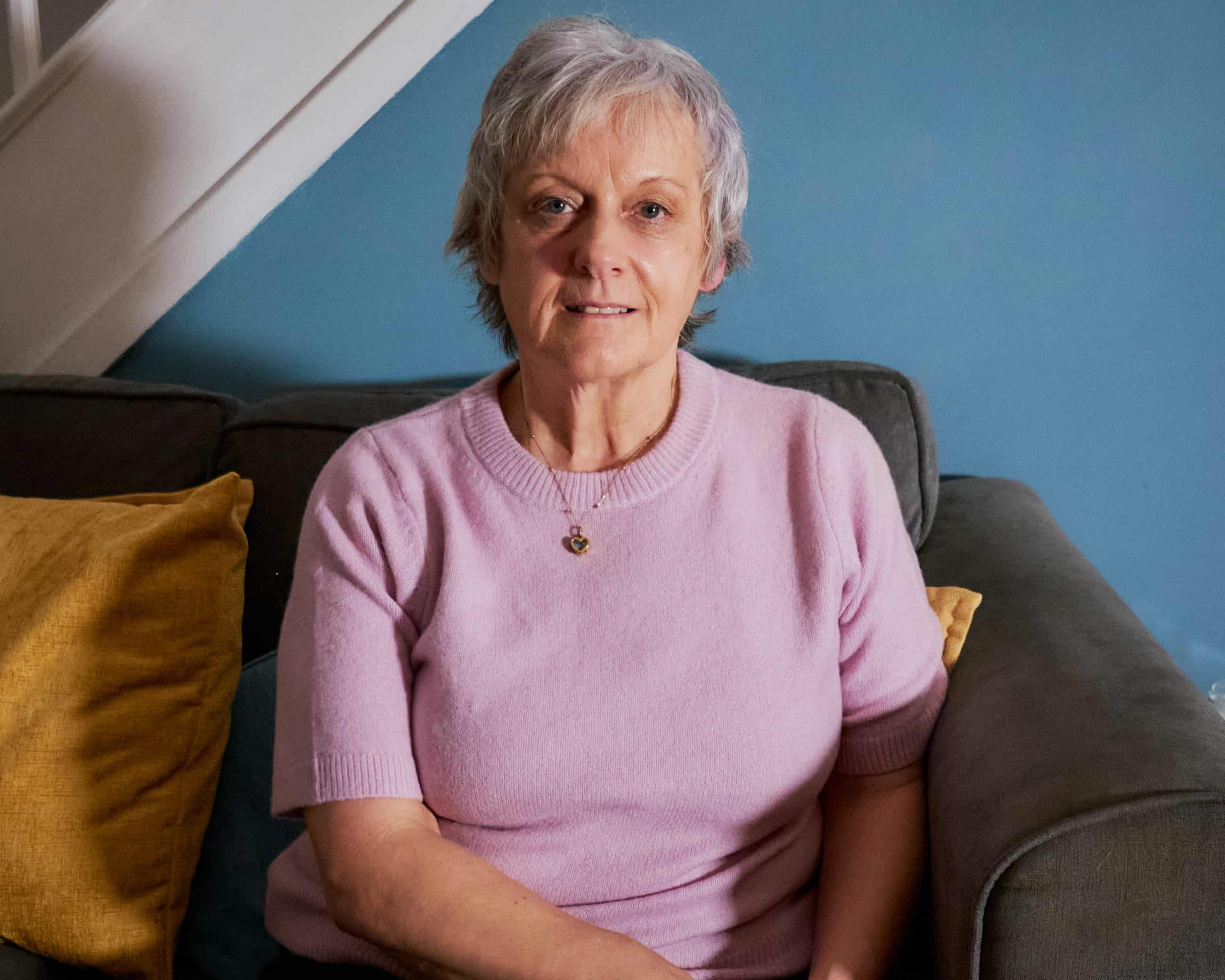
‘I just want to feel like me again’: the women still waiting for breast reconstruction years after lockdown
At the height of Covid, hundreds of cancer patients had mastectomies without the reconstruction that would normally accompany them. They would eventually get the surgery, they were told – but for many that promise feels more meaningless by the dayEvery time she lifts her arms to get dressed or hang out her washing, Julie Ford gets a painful reminder of one of the most terrifying experiences of her life. At 7am one day in April 2021, she had gone into hospital, alone and wearing a mask, to have her right breast and lymph nodes removed in a bid to stop breast cancer from spreading. Later that day, still groggy from the anaesthetic, in pain and with surgical drains hanging from both sides of her chest, she had staggered to the door with the help of two nurses. She was eased into a friend’s car and driven home to fend for herself
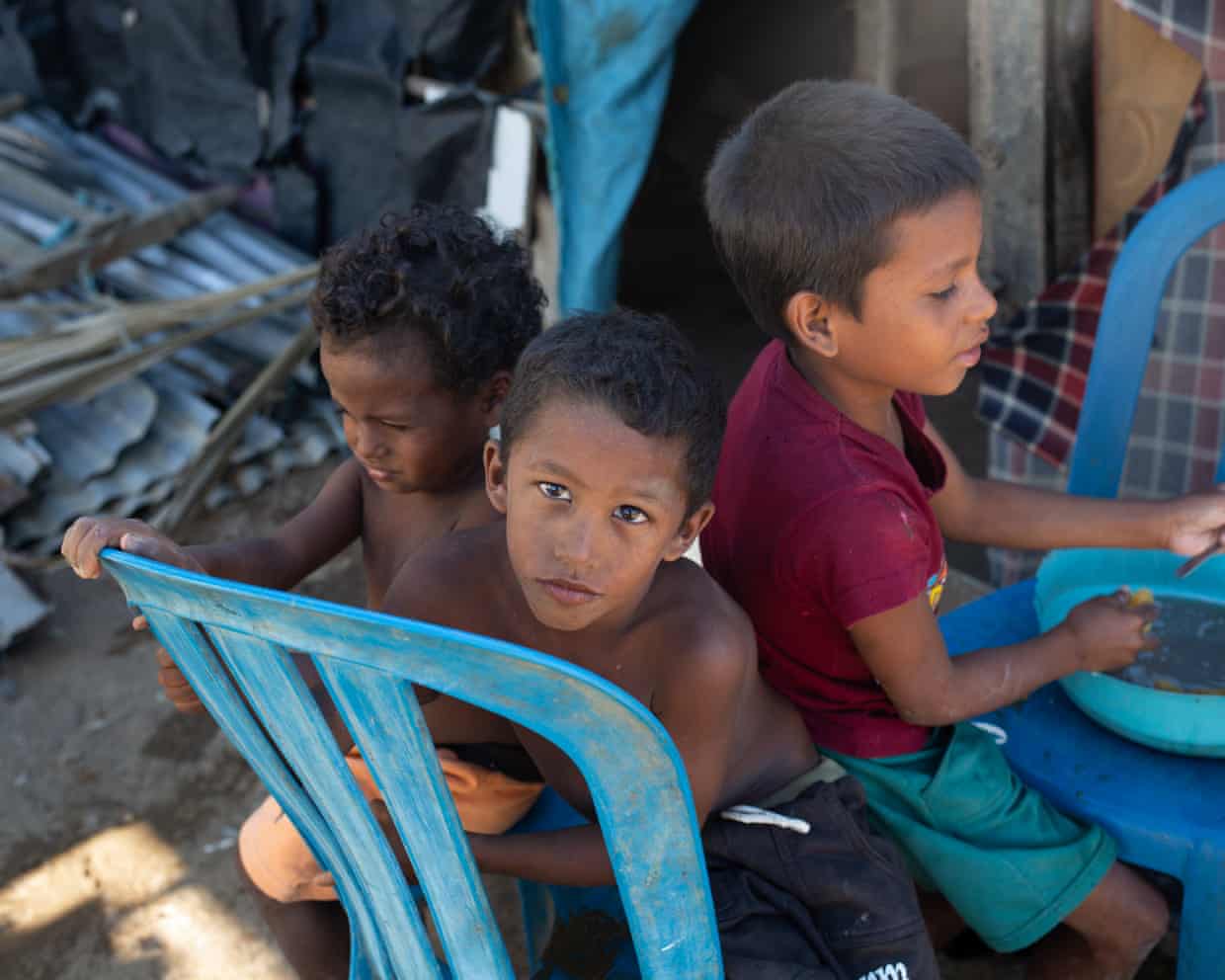
Iran war could plunge 32 million into poverty, says United Nations
More than 32 million people worldwide could be plunged into poverty by the economic fallout from the Iran war, with developing countries expected to be hit hardest.In a report issued amid doubts over a fragile ceasefire, the United Nations Development Programme (UNDP) said the world was facing a “triple shock” involving energy, food and weaker economic growth.The agency tasked with tackling poverty said the conflict was reversing gains in international development, with the impact expected be felt unevenly across regions.Alexander De Croo, administrator of the UNDP and former prime minister of Belgium, said: “A conflict like this is development in reverse. Even if the war stops, and a ceasefire is obviously very very welcome
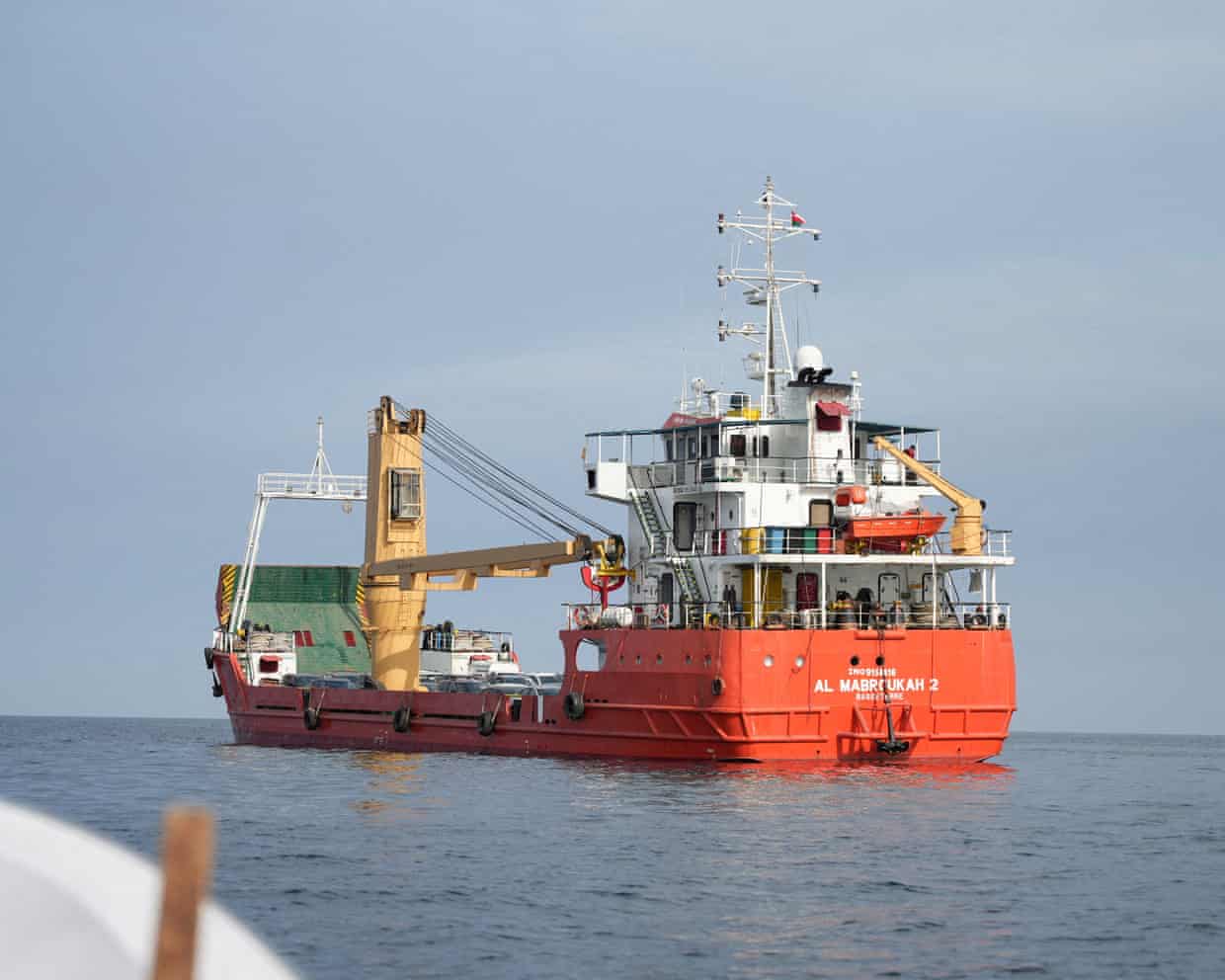
Oil price tops $100 a barrel as US blockades strait of Hormuz; Goldman Sachs posts rise in profits – as it happened
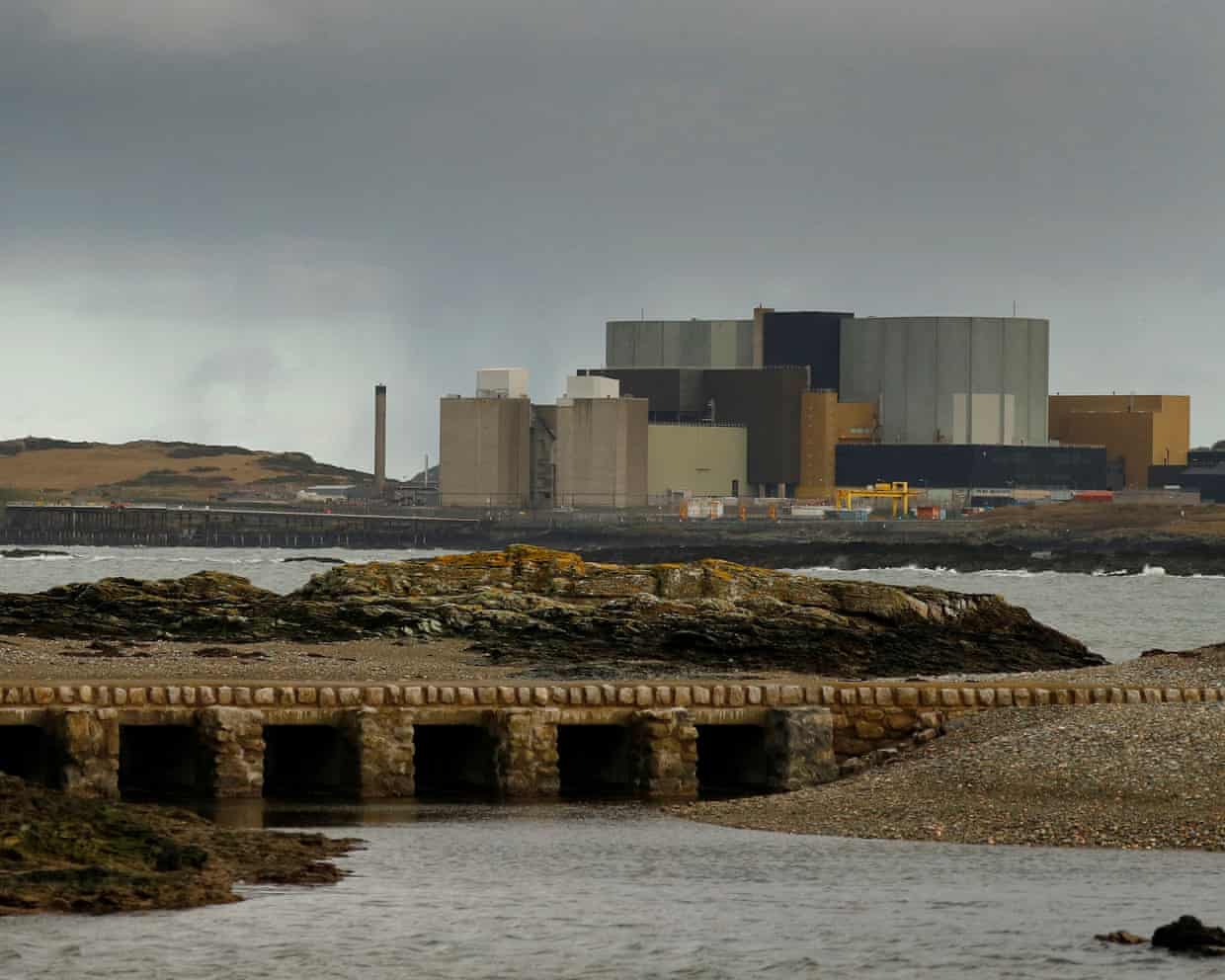
Rolls-Royce secures nearly £600m in UK government cash to develop small reactors
GSK reports promising early results in ovarian and womb cancer drug trial
Collapse of US-Iran talks heightens fears of prolonged energy shock
Task for the week: limit the fallout from biggest oil shock in decades | Richard Partington

Low-tax Texas opens London office to lure jobs and investment