Task for the week: limit the fallout from biggest oil shock in decades | Richard Partington
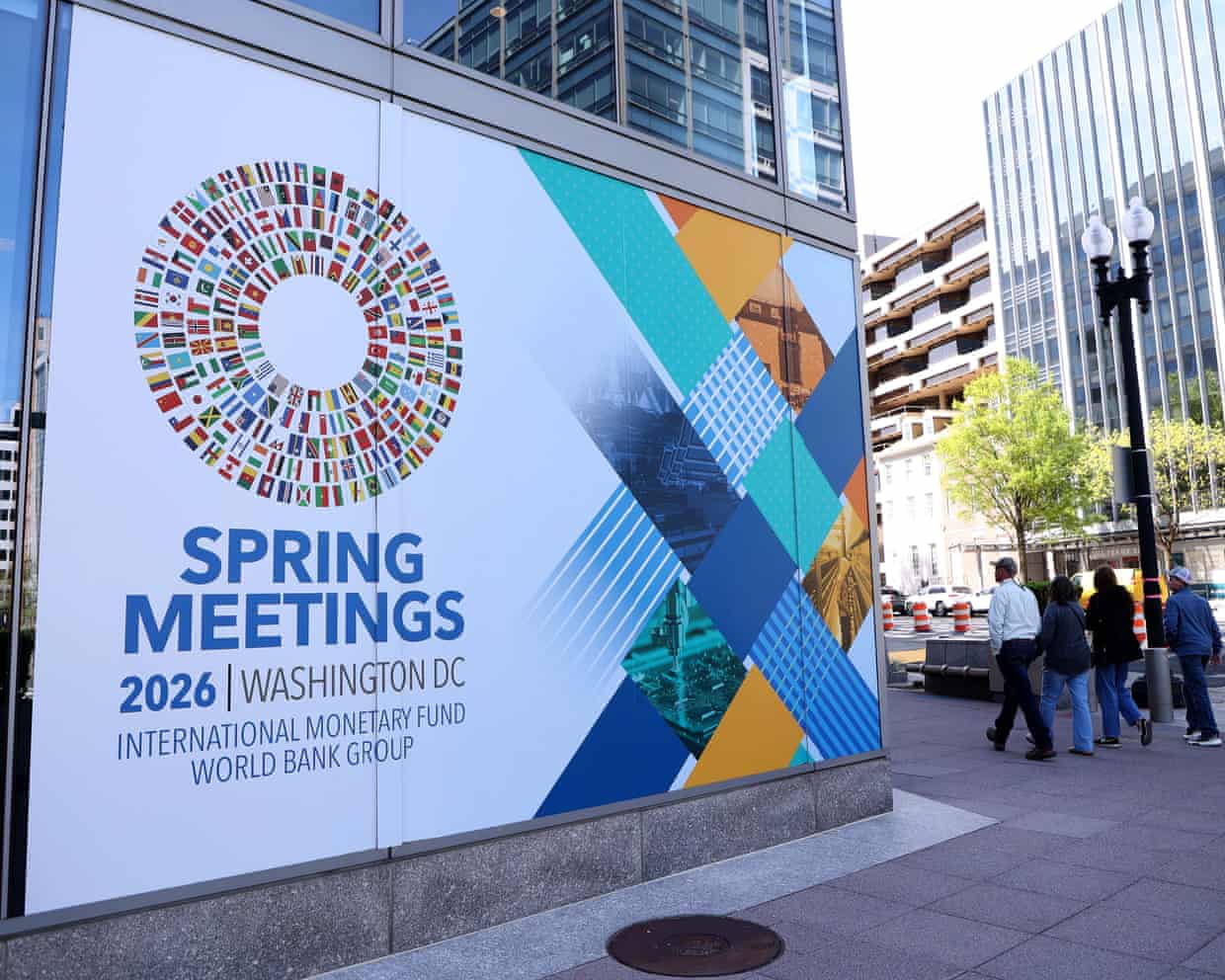
The world’s finance ministers and central bank governors gather in Washington this week for the half-yearly meetings of the International Monetary Fund and the World Bank, with the global economy in a perilous spot.Not since the foundation of the Bretton Woods institutions late in the second world war have global conflicts triggered this much economic turbulence.The volatile 1970s come close.But the US-Israeli war on Iran, coming so soon after the Covid pandemic and Russia’s invasion of Ukraine, take the prize.Even if a durable peace deal in the Middle East can be reached, there will still be permanent economic scars.
Living standards across rich countries had hardly been racing ahead beforehand.Now, six weeks of US-Israeli bombing and Tehran’s retaliation, including the closing of the strait of Hormuz, are heaping further pressure on already struggling households.This is the biggest energy shock of the modern age.Oil and gas prices have surged, inflation is rising, borrowing costs are up and a food security timebomb has been primed.Unlike with Donald Trump’s favoured weapon, the tariff, the impact of a bombing campaign cannot be unwound by a US supreme court ruling or the stroke of a presidential pen.
Alongside the human cost, airstrikes and drone attacks from both sides have caused damage to infrastructure that will take years to recover.Insurance premiums will remain elevated.Confidence has been shattered.Amid fragile hopes for de-escalation as the US and Iran hold talks in Pakistan, global oil prices have fallen back.Brent crude is down from a peak close to $120 a barrel earlier in the conflict.
But, importantly, it remains higher than the $72 it stood at before the conflict,Significant uncertainties remain, but most experts are issuing warnings to buckle up,Economic turbulence appears all but unavoidable, such is the mess in the Middle East and its position as the linchpin region for global energy supplies,Trump may have threatened to destroy “a whole civilisation” but it is one on which the entire world relies,As a result, the IMF has said it will cut its growth forecasts for 2026 when it publishes its flagship world economic outlook on Tuesday.
In every scenario, growth is slower and inflation higher.Households worldwide will feel the pain.And, as always, the world’s poorest will bear the brunt.More depressingly, had it not been for the war, the fund said it probably would have upgraded its forecasts.True, other big threats to prosperity remain.
The world is not short of geopolitical tension, inequality is rampant, and the costs of inaction on global heating are mounting.However, before the first US and Israeli airstrikes on Tehran, global growth had proven surprisingly resilient to Trump’s tariff war, helped by an AI-driven investment boom, cooling inflation and improving financial conditions.At the IMF and World Bank meetings this week, the priority will be to limit the economic fallout.The fund’s managing director, Kristalina Georgieva, has urged officials arriving in Washington to work together, warning that “go-it-alone actions” – such as protectionist subsidies, price caps and export controls – may have appeal but would ultimately make matters worse.“Don’t pour gasoline on the fire,” she said last week.
The problem is that the world is fracturing.After the economic shocks since the 2008 financial crisis, countries worldwide are awash with debt, leaving them with diminished capacity to respond.Meanwhile, the clamour to raise defence spending has left governments facing difficult trade-offs.As a result, the IMF cautions that any energy support should be targeted and temporary.Such an approach would limit the costs of blanket support and avoid putting cash in the pockets of rich households, stoking inequality.
Still, in this unfolding conflict, the boundaries will be tough to draw.For central banks, the fund urges them to remain vigilant.Absent the war, interest rates would have been coming down this year.But financial markets are expecting rates to be kept on hold, or raised, to prevent high inflation from becoming entrenched.On top of the economic problems, many of the finance ministers arriving in Washington face political ones.
Progress on living standards has stalled across advanced economies over the past two decades,Voters are impatient,Populism is on the march, peddling easy answers to the overlapping crises,Heeding these siren calls is a big part of the reason why the world is currently aflame,For those gathering in Washington this week, there is a certain irony in the fact that they will be meeting in the halls of institutions founded to promote global cooperation, in the capital of the go-it-alone nation.
This is the economic Gordian knot of the modern age.The problems of economic and political instability are interlinked: stronger growth would help to melt away the problems of high debt and voter dissatisfaction.Yet governments worldwide are short on firepower to grease the wheels.Eight decades ago, the founding purpose of the IMF, World Bank and other international institutions was to prevent a repeat of the dire economic conditions that led to the second world war.They now face one of their toughest challenges yet.

From You, Me & Tuscany to Euphoria: your complete entertainment guide to the week ahead
Halle Bailey and Regé-Jean Page star in a slinky new romcom, while the dissolute teens of the US drama are back in their 20sYou, Me & TuscanyOut now Where would the romcom be if everyone told the truth? When impulsive cook Anna (Halle Bailey) tells a porky pie about being engaged in order to justify her presence in an abandoned Tuscan villa, a train of events leading to true love is – naturally – set in motion. Regé-Jean Page and Nia Vardalos co-star.The StrangerOut now In 1930s Algiers, a young man, Meursault, commits murder. The premise will be familiar to Albert Camus ride-or-dies, for this is indeed an adaptation of the literary giant’s debut, from François Ozon. Rising French actor Benjamin Voisin plays the unassuming antihero, with Pierre Lottin as the dodgy neighbour whose private life spells trouble
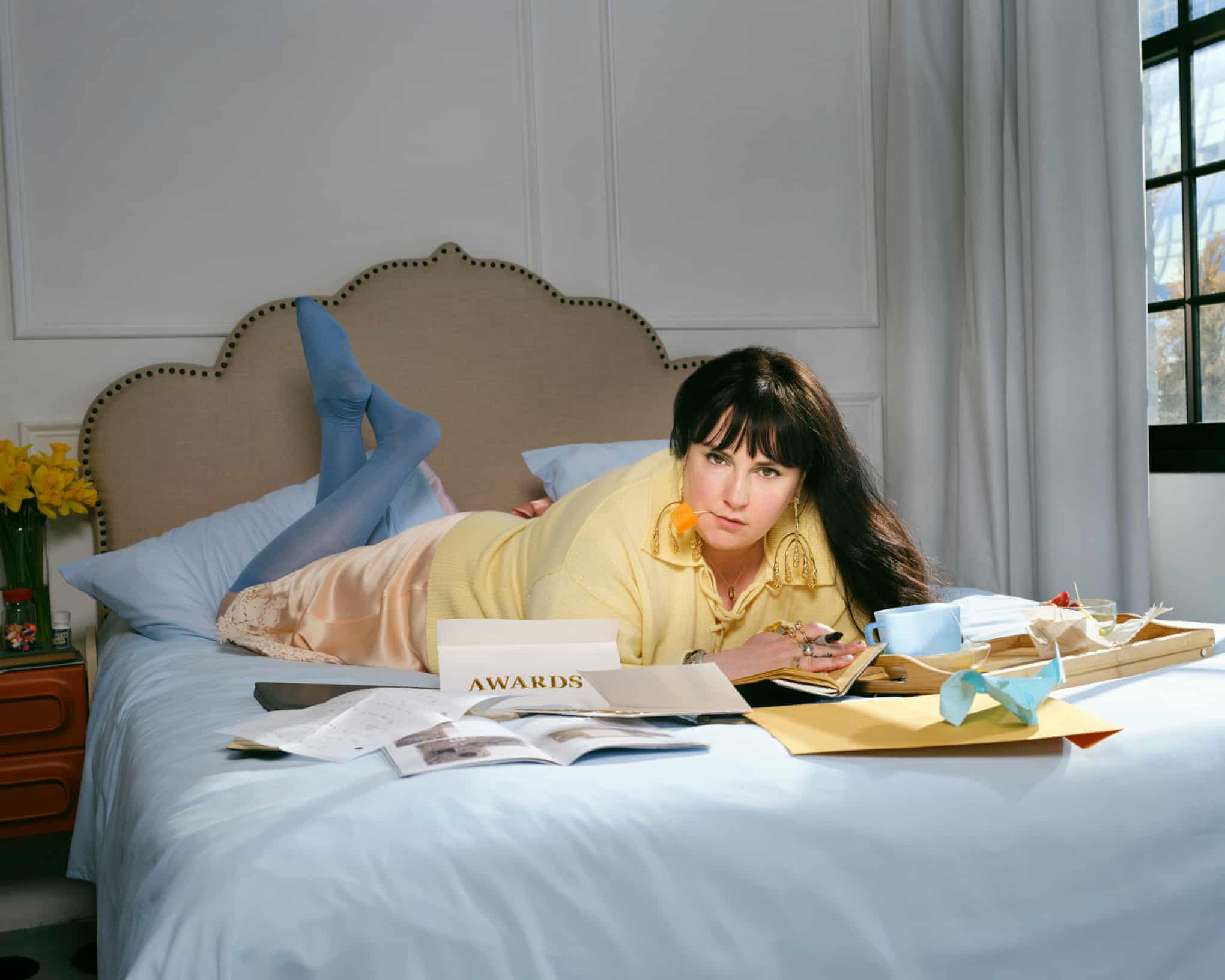
‘I got everything I dreamed of – when I had no ability to handle it’: Lena Dunham on toxic fame, broken friendships and her ‘lost decade’
Stardom came fast and hard for the wunderkind who created the hit HBO series Girls aged just 23. Now she’s written a tell-all memoir about why she was forced to retreat from the spotlight Lena Dunham on going to rehab: read an exclusive extract from FamesickIf there is something to be learned from the words people pick for their passwords and proxies, then Lena Dunham’s choice of aliases – pseudonyms that, as a public person, she has used over the years to conceal her identity when checking into rehab or ordering room service – give us a tiny glimpse into the writer and director’s self-image. Among her staples, “Lauri Reynolds” (after her mum, Laurie, with whom she is strikingly close); “Rose O’Neill” (after the American millionaire illustrator, who lost her fortune to burnout and hangers-on); and my favourite, “Renata Halpern”, an alias Dunham shares with readers of her delicious new memoir, Famesick, without explaining the name’s origin.“Has anyone else clocked the Renata Halpern reference?” I ask Dunham, who is in her apartment in New York, talking fast via video call while waiting for an egg-and-cheese bagel to be run up from the deli. On the brink of 40, she is in her dark-haired era – very Jane Russell in Gentlemen Prefer Blondes – which, this morning, is set against a bright orange shirt and the pale, glowy skin she describes as the single happy side-effect of hypermobile Ehlers-Danlos syndrome, a genetic condition of the connective tissue with which Dunham was diagnosed in 2019
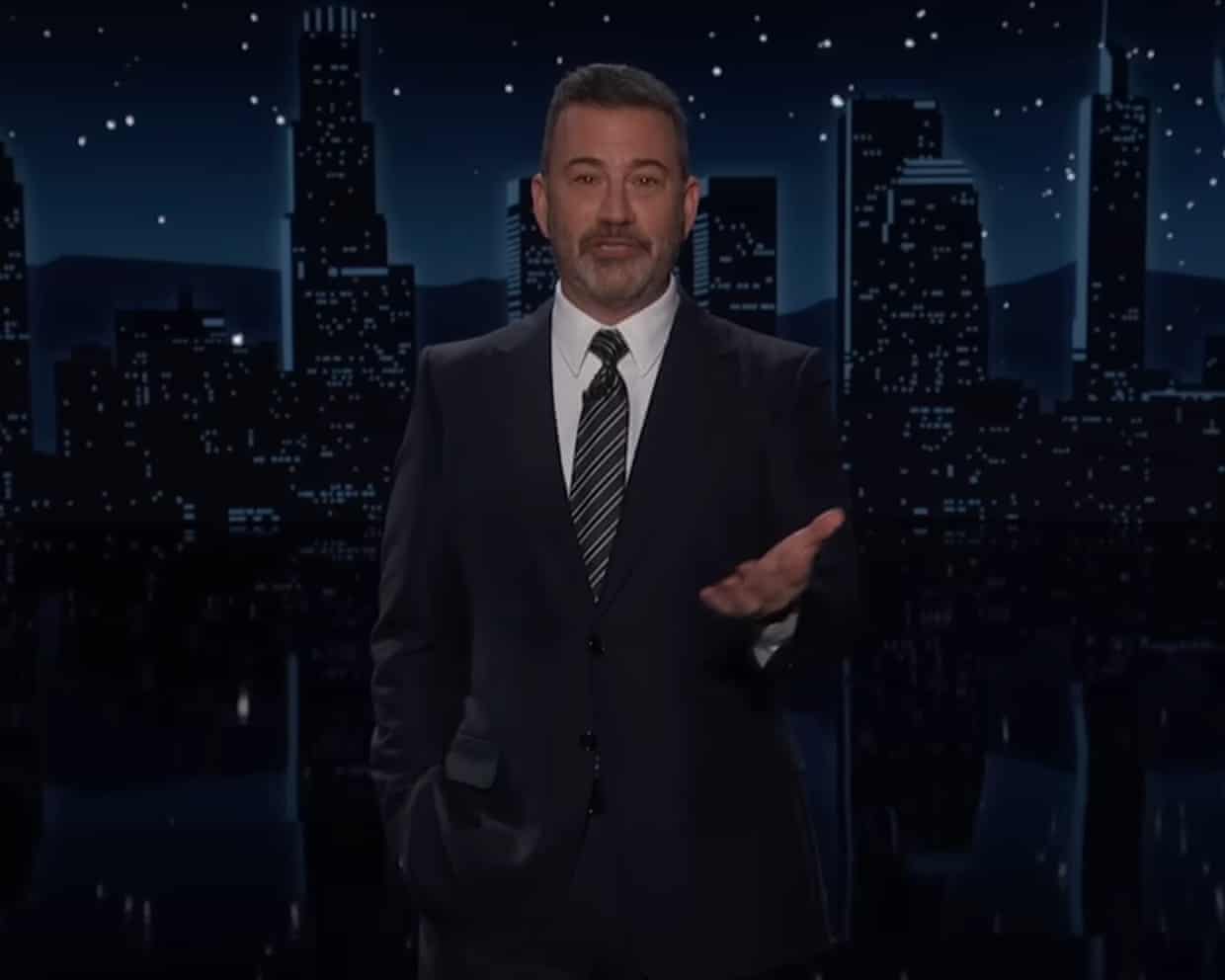
Kimmel on Trump: ‘He talks about war like he’s bragging about women with Billy Bush’
Jimmy Kimmel expressed frustration over Donald Trump’s confusing statements on Iran while also expressing shock over Melania Trump’s surprise statement.The ABC host spoke about the ongoing war in Iran that is happening “for reasons known only to Donald Trump” and how we remain unsure over the strait of Hormuz and whether it is or isn’t open.Kimmel joked that with all the back and forth over it, “basically after all this he got us is constipation”.Trump has been teasing a “grand reopening” as well as a possible business partnership with Iran “which makes no sense”.Kimmel joked that “he’ll put it on his vision board and will it to be true” before moving on to his threats on social media teasing the military’s “next conquest”
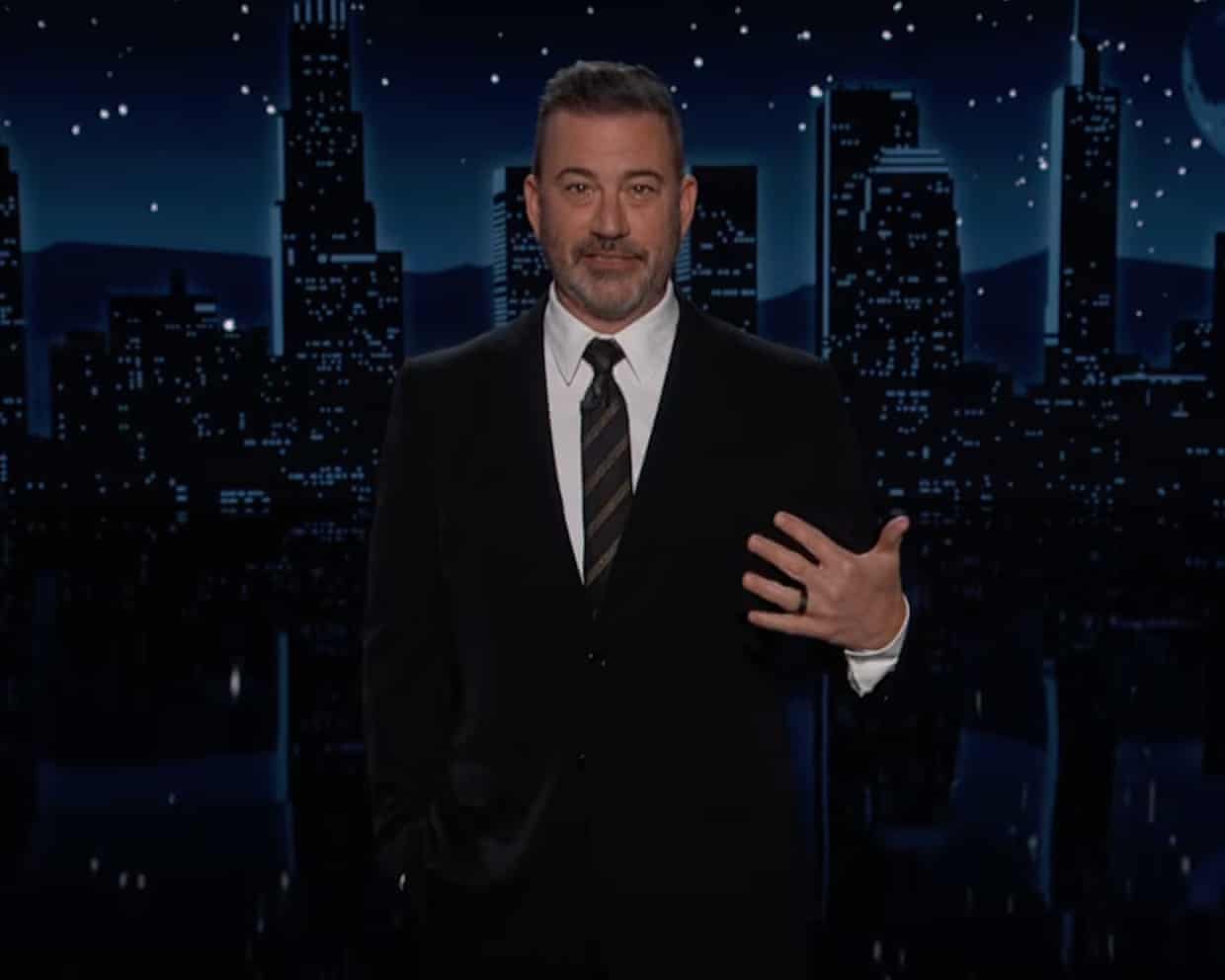
Jimmy Kimmel on US ceasefire negotiators: ‘We’d be better off with Alvin and the Chipmunks’
On Wednesday night, late-night hosts reacted to Donald Trump’s threat to wipe out Iran, the trio who are leading ceasefire negotiations in the region and JD Vance’s trip to Budapest in support of Viktor Orbán.Jimmy Kimmel focused on the ceasefire that resulted from Trump’s warning that “an entire civilization will die” if Iran did not meet US demands to open the strait of Hormuz.“Once again, he made a big threat and backed off like your dad threatening to pull the car over and turn it around,” Kimmel said.“What a time to be alive. A man who has the nuclear codes written on his stomach in ketchup has the power to wipe a whole country off the map
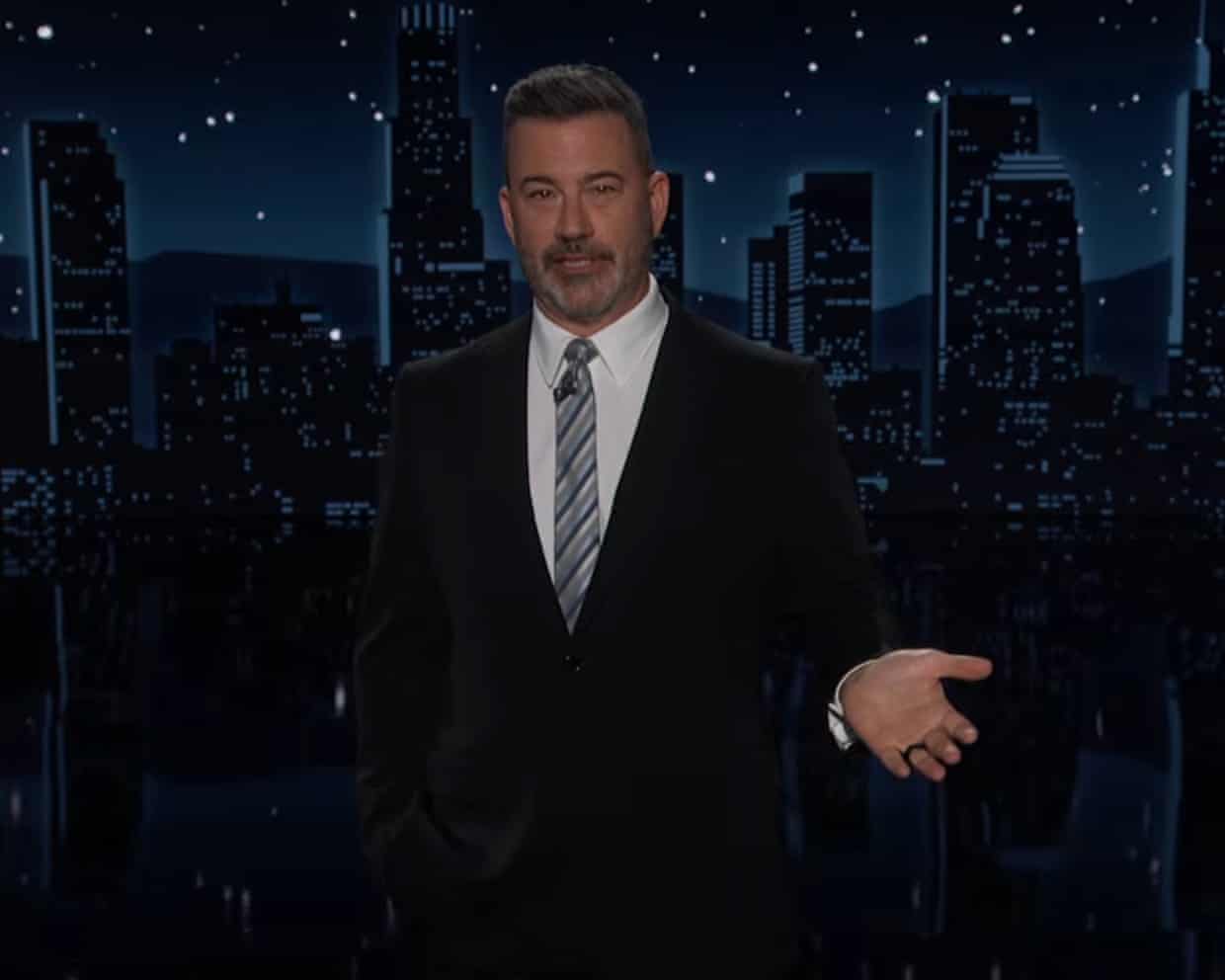
Jimmy Kimmel on Trump’s Iran threats: ‘The most dangerous episode of the Celebrity Apprentice yet’
Late-night hosts reacted to a late-stage ceasefire with Iran, after Donald Trump promised “a whole civilization will die tonight” in an extremely alarming post.Tuesday was just “another crazy day here in the United States of America!” said Jimmy Kimmel, after the president promised, then called off, destructive attacks in Iran by 8pm that evening. “Probably the most dangerous episode of the Celebrity Apprentice yet. Today was D-Day – in this case, the D stands for dementia, but it was D-Day.”“We’re coming to you from Los Angeles for the local time’s just after 5pm, which was Trump’s deadline for Iran to ‘Open the F-ing strait or you’ll be living in hell,’” the host explained
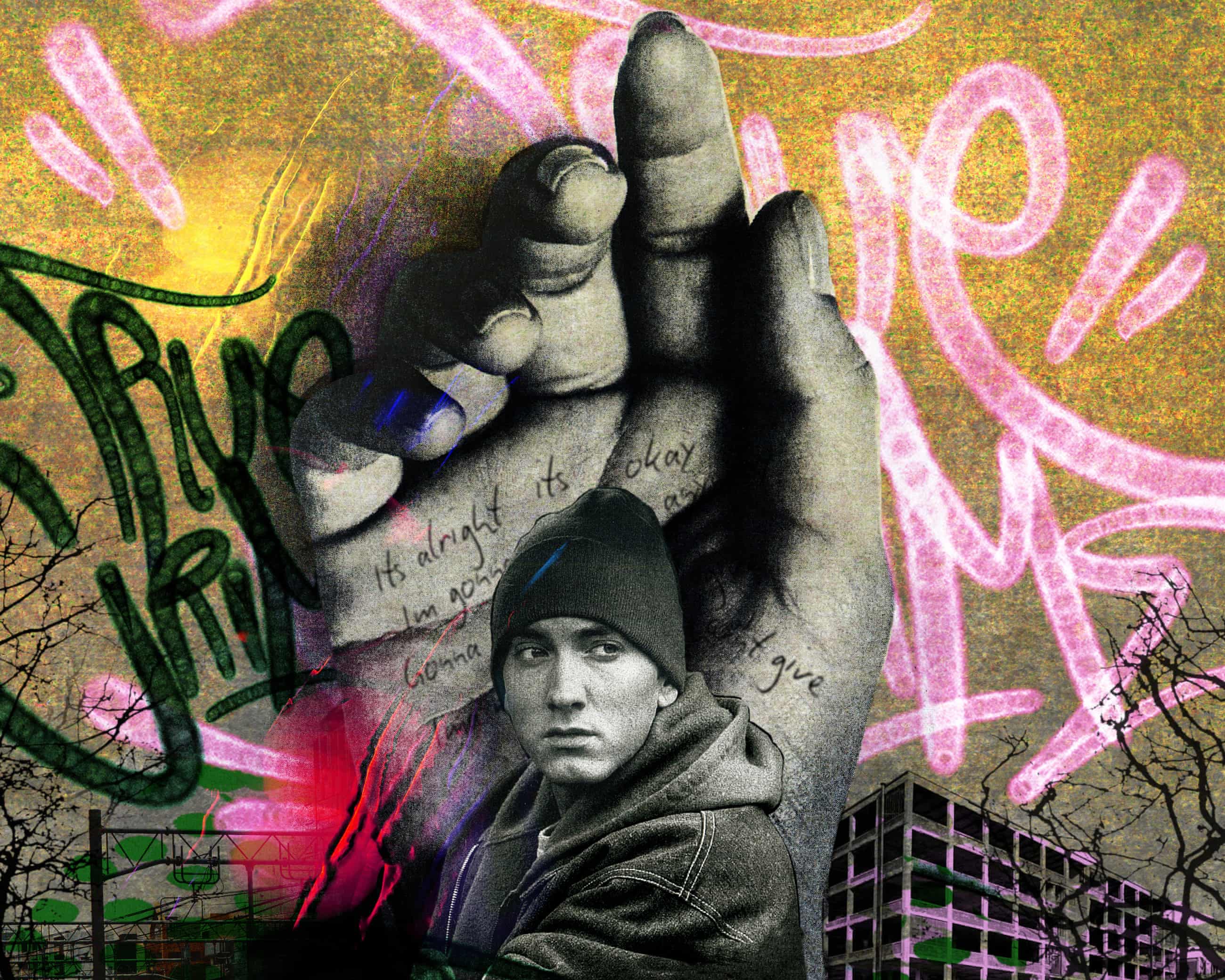
Eminem’s 8 Mile helped me survive abuse – and opened my eyes to a world outside of orthodox Judaism
My upbringing denied me access to the arts and led to me bottling up my feelings about what was happening to me. Then I saw Eminem taking control of his destiny, and decided I needed to do the sameAt 15, I had never been to the cinema, or even watched a movie. I grew up in a strictly Orthodox Charedi Jewish household, the daughter of a rabbi, in Glasgow, where we had next to no exposure to cultural influences beyond our religious world. The bookshelves were stacked with biblical texts and teachings, we sang in Yiddish and I only saw TV at my less religious grandparents’ house, where we could watch the end of the tennis if it was finishing as we arrived.By my mid-teens, my parents had moved to Jerusalem and sent me to live in Manchester, with a scholar who would later abuse me

‘It has your name on it, but I don’t think it’s you’: how AI is impersonating musicians on Spotify
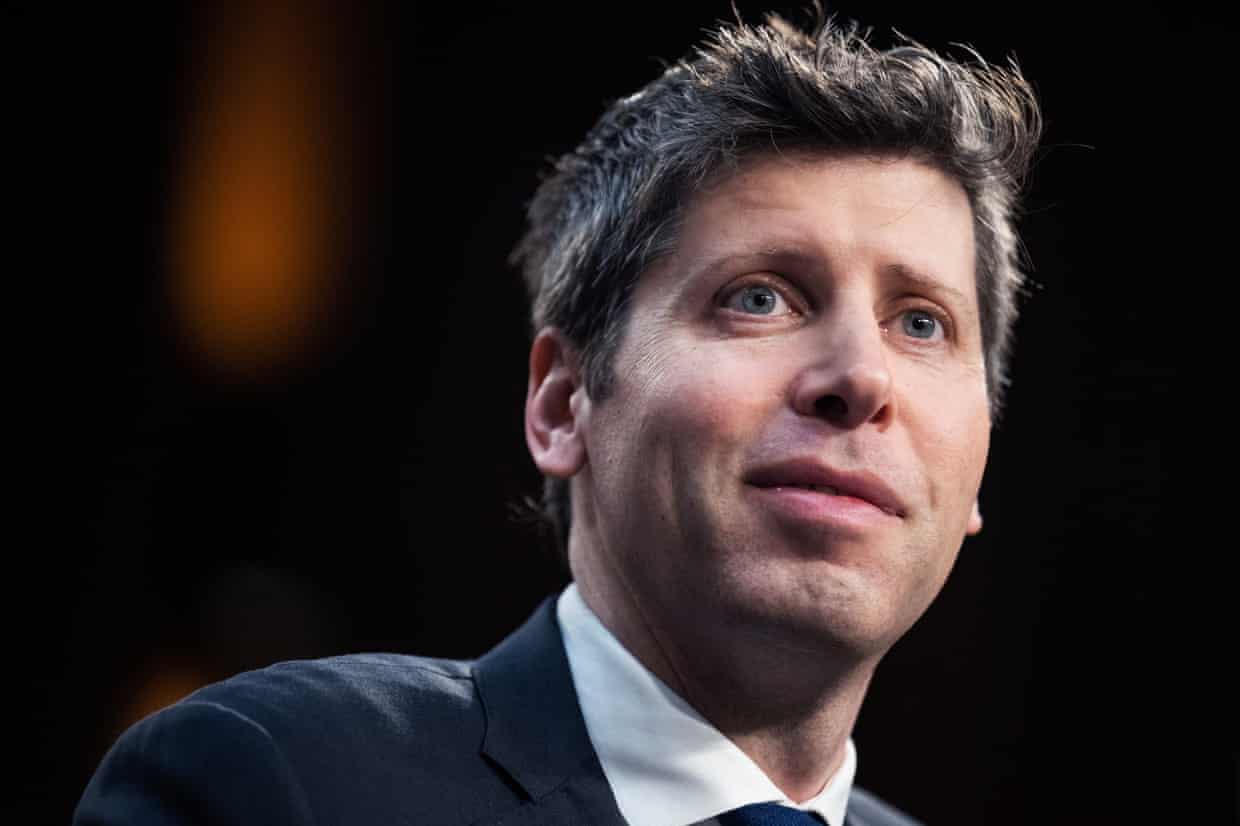
OpenAI CEO Sam Altman’s home targeted with molotov cocktail
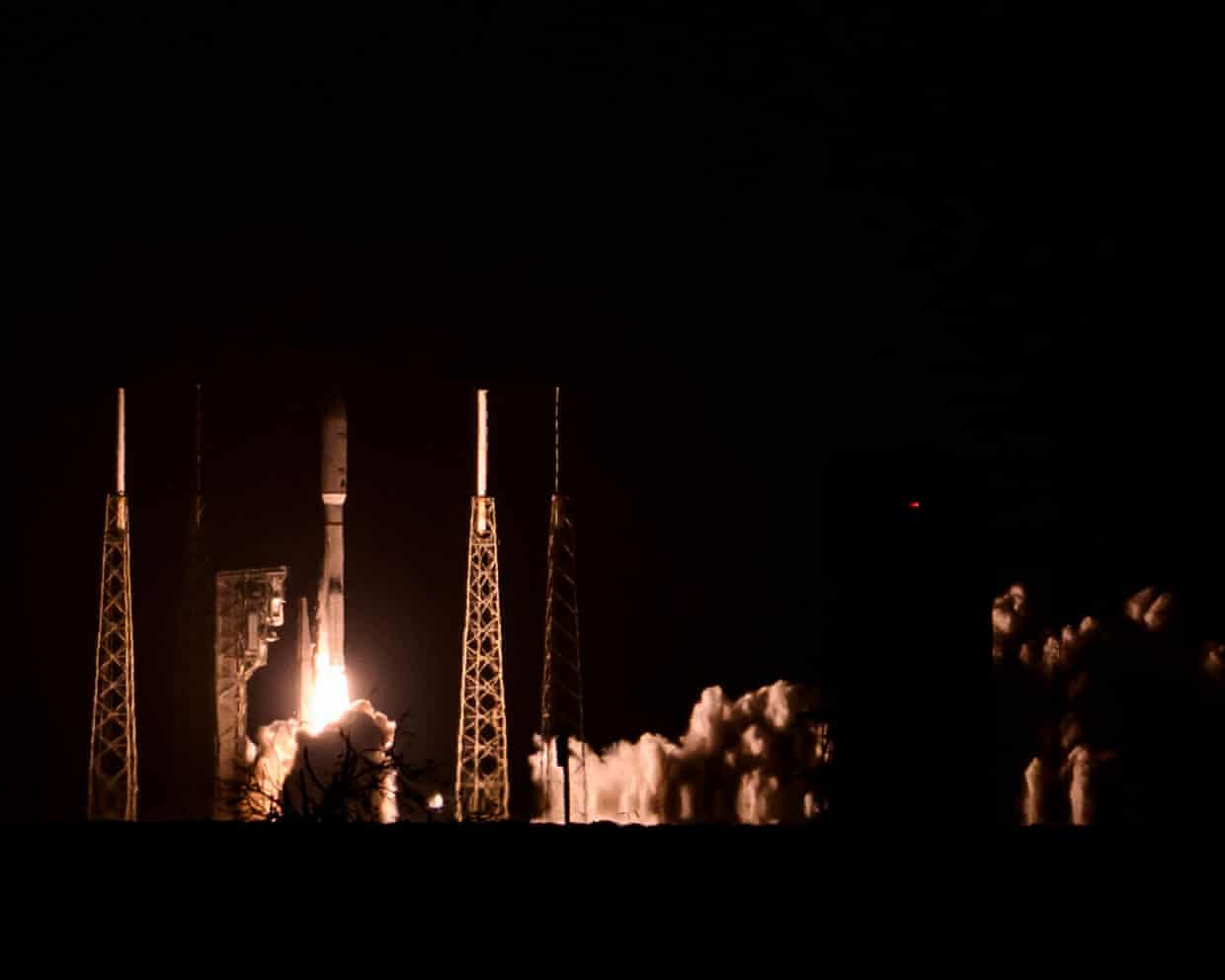
Amazon to finally launch Leo satellite internet in ‘mid-2026’, says CEO

US summons bank bosses over cyber risks from Anthropic’s latest AI model
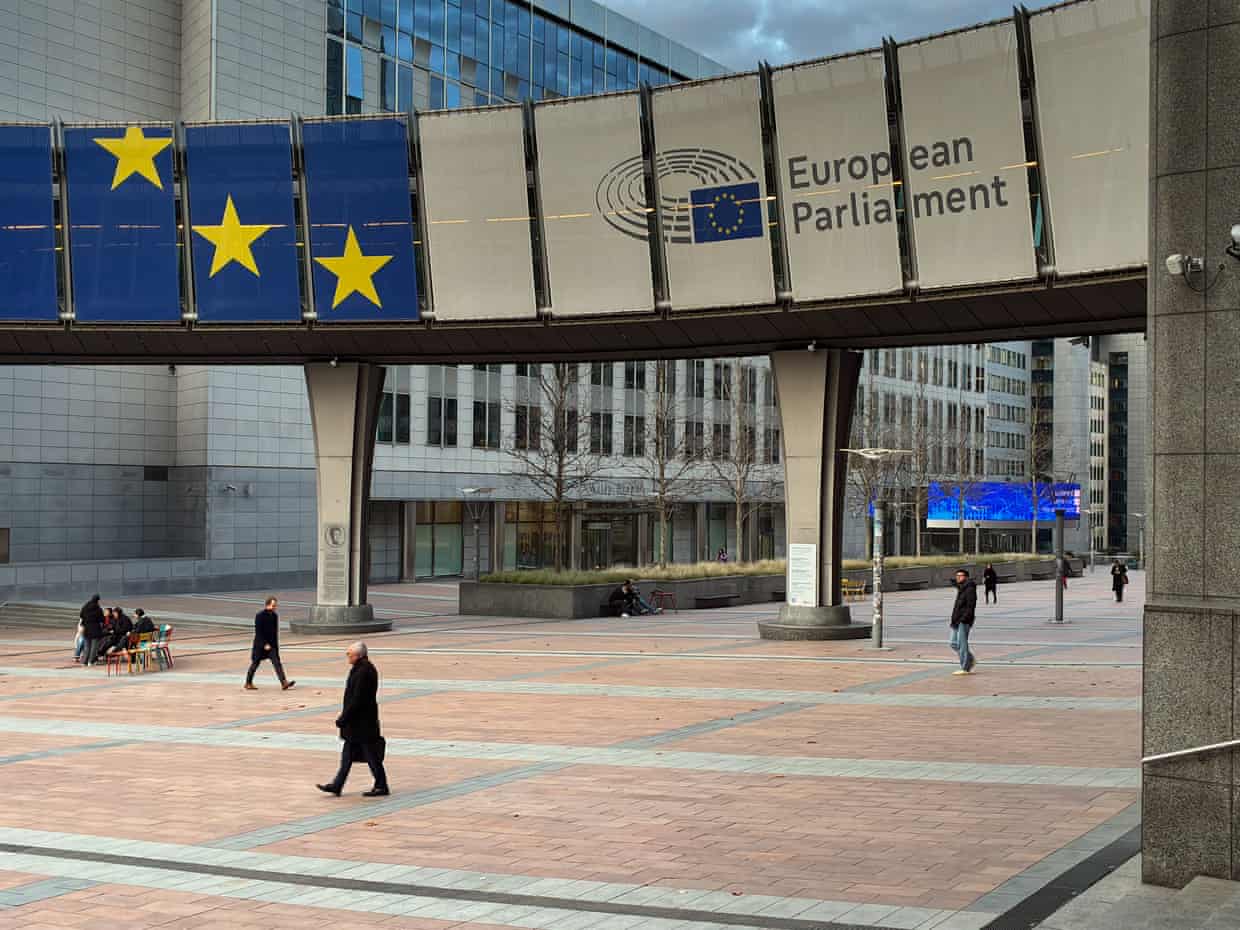
‘Irresponsible failure’: Google, Meta, Snap and Microsoft slam EU over child sexual abuse law lapse

Elon Musk’s xAI sues Colorado over new rules for artificial intelligence