Oil price tops $100 a barrel as US blockades strait of Hormuz; Goldman Sachs posts rise in profits – as it happened
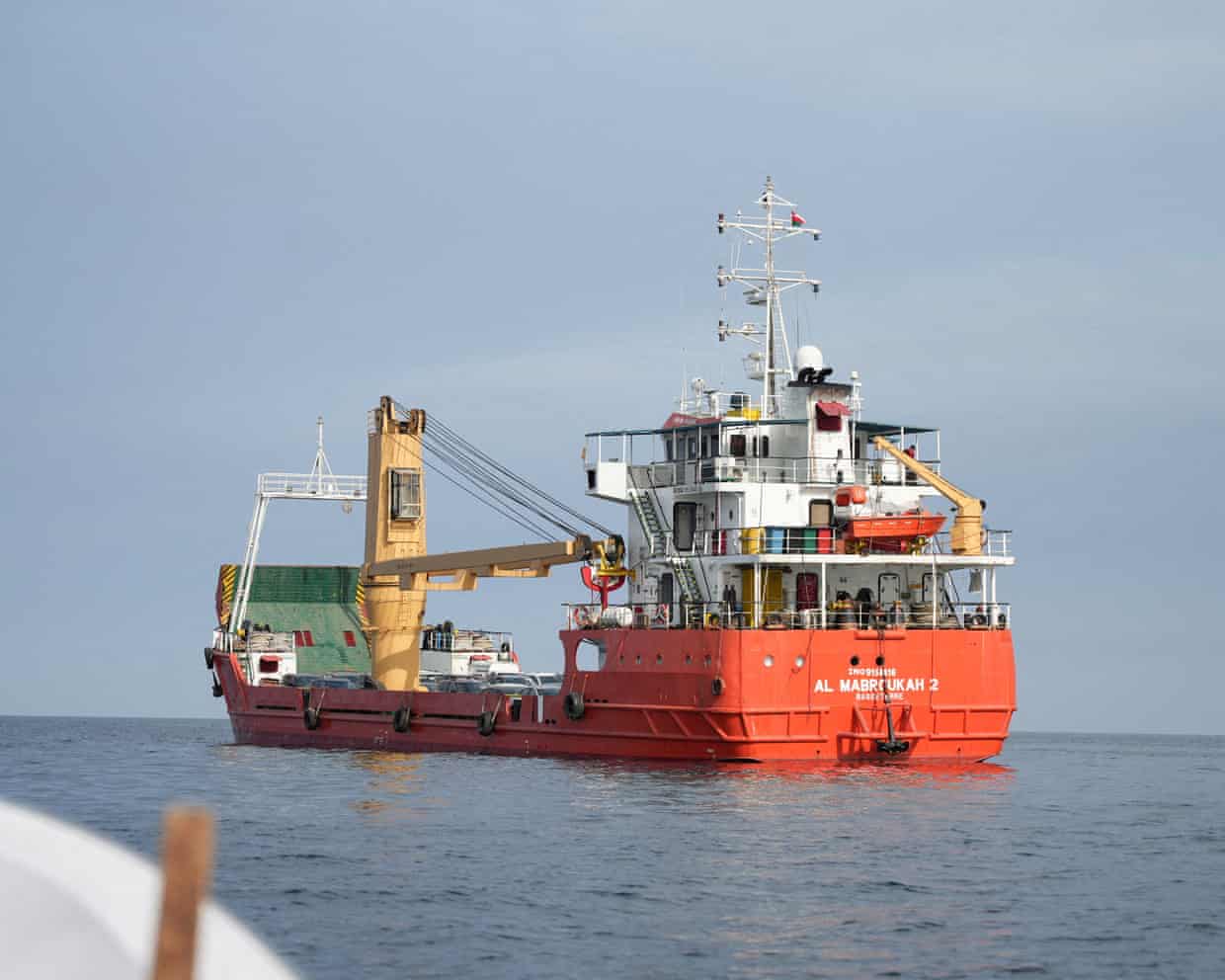
Time to wrap up…Oil prices have jumped back above $100 a barrel and global stocks fell after weekend talks between the US and Iran ended without an agreement and Donald Trump imposed a blockade of the strait of Hormuz.The US president announced the blockade on Sunday, targeting Iranian vessels and ships that have paid a toll to Iran for passage through the strait, in an attempt to choke off the flow of Iranian oil.US Central Command said it would start blocking all Iranian Gulf ports and coastal areas from 3pm UK time, in effect seizing control of maritime traffic in the strait of Hormuz.Trump said on Monday afternoon that ships coming near the blockade would be “eliminated”, warning Iran not to send its “fast attack ships”:double quotation markWarning: If any of these ships come anywhere close to our BLOCKADE, they will be immediately ELIMINATED, using the same system of kill that we use against the drug dealers on boats at Sea.It is quick and brutal.
P.S.98.2% of Drugs coming into the U.S.
by Ocean or Sea have STOPPED!Oil and gas prices rose sharply again, after the two-week ceasefire between the US and Iran announced on Wednesday prompted a sharp fall in energy prices, and crude ended the week below the psychologically important $100 a barrel threshold.Brent crude rose 6.9% to $$101.74 a barrel on Monday, while US crude was up 7.2% at $103.
55 a barrel,Gas prices also increased, with the British wholesale gas contract for May soaring by almost 12% earlier and later up 7,25% at 117,57p per therm,More here:And Goldman Sachs has beaten expectations with its first-quarter results, reporting a rises in profits and higher-than-expected investment banking revenue.
After a day dominated by Iran worries, London’s stock market has closed slightly lower.The FTSE 100 index of blue-chip share has ended the day down 17.5 points, or -0.17%, at 10,582 points.Utility companies led the fallers, perhaps a sign that investors are losing their appetite for ‘defensive stocks’ that might protect them from a market wobble.
Oil companies posted some gains, with BP up 0,9% and Shell gaining 1,5%,The war in Iran has pushed prices of pistachios nuts to an eight-year high, Bloomberg has reported,Iran is the world’s second-largest producer of pistachios, they say, and the conflict is restricting supplies.
Bloomberg point out that pistachio consumption has surged globally since pistachio-filled “Dubai chocolate” bars went viral on TikTok and Instagram in 2023,Major food brands like Häagen-Daz and Táche have added the nut to ice cream and plant-based milk ranges, while Starbucks has popularized pistachio-flavored coffee,This has pushed pistachio prices to $4,57 a pound in March, the highest since May 2018,The markets remain rather febrile today, and headline-driven.
We’ve just seen an example – oil briefly fell below $100 a barrel, following a news flash that “IRANIAN OFFICIALS ARE STUDYING ABANDONING URANIUM ENRICHMENT AS A U.S.CONDITION FOR ENDING THE WAR”.That claim was attributed to the New York Post – and it appears to come from the Post’s foreign policy reporter Caitlin Doornbos.However, that’s not exaactly what she wrote.
Actually, Doornbos posted on X:double quotation markIranian officials are still considering the US proposal to end the war, centered around giving up uranium enrichment.One thing affecting why Iran couldn’t make a deal while US was in Islamabad: while Vance called Trump 6+ times, Iranians could not call their final decision-maker back in Tehran due to security risks — and likely would have had to return home to discuss an agreement in person, a Pakistani analyst told me.And as she posts in a second message (after the markets got excited), the uranium line isn’t new!double quotation markThis took off unnecessarily, and now I have a responsibility to clarify.All I meant was: 1) The proposal centered on Iran giving up its nuclear program -- that we knew from Vice President JD Vance on Sunday.2) It’s still a possibility that Iran could accept that point.
None of this is new (which is why I haven’t published anything on it.)Brent crude has now inched back to $101 a barrel, as traders calm down.Donald Trump has warned Iran not to try to breach the new US blockade.Posting on Truth Social, he says:double quotation markIran’s Navy is laying at the bottom of the sea, completely obliterated - 158 ships.What we have not hit are their small number of, what they call, “fast attack ships,” because we did not consider them much of a threat.
Warning: If any of these ships come anywhere close to our BLOCKADE, they will be immediately ELIMINATED, using the same system of kill that we use against the drug dealers on boats at Sea.It is quick and brutal.P.S.98.
2% of Drugs coming into the U.S.by Ocean or Sea have STOPPED!Thank you for your attention to this matter.President DJTGoldman boss David Solomon has played down concerns over Anthropic’s Mythos AI model, despite being part of a group of banking chiefs summoned to the US Treasury in Washington last week to discuss potential cyber risks and threats to financial stability.He told analysts on an earnings call that the bank was “hyperaware of the enhanced capabilities of these models” and was working with both the US government and tech firms to assess them.
However, the CEO said it was “part of our ongoing capabilities that we have been investing in and are accelerating our investment in,” adding:double quotation mark“We’re aware of Mythos and its capabilities.We have the model, we’re working closely with Anthropic, and all of our security vendors, to kind of harness frontier capabilities wherever it’s possible.And this will continue to be an important focus.But it’s not new…technology evolves, we have to continue to upgrade for cyber risk and make sure we’re at the forefront of that.”Goldman Sachs’ CEO David Solomon also defended the bank’s involvement in the private credit market, saying that the bank saw an rise in investment at a time when rivals have suffered a surge in withdrawal requests from jittery clients.
He suggested part of the surge in withdrawal requests at some rivals - which have forced some private credit lenders like Blue Owl to cap redemptions - was primarily driven by retail investors (we’re talking high net worth clients here) rather than institutional investors who were holding their ground.Solomon told analysts that institutional investors - banks, insurance companies, and pension funds - made up around 40% of the new investment in Goldman’s private credit funds during the first quarter (which led to a 7% net increase in overall investment during the three months to March).double quotation mark“I know the media headlines have driven an enormous amount of negative sentiment around private credit.You know, my own view is it’s important to really distinguish between different markets and really try to put it all in perspective.”“There obviously are high redemptions in certain pure managed funds.
These peer managed funds have been concentrated in retail outflows as opposed to institutional outflows,And one of the things that we’re seeing that’s just interesting, that’s quite constructive for our business, is that spreads are becoming more lender friendly”He added:double quotation mark“Our 30 year track record of performance and private credit is characterised by rigorous underwriting, selective deployment, and disciplined portfolio construction”Goldman Sachs’ CEO David Solomon has cheered the bank’s Q1 earnings, saying “elevated uncertainty” caused by the Iran war, AI jitters and private credit fears led to a surge in trading and demand for its investment banking services,Solomon told analysts that the environment had changed significantly since the turn of the new year:double quotation mark“2026 began with a degree of optimism,Markets hit record highs and confidence continued to build, with most clients focused on growth, strategic activity, and capital deployment,As we’ve said, things were only moving a straight line, and as the quarter progressed, the macro environment started to weigh on sentiment.
“Volatility increased meaningfully amid concerns around AI driven disruption in sectors like software.Heightened uncertainty in parts of private credit, and the conflict in the Middle East.”With Wall Street opening in the red, Tom Stevenson, investment director at Fidelity International says:double quotation mark“A weariness is setting in as investors increasingly choose to wait and see while tensions in the Gulf ebb and flow.With sentiment having swung back and forth since the beginning of March, but markets remaining at or slightly above where they started the year, no-one is willing to take big bets until it is clearer where the US-Israel-Iran conflict is heading.“Meanwhile, companies and households are getting on with their lives, acclimatising to what looks like a persistently higher oil price, rising inflation and higher for longer interest rates.
This week, the US reporting round gets underway once more, with first quarter results shining a light on how geo-politics is showing up at the coalface of business and the broader economy,The New York stock market has begun the new week with losses,Wall Street’s main indexes have opened lower, after last weekend’s talks between the US and Iran failed to deliver a deal to end the war,With optimism of an early end to the conflict fading, the Dow Jones Industrial Average has dropped by 368 points, or 0,77%, to 47,548 in early trading.
The broader S&P 500 index is down 0,3%, while the tech-focused Nasdaq has lost 0,35%Opec, the oil cartel, has predicted that demand for crude will drop in the second quarter of this year, but then rebound,Opec has lowered its forecast for world oil demand in the second quarter by 500,000 barrels per day,However, for 2026 as a whole, global oil demand is still forecast to grow by a healthy 1.
4 million barrels per day – unchanged on last month’s forecast - driven almost entirely by demand from non-OECD regions, mainly China, India and Other Asia.Opec says:double quotation markThe slight transitory weakness in oil demand growth in 2Q26, given the ongoing developments in the Middle East, is expected to be compensated for in 3Q26 and 4Q26.Oil is still bobbing above $100 a barrel, as the 3pm BST deadline for the US’s blockade of the strait of Hormuz approaches.Brent crude is 7.5% higher today at $102.
31 a barrel.While there is disappointment that the US-Iran talks broke up last weekend, there is also some optimism that the ceasefire announced last week is holding.Paul Diggle, chief economist, at Aberdeen, says:double quotation markFor all that it is in risk-off mode this morning, the market is arguably still taking a “glass half full” interpretation of the outlook.Perhaps a single round of talks should never have been expected to yield immediate results.The progress was the in-person talks happening at all.
The US blockade may bring not just economic pressure on Iran, but also diplomatic pressure from China (the destination of a large share of Gulf energy exports, including what had still been flowing from Iran).China apparently played an important part in pressuring Iran to the negotiations last week.The ceasefire itself is still holding for now, although it’s obviously extremely fragile.UK transport and travel union TSSA is calling on the government to take immediate action to help the public with the jump in the cost of living due to the Iran war.This includes making public transport free at the point of use for the next year.
TSSA general secretary Maryam Eslamdoust explains:double quotation mark“Yet again Donald Trump’s recklessness over Iran is having an effect of world oil prices which will in turn hit our communities here at home really hard.“We are facing into a major economic crisis of Washington’s making at a time in which many people are already really struggling with the cost of living.“Not only should our government be carrying out the work of diplomacy to help find a solution to the conflict but it’s vital that Ministers act without delay to take serious measures to help people here at home.“Making public transport free at the point of use for the next twelve months would provide people with the assistance they need and also act as a huge economic stimulus.“Not only that, but the Prime Minister should also convene regular COBRA meetings examining the full range of measures which can help people with their bills and consider setting up a national Cost of Living Taskforce.
”Although Goldman Sachs has beaten profit forecasts, its share are down 4.5% in pre-market trading.Traders could be concerned that Goldman’s revenues from Fixed Income, Currency and Commodities (FICC) fell by 10% in the first quarter.Axel Rudolph, chief technical analyst at investing and trading platform IG, says today’s results have failed to “pique investors’ attention”double quotation mark“Goldman Sachs has delivered a solid set of numbers, but in this environment ‘solid’ isn’t quite enough to keep investors interested.The strength in equities trading and dealmaking shows that the machine is still firing on all cylinders, yet the drop in FICC revenues is a reminder that this is not a one-way street, especially with markets being buffeted by the Iran war.
After such a strong run in the share price, investors were clearly looking for something exceptional, not just good.The bigger issue is that Goldman’s results feel like a snapshot of a world that may already be fading.With oil prices surging, inflation fears building and recession risks creeping back in, the outlook for dealmaking and capital markets activity becomes far less certain.In that context, today’s numbers risk being seen as close to peak earnings, and it’s little surprise that investors have opted to take some money off the table.”The US Central Command have told seafarers that the US military will enforce a blockade in the Gulf of Oman and Arabian Sea east of the Strait of Hormuz, applied to all vessel traffic regardless of flag
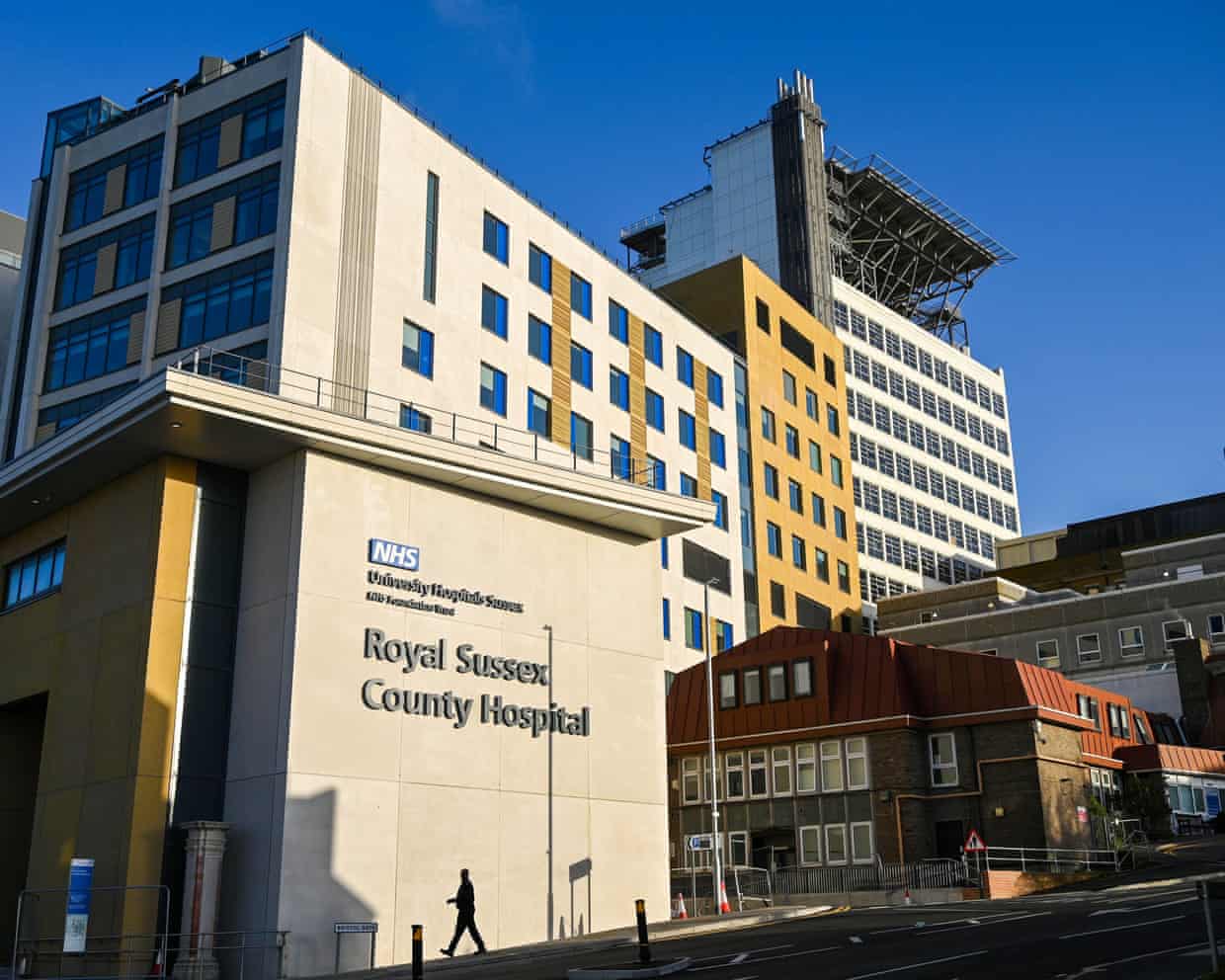
Sussex baby deaths inquiry will fail to learn lessons after excluding families, Streeting warned
An inquiry into the preventable deaths of babies in Sussex will fail to learn the lessons as it “systematically” excluded dozens of families, Wes Streeting has been warned before a meeting with bereaved parents.The health secretary has ordered a review of nine infant deaths at the University Hospitals Sussex NHS foundation trust amid maternity scandals across England. However, families are calling on Streeting to expand the investigation to all those who died and might have survived with better care.To date, the families of more than 60 babies who died between 2019 and 2023 have expressed concerns about their care, although the true figure is expected to be higher.Dr Marija Pantelic, a public health expert whose baby Sasha died in the care of UH Sussex in January 2022, said the narrow scope and opt-in nature of the review was dangerous and potentially harmful as it would be based on the experiences of an “overwhelmingly white and British” group of parents

AI to predict how bowel cancer patients will respond to new NHS drug
A new AI-driven way of identifying how patients with advanced bowel cancer will respond to a drug that was recently introduced by the NHS has been announced.Researchers at London’s Institute of Cancer Research and the RCSI University of Medicine and Health Sciences in Dublin have developed the method with the goal of sparing potentially thousands of patients from being given drugs that would be ineffective in fighting their cancers.In the UK alone, nearly 10,000 cases of advanced bowel cancer are identified every year, with young adults seeing a particular rise in diagnoses. Bowel cancer has the second highest mortality rate of any cancer, behind only lung cancer, and while survival rates can be as high as 98% when caught early, the five-year survival rate for advanced bowel cancer can be as low as 10%.The study tracked 117 European bowel cancer patients who had been treated with chemotherapy and bevacizumab, a drug that was approved by the NHS in December

More than a fifth of UK’s ‘austerity children’ scarred by poverty, study says
More than a fifth of all “austerity generation” British children have been scarred by poverty for at least half their childhood, a direct legacy of the welfare benefit cuts imposed by Conservative governments in recent years, research reveals.The proportion of children born after 2013 who spent at least six of their first 11 years of life in hardship surged after ministers froze working age benefits levels and imposed policies such as the two-child limit, it found.Austerity policies, which drastically shrank annual welfare spending by tens of billions a year and took thousands of pounds a year out of low-income family budgets, effectively pitched hundreds of thousands more children into sustained poverty.The University of Oxford study said the austerity-era growth in children exposed to poverty for most of their formative years was a “significant social problem” that would cause long-term harms to their health, education and life chances.The study’s co-author, Selçuk Bedük, said the post-2013 austerity cuts to welfare increased both the numbers of children experiencing poverty and the time they spent in it
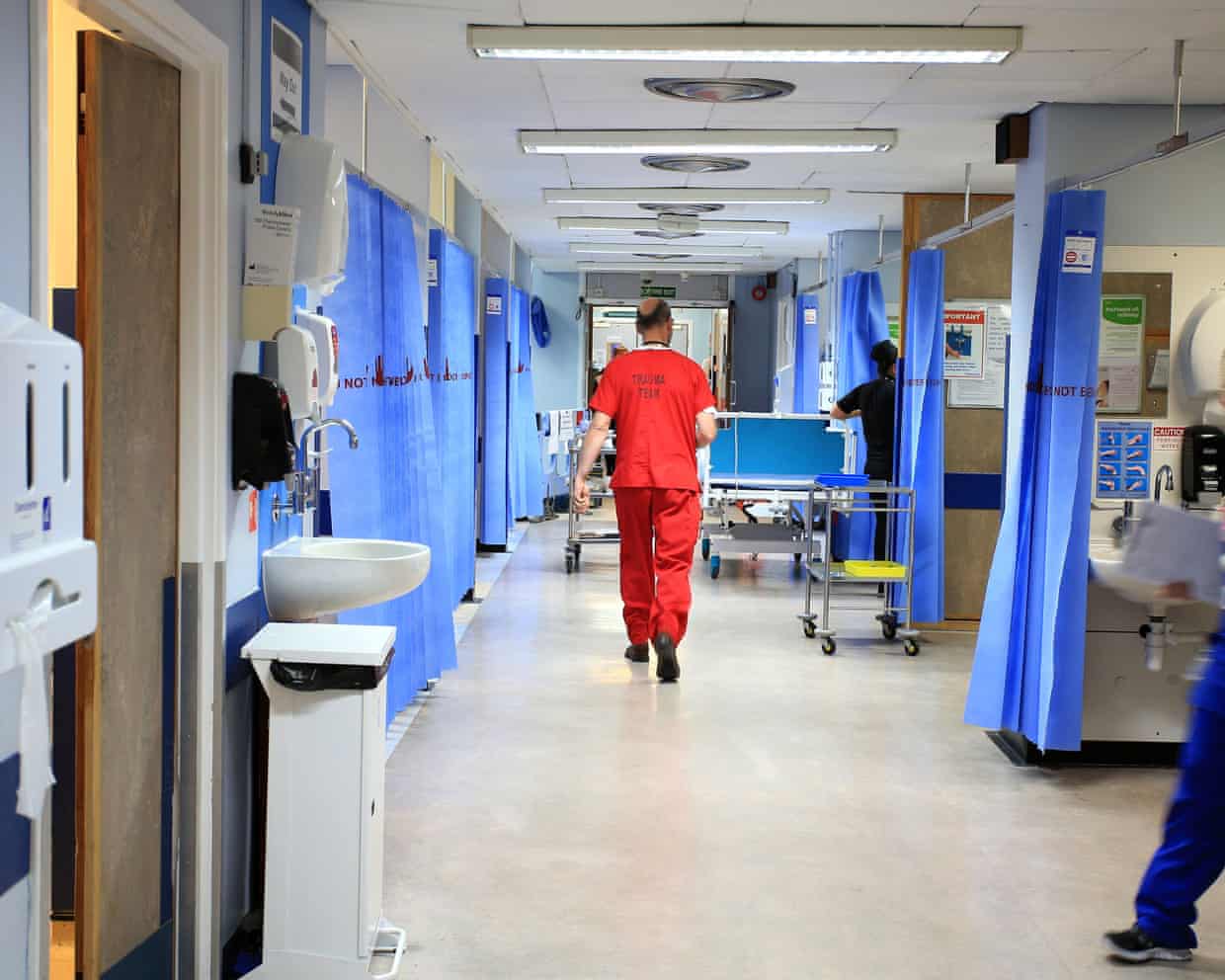
Private firms providing services to NHS made £1.6bn profit in two years, research finds
Private firms providing services to the NHS including healthcare and consultancy have made £1.6bn in profits over the last two years, research reveals.The findings – on the basis of contracts worth £12bn – have prompted claims of “scandalous” profiteering, concern that the health service is being “taken for a ride” and calls for ministers to impose a cap on maximum profit levels.The £1.6bn in profits made in 2023-24 and 2024-25 would have been enough to pay for 9,178 doctors or 19,428 nurses during that time, according to the Centre for Health and the Public Interest
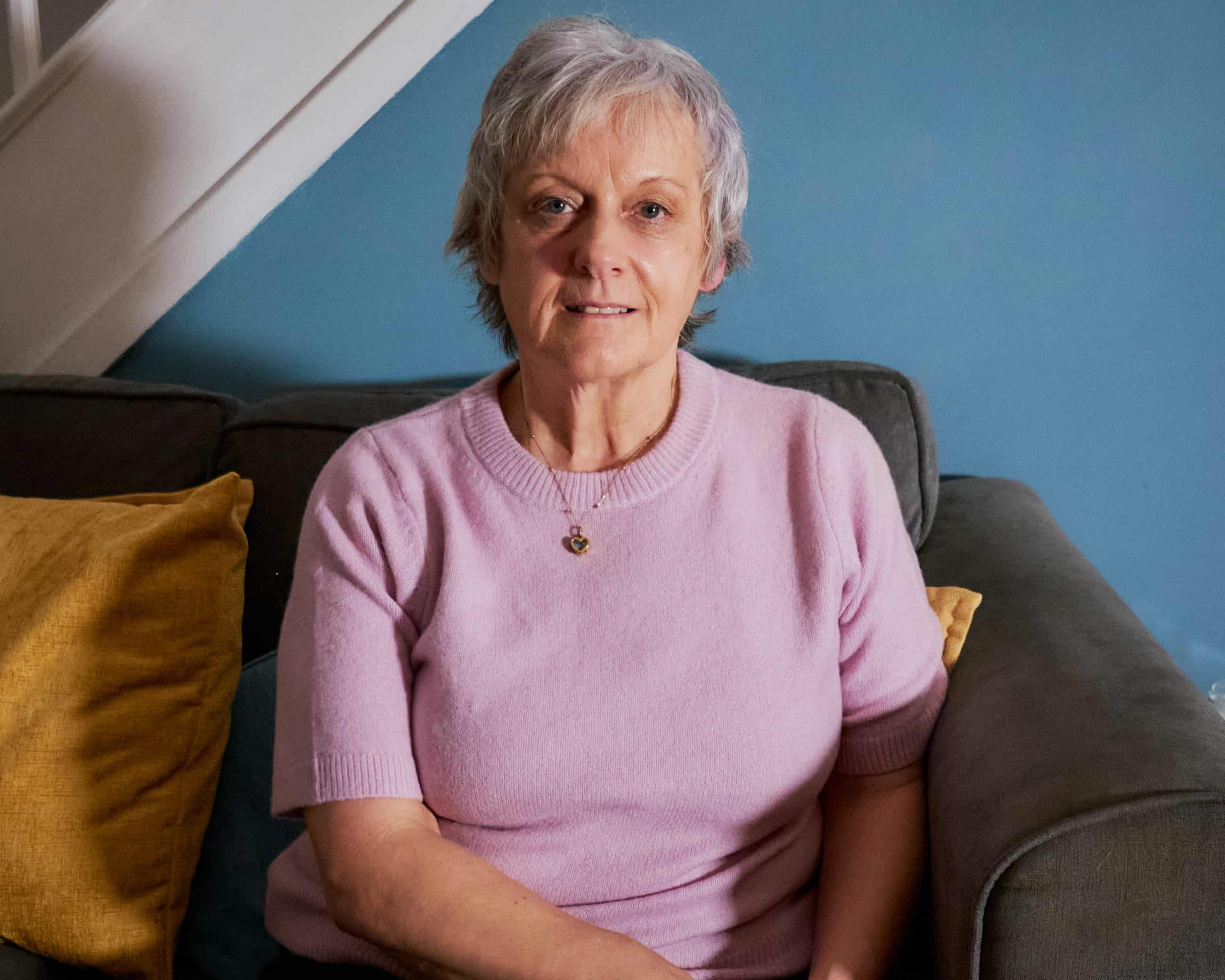
‘I just want to feel like me again’: the women still waiting for breast reconstruction years after lockdown
At the height of Covid, hundreds of cancer patients had mastectomies without the reconstruction that would normally accompany them. They would eventually get the surgery, they were told – but for many that promise feels more meaningless by the dayEvery time she lifts her arms to get dressed or hang out her washing, Julie Ford gets a painful reminder of one of the most terrifying experiences of her life. At 7am one day in April 2021, she had gone into hospital, alone and wearing a mask, to have her right breast and lymph nodes removed in a bid to stop breast cancer from spreading. Later that day, still groggy from the anaesthetic, in pain and with surgical drains hanging from both sides of her chest, she had staggered to the door with the help of two nurses. She was eased into a friend’s car and driven home to fend for herself
Iran war could plunge 32 million into poverty, says United Nations
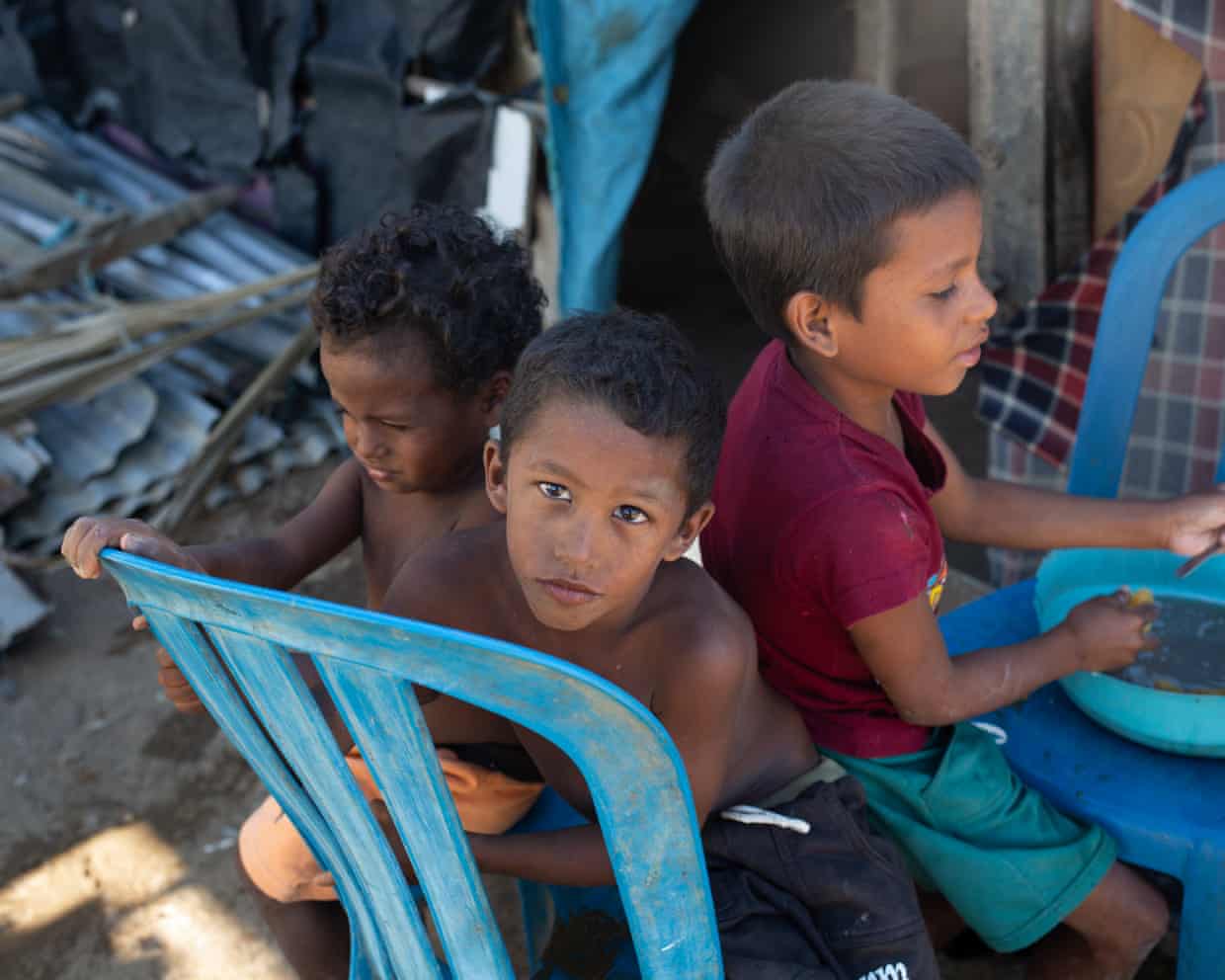
More than 32 million people worldwide could be plunged into poverty by the economic fallout from the Iran war, with developing countries expected to be hit hardest.In a report issued amid doubts over a fragile ceasefire, the United Nations Development Programme (UNDP) said the world was facing a “triple shock” involving energy, food and weaker economic growth.The agency tasked with tackling poverty said the conflict was reversing gains in international development, with the impact expected be felt unevenly across regions.Alexander De Croo, administrator of the UNDP and former prime minister of Belgium, said: “A conflict like this is development in reverse. Even if the war stops, and a ceasefire is obviously very very welcome
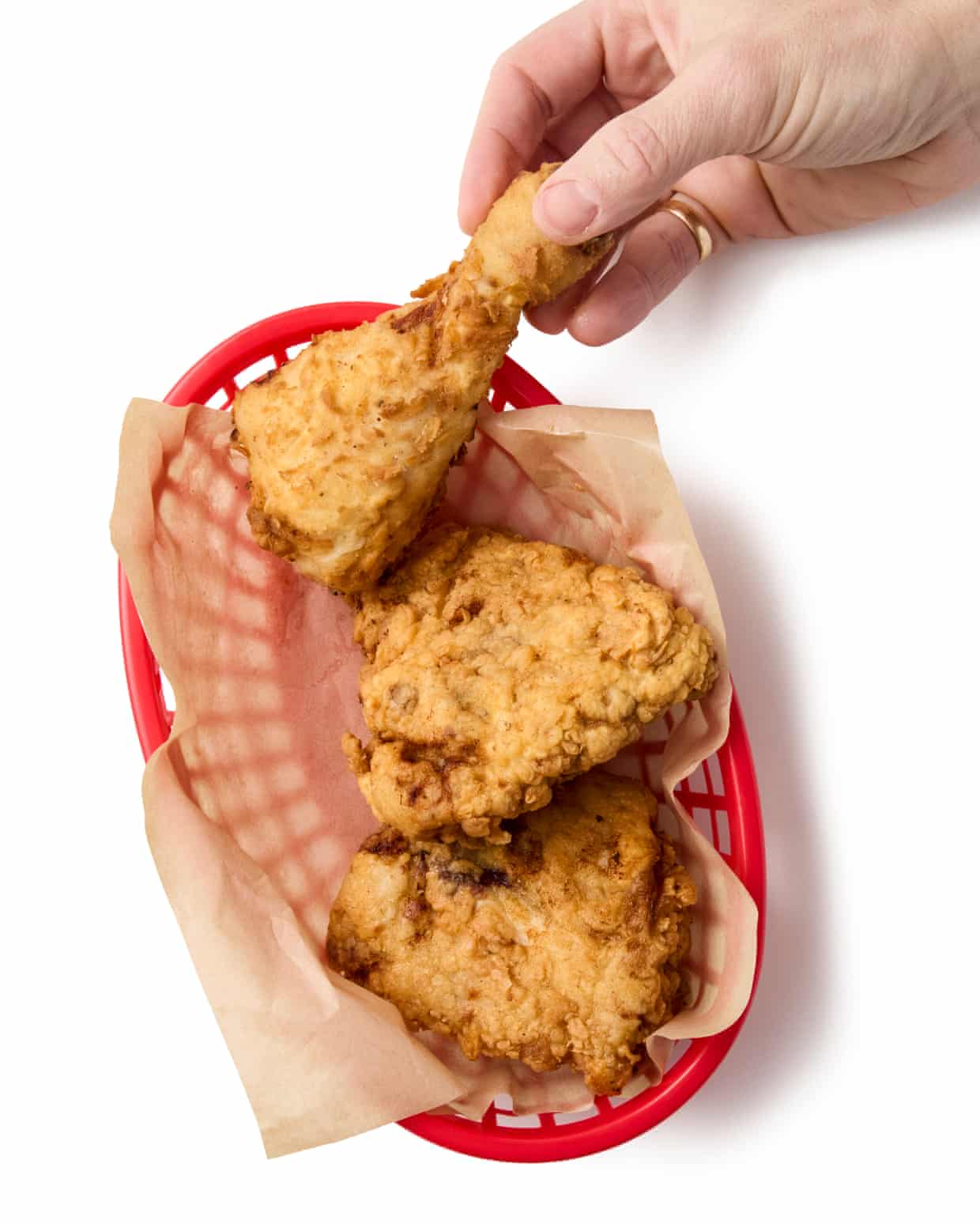
How to make Southern fried chicken – recipe | Felicity Cloake's Masterclass
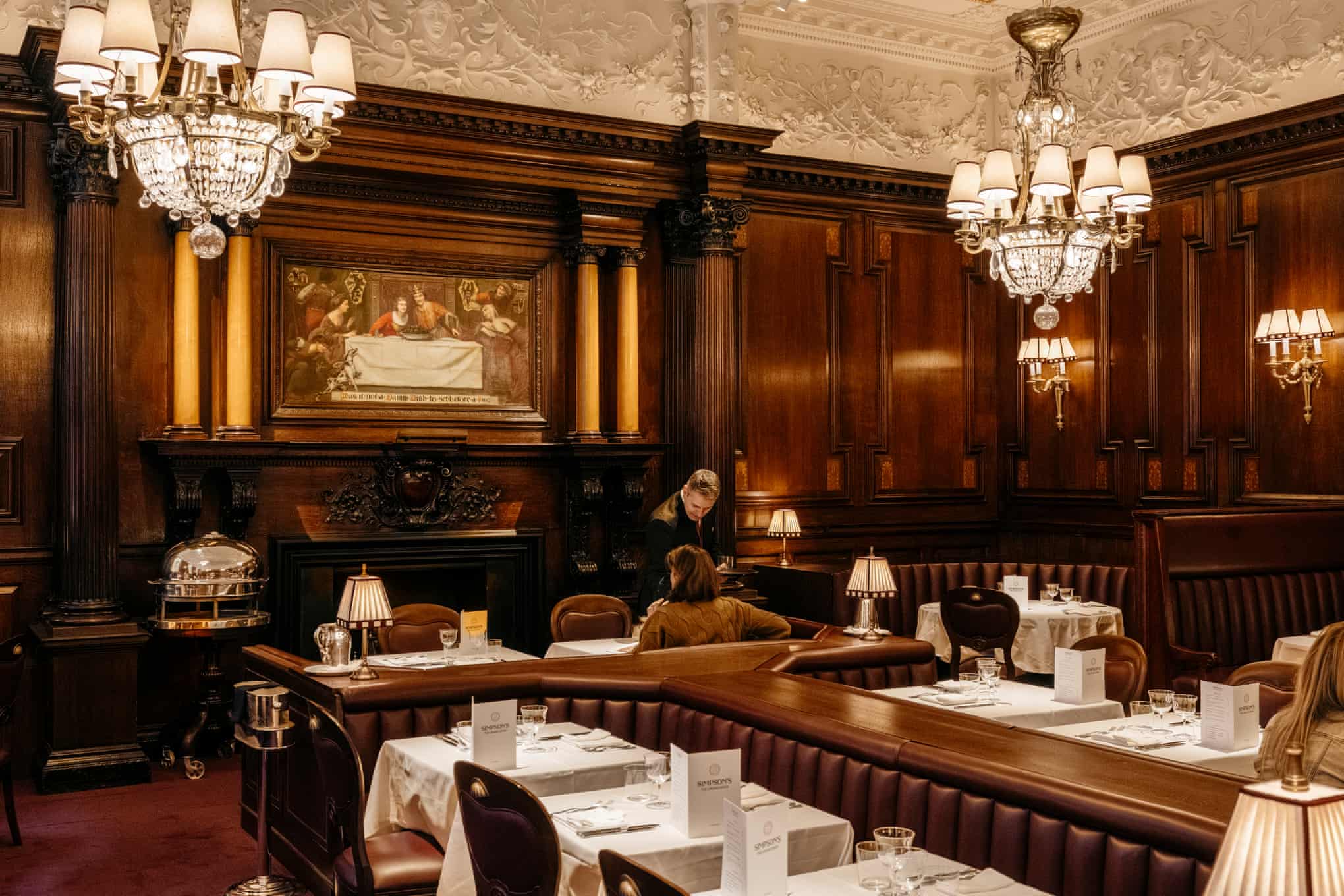
Simpson’s-in-the-Strand, London WC2: ‘A rollicking list of cosy British joys’ – restaurant review | Grace Dent on restaurants
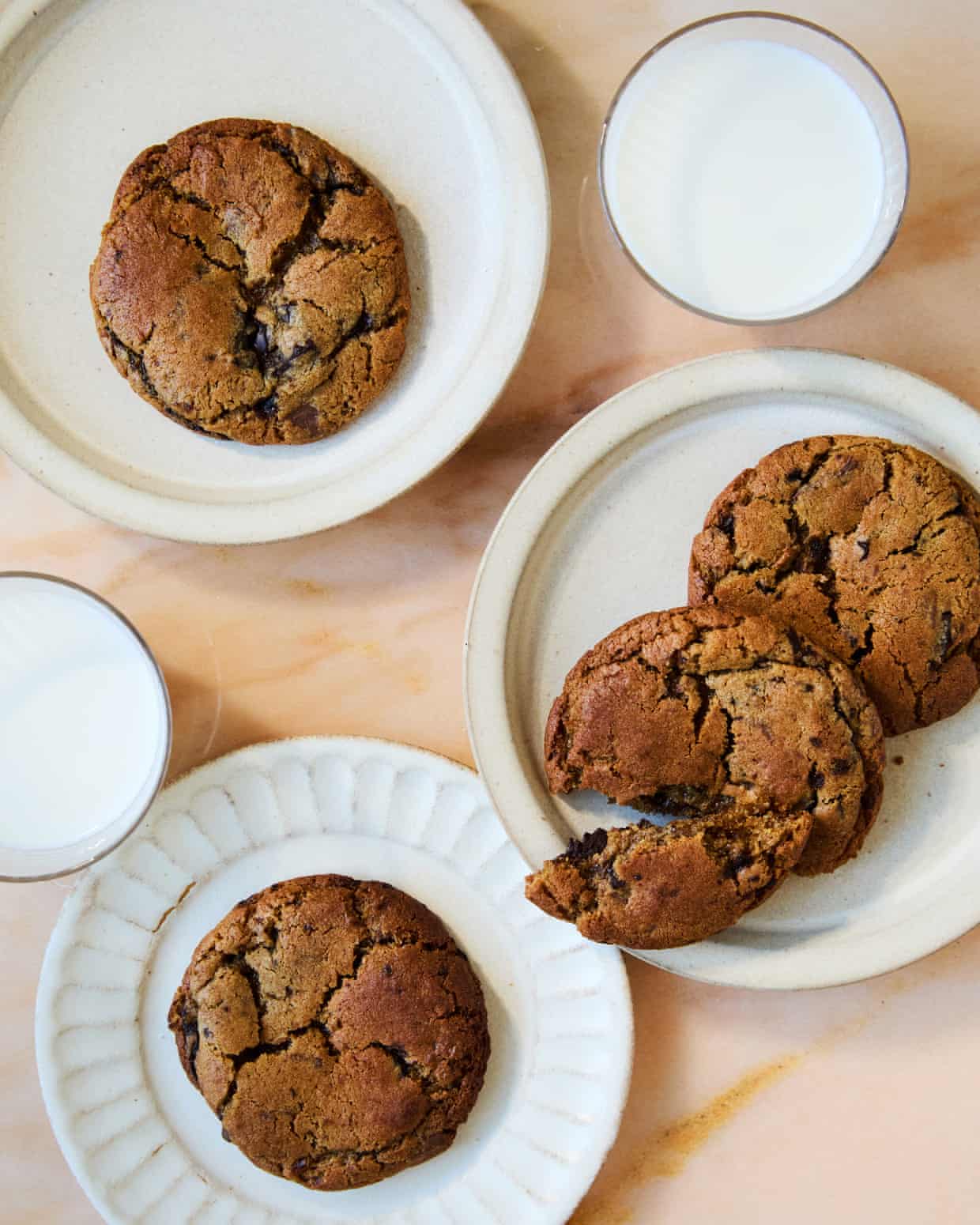
Benjamina Ebuehi’s sweet and salty chocolate chip cookies recipe | The sweet spot

Gentleman’s Relish is toast after its maker axes the pungent anchovy spread

From soups and greens to roots, how to survive the ‘hungry gap’
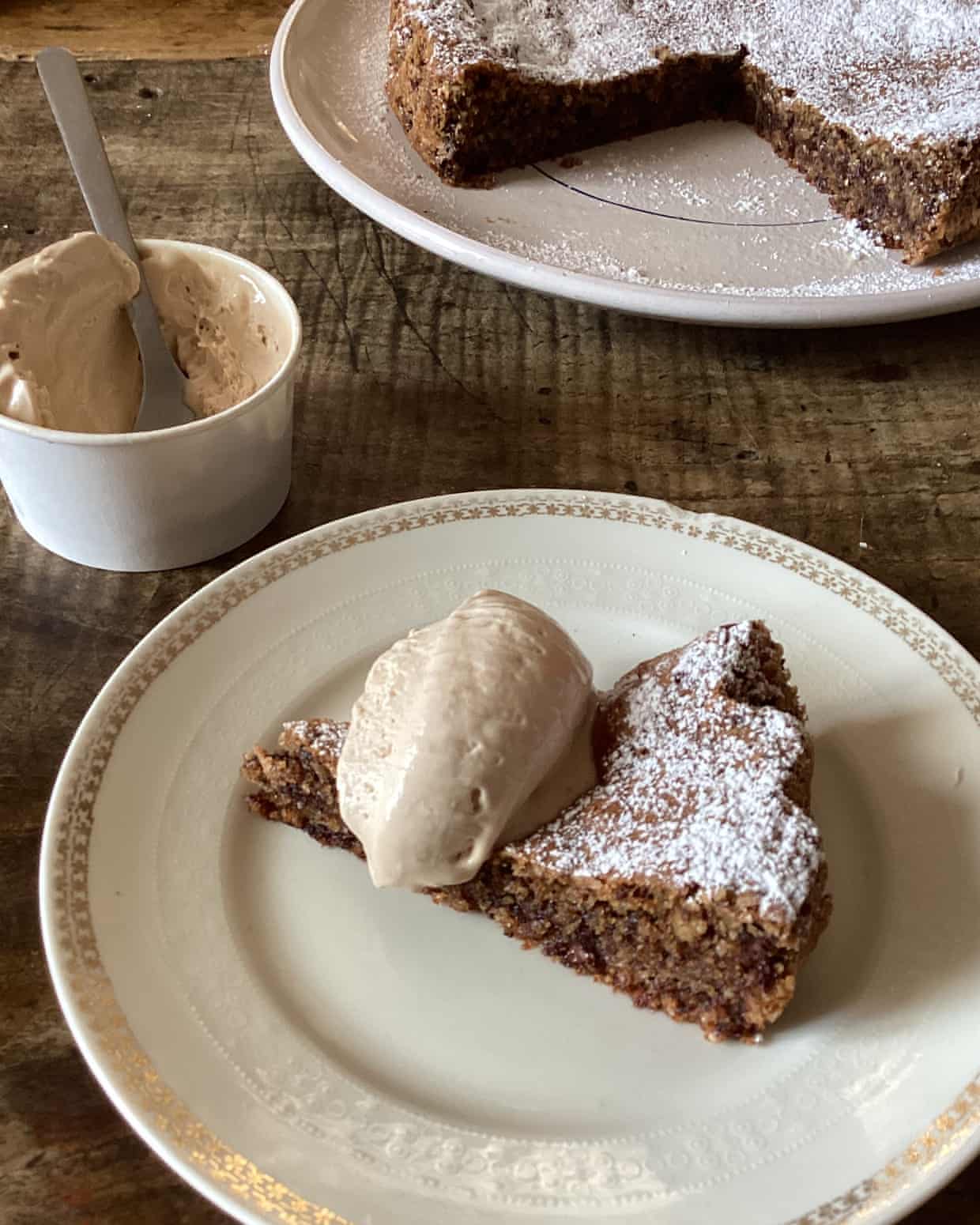
Rachel Roddy’s recipe for hazelnut and chocolate cake | A kitchen in Rome