Shake-up will help UK motorists without driveways to charge EVs

Households without off-street parking could soon be able to charge their electric vehicles from home under new government plans to help households cut their need for expensive fossil fuels.The government has promised to pass legislation this summer that will allow motorists to run power cables through a charging “gully” built into the pavement outside their home without the need for planning permission.This means that before the end of this year, EV owners who are not able to fit their own car chargers at home will be able to charge up from the power connection indoors.Motorists are not allowed to string charging cables across the pavement from their home but almost half of councils across the UK allow cross-pavement charging if you embed the cable in a gully.However, this still requires permission from the council.
Charging at home is usually much cheaper than using public car charge points, meaning more motorists may be willing to trade in their petrol and diesel cars for an electric alternative if they know they can access cheaper electricity more easily.This is partly because public charging has a VAT rate of 20% while home energy includes VAT at 5%.ChargeUK, the trade body for the charging industry, said equalising VAT would help ensure that motorists who cannot charge at home even after the planning changes would not be unfairly penalised.The legislation is part of a string of measures to help protect households from the soaring cost of energy since the Middle East war disrupted supplies of crude, gas and fuels from the Gulf.Ed Miliband, the energy secretary, said the “overwhelming lesson of this crisis is we need to go faster” on the government’s plans to reduce the UK’s reliance on volatile fossil fuel markets.
“Because every solar panel we put up, every wind turbine we build, every heat pump we install, every EV on the road makes our country more secure,” he told the Good Growth Foundation’s National Growth Debate on Tuesday,The government has also promised to make it easier to install solar panels and heat pumps,This summer it will consult on changes to permitted development rights to make it easier to install air source heat pumps, particularly in flats, and on plans for low-income households to benefit from plug-in solar through the Warm Homes Plan,Demand for solar panels, electric vehicles and heat pumps has leapt since the war began as households brace for a sharp increase in monthly energy bills when the next energy price cap takes effect in the summer,Octopus Energy, the country’s biggest energy supplier, said its heat pump orders had more than doubled in March compared with February, while sales of solar power systems were up by almost 80%.
The supplier said new leases of electric vehicles rose by more than 85% over the same period.In a boost to EV sales, the price of battery electric cars has fallen below petrol cars in the UK for the first time, according to the car sales website Autotrader.
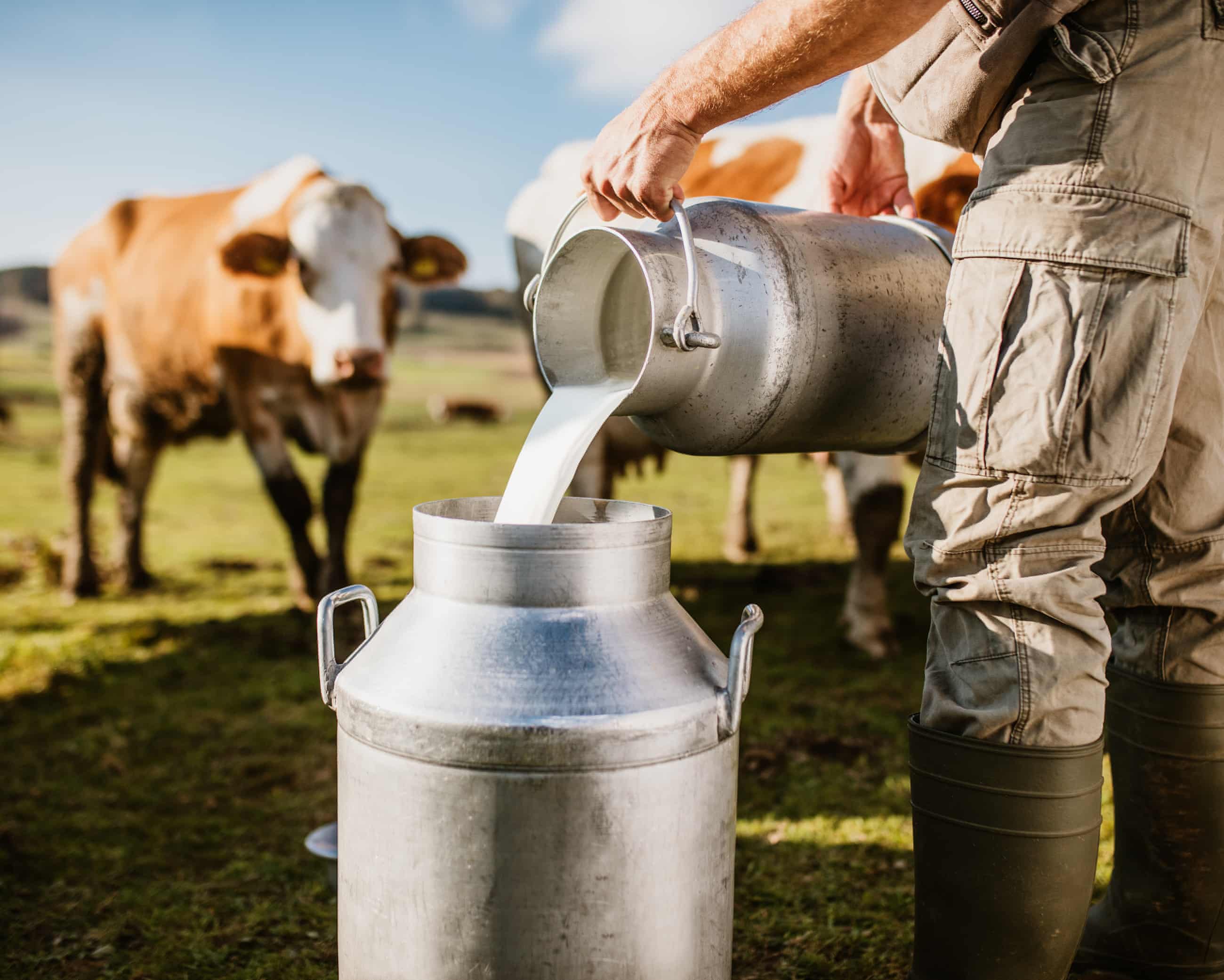
Making a splash: demand for raw and ‘brewed’ milk growing in UK
Farmers and delivery firms launch new options for those seeking alternative to traditionally pasteurised productRaw milk has long been popular, as well as controversial, in the US. While health authorities warn it can carry harmful bacteria, supporters argue it is more natural, and it has also become tied to anti-government and “natural living” movements.In the UK, it is now gaining popularity, particularly among younger consumers, farmers say, as a less processed option, with new products launching to meet demand.Raw milk comes straight from the cow (or sheep or goat) and has not been pasteurised, the process of heating liquids to eliminate harmful pathogens and make them safe to drink.Because it does not undergo this heat treatment, the Food Standards Agency warns that raw milk can cause food poisoning, posing particular risks to pregnant women, young children and people with weakened immune systems
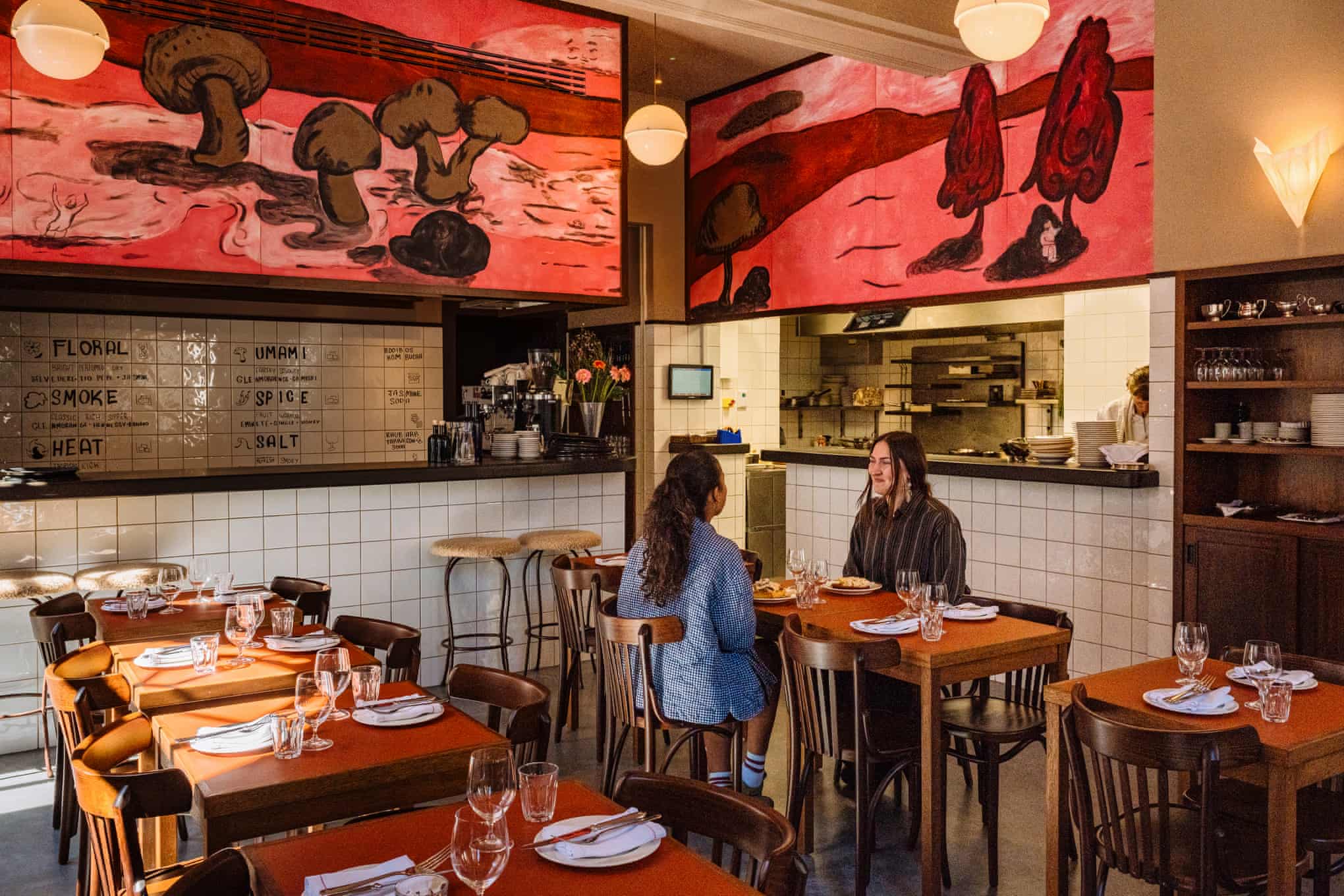
Holy Carrot, London E1: ‘As good as plant-based dining gets’ – restaurant review | Grace Dent on restaurants
This place is about so much more than just a portobello mushroom in a white bap masquerading as dinnerHoly Carrot has, cough, taken root in Spitalfields, east London. It’s the second sprouting from this plant-based restaurant with a name that’s especially hard to sell to meat-loving friends. “Please come with me to a vegan restaurant,” one might say. “It’s not one of those pious places, honest! Oh, um, the name? Holy Carrot.” In fairness, though, it’s generally tricky to cajole meaty people to venture anywhere vegan or even vegetarian, because there’s always a sense that your steak addict acquaintance is enduring their meal “as an experiment”, and despite quite charitably being “willing to be convinced”
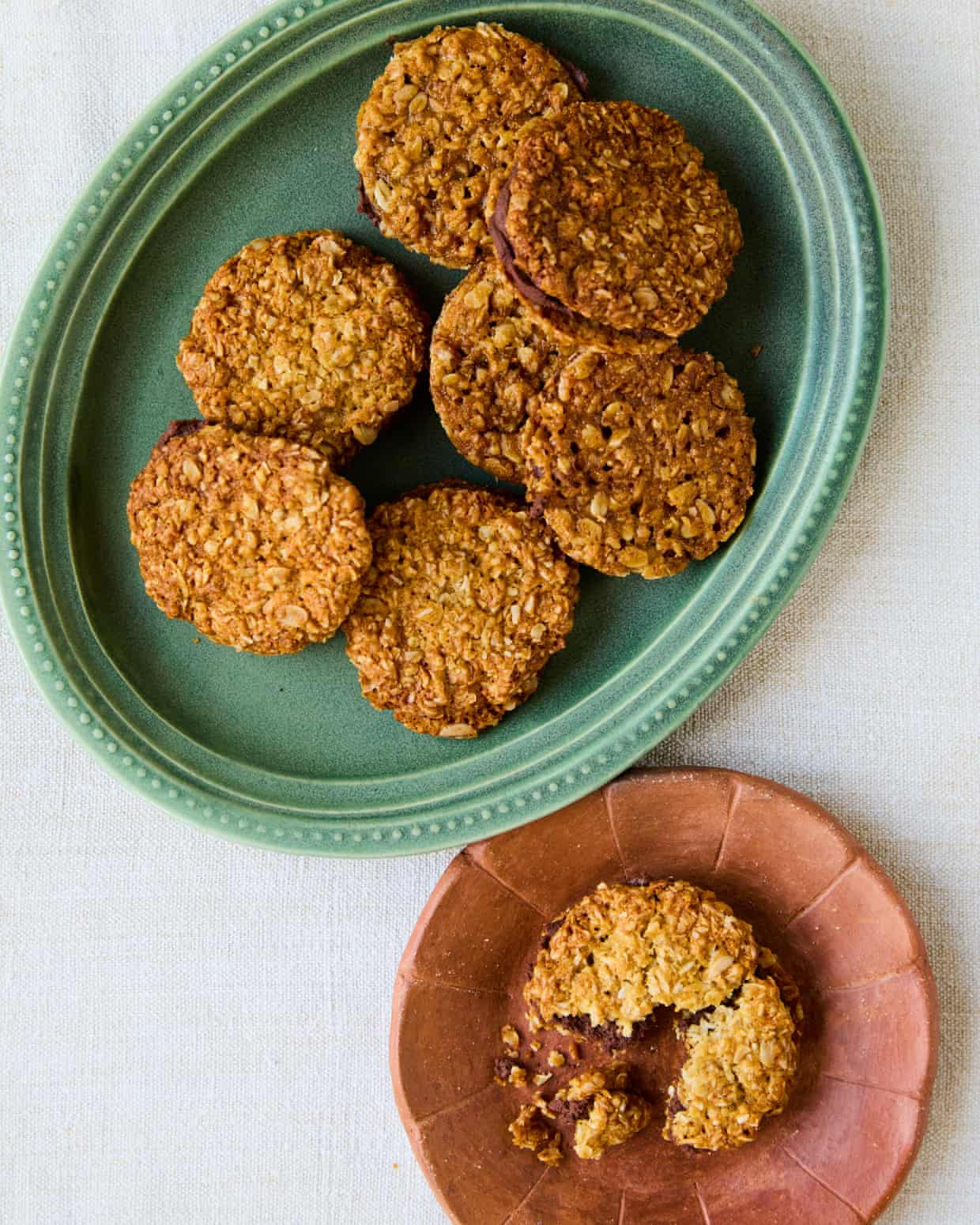
Helen Goh’s recipe for Anzac sandwich biscuits with dark chocolate filling | The sweet spot
Anzac biscuits are closely associated with Anzac Day on 25 April, which commemorates the members of the Australian and New Zealand Army Corps who served in the first world war. Made with oats, coconut and golden syrup, the biscuits are said to have been popular because they travelled well and kept for long periods, making them suitable for sending to forces overseas. My version here, a slightly less austere take on the classic, sandwiches two small biscuits with a lightly salted, olive oil-enriched dark chocolate ganache. The result is crisp at the edges, soft within and not too sweet.Prep 5 min Cook 35 min, plus cooling Makes 12 sFor the biscuits 90g rolled oats 45g plain flour 40g light brown sugar 30g caster sugar 40g desiccated coconut 80g unsalted butter 40g golden syrup ½ tsp bicarbonate of soda ¼ tsp fine sea saltFor the ganache110g dark chocolate (60-70% cocoa solids), chopped60ml single cream 2 tsp olive oil ¼ tsp flaky sea saltPut the oats, flour, sugars and coconut in a medium bowl and whisk to combine
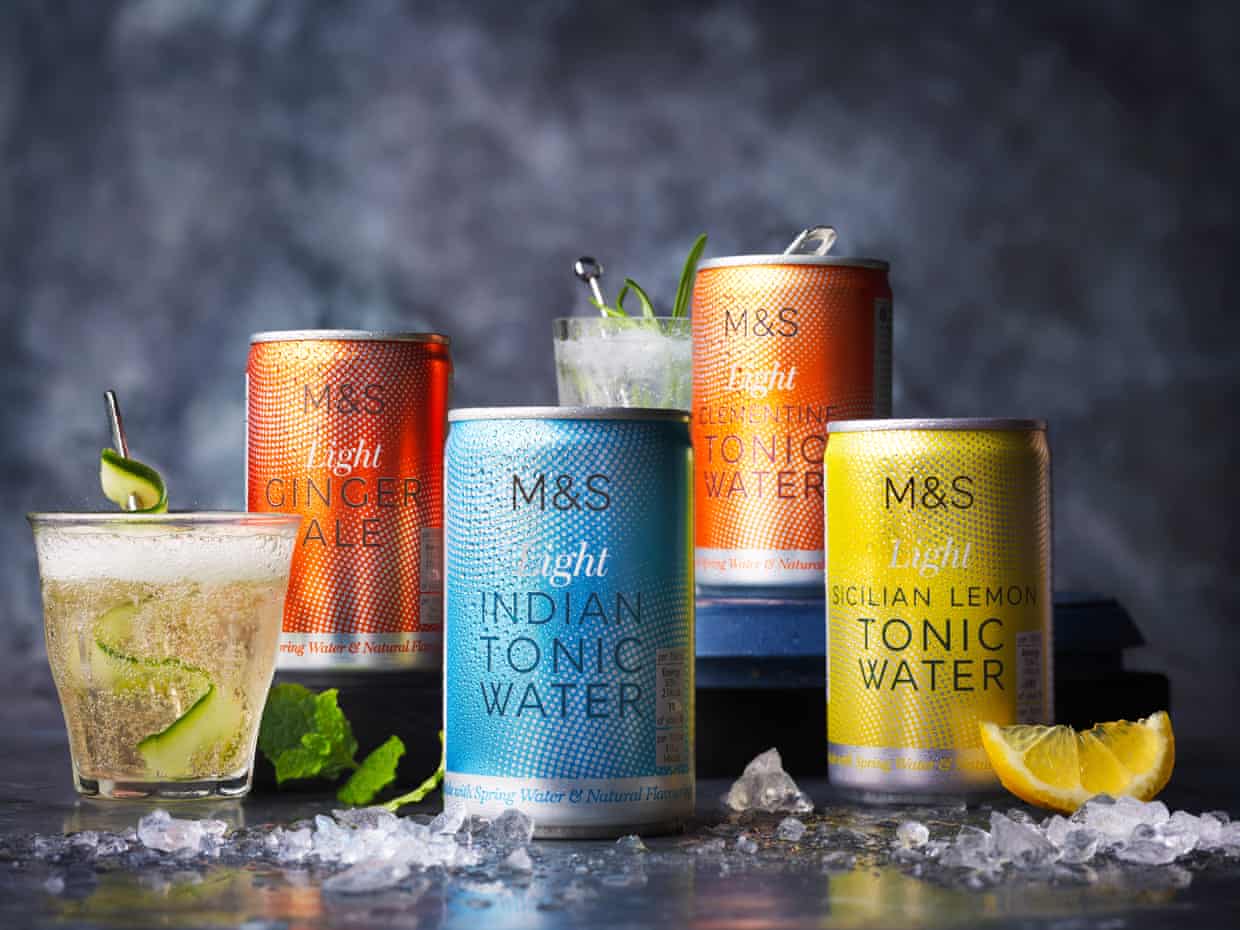
Just the tonic: why it’s more than a mixer
If a tonic is something that “makes you feel stronger and happier”, my tonics come in the form of good wine, bad chocolate and an ageing whippet called Ernie. Recently, though, I’ve found myself craving the OG tonic – tonic water – which started life as a malaria treatment in the age of the British empire.The Guardian’s journalism is independent. We will earn a commission if you buy something through an affiliate link. Learn more

Move over matcha: how ube cocktails and coffees are hitting the UK’s sweet spot
Bright purple coffees and cocktails made with a root vegetable called ube have hit the high street in the UK after the yam’s striking hue caused a sensation on social media. Many are calling ube the “new matcha”, and it has a nutty, creamy, sweet taste, like a mix between coconut and vanilla.Ube coloured and flavoured drinks became popular in the US last year, after an earlier boom in Australia. Farmers in the Philippines, where the root vegetable is often sourced, have been struggling to meet demand.Now, the purple drinks have crossed the pond: Starbucks and Costa both launched ube drinks in their UK stores last month
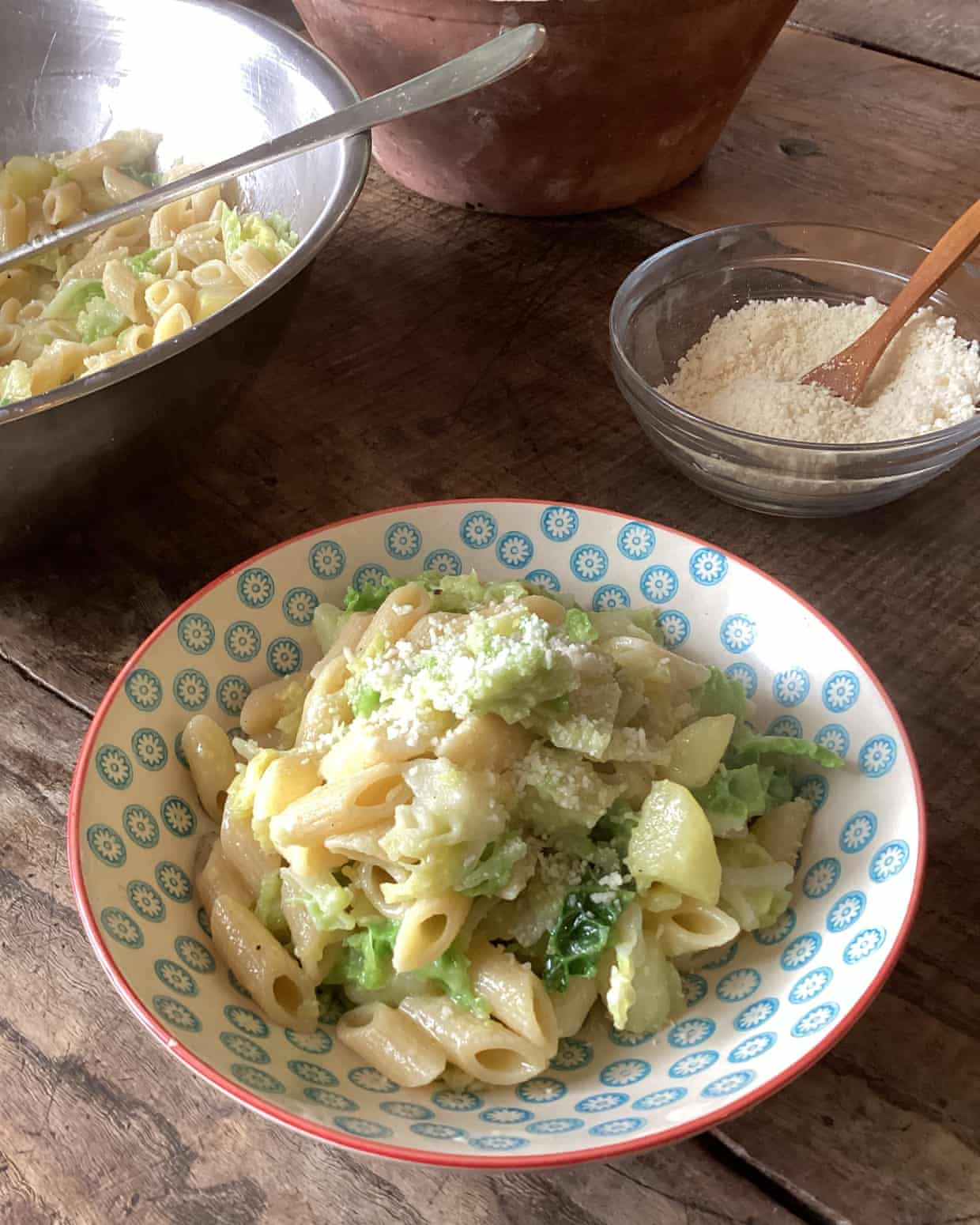
Rachel Roddy’s ‘high-ranking’ penne with potatoes, cabbage, butter and cheese – recipe
In December 2023, the magazine La Cucina Italiana ranked Italians’ favourite pasta shapes, according to data gathered by Unione Italiana Food (“the leading association in Italy for the direct representation of food product categories”). I love this sort of thing. According to the UIF, by processing NielsenIQ data (comprehensive market research, consumer intelligence and retail measurement), they identified the five most popular shapes from over 500, and examined how preferences vary in different regions.In first place was spaghetti, while penne came in second, with these two shapes – which also takes in thinner spaghettini, chunkier spaghettoni and both ridged and smooth penne – accounting for 78% of all pasta sold in Italy in 2023. The regional variations of three, four and five are as follows: in the north-west and north-east, fusilli, short pasta and mixed pasta for broth or minestra; in central Italy, short pasta, fusilli and rigatoni; in the south, mixed pasta for broth or minestra, short pasta and tortiglioni

Sir Hayden Phillips

UK politics: Matthew Doyle claims he never sought ambassador role – as it happened
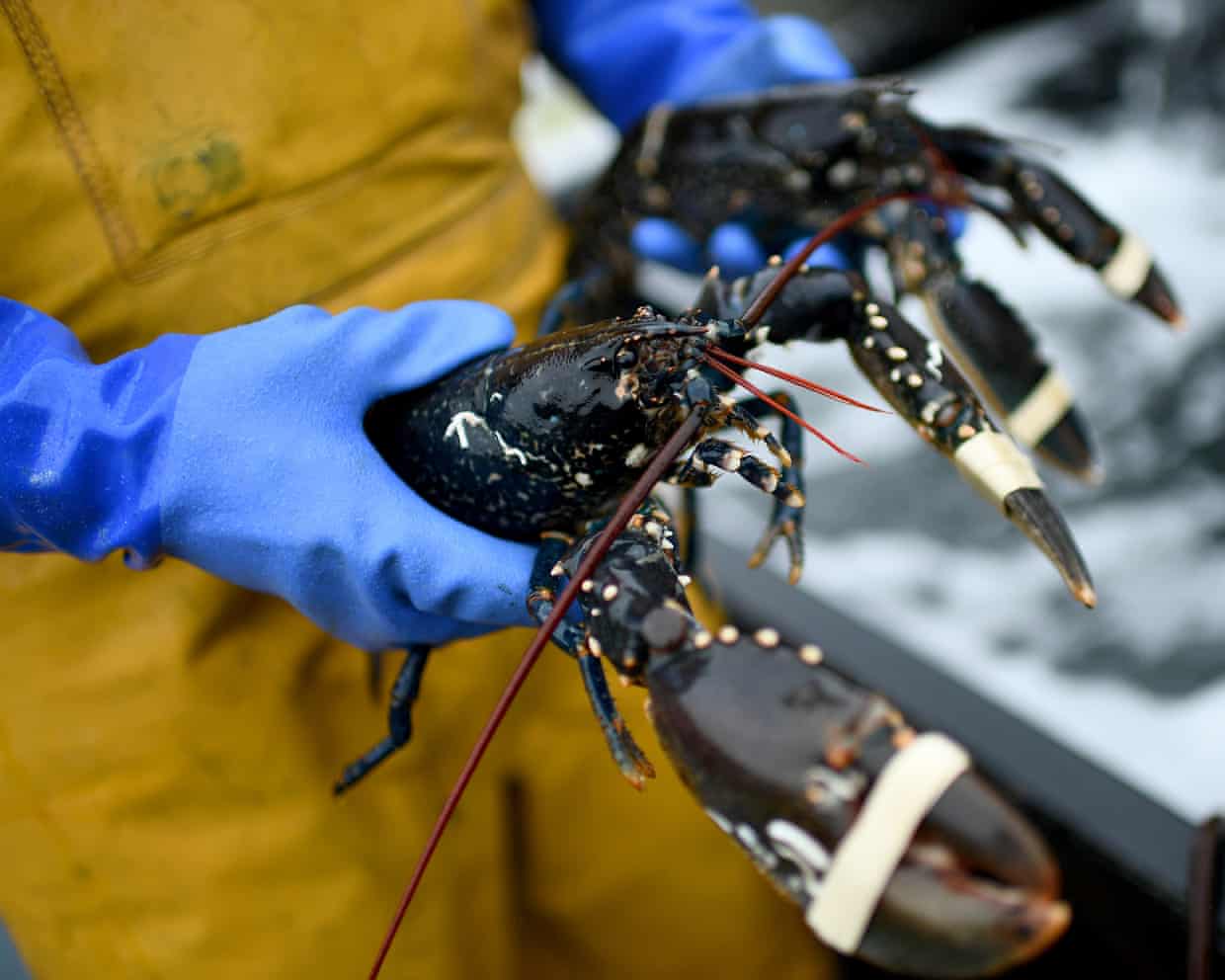
UK agriculture deal with EU will not remove all red tape, peers told

Olly Robbins: I was asked to find job for Starmer aide and not tell David Lammy

Starmer still faces more questions than answers after Olly Robbins’ quietly damning defence | John Crace

Olly Robbins says he faced ‘constant pressure’ to get Mandelson in post