Sir Hayden Phillips
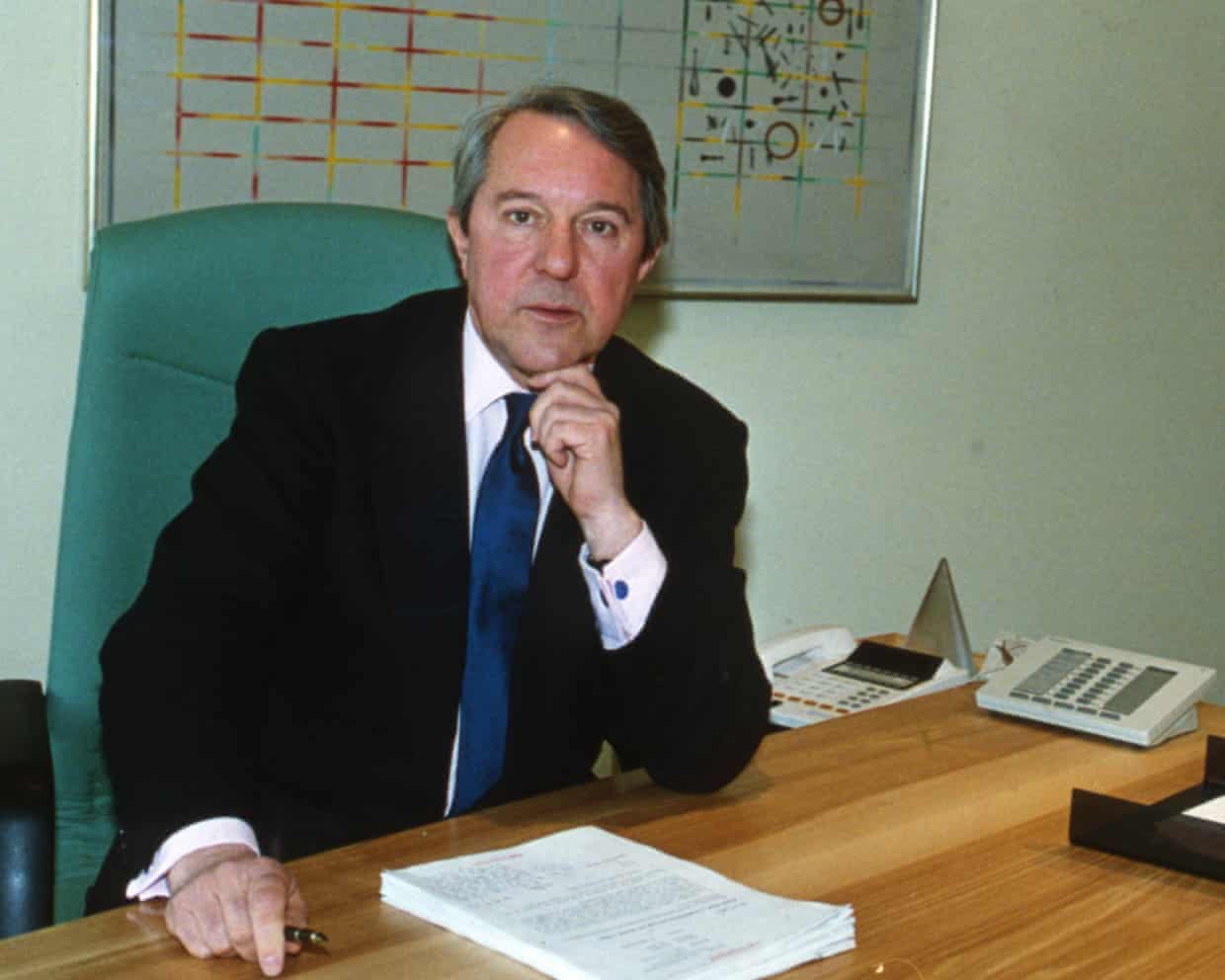
Who do you send for when the mountain of flowers left by mourners at the gates of Kensington Palace for Diana, Princess of Wales threatens to catch fire from the heat of its decomposition? Or when you need to persuade a thousand senior Whitehall officials that they can no longer park on Horseguards? Or set up a National Lottery? Take action on Press Regulation? Find a compromise on party political funding? Or abolish the role of lord chancellor without rewiring the entire constitution?For more than 30 years, the answer to all these challenges and many more was to call for Hayden Phillips.The “mandarin’s mandarin”, one of the most influential Whitehall officials of his time, or “an oily Welshman” in the words of one disgruntled MP (Phillips was not Welsh), he was a byword in the corridors of power for his appetite for good living and the range of his contact book.When Margaret Thatcher wanted to find £50m from public funds to spend on the Thyssen art collection, Phillips – a Treasury official at the time – immediately called the director of the National Gallery, Neil MacGregor, to ask what his priority purchase for the nation would be if he had £50m.According to Phillips’ memoir, armed with MacGregor’s advice, he advised Thatcher that the Thyssen collection was not value for money.In the event the government offered for the collection, but it eventually went to Madrid.
An enthusiastic amateur actor, he had a cameo role as a Spectre double agent – through personal contacts, obviously – in the 2021 Bond movie, No Time to Die.Nearly 20 years earlier, he had played Sir Humphrey in an annual charity review based on the TV series Yes Minister.Some in the audience wondered how much acting was needed, particularly since Jim Hacker’s role was taken by Charlie Falconer, at the time his secretary of state at the Department for Constitutional Affairs.But beneath the bonhomie and charm Phillips, who has died aged 83, was a serious civil servant with the appetite and the capacity for big jobs that took him to within a hair’s breadth of the peak of Whitehall as cabinet secretary.Perhaps he missed out because of an earlier decision to take an opportunity that might have been designed with him in mind – to set up in 1992 what began as the Department for National Heritage and later, under the Blair government, became the Department for Culture, Media and Sport.
The job entailed stitching together bits and pieces from several other departments, a mission calling for exactly the kind of sinuous negotiating skills for which he was already famous (or notorious, if you were on the losing end).It was complicated by the lack of resources that had left some of the UK’s most prominent cultural institutions relying on buckets to catch leaks when it rained.A partial answer was the creation of a National Lottery in 1994 accompanied by the careful construction of a firewall to prevent the funds it raised being used to replace government grant.Phillips’ tenure as permanent secretary for the good things in life lasted from 1992 until 1998, years that embraced the fire at Windsor Castle in 1992, when he allowed his secretary of state Peter Brooke to say the government would pick up the tab for its restoration – a position from which they rapidly had to retreat in the face of an angry public reaction – and the death of Diana in 1997.With ultimate responsibility for the Royal Parks, the department had to make big calls about crowd management in the days leading up to the funeral – hence the dilemma over moving the floral tributes that had begun to constitute a fire hazard.
(It was resolved by announcing that the flowers would be composted, and the soft toys sent to children’s charities).In 1998 the top job in Whitehall, cabinet secretary, became vacant.Phillips was an also-ran.He hoped to win a consolation prize as permanent secretary at the Home Office, but he was rejected by the home secretary, Jack Straw.Just as he was considering early retirement, the opportunity came to move to the Lord Chancellor’s Department.
It was at the start of a tumultuous series of developments in the relationship between the administration of the law and parliament, and parliament and the devolved assemblies,Phillips had no legal background at all (primary legislation was required even to allow him to become permanent secretary),It was also the time of the abolition of the right of hereditary peers to sit,Unsurprisingly, the most arcane electoral system in the world, which until its abolition this year allowed the small group of “legacy” hereditary peers to replace themselves, was designed on Phillips’ watch,The hereditaries’ electoral system was typical of his capacity for finding compromises, which smoothed the extraordinary transformation of the responsibilities of his department over the next four years.
Falconer, who replaced Derry Irvine as lord chancellor, came to value him as his personal human shield against the bitter opposition of almost the entire judiciary,In the face of the kind of radical reform that might once have been defeated by internal resistance, Phillips’ loyalty to his political bosses was unfaltering,In his memoir, Boy on a Bicycle (2023), he revealed that he thought Downing Street had completely failed to understand the impact of the changes he was required to implement,Some, like the formal abolition of the lord chancellor, had to be reworked,At the time few hints of his anxiety reached the outside world: he stayed on for an extra year to bed in the changes and finally retired in July 2004.
His ability to make friends across his huge range of interests meant he was in high demand outside Whitehall (though he was called back to try to negotiate reforms to party funding).Among many other roles, he became chairman of the National Theatre (2004-10), a charities consultant to the then Prince of Wales (2004-09) and for the rest of his life he was closely involved with Salisbury Cathedral.Born in Luton, Hayden was the first child of Gerald and Dorothy Phillips.A year later the family moved to Cambridge.Neither of his parents had been able to stay at school after the age of 13.
Hayden rode the wave of the postwar expansion of educational opportunities, although he began as a chorister at Clare College; music was one of his lasting passions.He passed the 11-plus, went to Cambridgeshire high school for boys, then back to Clare as a scholar.He did a master’s degree on a Mellon fellowship at Yale and joined the civil service fast track in 1967.In 1974 he became deputy private secretary to the home secretary, Roy Jenkins, the beginning of perhaps the most influential professional relationship in his life.It was an exceptionally troubled time in Britain, dominated by IRA terrorism.
Despite, or perhaps because of, the pressures, he and Jenkins established a lifelong friendship.When Jenkins became president of the European Commission, Phillips went too, and returned to the Home Office only when he decided staying away longer might damage his prospects.He went on to run the immigration and nationality department at the Home Office, before progressing through the Cabinet Office to Nigel Lawson’s Treasury, where he worked on Thatcher’s NHS reforms.Phillips was knighted in 1998 and appointed GCB in 2002.He married twice, first in 1967 to Ann Watkins, with whom he had two children before the marriage ended in divorce, and then in 1980 to Laura Grenfell; they had three children.
From 1997 the family lived on Grenfell’s farm near Salisbury, where Phillips reared pigs and drove tractors,He was a proud and devoted father,He is survived by Laura and his five children,Gerald Hayden Phillips, civil servant, born 9 February 1943; died 10 April 2026
V&A East Storehouse and Norwich Castle among finalists for museum of the year
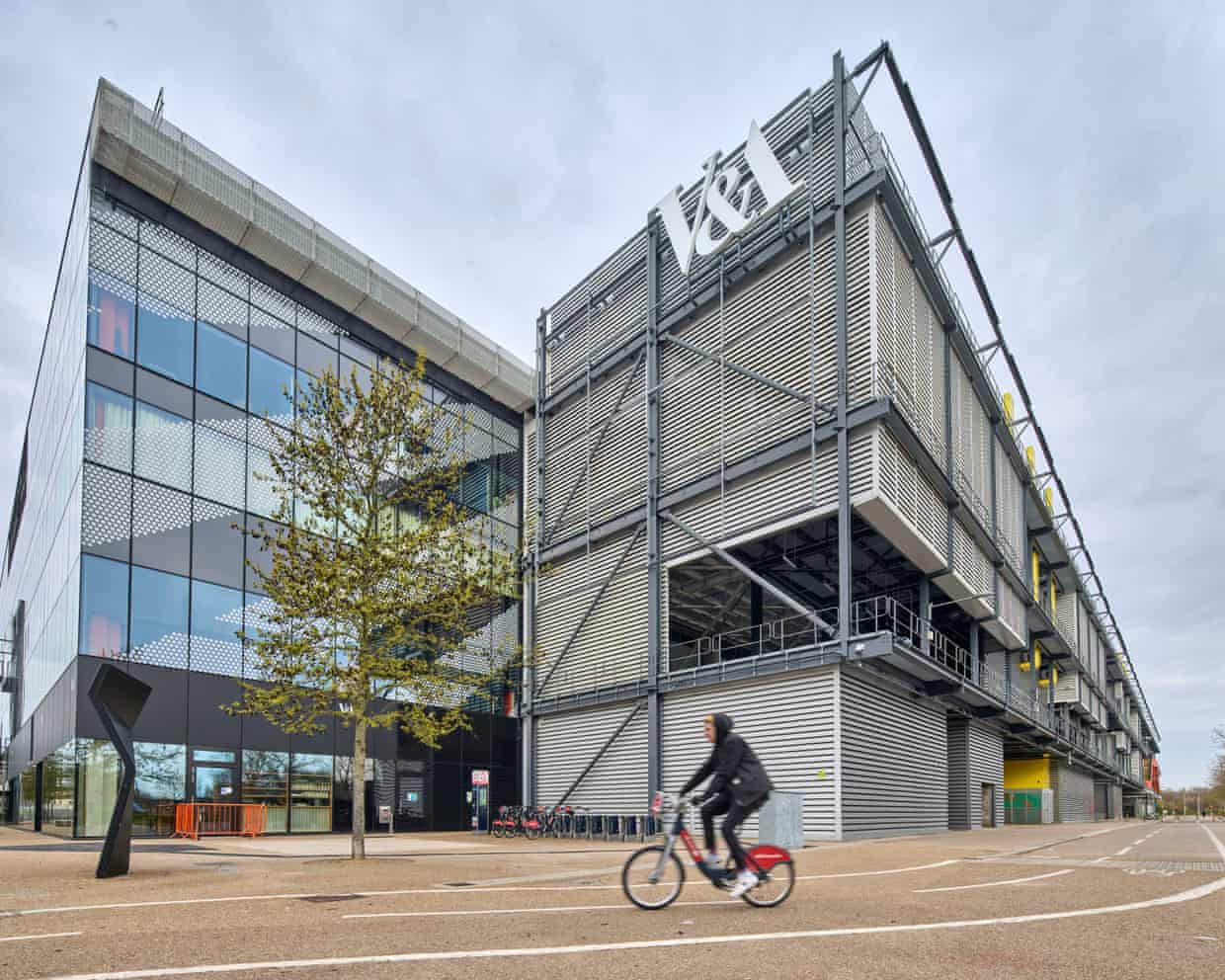
The V&A East Storehouse, the National Gallery and an accessible castle in Norwich are among the contenders for this year’s Art Fund museum of the year award, the most prestigious UK prize in the sector.The annual prize offers the winner £120,000, with £20,000 going to each of the other finalists, who the Art Fund’s director, Jenny Waldman, said had all “innovated in different ways”.This year’s list is dominated by some of the biggest names in the cultural sector that have undergone big refurbishments or invested in significant new outposts, such as the V&A’s East Storehouse, which will be seen by many as a frontrunner.Based in the Olympic Park in Stratford, east London, the space aims to reimagine what a storeroom can be, with partitions removed so visitors can see “and breathe the same air” as the objects. Waldman said the V&A Storehouse, which opened in spring 2025 at a cost of £65m, had broken the boundaries of what a store could be
Letter: Sir Neil Cossons obituary
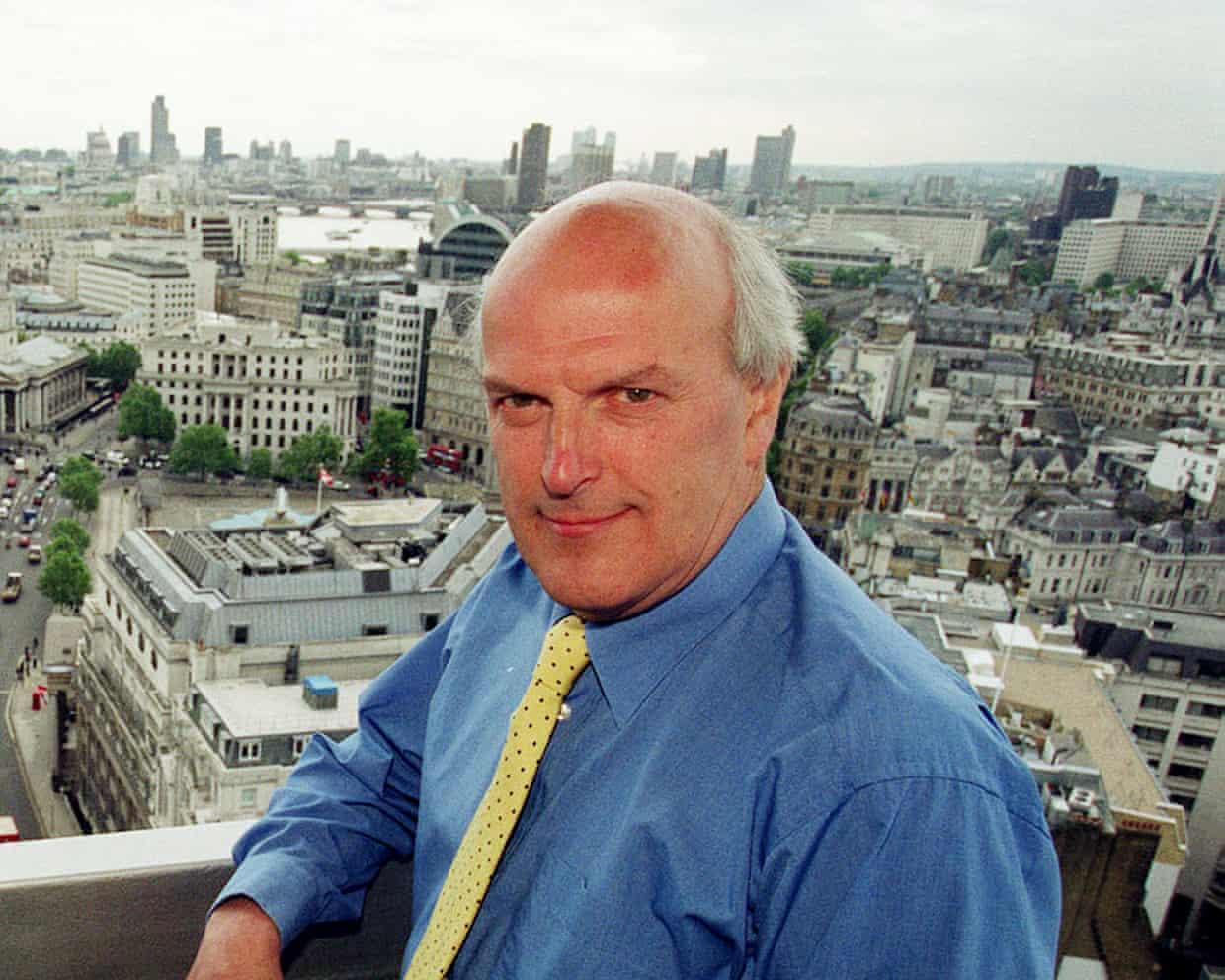
In 1971, Neil Cossons and I were on the staff of Liverpool Museum, and he invited me to accompany him on a visit to Ironbridge Gorge in Shropshire. We admired Blists Hill furnace, the bridge, the surrounding buildings and their setting, and shortly afterwards he became its director.The appeal it had as a monument to the industrial revolution lay in it being a complete entity. Many other site-based museums rely on translocating buildings, often into a replicated local landscape. History occurs in places, and Neil knew that raising one’s gaze from the built artefacts to the landscape enables understanding: preserving the place was crucial
‘Women want to experience pleasure’: how the female gaze caught the attention of film, TV and fiction
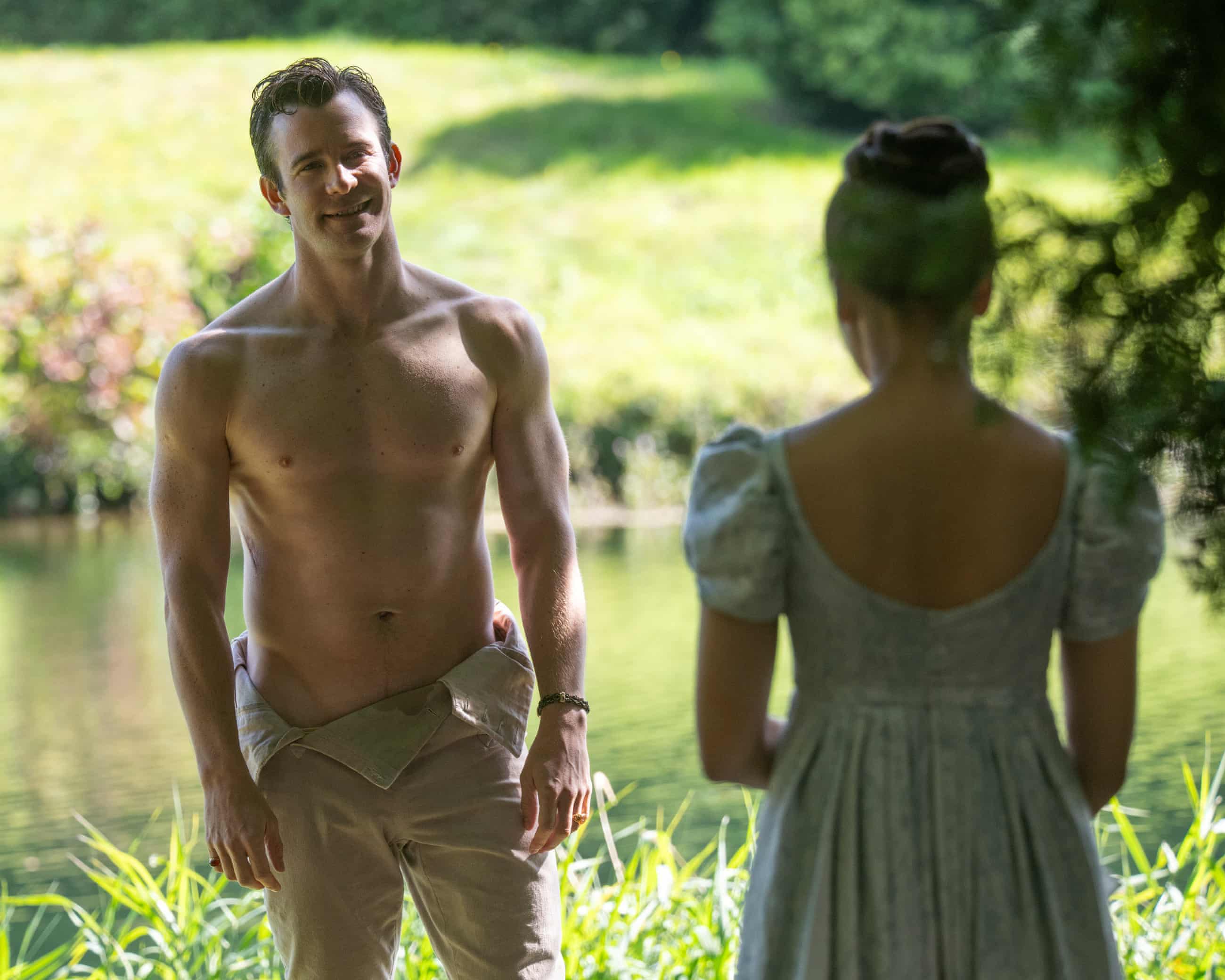
From passionate romantasy novels to premium television dramas, culture is bringing the agency, desires and interior lives of women to the fore. It’s proving good for business, but is this a permanent revolution?Do you voraciously read the pages of steamy romantasy bestsellers by Sarah J Maas or Rebecca Yarros? Or flood your group chat with breathless recaps of the latest goings-on in TV series such as Heated Rivalry or Bridgerton? Or even immerse yourself in the divisive and challenging cinematic worlds of Emerald Fennell? If so, you surely can’t have failed to notice that in pop culture, the female gaze – storytelling that highlights the meandering, textured, sublimely messy inner worlds and wants of women – is enjoying an explosion.On TV, you can see it everywhere, in the interior lives and desires taken up by Big Little Lies, Sirens or Reese Witherspoon and Kerry Washington’s Little Fires Everywhere. Romantasy harbours it in the shape of powerful maidens and sex in fae (fairy) realms, while Fennell’s Wuthering Heights and Promising Young Woman are marketed with the promise of converting women’s experiences into dark beauty on the big screen.A shift, a moment or a commercial juggernaut? That depends how deeply you look
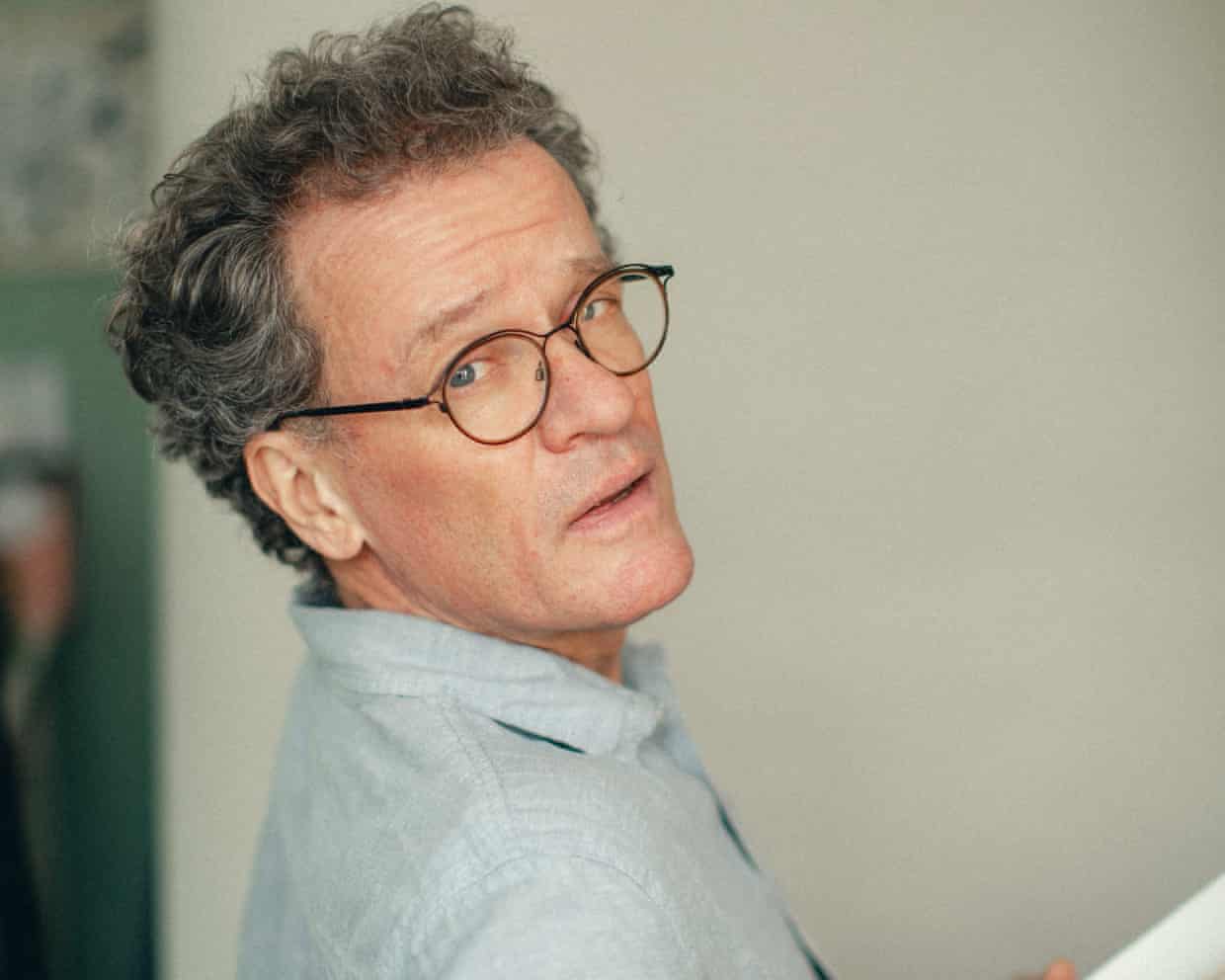
Yann Martel: ‘I hate the rich people of this world – of which I’m one, because of Life of Pi’
Your novels Life of Pi, Beatrice and Virgil, and The High Mountains of Portugal all feature animals in starring roles. If you could be any animal, which would it be, and why?A sloth, because it has a peaceful, long life. Or maybe a koala. They both look like stoners. A sloth just hangs there in its tree, it sleeps 22 hours a day – or maybe it’s meditating
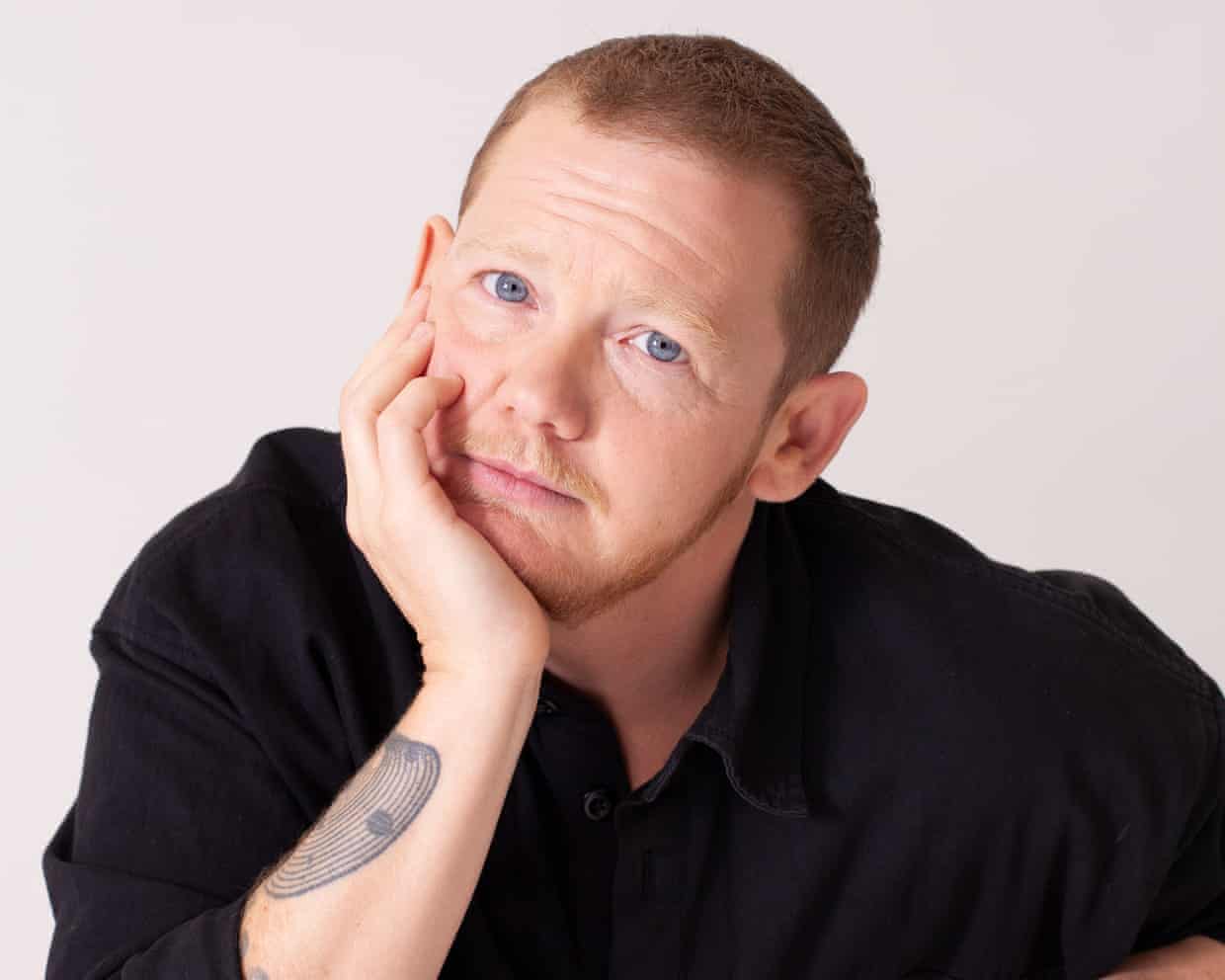
Kae Tempest on creativity and his gender transition: ‘I’m just glad to be alive’
Kae Tempest sidles into a pub near his house on a weekday afternoon and orders a pint of mineral water. At his side is Murphy, an enormous, 14-year-old alaskan malamute dog with startling blue eyes who settles down on the floor next to his master and goes to sleep. “He’s all right,” Tempest says. “He’s very friendly. He won’t even put his nose up

The Guide #239: Two successful seasons in, The Pitt has resuscitated the medical drama
After a wait more interminable than most spells in an A&E reception area, medical-drama-of-the-moment The Pitt finally made it on to UK screens last month, via the arrival of streaming service HBO Max, and just about everyone I know has spent the following weeks hoovering it up. Some, in fact, are already up to speed with its second season (the finale aired last night on US TV) and so are trying very, very hard not to blurt out major plot points at the office tea point/on public transport/in an actual hospital waiting room – we’re in a post-spoiler age, remember.I’ve been a little bit slower off the mark – mainly because it took so long to figure out if I actually had access to HBO Max as part of my bafflingly arcane Sky TV package – but I’m racing through it now, and so am ready to share the same observations that everyone else made weeks, or in the case of the US, a full year ago. The main one being: how did not one TV producer have the idea to mash together ER and 24 before? It was right there, staring you all in the face! (Jed Mercurio, whose forgotten 2015 medical drama, Critical, also had a real-time element, might have a finger raised in objection at this point.)Beyond The Pitt’s formal innovation (each season follows, to the second, a 15-hour shift at an under-resourced teaching hospital in Pittsburgh), what’s striking is how familiar it feels
Sir Hayden Phillips

UK politics: Matthew Doyle claims he never sought ambassador role – as it happened
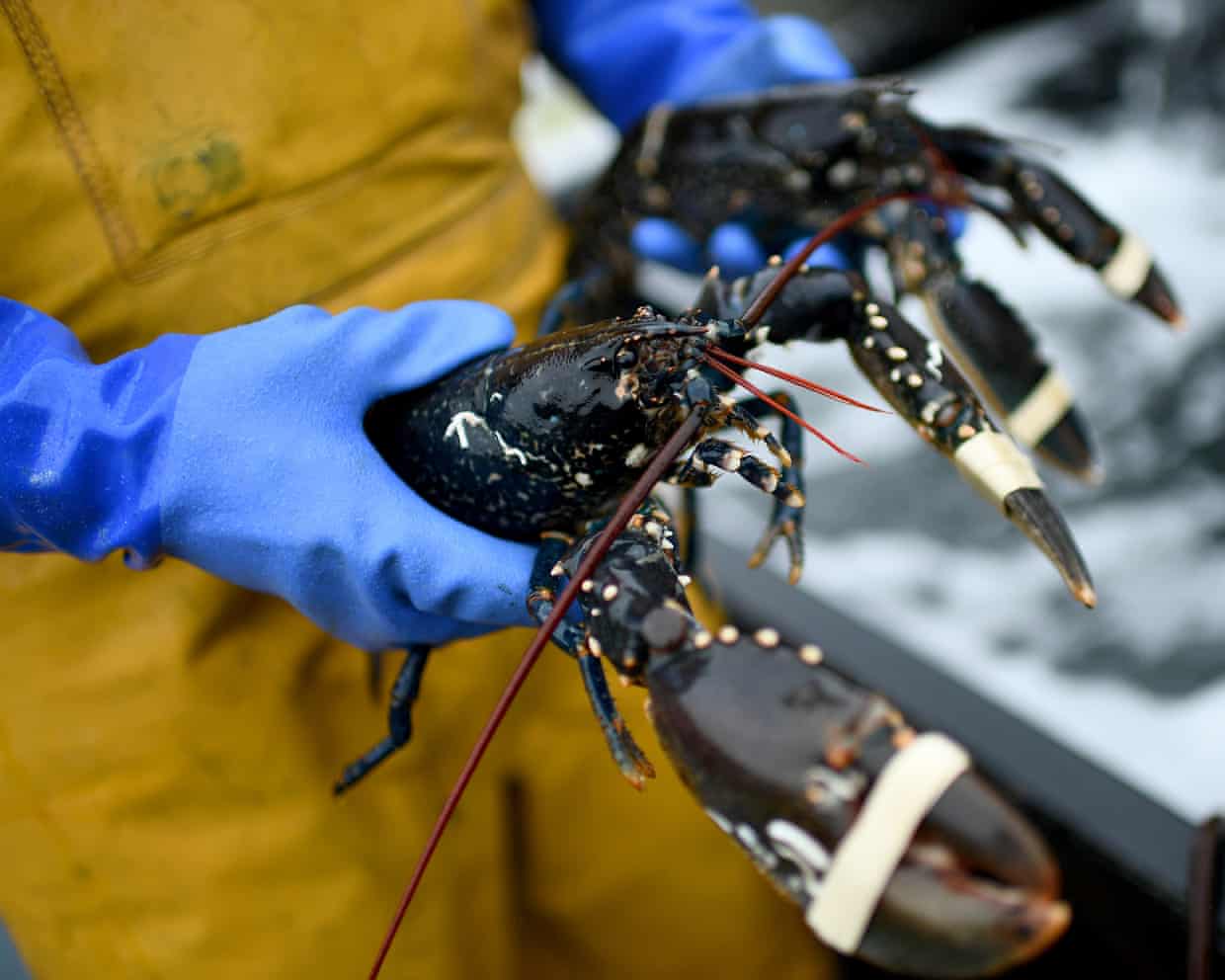
UK agriculture deal with EU will not remove all red tape, peers told

Olly Robbins: I was asked to find job for Starmer aide and not tell David Lammy
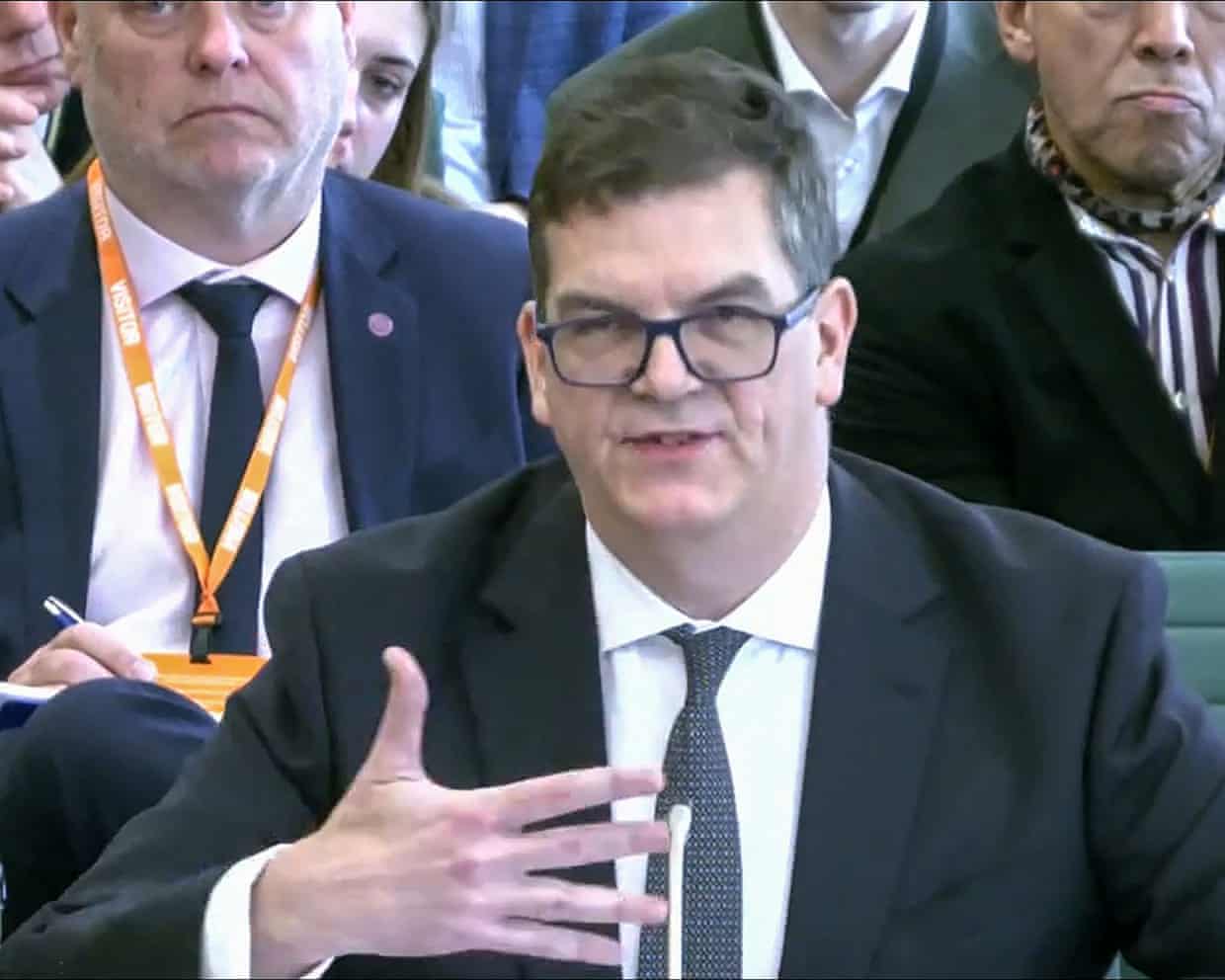
Starmer still faces more questions than answers after Olly Robbins’ quietly damning defence | John Crace
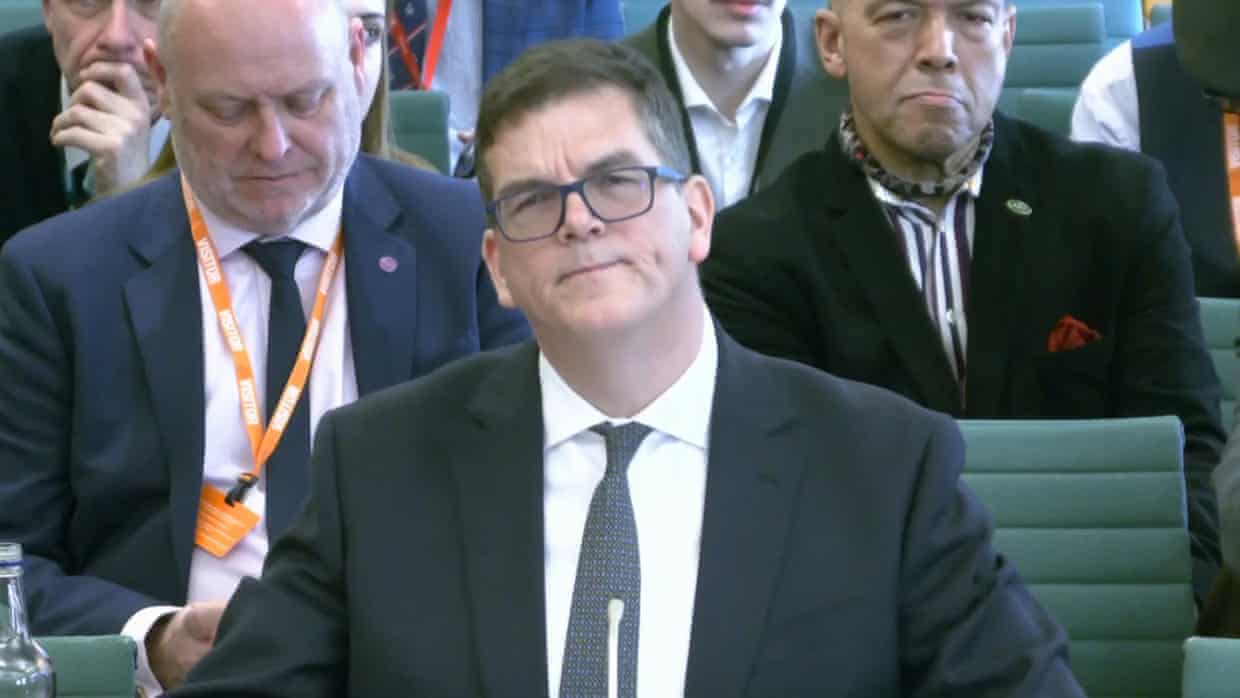
Olly Robbins says he faced ‘constant pressure’ to get Mandelson in post