Transgender women athletes banned from female events at Olympics by IOC
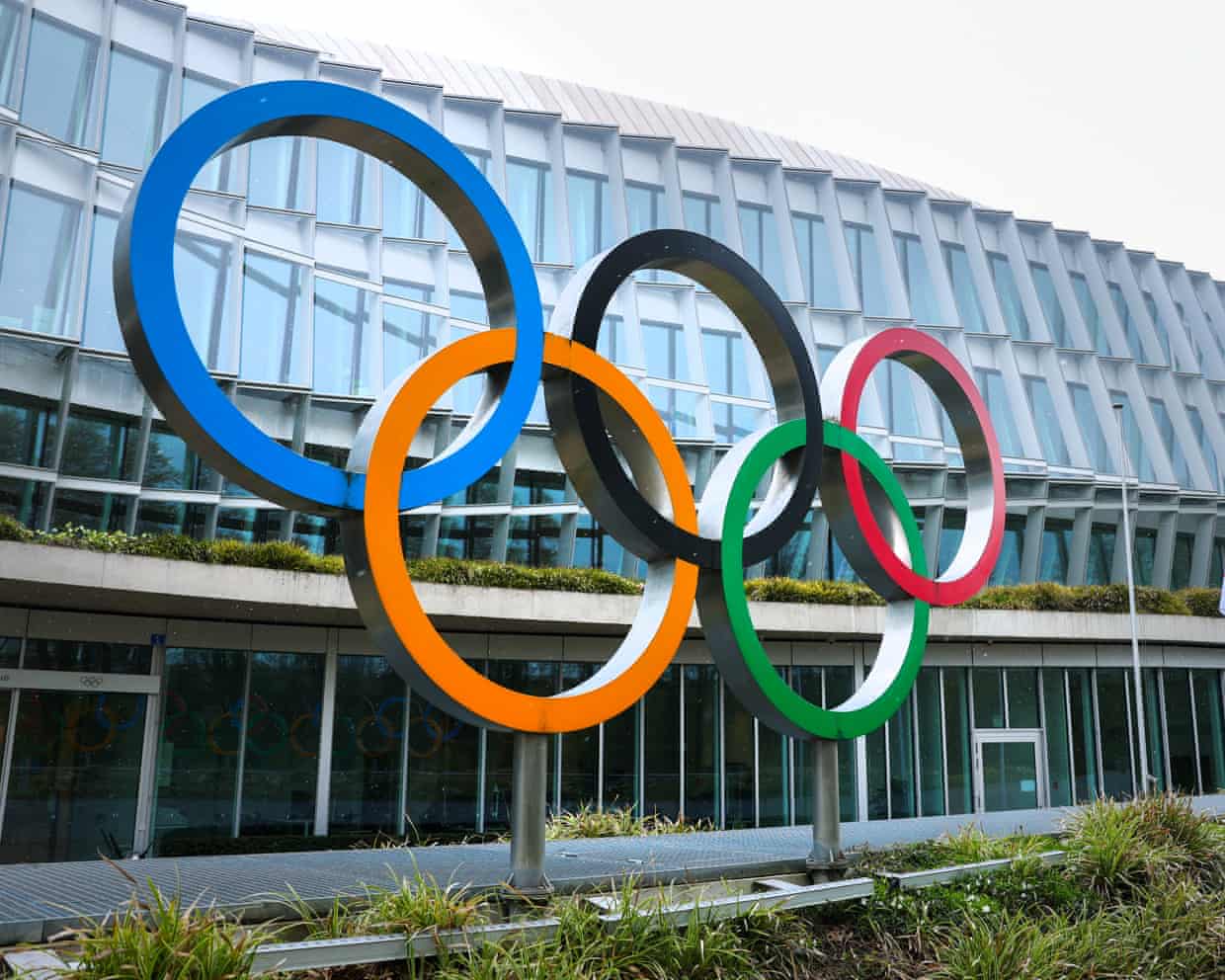
The International Olympic Committee has banned transgender women and DSD athletes from the female category of events at the 2028 Los Angeles Olympics and future Games.Kirsty Coventry, the president of the IOC, said the landmark decision had been taken because “it would not be fair for biological males to compete in the female category”.The IOC has also confirmed that all athletes wanting to compete in the female category at future Olympics will have to undergo a one-off SRY (sex determining region Y gene) screening to detect their biological sex.Usually that is done via an unintrusive cheek-swab or saliva test.Coventry said the decision, which applies to elite individual and team sports, was based on science and would protect the fairness and safety of women’s sport.
“As a former athlete, I passionately believe in the rights of all Olympians to take part in fair competition,” she said.“The policy that we have announced is based on science and has been led by medical experts.At the Olympic Games, even the smallest margins can be the difference between victory and defeat.So, it is absolutely clear that it would not be fair for biological males to compete in the female category.In addition, in some sports it would simply not be safe.
“Every athlete must be treated with dignity and respect, and athletes will need to be screened only once in their lifetime.”Sports have been wrestling with the issue of transgender and DSD (differences in sex development) participation in the female category for more than a decade.In 2021, the New Zealand weightlifter Laurel Hubbard became the first transgender woman to compete at an Olympics after transitioning.There have also been several high-profile cases of DSD athletes, who were reported female at birth but have male chromosomes and male testosterone levels, winning Olympic medals.They include the South African Caster Semenya, winner of London 2012 and Rio 2016 women’s 800m Olympic gold, as well as the boxer Imane Khelif in Paris in 2024.
In a 10-page document outlining its new policy, the IOC makes it clear transgender women, who have transitioned from male to female, and athletes with a DSD retain the advantages of going through male puberty.“There is a 10-12% male performance advantage in most running and swimming events,” it says.“There is a 20+ per cent male performance advantage in most throwing and jumping events.And the male performance advantage can be greater than 100 per cent in events that involve explosive power, eg in collision, lifting and punching sports.”“XY transgender athletes and athletes with XY-DSD typically have testes/testicles and testosterone levels in the male range,” it adds.
“The clear majority are androgen-sensitive, meaning that their bodies are receptive to and make use of that testosterone during growth and development and throughout their athletic career.“The Olympic movement has a compelling interest in having a sex-based female category, because this is necessary to ensure fairness, safety and integrity in elite competition.”The document maintains that the SRY screen test is the best way to check someone’s biological sex – and is not intrusive.“Based on scientific evidence, the IOC considers that the presence of the SRY gene is fixed throughout life and represents highly accurate evidence that an athlete has experienced male sex development,” it said.“Furthermore, the IOC considers that SRY gene screening via saliva, cheek swab or blood sample is unintrusive compared to other possible methods.
”The IOC said its new policy should be adopted by all international sports federations and governing bodies for events, such as the Summer and Winter Olympics.It made it clear it applies only to elite sport and not any grassroots or recreational sports programmes.The charity Sex Matters said it supported the IOC’s decision.“We wholeheartedly welcome the new IOC guidelines that secure a safe and fair female category,” its interim chair Emma Hilton said.“SRY screening is a simple, non-invasive, once-in-a-lifetime check that returns female sport to female athletes.
”However, others reacted with disappointment, including the charity Dsdfamilies.“Fairness in competition is important, but eligibility rules must also be proportionate and aligned with contemporary standards of DSD care, rather than creating foreseeable and avoidable harm to this vulnerable minority group,” its spokesperson Ellie Magritte said.“We are concerned that proposed processes do not always demonstrate the level of understanding, dignity and respect that this issue requires.”

The Middle East price shock hasn’t hit Next – yet | Nils Pratley
In the context of Next, which has just reported full-year pre-tax profits of £1.16bn, an estimated £15m of extra fuel and air freight costs arising from the Middle East conflict is tiny. The sum, which in any case assumes disruption lasts three months, can be lost in the wash, or more precisely “offset by savings elsewhere”.The chief executive, Simon Wolfson, a boss who tends to err on the side of caution when guiding on profits, saw no reason not to add £8m to this year’s number as a mechanical read-through from last year’s outcome. If there wasn’t a war on, one can assume there would have been a proper profit upgrade

NS&I chief executive replaced in ‘fresh start’ over missing savings crisis; bad day for markets – as it happened
The boss of National Savings and Investments appears to have been dismissed over the £476m savings scandal at the bank.Pensions minister Torsten Bell has told MPs that he has appointed Sir Jim Harra, a senior civil servant, to take over as the chief executive of NS&I on an interim basis, replacing Dax Harkins.Bell says Harra, a former first permanent secretary at HMRC, will provide “a fresh start for NS&I”, following its failure to trace missing savings belonging to customers who have died.Updating MPs on the crisis over deceased customers’ savings, Bell says he wants to make sure NS&I has “the very best leadership” in place.Bell tells MPs: double quotation markSir Jim will undertake a review over the next three months to spell out in detail the background to this tracing problem and to set out what lessons must be learned for NSI going forward

New York City hospitals drop Palantir as controversial AI firm expands in UK
New York City’s public hospital system announced that it would not be renewing its contract with Palantir as controversy mounts in the UK over the data analytics and AI firm’s government contract.The president of the US’ largest municipal public health care system, Dr Mitchell Katz, testified last week before the New York City Council that the agreement with Palantir would expire in October.He said at the hearing that the contract, which focused on recovering money for insurance claims, was always meant to be short term, and that there was an “absolute firewall” preventing Palantir from sharing information with US Immigration and Customs Enforcement. He said that the agency has “not had any incidents”.The contract and related payment documents shared with the Guardian by the American Friends Service Committee and first reported by the Intercept, show that NYC Health + Hospitals has paid Palantir nearly $4m since November 2023

Brussels opens investigation into Snapchat amid concern over children’s safety
Brussels has opened an investigation into Snapchat over concerns the social messaging app is exposing children to grooming, sexual exploitation and other criminality.In a separate decision on Thursday, the European Commission also said four pornographic websites were failing to prevent minors seeing adult content, harming young people’s mental health and fuelling negative gender attitudes.The investigations into five tech companies were brought under the EU’s Digital Services Act (DSA), which has come under fire from Donald Trump since coming into force two years ago. Aiming to protect European society from a wide range of internet harms, the DSA includes child safety provisions to combat cyberbullying, exposure to adult content and illegal products.The announcements came after a landmark ruling in a Los Angeles court found that two social media companies, Meta and YouTube, had deliberately created addictive products that harmed a young user

Sinner continues smooth Miami progress with win over Tiafoe as rivals fall
The past nine days at the Miami Open have not been kind to most of the world’s best male tennis players. One by one, so many have fallen, most dumped out with mediocre performances. Even Carlos Alcaraz, the world No 1, was not immune to the string of giantkillings in Florida.One man remains completely unbothered. Having broken Novak Djokovic’s 2016 record for most consecutive sets won at Masters 1000 events earlier in the tournament, Jannik Sinner has continued to bulldoze through the draw as he tries to follow up his recent Indian Wells title by winning the Sunshine Double
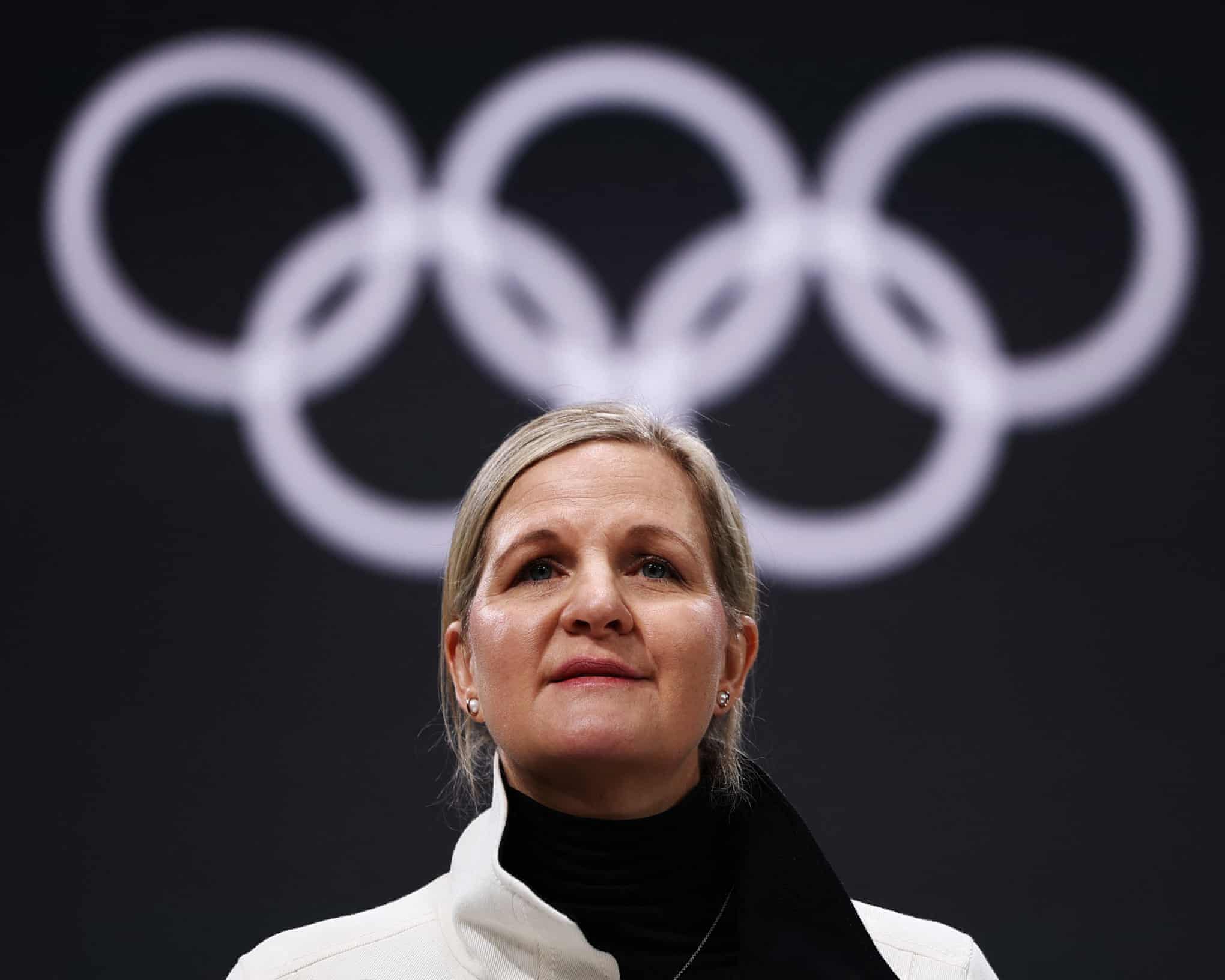
From Laurel Hubbard to sex testing in five years: why the Olympics U-turned on transgender rules | Sean Ingle
The IOC’s shift in position on trans women in elite sports is seismic, but new president Kirsty Coventry is reflecting a changed political climateBy any measure, it amounts to one of the most astonishing U-turns from a governing body in modern times. Four and a half years ago, the International Olympic Committee was lauding the appearance of the first transgender weightlifter, Laurel Hubbard, at an Olympics, and issuing a framework to sports saying that transgender women “should not be deemed to have an unfair or disproportionate competitive advantage” over biological women.Now it has not only ripped up every last morsel of that guidance but also performed a spectacular 180-degree turn.Over 10 tightly worded pages, the IOC now states that the female category must be protected for fairness and safety reasons, and makes it clear that SRY screening – a sex test using saliva or a cheek-swab – will be used to determine biological sex.It is a monumental shift that means transgender women and athletes with differences in sex development (DSD), who were reported as female at birth but have internal testes and have undergone male puberty, are now banned from the female category at all future Olympics

Resident doctors in England to begin six-day strike after rejecting offer in pay dispute

Fifteen new councils to be created in south and east of England
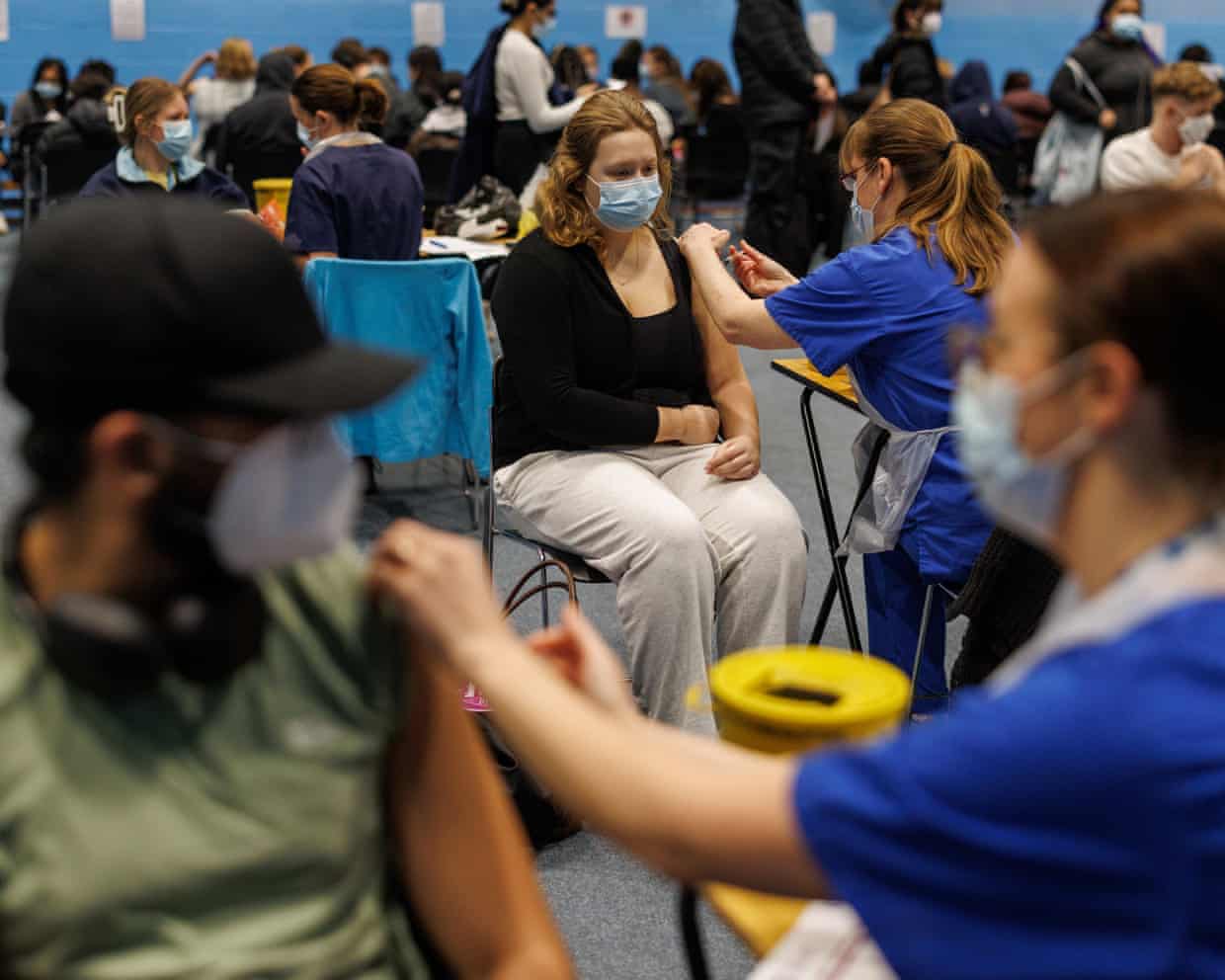
Kent meningitis outbreak prompts rush for routine vaccinations in England

More frequent ejaculations may boost men’s fertility, research suggests
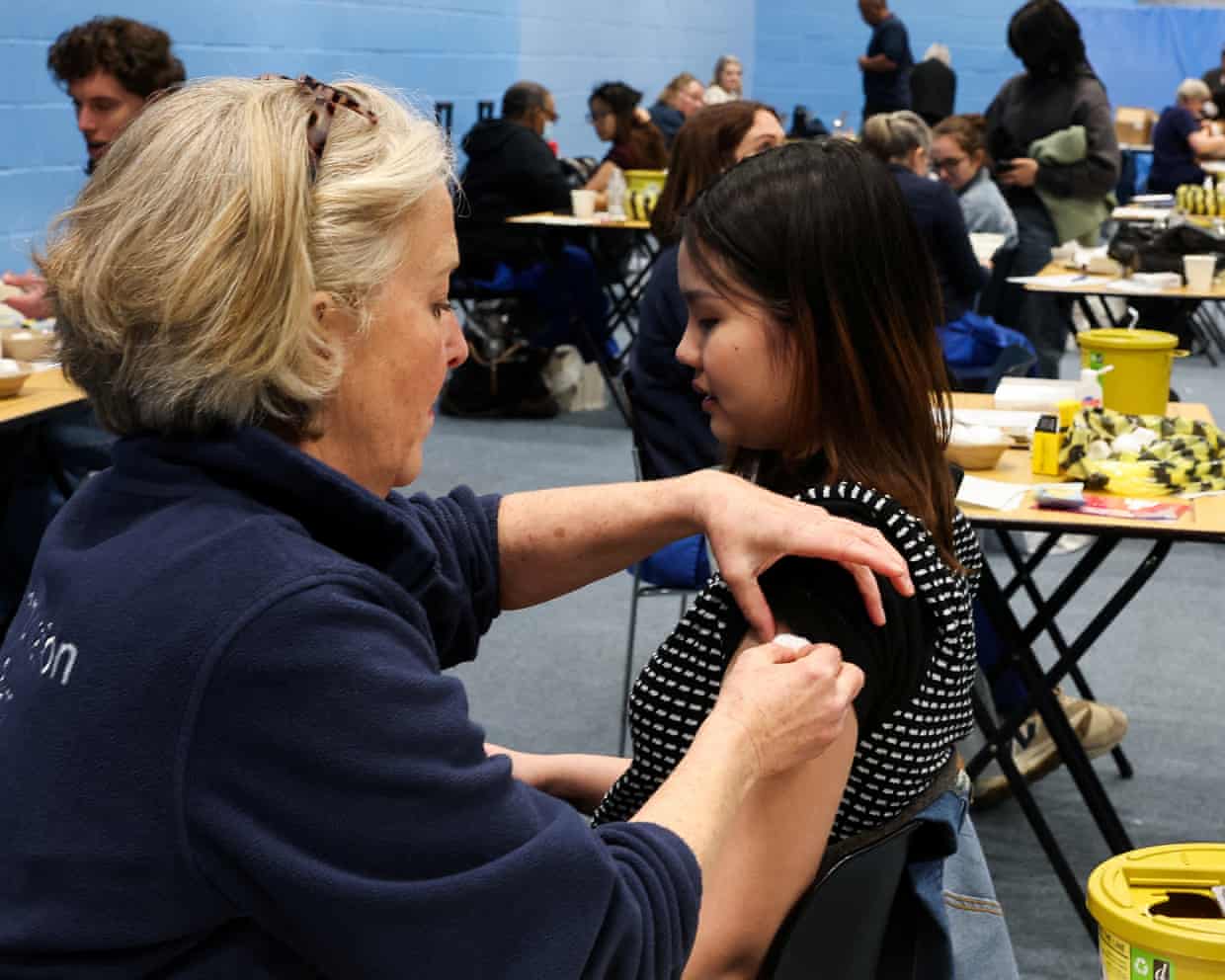
Public satisfaction with the NHS rises for first time since 2019

Polyurethane coating reduces implant complications after mastectomy, cancer study finds